
2027 Most Affordable Healthcare Degree Programs Ranking in Baltimore

Co-Founder and Chief Data Scientist
Choosing the right healthcare degree program in Baltimore can feel overwhelming. To make this easier, the Research.com team of data scientists created the 2027 Most Affordable Healthcare Degree Programs Ranking in Baltimore. This ranking helps you discover quality programs that fit your budget and career goals.
Reading this article will give you insight into affordable options that can set you up for success. A healthcare degree opens doors to meaningful work and personal growth. Take the first step toward a rewarding future by exploring the best programs available right here in Baltimore.
Key benefits of getting healthcare degree in Baltimore
- Healthcare degree graduates in Baltimore can expect competitive salaries, such as $43,350 annually for Medical Assistants and Clinical Research Coordinators, and up to $103,150 for Quality Improvement Coordinators, reflecting strong earning potential.
- Graduates from Baltimore's popular institutions often find diverse career paths, including roles as Patient Care Technicians or Health Information Technicians, offering flexibility and opportunities to grow within healthcare.
- Completing a healthcare degree online through Baltimore-based universities provides convenience and the ability to balance work and study, making education more accessible without compromising quality.
- Key benefits of getting healthcare degree in Baltimore
- What can I expect from healthcare degree in Baltimore?
- Where can I work with healthcare degree in Baltimore?
- How much can I make with healthcare degree in Baltimore?
- 2027 Most Affordable Healthcare Degree Programs Ranking in Baltimore
- Key Findings
- How long does it take to complete healthcare degree in Baltimore?
- Accreditation and Licensure Requirements
- What's the difference between online and on-campus healthcare degree?
- What is the average cost of healthcare degree in Baltimore?
- Campus Life and Student Support Services
- What financial aid is available to healthcare degree students in Baltimore?
- Student Life & Campus Experience in Baltimore, MD
- What are the prerequisites for enrolling in healthcare degree program in Baltimore?
- Industry Partnerships and Research Opportunities
- What courses are typically in healthcare degree programs in Baltimore?
- What types of specializations are available in healthcare degree programs in Baltimore?
- How do you choose the best healthcare degree in Baltimore?
- What career paths are available for healthcare degree students in Baltimore?
- What is the job market for healthcare degree in Baltimore?
- Top Trending Healthcare Rankings
- See What Experts Have To Say About Studying Healthcare
What can I expect from healthcare degree in Baltimore?
The average cost of pursuing a healthcare degree in Baltimore can vary significantly, shaped by whether you attend a public institution like the University of Maryland, Baltimore or a private college such as Notre Dame of Maryland University. Graduates often recall balancing financial commitments with the value of hands-on learning at top-tier hospitals nearby. Public schools typically offer in-state tuition discounts, lowering costs substantially for Maryland residents, sometimes making healthcare education more accessible than assumed.
Private institutions may carry higher price tags but often compensate through specialized scholarships and healthcare-specific grants awarded to motivated students. Many learners describe relief when tapping into these resources, which ease the burden of tuition and allow focus on immersive clinical rotations at Johns Hopkins Medicine or community health settings. Such experiences not only enhance skills but also kindle excitement about future careers.
Financial aid, scholarships, and sometimes employer-sponsored educational benefits play vital roles, especially as students weigh the long-term return on investment in Baltimore's competitive healthcare job market. The unpredictable nature of expenses tied to licensing exams and continuing education further challenges conventional budgeting notions for healthcare students here.
Where can I work with healthcare degree in Baltimore?
Graduates from Baltimore's well-regarded healthcare programs often find themselves stepping into dynamic roles that challenge the traditional 9-to-5 mindset. Imagine a recent graduate from the University of Maryland School of Nursing thriving in a bustling hospital ward, where critical thinking and compassion shape every shift. Others from Johns Hopkins University regularly secure positions within its sprawling health system-whether in nursing, research, or administration-feeling the tangible impact of their efforts on patient care.
Baltimore's unique healthcare ecosystem means opportunities extend beyond hospitals. Community health centers and the City Health Department frequently hire graduates motivated to tackle real public health issues, such as reducing health disparities in local neighborhoods. These roles turn textbooks into meaningful community action, a transition many find deeply rewarding.
Consider also the growing demand for healthcare professionals in long-term care and rehabilitation, reflecting Baltimore's aging population. Graduates often share how working with seniors fuels a sense of purpose and connection rarely found elsewhere. For those drawn to medical innovation, biotech firms and research institutions in the Baltimore-Washington corridor open doors to careers integrating technology with healthcare.
How much can I make with healthcare degree in Baltimore?
Graduates from healthcare programs in Baltimore often find their efforts reflected in competitive salaries that defy the misconception that entry-level healthcare work is low-paying. For example, a medical assistant fresh out of a program at a Baltimore community college can expect an average annual wage of around $43,350. This is a tangible reward for those who commit to hands-on training combined with classroom study.
Patient care technicians and health information technicians, common roles among graduates from Baltimore's technical and healthcare-focused institutions, earn slightly more: approximately $60,790 and $43,380 per year respectively. These figures paint an encouraging picture for those entering the workforce, showing that a healthcare degree here can quickly translate into stable income.
More ambitious graduates pursue roles like quality improvement coordinators, who command an impressive mean annual salary of $103,150. This demonstrates how Baltimore's healthcare education pathways can lead to pivotal management positions within respected local hospitals and research centers. Students often share stories of how internships at Johns Hopkins or the University of Maryland Medical Center paved the way to these rewarding careers, blending passion with robust financial outcomes.
2027 Most Affordable Healthcare Degree Programs Ranking in Baltimore
How do we rank schools?
Investing in your education is a significant decision that can shape your future, and the Research.com team is fully aware of the importance of making well-informed choices. To support prospective students in Baltimore, we have carefully developed the "2027 Most Affordable Healthcare Degree Programs Ranking in Baltimore." Our dedication to quality, credibility, and accuracy is demonstrated through the rigorous research and analysis behind this ranking.
We utilized the following reputable data sources to ensure a comprehensive evaluation of healthcare degree programs:
By reviewing this ranking, readers will gain valuable insights into affordable and quality healthcare education options in Baltimore, enabling them to make sound educational investments. For more information on the ranking process, please visit our Research.com methodology page.
# 1 position
Women's Institute of Torah Seminary and College
Bachelor of Arts in Health and Human Services



Key Findings
- Annual tuition for public healthcare programs in Baltimore ranges from $10,000 to $18,000 for in-state students, while private schools charge between $25,000 and $40,000.
- Entry-level salaries for healthcare graduates, such as registered nurses and health administrators, average $55,000 to $65,000 per year.
- With five to ten years of experience, median salaries in healthcare fields often rise to $80,000 to $100,000 depending on specialization.
- Employment in healthcare occupations in Baltimore is projected to grow by about 15% over the next decade, faster than the national average.
- Major employers like Johns Hopkins Hospital and the University of Maryland Medical Center offer strong opportunities for internships and jobs.
How long does it take to complete healthcare degree in Baltimore?
Completing a healthcare degree in Baltimore is rarely a one-size-fits-all journey. For many graduates of Baltimore City Community College, the ASN program typically spans about two years, but the experience feels richer than just time spent. Clinical rotations embedded in the curriculum offer real, hands-on learning that transforms theoretical knowledge into meaningful patient care moments.
Some bachelor's students at institutions like the University of Baltimore find themselves challenged by the traditional four-year timeline. Yet, accelerated RN-to-BSN tracks condense this to as little as 12 to 18 months, a thrilling option for nurses eager to elevate their careers without years of waiting.
Those pursuing graduate degrees, such as the DNP or healthcare management master's, often share a mix of excitement and pressure during the 1.5 to 6-year commitment. Balancing part-time employment, clinical hours, and licensing prep in Baltimore's bustling healthcare market teaches invaluable resilience alongside academic mastery.
This diversity in duration highlights how Baltimore's healthcare education adapts to individual goals, making each student's timeline deeply personal and rewarding.
Accreditation and Licensure Requirements
Ensuring that your chosen program meets both academic and professional standards is essential for a seamless transition into the workforce. Prospective students in Baltimore, MD, should verify two key elements before enrolling: 1. Regional and Programmatic Accreditation - Regional accreditation (e.g., Middle States Commission on Higher Education) confirms overall institutional quality. - Programmatic accreditation from bodies like the Commission on Collegiate Nursing Education (CCNE), the Commission on Accreditation for Health Informatics and Information Management Education (CAHIIM), or the Council on Education for Public Health (CEPH) ensures your degree meets industry-specific benchmarks. 2. Licensure and Certification Pathways - Nursing graduates must pass the NCLEX-RN exam; check each school’s first-time pass rate. - Health Information Management students pursue credentials such as the Registered Health Information Administrator (RHIA) exam. - Allied health roles often require the Certified Medical Assistant (CMA) or Registered Medical Assistant (RMA) credentials, accredited by CAAHEP. Key steps to verify accreditation and licensure readiness: • Review each program’s accreditation status on the U.S. Department of Education’s database. • Consult state licensing boards (e.g., Maryland Board of Physicians, Maryland Board of Nursing) for up-to-date requirements. • Compare pass rates and clinical placement success when evaluating programs. For students interested in related fields such as kinesiology, exploring online kinesiology bachelor degree programs can provide additional insight into accredited pathways and certification options.
What's the difference between online and on-campus healthcare degree?
Choosing between online and on-campus healthcare degrees in Baltimore reveals more than just differences in location-it challenges how you experience education itself. Online learners enjoying flexibility often juggle family or work while accessing coursework remotely, a freedom many Baltimore-area graduates describe as life-changing. Imagine tuning into lectures from your living room yet feeling connected to a respected program like Johns Hopkins School of Nursing, all while avoiding commuting hassles.
Conversely, on-campus students at institutions such as the University of Maryland cherish the immersive atmosphere-face-to-face mentoring, hands-on clinical hours at local hospitals, and spontaneous study groups that build confidence and camaraderie. Graduates frequently highlight that these in-person moments create lasting professional networks, crucial for a demanding healthcare career in Baltimore's competitive market.
The real distinction lies not only in convenience or cost but in the type of learning experience you want. Does the idea of asynchronous study spark enthusiasm, or does the vibrant campus energy fuel your motivation? For Baltimore students, this decision shapes not just their education but how they engage with their future profession.
What is the average cost of healthcare degree in Baltimore?
The average cost of a healthcare degree in Baltimore challenges many perceptions. While the median total expense is roughly $47,927, in-state students attending public institutions typically pay closer to $11,624. Graduates from schools like the University of Maryland, Baltimore County (UMBC) often recall balancing the relatively affordable in-state tuition against the demanding rigor of their programs.
Imagine a student at one of Baltimore's community colleges, where healthcare degrees offer a practical path forward without the overwhelming debt often associated with private institutions. These students frequently praise the strong community support, knowing their total expenses align with what they had budgeted, despite the unexpected costs of textbooks and clinical fees. This grounded, realistic approach to financing education is a key factor in their long-term enthusiasm and confidence.
Conversely, students at professional schools such as the University of Maryland, Baltimore, which specializes in medical and dental degrees, encounter much higher costs, yet many express gratitude for the advanced training and network opportunities the tuition enables. These experiences highlight how the average cost of healthcare degree programs in Baltimore depends heavily on institution and residency status.
For prospective students seeking to navigate these choices wisely, exploring options among the most affordable healthcare schools in maryland offers important insight. By understanding the full spectrum of costs, including total expenses for healthcare degrees Baltimore 2027, students can align their ambitions with realistic financial planning.

Campus Life and Student Support Services
A vibrant campus life is an essential component of a well-rounded healthcare education in Baltimore, MD. Beyond rigorous coursework and clinical training, prospective students benefit immensely from supportive campus environments that foster both personal and professional growth. In addition to academic advising and state-of-the-art facilities, many institutions provide comprehensive student support services such as mental health counseling, career development workshops, and peer mentoring programs. These resources create a nurturing community, ensuring that students can balance their academic responsibilities while enjoying a fulfilling social and extracurricular life. For example, visiting the most affordable healthcare schools in maryland allows prospective students to explore various student-centered programs and support networks available at leading institutions. These campus initiatives not only enhance the overall student experience but also contribute to stronger career outcomes by promoting skills like time management, effective communication, and teamwork.
What financial aid is available to healthcare degree students in Baltimore?
Many healthcare students in Baltimore discover that financial aid is more accessible than expected, often transforming the daunting tuition costs into a manageable commitment. Graduates from Johns Hopkins University frequently recall how federal Pell Grants, which can cover up to $7,395 annually without repayment, provided crucial relief during their studies. These grants, accessed through FAFSA, are foundational for many pursuing healthcare careers in the city.
State-specific programs also play a vital role. For example, recipients at the University of Maryland Baltimore often benefit from Maryland's Toward Excellence and Equity in Education (TEEE) grant and the Rawlings Educational Assistance Award, easing the burden of in-state tuition. Students report a sense of empowerment, knowing these awards reduce their financial stress and allow more focus on clinical training and coursework.
Beyond public aid, institutional scholarships and tuition waivers at local universities target nursing and allied health fields, providing both merit- and need-based support. Working professionals in Baltimore also share relief through employer tuition reimbursement programs, enabling them to advance their careers without incurring crippling debt. These layered supports illustrate a multifaceted financial ecosystem dedicated to lifting Baltimore's healthcare students.
Student Life & Campus Experience in Baltimore, MD
Baltimore’s vibrant campus culture goes beyond academic excellence, offering students a dynamic blend of community, support, and real-world engagement. Beyond the rigorous healthcare curriculum, institutions in Baltimore foster an environment where extracurricular activities, diverse clubs, and networking events are integrated with campus life, making it easier for students to balance studies with personal growth. Many programs provide state-of-the-art facilities, modern study spaces, and comprehensive student support services, such as counseling centers and career development workshops that empower learners to succeed both academically and personally. Students can immerse themselves in hands-on experiences through community service initiatives, health fairs, and internships that bridge classroom learning with actual healthcare practice. These opportunities not only enhance professional skills but also strengthen the personal bonds among peers and mentors, contributing significantly to a sense of belonging on campus. For those looking to explore cost-efficient options while enjoying a rich student experience, you might also consider the offerings at most affordable healthcare schools in maryland. This integrated approach ensures that healthcare education in Baltimore is not just about earning a degree-it’s about forging a path to a fulfilling career within a supportive community where academic achievement and personal development go hand in hand.
What are the prerequisites for enrolling in healthcare degree program in Baltimore?
Enrolling in a healthcare degree program in Baltimore starts with more than just ticking boxes-it demands a real commitment reflected in solid academic preparation. Graduates from institutions like Johns Hopkins and the University of Maryland often recall that having a strong foundation in biology, chemistry, and math was crucial. These sciences aren't just coursework; they form the backbone for understanding patient care and medical technology.
Many students find that volunteering in local hospitals or clinics, such as those affiliated with Johns Hopkins Medicine, transforms their application and perspective. This hands-on experience brings the realities of healthcare into focus and cultivates a genuine passion beyond classroom theory.
Meeting GPA requirements and completing prerequisite classes for advanced programs like Nurse Practitioner often feels daunting but serves as a proving ground for future challenges. Baltimore's healthcare programs also emphasize essential but overlooked steps like immunizations and background checks, safeguarding both students and communities.
Financial readiness shapes many decisions too. With tuition ranging widely, thoughtful planning can mean the difference between stress and confidence on day one. The path is demanding, but the rewarding feeling of impacting lives keeps Baltimore students motivated.
Industry Partnerships and Research Opportunities
Healthcare degree programs in Baltimore, MD, not only provide robust academic curricula but also foster invaluable connections with local hospitals, research centers, and industry leaders. These partnerships often translate into hands-on learning experiences such as clinical placements, internships, and collaborative research projects that sharpen practical skills and enhance employment prospects after graduation. Students benefit from mentorship programs and networking events that create a bridge between academic theories and real-world practices, enabling them to stay ahead in a competitive job market. Additionally, industry collaborations sometimes offer guidance on emerging trends like informatics and digital health, pushing students to explore complementary fields such as medical billing and coding online schools for further specialization. These experiences not only enrich the academic environment but also ensure graduates are well-equipped to contribute to innovative healthcare solutions in a rapidly evolving sector.
What courses are typically in healthcare degree programs in Baltimore?
Healthcare degrees in Baltimore dive deep into a blend of science and practical skills that shape future professionals. Graduates from Johns Hopkins University often recall their early days grappling with Human Anatomy and Physiology, where understanding the intricacies of the human body became a thrilling challenge rather than just memorization. Meanwhile, courses like Medical Terminology become essential tools for clear, confident communication in hectic clinical environments.
At the University of Maryland, Baltimore, students describe the eye-opening nature of Pathophysiology-it bridges textbook knowledge with real patient scenarios, revealing how diseases disrupt bodily functions. The hands-on exposure in Clinical Practice and Patient Care pushes many beyond their comfort zones, fostering empathy and resilience.
Beyond biology, Baltimore's programs emphasize Healthcare Administration and Health Care Ethics and Law, broadening perspectives on what it means to lead and uphold integrity in healthcare settings. These courses, frequently enriched by ties to local hospitals, prepare students to navigate complex ethical dilemmas and management challenges.
Students often highlight how Nutrition and Wellness and Mental Health classes round out their education, reflecting Baltimore's holistic approach to healthcare. This spectrum of courses combines to create graduates ready to meet Baltimore's evolving healthcare demands with confidence and compassion.
What types of specializations are available in healthcare degree programs in Baltimore?
Healthcare degree specializations in Baltimore extend far beyond traditional nursing roles, encompassing diverse paths that reflect the city's complex medical landscape. Graduates from top programs at Johns Hopkins University and the University of Maryland often share how deeply immersive clinical experiences at local hospitals shaped their confidence and skills. Specializations like nursing, including advanced practice registered nurse tracks, are popular but just the tip of the iceberg.
Others gravitate toward public health, where students engage with urban health challenges directly through community initiatives. Healthcare Administration and allied health careers such as physical or respiratory therapy also attract those eager to blend leadership and hands-on patient care. Biomedical Sciences programs, meanwhile, pull in those captivated by research innovations.
Students passionate about mental health or gerontology find growing opportunities, highlighting shifting priorities in Baltimore healthcare career pathways. Those wanting a fast-track into the workforce might explore medical billing and coding online schools, gaining practical skills quickly. Each path offers meaningful ways to impact the community while honing expertise in a city renowned for healthcare excellence.
How do you choose the best healthcare degree in Baltimore?
Choosing the best healthcare degree in Baltimore means looking beyond surface-level rankings and costs. Graduates from the University of Maryland Baltimore often speak about the unmatched hands-on experience gained through clinical placements at nearby Johns Hopkins Hospital, a factor that shapes confident professionals ready to excel. It's vital to consider how a program's focus aligns with your passion-be it nursing, public health, or physical therapy-as Baltimore's diverse healthcare landscape supports a wide range of specialties. Thinking purely in terms of tuition overlooks crucial elements like program reputation, flexibility, and job placement success.
For those weighing financial decisions, looking into Baltimore's community colleges and their affordable offerings is a savvy move; these pathways often provide practical training with less financial strain. Many students find value in exploring scholarship options specific to the city's healthcare field. Moreover, some have enhanced their careers by choosing programs with part-time or online components, including online kinesiology bachelor degree programs, which balance work and study effectively. This reflection on the best affordable healthcare degrees Baltimore supports deeper, realistic planning.

What career paths are available for healthcare degree students in Baltimore?
Graduates of healthcare programs in Baltimore find themselves at a crossroads of dynamic career opportunities. Many embrace the role of registered nurse (RN), a career path that offers both emotional fulfillment and financial stability in one of the city's busiest medical hubs like Johns Hopkins University or the University of Maryland Medical Center. These professionals often reflect on their early clinical experiences with pride, realizing the impact they make on individual lives daily. It's not just about direct patient care; Baltimore's healthcare degree job opportunities extend into specialized fields such as medical and radiologic technologists, where graduates apply critical diagnostic skills in cutting-edge hospital environments.
Others leverage their degrees toward healthcare administration, coordinating services and streamlining operations in a city known for high healthcare spending. Public health remains equally compelling for many, driven by Baltimore's unique urban health challenges and the chance to serve underserved communities. Students from local universities often cite their involvement with community programs as transformative, deepening their commitment to health equity. For those drawn to education, teaching future professionals at Baltimore's diverse institutions provides a rewarding path.
Exploring these healthcare career options in Baltimore often leads students to consider cost and accessibility. Many find financial relief through scholarships or federal aid, though tuition varies significantly. Those seeking flexible learning environments may explore options like the Low Cost Online Healthcare Degree Programs Ranking in Orlando, FL to supplement their education journey without sacrificing quality or affordability.
What is the job market for healthcare degree in Baltimore?
The job market for healthcare degree holders in Baltimore Maryland reveals a landscape rich with opportunity, fueled by the city's major medical institutions like Johns Hopkins and the University of Maryland Medical Center. Graduates often share stories of how their hands-on clinical experiences within these institutions translated into immediate job offers, proving that demand extends beyond entry-level roles. This is particularly encouraging for those pursuing specialized paths, as roles such as respiratory therapists and radiologic technologists are coveted across Baltimore's extensive hospital network.
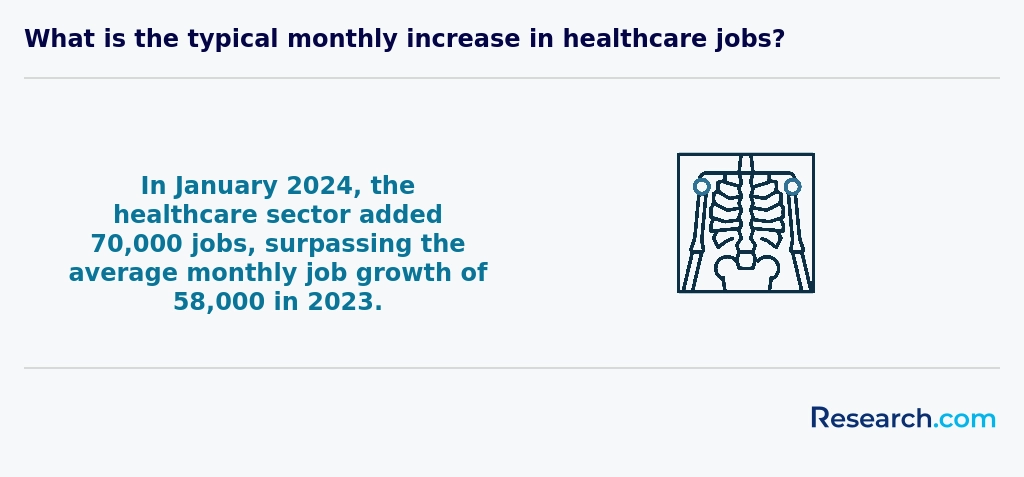
Healthcare jobs in Baltimore Maryland are poised for growth, with an expected 15% increase by 2030, reflecting sustained industry expansion driven by demographic shifts. Graduates from local programs frequently express pride in joining an ecosystem where their work tangibly impacts an aging population that urgently needs their skills.
Cost considerations are important, but many students attending prominent local colleges report that federal aid and employer tuition reimbursement make pursuing degrees more feasible. For those eager to accelerate their journey, programs offering fast bachelor degrees represent a pathway to gainful employment and career momentum in this thriving job market.
Frequently Asked Questions About healthcare
Healthcare degree students in Baltimore can maximize their learning by engaging with the city's rich network of clinical opportunities. Baltimore is home to renowned institutions like Johns Hopkins Hospital, which offers internships and hands-on training, essential for practical experience. According to the Maryland Higher Education Commission, students who participate in clinical placements improve their job prospects by 40% after graduation.
Students should also take advantage of Baltimore's diverse patient population to develop cultural competence, a critical skill in healthcare. Joining student organizations and attending local healthcare conferences can expand professional networks. Additionally, balancing coursework with practical exposure is vital to reinforce theoretical knowledge.
The healthcare field in Baltimore is expanding into several emerging niches that offer promising career opportunities. One rapidly growing area is telehealth, which leverages digital technology to provide remote patient care. According to the Maryland Department of Health, telehealth usage increased substantially in Baltimore during the COVID-19 pandemic and continues to rise.
Another niche gaining traction is precision medicine, which uses genetic and molecular information to tailor treatments. Baltimore is home to institutions like the Johns Hopkins Precision Medicine Center, advancing this field.
Additionally, healthcare informatics and data analytics are critical as providers collect more patient data to improve care outcomes. The demand for professionals skilled in electronic health records and data management in Baltimore hospitals continues to climb.
Preparing for the job market after earning a healthcare degree in Baltimore involves several strategic steps. Graduates should begin by gaining practical experience through internships or clinical rotations, which are often offered by local hospitals like Johns Hopkins and the University of Maryland Medical Center. These opportunities not only build skills but also help establish professional networks.
Baltimore's healthcare sector is growing, with a projected 7% increase in employment for healthcare practitioners by 2030 according to the Maryland Department of Labor. To stay competitive, obtaining relevant certifications such as CPR, CNA, or relevant state licenses is essential.
Additionally, leveraging Baltimore's robust career services and attending local healthcare job fairs can connect candidates to employers. Developing strong communication and technical skills also enhances employability in this evolving field.
Employers in Baltimore's healthcare industry prioritize a mix of technical and interpersonal skills in graduates with healthcare degrees. Strong clinical knowledge and proficiency in electronic health records (EHR) systems are essential due to the city's emphasis on digital healthcare solutions. According to the Maryland Department of Labor, communication skills rank highly, as healthcare providers must effectively collaborate with diverse patient populations and multidisciplinary teams.
Critical thinking and problem-solving abilities are also crucial, given the complexity of patient care in Baltimore's major hospitals, such as Johns Hopkins. Additionally, cultural competence is increasingly valued to serve Baltimore's diverse communities. Time management and adaptability round out the top skills employers seek from new healthcare graduates.
Finding internships in Baltimore for healthcare degree students involves leveraging local healthcare institutions and academic partnerships. Baltimore is home to renowned facilities such as Johns Hopkins Hospital and the University of Maryland Medical Center, which offer a range of internship opportunities. According to the Maryland Department of Labor, healthcare remains the largest employment sector in the city, providing a robust market for student internships.
Students should use university career centers and online job portals like Handshake or Indeed, filtering for Baltimore-based healthcare internships. Networking through local professional organizations, such as the Maryland Nurses Association, can also uncover valuable positions. Early application and direct contact with hospital internship coordinators increase chances of placement.
Obtaining a healthcare degree in Baltimore significantly boosts career mobility and advancement within the city's robust medical sector. Baltimore is home to top employers like Johns Hopkins Hospital and the University of Maryland Medical Center, offering numerous job opportunities for qualified graduates. According to the Maryland Department of Labor, healthcare occupations in the Baltimore metropolitan area are projected to grow by 14% through 2030, faster than the national average.
A formal degree often serves as a prerequisite for specialized roles such as nurse practitioner or health services manager. Advanced credentials can lead to leadership positions and higher salaries, with median wages rising by 18% for degree holders compared to those with certificates. This educational foundation also facilitates smoother transitions between healthcare fields, increasing overall employment stability in Baltimore's competitive job market.
Studying for a healthcare degree in Baltimore equips students with skills essential for interdisciplinary roles by emphasizing collaboration across medical, social, and technological fields. Baltimore hosts several renowned institutions offering diverse programs that blend clinical practice with public health, health informatics, and policy studies.
The city's healthcare ecosystem, including major hospitals like Johns Hopkins and the University of Maryland Medical Center, provides students with practical experiences that foster teamwork among doctors, nurses, social workers, and IT professionals. According to Baltimore's Health Department, nearly 30% of local healthcare roles require interdisciplinary coordination, highlighting the demand for such skills.
Programs in Baltimore often incorporate internships and simulations designed to enhance communication and problem-solving across disciplines, preparing graduates for complex healthcare environments.
When choosing between a thesis and a non-thesis healthcare degree program in Baltimore, consider your career goals first. Thesis programs typically involve research and are suited for students planning to pursue doctoral studies or research positions. They often require completing a detailed research project, which can take additional time and effort.
Non-thesis programs focus more on practical skills and coursework, appealing to those aiming for immediate employment in healthcare settings such as hospitals or clinics. According to Baltimore's healthcare job market data from the Maryland Department of Labor, clinical and administrative roles are growing rapidly, increasing demand for applied skills.
Cost and time also matter. Thesis programs might extend your study duration, potentially increasing expenses. Conversely, non-thesis options can be completed faster and may be less costly. Evaluate your learning preferences, available resources, and long-term plans before deciding.
Students based in Baltimore seeking to study healthcare abroad have several pathways through exchange programs, study abroad partnerships, and international internships. Many Baltimore universities with healthcare programs, such as the University of Maryland, offer structured opportunities for students to gain global experience.
These programs often partner with institutions in Europe, Asia, and Latin America, providing exposure to different healthcare systems. The Commission on Accreditation of Allied Health Education Programs emphasizes the value of international experience for healthcare students seeking cultural competence.
According to a 2023 Maryland Higher Education Commission report, approximately 12% of healthcare students from Baltimore participate in such programs, which can enhance career prospects in an increasingly global job market.
Financial aid and scholarships may be available, reducing the cost of overseas study while maintaining Baltimore's goal of affordable healthcare education.
Students pursuing healthcare degrees in Baltimore have access to several part-time job opportunities that can enhance their education and build relevant experience. Local hospitals such as Johns Hopkins and the University of Maryland Medical Center often hire part-time positions like medical assistants, patient transporters, and phlebotomy technicians. These roles provide hands-on exposure to clinical settings while allowing flexible schedules.
Additionally, Baltimore's expanding home healthcare sector offers jobs as personal care aides or home health aides, which align with healthcare studies and improve patient interaction skills. According to the Maryland Department of Labor, healthcare support occupations in Baltimore are expected to grow by 12% through 2030, reflecting strong demand for these roles.
Working in community health centers or research labs also complements healthcare education by exposing students to public health and experimental healthcare practices. Such positions improve both practical skills and professional networks vital for healthcare careers.
Baltimore offers numerous networking opportunities for healthcare students due to its strong medical community and educational institutions. Students can connect with professionals through local chapters of organizations like the American Medical Student Association and the Maryland Nurses Association.
The city hosts frequent healthcare conferences, workshops, and job fairs, especially around Johns Hopkins University and the University of Maryland Medical System. These events attract industry leaders, providing students with valuable face-to-face networking.
Additionally, Baltimore's large hospitals and research centers often offer internships and volunteer roles that promote professional relationships. According to the Maryland Department of Labor, healthcare employment in Baltimore is projected to grow 15% by 2030, enhancing opportunities for students to build lasting connections.
Alumni networks provide significant benefits for healthcare degree students in Baltimore by connecting them to experienced professionals across hospitals, clinics, and research centers. These networks offer mentorship opportunities, which are valuable for gaining insights into career paths and local industry standards.
Students can access exclusive job postings through alumni platforms, enhancing their chances of employment in Baltimore's competitive healthcare market. According to the Baltimore Workforce Development Report (2023), over 70% of healthcare professionals found their first local job through alumni connections or referrals.
Additionally, networking events hosted by alumni associations foster collaboration and continuing education, essential in a rapidly evolving healthcare sector.
To customize your healthcare degree program in Baltimore, start by selecting a specialization that aligns with your career goals, such as nursing, public health, or healthcare administration. Many Baltimore institutions offer flexible curricula allowing students to choose electives tailored to their interests.
Internships and clinical placements in local hospitals like Johns Hopkins and the University of Maryland Medical Center provide practical experience, enhancing your resume. According to the Maryland Department of Labor, healthcare jobs in Baltimore are projected to grow 16% by 2030, highlighting diverse opportunities.
Additionally, consider part-time, online, or hybrid courses to balance work and study. Baltimore's community colleges and universities often support transfer credits, enabling you to build on previous education efficiently.
Healthcare students in Baltimore commonly face several significant challenges. One major issue is the high cost of education, with tuition fees for nursing and allied health programs ranging from $12,000 to $30,000 annually depending on the institution, which can lead to substantial student debt. According to the Maryland Higher Education Commission, many students also struggle to balance demanding clinical hours with coursework, impacting their time management and stress levels.
Additionally, Baltimore's competitive healthcare job market means students must excel academically and gain practical experience to stand out. Limited affordable housing options near major campuses add to the financial strain. These factors collectively create a challenging environment for aspiring healthcare professionals in the city.
With a healthcare degree in Baltimore, graduates can pursue numerous professional certifications to enhance their careers. Popular certifications include Certified Nursing Assistant (CNA), Registered Health Information Technician (RHIT), and Certified Medical Assistant (CMA). These credentials improve job prospects and salary potential within Maryland's growing healthcare sector.
Another key certification is the Certified Professional in Healthcare Quality (CPHQ), recognized nationwide and valuable in Baltimore's many hospitals and clinics. According to the Maryland Department of Labor, healthcare occupations in Baltimore are expected to grow by over 15% through 2030, increasing demand for certified professionals.
Advanced certifications such as Licensed Practical Nurse (LPN) or Certified Registered Nurse Anesthetist (CRNA) require further training but offer higher earning potential. Baltimore's strong network of healthcare institutions supports ongoing education and credentialing opportunities for degree holders seeking to expand their expertise.
To write a winning application for a healthcare program in Baltimore, start by carefully researching each school's specific requirements. Many Baltimore institutions, like the University of Maryland, emphasize strong academic records and healthcare-related experience. Be sure to highlight any volunteer work or employment in local healthcare settings, as Baltimore ranks above the national average in healthcare job growth according to the U.S. Bureau of Labor Statistics.
Personal statements should clearly express your passion for healthcare and your understanding of Baltimore's unique medical landscape, including its diverse communities. Use precise examples to demonstrate your commitment and readiness. Additionally, obtaining strong letters of recommendation from healthcare professionals or academic mentors boosts your credibility significantly. Finally, ensure all submissions meet deadlines and follow formatting guidelines to avoid automatic disqualification.
Healthcare careers are increasingly recognized worldwide for their essential role in improving public health and managing diseases. In the United States, including Baltimore, healthcare professionals are in growing demand due to an aging population and chronic health issues. According to the Maryland Department of Health, Maryland's healthcare sector employs over 250,000 people, highlighting vast opportunities for graduates.
Globally, healthcare education emphasizes interdisciplinary skills, cultural competence, and adapting to technological advances. For Baltimore students, programs often include robust clinical experience to meet U.S. healthcare standards and accreditation requirements.
The World Health Organization stresses the importance of sustainable healthcare workforces, reinforcing the value of degrees focused on community health and global health challenges, which can enhance career prospects locally and internationally.
Gaining practical experience while studying for a healthcare degree in Baltimore is essential for building skills and improving job prospects. Many Baltimore institutions require clinical rotations or internships as part of their healthcare programs. For example, students at the University of Maryland Baltimore have access to clinical experiences at top hospitals like the University of Maryland Medical Center. Partnerships with local healthcare providers facilitate hands-on learning in real-world settings.
Additionally, Baltimore's growing healthcare sector offers volunteer and part-time job opportunities at community health centers. These experiences help students apply classroom knowledge and develop patientcare skills.
Choosing the right concentration within a healthcare degree program in Baltimore requires understanding local job market demands and your personal interests. Baltimore's healthcare sector is robust, with major employers like Johns Hopkins and UMBC offering roles in nursing, public health, and health informatics, which are projected to grow by 15% through 2030 according to the Maryland Department of Labor.
Explore concentrations that align with Baltimore's healthcare needs, such as biostatistics or medical technology. Research program accreditation and connections to local hospitals to ensure practical training opportunities. Additionally, consider your career goals, such as patient care or healthcare administration, to select a concentration that fits your strengths and the city's industry trends.
Related Healthcare Rankings for Nearby Cities
- 2027 Most Affordable Healthcare Degree Programs Ranking in College Park
- 2027 Most Affordable Healthcare Degree Programs Ranking in Washington
- 2027 Most Affordable Healthcare Degree Programs Ranking in Arlington
- 2027 Most Affordable Healthcare Degree Programs Ranking in Fairfax
- 2027 Most Affordable Healthcare Degree Programs Ranking in New Castle
- 2027 Most Affordable Healthcare Degree Programs Ranking in Lancaster
- 2027 Most Affordable Healthcare Degree Programs Ranking in Dover
- 2027 Most Affordable Healthcare Degree Programs Ranking in Chester
- 2027 Most Affordable Healthcare Degree Programs Ranking in Winchester
- 2027 Most Affordable Healthcare Degree Programs Ranking in Villanova
Top Trending Healthcare Rankings
See What Experts Have To Say About Studying Healthcare
Read our interview with Healthcare experts

References
- Advancing Your Career in Healthcare: Tips and Strategies https://www.sunshinecarenetwork.com/blog/advancing-your-career-in-healthcare-tips-and-strategies
- Healthcare Assistant Cover Letter Templates | myPerfectCV https://www.myperfectcv.co.uk/cover-letter/examples/healthcare-assistant-cover-letter
- Healthcare Administration Degree Programs in Maryland - Healthcare Administration Degree Programs https://www.healthcare-administration-degree.net/in/maryland/
- Financial Assistance - Maryland Hospital Association https://mhaonline.org/caring-for-communities/patient-resources/financial-assistance/
- How to Write Your Cover Letter | NQRTH https://www.nqrth.edu.au/career-planning/how-to-write-your-cover-letter/
- Networking in Medicine: Build Lasting Connections l Windsor https://www.windsor.edu/networking-in-medicine-building-relationships-from-day-one/
- Alumni Reconnect - Poznan University of Medical Sciences https://pums.edu.pl/alumni-friends/alumni-reconnect/
- The Role of Interdisciplinary Studies in Medical Career Training https://georgia-med.com/the-role-of-interdisciplinary-studies-in-medical-career-training.html
- Health Management https://www.ubalt.edu/schools-and-colleges/college-of-public-affairs/academics/explore-all-programs/bachelors-health-management/index.cfm
- Jobs in Public Health https://www.publichealthcareers.org/jobs/us-md-baltimore/


