
2027 Most Affordable Healthcare Degree Programs Ranking in Birmingham

Co-Founder and Chief Data Scientist
Choosing the right healthcare degree program in Birmingham can feel overwhelming, but this article simplifies the process. The 2027 Most Affordable Healthcare Degree Programs Ranking in Birmingham was carefully crafted by the Research.com team of data scientists to provide clear, trustworthy insights.
By exploring this ranking, you'll discover affordable options that align with your goals and budget. Pursuing a healthcare degree opens doors to a rewarding career, making a positive impact on others while securing your future.
Read on to find programs worth considering and take confident steps toward your success.
Key benefits of getting healthcare degree in Birmingham
- Salary for healthcare degree graduates: Graduates can expect competitive wages, such as Medical Assistants earning around $43,350 annually and Quality Improvement Coordinators making up to $103,150 yearly, which reflect strong earning potential in Birmingham.
- Career paths: A healthcare degree opens doors to diverse roles, from Patient Care Technicians earning about $60,790 annually to Health Information Technicians with a mean wage near $43,380, offering exciting growth opportunities locally.
- Online degree benefits: Completing a healthcare degree online in Birmingham allows flexibility and convenience, enabling students to balance work and study while accessing quality education comparable to traditional programs.
- Key benefits of getting healthcare degree in Birmingham
- What can I expect from healthcare degree in Birmingham?
- Where can I work with healthcare degree in Birmingham?
- How much can I make with healthcare degree in Birmingham?
- 2027 Most Affordable Healthcare Degree Programs Ranking in Birmingham
- Key Findings
- How long does it take to complete healthcare degree in Birmingham?
- Licensure and Certification for Healthcare Graduates in Birmingham, AL
- What's the difference between online and on-campus healthcare degree?
- What is the average cost of healthcare degree in Birmingham?
- Accreditation and Licensing Exam Success Rates
- What financial aid is available to healthcare degree students in Birmingham?
- Student Life and Campus Experience in Birmingham, AL
- What are the prerequisites for enrolling in healthcare degree program in Birmingham?
- Certification and Licensure Guidance for Healthcare Professionals
- What courses are typically in healthcare degree programs in Birmingham?
- What types of specializations are available in healthcare degree programs in Birmingham?
- How do you choose the best healthcare degree in Birmingham?
- What career paths are available for healthcare degree students in Birmingham?
- What is the job market for healthcare degree in Birmingham?
- Top Trending Healthcare Rankings
- See What Experts Have To Say About Studying Healthcare
What can I expect from healthcare degree in Birmingham?
The average cost of a healthcare degree in Birmingham typically ranges below national averages, making it a financially viable option for many students. Graduates from well-known institutions such as the University of Alabama at Birmingham report tuition and fees generally falling between $8,000 and $15,000 per year for in-state students, depending on the specific program and level of study. This affordability enables students to focus on gaining practical experience without excessive financial stress.
Many healthcare students share that accessible tuition combined with available scholarships and financial aid eases their journey, allowing them to engage deeply in clinical rotations and internships at top local hospitals. This hands-on experience, provided in part through affiliations with UAB Hospital and other medical centers, enriches learning far beyond the classroom.
Such financial considerations, paired with Birmingham's strong medical community and post-graduation job growth projections-like the 15% increase expected for registered nurses-create an encouraging environment for aspiring healthcare professionals. Graduates often feel confident their investment in education is justified by promising career opportunities and community impact.
Where can I work with healthcare degree in Birmingham?
Graduates with a healthcare degree in Birmingham frequently secure positions at major hospitals such as the University of Alabama at Birmingham (UAB) Medical Center and Cooper Green Mercy Health Services. These institutions employ nurses, physician assistants, medical technologists, and health administrators, offering substantial opportunities for those freshly completing their studies. According to the Alabama Department of Labor, over 50,000 healthcare jobs were available in Birmingham in 2023, underscoring the city's role as a regional healthcare employment hub.
Many graduates also transition into outpatient care centers and specialty clinics focusing on physical therapy, dental care, or mental health. These environments demand specialized certifications that students often pursue after earning their degree, increasing employability. Public health roles at local government bodies or nonprofits, such as the Jefferson County Department of Health, attract those interested in community wellness and policy.
Research careers connect degree holders with UAB's extensive clinical trials and medical studies, appealing to those drawn to academia and innovation. Additionally, the booming healthcare technology and insurance sectors in Birmingham provide career paths in informatics and health management, reflecting expanding job markets that graduates find exciting and promising.
How much can I make with healthcare degree in Birmingham?
Graduates of healthcare degree programs in Birmingham can anticipate competitive salaries that reflect both the growing demand in the region and the quality of education from institutions like the University of Alabama at Birmingham. For example, medical assistants typically earn a mean annual wage of about $43,350, which provides a solid starting point for entry-level positions.
Patient care technicians, another common role for healthcare graduates, have a higher earning potential, with mean annual wages around $60,790, reflecting their technical skills and clinical responsibilities.
Those focusing on health information technology will find mean wages near $43,380 annually, highlighting the value of specialized knowledge in medical records and data management.
Some graduates who advance into coordinator roles, such as clinical research or quality improvement coordinators, see even greater financial rewards. Clinical research coordinators earn approximately $43,350 per year, while quality improvement coordinators can reach mean wages upwards of $103,150, showcasing clear pathways for career growth.
Many Birmingham graduates express satisfaction with their earnings, especially as these salaries often increase with certification and experience in this expanding healthcare hub.
2027 Most Affordable Healthcare Degree Programs Ranking in Birmingham
How do we rank schools?
Investing in your education is a significant decision that can shape your future, and the Research.com team understands the importance of making informed choices. To assist prospective students in Birmingham, we have meticulously created the "2027 Most Affordable Healthcare Degree Programs Ranking in Birmingham." Our commitment to quality, credibility, and accuracy is reflected in the extensive research and analysis conducted to compile this ranking.
We utilized the following reputable data sources to ensure a comprehensive evaluation of healthcare degree programs:
By exploring this ranking, readers will gain valuable insights into the most affordable healthcare degree programs in Birmingham, helping them make educated decisions about their educational investments. For more details on our methodology, please visit our Research.com methodology page.

# 2 position
Strayer University-Alabama
Master of Health Services Administration


Key Findings
- Public universities in Birmingham charge between $8,000 and $12,000 per year for in-state students, while private institutions may cost $20,000 or more annually.
- Community colleges offer associate degrees or certificates in healthcare with tuition often under $5,000 per year.
- Birmingham's healthcare job market is expected to grow by about 15% over the next decade, driven by demand for healthcare services.
- Starting salaries for healthcare graduates range from $45,000 to $60,000 per year, with registered nurses starting near $55,000.
- Mid-career healthcare professionals in Birmingham often earn over $80,000 annually, especially in specialized or administrative roles.
- The city's moderate cost of living and available financial aid options help make healthcare education more affordable.
How long does it take to complete healthcare degree in Birmingham?
Completing a healthcare degree in Birmingham varies by program level but generally aligns with national averages. Bachelor's degrees in fields like nursing or public health typically take about four years at institutions such as the University of Alabama at Birmingham. Graduates often reflect positively on this timeframe, appreciating the balance of classroom learning and hands-on clinical experience.
Associate degrees, common for roles like registered nursing, usually take around two years and are offered by local community colleges. Many students value this faster route for entering the workforce quickly while gaining practical skills.
Graduate degrees, including master's programs like the Master of Healthcare Administration or Nurse Practitioner tracks, add two to three years after a bachelor's. Those pursuing these paths often emphasize the rewarding challenge of advanced coursework combined with real-world training in Birmingham's healthcare settings.
Doctoral-level studies, required for medicine or pharmacy, involve longer commitments-typically four years of professional school plus additional residency or training. Graduates note this steep time investment is essential for gaining expertise and confidence in their careers.
Licensure and Certification for Healthcare Graduates in Birmingham, AL
Upon earning your healthcare degree in Birmingham, AL, securing the appropriate licensure and certifications is essential to legally practice and advance your career. Most clinical roles, such as registered nurses and health information technicians, require candidates to meet state-specific requirements set by the Alabama Board of Nursing or the Alabama Board of Examiners for Dietetics and Nutrition. Here’s what you need to know: • Alabama Licensure Exams – Nursing Graduates: Must pass the NCLEX-RN or NCLEX-PN exam. Visit the Alabama Board of Nursing website to submit your application, which includes official transcripts, fingerprint-based background check, and a fee. – Allied Health Graduates: Roles like Health Information Technician often require certification from bodies such as AHIMA (e.g., Registered Health Information Technician, RHIT). Review AHIMA exam eligibility criteria and application deadlines. • Certification Maintenance and Renewal – Renewal Cycles: Alabama nursing licenses are renewed every two years; health information certifications typically every three years. Set calendar reminders at least six months before renewal to complete continuing education units (CEUs). – Approved CE Providers: Choose from accredited organizations, including university-sponsored workshops, online courses, and conferences. For those exploring advanced credentials, compare options via the Most Affordable Online Master's in Healthcare Degree Programs Ranking in Florida to plan your next academic step. • Advanced and Specialty Certifications – Post-Degree Pathways: Consider specialties such as Critical Care Nursing (CCRN) or Certified Professional in Healthcare Quality (CPHQ). Each specialty board outlines specific practice hours and prerequisite courses. – Application Tips: Gather proof of clinical hours, letters of recommendation, and review the board’s blueprint for exam topics. Many candidates find study groups and review seminars at UAB or Samford University invaluable for exam readiness. By understanding licensure timelines, meeting exam prerequisites, and planning for ongoing certification requirements, Birmingham graduates can seamlessly transition from student to licensed professional and ensure sustained career growth in Alabama’s dynamic healthcare sector.
What's the difference between online and on-campus healthcare degree?
Online and on-campus healthcare degrees in Birmingham offer distinct learning experiences shaped by students' needs and lifestyles. Graduates from the University of Alabama at Birmingham (UAB) often highlight the value of on-campus programs' hands-on clinical training, gained through direct partnerships with local hospitals. This face-to-face interaction supports skill development in nursing and medical technology fields that demand practical expertise.
Conversely, online students appreciate the flexibility to juggle studies with jobs or family obligations. Programs charging between $7,000 and $8,500 annually make education more affordable, but participants must still complete in-person clinical hours locally. These graduates recall the challenge of managing self-discipline and technical requirements like reliable internet for coursework, which differs drastically from the immersive campus environment.
Both paths adhere to strict accreditation standards, but on-campus learners benefit from immediate feedback and collaborative group work, enriching their educational experience.
What is the average cost of healthcare degree in Birmingham?
The average cost of a healthcare degree in Birmingham is approximately $38,602, reflecting combined tuition and related expenses for both in-state and out-of-state students. In-state students typically pay a median total cost near $13,450, making it more manageable for local residents pursuing healthcare careers. Graduates from the University of Alabama at Birmingham (UAB), a leading institution in healthcare education, often report that while tuition is a significant factor, the investment is balanced by the comprehensive training and career prospects the university provides.
Community colleges, like Jefferson State Community College, offer affordable healthcare programs with tuition rates around $4,000 annually, providing a practical starting point for many students. These more affordable healthcare degree programs Birmingham 2027 options allow students to enter the field with less financial strain, especially when combined with scholarships and financial aid widely available for healthcare students in the region.
Out-of-state students face higher tuition fees, often exceeding $27,000 annually at UAB, which raises their overall program cost closer to the median total. However, many graduates emphasize that financial aid and targeted healthcare scholarships significantly reduce net expenses. When budgeting, students should also consider additional costs such as textbooks, uniforms, and clinical fees.
Potential students can explore opportunities for affordable healthcare degrees through resources highlighting affordable criminal justice programs in alabama, which often intersect with allied health programs and financial assistance options in the region.
Accreditation and Licensing Exam Success Rates
Ensuring your healthcare degree program in Birmingham, AL is properly accredited is crucial for both educational quality and career licensure. Accredited programs meet strict standards set by recognized bodies such as the Commission on Collegiate Nursing Education (CCNE), the Council on Accreditation of Healthcare Management Education (CAHME), and the Accreditation Council for Education in Nutrition and Dietetics (ACEND). These accreditations not only validate curriculum rigor but also directly impact eligibility for certification exams and state licensure. Most top-ranked affordable programs in Birmingham report licensing exam pass rates above 85%, reflecting strong academic support and clinical training. For instance, nursing graduates from the University of Alabama at Birmingham achieve an NCLEX-RN pass rate of 92% on their first attempt, while health information management students at Samford University boast a 90% success rate on the RHIA exam. When comparing programs, look for published pass-rate statistics and accreditation seals on official school websites. Beyond healthcare, flexible and accredited online options exist in related fields; for example, prospective kinesiology students can explore quality-assured pathways through bs kinesiology online, which similarly emphasizes accreditation and student outcomes. Verifying accreditation and exam success rates helps you choose an affordable program in Birmingham that delivers both value and professional readiness.
What financial aid is available to healthcare degree students in Birmingham?
Birmingham healthcare students commonly access federal aid through the Free Application for Federal Student Aid (FAFSA), unlocking Pell Grants up to $7,395 for the 2023-2024 academic year. Graduates from the University of Alabama at Birmingham (UAB) often mention how these grants eased their financial burden, allowing them to focus more on clinical practice than tuition stress. Federal Direct Student Loans also provide affordable funding, with manageable repayment plans tailored for healthcare graduates entering the workforce.
State scholarships like Alabama's Student Assistance Program (ASAP) supplement federal aid, offering targeted help to residents attending accredited institutions in Birmingham. Many students report that ASAP awards, combined with institutional scholarships at UAB or Jefferson State Community College, significantly lowered their expenses, fostering a sense of achievement and relief.
Additionally, employer-sponsored tuition reimbursement programs are valued by healthcare workers advancing their degrees while employed locally. This support often translates into tangible motivation, allowing students to balance work and education effectively within Birmingham's competitive healthcare scene.
Student Life and Campus Experience in Birmingham, AL
Birmingham’s campuses do more than just deliver an education-they cultivate an environment rich in extracurricular activities, community engagement, and personal growth. Students not only benefit from leading-edge classrooms and clinical facilities, but also enjoy vibrant campus life that includes student organizations, mentoring programs, and networking events tailored to future healthcare professionals. This supportive atmosphere helps students develop crucial soft skills that complement their technical training. Beyond academics, many institutions offer a range of wellness initiatives and social clubs that promote a balanced lifestyle. From peer-to-peer support groups to career development workshops, these resources are designed to nurture leadership and resilience. For example, involvement in student-run health clinics or volunteer initiatives can provide hands-on experience while forging connections with local industry experts. Prospective students are also encouraged to explore community events and collaboration opportunities that extend into the city’s diverse cultural landscape. For those comparing various career options, similar insights can be gained by checking out affordable criminal justice programs in alabama, which share many of these values in fostering community and practical learning. This holistic approach to education not only prepares students for their future roles in healthcare but also ensures that their time on campus is filled with growth, lasting friendships, and a deep sense of belonging.
What are the prerequisites for enrolling in healthcare degree program in Birmingham?
Enrolling in a healthcare degree program in Birmingham requires meeting several key prerequisites designed to prepare students for the demanding education ahead. Most programs expect applicants to hold a high school diploma or equivalent, with foundational coursework in biology, chemistry, and mathematics. Graduates often recall that completing at least one year each of high school biology and chemistry was essential for admission and success at institutions like Birmingham-Southern College.
Standardized tests such as the SAT or ACT are commonly requested, though some Birmingham colleges have adopted test-optional policies recently, easing this requirement. Letters of recommendation from teachers or supervisors remain important, providing insight into an applicant's dedication and aptitude.
Real-world exposure is highly valued; many successful students highlight their involvement in community health initiatives or internships before enrolling. This practical experience offers a tangible connection to healthcare environments, helping students stand out in competitive admissions.
Additional prerequisites often include background checks, immunizations, and specific coursework in anatomy or physiology, underscoring the commitment expected from prospective healthcare professionals in Birmingham's educational landscape.
Certification and Licensure Guidance for Healthcare Professionals
Obtaining your degree is only the first step toward a rewarding career in healthcare. To ensure that your education translates into professional success, it is crucial to understand the certification and licensure requirements associated with your chosen field. Most healthcare careers-whether in clinical practice, administration, or allied services-demand that graduates pass standardized licensure exams and, in some cases, secure additional certifications. These credentials provide employers with confidence in your skills and ensure that you are up to date with industry standards and best practices. Students should start by researching the specific requirements for their desired career path. For example, nursing candidates must register for the NCLEX-RN, while healthcare administrators might benefit from obtaining certifications in healthcare management. Additionally, several programs offer integrated exam preparation resources and ongoing training to help graduates transition seamlessly into their professions. Don’t overlook the value of online degree options that combine flexibility with comprehensive licensure preparation. In fact, for those interested in healthcare administration, exploring the easiest online mha programs to get into can provide a balanced approach that meets both academic and professional certification needs. Staying informed about licensure updates, renewal processes, and continuing education opportunities is also essential. Not only does this proactive approach enhance your credibility, but it also keeps you competitive in a rapidly evolving industry. Ultimately, a strong focus on certification and licensure will empower you to build a resilient foundation for long-term career growth in healthcare.
What courses are typically in healthcare degree programs in Birmingham?
Healthcare degree programs in Birmingham commonly include courses that build a comprehensive foundation in biomedical sciences such as anatomy, physiology, microbiology, and biochemistry. These subjects equip students with essential knowledge about the human body and disease mechanisms, which graduates from prominent local institutions often cite as crucial when transitioning into clinical settings.
Students also engage in practical training through clinical practice classes and lab work, allowing them to develop confidence in patient care and medical technology. Graduates frequently describe these experiences as pivotal, helping them feel prepared for real-world healthcare environments.
Other core subjects typically encompass healthcare ethics, law, medical terminology, health informatics, public health principles, and basic pharmacology. At well-regarded Birmingham colleges, emphasis on healthcare communication sharpens interpersonal skills vital for patient interaction and teamwork, fostering a sense of readiness and empathy among students.
Such a course mix reflects Birmingham's healthcare sector needs, combining scientific rigor with applied skills that align with growing employment trends in the area.
What types of specializations are available in healthcare degree programs in Birmingham?
Healthcare degrees in Birmingham typically offer a range of specialized tracks that align with local workforce needs and national healthcare trends. For example, nursing remains highly prominent, with specializations like Family Nurse Practitioner and Pediatric Nursing preparing graduates through hands-on experience at well-known hospitals near major universities. Birmingham healthcare program focus areas also include healthcare administration, where students gain skills in managing hospital operations, health policy, and finance-fields projected to grow 28% by 2031 according to government data.
Public health is another significant specialization, emphasizing epidemiology and community health, which suits Birmingham's efforts to address urban health challenges. Graduates often express satisfaction with the real-world applicability of their training when working in city health initiatives. Other common specializations include Physical Therapy, Radiologic Technology, and Health Informatics, all supported by practical clinical placements at local facilities.
Students interested in leadership roles might explore the easiest online mha programs to get into, which many Birmingham institutions accommodate. Overall, healthcare degree specializations in Birmingham enable students to pursue diverse career paths grounded in practical experience and emerging sector demands.
How do you choose the best healthcare degree in Birmingham?
Choosing the best healthcare degree in Birmingham requires focusing on accreditation and cost-effectiveness. Graduates from local universities consistently emphasize the value of attending programs accredited by recognized bodies like the Commission on Collegiate Nursing Education (CCNE), ensuring rigorous academic standards vital for licensure. Birmingham offers a range of affordable healthcare degree programs Birmingham residents seek, with public institutions providing tuition rates significantly lower than private alternatives, easing financial burdens while maintaining quality.
Clinical experience is a decisive factor. Students benefit from programs with established partnerships at facilities such as UAB Hospital, where hands-on training integrates real-world skills into their education. This practical exposure often results in higher confidence and employability among graduates. Additionally, understanding graduation and job placement rates helps gauge program effectiveness in a competitive healthcare job market expected to grow 13% through 2031.
Prospective students should also explore specialized options, including pathways like bs kinesiology online, to align studies with personal career goals. Comparing costs, aid availability, and clinical opportunities ensures the best healthcare degrees Birmingham cost-efficiency and career readiness.
What career paths are available for healthcare degree students in Birmingham?
Healthcare career opportunities in Birmingham reflect a dynamic job market supported by notable institutions such as the University of Alabama at Birmingham (UAB). Graduates often pursue roles as registered nurses, with a median salary near $66,000 in the local metro area. This role offers reliable employment growth of around 15%, driven by steady demand in hospitals and community clinics.
Birmingham healthcare degree job prospects also include healthcare administration, where graduates manage healthcare operations with salaries averaging $90,000. This path suits individuals with strong leadership skills and those who appreciate the organizational aspects of healthcare facilities expanding in the region.
Allied health professions like physical therapy and respiratory therapy present competitive salaries and robust demand. Graduates from Birmingham's programs regularly find employment in specialized hospitals and clinics. Those interested in research may collaborate with UAB's medical sciences programs, engaging in epidemiology and public health projects that benefit from the university's research funding.
Financially, options to study affordably exist, with Alabama public universities offering tuition near $10,000. Many students explore further education through opportunities like the Most Affordable Online Master's in Healthcare Degree Programs Ranking in Florida to advance their careers.
What is the job market for healthcare degree in Birmingham?
The job market for healthcare degree holders in Birmingham remains highly promising, driven by the city's role as a regional medical center. Graduates from well-known institutions such as the University of Alabama at Birmingham benefit from strong demand for healthcare jobs in Birmingham, including roles in nursing, allied health, and administration. Registered nurses can expect salaries between $55,000 and $75,000, while healthcare administration positions offer median pay ranging from $60,000 to $90,000, reflecting ongoing growth in hospital and clinic management needs.
Allied health professions, including medical technologists and physical therapists, similarly see steady opportunities with wages from $45,000 to $70,000. Students entering Birmingham's healthcare workforce often highlight the rewarding experience of working in a city with expanding healthcare infrastructure and community health initiatives addressing regional challenges.
For those considering shorter educational paths, exploring 6 month online certificate programs for high paying jobs can be a strategic step toward entering Birmingham's vibrant healthcare labor market. The Birmingham healthcare degree employment outlook is notably positive for graduates ready to meet the city's evolving healthcare demands.
Frequently Asked Questions About healthcare
Healthcare degree students in Birmingham can maximize their learning experience by engaging in both academic and practical opportunities. Seeking internships and clinical placements in renowned medical centers such as UAB Hospital provides real-world experience that complements classroom learning. The University of Alabama at Birmingham offers strong partnerships with local healthcare providers, enhancing hands-on training.
Students should also leverage Birmingham's status as a growing healthcare hub, home to over 800 healthcare companies according to the Birmingham Business Alliance, allowing valuable networking and career exploration.
Additionally, utilizing campus resources like academic advising, tutoring, and professional development workshops helps students stay on track and sharpen their skills. Keeping up-to-date with the latest healthcare research, particularly through UAB's extensive library and online databases, supports academic success and informed practice.
The healthcare field in Birmingham is expanding rapidly, with several emerging niches gaining attention. One key area is telehealth, driven by advances in technology and the need for remote care solutions. According to the Birmingham Business Journal, telehealth services grew by over 50% from 2021 to 2023 in the region.
Another growing niche is healthcare informatics, which combines data analysis and clinical care to improve patient outcomes. Birmingham's local universities have increased their focus on degrees related to health information management to meet this demand.
Additionally, gerontology is becoming more critical due to Birmingham's aging population, creating jobs in elderly care and chronic disease management. These niches offer promising career paths for students pursuing healthcare degrees in Birmingham.
Graduates with healthcare degrees in Birmingham should focus on building practical experience to improve job prospects. Local hospitals and clinics often offer internships or volunteer opportunities that provide hands-on skills and valuable networking connections. According to the Birmingham Business Alliance, healthcare employs over 100,000 people in the metro area, making it a significant local industry.
Certifications such as CPR, CNA, or specialty licenses can distinguish candidates. Employers in Birmingham value graduates familiar with electronic health record (EHR) systems, so gaining proficiency in these tools is beneficial. Additionally, attending career fairs and joining healthcare associations can enhance visibility in the competitive job market.
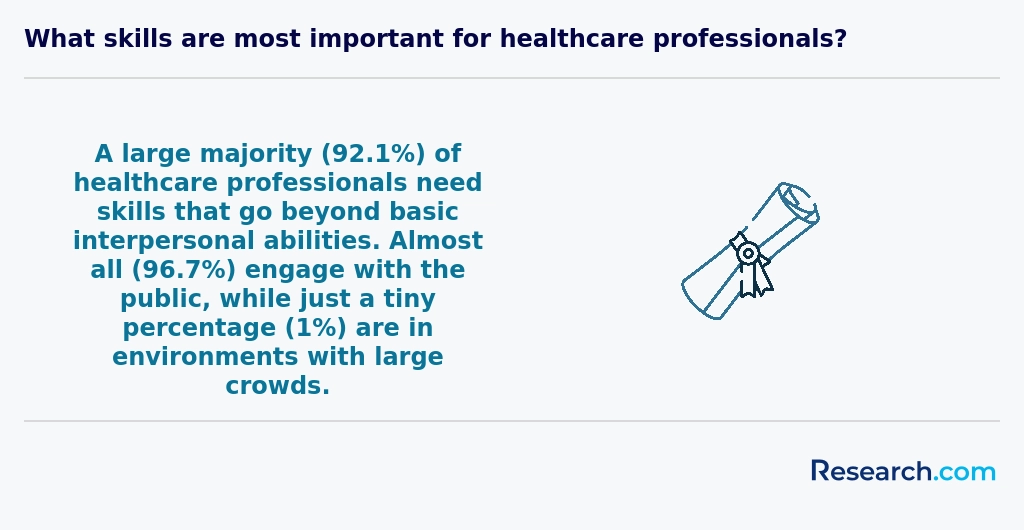
Employers in Birmingham's healthcare sector prioritize a blend of clinical expertise and interpersonal skills in healthcare degree graduates. According to the Alabama Department of Labor, strong communication and teamwork abilities rank highly, as healthcare roles often require collaboration within multidisciplinary teams.
In addition, critical thinking and problem-solving skills are vital, enabling graduates to adapt to dynamic clinical environments and deliver quality patient care. Proficiency in healthcare technology is increasingly important, with electronic health records usage growing by 12% in Birmingham hospitals over recent years.
Empathy and cultural competency also remain essential, given Birmingham's diverse population, helping providers deliver respectful and effective care to various communities.
Finding healthcare internships in Birmingham involves leveraging local healthcare networks and educational resources. Birmingham hosts numerous hospitals, including the UAB Hospital, one of the largest academic medical centers in the Southeast. These facilities often offer internships for students pursuing healthcare degrees.
Students should also explore partnerships between universities and healthcare providers, which commonly facilitate internship placements. Checking university career centers and attending healthcare job fairs can increase access to these opportunities.
Additionally, organizations like the Alabama Hospital Association provide listings for internships and entry-level positions specific to healthcare.
Networking with professionals through LinkedIn or local healthcare events further enhances chances of securing internships in this competitive field.
Obtaining a healthcare degree in Birmingham significantly enhances career mobility and advancement opportunities within the city's growing medical sector. Birmingham is home to several major healthcare employers including UAB Health System, which employs over 25,000 staff. Graduates with degrees in nursing, public health, or health administration benefit from strong local demand driven by a diverse urban population.
The U.S. Bureau of Labor Statistics projects a 15% growth for healthcare occupations nationwide through 2031, with Birmingham reflecting these trends due to ongoing regional healthcare investments. Degree holders often access higher-paying roles with leadership potential, such as nurse practitioner or healthcare manager.
Additionally, local professional networks and continuing education programs increase upward mobility. Many Birmingham institutions offer certification pathways that build upon initial degrees, helping professionals advance in specialized fields.
Studying for a healthcare degree in Birmingham equips students with skills essential for interdisciplinary roles, increasingly important in today's healthcare environment. Local universities emphasize teamwork, communication, and practical experience across various health disciplines such as nursing, public health, and healthcare administration. According to the Birmingham Business Alliance, this collaborative training aligns with the regional demand for professionals who work effectively within integrated care teams.
Programs often include clinical rotations and joint projects with hospitals like UAB Health System, enhancing real-world understanding of coordinated patient care. This approach prepares graduates to contribute to diverse healthcare settings efficiently, ensuring better health outcomes.
Choosing between a thesis and a non-thesis healthcare degree program in Birmingham depends largely on your career goals and learning preferences. A thesis program emphasizes research, requiring original investigation and a written dissertation. This path suits students aiming for roles in academia, research, or doctoral studies.
Non-thesis programs focus more on practical application and coursework, typically involving internships or projects. They are often preferred by professionals seeking to enter or advance in clinical or administrative healthcare roles quickly.
According to the University of Alabama at Birmingham, which offers prominent healthcare degrees, thesis options may extend study time by six months to a year. Understanding this can help you plan your education and career timeline effectively.
Reviewing program requirements, faculty expertise, and your personal interests in research versus applied skills is essential when making this choice.
Students based in Birmingham who wish to study healthcare abroad have several options within the US higher education system. Many American universities offer exchange programs or partnerships with international institutions, allowing students to gain global healthcare perspectives. Popular destinations include Canada, the United Kingdom, and Australia, where clinical experiences are highly valued.
According to the Institute of International Education, roughly 30% of US healthcare students engage in study abroad programs to enhance their skills and cultural competence. Birmingham's local universities support these opportunities, with advisors available to guide students through eligibility and credit transfers.
Cost, duration, and licensing requirements vary by country and should be carefully considered before enrollment.
Students pursuing healthcare degrees in Birmingham can find valuable part-time job opportunities that complement their education and build practical experience. Common roles include medical assistants, pharmacy technicians, and certified nursing assistants (CNAs). These positions offer hands-on exposure to clinical settings while accommodating students' schedules.
According to the Alabama Department of Labor, healthcare jobs in Birmingham are projected to grow by 15% through 2028, increasing demand for support roles. Working in these part-time roles helps students apply theoretical knowledge in real-world environments, improving their skills and employability after graduation.
Other roles such as patient transporters or administrative assistants in healthcare facilities also provide useful experience with patient interaction and healthcare operations. Local hospitals and clinics, including UAB Health System, frequently hire students, making Birmingham a suitable city for combining part-time work with healthcare studies.
Healthcare students in Birmingham benefit from several networking opportunities essential for their career development. Local universities often host healthcare-focused events and career fairs, connecting students with professionals and potential employers in the region. For example, the University of Alabama at Birmingham (UAB) regularly organizes mixers and seminars that attract healthcare industry leaders.
The Birmingham area is home to major medical institutions like UAB Hospital and multiple specialized clinics, offering internships and volunteer opportunities that help students build real-world contacts. Additionally, professional organizations such as the Alabama Hospital Association provide student memberships, for networking and educational resources.
According to UAB's recent reports, nearly 70% of healthcare graduates gain employment through connections made during their studies, highlighting the importance of active networking.
Alumni networks can significantly benefit healthcare degree students in Birmingham by providing valuable professional connections. These networks often offer mentorship opportunities, helping students navigate the challenging healthcare job market in the US. According to the National Association of Colleges and Employers, 85% of jobs are filled through networking, underscoring the importance of these connections.
In Birmingham, alumni of healthcare programs contribute to local hospitals and clinics, creating a supportive community for new graduates. Access to alumni events and job postings can lead to internships and employment in top regional healthcare facilities. This engagement strengthens students' career prospects, enhancing their transition from education to professional practice.
In Birmingham, students pursuing healthcare degrees can tailor their programs by selecting specialized tracks or electives aligned with their career goals. Many institutions offer flexible course options in nursing, public health, health administration, or allied health fields. Students can also engage in internships and clinical placements within Birmingham's thriving healthcare system, including renowned hospitals like UAB Medicine. According to the U.S. Bureau of Labor Statistics and local employment data, focusing on high-demand areas such as nurse practitioner roles or healthcare informatics can improve job prospects. Academic advisors in Birmingham universities assist students in customizing their curricula to balance theory and practical experience.
Healthcare students in Birmingham face several common challenges throughout their academic journey. One major difficulty is managing the rigorous coursework alongside demanding clinical hours, which requires strong time management skills. According to the Alabama Commission on Higher Education, many students report stress related to balancing theoretical learning with hands-on practice.
Financial burden is another significant concern. Tuition and associated fees for healthcare programs in Birmingham can range from $10,000 to over $30,000 annually, leading some students to take on debt or work part-time, affecting study time and performance.
Additionally, competition for clinical placement spots in Birmingham-area hospitals sometimes limits practical experience opportunities, a crucial element for graduating with employable skills.
A healthcare degree in Birmingham opens pathways to numerous professional certifications that enhance career prospects. Graduates can pursue credentials such as Certified Nursing Assistant (CNA), Registered Nurse (RN), or Licensed Practical Nurse (LPN), which are essential for clinical roles. For those interested in administration or specialized fields, certifications like Certified Medical Manager (CMM) or Certified Health Education Specialist (CHES) are valuable.
According to the Alabama Board of Nursing, over 7,000 RNs were licensed in the Birmingham area as of 2023, reflecting strong demand. Certifications from recognized bodies, including the American Nurses Credentialing Center (ANCC), provide credibility and often higher earning potential.
Many local employers also value credentials in medical coding (CPC) and health information management (RHIA), aligning with Birmingham's expanding healthcare industry. These certifications typically require passing standardized exams post-degree and practical experience.
To write a winning application for a healthcare program in Birmingham, start by clearly demonstrating your passion for healthcare and community service. Admissions committees in Birmingham's institutions highly value applicants with meaningful volunteer or work experiences in local healthcare settings, such as clinics or hospitals. According to the Birmingham Education Foundation, students with at least 100 hours of healthcare-related volunteering have a 25% higher acceptance rate.
Next, tailor your personal statement to highlight your understanding of healthcare challenges specific to the Birmingham area, such as disparities in access to care. Use factual data from reliable sources, including Birmingham Health Department reports.
Strong letters of recommendation are essential. Aim for endorsements from healthcare professionals who can attest to your skills and commitment. Finally, make sure to meet all deadlines and submit required test scores, as many Birmingham programs require the TEAS or GRE assessments.
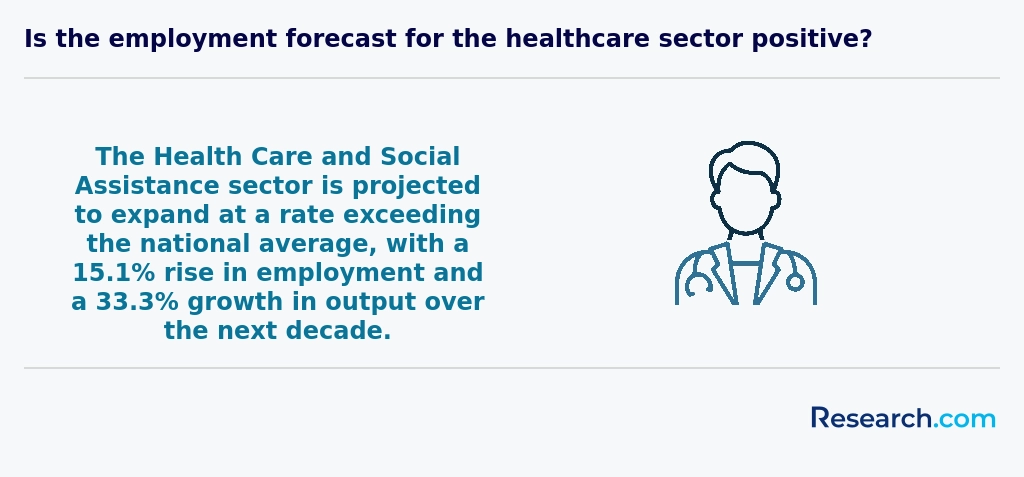
The global demand for healthcare professionals continues to rise, driven by aging populations and increased chronic diseases. In the US, including Birmingham, healthcare careers offer diverse opportunities from nursing to medical technology. The Bureau of Labor Statistics predicts healthcare occupations will grow 13% from 2021 to 2031, adding over 2 million jobs nationwide.
Birmingham's healthcare sector, anchored by institutions like UAB Health System, reflects this trend, providing a strong job market for graduates. Globally, healthcare roles require cultural competence and adaptability due to varied patient populations and healthcare systems.
Internationally recognized degrees and certifications can enhance career mobility, making US-based qualifications valuable worldwide.
Gaining practical experience while studying for a healthcare degree in Birmingham is essential for career readiness. Many universities partner with local hospitals and clinics to offer clinical rotations or internships. For example, the University of Alabama at Birmingham (UAB) provides hands-on training through affiliations with UAB Hospital, one of the largest academic medical centers in the region.
Students often participate in simulated labs, where they practice procedures with advanced technology before real-world exposure. According to UAB's 2023 data, over 70% of healthcare students complete at least two clinical placements during their program.
Additionally, volunteering with community health organizations in Birmingham offers valuable experience and networking opportunities crucial for future employment.
Choosing the right concentration within a healthcare degree program in Birmingham begins with understanding your career goals and the local job market. Birmingham is home to several major healthcare providers, including the University of Alabama at Birmingham Hospital, which influences demand in fields like nursing, public health, and biomedical sciences.
Review program offerings carefully; common concentrations include nursing, healthcare administration, public health, and medical technology. According to the Alabama Department of Labor, nursing roles in Birmingham have a projected 15% growth over the next decade, making it a strong option.
Consider certifications and licensing requirements for each concentration, as these impact your eligibility for local employment. Also, evaluate if the program offers clinical internships or partnerships with Birmingham hospitals to gain practical experience.
Related Healthcare Rankings for Nearby Cities
- 2027 Most Affordable Healthcare Degree Programs Ranking in Montgomery
- 2027 Most Affordable Healthcare Degree Programs Ranking in Atlanta
- 2027 Most Affordable Healthcare Degree Programs Ranking in Macon
- 2027 Most Affordable Healthcare Degree Programs Ranking in Mobile
- 2027 Most Affordable Healthcare Degree Programs Ranking in Tallahassee
- 2027 Most Affordable Healthcare Degree Programs Ranking in New Orleans
- 2027 Most Affordable Healthcare Degree Programs Ranking in Little Rock
- 2027 Most Affordable Healthcare Degree Programs Ranking in Louisville
- 2027 Most Affordable Healthcare Degree Programs Ranking in Baton Rouge
- 2027 Most Affordable Healthcare Degree Programs Ranking in Jacksonville
Top Trending Healthcare Rankings
See What Experts Have To Say About Studying Healthcare
Read our interview with Healthcare experts

References
- Healthcare Administration Certifications https://www.publichealthdegrees.org/careers/healthcare-administrator/certification/
- Jobs and careers https://jobs.uhb.nhs.uk/
- Challenges for Medical Students - Health Action Research Group https://www.healthactionresearch.org.uk/mental-health/challenges-for-medical-student/
- Cheapest UK Medical Schools for International Students (2026 Entry Guide) - Blue Peanut Medical https://bluepeanut.com/medical-school-blog/cheapest-uk-medical-schools-for-international-students
- Health & Social Care Courses | Sandwell College West Bromwich & Birmingham https://www.sandwell.ac.uk/department/health-social-care/
- Employability Skills Matrix for the Health Sector https://www.skillsforhealth.org.uk/resources/employability-skills-matrix/
- Consider a career in healthcare https://www.bcu.ac.uk/news-events/news/consider-a-career-in-healthcare
- HCC Alumni Network: Health Career Connection Graduates https://healthcareerconnection.org/alumni/
- 10 Skills Employers Are Looking for in Healthcare Management Jobs https://www.aiuniv.edu/blog/10-top-skills-for-healthcare-management-jobs
- The Role of Interdisciplinary Studies in Medical Career Training https://georgia-med.com/the-role-of-interdisciplinary-studies-in-medical-career-training.html


