
2027 Most Affordable Healthcare Degree Programs Ranking in Boca Raton

Co-Founder and Chief Data Scientist
Choosing the right healthcare degree program is an important step toward a rewarding career in Boca Raton. The 2027 Most Affordable Healthcare Degree Programs Ranking in Boca Raton was created by the Research.com team of data scientists to help you find quality programs that fit your budget.
This article offers clear, data-driven insights to make your decision easier. Pursuing a healthcare degree opens doors to meaningful work and growth opportunities, and reading this ranking can guide you in selecting the best path forward with confidence.
Key benefits of getting healthcare degree in Boca Raton
- Salary for healthcare degree graduates: Graduates in Boca Raton can expect competitive wages, such as Medical Assistants earning around $43,350 annually and Quality Improvement Coordinators making approximately $103,150 per year, reflecting strong earning potential.
- Career paths: A healthcare degree opens doors to roles like Patient Care Technician or Health Information Technician, offering diverse opportunities and steady job growth in various medical settings.
- Online degree benefits: Online healthcare degrees from Boca Raton universities allow flexible learning schedules and often faster completion times, making it easier for students to balance education with personal commitments.
- Key benefits of getting healthcare degree in Boca Raton
- What can I expect from healthcare degree in Boca Raton?
- Where can I work with healthcare degree in Boca Raton?
- How much can I make with healthcare degree in Boca Raton?
- 2027 Most Affordable Healthcare Degree Programs Ranking in Boca Raton
- Key Findings
- How long does it take to complete healthcare degree in Boca Raton?
- How Does It Compare?
- What's the difference between online and on-campus healthcare degree?
- Accreditation and Program Quality
- What is the average cost of healthcare degree in Boca Raton?
- How Does It Compare to Other Fields?
- What financial aid is available to healthcare degree students in Boca Raton?
- How Does Boca Raton Compare to Other Regions?
- What are the prerequisites for enrolling in healthcare degree program in Boca Raton?
- Comparative Analysis: How Programs Stand Out Locally and Nationally
- What courses are typically in healthcare degree programs in Boca Raton?
- What types of specializations are available in healthcare degree programs in Boca Raton?
- How do you choose the best healthcare degree in Boca Raton?
- What career paths are available for healthcare degree students in Boca Raton?
- What is the job market for healthcare degree in Boca Raton?
- Top Trending Healthcare Rankings
- See What Experts Have To Say About Studying Healthcare
What can I expect from healthcare degree in Boca Raton?
The average cost of a healthcare degree in Boca Raton is quite affordable compared to national standards, especially at Florida Atlantic University (FAU), a popular choice for many local students. In-state undergraduate tuition generally runs under $7,000 per year, making it an accessible option for those pursuing nursing or health sciences degrees. Graduates often share how this reasonable tuition, combined with scholarships and financial aid like the Florida Student Assistance Grant, significantly eased their financial burden.
Many students describe balancing coursework with part-time clinical work in nearby hospitals such as Boca Raton Regional Hospital, gaining valuable hands-on experience without the overwhelming debt common at more expensive institutions. This practical training, required for licensure exams like the NCLEX for nurses, is integrated into the program without extra cost, adding tremendous value.
Overall, students appreciate how Boca Raton's healthcare programs offer affordable tuition paired with robust clinical opportunities, helping them launch careers confidently while managing costs effectively.
Where can I work with healthcare degree in Boca Raton?
Graduates with healthcare degrees from local institutions like Florida Atlantic University find diverse job opportunities across Boca Raton's thriving healthcare sector. Many enter dynamic hospital environments such as Boca Raton Regional Hospital, working as nurses, medical technologists, or respiratory therapists where their skills directly improve patient outcomes.
Others pursue careers in ambulatory care centers or outpatient clinics, gaining hands-on experience managing patient care and operations. These settings offer a rewarding mix of clinical and administrative roles, allowing graduates to build versatile skill sets that employers value.
For those drawn to eldercare, Boca Raton's large senior population opens doors in long-term care facilities and assisted living homes. Graduates often describe a strong sense of purpose working closely with older adults, helping them maintain quality of life through nursing or therapy roles.
Graduates have also reported exciting opportunities in public health and healthcare IT, especially with Palm Beach County Health Department and local hospitals adopting advanced electronic record systems. These roles combine healthcare knowledge with tech skills, perfect for those eager to innovate and make an impact.
How much can I make with healthcare degree in Boca Raton?
Graduates with healthcare degrees in Boca Raton can expect competitive earnings that reflect both the region's demand and cost of living. For example, those entering roles such as medical assistants typically earn around $43,350 annually, which matches local wage data and offers a solid foundation for career growth.
Health information technicians, another popular career path for healthcare grads at institutions like Palm Beach State College, also earn about $43,380 per year. Many graduates appreciate that this role combines hands-on tech skills with healthcare knowledge, making it both fulfilling and financially stable.
More specialized positions such as patient care technicians command higher wages, around $60,790 per year, helping graduates from Boca Raton's nursing programs feel rewarded for their clinical training. Clinical research coordinators, often hired by local hospitals and research facilities, can expect about $43,350 annually, blending patient care with science and administration.
Those aiming for supervisory roles find success as quality improvement coordinators, earning mean salaries near $103,150, reflecting the increased responsibility and leadership involved. Graduates frequently share how practical experience from Boca Raton's healthcare colleges enabled them to confidently step into these demanding roles.
2027 Most Affordable Healthcare Degree Programs Ranking in Boca Raton
How do we rank schools?
Investing in your education is a significant decision that can profoundly impact your career and life. The Research.com team recognizes the importance of making well-informed choices and has dedicated extensive effort to ensure the quality, credibility, and accuracy of the "2027 Most Affordable Healthcare Degree Programs Ranking in Boca Raton." To create this comprehensive ranking, we have drawn on several authoritative data sources:
By consulting these databases, readers can trust that this ranking offers valuable insights to guide their educational investments wisely. For a detailed explanation of our methodology, please visit our Research.com methodology page.


Key Findings
- Healthcare degree tuition in Boca Raton ranges from $10,000 to $30,000 per year, with private universities charging up to $40,000 annually.
- Employment in Florida's healthcare sector is projected to grow by about 15% through 2030, outpacing average job growth rates.
- Entry-level healthcare professionals in Boca Raton earn between $50,000 and $65,000 annually, with registered nurses starting around $60,000.
- Experienced healthcare workers and those with advanced degrees can make more than $90,000 per year.
- Local healthcare job opportunities include roles in nursing, medical technology, health administration, and allied health services.
- Clinical placements, program accreditation, and partnerships with local providers are important for practical training and job placement after graduation.
How long does it take to complete healthcare degree in Boca Raton?
Completing a healthcare degree in Boca Raton typically depends on the level of the program you choose. For instance, graduates from community colleges often find that associate degrees in fields like medical assisting take about two years of full-time study, making it a quick pathway to enter the workforce. Many appreciate the option to accelerate studies through summer classes, allowing them to start their careers sooner.
Meanwhile, those pursuing a bachelor's degree, commonly from institutions such as Florida Atlantic University, usually commit around four years. These programs blend classroom learning with clinical hours, building confidence and job readiness. Graduates often share how balancing extra courses or summer sessions helped them finish sooner, giving them an edge in the competitive healthcare job market.
For advanced roles, like registered nurses or physician assistants, master's degrees add about two years beyond the bachelor's. Doctoral programs, such as the Doctor of Nursing Practice, can require three to four years, including clinical practicum. Many students appreciate Boca Raton's flexible scheduling options, allowing them to balance studies with work and family life, keeping their goals within reach.
How Does It Compare?
When evaluating affordability and career outcomes, it can be beneficial to compare healthcare degree programs with other demanding fields. While our ranking highlights cost-effective healthcare programs in Boca Raton, FL, prospective students may also be interested in understanding how these options stack up against programs in fields like computer science. For example, healthcare degrees are celebrated for their direct pathway into high-demand roles with practical training and clear career trajectories. In contrast, many computer science programs emphasize technical innovation, rapid growth in tech-driven industries, and flexible remote work opportunities. Students seeking a broader perspective on affordable education options can explore additional insights on the most affordable computer science schools in florida, which may help in comparing tuition, curriculum intensity, and long-term professional outcomes. This comparative analysis not only reinforces the strengths of the healthcare pathway but also equips students with a comprehensive framework to make well-informed educational decisions across in-demand disciplines.
What's the difference between online and on-campus healthcare degree?
Choosing between online and on-campus healthcare degrees in Boca Raton depends largely on your lifestyle and learning preferences. Online programs, offered by local institutions and national universities, provide flexibility to balance work or family while studying. Graduates appreciate accessing lectures and assignments anytime, which helped one nursing student continue working full-time without compromising learning.
On the other hand, on-campus degrees at colleges near Boca Raton Regional Hospital give students hands-on clinical experience. This direct contact with faculty and real patients can deepen understanding, especially for fields like radiologic technology. Graduates often highlight the value of internships coordinated through hospital partnerships, which are essential for licensure and build confidence in practical skills.
Cost-wise, online programs usually start 10-20% cheaper in tuition and save on commuting, but be mindful of indirect expenses if you choose on-campus study. Many students find that scholarships and veteran benefits available locally help offset these costs.
Whether online flexibility or immersive campus experience suits you best, Boca Raton's accredited programs ensure professional readiness.
Accreditation and Program Quality
Selecting an accredited healthcare degree program in Boca Raton, FL, is essential to ensure academic rigor, eligibility for licensure, and access to federal financial aid. Accreditation is granted by independent bodies that evaluate institutions and specific programs against established standards of excellence. Key accrediting agencies for healthcare degrees include:
- Southern Association of Colleges and Schools Commission on Colleges (SACSCOC) – regional accreditation for institutions like Lynn University and Florida Atlantic University.
- Commission on Collegiate Nursing Education (CCNE) – programmatic accreditation for bachelor’s and master’s nursing programs.
- Commission on Accreditation of Allied Health Education Programs (CAAHEP) – accredits programs such as surgical technology and diagnostic medical sonography.
- Council on Education for Public Health (CEPH) – accredits public health and community health degrees. Why accreditation matters:
- Licensure and Certification: Graduates from accredited programs meet eligibility requirements for state licensure exams (e.g., RN NCLEX, medical assisting certification).
- Credit Transfer: Credits earned at accredited institutions are more widely accepted by other colleges and universities.
- Financial Aid Access: Accreditation is a prerequisite for federal and state grants, loans, and scholarships.
- Employer Recognition: Healthcare employers often prefer or require candidates from accredited programs, ensuring graduates possess up-to-date competencies and clinical experience. To verify a program’s accreditation, consult the U.S. Department of Education’s Database of Accredited Postsecondary Institutions and Programs. Prospective students should also review programmatic accreditation details on each institution’s website and reach out to admissions for official documentation. For those comparing accreditation standards in related fields, see our guide on online degree kinesiology to understand how program quality benchmarks translate across healthcare disciplines.
What is the average cost of healthcare degree in Boca Raton?
The average cost of earning a healthcare degree in Boca Raton typically falls around $37,612 for out-of-state students, with in-state students spending considerably less, approximately $13,279. Graduates from Florida Atlantic University and other local institutions often remark that understanding these figures early helps them plan both financially and academically. Many healthcare students find that in-state tuition significantly eases the financial burden, making it more achievable to focus fully on their studies and clinical experience without overwhelming debt.
It's important to anticipate additional expenses beyond tuition. Fees for labs, technology, and activities can add several hundred to a few thousand dollars yearly. Boca Raton's relatively high cost of living also plays a role, affecting transportation, housing, and textbook costs. Students budgeting for healthcare degrees in Boca Raton should prepare with these in mind to maintain a balanced lifestyle during their education.
Those pursuing private or specialized healthcare programs in the area may face higher tuition costs, sometimes exceeding $30,000 annually, but many find the tailored curricula and networking opportunities well worth the investment. Exploring financial aid options, including scholarships and grants dedicated to healthcare fields, can substantially reduce out-of-pocket costs. Local graduates often recommend connecting with FAU's financial aid office early and researching external funding to make the healthcare degree journey more affordable and stress-free.
For a detailed understanding of educational costs and to compare options, consider checking out the most affordable computer science schools in florida-a resource that sheds light on affordability trends relevant to healthcare and related fields statewide.
How Does It Compare to Other Fields?
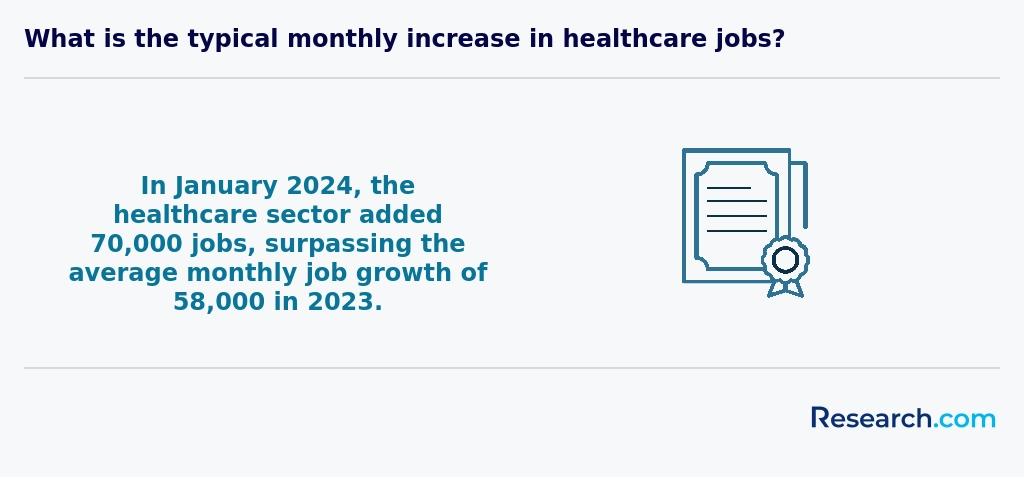
In addition to offering affordable and quality healthcare degree programs, it is important for prospective students to understand how these programs compare to similar educational paths in other high-demand fields. While healthcare remains a cornerstone for community well-being with robust job growth and a diverse range of career opportunities, other fields such as computer science also provide competitive advantages and attractive salary prospects. For example, students interested in technology and innovation can explore options like the most affordable computer science schools in florida, which offer programs designed to produce industry-ready graduates while maintaining low tuition costs. This comparative perspective not only highlights the unique benefits of pursuing a healthcare degree in Boca Raton, FL, but also empowers prospective students to make informed decisions based on their career aspirations, budget, and the dynamic demands of the job market. By evaluating these factors side by side, applicants can better gauge which field aligns with their long-term goals and educational preferences.
What financial aid is available to healthcare degree students in Boca Raton?
Healthcare students in Boca Raton can access a range of financial aid options to help manage tuition costs that often range between $5,000 and $25,000 annually. Many rely on federal aid through FAFSA, securing grants like the Pell Grant, which provides up to $7,395 per year without repayment. This grant is a game-changer for local students aiming to reduce debt from the start.
Federal student loans, including Direct Subsidized and Unsubsidized Loans, offer flexible repayment plans and lower interest rates, making them a smart choice. Graduates from institutions like Florida Atlantic University appreciate the Public Service Loan Forgiveness program, especially when working in nonprofit hospitals or public health sectors nearby.
State scholarships, such as Florida's Bright Futures, support academically strong residents enrolled in healthcare programs. Locally, universities provide merit- and need-based scholarships; students at Boca Raton's colleges often share how these awards made continuing their nursing or allied health studies possible.
Additionally, working students benefit from employer tuition reimbursement programs offered by Boca Raton healthcare facilities, easing financial pressure while gaining professional experience. Many professional healthcare organizations also grant scholarships targeting specializations like physical therapy and medical technology.
How Does Boca Raton Compare to Other Regions?
Healthcare degree costs and outcomes in Boca Raton, FL, remain highly competitive when benchmarked against statewide and national data. On average, Boca Raton’s public institutions charge approximately $10,000 per year for in-state tuition-around 15% below the national average for similar programs. Meanwhile, private colleges in the area maintain rates between $30,000 and $50,000 annually, aligning with peer institutions in metropolitan regions like Miami and Tampa. Graduates in Boca Raton report job placement rates near 90% within six months of graduation, slightly higher than the 85% average observed nationally. Salary outcomes also compare favorably: Boca Raton’s Patient Care Technicians earn a mean wage of $55,860, versus a national mean of $52,000. Health Information Technicians in Boca Raton average $41,260, about 10% above the U.S. median for this role. Clinical training opportunities in Boca Raton benefit from direct affiliations with major healthcare systems such as Boca Raton Regional Hospital, offering students over 1,200 hours of hands-on experience-comparable to leading programs in New York and California. This practical exposure, coupled with smaller class sizes, enhances both skill proficiency and professional networking, often translating into higher licensure exam pass rates. For students seeking flexible, cost-efficient online alternatives, exploring regional comparisons can unveil additional savings and program diversity. To assess compelling online options beyond Florida, visit Most Affordable Online Healthcare Degree Programs Ranking in Michigan, which highlights programs with average tuition rates 20–30% lower than many in-state offerings.
What are the prerequisites for enrolling in healthcare degree program in Boca Raton?
To enroll in a healthcare degree program in Boca Raton, you must first hold a high school diploma or equivalent. Many successful students from local institutions, like Palm Beach State College, emphasize the value of foundational courses in biology, chemistry, math, and English. These subjects build critical skills needed for healthcare studies and help meet the typical GPA requirement of around 2.5 to 3.0. Graduates often share how mastering these basics early made advanced classes more manageable.
Hands-on experience is equally important. Volunteering in hospitals or nursing homes near Boca Raton is a common step. For instance, healthcare students at Palm Beach State College often complete at least 50 hours of observation or volunteer work, boosting their confidence and practical skills.
Many programs have moved to test-optional policies, but maintaining strong academic records remains essential. Additionally, prepare for possible background checks and immunizations, ensuring smooth entry into clinical placements.
Comparative Analysis: How Programs Stand Out Locally and Nationally
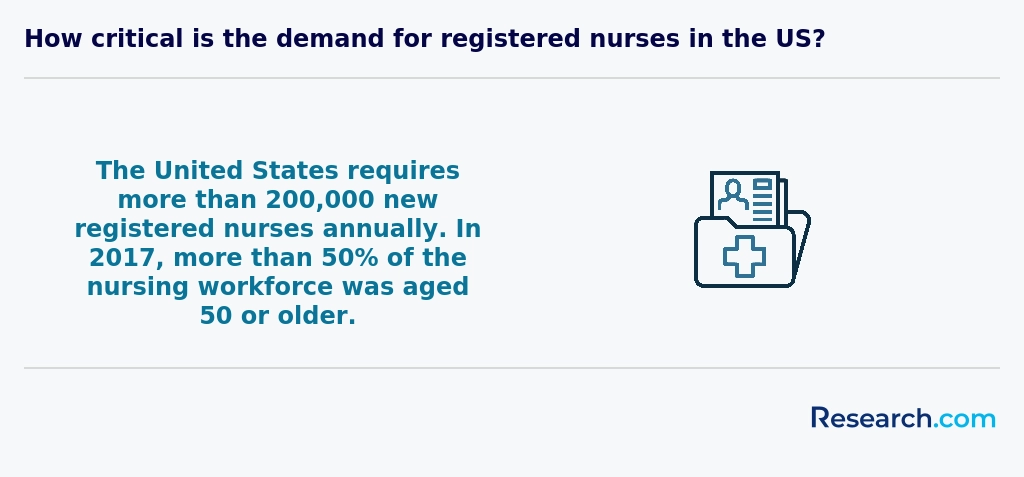
While the primary focus has been on program details within Boca Raton, it's essential to compare these healthcare degree offerings with national trends and alternative educational pathways. This section provides an in-depth analysis of how local programs measure up against broader standards in curriculum quality, flexibility, and career advancement opportunities. Many applicants consider not only the immediate benefits and cost of a degree but also how well a program prepares them for a competitive national job market. For instance, while local institutions offer hands-on training and established community connections, national programs often leverage cutting-edge technology and innovative teaching methods. These differences may directly impact a graduate’s readiness for rapidly evolving roles-such as integrating specialized credentials or supplementary certifications into their profiles. In today’s dynamic healthcare environment, the combination of a traditional degree and additional qualifications is becoming increasingly valuable. This is evident among students who choose to complement their studies with courses like an online medical coding and billing certification. Such certifications not only bolster technical expertise but also provide an edge in managing administrative tasks in clinical settings. Ultimately, by assessing both local and national trends, prospective students can make informed decisions that cater to their career aspirations and offer a competitive advantage in the healthcare sector.
What courses are typically in healthcare degree programs in Boca Raton?
Healthcare degree programs in Boca Raton typically start with essential science courses like anatomy, physiology, microbiology, and chemistry. Graduates from Florida Atlantic University, for example, often recall how these foundational classes helped them confidently understand the human body and prepare for clinical challenges.
Students quickly move on to specialized healthcare topics that sharpen their skills for real-world settings. Core courses include medical terminology, health informatics, pharmacology, and pathophysiology. These subjects are designed to make complex concepts manageable-such as navigating electronic health records or understanding drug interactions-so graduates enter the workforce feeling prepared and assured.
Practical experience is critical in Boca Raton's programs. Clinical practicums or internships at local hospitals and clinics immerse students in hands-on patient care, allowing them to apply their learning and develop professional confidence. Many alumni highlight how this exposure made their transition into healthcare roles smoother and more rewarding.
What types of specializations are available in healthcare degree programs in Boca Raton?
Healthcare degrees in Boca Raton typically offer a range of specializations tailored to match the city's dynamic healthcare landscape. Common concentrations include nursing, where students focus on becoming registered nurses or nurse practitioners, benefiting from hands-on experience at local hospitals. Graduates often highlight their confidence in clinical skills, thanks to close partnerships between popular Boca Raton colleges and healthcare facilities.
Another popular path is health informatics, which blends technology with patient care management-ideal for students attracted to the city's growing tech scene. Students learn to manage electronic health records and perform data analysis, opening doors to tech-driven healthcare roles.
Healthcare administration and public health specializations prepare students to lead and improve community health systems in Boca Raton's diverse demographic. Those pursuing allied health professions, such as physical therapy or medical laboratory science, enjoy practical training supported by local clinics.
Students also explore specialized certifications like online medical coding and billing certification to boost their career prospects within Boca Raton healthcare program concentrations.
How do you choose the best healthcare degree in Boca Raton?
When choosing the best affordable healthcare degrees in Boca Raton, start by identifying your career goals, such as nursing or allied health. Graduates from Florida Atlantic University often praise its accredited nursing programs for combining quality education with real clinical experience at Boca Raton Regional Hospital. This hands-on training builds confidence and practical skills, making the transition to the workforce smoother.
Cost is a major concern. Many students find Palm Beach State College's associate degrees provide excellent value, offering strong foundational knowledge for less than $5,000 annually. Considering financial investment early helps avoid unexpected expenses and keeps your education affordable and manageable.
Look for flexible program formats that fit your lifestyle. Working students appreciate evening and hybrid courses that Boca Raton schools typically offer, allowing them to balance school, work, and family commitments. For those exploring specialized areas, check out online options like online degree kinesiology programs to expand opportunities.
Finally, verify the program's accreditation to ensure eligibility for certification exams and better job prospects. Graduates frequently highlight that accredited programs lead to rewarding careers and internships within Boca Raton's growing healthcare sector.
What career paths are available for healthcare degree students in Boca Raton?
Graduates with a healthcare degree in Boca Raton can pursue various rewarding career paths that match the city's strong healthcare infrastructure. Many find success becoming registered nurses through programs at local colleges, stepping confidently into roles at Boca Raton Regional Hospital or outpatient clinics. These positions offer stability and a median wage near $69,000 in Florida, providing both financial and professional satisfaction.
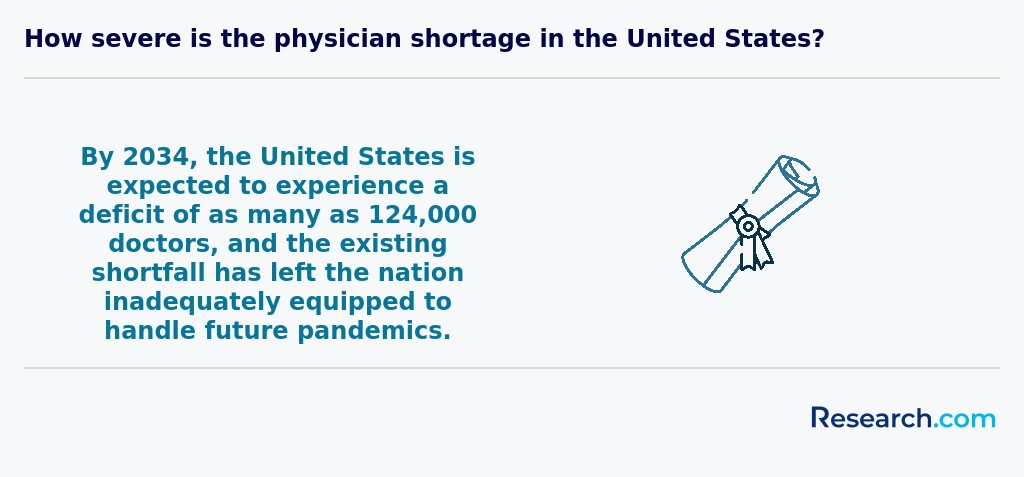
Others have excelled in health administration roles, managing hospital operations or shaping health policies. These careers benefit from Boca Raton's expanding medical facilities and the national 28% growth in demand for healthcare managers. Hands-on experience gained during internships at local institutions enhances employability and practical skills.
For those focused on specialized technical careers, degrees in radiologic technology or respiratory therapy open doors to well-paying technician roles. Graduates often highlight how Boca Raton's programs blend classroom learning with real clinical exposure, easing the transition into jobs with competitive salaries.
Public health degrees from area universities empower students to address community wellness and aging population needs. Those considering affordability can explore the Most Affordable Online Healthcare Degree Programs Ranking in Michigan for cost-effective options. These diverse opportunities make healthcare degree career opportunities in Boca Raton an attractive choice for driven students.
What is the job market for healthcare degree in Boca Raton?
The healthcare job opportunities in Boca Raton are promising, driven by the city's aging population and expanding healthcare facilities. Graduates from local colleges familiar with programs in nursing, health sciences, and allied health frequently find employment at institutions like Boca Raton Regional Hospital and outpatient care centers. Many graduates share how their training prepared them well for roles in home healthcare, outpatient clinics, and administrative positions, matching the growing demand in the region.
Employment outlook improves for those who pursue specialized training or advanced degrees, as higher qualifications often lead to leadership roles and better salaries. The cost of education at public institutions is relatively affordable, making degrees an excellent investment given Boca Raton's strong job growth. Some students explore one year degree programs to accelerate their entry into the workforce and increase earning potential.
Overall, the Boca Raton healthcare degree employment outlook is very encouraging. With competitive salaries aligning well with Florida standards, graduates tend to feel confident and optimistic about securing meaningful, rewarding jobs in a thriving healthcare market.
Frequently Asked Questions About healthcare
Healthcare degree students in Boca Raton can maximize their learning experience by engaging deeply with local clinical opportunities. Boca Raton is home to several top healthcare facilities, including Boca Raton Regional Hospital, which provides hands-on training and internships for students. Participating in internships and practicum placements improves practical skills and enhances employment prospects after graduation.
Students should also explore partnerships between educational institutions and healthcare providers to access cutting-edge research and technologies. According to the Bureau of Labor Statistics, healthcare jobs in Florida are expected to grow 15% through 2031, emphasizing the importance of gaining relevant experience.
Joining local professional healthcare associations and attending community health events can further expand networking opportunities and understanding of regional healthcare needs.
Emerging niches in the healthcare field are reshaping career opportunities for students pursuing degrees in Boca Raton. One rapidly growing area is telehealth, which expanded significantly during the COVID-19 pandemic and continues to offer jobs related to remote patient care and digital health technologies. According to the Florida Department of Health, telemedicine usage in South Florida remains above pre-pandemic levels as of 2023.
Another niche is healthcare informatics, where professionals analyze data to improve patient outcomes. With Boca Raton's increasing investment in health technology startups, these skills are in high demand.
Additionally, geriatric care is expanding as the local population ages. The U.S. Census Bureau reports that over 25% of Boca Raton residents are aged 65 or older, increasing the need for specialists in elderly care, chronic disease management, and palliative services.
After completing a healthcare degree in Boca Raton, preparing for the job market involves several key steps. First, obtaining relevant certifications such as CPR or specialized licenses enhances employability in Florida's healthcare sector. Networking through local events and healthcare organizations, like those affiliated with Boca Raton Regional Hospital, can provide valuable job leads.
Internships and clinical rotations completed during your degree offer practical experience, often leading to job offers upon graduation. According to the U.S. Bureau of Labor Statistics, healthcare jobs in Florida are projected to grow 19% through 2031, highlighting strong local demand. Lastly, consider tailoring your resume to highlight skills sought in Boca Raton's growing healthcare market.
Employers in Boca Raton highly value healthcare degree graduates who demonstrate strong clinical skills combined with effective communication. According to the Florida Department of Economic Opportunity, interpersonal abilities are essential for patient care and teamwork in local hospitals and clinics. Technical proficiency, such as familiarity with Electronic Health Records (EHR) systems, is increasingly important as healthcare facilities adopt advanced technologies.
Additionally, critical thinking and problem-solving skills stand out as key traits. Employers seek graduates who can adapt quickly in fast-paced clinical environments found in Boca Raton's growing healthcare sector.
Knowledge of healthcare regulations and patient privacy laws, including HIPAA compliance, is also a priority for graduating students.
Finding internships in Boca Raton for healthcare students involves targeting local hospitals, clinics, and research centers. Boca Raton Regional Hospital and West Boca Medical Center are key employers offering hands-on experience. Many internship opportunities are posted through college career centers, such as those at Florida Atlantic University (FAU), which has strong healthcare programs.
Networking through local healthcare associations like the Palm Beach County Public Health Department can also open internship doors. Use online platforms such as Handshake or LinkedIn to access Boca Raton-specific listings. Early application is important because healthcare internships can be competitive.
These internships often require proof of immunization and background checks, aligning with standard U.S. healthcare regulations.
Obtaining a healthcare degree in Boca Raton significantly improves career mobility and advancement opportunities within the local job market. The city hosts a growing healthcare sector, including hospitals like Boca Raton Regional Hospital and numerous outpatient clinics.
According to the Florida Department of Economic Opportunity, healthcare occupations in Boca Raton are expected to grow by over 15% between 2020 and 2030. This growth increases demand for qualified professionals with formal education credentials.
A healthcare degree equips graduates with specialized knowledge and skills, making them eligible for diverse roles such as nursing, health administration, and allied health professions. Employers in Boca Raton often prefer candidates with accredited degrees, which can lead to faster promotions and higher salary potential.
Moreover, degrees can facilitate obtaining professional certifications mandatory for certain positions, further enhancing career advancement.
Studying for a healthcare degree in Boca Raton offers robust preparation for interdisciplinary roles in the medical field. Local institutions emphasize collaboration between nursing, public health, and healthcare administration programs. Courses often integrate teamwork skills essential for working with diverse healthcare professionals.
Boca Raton's proximity to major hospitals and research centers like Boca Raton Regional Hospital provides students with practical experience in multidisciplinary environments. According to the Florida Department of Health, integrated healthcare teams improve patient outcomes by 20%, underscoring the region's focus on teamwork.
Additionally, many programs incorporate state-of-the-art simulation labs to replicate real-world clinical settings, fostering skills in communication and problem-solving across professions.
When choosing between a thesis and a non-thesis healthcare degree program in Boca Raton, consider your career goals and interests. Thesis programs usually emphasize research, requiring students to complete an original study, which can be beneficial if you plan to pursue a PhD or work in academic or clinical research. Non-thesis options focus more on practical skills and coursework, ideal for students aiming for immediate employment in healthcare settings.
Local employers in Boca Raton often value clinical experience and professional certifications alongside degrees. According to the Florida Department of Economic Opportunity, healthcare jobs in the region are projected to grow by over 15% by 2028, emphasizing practical skills.
Cost and program length also vary. Thesis programs may take longer and involve additional fees for research activities.
Students in Boca Raton interested in healthcare degrees have opportunities to study abroad through programs offered by US institutions with international partnerships. Many universities in Florida participate in exchange programs or offer clinical placements overseas for nursing, public health, and pre-medical studies. These options enable students to gain global healthcare perspectives while earning credits toward their degrees.
According to the Institute of International Education, over 20% of healthcare students nationwide take part in study-abroad experiences, enhancing their cultural competence and clinical skills. Boca Raton's proximity to major universities facilitates access to such programs, often in Europe, Asia, or Latin America.
Part-time job opportunities in Boca Raton that complement healthcare degree education include roles such as medical assistants, pharmacy technicians, and certified nursing assistants (CNAs). These positions provide practical experience in clinical settings, which is valuable for students pursuing degrees in nursing, health sciences, or allied health fields.
According to the U.S. Bureau of Labor Statistics, Boca Raton's healthcare employment is growing steadily, reflecting demand for support roles. Local hospitals like Boca Raton Regional Hospital often offer part-time internships or entry-level roles that help students develop patient care and administrative skills.
Additionally, jobs in medical billing or working at outpatient clinics can enhance knowledge of healthcare systems and insurance processes, aligning with healthcare degree curricula.
Healthcare students in Boca Raton have access to a variety of valuable networking opportunities. Local universities, such as Florida Atlantic University, host career fairs and professional events connecting students with healthcare employers. These events often feature hospitals and clinics from the Palm Beach County area, creating direct access to potential internships and jobs.
Organizations like the Healthcare Businesswomen's Association and local chapters of national medical societies offer events and workshops for students. Networking through these groups can enhance professional relationships and mentorships.
Additionally, Boca Raton's proximity to major healthcare providers like Boca Raton Regional Hospital provides students with strong clinical and networking experiences. According to the Florida Department of Health, Palm Beach County employs over 60,000 healthcare workers, offering broad engagement prospects.
Alumni networks play a crucial role in supporting healthcare degree students in Boca Raton. These networks offer valuable connections to experienced professionals who can provide mentorship and career guidance. In a city with a growing healthcare sector, such as Boca Raton, these relationships improve job placement opportunities after graduation.
Many local hospitals and clinics, including Boca Raton Regional Hospital, actively engage with alumni networks to recruit new talent. According to the Florida Department of Education, students with access to alumni resources are 20% more likely to secure internships during their studies, which is vital in healthcare fields.
Beyond jobs, alumni networks provide workshops, continuing education, and industry insights tailored to Florida's healthcare landscape, helping students stay competitive and informed.
Healthcare degree programs in Boca Raton offer flexibility to tailor your education to specific career goals. Many local institutions provide concentrations such as nursing, health administration, or public health, allowing students to focus on areas with strong job growth in South Florida. For example, specializing in geriatrics or healthcare management aligns with the region's aging population and expanding medical facilities.
Students can often choose from elective courses, internships, and clinical placements within Boca Raton health systems like Boca Raton Regional Hospital. This hands-on experience enhances practical skills, making graduates more competitive in the job market. Additionally, part-time and online options accommodate working professionals.
Advisors at local colleges typically assist students in mapping out degree plans that meet licensure requirements and personal interests. Staying informed about healthcare trends in Boca Raton is crucial when customizing your program to maximize career opportunities.
Healthcare students in Boca Raton face several challenges common to many U.S. healthcare education programs. One key difficulty is managing the rigorous coursework combined with clinical rotations, which requires strong time-management skills. According to the Florida Department of Education, students often report stress related to maintaining high academic performance while gaining hands-on experience.
Financial concerns are also significant; tuition and associated costs for healthcare degrees in Boca Raton can be substantial. Many students rely on financial aid or loans, adding pressure to complete their studies successfully. Additionally, securing competitive internships or clinical placements in local hospitals, such as Boca Raton Regional Hospital, may be challenging due to limited availability.
With a healthcare degree in Boca Raton, students can pursue a range of professional certifications that enhance their career opportunities. Common certifications include Certified Nursing Assistant (CNA), Licensed Practical Nurse (LPN), and Registered Nurse (RN), which are essential for clinical roles.
For those interested in specialized fields, certifications like Certified Medical Assistant (CMA), Emergency Medical Technician (EMT), and Health Information Technician (HIT) are available. According to the Florida Department of Health, employment in these roles is projected to grow steadily in Palm Beach County, which includes Boca Raton.
Certification requirements typically involve passing national or state exams and may require clinical experience. These credentials validate skills and improve job prospects for healthcare professionals in the region.
To write a winning application for a healthcare program in Boca Raton, start by carefully researching each school's admission requirements and deadlines. Many local programs value strong academic records with a focus on science courses like biology and chemistry. Highlight any healthcare-related volunteer work or internships, as Boca Raton offers many community health opportunities that demonstrate your commitment.
Include a clear, concise personal statement explaining why you want to pursue healthcare and how you plan to impact the community. According to the Florida Department of Health, healthcare jobs in Boca Raton grew by 7% from 2020 to 2023, showing strong local demand.
Lastly, prepare for interviews by practicing professionalism and knowledge about regional healthcare challenges. Submitting your application well before deadlines improves your chances in this competitive field.
A healthcare career is increasingly recognized as vital worldwide, reflecting growing demand for skilled professionals. In the US, including Boca Raton, healthcare employment is projected to grow 16% from 2021 to 2031, much faster than average jobs, according to the Bureau of Labor Statistics. This growth is driven by an aging population and advances in medical technology.
Globally, healthcare careers emphasize adaptability, cultural competence, and interdisciplinary knowledge. US degrees, especially those from Florida institutions, focus on preparing students for diverse populations and emerging health challenges. Boca Raton's health sector benefits from nearby research centers and hospitals, offering practical experience opportunities.
Internationally, US healthcare graduates often hold competitive advantages due to rigorous training and evidence-based approaches emphasized in American programs.
Gaining practical experience while studying for a healthcare degree in Boca Raton involves several effective strategies. Many local colleges and universities partner with nearby hospitals, clinics, and healthcare organizations to offer internships and clinical placements. These opportunities enable students to apply theoretical knowledge in real-world settings while developing essential skills.
Volunteering at prominent healthcare facilities such as Boca Raton Regional Hospital can also provide valuable exposure to patient care and hospital operations. Additionally, many programs include simulation labs that replicate clinical environments for hands-on learning.
Students should explore opportunities through their school's career services and local healthcare job boards to maximize practical experience.
Choosing the right concentration within a healthcare degree program in Boca Raton involves assessing your career goals and local industry demand. Popular tracks include nursing, health information management, and public health. Boca Raton's healthcare job market is growing, with a 15% increase in healthcare occupations projected by the U.S. Bureau of Labor Statistics for the Miami-Fort Lauderdale area through 2031.
Consider programs accredited by recognized bodies like the Commission on Collegiate Nursing Education for nursing concentrations. Also evaluate clinical opportunities in nearby hospitals such as Boca Raton Regional Hospital, which offers valuable hands-on experience.
Researching employment rates and starting salaries for graduates from Boca Raton schools can inform your decision, as well as speaking with academic advisors about curriculum focus.
Related Healthcare Rankings for Nearby Cities
- 2027 Most Affordable Healthcare Degree Programs Ranking in Fort Lauderdale
- 2027 Most Affordable Healthcare Degree Programs Ranking in Miami
- 2027 Most Affordable Healthcare Degree Programs Ranking in Fort Myers
- 2027 Most Affordable Healthcare Degree Programs Ranking in Orlando
- 2027 Most Affordable Healthcare Degree Programs Ranking in Tampa
- 2027 Most Affordable Healthcare Degree Programs Ranking in Gainesville
- 2027 Most Affordable Healthcare Degree Programs Ranking in Jacksonville
- 2027 Most Affordable Healthcare Degree Programs Ranking in Tallahassee
- 2027 Most Affordable Healthcare Degree Programs Ranking in Macon
- 2027 Most Affordable Healthcare Degree Programs Ranking in Montgomery
Top Trending Healthcare Rankings
See What Experts Have To Say About Studying Healthcare
Read our interview with Healthcare experts

References
- Challenges for Medical Students - Health Action Research Group https://www.healthactionresearch.org.uk/mental-health/challenges-for-medical-student/
- The Value of Healthcare Organization Alumni Associations https://consultqd.clevelandclinic.org/the-value-of-healthcare-organization-alumni-associations
- Pursuing Your Career Goals: Strategies and Examples https://www.ultimatemedical.edu/blog/career-goals-importance-strategies-and-examples/
- 10 Skills Employers Are Looking for in Healthcare Management Jobs https://www.aiuniv.edu/blog/10-top-skills-for-healthcare-management-jobs
- How Expensive is Boca Raton for College Students? A Complete Financial Guide - BNO News https://bnonews.com/index.php/2025/05/how-expensive-is-boca-raton-for-college-students-a-complete-financial-guide/
- Financial Assistance | Healthcare Vocational Training Institute in Florida https://www.sflhealthcareinstitute.com/healthcare-vocational-training-institute-financial-assistance
- Networking and Mentorship During Clinical Rotations https://rotatingroom.com/blog/medical-students-the-importance-of-networking-mentorship-during-your-clinical-rotations
- Global Health Perspectives https://globalhealthperspectives.com/
- Career Pathways | Health First https://www.careers.hf.org/career-pathways
- West Boca Medical Center New Graduate RN's - Now Hiring! Job in Boca Raton at Tenet https://jobs.tenethealth.com/en/job/boca-raton/west-boca-medical-center-new-graduate-rn-s-now-hiring/1127/92727011184


