
2027 Most Affordable Online Bachelor's in Healthcare Degree Programs Ranking in the USA

Co-Founder and Chief Data Scientist
Choosing the right online healthcare degree can be challenging, especially with so many options available. To guide you, this article presents the 2027 Most Affordable Online Bachelor's in Healthcare Degree Programs Ranking in the USA, created by the Research.com team of data scientists.
By exploring this ranking, you can discover programs that balance quality and affordability, helping you make an informed decision for your future.
Investing in a healthcare degree opens doors to meaningful work and personal growth-this guide aims to support your journey toward a rewarding career.
Key benefits of getting online healthcare degree in America
- The average annual salary for healthcare degree graduates varies by role: Medical Assistants earn about $43,350, Patient Care Technicians make around $60,790, and Quality Improvement Coordinators can earn as much as $103,150, offering great financial prospects.
- Healthcare degrees open doors to diverse career paths, from hands-on patient care and clinical coordination to important health information management roles, like many graduates from community colleges across America experience.
- Completing a healthcare degree online, as seen with graduates from popular programs like Southern New Hampshire University, offers flexibility and convenience without sacrificing quality, making it easier to balance work and study.
- Key benefits of getting online healthcare degree in America
- What can I expect from online healthcare degree in America?
- Where can I work with online healthcare degree in America?
- How much can I make with online healthcare degree in America?
- 2027 Most Affordable Online Bachelor's in Healthcare Degree Programs Ranking in the USA
- Key Findings
- How long does it take to complete online healthcare degree in America?
- Tips for Success in Your Online Healthcare Degree Program
- What's the difference between online and on-campus healthcare degree?
- Tips for Success in Your Online Healthcare Journey
- What is the average cost of online healthcare degree in America?
- Continuing Your Education: Transitioning from an Online Bachelor’s to a Healthcare Master’s
- What financial aid is available to online healthcare degree students in America?
- Accreditation and Licensure
- What are the prerequisites for enrolling in online healthcare degree program in America?
- Next Steps in Your Online Healthcare Education Journey
- What courses are typically in online healthcare degree programs in America?
- What types of specializations are available in online healthcare degree programs in America?
- How do you choose the best online healthcare degree in America?
- What career paths are available for online healthcare degree students in America?
- What is the job market for online healthcare degree in America?
- Top Trending Healthcare Rankings
- See What Experts Have To Say About Studying Healthcare
What can I expect from online healthcare degree in America?
The average cost of an online healthcare degree in America varies widely, but prospective students often find tuition ranging from $10,000 to $40,000 for a bachelor's program, depending on the institution. For example, graduates from public universities such as the University of Florida or Arizona State University report tuition on the lower end, benefiting from state-subsidized rates and financial aid options. Meanwhile, private institutions known for strong healthcare programs may charge closer to $35,000 or more, reflecting additional resources and networking opportunities.
Many students appreciate the flexibility to work while studying, which helps manage expenses and reduces financial stress. However, it's important to note hidden costs like technology fees, textbooks, and clinical placement expenses that often arise. Graduates frequently mention how asynchronous class options allowed them to balance family life and jobs, making the investment feel worthwhile. Still, students should critically assess whether the program's cost aligns with their career goals and local job markets before committing.
Where can I work with online healthcare degree in America?
Graduates with an online healthcare degree from institutions like the University of Florida or Arizona State University often find themselves welcomed in diverse settings such as hospitals, outpatient care centers, and long-term care facilities. One graduate shared how their online studies prepared them to coordinate patient care efficiently in a busy Florida hospital, highlighting the real-world impact of their administrative skills. Another found rewarding opportunities managing public health programs in community organizations, illustrating how such roles contribute directly to disease prevention and education.
Many healthcare degree holders seize positions in outpatient care centers or physicians' offices, where administrators and billing specialists ensure smooth clinical operations. These roles require understanding of healthcare policies and technology, skills reinforced at colleges known for comprehensive online healthcare curricula.
Health information management is another expanding path, especially as electronic health records become standard. Graduates have reported enthusiasm working with sensitive data, emphasizing both the challenges and satisfaction in maintaining compliance with privacy laws like HIPAA. While some clinical careers need further certification, online degrees often open doors to rewarding administrative and support positions across America's healthcare landscape.
How much can I make with online healthcare degree in America?
Graduates with an online healthcare degree in America can anticipate a broad salary range shaped by their chosen roles and experience. For example, medical assistants typically earn a mean annual wage of about $43,350, reflecting entry-level positions that offer a valuable starting point. Patient care technicians, with a mean wage near $60,790, show how targeted skills can increase earning power, especially as some graduates from universities like the University of Florida report gaining practical clinical experiences that boost their job prospects.
Health information technicians hold a mean salary close to $43,380, which resonates with graduates who leveraged online programs from institutions such as Arizona State University, finding satisfying roles in managing digital health records. Clinical research coordinators also earn approximately $43,350 annually, illustrating consistency in specialist positions accessible through online education. Meanwhile, quality improvement coordinators earn a notably higher mean wage of $103,150, reflecting more advanced responsibilities and leadership in healthcare settings.
This variability emphasizes the importance of selecting programs that balance flexibility with hands-on training, as many online healthcare students from popular colleges confirm that clinical internships significantly impact their starting salaries and career satisfaction.
2027 Most Affordable Online Bachelor's in Healthcare Degree Programs Ranking in the USA
How do we rank schools?
Investing in your education is a significant decision that can shape your future, and the Research.com team understands the importance of making informed choices. To assist prospective students, we have meticulously created the "2027 Most Affordable Online Bachelor's in Healthcare Degree Programs Ranking in the USA." Our commitment to quality, credibility, and accuracy is reflected in the extensive research and analysis conducted to compile this ranking.
We utilized the following reputable data sources to ensure a comprehensive evaluation of healthcare degree programs:
By exploring this ranking, readers will gain valuable insights into the most affordable and credible online healthcare bachelor's programs available across the USA, empowering them to make informed and confident decisions about their educational investments. For more information on how this ranking was created, please visit our Research.com methodology page.


# 11 position
Bethel University, Minnesota
Nursing RN to BS


Key Findings
- Online healthcare degrees include nursing, health administration, public health, and healthcare informatics, and many programs are fully online.
- Tuition for online bachelor's healthcare degrees ranges from $15,000 to $40,000, with public universities usually offering lower costs for in-state students.
- The healthcare sector is expected to grow by about 13% from 2021 to 2031, faster than the average for all occupations.
- Graduates can expect starting salaries around $50,000 to $60,000, with some roles like health services managers earning over $100,000 annually.
- Accreditation is important for financial aid and licensure, and programs often require local clinical or practicum experience.
- Online programs use technology like virtual simulations and telehealth training to provide practical healthcare education.
How long does it take to complete online healthcare degree in America?
Completing an online healthcare degree in America typically takes about four years for full-time students, especially in well-known programs at universities like Arizona State University or the University of Florida. Graduates often recall balancing coursework with family and jobs, appreciating the flexibility these programs offer. However, this timeline varies widely depending on factors such as part-time study or transfer credits.
For example, some working healthcare professionals enrolled part-time in schools like Northeastern University extend their studies to five or six years but value the ability to maintain income and personal commitments. Others take accelerated tracks available in institutions such as George Washington University, finishing in as little as three years, especially when previous credits reduce their workload.
Clinical practicum requirements also influence completion time, as hands-on experience demands additional scheduling. Overall, online healthcare programs in America provide adaptable pacing, empowering students to customize their path while managing real-life responsibilities.
Tips for Success in Your Online Healthcare Degree Program
To maximize your online healthcare education experience, it’s essential to adopt a proactive approach from day one. Start by creating a structured daily schedule that accommodates your study, work, and personal commitments to ensure you stay on track with coursework and deadlines. Leveraging digital tools and learning management systems can enhance your organization, while setting aside dedicated time for review and practice will help consolidate complex healthcare concepts. In addition, actively participate in virtual discussions and networking opportunities; these interactions not only foster a sense of community but also provide valuable insights from both peers and instructors. Seeking out mentorship or joining study groups can deliver practical perspectives and feedback that are critical for continuous improvement. Furthermore, consider exploring resources that highlight program affordability and quality-such as the most affordable healthcare degree rankings-to make informed decisions about your educational investments. This research can help you select programs that balance cost with academic rigor and career support, thereby setting a solid foundation for your future success in the healthcare industry. Finally, keep an open mind about supplemental learning opportunities, such as webinars, online workshops, or further certifications. These additional resources can deepen your understanding, enhance your resume, and ensure that you remain competitive in a rapidly evolving field.
What's the difference between online and on-campus healthcare degree?
The main difference between online and on-campus healthcare degrees in America lies in how education is delivered and experienced. Graduates from online programs at schools like Arizona State University often appreciate the flexibility to balance studies with work or family, accessing lectures anytime without commuting. This suits those managing busy schedules, allowing local clinical placements tailored to their communities.
Conversely, students of traditional programs at universities such as the University of Michigan value direct interaction with instructors and peers. They experience hands-on learning in labs and immediate access to campus resources, fostering teamwork skills crucial in healthcare. Some graduates recall the energizing atmosphere of face-to-face discussions that deepen understanding.
While online degrees reduce costs linked to housing and transport, tuition may remain comparable to public campuses, as seen at schools like Oregon State University. Both paths require clinical hours, though onsite students often train in university hospitals, whereas online learners arrange local experiences. Ultimately, the choice depends on individual needs, be it immersion or flexibility.
Tips for Success in Your Online Healthcare Journey
Succeeding in an online healthcare program requires a blend of time management, proactive engagement, and leveraging digital resources to optimize your learning experience. Start by creating a dedicated study schedule that accommodates coursework, virtual discussions, and periodic reviews of materials. Embrace interactive tools provided by your institution-whether that be discussion boards, virtual simulations, or online study groups-to foster a collaborative and supportive environment. Additionally, seek feedback actively from instructors and peers, as constructive critiques are vital in honing clinical and theoretical skills. Enhancing your learning with supplemental insights, you can also explore a list of affordable online doctorate in pharmacy programs, which further broadens your perspective on advanced educational opportunities in healthcare. Finally, don't hesitate to reach out to career services and alumni networks for guidance on internships or job placements, ensuring your academic efforts translate into long-term success in the dynamic healthcare landscape.
What is the average cost of online healthcare degree in America?
The average cost of an online healthcare degree in America typically ranges around a median total of $43,560. However, this figure shifts considerably based on residency status, with median costs for out-of-state students climbing to approximately $47,880, while in-state students benefit from lower median costs near $29,250. Graduates from popular universities offering online healthcare programs often share that while tuition can feel steep, the investment pays off due to the flexibility and access to quality education that these programs provide.
Many students pursuing affordable online healthcare bachelor's programs 2027 choose public institutions to take advantage of lower in-state tuition rates. One graduate recalled managing expenses carefully by enrolling in a well-regarded state university known for its healthcare curriculum, which allowed balancing work and study without overwhelming debt. Personal experiences like these highlight the importance of carefully evaluating program length, credit requirements, and additional fees such as technology or lab costs that can affect the final bill.
Prospective students should also explore financial aid options and scholarships, which significantly ease the financial burden. The variation in costs between fields-nursing degrees with clinical components may include extra fees-is another consideration. For those interested in finding the most affordable healthcare degree, tools like College Navigator prove invaluable in comparing detailed tuition data by institution, helping to navigate the complex landscape of the average cost of online healthcare degree USA.
Continuing Your Education: Transitioning from an Online Bachelor’s to a Healthcare Master’s
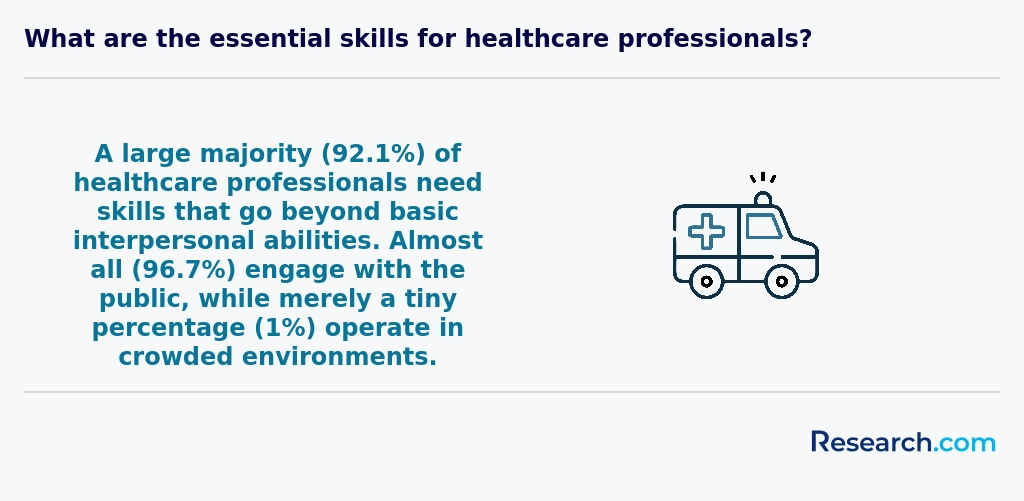
Building on the solid foundation of an online bachelor’s in healthcare, many graduates seek advanced roles through a master’s degree that deepens clinical expertise, leadership, and research skills. An online healthcare master’s program often offers specialized tracks-such as health informatics, healthcare administration, and public health-that align with evolving industry demands. By enrolling in an accredited master’s program, you’ll gain strategic insights into healthcare policy, data analytics, and system management, positioning you for management-level positions and higher earning potential. Hands-on components remain integral: virtual simulations, capstone projects, and field internships bridge theory with real-world challenges. Peer collaboration and instructor feedback continue to foster critical thinking and problem-solving-traits highly valued by employers facing complex patient care and regulatory landscapes. Moreover, advanced coursework in evidence-based practice and leadership prepares graduates for roles like nurse practitioner, healthcare executive, or clinical research coordinator. To explore tuition-efficient options tailored to your career goals, consider our Affordable Online Master’s in Healthcare Degree Programs Ranking in Pennsylvania. This guide highlights master’s programs that balance cost, quality, and flexibility-ensuring you invest wisely in your professional growth and make a significant impact on patient outcomes and organizational success.
What financial aid is available to online healthcare degree students in America?
Financial aid for online healthcare degrees in America often hinges on federal support accessed through the FAFSA, which opens doors to Pell Grants, federal student loans, and work-study options. Graduates from institutions like the University of Florida Online Nursing program frequently express relief at receiving Pell Grants, which can cover up to $7,395 annually without repayment, easing the burden of tuition that averages between $40,000 and $60,000 for such programs.
Beyond federal aid, state-level programs offer targeted help, especially for nursing or allied health students willing to serve in underserved communities. Graduates of Arizona State University's healthcare programs have reported benefiting from state loan forgiveness initiatives, which significantly reduce their debt when they commit to work locally after graduation.
Merit-based scholarships from organizations like the American Nursing Association also play a key role. For example, students from Ohio State University's online health administration courses often cite these scholarships as critical to funding their education, alongside institutional discounts and employer tuition reimbursement, which many healthcare providers use as incentives to encourage continuing education.
Accreditation and Licensure
Accredited programs ensure recognized quality and license eligibility for online healthcare degrees in the U.S.
Accreditation signals that a program meets rigorous academic and professional standards. Look for:
- Regional accreditation (e.g., Middle States, WASC) to verify overall institutional quality
- Specialized accrediting bodies like CCNE for nursing, CAAHEP for allied health, or CAHME for healthcare administration
- State board approval to confirm eligibility for licensure and certification exams
Licensure requirements vary by state and profession. Before enrolling:
- Check required clinical hours and approved practicum sites
- Confirm program alignment with state licensing board criteria
- Review exam eligibility for roles such as medical assistants or health information technicians
For those seeking fast-tracked clinical credentials, explore accelerated medical assistant programs that combine accreditation with efficient pathways to certification.
What are the prerequisites for enrolling in online healthcare degree program in America?
Enrolling in an online healthcare degree in America typically requires a high school diploma or GED, though some popular programs at universities like the University of Florida or Arizona State University ask for transcripts showing competency in biology, chemistry, and math. Graduates often share how these foundational courses made complex medical concepts more approachable during their studies.
Many specialized tracks, such as nursing or healthcare administration, expect prior credentials or experience. For example, accelerated nursing programs at institutions like Drexel University may require an associate degree or LPN license, reflecting real-world skills that ease the transition into advanced coursework.
While standardized tests like the SAT or ACT were once standard, many institutions now waive them, acknowledging diverse student backgrounds and removing barriers-something graduates appreciate when juggling jobs and family.
Personal statements, recommendation letters, and proof of volunteer work in clinical settings help admissions teams gauge passion and readiness, grounding applicants' motivations beyond academics alone.
Access to reliable technology is also crucial; students describe how having dependable internet and computer access transforms online classes from a challenge into an empowering learning experience.
Next Steps in Your Online Healthcare Education Journey
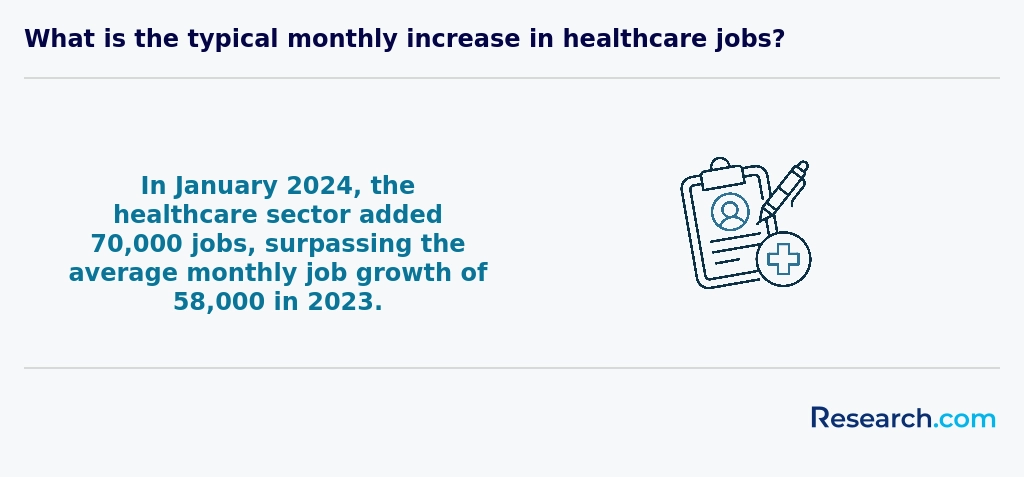
If you’re ready to take the next step toward a rewarding career in healthcare, it’s essential to map out your application and enrollment process carefully. Begin by researching each program’s unique offerings, admission requirements, and deadlines to ensure you meet every criterion before applying. Take advantage of resources such as virtual open houses or webinars, where current students and faculty share insights about campus culture, curriculum, and career support. Additionally, actively explore scholarship opportunities and financial aid options to help manage tuition costs effectively. For prospective students seeking guidance on program selection, consider reviewing our detailed ranking of the most affordable healthcare degree programs, which highlights schools that balance academic rigor with cost efficiency. By preparing a strong application, gathering positive recommendations, and aligning your academic background with your career goals, you can confidently start the journey toward a future in healthcare while maximizing both educational and professional outcomes.
What courses are typically in online healthcare degree programs in America?
Online healthcare degrees in America typically include a variety of courses that blend theory with practical skills. Graduates from well-known institutions like the University of Florida and Southern New Hampshire University often mention that foundational classes such as anatomy, physiology, and medical terminology helped them feel confident when encountering real patients during clinical externships.
Healthcare administration and management courses are also common, focusing on policies, organizational behavior, and service management. These courses prepare students to navigate the complex U.S. healthcare system, a crucial skill as the industry expects 16% growth through 2031, according to the Bureau of Labor Statistics. Students from Arizona State University have reported that these classes clarified how to lead healthcare teams efficiently.
Legal and ethical coursework, including studies on HIPAA regulations, equips students to handle sensitive patient information responsibly. Healthcare informatics, a rapidly expanding field, is frequently integrated to train students in managing electronic health records-a skill highly praised by recent graduates at Drexel University for improving care quality and data management.
Courses in public health and epidemiology provide insight into broader community health concerns, an area some graduates found both challenging and rewarding as it ties clinical work to population well-being.
What types of specializations are available in online healthcare degree programs in America?
Online healthcare degree specializations in the USA often include diverse fields such as Healthcare Administration, Health Informatics, Public Health, Nursing, Health Sciences, and Medical Coding and Billing. Graduates from well-known universities have shared how Healthcare Administration programs helped them develop leadership skills crucial for hospital management roles, while those in Health Informatics express enthusiasm for working with electronic health records and data analytics in rapidly evolving environments. Nursing students, particularly in online RN-to-BSN programs, report a strong sense of purpose and readiness to meet the country's growing demand for skilled nurses. These programs, popular among students at institutions recognized for quality healthcare education, reflect the nuanced needs of the industry today.
It is important to recognize that the best healthcare majors available online in America can vary based on individual career goals and interests. Some students thrive in the technical detail-oriented tasks of medical coding and billing, appreciating how critical accurate data is for insurance processes, whereas others prefer the community-oriented focus of Public Health. These experiences underscore the value of choosing a specialization that aligns realistically with personal strengths and ambitions.
Students exploring options may also find it helpful to review a list of affordable online doctorate in pharmacy programs, which highlights additional pathways in the healthcare education landscape. Such resources help ensure decisions about online healthcare degrees take into account both educational quality and financial considerations.
How do you choose the best online healthcare degree in America?
Choosing the best online healthcare degree in America involves weighing multiple factors carefully. Accreditation stands out as a non-negotiable; graduates from well-known programs at universities like the University of Florida or Arizona State frequently cite how accreditation from bodies such as CCNE or ACEN boosted employers' confidence in their credentials. However, some students find that lesser-known accredited programs still offer practical value depending on their career goals. Exploring the specific healthcare specialization matters too-whether nursing, health informatics, or administration-as these paths demand different certifications and lead to varied roles.
Cost is often a deciding factor for many; the average tuition at public universities can be steep, and some healthcare degrees require extra fees for labs or clinical practicum, as reflected in many students' budgeting stories. Online programs with flexible schedules and asynchronous classes, like those popular among working adults, provide accessible options while balancing life responsibilities. One helpful resource is the Affordable Online Master's in Healthcare Degree Programs Ranking in Pennsylvania, which lists programs that combine cost-effectiveness with quality.
Finally, consider the support services and graduation outcomes-graduates from prominent colleges often praise academic advising and career counseling as crucial to their success. Their employment rates above 85% within six months underscore the importance of program effectiveness. Reflecting on your personal situation and goals is key to selecting among the best online healthcare degrees in the USA.
What career paths are available for online healthcare degree students in America?
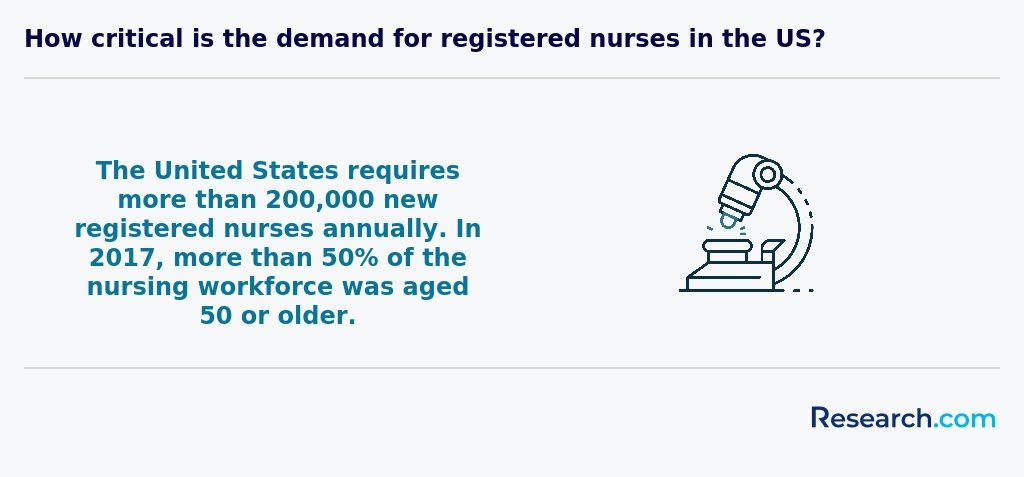
Graduates with an online healthcare degree in America find diverse career paths that reflect the industry's complexity and growth. Many move into health administration, managing hospital operations or compliance, often starting in public universities renowned for strong healthcare programs like the University of Florida or Arizona State University. Others pursue health informatics, merging IT expertise with patient data management, which is increasingly vital as digital health records become standard nationwide. Some graduates engage in public health roles, tackling community wellness or epidemiology-fields that appeal to those wanting impactful work beyond clinical settings.
Experience from recent graduates shows that healthcare jobs with online degree in America often require adaptability as employers value both technical skills and interpersonal communication. For instance, students completing their degrees at schools like Drexel University report feeling well-prepared to educate communities about preventive care. Also, some are drawn to clinical support roles such as medical services management, which combine direct patient insight with administrative responsibilities.
Prospective students exploring flexible learning options might consider one year masters programs online to accelerate their credentials while expanding expertise. This versatility underscores the importance of carefully weighing career objectives with educational choices in a fast-evolving healthcare landscape.
What is the job market for online healthcare degree in America?
The job market for online healthcare degree graduates in America remains promising but requires careful navigation. Many graduates from well-regarded programs at universities such as the University of Florida or Arizona State University find opportunities in healthcare administration, nursing, and health informatics. Employers increasingly prefer candidates with accredited online degrees, reflecting the growing acceptance of remote learning in the sector. However, the competition can be stiff, and graduates often emphasize the importance of gaining relevant certifications and hands-on experience alongside their studies.
Healthcare degree employment opportunities in America continue to expand, driven by a healthcare system investing nearly $4.3 trillion in 2021 and a 13% projected job growth rate. Graduates highlight the rewarding nature of their roles, from managing hospital operations to supporting telemedicine platforms, which have surged in demand. Programs offering flexibility, such as some among the easiest online bachelor's degree programs online, help students balance work and study while preparing for these roles.
Frequently Asked Questions About healthcare
Online healthcare degree students in America can maximize their learning by actively engaging with interactive course materials and virtual simulations. The U.S. Bureau of Labor Statistics reports a 16% growth in healthcare jobs from 2021 to 2031, making up-to-date knowledge essential. Students should take advantage of online discussion forums to collaborate with peers and seek feedback from instructors promptly.
Time management is crucial; setting a consistent study schedule helps balance coursework and clinical practice requirements. Utilizing academic resources like the National Center for Education Statistics ensures programs meet accreditation standards, which is important for licensure and employment.
The healthcare field in America is rapidly evolving, creating new opportunities for professionals. Emerging niches include telehealth, which grew by over 50% in use during the COVID-19 pandemic, according to the CDC.
Another growing area is health informatics, focusing on managing patient data and improving healthcare delivery through technology. The Bureau of Labor Statistics projects a 17% growth rate in this sector through 2030.
Additionally, precision medicine, which uses genetic information to tailor treatments, is gaining prominence and funding, highlighted by NIH initiatives.
Students seeking online healthcare degrees can benefit from programs specializing in these in-demand, future-oriented fields.
Preparing for the job market after earning an online healthcare degree in America involves several key steps. First, graduates should obtain relevant certifications and licenses required in their state-for example, many nursing or health administration roles require state-specific credentials. According to the U.S. Bureau of Labor Statistics, healthcare occupations are projected to grow 13% from 2021 to 2031, highlighting strong job opportunities.
Networking is also essential; joining professional organizations such as the American Public Health Association or the Healthcare Information and Management Systems Society can open doors to job leads. Additionally, gaining practical experience through internships or volunteer roles improves employability and helps build a professional resume.
Finally, tailoring resumes and cover letters to highlight healthcare-specific skills and completing online job interviews effectively will increase chances of securing employment in this competitive field.
Employers in America highly value healthcare graduates who possess strong communication skills. Being able to clearly explain medical information to patients and collaborate with teams is essential. According to the National Healthcareer Association, over 70% of employers prioritize interpersonal skills alongside technical knowledge.
Critical thinking and problem-solving abilities are also key. Healthcare professionals need to make quick, accurate decisions in dynamic clinical settings. Evidence from the Bureau of Labor Statistics shows that such skills correlate with better patient outcomes.
Additionally, proficiency in healthcare technology is increasingly important. Graduates must be comfortable using electronic health records and telehealth platforms, as digital tools continue to transform the US healthcare system.
Overall, employers seek well-rounded candidates combining clinical expertise, ethical judgment, and adaptability.
Finding internships relevant to a healthcare degree in America requires strategic planning and resourcefulness. Begin by consulting your online program's career services, which often have partnerships with hospitals, clinics, and health organizations.
National organizations like the American Public Health Association or the National Healthcare Association frequently post internship opportunities. Additionally, job portals such as Handshake and Indeed list healthcare internships tailored to students.
Networking with alumni and joining professional healthcare groups on LinkedIn significantly increase your chances of landing an internship.
According to the Bureau of Labor Statistics, internships improve employment prospects by up to 20% for healthcare graduates, highlighting their importance in this competitive field.
In America, earning an online healthcare degree can substantially improve career mobility and advancement. The healthcare industry is rapidly growing, with the U.S. Bureau of Labor Statistics projecting a 16% employment growth for healthcare occupations from 2021 to 2031, much faster than the average for all jobs.
Online degrees offer flexibility for working professionals to gain new skills without pausing their careers. Many employers recognize accredited online degrees, especially in nursing, health administration, and public health, helping graduates compete for leadership roles and specialized positions.
Obtaining a bachelor's degree in healthcare online can lead to higher salaries; for example, registered nurses with bachelor's degrees often earn up to 15% more than those with associate degrees, according to the American Nurses Association.
Advancement opportunities also expand as online programs often include courses in healthcare policy, management, and informatics, equipping students with a broad skill set valued in administrative and clinical settings.
Studying for a healthcare degree in America equips students for interdisciplinary roles by emphasizing collaboration across medical, administrative, and social fields. Programs often include coursework in healthcare management, public health, and informatics, reflecting the complexity of modern health systems. According to the Bureau of Labor Statistics, roles requiring interdisciplinary skills are growing faster than average, especially in healthcare administration and coordination.
Online degrees incorporate case studies and simulations that mimic real-world team environments, preparing students to work effectively with physicians, nurses, and policymakers. This approach aligns with the National Academy of Medicine's recommendations for integrated healthcare delivery.
Choosing between a thesis and a non-thesis healthcare degree program in America depends largely on your career goals and learning preferences. Thesis programs require original research and are suited for students interested in clinical research or academic careers. They often take longer to complete due to the research component.
Non-thesis programs focus on coursework and practical skills, ideal for professionals aiming to enter the workforce quickly or pursue administrative roles. According to the National Center for Education Statistics, thesis options are more common in graduate programs but available in some bachelor's degrees too.
Consider your time, interest in research, and future plans before deciding.
American students seeking to study healthcare abroad have several options, primarily involving international partnerships between U.S. universities and foreign institutions. Many accredited U.S. schools offer online healthcare degrees with global clinical experiences or exchange programs. According to the Institute of International Education (IIE), over 10,000 U.S. students participated in healthcare-related study abroad programs during the 2021-2022 academic year.
Popular destinations include Canada, the United Kingdom, and Australia, known for their advanced healthcare systems. These programs often emphasize global health issues, providing exposure beyond domestic medical practices. Additionally, students can enroll in fully online healthcare degrees from U.S.-based schools that incorporate international case studies and virtual collaboration with global peers.
Students pursuing online healthcare degrees in America often seek part-time jobs that build relevant skills and complement their studies. Common opportunities include medical scribing, where individuals assist physicians by documenting patient encounters in real time. This role offers valuable clinical exposure and enhances understanding of medical terminology.
Other options include roles as certified nursing assistants (CNAs) or pharmacy technicians, both requiring state certification but providing hands-on patient care experience. According to the U.S. Bureau of Labor Statistics, healthcare support roles are projected to grow 12% from 2022 to 2032, indicating ample part-time work availability.
Volunteer positions in hospitals or community clinics also enrich learning while allowing flexible schedules for students balancing coursework.
Online healthcare students in America benefit from various networking opportunities despite the virtual format. Many accredited programs offer access to professional associations such as the American Public Health Association (APHA) and the Healthcare Information and Management Systems Society (HIMSS), which provide webinars, conferences, and virtual meetups to connect students with industry leaders.
Universities also facilitate networking through online discussion boards, group projects, and alumni networks. According to the National Center for Education Statistics, nearly 35% of healthcare students engage in virtual internships, enhancing practical connections. These experiences help students build professional relationships crucial for employment in a competitive healthcare market.
Alumni networks play a vital role for students enrolled in online healthcare degree programs in America. These networks connect current students with graduates who have navigated the healthcare industry, offering mentorship and career advice. According to the National Association of Colleges and Employers, 85% of jobs are filled through networking, highlighting how critical these connections are.
Healthcare is a rapidly evolving field in the US, with over 2 million new jobs expected by 2030 according to the Bureau of Labor Statistics. Alumni networks can provide access to job leads and industry insights that might not be publicly available. They also facilitate professional development by sharing information about certifications, conferences, and workshops relevant to healthcare careers.
For online students, who may lack in-person campus experiences, alumni connections help build a sense of community and belonging. This support system can improve student retention and success in demanding programs. Overall, alumni networks serve as a bridge between education and professional opportunities in American healthcare.
Customizing an online healthcare degree program in America allows students to align education with specific career goals. Many programs offer flexible electives focusing on areas like health administration, public health, or informatics. According to the U.S. Bureau of Labor Statistics, healthcare management jobs are projected to grow 32% from 2021 to 2031, highlighting the benefit of specializing in administration.
Additionally, some schools provide certificate options or accelerated tracks that help students gain credentials valued by employers. Students can also choose online internships or practica that match their desired field.
This flexibility helps meet the demands of a diverse healthcare industry while tailoring learning to individual aspirations.
Online healthcare students in America often face challenges related to hands-on clinical experience requirements. Many programs require in-person practicums, which can be difficult to arrange remotely. According to the American Association of Colleges of Nursing, nearly 75% of nursing programs emphasize clinical hours as essential.
Technical issues and limited face-to-face interaction also impact learning. Students may encounter difficulties with online platforms or feel isolated without direct peer support, affecting motivation and engagement.
Another challenge is navigating financial aid and understanding accreditation, as healthcare employers value degrees from accredited programs for licensing and employment.
With an online healthcare degree, you can pursue various professional certifications that enhance your career prospects in the U.S. healthcare industry. Common certifications include Certified Health Education Specialist (CHES), which validates expertise in community health promotion and is recognized by the National Commission for Health Education Credentialing.
Another option is the Registered Health Information Technician (RHIT) credential, offered by the American Health Information Management Association, which focuses on medical records and data management.
For those interested in healthcare management, becoming Certified Professional in Healthcare Quality (CPHQ) can be valuable, indicating proficiency in quality assurance and patient safety.
These certifications often require a bachelor's degree and passing an exam, and they can lead to higher employment rates and increased salaries, as reported by the U.S. Bureau of Labor Statistics. Earning such credentials demonstrates a commitment to professional development and may open doors to specialized roles within healthcare institutions.
Writing a winning application for an online healthcare program in America requires clear focus and preparation. Start by carefully researching the program's requirements, as many accredited institutions prioritize applicants with relevant experience or coursework in healthcare or science. Highlight any certifications or work experience in healthcare settings, such as CNA or EMT roles, which demonstrate commitment to the field.
Craft a strong personal statement that explains your motivation for pursuing healthcare education online and your career goals. According to the National Center for Education Statistics, programs typically favor candidates who articulate how their education will impact their community or the healthcare industry.
Ensure your application materials are error-free and tailored to each program's mission. Request letters of recommendation from professionals familiar with your skills and dedication, as these add credibility. Including evidence of time management skills and ability to engage in remote learning can also boost your chances.
Globally, healthcare careers are highly regarded for their essential role in improving public health and well-being. In the United States, the healthcare sector is one of the fastest-growing industries, expected to add over 2 million new jobs by 2030 according to the Bureau of Labor Statistics. This growth reflects a worldwide demand for skilled professionals trained in medicine, nursing, and health administration.
U.S. healthcare education often emphasizes advanced technology and research compared to many countries. Online healthcare degrees allow students to access this expertise, supporting international collaboration in fields like epidemiology and health policy.
Additionally, global health challenges such as aging populations and chronic diseases have increased the need for well-educated professionals, making healthcare careers promising both domestically and abroad. Licensed professionals from accredited U.S. programs can pursue diverse roles worldwide, further enhancing global health outcomes.
Gaining practical experience while studying for an online healthcare degree in America is essential for career readiness. Students often pursue online programs that include clinical practicums or internships arranged locally. These hands-on experiences are usually coordinated through partnerships between schools and healthcare facilities.
Many accredited online programs require completed clinical hours in settings such as hospitals, clinics, or community health organizations. According to the American Association of Colleges of Nursing, 500 to 700 clinical hours are typically required for nursing programs, reflecting broader health fields' standards.
Students can also seek volunteer opportunities or part-time jobs in healthcare settings to enhance their skills. Additionally, some schools offer simulation labs either virtually or nearby campus centers to supplement practical training.
Choosing the right concentration within an online healthcare degree program in America involves assessing your interests, career goals, and the healthcare industry's demands. Popular concentrations include health administration, nursing, public health, and health informatics.
Research from the U.S. Bureau of Labor Statistics shows healthcare occupations are projected to grow 13% from 2021 to 2031, adding about 2 million new jobs. This growth favors areas like nursing and health information technology.
Consider your desired work environment and population served-some concentrations lead to administrative roles, while others require clinical skills. Accreditation and curriculum relevance to current healthcare trends are also critical factors.
Top Trending Healthcare Rankings
See What Experts Have To Say About Studying Healthcare
Read our interview with Healthcare experts

References
- 2025 Most Affordable Healthcare Administration Degrees Online https://www.onlineu.com/most-affordable-colleges/healthcare-administration-degrees
- How to Gain Real-World Experience While Studying Online | American National University https://an.edu/how-to-gain-real-world-experience-while-studying-online/
- Know more about thesis vs non- thesis: what is the difference? https://studyfans.com/en/blogs/816
- 3 Health Care Assistant cover letter examples [Get noticed] https://standout-cv.com/cover-letter-examples/health-care-assistant
- 20 healthcare investment niches and 3 things to know: The evolution of ... https://blackbookmarketresearch.com/20-healthcare-investment-niches-and-3-things-to-know-the-evolution-of
- 6 Tips On Networking For Medical Professionals https://aaams.net/blog/how-to-network-in-the-medical-field-nurses/
- 15 Best Online Bachelor's Degrees in Health Services 2019 - Healthcare Administration Degree Programs https://www.healthcare-administration-degree.net/best-online-bachelors-degrees-in-health-services/
- HEALTH MANAGEMENT (THESIS / NON-THESIS) - Lisansüstü Eğitim Enstitüsü https://lee.nisantasi.edu.tr/en/health-management-thesis-non-thesis/
- Challenges for Medical Students - Health Action Research Group https://www.healthactionresearch.org.uk/mental-health/challenges-for-medical-student/
- Student Financial Aid | American College of Healthcare and Technology https://www.ach.edu/getting-started/financial-aid/


