
2027 Most Valuable Healthcare Degree Programs Ranking in Atlanta

Co-Founder and Chief Data Scientist
Choosing the right healthcare degree program can shape your future career and opportunities. This article introduces the 2027 Most Valuable Healthcare Degree Programs Ranking in Atlanta, created by the Research.com team of data scientists to guide you toward programs that offer the best value and outcomes.
By exploring this ranking, you'll gain clear insights to make informed decisions and find a path that fits your goals. Pursuing healthcare education opens doors to meaningful work and personal fulfillment, and this guide is here to support your journey.
Key benefits of getting healthcare degree in Atlanta
- Healthcare degree graduates in Atlanta can earn competitive salaries, such as $43,350 annually for Medical Assistants and $60,790 for Patient Care Technicians, reflecting strong financial potential.
- Graduates from Atlanta's popular universities often find rewarding careers in diverse roles like Clinical Research Coordinator or Quality Improvement Coordinator, opening doors to impactful healthcare work.
- Completing a healthcare degree online through Atlanta-based universities offers flexibility and convenience, helping busy students balance studies with life while still accessing quality education.
- Key benefits of getting healthcare degree in Atlanta
- What can I expect from healthcare degree in Atlanta?
- Where can I work with healthcare degree in Atlanta?
- How much can I make with healthcare degree in Atlanta?
- 2027 Most Valuable Healthcare Degree Programs Ranking in Atlanta
- Key Findings
- How long does it take to complete healthcare degree in Atlanta?
- Expert Tips for Navigating Healthcare Programs in Atlanta, GA
- What's the difference between online and on-campus healthcare degree?
- Campus Life & Student Support
- What is the average cost of healthcare degree in Atlanta?
- Alumni Success and Networking Opportunities
- What financial aid is available to healthcare degree students in Atlanta?
- Alumni Outcomes and Return on Investment
- What are the prerequisites for enrolling in healthcare degree program in Atlanta?
- What courses are typically in healthcare degree programs in Atlanta?
- What types of specializations are available in healthcare degree programs in Atlanta?
- How do you choose the best healthcare degree in Atlanta?
- What career paths are available for healthcare degree students in Atlanta?
- What is the job market for healthcare degree in Atlanta?
- Top Trending Healthcare Rankings
- See What Experts Have To Say About Studying Healthcare
What can I expect from healthcare degree in Atlanta?
The average cost of earning a healthcare degree in Atlanta varies depending on the institution and program level. For instance, graduates from schools like Emory University often report tuition costs ranging from $25,000 to $50,000 per year for nursing or biomedical sciences degrees. Meanwhile, programs at Georgia State University or Morehouse School of Medicine tend to be more affordable, with annual tuition typically between $10,000 and $30,000. Many students appreciate that Atlanta's colleges offer financial aid, scholarships, and work-study options, helping to manage expenses effectively.
Graduates frequently highlight the value of gaining hands-on experience through clinical rotations at facilities such as Grady Memorial Hospital, which often offsets the program costs by improving job readiness. Being located in a healthcare hub means many students can work part-time in medical settings, supplementing their budget while immersed in the local health ecosystem.
Overall, focusing on schools with strong industry connections and exploring financial aid opportunities in Atlanta can make a healthcare degree affordable and practical.
Where can I work with healthcare degree in Atlanta?
Graduates with healthcare degrees from Atlanta's top schools like Emory University and Georgia State University find ample opportunities in the city's diverse healthcare sector. If you're aiming for hospital work, large employers such as Emory University Hospital or Grady Memorial offer roles ranging from nursing to healthcare administration. Many graduates share how starting in these settings gave them practical skills and confidence in fast-paced environments.
If hospital shifts don't fit your lifestyle, consider outpatient care centers where positions for physical therapists or radiologic technologists are growing due to rising patient demand for convenient care. Several alumni have successfully transitioned into these roles, appreciating better work-life balance.
Public health organizations like the CDC present exciting paths for those interested in epidemiology or health policy. Graduates often describe feeling proud working on real-world health programs that impact communities.
Finally, don't overlook administrative or research roles at institutions such as Georgia Tech, where healthcare informatics and clinical trials are expanding. These positions let graduates leverage their degrees in innovative, behind-the-scenes ways, fueling career growth and satisfaction.
How much can I make with healthcare degree in Atlanta?
Graduates from healthcare programs in Atlanta can anticipate a range of salaries depending on their specialization and education level. For example, medical assistants typically earn around $43,350 annually, while patient care technicians make about $60,790 per year, according to the most recent local data. Those graduating from well-known institutions like Georgia State University or Atlanta Technical College often find these numbers reflect their early career earnings.
Additionally, careers such as health information technician offer about $43,380 annually, which suits graduates seeking roles in medical records and data management. Graduates who pursue more demanding positions like quality improvement coordinators can expect significantly higher pay, around $103,150 yearly, reflecting advanced responsibilities within healthcare systems.
These figures align well with the city's competitive healthcare market, boosted by major hospitals and research centers. Many graduates report feeling encouraged by the support and continuing education benefits available locally, which help them steadily increase earnings and advance professionally.
2027 Most Valuable Healthcare Degree Programs Ranking in Atlanta
How do we rank schools?
Investing in your education is a significant decision that can greatly impact your career and future opportunities, and the Research.com team recognizes the importance of providing reliable and accurate information. To support individuals considering healthcare degree programs in Atlanta, we have carefully developed the "2027 Most Valuable Healthcare Degree Programs Ranking in Atlanta." Our dedication to quality, credibility, and precision is demonstrated through rigorous research and thorough analysis.
We utilized the following reputable data sources to ensure a comprehensive evaluation of healthcare degree programs:
By exploring this ranking, readers will gain valuable insights into the most effective and respected healthcare degree programs in Atlanta, enabling them to make well-informed decisions about their education and career paths. For more information on how this ranking was created, please visit our Research.com methodology page.


# 5 position
Herzing University-Atlanta
Bachelor of Science in Healthcare Administration

# 6 position
Morehouse School of Medicine
Master of Science in Medical Sciences


# 10 position
American InterContinental University-Atlanta
Bachelor of Science in Healthcare Management

Key Findings
- In-state tuition for undergraduate healthcare programs in Atlanta public universities ranges from $9,000 to $12,000 per year.
- Private healthcare institutions in Atlanta charge between $20,000 and $40,000 annually, with financial aid commonly available.
- Entry-level salaries for healthcare graduates in Atlanta start around $50,000 per year and can increase with experience and training.
- Median salaries in healthcare professions typically range from $75,000 to $90,000 annually, depending on the field and education level.
- Atlanta's healthcare job market is growing faster than the national average due to large medical centers and increasing demand for healthcare services.
How long does it take to complete healthcare degree in Atlanta?
Completing a healthcare degree in Atlanta varies by program level and personal pace. For example, graduates from Georgia State University Perimeter College often share how their associate degrees in nursing or medical technician fields took about two years of full-time study, balancing coursework with hands-on clinical experiences.
Those pursuing a bachelor's degree at institutions like Emory University or Georgia State University typically commit around four years. Many find internships and clinical hours challenging but rewarding steps that build real-world skills and confidence.
If you're aiming for a master's degree, such as a Master of Science in Nursing, expect approximately two years post-bachelor's, though part-time study can extend this to three or more years. Graduates appreciate the flexible scheduling options that help manage work and family obligations.
Doctoral programs, including DNP or PhDs, generally require three to six years beyond a master's degree. Graduates often emphasize the deep commitment and fulfillment that come with preparing for leadership roles in healthcare.
Expert Tips for Navigating Healthcare Programs in Atlanta, GA
Drawing from insights of industry professionals and seasoned educators, prospective students can benefit immensely by preparing strategically for their healthcare education. Start by researching each institution’s unique strengths, including program reputation, faculty expertise, and hands-on learning opportunities. Engage with current students and alumni, attend virtual webinars, and participate in campus tours whenever possible to get first-hand account of the learning environment. Consider scheduling informational interviews with admissions advisors who can clarify program specifics and provide guidance on the application process. Additionally, review comprehensive rankings and in-depth analyses-like those found through valuable healthcare schools in georgia-to benchmark institutions and choose a program that aligns with your career aspirations and financial plans. These expert tips help ensure you join a program that not only delivers quality education but also positions you to thrive in Atlanta’s dynamic healthcare industry.
What's the difference between online and on-campus healthcare degree?
Online healthcare degrees in Atlanta offer flexibility that suits busy schedules, letting you study anytime without the need to commute. Graduates from online programs appreciate managing coursework around work or family, especially when juggling multiple responsibilities. However, hands-on clinical experience remains essential, so even online students often attend in-person labs or rotations at local facilities.
On-campus programs, like those at Emory University or Georgia State University, immerse you in face-to-face learning, fostering immediate faculty support and peer interaction. Graduates often highlight the value of direct access to campus resources and structured clinical training that on-site attendance provides. While tuition may be similar or slightly higher, additional costs such as housing or transportation apply.
Both paths require accreditation for quality assurance, but online students should check how local employers view their credentials and confirm nearby clinical placement options. Deciding between these formats means balancing the convenience of remote study with the irreplaceable benefits of campus-based clinical practice in Atlanta's healthcare education landscape.
Campus Life & Student Support
A dynamic campus experience is a cornerstone of a quality healthcare degree program. In Atlanta, GA, institutions not only offer rigorous academic curricula but also focus on creating a nurturing environment that supports student growth-both inside and outside the classroom. Engaging campus life enriches your education through study groups, mentorship programs, wellness initiatives, and a variety of extracurricular activities. This holistic approach ensures that students are well-equipped to handle academic challenges and build vital professional networks. Moreover, many schools offer dedicated career services and peer support groups that help ease the transition from classroom to clinical or administrative settings. For instance, if you’re interested in exploring programs that excel in fostering a vibrant community and robust support services, consider checking out our detailed analysis for valuable healthcare schools in georgia. This resource provides additional insights on how a thriving campus life can complement your academic journey and enhance your future in healthcare.
What is the average cost of healthcare degree in Atlanta?
The average healthcare degree cost in Atlanta typically centers around $42,958 for both in-state and out-of-state students pursuing a full program. However, for residents attending public universities like Georgia State University or Georgia Institute of Technology, in-state tuition can dramatically reduce overall expenses to about $13,527 total. Graduates often share that this affordability allows them to focus more on their clinical training and hands-on experience without overwhelming financial stress.
Healthcare degree tuition and fees Atlanta reflect a balance between cost and quality. Private institutions such as Emory University charge much higher tuition, often exceeding $55,000 annually, but many students there benefit from scholarships that sharply lower these costs. One graduate described receiving substantial financial aid that made attending Emory not just a dream but a doable reality. Such aid options highlight why prospective students should carefully explore scholarships and grants available locally.
Additional costs like books, fees, and clinical supplies add up, so planning ahead for these is crucial. Using the resources offered by the U.S. Department of Education's College Scorecard and the Georgia Student Finance Commission can help you budget accurately and find support tailored to your circumstances.
Before committing, it's worth reviewing the most valuable healthcare schools in georgia to ensure you choose a program that offers both educational value and financial feasibility for your goals.
Alumni Success and Networking Opportunities
Graduates not only leave with a degree but also with a powerful network that continually opens doors and propels their careers forward. In many Atlanta programs, a vibrant alumni community offers mentoring sessions, career fairs, and real-time industry connections that empower students even after graduation. By participating in alumni events and tapping into these networks, students can gain invaluable insights about emerging trends in healthcare and strategies for career advancement. Many alumni credit these networks for helping them secure internships and competitive positions shortly after completing their studies. Moreover, well-connected programs provide information sessions about advanced certifications and specialized pathways-such as opportunities available through an hofstra mha program-ensuring that graduates are well-prepared to navigate the rapidly evolving healthcare landscape. Emphasizing the importance of these relationships, the success stories of alumni highlight that the value of a healthcare degree extends far beyond the classroom-it sets the foundation for a lifelong journey of growth, collaboration, and impact in the community.
What financial aid is available to healthcare degree students in Atlanta?
Healthcare students in Atlanta typically start by completing the FAFSA to access federal aid like Pell Grants, which can cover up to $7,395 for the year, significantly easing tuition at institutions such as Emory University or Georgia State University. Graduates often recall how Pell Grants made advanced nursing programs affordable without adding debt stress.
Direct Subsidized and Unsubsidized Loans provide essential funding, with manageable interest rates and flexible repayment plans. For those pursuing graduate healthcare degrees-like physician assistant studies at Morehouse School of Medicine-Grad PLUS loans offer additional support.
- State aid programs, including the Georgia HOPE Scholarship and HOPE Grant, specifically assist Georgia residents attending local colleges, lowering out-of-pocket costs.
- Many Atlanta universities provide targeted scholarships for healthcare majors, which can stack with federal and state aid for greater savings.
- Employer tuition assistance is another valuable resource, especially for students working at Atlanta hospitals, reducing financial strain while gaining experience.
- External scholarships from groups like the Georgia Nurses Association further boost funding, often inspiring students to stay committed to their goals.
Alumni Outcomes and Return on Investment
Atlanta’s healthcare degree programs not only boast rigorous curricula but also deliver measurable outcomes that justify the investment. Recent data shows that graduates from top institutions in Atlanta have an average graduation rate of 85%, with over 78% securing full-time employment in their field within six months of graduation. Licensure exam pass rates further underscore program quality: Emory University reports a first-time pass rate of 92% for nursing licensure, while Georgia State University records an 88% pass rate for health information management certifications. Key ROI metrics:
- Average starting salary: $58,000, rising to $72,000 within five years of experience.
- Job placement rate: 82% within six months, reflecting strong employer partnerships and career services.
- Return on tuition: Many graduates recoup their investment within 3–4 years, thanks to competitive healthcare salaries and flexible payment plans. For students balancing budget concerns with career goals, exploring cost-effective alternatives can further enhance ROI. Check out our Inexpensive Online Healthcare Degree Programs Ranking in St. Paul, MN to compare affordable online pathways that maintain high outcome standards.
What are the prerequisites for enrolling in healthcare degree program in Atlanta?
To enroll in a healthcare degree program in Atlanta, start by securing a high school diploma or GED. Graduates from local schools often recall how nailing courses like biology and chemistry proved essential since programs at Georgia State University and Emory University expect solid foundational knowledge in these subjects.
Next, aim for a minimum GPA between 2.5 and 3.0 on a 4.0 scale; competitive tracks may require even higher. Many students remember how maintaining good grades in math and anatomy helped open doors to their chosen programs.
Although some Atlanta colleges have relaxed test requirements, submitting SAT or ACT scores can strengthen your application. For instance, at Georgia State, a higher GPA coupled with test scores makes your application stand out in a crowded pool.
- Complete prerequisite courses like biology, chemistry, anatomy, and sometimes physics.
- Gather relevant healthcare experience through volunteering to show genuine commitment.
- Prepare letters of recommendation and personal statements that highlight your motivation.
Graduates often share how these steps transformed stressful applications into positive milestones, making admission feel like the first achievement in a rewarding healthcare journey.

What courses are typically in healthcare degree programs in Atlanta?
Healthcare degree programs in Atlanta typically include foundational courses like anatomy, physiology, microbiology, and chemistry. Graduates from local universities recall how these classes gave them a clear understanding of the human body and disease mechanisms, which proved essential during hands-on clinical rotations. Practical courses such as patient care techniques and medical terminology are also key, helping students smoothly transition into hospital settings.
Many students appreciate the inclusion of healthcare ethics, law, and policy classes, which provide a strong framework for responsible decision-making in real-world medical environments. Atlanta's programs often integrate healthcare informatics, reflecting the city's growing focus on tech-driven healthcare solutions and electronic health records.
Specialized courses depend on the chosen track: nursing students might study clinical nursing skills, while public health majors focus on epidemiology and community health. Graduates frequently mention that internships in Atlanta's hospitals sharpened their confidence, putting textbook knowledge into practice and making job applications more competitive.
What types of specializations are available in healthcare degree programs in Atlanta?
Healthcare degree specializations in Atlanta cover a broad spectrum, designed to meet both student interests and local job market needs. Graduates from institutions like Emory University often pursue fields such as Registered Nursing (RN), Nurse Practitioner (NP), and Healthcare Administration, gaining hands-on experience through clinical rotations at local hospitals like Grady Memorial Hospital. Those focusing on technical skills might explore Medical Laboratory Science or Radiologic Technology, ensuring they're ready for the demanding health sector in Atlanta.
Students at Georgia Tech appreciate specializations in Health Informatics and Health Information Management, aligning with Atlanta's growing tech-driven healthcare industry. Public Health programs, with concentrations like Epidemiology, attract individuals passionate about community welfare, leveraging practicum experiences in Atlanta's diverse urban settings. Additionally, flexible options including accelerated degrees or online pathways help working adults balance life and career goals, as seen in programs such as the hofstra mha program.
Overall, Atlanta healthcare program concentration options enable pragmatic planners to match their educational investment with regional employment opportunities, making informed decisions based on real-world training and career alignment.
How do you choose the best healthcare degree in Atlanta?
Start by clarifying your career goals: decide if you want to be a nurse, public health expert, or healthcare administrator. Graduates from Emory University often emphasize how focused degree paths like the Bachelor of Science in Nursing (BSN) directly matched their job aspirations in Atlanta's competitive healthcare market. Exploring the best healthcare degree programs in Atlanta means considering programs that offer strong connections to local hospitals for clinical experience, something Georgia State University students have praised for boosting their hands-on skills.
Cost matters, so compare tuition and fees carefully. Many students find that affordable healthcare degrees Atlanta can still offer quality education-public universities typically range from $6,000 to $12,000 annually for in-state students, while private schools like Emory can be pricier but provide scholarships. A graduate shared how balancing finances with program quality was key to staying motivated during their studies.
Look for accredited programs to ensure your degree meets licensure requirements. Checking accreditations like CCNE or CEPH will help you avoid surprises at exam time.
Flexibility is essential, especially for working students; programs offering online or hybrid options make it easier to juggle commitments. Some students have found success researching the best online kinesiology programs, blending convenience with strong academics.
What career paths are available for healthcare degree students in Atlanta?
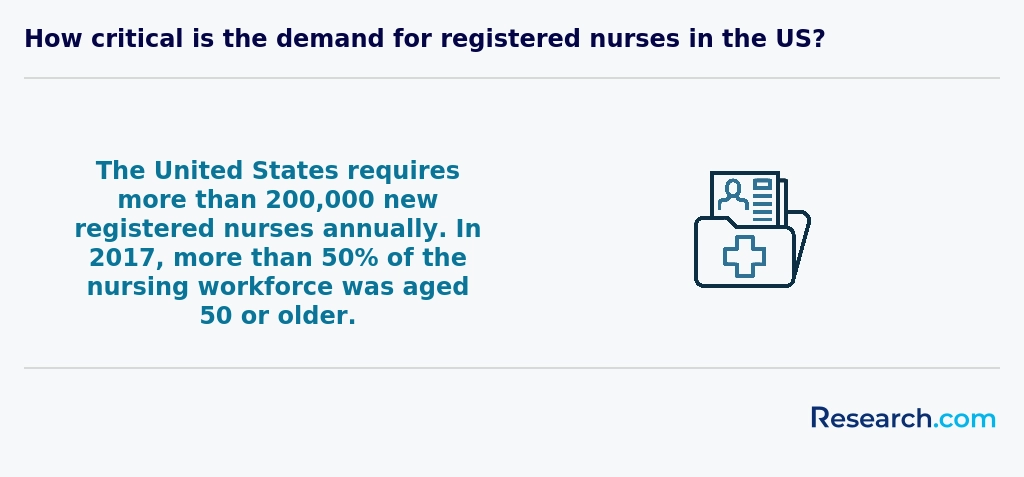
Graduates pursuing a healthcare degree career opportunities in Atlanta can find diverse roles aligned with the city's strong medical infrastructure. Registered nurses remain a top choice, thanks to ongoing nursing shortages and growth at hospitals like Emory Healthcare. Many graduates also become medical technologists or laboratory technicians, contributing essential diagnostic support at centers such as Grady Memorial Hospital.
Beyond clinical roles, healthcare administrators are in demand, especially among those who studied at Atlanta institutions focused on healthcare management. Physical and occupational therapists have promising prospects, responding to the city's expanding rehabilitative care needs. Public health professionals also benefit from Atlanta's research centers, which gained prominence during the pandemic.
Students from local universities often highlight the value of internships at places like Morehouse School of Medicine, which connect them to real-world experience. For a practical guide to affordable study options, consider the Inexpensive Online Healthcare Degree Programs Ranking in St. Paul, MN as a resource. These steps ensure graduates maximize Atlanta healthcare degree job prospects within emerging fields, including health informatics and telemedicine.
What is the job market for healthcare degree in Atlanta?
The healthcare job opportunities in Atlanta are expanding steadily, driven by the city's growing population and robust healthcare infrastructure. Graduates from popular institutions like Georgia State University often find themselves quickly absorbed into local hospitals, clinics, and public health agencies. Those with nursing degrees, for example, report median salaries around $75,000, reflecting strong demand and rewarding career paths. Graduates in healthcare administration benefit from a variety of roles focused on improving healthcare delivery, with salaries ranging from $60,000 to $100,000. Atlanta's healthcare sector also values medical lab technologists and public health professionals, especially given the city's health policy focus and the presence of organizations like the CDC.
For students considering education costs, public universities in Atlanta provide affordable options relative to expected earnings. Many graduates feel confident the return on investment justifies tuition, especially when they pursue advanced training or certifications. Those looking to accelerate their career trajectories might consider exploring fast track degree programs online, which offer flexible paths to meet industry demands.
The Atlanta healthcare degree career outlook suggests a stable, well-compensated future with diverse opportunities across sectors, perfectly suited for pragmatic planners ready to enter a growing, vital field.
Frequently Asked Questions About healthcare
Healthcare degree students in Atlanta can maximize their learning experience by taking advantage of the city's strong network of hospitals and research institutions. Atlanta is home to prominent medical centers such as Emory University Hospital and Grady Memorial Hospital, providing ample opportunities for clinical rotations and internships. Engaging in hands-on experiences allows students to apply theoretical knowledge to real-world settings.
Additionally, Atlanta's growing healthcare industry offers access to job fairs and networking events, essential for career development. Students should also participate in local healthcare seminars and workshops to stay updated with the latest medical advances.
Utilizing resources at universities like Georgia State and Emory, which offer interdisciplinary programs, can further enhance learning by integrating technology and public health perspectives.
The healthcare field in Atlanta is rapidly evolving, highlighting several emerging niches for students pursuing degrees. One growing area is telehealth, driven by advances in digital technology and expanded access since the COVID-19 pandemic. According to the Georgia Department of Public Health, telemedicine visits in Atlanta increased by over 50% between 2020 and 2023.
Another promising niche is healthcare data analytics. With Atlanta being a hub for health informatics, professionals skilled in managing patient data and improving outcomes are in high demand. The Bureau of Labor Statistics projects a 31% growth in health information jobs nationally through 2031.
Additionally, geriatric care is expanding due to Atlanta's aging population, creating needs for specialists in elder health management. These areas represent strategic options for students seeking future-ready healthcare careers in Atlanta.
Preparing for the job market after earning a healthcare degree in Atlanta involves strategic steps to increase employment opportunities. Graduates should start by obtaining required state licenses or certifications, as these ensure compliance with Georgia regulations and boost employability. Networking remains critical; joining local professional organizations such as the Georgia Hospital Association connects candidates with healthcare employers.
Internships or clinical rotations completed during studies are valuable for gaining hands-on experience and job placements. The Atlanta metro area hosts major healthcare employers like Emory Healthcare and Grady Memorial Hospital, which actively recruit new professionals. According to the Georgia Department of Labor, healthcare employment in Atlanta is projected to grow 15% through 2030, highlighting strong demand.
Continuing education and developing soft skills such as communication and teamwork also improve job prospects. Finally, utilizing career services at local universities can provide access to job fairs and resume workshops specifically tailored for healthcare fields.
Employers in Atlanta's healthcare sector prioritize a blend of technical and interpersonal skills in recent graduates. According to the Georgia Department of Economic Development, proficiency in patient care, medical technology, and electronic health records is essential due to the city's advanced healthcare infrastructure.
Strong communication skills, especially cultural competence, are highly valued to serve Atlanta's diverse patient population. Problem-solving and critical thinking also rank high, as healthcare providers face complex cases daily.
Furthermore, teamwork and adaptability are crucial given the collaborative nature of healthcare delivery. The Metro Atlanta Chamber reports that over 60% of healthcare employers emphasize these soft skills when hiring graduates.
Finding internships in Atlanta related to healthcare degrees involves leveraging local resources and connections within a city known for its robust medical community. Atlanta is home to major healthcare employers like Emory Healthcare and Grady Health System, which regularly offer internship opportunities for students.
Students should start by contacting their university's career services office, which often partners with these institutions to facilitate placements. Websites like Handshake and the Georgia Department of Labor also list healthcare internships tailored to the Atlanta job market.
Additionally, joining local professional organizations such as the Georgia Public Health Association can provide networking opportunities and internship leads. According to the Georgia Department of Public Health, healthcare employment in Atlanta grew about 5% from 2021 to 2023, increasing the demand for qualified interns.
Applying early and tailoring resumes to roles in hospitals, clinics, or research centers can significantly improve chances of securing a relevant internship.
Obtaining a healthcare degree in Atlanta significantly enhances career mobility and advancement opportunities within the city's robust medical sector. Atlanta hosts major healthcare providers like Emory Healthcare and Piedmont Healthcare, which demand highly qualified professionals. According to the Georgia Department of Labor, healthcare occupations in the Atlanta metropolitan area are projected to grow by over 18% through 2030, outpacing many other industries.
Graduates with healthcare degrees often find better access to specialized roles such as nurse practitioner, healthcare administrator, or medical technologist. These positions typically require formal education credentials and offer higher salaries. The degree also provides essential credentials for leadership and research roles, critical in Atlanta's expanding healthcare market.
Studying for a healthcare degree in Atlanta offers students a strong foundation for interdisciplinary roles essential in today's complex healthcare environment. Many Atlanta institutions incorporate teamwork and cross-disciplinary collaboration into their curricula, reflecting the integrated nature of patient care. For example, Georgia State University and Emory University emphasize joint projects involving nursing, public health, and health administration students.
Atlanta's healthcare sector supports over 300,000 jobs, according to the Georgia Department of Labor, promoting diverse experience opportunities. Practical exposure through partnerships with major healthcare providers like Grady Health System fosters real-world skills in working alongside multiple specialties.
This approach prepares graduates to communicate effectively and coordinate care among varied professionals, a key component of successful healthcare delivery.
Choosing between a thesis and a non-thesis healthcare degree program in Atlanta depends on your career goals and academic interests. Thesis programs generally require original research, which can be beneficial if you plan to pursue a PhD or a research-based role. Non-thesis options focus more on practical skills and coursework, often appealing to professionals seeking immediate employment in healthcare settings.
In Atlanta, notable universities offer both paths, reflecting the city's growing healthcare industry with over 150,000 healthcare jobs as reported by the Georgia Department of Labor in 2023. Consider if you prefer hands-on experience or research.
Also, thesis programs might take longer to complete, impacting time and finances. Consulting advisors at schools like Emory or Georgia State can clarify these details for your situation.
Students based in Atlanta seeking to study healthcare abroad have several options through partnerships between local universities and international institutions. Schools like Emory University offer study abroad programs focused on global health, allowing students to gain clinical experience and cultural insights in countries such as Ghana and South Africa.
Additionally, many accredited programs encourage participation in global internships or research projects, which can enhance medical, nursing, and public health degrees. According to the Georgia Department of Public Health, global health exposure is increasingly valued in local healthcare careers, especially as Atlanta hosts major organizations like the CDC.
Financial aid and scholarships often support these programs, making international study more accessible to Atlanta students pursuing healthcare degrees.
Atlanta offers various part-time job opportunities that align well with healthcare degree studies. Roles such as medical assistants, pharmacy technicians, and patient care aides allow students to gain hands-on experience while continuing their education. According to the Georgia Department of Labor, healthcare support occupations in Atlanta are expected to grow by 19% through 2030, offering ample opportunities for employment.
Many hospitals and clinics across Atlanta, including Emory Healthcare and Grady Memorial Hospital, frequently seek part-time workers to assist with administrative tasks and direct patient care. These positions help students develop essential skills like patient communication and medical record management.
Additionally, working in local laboratories or as a certified nursing assistant (CNA) can complement coursework by providing practical insights into clinical procedures. These jobs typically offer flexible schedules, accommodating the demands of healthcare programs.
Atlanta offers numerous networking opportunities for healthcare students, thanks to its status as a major medical hub in the Southeast. The city is home to renowned institutions like Emory University and Georgia State University, which host regular career fairs and professional mixers tailored to healthcare fields.
Students can engage with local chapters of national organizations such as the American Medical Association and the Georgia Public Health Association. These groups frequently organize workshops, conferences, and volunteer events, allowing students to connect with experienced professionals and peers.
Additionally, Atlanta's large healthcare industry, including hospitals like Grady Memorial and Children's Healthcare of Atlanta, provides internship and mentorship programs that foster real-world connections essential for career growth. According to the Georgia Department of Economic Development, healthcare jobs in Atlanta are expected to grow by over 15% through 2030, increasing networking opportunities further.
Alumni networks play a crucial role for healthcare degree students in Atlanta by offering valuable professional connections. Graduates often leverage these networks to secure internships and job opportunities in the city's expanding healthcare sector. Atlanta, home to major healthcare employers like Emory Healthcare and Grady Health System, benefits from strong alumni ties fostering career placement.
Furthermore, alumni can provide mentorship, guidance, and industry insights that help current students navigate the competitive healthcare job market. According to the Georgia Board of Healthcare Workforce, networking through alumni significantly increases employment chances within six months after graduation.
In addition, alumni events and online platforms facilitate collaboration and continuing education, enhancing career growth directly related to Atlanta's healthcare landscape.
Customizing a healthcare degree program in Atlanta allows students to tailor their education to match specific career goals. Many institutions offer flexible curricula with options for specializations such as nursing, public health, or healthcare administration. Elective courses and minors enable deeper focus on areas like health informatics or epidemiology.
Internships and clinical rotations within Atlanta's thriving healthcare sector - including major hospitals like Emory Healthcare and Grady Health System - provide practical experience. Additionally, students can engage in research projects linked to prevalent local health issues, supported by resources from the Georgia Department of Public Health.
Online and hybrid program formats available in Atlanta also help accommodate working professionals seeking to balance education with current job responsibilities. Such customization ensures the degree aligns with evolving industry demands and personal career aspirations.
Healthcare students in Atlanta commonly face several challenges during their education. One significant issue is balancing rigorous coursework with clinical rotations, which often require long hours and flexible schedules. According to the Georgia Board of Nursing, the demand for healthcare professionals in Atlanta is rising, intensifying competition for clinical placement sites.
Financial strain also affects many students, with the average annual tuition for healthcare programs in Atlanta ranging between $10,000 and $25,000 depending on the institution. Additionally, navigating rapidly evolving medical technologies and maintaining up-to-date knowledge can be demanding, as healthcare is a continuously changing field.
Mental health concerns are prevalent, as students report stress related to academic pressure and the emotional challenges of patient care. Support systems such as campus counseling and peer groups are essential to help manage these issues.
With a healthcare degree in Atlanta, graduates can pursue various professional certifications to enhance their career prospects. Popular options include the Certified Nursing Assistant (CNA), Licensed Practical Nurse (LPN), and Registered Nurse (RN) certifications, which are in high demand given Georgia's growing healthcare sector. According to the Georgia Department of Labor, healthcare support roles in Atlanta are projected to grow by 15% through 2028.
Other certifications include Certified Medical Assistant (CMA), Emergency Medical Technician (EMT), and certifications in health information technology. For those interested in specialized roles, certifications like the Certified Clinical Research Professional (CCRP) and Certified Medical Coding Specialist (CMCS) can be valuable.
Many programs in Atlanta offer preparatory courses for these credentials, aligning with industry standards and regional healthcare needs.
To write a winning application for a healthcare program in Atlanta, begin by clearly demonstrating your motivation and commitment to the healthcare field. Highlight any relevant experience, including volunteer work or internships, especially within local Atlanta hospitals like Emory Healthcare.
Strong academic performance, particularly in science courses, is critical. Many top programs require a minimum GPA of around 3.0 or higher. Additionally, tailor your personal statement to reflect the unique opportunities and healthcare challenges in Atlanta.
Include any certifications such as CPR or CNA, which showcase practical skills. Lastly, secure recommendations from professionals familiar with your dedication to healthcare to strengthen your application.
Healthcare careers are increasingly viewed through a global lens, reflecting worldwide demand for skilled professionals. In the U.S., including Atlanta, healthcare roles emphasize cultural competence and adaptability to diverse patient populations. According to the Georgia Department of Public Health, Atlanta's healthcare workforce is diverse, supporting a city population exceeding 500,000 with over 50% identifying as minorities.
Globally, healthcare professionals often collaborate across borders to address common challenges such as aging populations and chronic diseases. U.S. degrees in healthcare, especially those offered in Atlanta universities, incorporate international health standards and practices. This prepares graduates to work effectively both locally and internationally.
Overall, a healthcare degree in Atlanta aligns with global trends, emphasizing innovation and inclusivity in patient care.
Gaining practical experience is essential while pursuing a healthcare degree in Atlanta. Many universities and colleges in the area have partnerships with local hospitals, clinics, and healthcare organizations, allowing students to engage in internships and clinical rotations. For example, Emory Healthcare and Grady Health System frequently collaborate with institutions for student placements.
Students can also seek volunteer opportunities at Atlanta's numerous health centers to build hands-on skills and professional networks. According to the Georgia Department of Public Health, these experiences improve job readiness and employment prospects post-graduation. Additionally, programs often include simulation labs that replicate real-world medical environments, enhancing practical learning on campus.
Choosing the right concentration within a healthcare degree program in Atlanta requires careful consideration of your career goals and the local job market. Atlanta is a major healthcare hub, home to institutions like Emory Healthcare and the Centers for Disease Control and Prevention, which influence demand for specialties such as public health, nursing, and health administration.
Research local employment trends using resources like the Georgia Department of Labor, which projects faster-than-average growth for healthcare support roles and registered nurses through 2030. Consider concentrations aligned with these trends to improve your job prospects.
Additionally, assess the curriculum and clinical opportunities offered by Atlanta-area schools to ensure they provide practical experience in your chosen field. Networking with local healthcare professionals can also help clarify which specialties have strong growth potential in the region.
Related Healthcare Rankings for Nearby Cities
- 2027 Most Valuable Healthcare Degree Programs Ranking in Birmingham
- 2027 Most Valuable Healthcare Degree Programs Ranking in Montgomery
- 2027 Most Valuable Healthcare Degree Programs Ranking in Tallahassee
- 2027 Most Valuable Healthcare Degree Programs Ranking in Jacksonville
- 2027 Most Valuable Healthcare Degree Programs Ranking in Mobile
- 2027 Most Valuable Healthcare Degree Programs Ranking in Gainesville
- 2027 Most Valuable Healthcare Degree Programs Ranking in Louisville
- 2027 Most Valuable Healthcare Degree Programs Ranking in Hattiesburg
- 2027 Most Valuable Healthcare Degree Programs Ranking in Jackson
- 2027 Most Valuable Healthcare Degree Programs Ranking in Orlando
Top Trending Healthcare Rankings
See What Experts Have To Say About Studying Healthcare
Read our interview with Healthcare experts

References
- Georgia Clinic Healthcare Institute – Fast-Track Your Career in Healthcare https://gchealthcareinstitute.com/
- Networking and Mentorship During Clinical Rotations https://rotatingroom.com/blog/medical-students-the-importance-of-networking-mentorship-during-your-clinical-rotations
- Alumni Reconnect - Poznan University of Medical Sciences https://pums.edu.pl/alumni-friends/alumni-reconnect/
- Resources – SPCC-AtlantaAHEC.org https://spcc-atlantaahec.org/resources/
- Niche Markets in Healthcare https://ultrariskadvisors.com/niche-markets-in-healthcare/
- Top 3 Reasons to Consider a Career in Healthcare - Roseman University https://www.roseman.edu/student-experience/news/top-3-reasons-to-consider-a-career-in-healthcare/
- Online Degree vs. Traditional: Choosing the Right Path https://beal.edu/online-degree-vs-traditional/
- Explore Healthcare Admin Degree Concentrations https://www.baypath.edu/news/bay-path-university-blogs/post/explore-healthcare-admin-degree-concentrations/
- Cambridge Atlanta Campus | Healthcare & Information Technology School https://www.cambridgehealth.edu/campus/atlanta-georgia-medical-school/
- Top 5 Part-Time Healthcare Jobs For Students https://www.sumnercollege.edu/blog/top-5-part-time-healthcare-jobs-for-students/


