
2027 Most Valuable Healthcare Degree Programs Ranking in New Haven

Co-Founder and Chief Data Scientist
Choosing the right healthcare degree program can shape your future in meaningful ways. This article presents the 2027 Most Valuable Healthcare Degree Programs Ranking in New Haven, carefully developed by the Research.com team of data scientists to guide your decision-making.
By exploring this ranking, you'll discover which programs offer the best opportunities for growth and success in the healthcare field. Pursuing a healthcare degree opens doors to impactful careers, and this guide helps you focus on programs that truly deliver value.
Take the first step toward a rewarding education and a fulfilling profession right here in New Haven.
Key benefits of getting healthcare degree in New Haven
- Healthcare degree graduates in New Haven can expect competitive salaries, such as Medical Assistants earning around $43,350 annually and Patient Care Technicians making approximately $60,790 per year, offering financial stability.
- Graduates from popular New Haven schools often explore diverse career paths including Clinical Research Coordinators and Quality Improvement Coordinators, opening doors to rewarding and impactful healthcare roles.
- Obtaining a healthcare degree online offers flexibility and convenience, allowing students to balance studies with personal commitments while still gaining respected credentials from recognized New Haven institutions.
- Key benefits of getting healthcare degree in New Haven
- What can I expect from healthcare degree in New Haven?
- Where can I work with healthcare degree in New Haven?
- How much can I make with healthcare degree in New Haven?
- 2027 Most Valuable Healthcare Degree Programs Ranking in New Haven
- Key Findings
- How long does it take to complete healthcare degree in New Haven?
- Accreditation & Licensing Requirements
- What's the difference between online and on-campus healthcare degree?
- Industry Partnerships and Networking for Future Healthcare Professionals
- What is the average cost of healthcare degree in New Haven?
- Student Life and Support Systems
- What financial aid is available to healthcare degree students in New Haven?
- Local Healthcare Partnerships and Networking Opportunities
- What are the prerequisites for enrolling in healthcare degree program in New Haven?
- Return on Investment: Assessing the Value of Healthcare Degrees in New Haven, CT
- What courses are typically in healthcare degree programs in New Haven?
- What types of specializations are available in healthcare degree programs in New Haven?
- How do you choose the best healthcare degree in New Haven?
- What career paths are available for healthcare degree students in New Haven?
- What is the job market for healthcare degree in New Haven?
- Top Trending Healthcare Rankings
- See What Experts Have To Say About Studying Healthcare
What can I expect from healthcare degree in New Haven?
Healthcare degrees in New Haven dance on a financial spectrum as varied as the city's vibrant streets. Graduates from Yale's prestigious programs often share stories of hefty tuition fees stacked against generous scholarships, painting a picture of investment met by opportunity. In-state public university students, conversely, find solace in more approachable tuition rates, making quality healthcare education feel within arm's reach. Imagine immersing yourself in clinical rotations at Yale New Haven Hospital, where the cost of entry is more than tuition-it's the price of an unparalleled learning adventure fueled by world-class mentors and cutting-edge tech.
One graduate recalls balancing a part-time job with study, grateful for the university's financial aid cushioning the journey. Another marvels at the return on investment, propelled by the city's growing healthcare landscape and expanding job market. The cost might feel steep, but it's a gateway to immersion in a professional community where skills are sharpened and futures brightened.
Where can I work with healthcare degree in New Haven?
Graduates from healthcare programs at Yale or local colleges often find themselves stepping into the bustling halls of Yale New Haven Health System, where every shift pulses with purpose-from nursing the fragile heart of a cardiology patient to coordinating complex clinical trials. Imagine starting your day amidst vibrant teams tackling oncology breakthroughs or providing physical therapy in rehab centers that feel more like second homes than workplaces.
Others dive into community health centers nestled in diverse neighborhoods, connecting deeply with residents through preventive care and mental health programs. The joy of witnessing a community empowered to manage chronic illnesses or embrace healthier lifestyles is a common story shared by recent grads.
Some find their calling in the rhythm of data and research at Yale's medical facilities, translating numbers into life-changing insights. With Connecticut's aging population fueling growth in elder care and geriatric therapy, many envision a future where their skills shape compassionate, innovative outpatient services.
And those drawn to policy? They thrive in public health agencies, crafting programs that ripple through the city's health landscape. Here, passion meets impact in a place that feels both intimate and expansive, just like New Haven itself.
How much can I make with healthcare degree in New Haven?
Graduates from healthcare programs in New Haven often find themselves stepping into vibrant roles with salaries that reflect both skill and local demand. For instance, a fresh Medical Assistant from a well-known New Haven college might start earning around $43,350 annually, enough to cover rent in a cozy neighborhood near Yale's bustling campus. Meanwhile, a Patient Care Technician can anticipate about $60,790, which fuels the excitement of living independently and exploring city life while making a meaningful impact.
Health Information Technicians emerge from their studies in New Haven ready to earn approximately $43,380, supporting not only their careers but also their lifelong dreams fueled by the city's rich academic environment. Clinical Research Coordinators, key players in advancing medical knowledge, earn a similar $43,350, reflecting the importance of their role in New Haven's thriving healthcare scene.
More ambitious graduates aiming higher might transition into leadership as Quality Improvement Coordinators, with salaries exceeding $103,000. They coordinate crucial changes in hospitals like Yale New Haven Hospital, blending their healthcare expertise with managerial savvy. This mix of clinical insight and leadership opens doors to fulfilling, well-paid careers right in the heart of New Haven's medical community.
2027 Most Valuable Healthcare Degree Programs Ranking in New Haven
How do we rank schools?
Investing in your education is a significant decision that can shape your future, and the Research.com team understands the importance of making informed choices. To assist prospective students in New Haven, we have meticulously crafted the "2027 Most Valuable Healthcare Degree Programs Ranking in New Haven." Our commitment to quality, credibility, and accuracy is reflected in the extensive research and analysis conducted to compile this ranking.
We utilized the following reputable data sources to ensure a comprehensive evaluation of healthcare degree programs:
By exploring this ranking, readers will gain valuable insights into the most valuable healthcare degree programs available in New Haven, empowering them to make well-informed decisions about their educational and professional futures. For more details on our methodology, please visit our Research.com methodology page.


Key Findings
- Annual tuition for healthcare programs in New Haven ranges from $20,000 to $40,000, varying by public or private schools and specific degrees.
- Yale New Haven Hospital and other local healthcare facilities offer strong internship and job opportunities for students and graduates.
- Starting salaries for healthcare graduates in New Haven average between $55,000 and $65,000, increasing to $80,000-$95,000 after several years.
- Jobs in nursing, health services management, and allied health are in high demand, with steady growth expected over the next decade.
- Accredited programs by bodies like CCNE and CEPH ensure quality education and support licensure and certification eligibility.
How long does it take to complete healthcare degree in New Haven?
Imagine diving into a healthcare degree in New Haven, where the clock ticks differently depending on your path. For many undergraduates starting fresh at local universities, like Southern Connecticut State or the flagship Yale School of Nursing, the journey stretches across about four years-just like a classic novel unfolding at a steady pace.
But some graduates recall sprinting through accelerated BSN programs in 12 to 18 months, fueled by determination and coffee-fueled late nights, especially if they already held a prior bachelor's degree elsewhere. It's a blur of clinical rotations and textbooks, condensed yet rewarding.
Graduate students tackling MSN or Physician Assistant degrees often spend two to three years weaving theory with practice, balancing part-time jobs and bustling New Haven life. Doctoral scholars dive deeper still-three to five years of research, practica, and breakthroughs at Yale, where the city's vibrant energy keeps ambition bubbling.
Meanwhile, community college graduates find themselves stepping into healthcare roles within two years, transitioning rapidly from lecture halls to real hospital floors. Time frames flex with part-time schedules, clinical placements, and life's unpredictable rhythms in this bustling Connecticut hub.
Accreditation & Licensing Requirements
Before enrolling in any healthcare program in New Haven, CT, it’s essential to verify both institutional accreditation and the specific licensing requirements for your chosen field. Accreditation ensures that a program meets rigorous academic and clinical standards, while licensing validates your eligibility to practice within Connecticut and beyond. Major accrediting bodies to look for include:
- Commission on Collegiate Nursing Education (CCNE) for nursing programs
- Council on Education for Public Health (CEPH) for public health degrees
- Commission on Accreditation of Healthcare Management Education (CAHME) for healthcare administration
- Accreditation Review Commission on Education for the Physician Assistant (ARC-PA) for PA programs Connecticut state licensure requirements often mandate graduation from an accredited program plus passing a national exam (e.g., NCLEX-RN for nurses or the board exam for health information technologists). After completing coursework and clinical rotations, graduates must: 1. Submit an application to the Connecticut Department of Public Health or the relevant board 2. Provide official transcripts from an accredited institution 3. Pass the required certification exam within one year of graduation 4. Complete any additional background checks or continuing education prerequisites Many students also compare allied health track standards-if you’re exploring programs in related fields, consider our best online kinesiology programs to see how accreditation impacts curriculum design and licensure outcomes. Ensuring full compliance with accreditation and licensing will smooth your path from student to practicing professional in New Haven’s thriving healthcare community.
What's the difference between online and on-campus healthcare degree?
Imagine juggling your healthcare studies at Yale or Quinnipiac with the buzz of New Haven's city life-on-campus students thrive on that pulse, moving between labs and clinical rotations at nearby hospitals like Yale New Haven Health System, soaking in hands-on skills and instant feedback from professors and peers. They often describe a sense of camaraderie and immediate immersion that fuels their confidence and sharpens real-world instincts.
Now picture an online healthcare student, maybe a working parent or a full-time employee in New Haven, carving out late-night hours to absorb lectures at their own pace. They praise the flexibility but also acknowledge that stepping into a clinical site remains a non-negotiable rite of passage-an essential bridge from virtual theory to tangible care. Though tuition leans slightly lighter online, they factor in travel and tech fees, embracing a different kind of discipline that's both empowering and demanding.
Both paths mold competent professionals, but where campus candidates soak in the electric energy of shared spaces, their online counterparts craft resilience through remote learning's dance of freedom and responsibility.
Industry Partnerships and Networking for Future Healthcare Professionals
Healthcare degree programs in New Haven, CT, are not just about classroom instruction and clinical practice-they also emphasize building strong industry partnerships and networking opportunities that pave the way for career success. By collaborating with renowned local hospitals, research centers, and community health organizations, these programs allow students to gain insight into real-world challenges while building valuable professional relationships. For instance, many programs invite industry experts for guest lectures, host career fairs, and facilitate internships that can lead to early career placements. Students benefit not only from academic learning but also from tailored mentorships and hands-on project work that mirror actual industry scenarios. Furthermore, these collaborative efforts are reflected in success metrics such as improved job placement rates and positive alumni outcomes. Prospective students interested in comparing program aspects can explore insights on ucla mha acceptance rate. This blend of academic rigor and real-world engagement is crucial for those striving to excel in the evolving healthcare landscape.
What is the average cost of healthcare degree in New Haven?
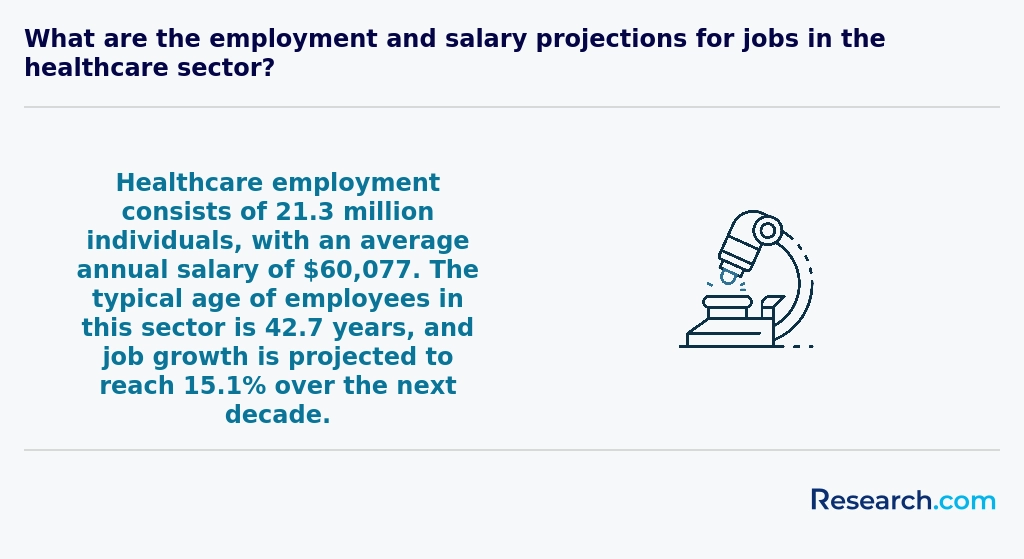
Imagine walking the historic halls of Yale University or enrolling in one of New Haven's community colleges, each step bringing you closer to a career in healthcare. The average cost of healthcare degrees in New Haven hovers around $38,716 for total tuition, painting a picture that balances ambition with accessibility. Graduates often reflect on their journey, recognizing the investment as a gateway to fulfilling roles in nursing, public health, or health sciences.
At private institutions like Yale College, tuition fees edge higher but come paired with rich resources and networking opportunities. Meanwhile, community college students pursuing associate degrees or certificates find relief in more affordable prices, between $5,000 and $10,000 annually for in-district learners. These costs align perfectly with the vibrancy of healthcare degree tuition and fees New Haven students navigate, blending community support and professional promise.
Graduate healthcare programs-think nursing master's or public health degrees-typically invite budgets reaching $25,000 to $50,000 per year. Yet graduates describe these expenses with pride, acknowledging that such programs open doors to leadership and specialized practice. It's worth noting additional expenses like textbooks and clinical fees, which round out the full picture of this investment in your future.
For those exploring options, the local scene offers a trove of scholarships and financial aid. This is why many students living the New Haven healthcare education story recommend reviewing support options early. Curious about where New Haven stands overall? You can find insights on some of the valuable healthcare schools in connecticut, complementing your understanding of local tuition landscapes.
Student Life and Support Systems
Beyond academics and career preparation, the overall student experience plays a pivotal role in the success of healthcare degree programs in New Haven, CT. A supportive campus environment can significantly enhance learning through vibrant student communities, modern campus facilities, and dedicated support services. Many institutions offer mentoring programs, peer-to-peer networks, and career counseling centers that not only aid in academic growth but also help students make a smooth transition into the professional world. Active student organizations, clinical simulation labs, and wellness workshops foster community engagement and provide a well-rounded college experience. Prospective students are encouraged to visit the profiles of valuable healthcare schools in connecticut to explore detailed insights into campus culture, student services, and extracurricular opportunities that can further enhance their education and career trajectory. By factoring in these support systems alongside academic quality and career outcomes, future healthcare professionals can make well-informed decisions that align with both their academic interests and personal growth goals.
What financial aid is available to healthcare degree students in New Haven?
Imagine a healthcare student at Yale, juggling clinical hours and coursework, relieved to open the mail and find a hefty Pell Grant that slices thousands off tuition-a lifeline that feels like a personal victory. In New Haven, these federal Pell Grants offer up to $7,395 annually, lighting the path for many aspiring nurses and public health professionals. Beyond federal support, Connecticut rolls out its own safety net, with programs like the ABLE initiative cushioning wallets for those committed to healthcare careers, especially when financial need meets academic grit.
Local colleges aren't just places of learning-they're treasure troves of institutional scholarships. A recent graduate in nursing shares how a departmental award at a private New Haven college turned dreams into diploma, rewarding dedication with vital funds. And for working students immersed in hospital shifts, employer tuition assistance transforms a paycheck into a scholarship, reinforcing the symbiotic dance between study and practice in New Haven's bustling healthcare scene.
Local Healthcare Partnerships and Networking Opportunities
New Haven offers more than just excellent academic programs-it’s also a hub for dynamic healthcare partnerships and networking opportunities that can significantly boost your career trajectory. Engaging with local hospitals, clinics, and industry associations can provide real-world experience while opening doors to mentorship and internships. For example, students working with organizations like Yale New Haven Hospital often find that these partnerships lead to lifelong professional relationships and valuable exposure to current healthcare practices. Many aspiring professionals take the extra step to connect with institutions such as valuable healthcare schools in connecticut for insights on aligning academic excellence with industry needs. By attending community health events, career fairs, and local symposiums, you can not only stay informed about emerging trends and technological advancements but also build a strong network that supports long-term career growth in the healthcare field.
What are the prerequisites for enrolling in healthcare degree program in New Haven?
Dreaming of a healthcare degree in New Haven means gearing up with more than just ambition. Graduates from Yale and Southern Connecticut State recall the early hurdles: a high school diploma or GED is just the starting gate. Imagine juggling biology, chemistry, and physics labs, where microscopes reveal the secrets of cells and reactions spark curiosity. Math, especially algebra and statistics, isn't just numbers-it's the language of patient data and research that keeps the field buzzing.
Many applying to bachelor's programs share stories of the SAT or ACT, sometimes a thrilling chase to hit that competitive score, even as some schools in New Haven embrace test-optional paths. Those who move toward advanced nursing or physician assistant degrees have walked a different path, proudly showing off undergraduate degrees and hands-on healthcare experience-from volunteering at local clinics to internships that transformed their ideas into real-world skills.
Letters of recommendation and personal statements become storytellers, capturing motivations and dreams. At New Haven's universities, these prerequisites aren't just boxes to tick-they're part of the journey that awakens passion and commitment to join a growing, vibrant healthcare workforce in Connecticut.
Return on Investment: Assessing the Value of Healthcare Degrees in New Haven, CT
Calculating the return on investment (ROI) for a healthcare degree in New Haven, CT, is critical to making an informed decision. On average, students incur total program costs of approximately $235,827 over four years, while entry-level salaries for roles like Patient Care Technician ($55,860) and Health Information Technician ($41,260) yield annual earnings that translate to hourly rates of $26.86 and $19.84, respectively. Assuming a modest 3% salary growth per year, graduates can expect to recoup tuition and living expenses in roughly 8–10 years, depending on specialization and financial aid. Factoring in federal grants and scholarships-such as Pell Grants up to $7,395 annually-can shorten this payback period by 1–2 years, boosting long-term financial gains. Prospective students seeking lower upfront costs may also consider flexible online pathways. For instance, exploring the Most Affordable Online Healthcare Degree Programs Ranking in Washington, DC can reveal programs with annual tuition under $20,000, potentially reducing debt burdens. When comparing on-campus versus online formats, the key ROI drivers include total tuition, time to degree completion, and projected salary in chosen specializations. By prioritizing accredited programs with strong clinical placement rates and robust career services support, students can optimize both professional outcomes and financial returns, ensuring their investment in a healthcare education delivers maximum long-term value.
What courses are typically in healthcare degree programs in New Haven?
Imagine diving into the fascinating crossroads of human biology and community wellness right at Yale or nearby colleges in New Haven. Here, healthcare students eagerly embrace courses like Anatomy and Physiology, where understanding the very blueprint of our bodies sparks awe and curiosity. Graduates recall moments in microbiology labs, peering at microbes that shape health and disease, transforming abstract science into a living puzzle.
Pharmacology classes feel like unlocking secret codes about how life-saving drugs interact with the body, a thrill for those passionate about clinical care. Meanwhile, engaging discussions in Healthcare Ethics and Public Health illuminate how diverse New Haven communities need compassionate, culturally aware caregivers. Many students share how studying Health Policy in these programs made them feel empowered to impact healthcare systems beyond just patient care.
The heartbeat of these degrees pulses strongest in hands-on clinical practice, often at Yale New Haven Hospital, where theory and real-world urgency collide, leaving students confident and eager to make a difference.
What types of specializations are available in healthcare degree programs in New Haven?
Healthcare degrees in New Haven unfold like a vibrant tapestry of specializations, each thread weaving a distinct career pathway. Graduates from Yale and other notable institutions often share stories of diving deep into nursing-where clinical rotations at Yale New Haven Hospital translate theory into lifesaving practice. Public health attracts those passionate about citywide impact, tackling health disparities in diverse communities with boots on the ground and data-driven strategies, a clear example of the best healthcare programs New Haven can offer.
Others find their calling in healthcare administration, managing bustling hospitals with sharp acumen, navigating budgets easily surpassing billions. Imagine a student mastering the delicate dance of staff coordination and cost controls, shaping the future of care locally. Allied health degrees offer tangible connections through physical therapy labs and radiologic clinics, making patient recovery a shared victory.
Health informatics sparks excitement among tech-savvy learners, blending healthcare and data analytics to enhance patient outcomes. For pragmatic students intrigued by management, the ucla mha acceptance rate serves as a beacon when exploring similar pathways nationally.
- Nursing and advanced practice nursing
- Public health and epidemiology
- Healthcare administration and management
- Allied health fields such as physical and occupational therapy
- Health informatics and data management
How do you choose the best healthcare degree in New Haven?
Choosing the best healthcare degree programs in New Haven is like mapping your own unique journey through a vibrant medical landscape. Imagine walking the halls of Yale or Gateway Community College, feeling the buzz of interns rushing to clinical rotations at Yale New Haven Hospital, where practical experience transforms textbooks into life-saving skills. Graduates often recall how balancing affordable healthcare degrees New Haven CT with quality clinical training made their career launch smoother and more confident, blending finances and learning seamlessly.
Picture yourself weighing tuition costs, where Gateway Community College's budget-friendly programs under $6,000 a year open doors without heavy debt shadows. Or envision discovering a specialized path that excites you-like nursing or allied health-anchored by rigorous accreditation standards that ensure your degree shines in a crowded field. Some students even explore hybrid schedules, molding study around real-life commitments, a flexibility you might deserve.
Curious about innovative fields? Many students chase the best online kinesiology programs to complement their New Haven education, expanding horizons from anywhere. This is your moment to step into a healthcare future crafted by smart choices, local connections, and bold ambition.

What career paths are available for healthcare degree students in New Haven?
Graduates armed with healthcare degrees in New Haven step into a vibrant mosaic of career paths that ripple far beyond the clinical bedside. Walking through the halls of Yale or bustling local hospitals, many find themselves weaving through roles as registered nurses, physician assistants, and technologists, all vital threads in the city's healthcare fabric. One graduate shares how immersive clinical rotations transform textbook knowledge into life-saving intuition, a feeling of empowered purpose.
The pulse of healthcare also beats strongly in administration and management, where navigating budgets, policies, and hospital operations becomes a daily challenge embraced by graduates who crave impact behind the scenes. This dimension of job opportunities for healthcare graduates New Haven feels like steering the ship that guides patient care quality.
Community health outreach programs and epidemiology quicken another heart, especially in a city grappling with public health challenges. Graduates passionate about social equity dive into initiatives that shape healthier neighborhoods, inspired by New Haven's urban landscape and its stories.
Scientific innovation thrives at Yale's research facilities, where healthcare degree careers in New Haven open doors to cutting-edge biomedical research, turning curiosity into breakthroughs. For those weighing the financial side, it's wise to explore Most Affordable Online Healthcare Degree Programs Ranking in Washington, DC to map affordable pathways forward.
What is the job market for healthcare degree in New Haven?
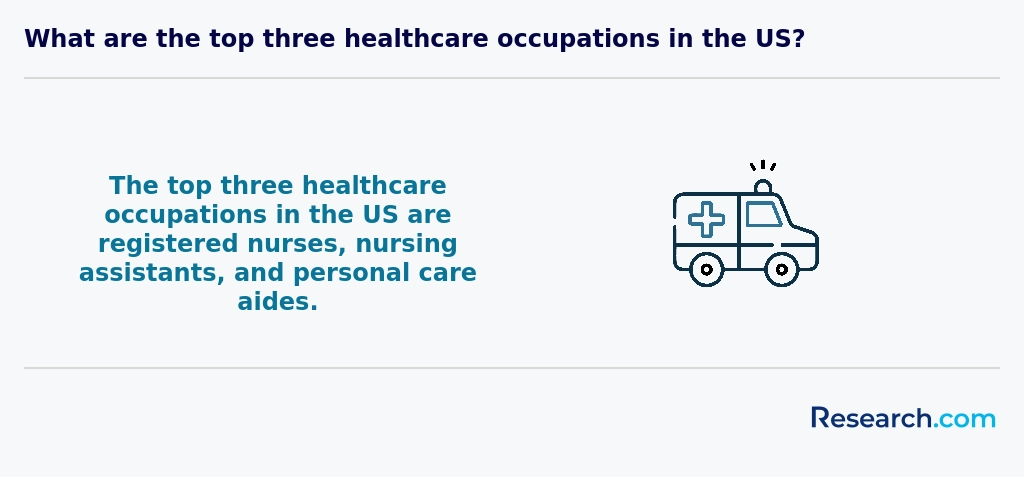
Graduates holding healthcare degrees in New Haven step into a job market buzzing with vitality and opportunity. The city's healthcare sector, centered around Yale New Haven Hospital and other vital institutions, provides a fertile ground for careers, embodying the idea that your diploma is more than paper-it's your passport to healing professions. Many healthcare job opportunities in New Haven demand skills in nursing, medical technology, and healthcare administration, with roles offering competitive salaries-for example, registered nurses often see annual earnings near $85,000.
For students from popular local colleges embarking on this path, clinical partnerships with hospitals become not only a learning environment but a stage for launching careers. Graduates often describe their journey as transformative, moving from classroom theory to hands-on care where every day brings new challenges and rewards.
The emerging demand for specialized positions, like physical therapists and sonographers, offers bright vistas that expand beyond standard roles. Careful consideration of education expenses is key, especially since entry-level healthcare degrees at Connecticut institutions can range from $20,000 to over $60,000. Those weighing their choices might find it helpful to explore options at an open enrollment university to balance cost and convenience.
New Haven healthcare degree employment outlook not only reflects regional trends but also aligns with a national surge in healthcare needs, making this city a beacon for future healthcare professionals eager to make their mark.
Frequently Asked Questions About healthcare
Healthcare degree students in New Haven can maximize their learning experience by engaging with local medical institutions such as Yale New Haven Hospital, which offers valuable clinical internships and research opportunities. Participating in hands-on training allows students to apply classroom knowledge in real-world settings, enhancing practical skills.
The region's strong focus on public health issues, including the city's involvement in addressing chronic diseases prevalent in Connecticut, provides rich material for case studies and community outreach programs. Networking through local healthcare seminars and workshops further broadens students' professional connections.
Utilizing resources from the Connecticut Department of Public Health and accessing up-to-date healthcare data can support evidence-based learning. Combining academic coursework with experiential learning positions students for success in diverse healthcare careers.
The healthcare field in New Haven is expanding with new specialized areas that address technological advances and evolving patient needs. One emerging niche is health informatics, which combines healthcare and data analysis to improve patient outcomes. The U.S. Bureau of Labor Statistics projects a 17% growth in health informatics jobs nationally by 2030, reflecting a rising demand for experts in this area.
Another growing field is telehealth, especially relevant in Connecticut due to recent state healthcare reforms that increased access to remote care. New Haven's healthcare institutions are actively integrating telemedicine services, creating opportunities for professionals trained in virtual patient care.
Additionally, gerontology is a critical niche given New Haven's aging population; specialized programs focus on elderly care management to meet local demand. According to Connecticut's Department of Public Health, the region is expected to see a 20% increase in residents aged 65 and older by 2035, underscoring this trend.
Preparing for the job market after earning a healthcare degree in New Haven involves several strategic steps. Graduates should leverage local healthcare networks, including Yale New Haven Hospital, the largest employer in the area with over 20,000 staff, to find internships and entry-level roles. Gaining certifications such as CPR, phlebotomy, or medical coding can enhance employability. Additionally, connecting with New Haven's professional organizations, like the Connecticut Hospital Association, can provide valuable job leads and continuing education opportunities.
Staying current with regional labor market trends-where registered nursing and health technologists are in high demand-improves hiring prospects. According to the U.S. Bureau of Labor Statistics, healthcare jobs in Connecticut are projected to grow by 14% through 2030.
Employers in New Haven highly value healthcare graduates who demonstrate strong clinical skills combined with effective communication abilities. According to the Connecticut Department of Public Health, proficiency in patient care and understanding healthcare technologies are critical for entry-level roles.
Teamwork and adaptability also rank as essential skills, given the fast-paced and ever-evolving healthcare environment in New Haven's major hospitals such as Yale New Haven Hospital. Additionally, cultural competence is increasingly important due to the city's diverse population.
Leadership potential and ethical decision-making frequently appear in job descriptions, signaling employers' desire for graduates who can handle responsibility and promote patient safety.
Finding internships in New Haven relevant to a healthcare degree involves leveraging local resources and institutions. Yale New Haven Health System, the largest healthcare employer in the region, offers multiple internship opportunities for students across various healthcare fields. According to the Connecticut Department of Labor, healthcare occupations in New Haven are projected to grow by 10% over the next decade, increasing internship availability.
Students should utilize university career services, especially at Yale University and Southern Connecticut State University, which have partnerships with local hospitals and clinics. Additionally, New Haven's community health centers often provide hands-on experience for aspiring healthcare professionals.
Networking events hosted by professional associations like the Connecticut Nurses Association also help connect students with potential internships.
In New Haven, holding a healthcare degree significantly enhances career mobility and advancement opportunities due to the city's concentration of medical institutions, including Yale New Haven Hospital. Graduates with specialized degrees often find competitive positions in nursing, medical technology, and healthcare administration. According to the Connecticut Department of Labor, healthcare jobs in New Haven are projected to grow 15% through 2030, outpacing many other sectors.
Employers prioritize candidates with formal education, as it equips them with essential clinical and managerial skills. Advanced degrees additionally open pathways to leadership roles and higher salaries, reflecting the region's emphasis on professional development within healthcare systems.
Studying for a healthcare degree in New Haven offers a solid foundation for interdisciplinary roles, combining academic rigor with practical experience. Local institutions emphasize collaboration across nursing, public health, and biomedical fields, reflecting the integrated nature of modern healthcare teams.
The presence of large medical centers like Yale New Haven Hospital provides students with access to diverse clinical settings, encouraging teamwork among different specialties. According to the Connecticut Department of Public Health, New Haven's healthcare workforce is rapidly evolving, demanding professionals who can navigate complex patient needs collaboratively.
Curricula frequently include cross-disciplinary coursework and simulation-based training, which develop communication and problem-solving skills essential in interdisciplinary environments.
Choosing between a thesis and a non-thesis healthcare degree program in New Haven depends largely on your career goals. Thesis programs, common in research-focused fields, require conducting original research and writing a formal document, preparing students for careers in academia or clinical research.
Non-thesis options typically emphasize practical skills and coursework, suited for students aiming for clinical practice, healthcare administration, or immediate employment. Yale University and other local institutions offer both formats tailored to different needs. According to the Connecticut Department of Labor, healthcare jobs in New Haven are projected to grow by 12% through 2030, highlighting strong demand for skilled professionals.
Consider your time availability and interest in research, as thesis paths usually require more commitment. If uncertain, speak with academic advisors at programs like Yale's School of Nursing or local community colleges offering healthcare degrees.
Students in New Haven seeking to study healthcare abroad have several options through partnerships and exchange programs facilitated by local universities such as Yale University. Yale's global health initiatives provide opportunities to study public health, medicine, and nursing in countries like Uganda and the United Kingdom. These programs often emphasize hands-on clinical experience and global health research.
Additionally, many U.S. institutions offer pre-health study abroad programs that include coursework in healthcare systems, epidemiology, and global health policy. According to the Institute of International Education, healthcare-focused study abroad participation has increased by 12% nationally, reflecting growing student interest.
These international experiences help New Haven students gain a broader understanding of healthcare challenges worldwide while enhancing their resumes for future careers.
New Haven offers several part-time job opportunities that effectively complement healthcare degree education. Many students find roles as medical assistants or patient care technicians in local hospitals like Yale New Haven Hospital, one of the largest employers in the city. These positions provide hands-on experience with patient interaction and medical procedures.
Additionally, healthcare students often work as pharmacy technicians or pharmacy clerks, gaining insight into medication management. Community health centers in New Haven also offer part-time openings for health educators or administrative assistants, allowing students to observe healthcare logistics and public health initiatives.
According to the Connecticut Department of Labor, healthcare support roles in New Haven are expected to grow by 12% through 2028, underscoring job availability aligned with healthcare studies.
Healthcare students in New Haven benefit from numerous networking opportunities that connect them with professionals and organizations in the region. Yale University, a leading institution in healthcare education, hosts annual career fairs and professional development workshops specifically tailored for medical and public health students.
The Yale School of Medicine also partners with local hospitals, including Yale New Haven Hospital, providing students with clinical rotations and networking events with practicing clinicians. According to the Yale Office of Career Strategy, over 70% of healthcare students engage in internships or externships in New Haven, enhancing professional contacts.
Additionally, healthcare students can join local chapters of national organizations such as the American Medical Association and student-led groups like the Yale Healthcare Association, fostering peer and mentor connections. These networks often lead to research collaborations and job placements within Connecticut's healthcare sector.
Alumni networks offer significant advantages for healthcare degree students in New Haven. These networks provide valuable connections to local hospitals, clinics, and research institutions, which are abundant in the city due to its strong healthcare sector. For example, Yale New Haven Health System, one of the largest employers in the region, often collaborates with alumni for internships and job placements. Students can access mentorship, career guidance, and job leads through such connections.
Additionally, alumni networks frequently host events and workshops to build professional skills and facilitate networking. According to regional educational reports, healthcare graduates with active alumni engagement show higher employment rates within six months of graduation. These networks also support ongoing education by sharing updates on industry trends and certifications relevant to New Haven's healthcare landscape.
Customizing a healthcare degree program in New Haven allows students to align their education with specific career goals. Many local institutions offer flexible curricula with elective courses in areas like nursing, public health, or healthcare administration. Students can often select practicum sites or internships in renowned New Haven hospitals, such as Yale New Haven Hospital, providing valuable hands-on experience.
Additionally, certificate programs or dual-degree options can supplement a traditional healthcare degree, broadening skill sets. According to the Connecticut Office of Higher Education, over 60% of healthcare students engage in interdisciplinary studies, enhancing their competitiveness in the job market. Tailoring your program by focusing on specialties or combining healthcare with technology or business can boost long-term career prospects.
Healthcare students in New Haven face several typical challenges during their studies. One major issue is balancing intense coursework with clinical rotations, which often demand long hours and practical experience in busy local hospitals such as Yale New Haven Hospital. This can lead to stress and burnout.
Access to affordable housing near clinical sites is another concern, as living costs in New Haven are relatively high compared to other Connecticut cities. According to the U.S. Census Bureau, median housing costs in the area have risen over 5% annually.
Additionally, students often struggle with limited opportunities for paid internships, affecting their financial stability during studies. Navigating the competitive healthcare job market in New Haven requires strong networking and ongoing skill development.
With a healthcare degree in New Haven, you can pursue several professional certifications that enhance career prospects. Common certifications include Certified Nursing Assistant (CNA), Registered Nurse (RN), and Licensed Practical Nurse (LPN), which align with clinical roles in local hospitals like Yale New Haven Health. For those interested in specialties, certifications such as Certified Medical Assistant (CMA) or Emergency Medical Technician (EMT) are widely recognized.
Healthcare management graduates may pursue credentials like Certified Healthcare Administrative Professional (cHAP) or Fellow of the American College of Healthcare Executives (FACHE). According to the Connecticut Department of Labor, healthcare jobs in New Haven are expected to grow 15% through 2030, increasing demand for certified professionals.
Writing a winning application for a healthcare program in New Haven starts with thorough research. Understand the specific requirements of institutions like Yale University or the University of New Haven, which often emphasize strong academic records and relevant volunteer or work experience. Including clear evidence of your commitment to healthcare, such as internships or community service, can significantly strengthen your application.
Many programs require a personal statement. Use this to explain your motivation and goals while highlighting any local healthcare challenges in New Haven, such as addressing health disparities noted by the Connecticut Department of Public Health. Tailoring your essay to reflect this demonstrates your awareness of community needs.
Letters of recommendation from healthcare professionals or professors familiar with your skills add credibility. Additionally, consistently meeting deadlines and providing complete documentation reflects professionalism, which admissions committees value highly.
A healthcare career in New Haven offers perspectives shaped by both local and global trends. The United States emphasizes specialized education, with degrees such as nursing, public health, and healthcare administration gaining popularity. According to the Bureau of Labor Statistics, healthcare occupations are projected to grow 13% from 2021 to 2031 nationwide, reflecting robust global demand.
New Haven benefits from institutions like Yale University and local hospitals, which contribute to specialized training and research. Globally, healthcare professionals face increasing challenges including aging populations and emerging diseases, highlighting the value of well-rounded education.
Understanding these trends is critical for students aiming to enter a competitive and evolving healthcare workforce.
Gaining practical experience while studying for a healthcare degree in New Haven is crucial for career readiness. Many local institutions, including Yale-New Haven Hospital, offer clinical internships and externships that provide hands-on patient care experience. These opportunities allow students to apply classroom knowledge in real-world settings.
Additionally, healthcare degree programs in New Haven often require clinical rotations in various specializations such as nursing, physical therapy, or medical technology. This requirement ensures students develop diverse skills. The Connecticut Department of Labor reports that healthcare jobs in New Haven will grow by 14% through 2030, making practical experience essential.
Volunteer work and research assistant positions at medical centers also contribute valuable exposure to the healthcare environment. Networking with local professionals can open doors to further training and job prospects.
Choosing the right concentration within a healthcare degree program in New Haven involves assessing local job market demands and personal interests. New Haven's healthcare sector is strong, with major employers like Yale New Haven Health offering varied career paths in nursing, public health, and healthcare administration. According to the Connecticut Department of Labor, healthcare occupations in New Haven are projected to grow by 12% from 2022 to 2032, higher than the national average.
Students should consider concentrations aligned with these growth areas for better job prospects. Reviewing program accreditation and speaking with academic advisors can clarify specialization benefits. Practical experience availability, such as internships in New Haven hospitals, also matters significantly.
Related Healthcare Rankings for Nearby Cities
- 2027 Most Valuable Healthcare Degree Programs Ranking in Fairfield
- 2027 Most Valuable Healthcare Degree Programs Ranking in New Britain
- 2027 Most Valuable Healthcare Degree Programs Ranking in Stony Brook
- 2027 Most Valuable Healthcare Degree Programs Ranking in West Hartford
- 2027 Most Valuable Healthcare Degree Programs Ranking in Brookville
- 2027 Most Valuable Healthcare Degree Programs Ranking in Storrs
- 2027 Most Valuable Healthcare Degree Programs Ranking in Old Westbury
- 2027 Most Valuable Healthcare Degree Programs Ranking in Springfield
- 2027 Most Valuable Healthcare Degree Programs Ranking in Rockville Centre
- 2027 Most Valuable Healthcare Degree Programs Ranking in Bronx
Top Trending Healthcare Rankings
See What Experts Have To Say About Studying Healthcare
Read our interview with Healthcare experts

References
- 6 Tips On Networking For Medical Professionals https://aaams.net/blog/how-to-network-in-the-medical-field-nurses/
- Global Health Perspectives https://www.denvercollegeofnursing.edu/students/global-health-perspectives.html
- Fast, No-Cost Healthcare Career Training https://goodhealthcarejobsct.org/
- Online Degree vs. Traditional: Choosing the Right Path https://beal.edu/online-degree-vs-traditional/
- Job-Ready Healthcare Skills for 2026 https://cliniwave.in/blogs/latest-article/job-ready-healthcare-skills
- Client Challenge https://www.nhps.net/o/nhps/page/career-connected-pathways
- Hillhouse Opens Pathway To Health Careers - New Haven Independent https://www.newhavenindependent.org/2021/06/02/hillhouse_medical_pathway/
- What can I do with a healthcare studies degree, and how can I start? https://mrcollege.ac.uk/what-can-i-do-with-a-healthcare-studies-degree-and-how-can-i-start/
- Best Practices for Career Development and Advancement in the Healthcare Sector | Generation https://www.generation.org/news/best-practices-for-career-development-and-advancement-in-the-healthcare-sector/
- Health Management Careers https://www.ache.org/Career-Resources/Start-Your-Career/Health-Management-Careers


