
2027 Most Valuable Healthcare Degree Programs Ranking in San Francisco

Co-Founder and Chief Data Scientist
Choosing the right healthcare degree program can shape your future in meaningful ways. If you're in San Francisco and eager to make a smart decision, this article is for you.
Here, you'll find the 2027 Most Valuable Healthcare Degree Programs Ranking in San Francisco, developed by the Research.com team of data scientists. This ranking helps you understand which programs stand out in value and opportunities.
By exploring these options, you can confidently plan a rewarding career in healthcare that fits your goals and passion. Your journey starts here.
Key benefits of getting healthcare degree in San Francisco
- Healthcare degree graduates in San Francisco can expect competitive salaries, such as Medical Assistants earning around $43,350 annually and Patient Care Technicians making about $60,790 per year, ensuring financial stability in rewarding roles.
- Graduates often find diverse career paths, from clinical roles like Medical Assistant to leadership positions such as Quality Improvement Coordinator, highlighting exciting growth opportunities in a vibrant healthcare market.
- Online healthcare degrees from local universities offer flexible schedules and faster completion times, making it easier for busy students in San Francisco to balance work, life, and education successfully.
- Key benefits of getting healthcare degree in San Francisco
- What can I expect from healthcare degree in San Francisco?
- Where can I work with healthcare degree in San Francisco?
- How much can I make with healthcare degree in San Francisco?
- 2027 Most Valuable Healthcare Degree Programs Ranking in San Francisco
- Key Findings
- How long does it take to complete healthcare degree in San Francisco?
- Accreditation and Licensing Requirements
- What's the difference between online and on-campus healthcare degree?
- Application Timeline and Deadlines
- What is the average cost of healthcare degree in San Francisco?
- What financial aid is available to healthcare degree students in San Francisco?
- Accreditation and Licensing: A Key to Quality Healthcare Education
- What are the prerequisites for enrolling in healthcare degree program in San Francisco?
- Accreditation and Licensing Requirements
- What courses are typically in healthcare degree programs in San Francisco?
- What types of specializations are available in healthcare degree programs in San Francisco?
- How do you choose the best healthcare degree in San Francisco?
- What career paths are available for healthcare degree students in San Francisco?
- What is the job market for healthcare degree in San Francisco?
- Top Trending Healthcare Rankings
- See What Experts Have To Say About Studying Healthcare
What can I expect from healthcare degree in San Francisco?
Expect to invest a varied amount in a healthcare degree in San Francisco, with tuition often reflecting the blend of cutting-edge curriculum and hands-on clinical access students receive. Graduates from well-known institutions like San Francisco State University or the University of San Francisco recall balancing the financial commitment with the rich practical experiences offered through partnerships with major healthcare centers such as UCSF Medical Center. While public universities provide more affordable tuition, sometimes around $7,000 to $15,000 per year for undergraduates, private colleges can demand upward of $30,000 annually, challenging students to weigh cost against potential opportunities.
Many students find the cost worthwhile because programs emphasize clinical training and internships, offering real-world exposure that goes beyond textbooks. This investment feels personal when a graduate reflects on their time managing patient care in diverse urban settings, shaped by San Francisco's unique public health needs. The emotional reward of directly impacting communities helps justify the financial pressures, highlighting a path where expense meets meaningful real-life impact.
Where can I work with healthcare degree in San Francisco?
Graduates with healthcare degrees from institutions like San Francisco State University often find themselves stepping directly into dynamic hospital environments such as UCSF Health. These settings demand not just clinical skills but also the ability to navigate complex healthcare systems, offering roles from nursing to health administration. One graduate reflected on the fast-paced hospital life, feeling both challenged and rewarded by daily patient interactions and collaborative care.
Others pursue careers in community clinics or public health organizations, where the focus shifts toward preventative care and outreach programs. Working in these spaces means engaging deeply with local populations, often providing a tangible sense of impact that transcends routine tasks. Graduates from City College of San Francisco appreciate how these roles cultivate empathy and leadership in real-world contexts.
For those inclined toward research or innovation, the Bay Area's biotech firms and research centers present exciting alternatives. Here, alumni with healthcare administration or clinical research backgrounds contribute to groundbreaking clinical trials and technology development, often driven by a shared passion for advancing medicine. This diversity in career paths challenges students to envision healthcare not just as a job, but as a multifaceted vocation embedded in San Francisco's unique ecosystem.
How much can I make with healthcare degree in San Francisco?
Graduates with healthcare degrees in San Francisco often find that their efforts translate into strong earning potential, challenging the notion that passion alone drives success. For example, medical assistants, common entry-level roles for those trained at institutions like UCSF or City College of San Francisco, earn an average annual wage of about $43,350, which offers a solid starting point in an expensive city.
Those pursuing slightly advanced roles see markedly higher salaries. Patient care technicians, who often build on foundational healthcare training, typically make around $60,790 a year. Similarly, health information technicians-a vital link between patient care and data management-earn near $43,380 annually, reflecting how tech-savvy skills pay off.
More specialized positions such as quality improvement coordinators command around $103,150 annually, a figure that excites many recent graduates aiming to impact healthcare on a systemic level. These numbers reveal a tangible return on investment for students who dedicate themselves at higher education hubs in San Francisco, blending practical know-how with a city eager to reward skilled healthcare professionals.
2027 Most Valuable Healthcare Degree Programs Ranking in San Francisco
How do we rank schools?
Investing in your education is a significant decision that can shape your future, and the Research.com team recognizes the importance of providing accurate and trustworthy guidance. To help prospective healthcare students in San Francisco, we have carefully developed the "2027 Most Valuable Healthcare Degree Programs Ranking in San Francisco." Our dedication to quality, credibility, and precision is demonstrated through thorough research and rigorous analysis.
We utilized the following reputable data sources to create this comprehensive ranking:
By consulting this ranking, readers will gain valuable insights into the most advantageous healthcare degree programs in San Francisco, empowering them to make well-informed educational decisions. For a detailed explanation of our process, please visit our Research.com methodology page.


# 3 position
University of California-San Francisco
Master of Health Administration

Key Findings
- Tuition fees for healthcare degrees in San Francisco range from $15,000 to over $45,000 per year, with housing costs exceeding $2,500 per month.
- The city has a strong healthcare job market driven by hospitals, research centers, and biotech companies, offering diverse career paths.
- Starting salaries for new healthcare graduates average between $60,000 and $80,000 annually, varying by discipline.
- Mid-career healthcare professionals often earn around $120,000 or more due to the high cost of living and competitive market.
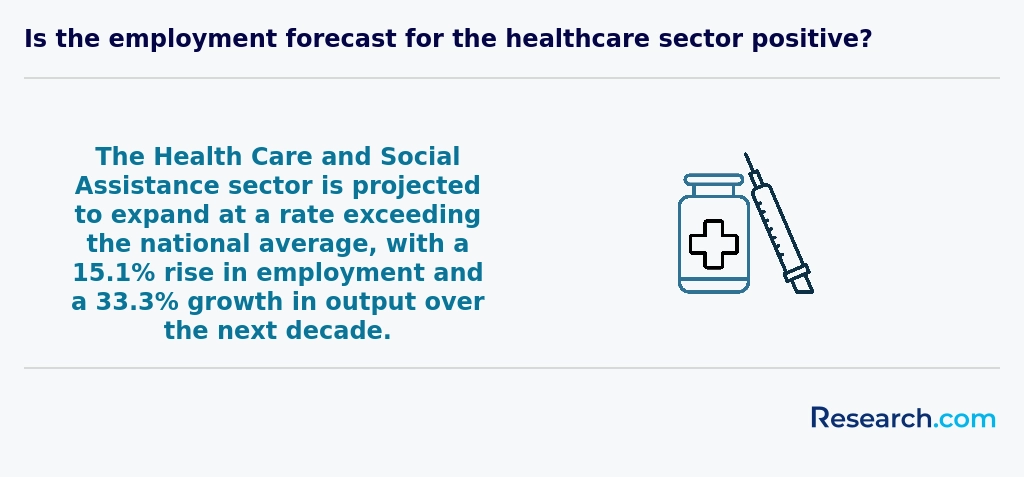
- Healthcare jobs in San Francisco are expected to grow by about 15% over the next decade, indicating strong employment opportunities.
How long does it take to complete healthcare degree in San Francisco?
The journey to completing a healthcare degree in San Francisco isn't just a timeline; it's a transformative experience shaped by your chosen path. Graduates from community colleges often recall the intensity of their 2-year associate programs, where hands-on training in medical assisting or nursing quickly immersed them in real healthcare settings within the vibrant Bay Area.
Those pursuing a bachelor's degree at institutions like San Francisco State University appreciate the balance of rigorous coursework and lively campus life that spans about 4 years. Many remember how this foundational period equipped them to meet California's high standards, as over 70% of registered nurses here hold a bachelor's.
Graduate students at UCSF describe their 1 to 3 year master's programs as both challenging and exhilarating, blending advanced theory with invaluable clinical practice that truly prepares them for leadership roles.
Doctoral candidates emphasize that the 4-year medical or dental school commitment, plus the demanding residencies lasting 3 to 7 years, test their resilience but ultimately reward them with expertise recognized nationwide.
- Associate degrees: typically 2 years
- Bachelor's degrees: generally 4 years
- Master's degrees: 1 to 3 years beyond bachelor's
- Doctoral degrees: 4 years plus residency or internship
Accreditation and Licensing Requirements
One of the most critical factors to consider when choosing a healthcare degree program in San Francisco, CA, is accreditation. Accredited programs meet rigorous quality standards set by recognized bodies such as the Commission on Accreditation of Allied Health Education Programs (CAAHEP), the Commission on Collegiate Nursing Education (CCNE), and the Western Association of Schools and Colleges (WASC). Graduating from an accredited institution ensures that your education is recognized by employers, qualifying you to sit for national and state licensure exams like the NCLEX-RN for nurses or the Board of Behavioral Sciences (BBS) exam for therapists. In addition to healthcare degrees, prospective students may also explore how accreditation applies in related fields-see our best online kinesiology programs for a comparative look at program standards and approval processes. In California, specific licensing requirements are enforced by state agencies such as the California Board of Registered Nursing (BRN) and the California Department of Consumer Affairs (DCA). For example, nursing students must complete a state-approved clinical practicum totaling 900 to 1,200 hours and pass the NCLEX-RN before obtaining licensure. Allied health professions-like radiologic technologists, pharmacy technicians, and respiratory therapists-must similarly graduate from accredited training programs and pass national certification exams administered by bodies such as the American Registry of Radiologic Technologists (ARRT) or the National Board for Respiratory Care (NBRC). Maintaining licensure often requires ongoing professional development. California mandates continuing education units (CEUs) every renewal cycle-typically every two years-which vary by profession (e.g., 30 contact hours for registered nurses). Many San Francisco institutions offer workshops and online courses that fulfill these mandates, helping graduates stay current with evolving healthcare regulations and best practices. Before enrolling, verify a program’s accreditation status via the U.S. Department of Education’s Database of Accredited Postsecondary Institutions and Programs (DAPIP) and confirm licensure prerequisites through the relevant California board. This due diligence not only safeguards your eligibility for certification exams but also maximizes your career flexibility across hospitals, clinics, and public health agencies throughout the state.
What's the difference between online and on-campus healthcare degree?
Online and on-campus healthcare degrees in San Francisco paint distinctly different experiences, each shaping students' journeys in unique ways. Graduates from San Francisco State University often recall the vibrant energy of campus life-the spontaneous discussions after lectures, hands-on clinical rotations, and the immediate access to specialized labs that deepen practical insights. This face-to-face engagement sparks a sense of community and collaboration hard to replicate online.
Conversely, alumni of online programs speak to the liberating flexibility that fits their busy lives. They appreciate asynchronous classes that let them study late at night or during breaks at work, making education attainable without uprooting their daily routines. Yet, the challenge remains balancing remote learning's isolating moments with the necessity of local clinical placements, which can feel like juggling two worlds.
San Francisco's steep living costs amplify these choices: while on-campus students embrace the full city experience-albeit with higher expenses-online learners save on commuting but must navigate additional technology fees. Ultimately, these contrasts invite every prospective student to reflect deeply on what they value most: embodied connection or adaptable autonomy.
Application Timeline and Deadlines
Navigating application dates is crucial to secure your spot in top healthcare programs in San Francisco.
Most programs follow an annual cycle:
- Fall intake: Submit applications by early December; transcripts and test scores due by January.
- Spring intake: Deadlines typically fall between July and September for accelerated or part-time tracks.
- Rolling admissions: Many nursing and allied health schools review and offer spots as materials arrive-apply early for best odds.
- Priority deadlines: Aim for October to maximize scholarship and financial aid opportunities.
Plan your timeline by noting required exams (TEAS, GRE), gathering letters of recommendation, and confirming each school’s specific dates. For candidates weighing less competitive options, explore nursing schools that are easy to get into to align your strategy with realistic deadlines.
What is the average cost of healthcare degree in San Francisco?
The average cost of a healthcare degree in San Francisco reveals a complex landscape for students. While median total tuition and fees hover around $60,986, in-state students may find their expenses closer to $34,221, offering notable relief. Graduates from institutions like San Francisco State University often share how accessing in-state tuition allows them to pursue their passion without overwhelming debt. However, private universities with specialized healthcare programs can easily double or triple these costs, creating a challenging financial equation for many.
Consider a nursing student navigating community college pathways. With tuition closer to $1,500 annually, they can complete foundational coursework affordably before transferring. Yet, the reality of living in San Francisco introduces significant additional costs, such as housing and clinical fees, often overlooked when calculating the average cost of healthcare degree programs in San Francisco. Many students recount balancing part-time work and clinical placements to manage these financial strains while maintaining motivation and focus.
Those enrolled in graduate programs face even higher financial demands, with some private healthcare schools charging between $30,000 and $50,000 annually. Despite these costs, students express pride in the specialized resources and smaller class sizes that these institutions offer. Navigating aid through scholarships, grants, and employer tuition assistance is crucial. It's worth exploring the valuable healthcare programs in california to find opportunities that align financial investment with career aspirations.
What financial aid is available to healthcare degree students in San Francisco?
Financial aid for healthcare students in San Francisco goes beyond the usual assumptions of mere loans and scholarships. Graduates from institutions like UCSF often share how Pell Grants, offering up to $7,395, provided essential relief without the crushing weight of debt, making rigorous programs more emotionally manageable amid the city's high living costs.
State initiatives like the California College Promise Grant have allowed many to start their healthcare paths affordably at community colleges before transferring-one nurse recalled how this eased her transition and financial stress deeply. Cal Grants, layered with merit-based scholarships from schools like the UCSF School of Nursing, illuminate a path where academic achievement directly translates into tangible aid, fostering motivation and hope.
Employer-sponsored tuition assistance reshapes the narrative too. Health workers balancing jobs and studies often describe tuition reimbursement plans as unexpected lifelines, enabling career advancement without financial sacrifice. Federal work-study further enriches this ecosystem by blending income and valuable experience, proving that in San Francisco, financial aid is a dynamic, multifaceted support system-not just an abstract concept.
Accreditation and Licensing: A Key to Quality Healthcare Education
Ensuring that your chosen healthcare degree program is accredited and meets licensing requirements is crucial for your long-term success. Accreditation verifies that the program adheres to rigorous quality standards and prepares you for the certification and licensure exams required in the healthcare industry. When exploring potential programs, look for those endorsed by recognized bodies and check if they maintain strong partnerships with local healthcare facilities. This not only enhances your educational experience but also boosts your career prospects by making you a more competitive candidate in the job market. Additionally, many accredited online programs offer flexible pathways to earn your degree-some even feature a comprehensive list of easiest online mha program to get into that combine rigorous coursework with practical training experiences. This dual focus on academic excellence and real-world application can help you seamlessly transition from the classroom to a thriving career in healthcare.
What are the prerequisites for enrolling in healthcare degree program in San Francisco?
To enroll in a healthcare degree program in San Francisco, students must navigate a set of prerequisites that go beyond mere paperwork. Graduates from institutions like San Francisco State University often recall the challenge of mastering biology, chemistry, and mathematics before stepping onto campus. This strong science foundation proved essential, not just academically, but in building confidence for clinical practice.
Many programs now weigh hands-on experience heavily. For example, volunteering at a local clinic in San Francisco's Mission District can make an application stand out, demonstrating a genuine connection to community health. Such real-world involvement often sparks a powerful sense of purpose, helping students embrace the demanding path they've chosen.
Letters of recommendation and, occasionally, standardized test scores remain part of the application process, but with increasing flexibility. Graduates recall that holistic admissions at some San Francisco colleges recognized their dedication and practical experience, reflecting evolving educational values.
Lastly, compliance with California's health regulations-immunizations, background checks-is a non-negotiable step that anchors student readiness in safety and professionalism before clinical work begins.

Accreditation and Licensing Requirements
Ensuring your healthcare degree program in San Francisco, CA, holds proper accreditation is essential for licensure and employment. Regional accreditation by bodies like the WASC Senior College and University Commission (WSCUC) validates institutional quality, while programmatic accreditation-such as the Commission on Accreditation of Allied Health Education Programs (CAAHEP) or the Commission on Accreditation of Healthcare Management Education (CAHME)-confirms that specific curricula meet industry standards. Graduates from accredited programs are eligible for state licensure exams administered by the California Board of Registered Nursing or the Medical Board of California, depending on their field. Prospective students should verify accreditation status through official databases and review program outcomes, including graduation and pass rates for licensure exams. Accreditation also impacts eligibility for federal financial aid and professional certifications. Before applying, contact admissions offices to request accreditation documentation and consult clinical placement sites to confirm acceptance of training hours. For those weighing cost and accreditation side by side, comparing institutions nationwide can offer perspective-explore the Cheapest Online Healthcare Degree Programs Ranking in Tennessee to see how accredited programs deliver value in different markets. By prioritizing accredited and licensed pathways, you safeguard your investment, maximize career mobility, and ensure your credentials are recognized across California and beyond.
What courses are typically in healthcare degree programs in San Francisco?
Healthcare degrees in San Francisco challenge students to grasp both the science of the body and the nuanced realities of the city's diverse population. At institutions like San Francisco State University, graduates often reflect on courses such as Human Anatomy and Physiology, which transform abstract textbook concepts into vivid understanding-imagine dissecting cadavers or simulating patient assessments in bustling campus labs. These experiences make complex biological systems tangible, fueling a deep passion for healing.
Equally essential are classes in Healthcare Ethics and Law, where students wrestle with real cases affecting vulnerable communities around the Bay Area. Graduates recall debates on patient rights and public health dilemmas, feeling empowered to advocate for justice in healthcare delivery.
Courses in Health Informatics and Public Health Principles further anchor learning in the city's public health efforts, enabling students to contribute meaningfully to community well-being. In a city where technology and care intersect, understanding these tools fosters both confidence and a sense of purpose among trainees, prepared to meet San Francisco's healthcare challenges with care and competence.
What types of specializations are available in healthcare degree programs in San Francisco?
Healthcare degree specializations in San Francisco defy the mundane by integrating diverse paths that reflect the city's vibrant healthcare ecosystem. Graduates from local institutions often share how Nursing tracks, such as Family Nurse Practitioner or Psychiatric-Mental Health, prepare them not just for hospitals but for impactful roles in underserved neighborhoods. The emphasis on Public Health in San Francisco pushes students into real-world challenges with connections to UCSF and state health agencies, making epidemiology and health policy more than abstract concepts-it's community work with measurable impact.
Many find themselves drawn to Healthcare Administration, where specializations like Health Informatics become crucial amid the city's booming healthcare startups. San Francisco's unique blend of tech and medicine fosters leaders who navigate policy and finance in ways unseen elsewhere. Biomedical Sciences students relish the city's biotech collaborations, where their research in genetics or molecular biology often translates swiftly into innovation on the frontlines. If you're curious about accessible options, here's a list of easiest online mha program to get into that complements San Francisco healthcare degree program options perfectly.
How do you choose the best healthcare degree in San Francisco?
Choosing the best healthcare degree in San Francisco demands more than simply picking a popular program. Graduates often recall how proximity to institutions like UCSF Medical Center transformed internships into real-world confidence, not just credits. When reflecting on affordable healthcare degrees San Francisco offers, it's vital to weigh accreditation and clinical opportunities against rising tuition costs. One graduate shared how balancing cost with flexible class schedules was key to maintaining a full-time job while pursuing a degree.
Consider how programs integrate hands-on experience: meaningful placements at San Francisco General Hospital provide networking that no textbook can. Such immersive learning often shapes career paths in ways classroom theory alone cannot. If you're exploring healthcare management or clinical roles, focus on programs blending theory with practice. Some found exploring the best online kinesiology programs accessible, adding flexibility without sacrificing quality.
Ultimately, ask yourself if the program aligns with your vision, offers solid local connections, and supports your pathway from study to professional healthcare practice in this vibrant city.

What career paths are available for healthcare degree students in San Francisco?
Healthcare degree career opportunities in San Francisco extend far beyond traditional roles, challenging students to envision their impact within one of the nation's most dynamic healthcare markets. Graduates from popular colleges in the city often find themselves drawn to registered nursing, benefiting from an average salary of around $120,000-reflecting both the city's high cost of living and the sector's demand. Yet, many also explore physician assistant positions, attracted by the $130,000 median salary and fulfilling work under supervision of doctors.
The journey does not stop there. San Francisco's healthcare degree job prospects include healthcare administration, where leadership skills shape local healthcare policies. Graduates report feeling empowered managing complex systems in major hospitals and clinics. Meanwhile, the city's biotech industry and health informatics sectors beckon those eager to innovate, combining technology with healthcare to revolutionize patient care.
With tuition varying widely, prospective students weigh costs carefully, often consulting resources like the Cheapest Online Healthcare Degree Programs Ranking in Tennessee for guidance. Each path resonates uniquely, but what ties them is a shared commitment to improving health outcomes in a city known for its progressive public health initiatives.
What is the job market for healthcare degree in San Francisco?
The healthcare jobs demand in San Francisco remains remarkably strong, fueled by a growing population and a dynamic medical research environment. Graduates from renowned institutions like UCSF often find themselves quickly absorbed into a diverse job market that values skills ranging from nursing to healthcare IT. Many report the excitement of working in acclaimed hospitals and innovative biotech startups that push the boundaries of patient care. This demand is reflected in competitive salaries; median wages for roles such as Registered Nurses hover around $120,000 annually, far above the national average.
However, aspiring healthcare professionals must also weigh the significant investment of time and tuition, which can range from $7,000 to over $30,000 per year at local universities and private colleges. This makes the decision to pursue a healthcare degree in San Francisco both an exciting and challenging one. For those considering accelerated paths, students have found programs like the fast track bachelor degree online a practical option to enter the workforce sooner while managing costs.
Reflecting on the San Francisco healthcare degree employment outlook, graduates often describe their journey as one of resilience and opportunity-navigating a competitive landscape that promises both financial reward and professional fulfillment, especially as healthcare innovations continue to transform traditional roles.
Frequently Asked Questions About healthcare
Healthcare degree students in San Francisco can maximize their learning by engaging with the city's extensive network of hospitals and research institutions. Notably, UCSF Medical Center, ranked among the top hospitals in the nation, offers clinical rotations and internships that provide hands-on experience.
Students should also leverage opportunities to participate in community health initiatives addressing urban health issues prevalent in San Francisco, such as homelessness and substance abuse. According to the San Francisco Department of Public Health, understanding local health challenges enhances practical skills and cultural competence.
Additionally, joining student organizations and attending industry conferences in the Bay Area fosters networking with healthcare professionals. Utilizing online learning resources and certification programs complements formal education, helping students stay current with medical advancements.
The healthcare field in San Francisco is rapidly evolving, with several emerging niches gaining attention. Precision medicine, which tailors treatments based on genetic information, is expanding due to local biotech innovation. Telehealth services have surged, particularly after the COVID-19 pandemic, offering remote patient monitoring and consultations. Another growing area is digital health technology, where startups develop apps and devices to improve health management.
Behavioral health is also a critical focus, with increasing demand for trained professionals addressing mental wellness in urban populations. According to the California Employment Development Department, healthcare occupations in the Bay Area are projected to grow by 14% through 2028, reflecting these trends.
Preparing for the job market after completing a healthcare degree in San Francisco involves strategic steps tailored to the local industry. Networking is crucial; San Francisco boasts a robust healthcare sector, including UCSF Medical Center and numerous biotech firms. Joining professional organizations like the California Nursing Association or local healthcare meetups can open opportunities.
Internships and clinical rotations during your studies enhance practical experience. According to the California Employment Development Department, healthcare jobs in the Bay Area are projected to grow by 15% by 2030, signaling strong demand for skilled graduates.
Obtaining relevant certifications, such as CPR or specialized licenses, improves employability.
Finally, utilizing local job boards and career services will help align your skills with San Francisco's healthcare employers.
Employers in San Francisco's healthcare sector prioritize a combination of clinical expertise and interpersonal skills in graduates. According to data from the California Employment Development Department, over 60% of local healthcare employers emphasize strong communication abilities, essential for patient interaction and teamwork.
Technical proficiency with electronic health records (EHR) systems is increasingly critical. The city's healthcare facilities rely heavily on digital tools, making technological literacy a key requirement.
Critical thinking and problem-solving skills also rank highly. Graduates must adapt quickly to diverse patient needs in a fast-paced urban environment.
Finally, cultural competence is vital in San Francisco's diverse population, enabling healthcare workers to provide inclusive and sensitive care.
Finding internships in San Francisco relevant to a healthcare degree involves utilizing both local resources and industry connections. The city hosts major healthcare providers like UCSF Medical Center, one of the top hospitals nationally, which offers structured internship programs for students. Additionally, internships are often available at community clinics and research institutes focused on public health.
Students should leverage university career centers and healthcare job boards specific to San Francisco. Websites like the California Public Health Internship Program list local opportunities. Networking events and professional organizations, including the San Francisco Medical Society, also provide valuable contacts.
According to the California Employment Development Department, healthcare roles in San Francisco are projected to grow 15% by 2028, increasing internship availability. Early applications and tailored resumes improve chances of securing positions, especially in nursing, medical technology, and health administration fields.
Obtaining a healthcare degree in San Francisco significantly enhances career mobility and advancement opportunities. The city's robust healthcare sector employs over 120,000 professionals, making it one of the largest regional employers (San Francisco Office of Economic and Workforce Development, 2023). Degrees in nursing, health administration, or public health open doors not only in hospitals and clinics but also in biotech firms and research institutions.
San Francisco's focus on medical innovation creates demand for skilled graduates, with an average salary increase of 15-25% upon obtaining an advanced degree (Bureau of Labor Statistics, 2023). Additionally, healthcare degrees qualify professionals for leadership roles and specialized positions, accelerating career growth.
Networking opportunities through local universities and healthcare organizations further support professional development and job transitions.
Studying for a healthcare degree in San Francisco offers unique preparation for interdisciplinary roles due to the city's diverse medical landscape and collaborative culture. Many programs emphasize integrating clinical skills with public health, technology, and social services, reflecting real-world healthcare environments. According to the California Health Care Almanac, the Bay Area employs over 200,000 health professionals across multiple disciplines, making teamwork essential.
Local universities partner with hospitals, community clinics, and tech firms, providing students hands-on experience in varied settings. This exposure helps graduates understand different roles, from patient care to health informatics, fostering adaptable skills.
Moreover, San Francisco's focus on innovation in health policy and digital health encourages students to engage in interdisciplinary problem-solving early in their education.
Choosing between a thesis and a non-thesis healthcare degree program in San Francisco depends on your career goals and learning preferences. Thesis programs emphasize research, requiring students to complete an original study, which is ideal for those aiming for academic or research positions. Non-thesis options focus more on practical skills and coursework, suited for students seeking immediate employment in clinical or administrative roles.
San Francisco hosts numerous healthcare institutions offering both track types. According to the California Employment Development Department, healthcare jobs in the San Francisco metro area are projected to grow 15% by 2028, favoring applied skills.
Evaluate your interest in research and time availability, as thesis programs often take longer to complete. Consider networking opportunities and employer expectations in the local healthcare market, which can vary between roles demanding research experience versus clinical expertise.
Students based in San Francisco who want to study healthcare abroad have several viable options. Many universities in the Bay Area, such as those within the University of California system, offer established exchange programs with international institutions. These partnerships might include countries with strong healthcare education systems like the UK, Australia, or Canada. According to the Institute of International Education, nearly 40% of U.S. healthcare students seek study-abroad experiences, often focusing on global health or medical research.
Such programs allow students to gain exposure to diverse healthcare systems and practices, enhancing their global competence-a valuable asset given San Francisco's status as a healthcare innovation hub. Additionally, students may choose accredited online or hybrid courses offered by foreign universities to supplement their education while remaining in the U.S.
San Francisco offers several part-time job opportunities that can enhance healthcare degree education. Positions such as medical assistants, patient care technicians, and pharmacy technicians provide practical experience alongside academic studies. According to the California Employment Development Department, healthcare support roles in San Francisco are projected to grow by 12% through 2028, reflecting strong local demand.
Many hospitals and clinics in San Francisco, including UCSF Medical Center, frequently hire part-time staff who gain exposure to clinical environments while continuing their education. Additionally, research assistant roles at local universities can support students interested in healthcare research and data collection.
These jobs help build relevant skills, making graduates more competitive in the healthcare job market.
Healthcare students in San Francisco benefit from a variety of robust networking opportunities. The city hosts numerous professional organizations such as the San Francisco Medical Society and the California Association of Healthcare Providers, offering events and conferences tailored to healthcare careers. Additionally, San Francisco's strong presence in biotechnology and health tech sectors allows students to attend industry meetups and seminars.
Universities like UCSF actively support networking through career fairs, internships, and mentorship programs connecting students with local hospitals and research centers.
The proximity to leading healthcare institutions enhances exposure to professionals and peers, vital for career advancement in this competitive field.
Alumni networks offer significant advantages to healthcare degree students in San Francisco. These networks connect current students with graduates who work in the region's extensive healthcare sector, including major hospitals and research institutions. Through these connections, students gain mentorship opportunities that help navigate career paths and professional challenges.
In San Francisco, where healthcare job growth is projected at about 15% by 2030 according to the U.S. Bureau of Labor Statistics, alumni networks provide valuable job leads and internship placements. Networking events and online platforms maintained by alumni groups offer real-world insights and access to hidden job markets.
Moreover, alumni often collaborate on community health projects in the Bay Area, enabling students to engage in hands-on experiences. This practical involvement enhances learning and fosters a sense of professional community essential for career development in healthcare.
Customizing a healthcare degree program in San Francisco allows you to align education with your career goals effectively. Local universities offer diverse specializations, such as public health, healthcare administration, and clinical practice. Many programs provide elective courses, internships, and research opportunities in the Bay Area's renowned medical facilities, including UCSF Medical Center. This hands-on experience is valuable for career advancement.
San Francisco's healthcare sector values skills in health informatics and community health, reflecting the city's tech-driven and diverse population. Students can tailor their studies by selecting relevant minors or certificates, enhancing employability in competitive local job markets. According to the San Francisco Department of Public Health, healthcare jobs are expected to grow by 12% through 2030, emphasizing the need for specialized education.
Healthcare students in San Francisco often face high living costs, as the city ranks among the most expensive in the U.S., with an average rent exceeding $3,000 per month according to recent Housing Reports. This financial pressure adds to the tuition expenses, making it difficult for many to manage day-to-day needs while studying.
Another challenge is the competitive nature of healthcare programs in the city. Enrollment in nursing and allied health programs has grown, but clinical placements remain limited due to high demand. Students may spend extra time securing hands-on experience vital for licensure.
Additionally, healthcare learners must navigate the complexity of diverse patient populations, requiring advanced cultural competence and language skills to provide effective care in San Francisco's multifaceted community.
A healthcare degree in San Francisco opens doors to numerous professional certifications that enhance career prospects and credibility. Common certifications include Certified Nursing Assistant (CNA), Registered Nurse (RN), and Licensed Vocational Nurse (LVN), depending on the degree level and specialization.
For more advanced roles, graduates can pursue certifications such as the Certified Professional in Healthcare Quality (CPHQ) or Certified Healthcare Financial Professional (CHFP). These credentials are valued in the Bay Area's growing healthcare sector, which, according to the California Employment Development Department, added over 7,000 healthcare jobs in San Francisco between 2021 and 2023.
Other popular certifications include the Certified Medical Assistant (CMA) and Specialty certifications in areas like radiology, pharmacy, and physical therapy. These certifications typically require passing an exam and meeting clinical experience requirements.
To write a winning application for a healthcare program in San Francisco, start by clearly demonstrating your passion for healthcare through a compelling personal statement. Highlight any relevant volunteer work or professional experience, especially within San Francisco's diverse medical facilities. Admissions committees in the city value candidates with strong community engagement and cultural competence.
Include accurate and up-to-date academic records, as competitive healthcare programs in San Francisco often require a minimum GPA around 3.0 or higher. Emphasize any science coursework, such as biology or chemistry, which forms the foundation of healthcare studies.
Letters of recommendation should come from professionals familiar with your skills and dedication, ideally healthcare practitioners in San Francisco. According to the San Francisco Department of Public Health, healthcare employment in the city is growing by about 10% annually, making your practical experience even more important.
Finally, tailor your application to reflect your knowledge of local health challenges, such as addressing disparities in underserved neighborhoods, showing your commitment to contributing locally.
The global perspective on healthcare careers emphasizes the growing demand for skilled professionals to address complex health challenges. In the United States, and especially in vibrant cities like San Francisco, healthcare is one of the fastest-growing employment sectors.
San Francisco, with its advanced medical centers and technology-driven healthcare landscape, offers unique opportunities for aspiring professionals. According to the Bureau of Labor Statistics, employment in healthcare occupations in California is projected to grow by 15% between 2021 and 2031, faster than the national average.
Worldwide, healthcare roles are increasingly valued for their impact on public health, innovation, and community wellbeing. This global demand aligns with the US's emphasis on advanced training and specialization, making a healthcare degree a strong foundation for international career prospects.
Gaining practical experience while studying for a healthcare degree in San Francisco is crucial to building skills and enhancing employment prospects. Many local universities and colleges collaborate with nearby hospitals, clinics, and public health organizations to offer internships and clinical placements. For example, UCSF Medical Center and San Francisco General Hospital often provide hands-on training opportunities for students in nursing and allied health programs.
Additionally, students can participate in volunteer work at community health centers, helping to address healthcare disparities in the city. The San Francisco Department of Public Health frequently supports student involvement in outreach programs.
Some programs also include simulation labs and interdisciplinary team projects to foster real-world skills before clinical exposure.
Choosing the right concentration within a healthcare degree program in San Francisco requires understanding both your interests and the local job market. The city boasts a diverse healthcare sector, including biotechnology, public health, and hospital administration. According to the San Francisco Employment Development Department, healthcare occupations are projected to grow 15% by 2030, especially in specialties like nursing, health informatics, and mental health counseling.
Evaluate your strengths and career goals, then research programs that align with high-demand roles locally. Visiting schools and speaking with advisors can clarify curriculum details. Accredited programs ensure quality education and better job prospects. Also, consider internship opportunities in nearby hospitals and biotech firms, as practical experience is crucial in San Francisco's competitive healthcare field.
Related Healthcare Rankings for Nearby Cities
- 2027 Most Valuable Healthcare Degree Programs Ranking in Oakland
- 2027 Most Valuable Healthcare Degree Programs Ranking in Los Angeles
- 2027 Most Valuable Healthcare Degree Programs Ranking in Anaheim
- 2027 Most Valuable Healthcare Degree Programs Ranking in Irvine
- 2027 Most Valuable Healthcare Degree Programs Ranking in La Jolla
- 2027 Most Valuable Healthcare Degree Programs Ranking in Riverside
- 2027 Most Valuable Healthcare Degree Programs Ranking in San Diego
- 2027 Most Valuable Healthcare Degree Programs Ranking in Phoenix
- 2027 Most Valuable Healthcare Degree Programs Ranking in Tempe
- 2027 Most Valuable Healthcare Degree Programs Ranking in Tucson
Top Trending Healthcare Rankings
See What Experts Have To Say About Studying Healthcare
Read our interview with Healthcare experts

References
- Career Opportunities in Healthcare Without a Medical Degree https://www.just-medical.ch/en/blog/medical-careers-without-formal-education
- Thesis vs. Non-Thesis Master's Programs: Which is Right for You? https://potomac.edu/thesis-vs-non-thesis-masters/
- Top 3 Reasons to Consider a Career in Healthcare - Roseman University https://www.roseman.edu/student-experience/news/top-3-reasons-to-consider-a-career-in-healthcare/
- Niche Markets in Healthcare https://ultrariskadvisors.com/niche-markets-in-healthcare/
- How to Create a Healthcare Career Roadmap https://www.ihire.com/resourcecenter/jobseeker/pages/how-to-create-a-healthcare-career-roadmap
- The Value of Healthcare Organization Alumni Associations https://consultqd.clevelandclinic.org/the-value-of-healthcare-organization-alumni-associations
- How to Succeed in a Difficult Job Market After Graduation https://www.hospitalrecruiting.com/blog/6542/how-to-succeed-in-a-difficult-job-market-after-graduation/
- How to choose a bachelor's in healthcare administration | edX https://www.edx.org/resources/how-to-choose-a-bachelors-in-healthcare-administration
- Best Practices for Career Development and Advancement in the Healthcare Sector | Generation https://www.generation.org/news/best-practices-for-career-development-and-advancement-in-the-healthcare-sector/
- Is an Online Degree the Same as a Traditional Degree | Online Degree https://www.cambridgehealth.edu/online-degrees/get-an-online-degree/is-an-online-degree-the-same-as-a-traditional-degree/


