
2027 Most Valuable Online Master's in Healthcare Degree Programs Ranking in South Dakota

Co-Founder and Chief Data Scientist
If you're considering advancing your career in healthcare, choosing the right master's program is essential. This article introduces the 2027 Most Valuable Online Master's in Healthcare Degree Programs Ranking in South Dakota, thoughtfully developed by the Research.com team of data scientists.
It aims to guide you through the best programs available, helping you make an informed choice that truly fits your goals and lifestyle. Pursuing a healthcare degree can open doors to meaningful work and personal growth, and this ranking highlights the options worth your time and investment.
Key benefits of getting online healthcare degree in South Dakota
- Healthcare graduates in South Dakota can earn competitive salaries, with healthcare consultants averaging $115,530 annually and compliance managers earning about $80,190, offering strong financial stability.
- Career paths for healthcare degree graduates include roles such as healthcare consulting, project management, and compliance, with many South Dakota colleges supporting such diverse professional opportunities.
- Online healthcare degrees from South Dakota universities provide flexibility for working adults, allowing students to balance study and life while gaining skills that match traditional degrees' quality and recognition.
- Key benefits of getting online healthcare degree in South Dakota
- What can I expect from online healthcare degree in South Dakota?
- Where can I work with online healthcare degree in South Dakota?
- How much can I make with online healthcare degree in South Dakota?
- 2027 Most Valuable Online Master's in Healthcare Degree Programs Ranking in South Dakota
- Key Findings
- How long does it take to complete online healthcare degree in South Dakota?
- How to Apply and Important Deadlines
- What's the difference between online and on-campus healthcare degree?
- Accreditation and Licensing Requirements for Healthcare Graduates in South Dakota
- What is the average cost of online healthcare degree in South Dakota?
- Application Process and Admission Tips for Online Master's in Healthcare Programs
- What financial aid is available to online healthcare degree students in South Dakota?
- Future Trends and Career Outlook in Healthcare
- What are the prerequisites for enrolling in online healthcare degree program in South Dakota?
- Student Success Strategies for Online Healthcare Programs in South Dakota
- What courses are typically in online healthcare degree programs in South Dakota?
- What types of specializations are available in online healthcare degree programs in South Dakota?
- How do you choose the best online healthcare degree in South Dakota?
- What career paths are available for online healthcare degree students in South Dakota?
- What is the job market for online healthcare degree in South Dakota?
- Related Healthcare Rankings for Nearby States
- Top Trending Healthcare Rankings
- See What Experts Have To Say About Studying Healthcare
What can I expect from online healthcare degree in South Dakota?
Contrary to what some might expect, the average cost of an online healthcare degree in South Dakota is notably competitive, often falling below the national average. Graduates from institutions like the University of South Dakota and South Dakota State University frequently share how the affordability combined with strong regional accreditation made their investment feel worthwhile. One graduate recalled balancing work and study, appreciating how tuition prices enabled them to pursue their passion without accruing overwhelming debt.
Costs generally vary depending on the program's length and specialization but tend to remain accessible for in-state students. This affordability aligns with South Dakota's commitment to growing its healthcare workforce, reflected in scholarship opportunities exclusive to healthcare students. Imagine a student from a rural area managing expenses while accessing virtual simulations and synchronous learning-this blend of flexible, cost-conscious design is a defining feature of programs here.
So, the real question isn't just about cost alone but how wisely your tuition supports not only education but practical readiness in an evolving healthcare landscape.
Where can I work with online healthcare degree in South Dakota?
Graduates from South Dakota's online healthcare programs often find themselves stepping into dynamic roles at institutions like Sanford Health or Avera Health, where their education directly impacts patient care and system efficiency. It's not uncommon for alumni of the University of South Dakota's healthcare programs to reflect on their seamless transition into positions in nursing administration or clinical operations-real-world roles that demand both compassion and leadership skills honed during their studies.
Thinking beyond hospitals, many graduates discover fulfilling careers in outpatient care centers or long-term care facilities scattered across South Dakota's rural landscape. For example, a typical graduate from South Dakota State University might work closely with community health organizations, tackling local health challenges with practical solutions learned through their online coursework.
Healthcare management graduates often become change agents in smaller clinics, improving compliance and operational workflows, a perspective reinforced by hands-on projects embedded in online curricula. Public health-focused students frequently engage with agencies like the South Dakota Department of Health, applying their expertise to policy planning and preventive programs that address unique rural health disparities-experiences that bring a profound sense of purpose and impact.
How much can I make with online healthcare degree in South Dakota?
Graduates from online healthcare degree programs in South Dakota, such as those offered by the University of South Dakota or Augustana University, often find their salary expectations exceed initial assumptions. For example, healthcare consultants in the state earn a mean annual wage of about $115,530, a figure that highlights the lucrative potential beyond entry-level positions.
Other roles, like healthcare compliance managers, start with a solid mean annual wage of approximately $80,190, reflecting both demand and specialized knowledge. Graduates often share how learning remotely allowed them to balance work and study while stepping confidently into these rewarding careers.
When you consider that registered nurses earn around $65,000, the leap to management or consultant roles becomes vivid-offering both financial stability and professional growth. Schools like South Dakota State University support students with career resources that connect education to these real earnings, making the ambition to advance in healthcare tangible and inspiring.
2027 Most Valuable Online Master's in Healthcare Degree Programs Ranking in South Dakota
How do we rank schools?
Investing in your education is a significant decision that can profoundly impact your career and personal growth. The Research.com team recognizes the challenges prospective students face when selecting the right online master's in healthcare program in South Dakota. To support informed decision-making, we have carefully developed the "2027 Most Valuable Online Master's in Healthcare Degree Programs Ranking in South Dakota." Our dedication to quality, credibility, and accuracy is demonstrated through rigorous research and comprehensive data analysis.
We utilized the following reputable data sources to ensure a thorough and reliable ranking:
By reviewing this ranking, readers will gain valuable insights into the most beneficial and credible healthcare master's programs offered online in South Dakota, empowering them to make well-informed educational investments. For further information on our methodology, please visit our Research.com methodology page.


Key Findings
- Online healthcare degree programs in South Dakota include associate to master's levels in fields such as nursing, healthcare administration, and public health.
- Tuition for a bachelor's degree at public universities ranges from $8,000 to $12,000 per year for in-state students, while master's programs cost between $10,000 and $20,000 annually.
- The healthcare and social assistance sector makes up about 13% of total jobs in South Dakota and is one of the fastest-growing employment areas.
- Starting salaries for new healthcare graduates range from $45,000 to $55,000 per year, with experienced professionals earning between $70,000 and $90,000 annually.
- Programs are often accredited by the South Dakota Board of Regents and include required in-person clinical practicum or residency hours.
- Financial aid and scholarships are available specifically for healthcare students, helping to reduce overall degree costs.
How long does it take to complete online healthcare degree in South Dakota?
Completing an online healthcare degree in South Dakota often defies simple timelines. While many graduates from institutions like the University of South Dakota or South Dakota State University finish their Bachelor of Science in Nursing (BSN) programs in three to four years full-time, several factors shift this expectation.
Consider a working parent enrolled part-time; their journey might extend to five or more years, but the flexibility allows balancing family and career without sacrificing progress. Similarly, a graduate student pursuing a Master of Healthcare Administration can accelerate their degree in as little as 12 to 18 months, especially if they bring prior experience, turning what seems long into a focused sprint.
South Dakota's standards-typically 120 credits for bachelors and 30 to 45 for masters-set the framework, yet the actual duration hinges on program structure, transfer credits, and clinical demands. These realities show that the clock isn't just ticking; it's adapting to your life. Graduates often reflect on the empowerment gained by pacing themselves according to personal circumstances-finding not just a degree, but resilience in the process.
How to Apply and Important Deadlines
Applying to an online master’s in healthcare program in South Dakota involves several clear steps and firm deadlines to ensure you secure your spot. Follow this streamlined process: 1. Research and Select Programs • Compare curriculum, accreditation, and costs. • For cost-focused options, see our Most Affordable Online Master’s in Healthcare Degree Programs. 2. Gather Required Documents • Official transcripts from all postsecondary institutions • Updated resume highlighting healthcare experience • Statement of purpose or personal essay outlining career goals • Two to three professional letters of recommendation 3. Complete Standardized Testing (If Required) • Confirm whether the GRE or other exams are mandatory for your chosen program-and request official score reports. 4. Submit the Online Application • Fill out each section accurately, upload all documents, and pay any application fees. • Verify receipt of your materials through the university’s admissions portal. 5. Track Key Deadlines • Fall Term: Applications typically due by August 1 • Spring Term: Applications typically due by December 1 • Financial Aid: FAFSA deadlines often coincide with admissions deadlines-check each school’s financial aid calendar. 6. Follow Up • Confirm interview invitations or supplemental requirements. • Monitor your admission decision and prepare for enrollment by reviewing orientation schedules and course registration dates. Adhering to these steps and timelines will position you for a smooth, successful application to South Dakota’s leading online healthcare master’s programs.
What's the difference between online and on-campus healthcare degree?
Choosing between online and on-campus healthcare degrees in South Dakota often boils down to more than just preference-it's about how education fits into your life. Graduates from institutions like South Dakota State University appreciate the flexibility online programs offer, allowing them to juggle family, work, and coursework without uprooting their lives. This is especially critical in rural areas where traveling to campuses like the University of South Dakota may mean hours on the road.
On the other hand, many who choose on-campus study relish the immersive college atmosphere and hands-on clinical training that facilities like Sanford School of Medicine provide. They describe the energy of face-to-face discussions and access to local clinics as invaluable for mastering practical skills.
However, even online students engage in clinical experiences, often arranged nearby, blending convenience with real-world exposure. Tuition differences matter too: online programs may cost less and avoid extra expenses like housing and commuting, but some students find value in the full campus experience despite the higher price.
Ultimately, the decision reflects your lifestyle, learning style, and how you envision your healthcare career unfolding within South Dakota's unique landscape.
Accreditation and Licensing Requirements for Healthcare Graduates in South Dakota
Ensuring your online healthcare degree is accredited by recognized agencies is critical for both educational quality and professional licensure. In South Dakota, institutions must hold regional accreditation through the Higher Learning Commission (HLC), while program-specific approvals come from bodies like the Commission on Collegiate Nursing Education (CCNE) for nursing programs, the Council on Education for Public Health (CEPH) for public health degrees, the Commission on Accreditation of Healthcare Management Education (CAHME) for health administration, and the Accreditation Council for Pharmacy Education (ACPE) for pharmacy-related training. Graduates of programs lacking proper accreditation may face barriers when seeking licensure exams or employment. After completing an accredited degree, healthcare professionals in South Dakota must meet state licensure requirements. Nurses apply through the South Dakota Board of Nursing and must pass the NCLEX-RN exam, complete a criminal background check, and fulfill continuing education hours. Public health practitioners often pursue the Certified in Public Health (CPH) credential, while health information graduates may seek the Registered Health Information Administrator (RHIA) certification through AHIMA. Pharmacy candidates must register with the South Dakota State Board of Pharmacy and pass both the NAPLEX and MPJE exams to practice. Maintaining licensure requires ongoing professional development. Most boards mandate annual or biennial renewal, accompanied by proof of continuing education credits. For example, registered nurses in South Dakota must complete at least 30 contact hours every two years, while pharmacists need 30 hours of approved continuing education per licensure period. Planning ahead for these requirements ensures uninterrupted practice and enhances career mobility across state lines. For students exploring advanced clinical roles, it’s also wise to compare doctoral-level paths. Aspiring pharmacists can evaluate the best affordable pharm d programs to align educational costs with accreditation standards and licensure eligibility.
What is the average cost of online healthcare degree in South Dakota?
The average cost of an online healthcare degree in South Dakota typically centers around $19,530, positioning it as a financially accessible option compared to national averages. Graduates from well-regarded institutions like South Dakota State University often recall the manageable tuition rates-ranging roughly $400 to $500 per credit hour for graduate courses-as a significant factor in enabling them to pursue advanced healthcare education without overwhelming debt. This affordability is not just a number; it translates into less stress about finances while balancing work, family, and studies.
For those considering the average cost of online healthcare degree South Dakota programs, it's important to weigh the total investment, including mandatory fees and other incidentals. Many online healthcare students report that lower tuition combined with scholarship opportunities and employer support makes completing their degrees feel like an achievable goal rather than an insurmountable expense. An example includes nursing graduates who leveraged institutional grants to supplement their costs, amplifying their sense of accomplishment and optimism for future careers.
Reflecting on the value of choosing South Dakota, many students recognize the synergy between affordable tuition and quality education, a combination not as common nationwide where tuition fees hover higher. This affordability can encourage prospective learners to explore options at an affordable healthcare school in south dakota, where the investment feels aligned with personal and professional growth, making the pursuit of an advanced healthcare degree both practical and motivating.
Application Process and Admission Tips for Online Master's in Healthcare Programs
Navigating the application process for an online master's in healthcare can be a decisive step in securing your future in this dynamic field. Prospective students should start by researching each program’s specific deadlines, required materials, and admission criteria. Ensure that you gather letters of recommendation, transcripts, and any prerequisite coursework documentation well in advance. It’s also a good idea to prepare a compelling personal statement that outlines your passion for healthcare, your career aspirations, and your readiness for the challenges of an online program. Additionally, many schools offer webinars, virtual campus tours, and one-on-one advising sessions that can help clarify the application process. Incorporate these resources in your research phase to get a clearer picture of what each institution provides. Don’t overlook the value of exploring programs that prioritize financial ease-discovering an affordable healthcare school in south dakota could offer additional support in terms of cost-effective tuition fees without compromising on the quality of education. Finally, stay organized with a checklist of deadlines and required documents to streamline your application process. By following these tips, you’ll be well-prepared to submit a strong application that reflects both your qualifications and your commitment to a rewarding career in healthcare.
What financial aid is available to online healthcare degree students in South Dakota?
Financial aid for online healthcare degrees in South Dakota often feels like a layered puzzle waiting to be solved. Many students discover that federal aid, accessed through FAFSA, forms the backbone-grants such as the Federal Pell Grant offer crucial support, though mostly for undergraduates, while graduate students lean heavily on federal loans. At the University of South Dakota, graduates recount how institutional scholarships and assistantships not only reduced their tuition but also provided hands-on research experience, making their investment feel tangible and worthwhile.
South Dakota's state-specific programs, like the Opportunity Scholarship, inject hope into the journey by offering up to $8,000, a figure that many online healthcare students find both surprising and empowering. Rural-focused scholarships also spotlight the state's commitment to serving its underserved communities, motivating students to give back in meaningful ways.
Meanwhile, working professionals benefit from employer tuition reimbursement programs, transforming continuing education from a financial burden into a rewarding career step. These multifaceted financial aid options create a network of support that proves pursuing an online healthcare degree in South Dakota is not just a dream-it's a feasible reality.
Future Trends and Career Outlook in Healthcare
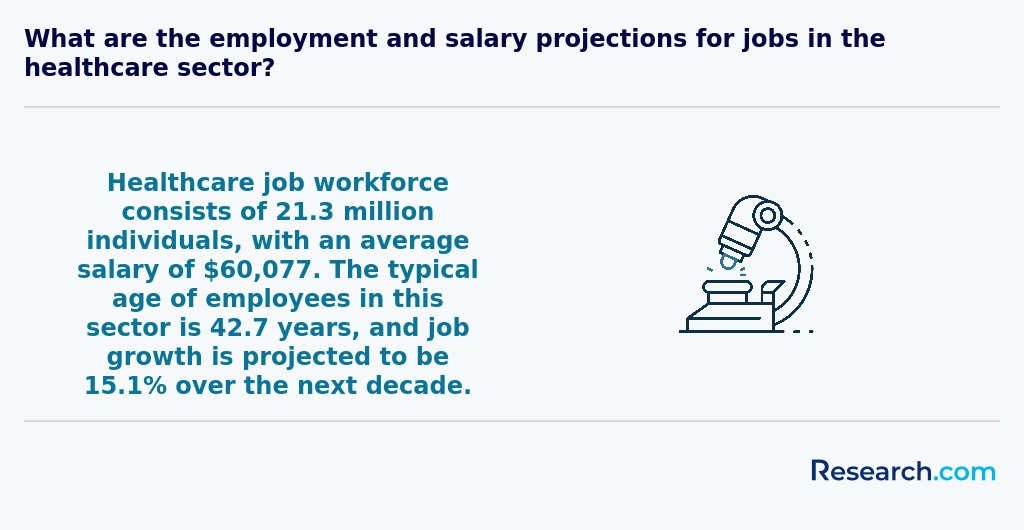
As healthcare continues to evolve, understanding future trends is essential for students planning their educational and career paths. Ongoing advancements in medical technology, telehealth innovations, and data-driven patient care are reshaping the landscape of healthcare delivery across South Dakota and beyond. Graduates are increasingly finding that their online healthcare degrees not only provide a strong academic foundation but also equip them with the adaptability needed for a dynamic job market. Integrating emerging technologies like artificial intelligence and electronic health records, providers are transforming patient care models and office workflows. Anticipating these trends allows current and prospective students to seek programs that emphasize forward-thinking curricula and practical skill applications. For instance, programs that incorporate simulation-based learning and virtual clinical experiences prepare graduates for future roles that may be more digitally inclined. Recognizing the importance of leveraging these skills, many institutions are building industry partnerships that connect graduates with real-world opportunities, including access to resources about top paying medical jobs in the healthcare field. This strategic approach not only enhances the learning experience but also builds a bridge to promising career prospects. As the demand for healthcare innovation increases, aligning your degree with industry trends could significantly boost your career trajectory, ensuring that you are well-prepared for roles that will define the future of healthcare.
What are the prerequisites for enrolling in online healthcare degree program in South Dakota?
To enroll in an online healthcare degree program in South Dakota, the pathway begins with foundational credentials like a high school diploma or GED for undergraduates and a bachelor's degree for graduate applicants. Graduates from institutions such as South Dakota State University often reflect on how meeting these basic educational standards unlocked opportunities to advance in their healthcare careers.
Contrary to outdated beliefs, many programs no longer strictly require SAT or ACT scores, embracing test-optional policies that have positively impacted students balancing work and family commitments. One graduate recalls the relief of applying without the stress of standardized tests, allowing focus on building a strong personal essay and gathering compelling letters of recommendation.
Moreover, prerequisites often include specific coursework in human anatomy, physiology, chemistry, and statistics-common at universities like the University of South Dakota-ensuring students enter with the necessary toolkit for complex health sciences.
Lastly, don't overlook South Dakota's unique mandate for background checks and immunizations in clinical programs. Many students found that completing these requirements early gave them peace of mind, connecting academic pursuit with real-world health standards and responsibilities.
Student Success Strategies for Online Healthcare Programs in South Dakota
Embarking on an online healthcare degree journey in South Dakota is both exciting and challenging. To ensure you get the most out of your educational experience, it's essential to establish a set of success strategies that blend careful planning with continual learning. Start by cultivating a dedicated study space and a consistent schedule that accommodates both your coursework and personal commitments. Utilizing a variety of digital tools-such as calendar apps, task managers, and online collaboration platforms-can help you keep track of assignments and deadlines. Networking plays a crucial role in your academic and professional growth. Engage with peers and alumni through online forums or virtual networking events, and don't hesitate to reach out to mentors or program advisors who can offer personalized guidance. Simultaneously, explore additional resources to help you compare program features and opportunities, like visiting an affordable healthcare school in south dakota to understand the landscape of cost-effective programs. Moreover, take advantage of the support services provided by your institution-academic advising, tutoring, and career services can prove invaluable as you navigate your studies. Continually assess your learning progress and adjust your strategies as needed, ensuring that you not only meet but exceed program expectations, thereby equipping yourself with the skills and confidence to thrive in South Dakota’s dynamic healthcare industry.
What courses are typically in online healthcare degree programs in South Dakota?
Online healthcare degree programs in South Dakota typically immerse students in a blend of core subjects that challenge their understanding of the healthcare system. Graduates from institutions like the University of South Dakota often describe how courses in healthcare policy reveal the delicate balance required to serve rural communities with limited resources. These classes force students to confront real-world dilemmas-how to implement effective care when access is uneven.
Health informatics courses stand out for many learners, transforming the abstract into the tangible as they manage digital records and harness data to improve patient outcomes. At South Dakota State University, students recall moments when analyzing local health data sparked a newfound passion for technology-driven solutions that directly impact patient care.
Leadership and management modules don't just teach budgeting or regulations; they prepare students to step confidently into roles shaping health systems that employ over 14% of the state's workforce. Real stories from recent graduates highlight the emotional satisfaction of leading teams where each decision can save lives or improve wellbeing.
Hands-on classes in pathophysiology, ethics, and public health ensure students graduate not only knowledgeable but deeply connected to the communities they will serve, making the program's value feel immediate and personal.
What types of specializations are available in online healthcare degree programs in South Dakota?
Online healthcare degrees in South Dakota typically offer a range of specializations that reflect the state's evolving healthcare landscape. Graduates from institutions like South Dakota State University note how specializations such as Healthcare Administration and Nursing provide practical skills for leadership and direct patient care, addressing real shortages in rural areas. These programs challenge students to think beyond traditional roles by integrating emerging fields like Health Informatics, where technology meets healthcare to improve patient outcomes through data management.
Exploring South Dakota master's in healthcare programs reveals that Public Health and Health Education are also common focuses, encouraging graduates to impact community-wide health policies and disease prevention. Students often recount how these specializations equip them with a sense of purpose, driven by tangible community needs. Yet, no discussion of these programs is complete without acknowledging the rehabilitative tracks-Occupational and Physical Therapy-which blend online coursework with vital hands-on clinical hours, underscoring the hybrid nature of healthcare education in the region.
For those curious about career prospects, programs at the University of South Dakota frequently highlight not just education but pathways to some of the top paying medical jobs, offering a promising outlook that merges passion with practical opportunity.
How do you choose the best online healthcare degree in South Dakota?
Choosing the best online healthcare degree in South Dakota means looking beyond surface factors like tuition or convenience. Graduates from the University of South Dakota and South Dakota State University often recount how accreditation by agencies like CAHME or ACEN transformed their job prospects, giving them confidence their degree would be respected across the state. These graduates emphasize the importance of programs tailored to South Dakota's unique healthcare challenges-such as rural health and telehealth-making coursework feel relevant and empowering.
Flexibility is more than scheduling convenience; it's a lifeline for working professionals balancing demanding jobs and family. Successful students highlight how asynchronous classes and strong support services allowed them to persist when life got complicated. In assessing affordability, exploring affordable online master's healthcare South Dakota options can help avoid debt without sacrificing quality. For those eyeing longer-term growth, it's worth investigating return on investment, particularly given South Dakota's median healthcare wages.
For students considering advanced paths, the best affordable pharm d programs in the region offer compelling opportunities to deepen expertise without uprooting life. Ultimately, understanding your career goals and local healthcare needs turns the search for the best online healthcare degrees South Dakota into a meaningful, strategic journey rather than a simple checklist exercise.
What career paths are available for online healthcare degree students in South Dakota?
Graduates holding an online healthcare degree in South Dakota discover career paths that defy traditional expectations, opening doors beyond direct patient care. Many find rewarding roles in nursing, leveraging degrees from universities like South Dakota State University to secure positions in hospitals and community clinics, where their work directly impacts lives and fosters a sense of purpose. Others venture into healthcare administration, managing operations at regional health centers and ensuring smooth delivery of vital services, often inspired by stories of administrators who transformed facility culture in Sioux Falls. Public health careers offer yet another avenue, particularly appealing to graduates eager to influence local health policy or lead disease prevention initiatives in rural areas.
Healthcare informatics is a rapidly emerging field for South Dakota graduates fascinated by technology's role in health-these professionals bridge the gap between patient care and information management, often reflecting on their online studies at institutions such as the University of South Dakota. For prospective students weighing their options, programs featured in the Most Affordable Online Master's in Healthcare Degree Programs showcase practical pathways that align with South Dakota's evolving healthcare landscape, revealing plentiful healthcare job opportunities with online degree South Dakota.
What is the job market for online healthcare degree in South Dakota?
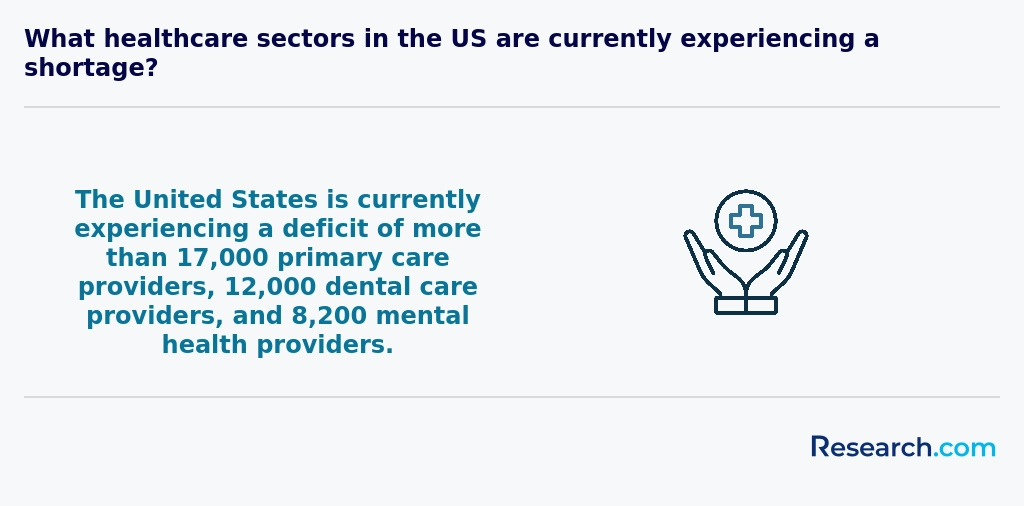
Graduates holding an online healthcare degree in South Dakota find themselves at a unique crossroads of opportunity and challenge. The state's healthcare jobs demand South Dakota graduates, especially in nursing and healthcare administration, continues to grow, driven by rural shortages and an aging population. For example, graduates from the University of South Dakota often share how their flexible online programs prepared them for critical roles in remote community clinics where qualified professionals are scarce.
This demand creates a dynamic job market, yet it requires adaptability. Graduates report that embracing technology and remote work arrangements is essential, reflecting a shift in employer preferences statewide. While wages may trail national figures, the cost-effectiveness of earning in-state online degrees combined with practical experience makes South Dakota an attractive place to build a healthcare career.
Prospective students weighing options should explore the most successful college majors and consider how their online healthcare degree can open doors-not only locally but also through expanding telehealth roles across the state.
Frequently Asked Questions About healthcare
Online healthcare degree students in South Dakota can maximize their learning experience by combining disciplined study habits with active engagement in virtual resources. Setting a consistent schedule helps maintain focus, especially since many programs offer asynchronous classes. Participation in discussion forums and group projects promotes peer learning and networking, which are crucial for professional growth.
Utilizing available university support services, such as virtual tutoring and library access, strengthens comprehension. Given South Dakota's healthcare workforce demand-projected to grow 13% by 2030 according to the South Dakota Department of Labor-students should seek internships or clinical placements in local healthcare facilities. These practical experiences complement academic learning and increase job readiness.
Emerging niches within the healthcare field reflect growing demands shaped by technological advances and population changes. In South Dakota, areas like telehealth and health informatics are expanding quickly due to rural healthcare needs, according to the South Dakota Department of Health. Telehealth services have increased access to care, especially for remote communities, making online learning in this specialty highly relevant.
Another promising area is gerontology, addressing the needs of an aging population. The U.S. Census Bureau projects that South Dakota's senior population will grow significantly by 2030, increasing demand for skilled professionals trained in elder care management.
Behavioral health also remains critical, with rising attention on mental health services statewide. Degree programs focusing on counseling and psychiatric care are becoming more popular as South Dakota responds to these challenges.
After completing an online healthcare degree in South Dakota, preparing for the job market involves strategic steps. First, gain relevant experience through internships or volunteer work, often facilitated by your program. South Dakota's healthcare sector is growing, with employment expected to increase by nearly 10% from 2020 to 2030 according to the U.S. Bureau of Labor Statistics.
Networking is crucial; joining local healthcare associations like the South Dakota State Medical Association can open doors. Additionally, obtaining necessary certifications or licenses, depending on your specialization, enhances employability. Tailoring your resume to highlight both online education and practical skills will further improve your job prospects in the competitive healthcare market.
Employers in South Dakota prioritize a blend of technical and soft skills when hiring healthcare degree graduates. Strong clinical knowledge and proficiency with healthcare technology are essential due to the state's increasing adoption of electronic health records, as reported by the South Dakota Department of Health.
Communication skills rank high, since healthcare professionals must effectively interact with diverse patient populations. Critical thinking and problem-solving abilities are also vital, helping graduates adapt to rural healthcare challenges common in South Dakota.
Leadership and teamwork are key skills, especially in multidisciplinary settings. According to the U.S. Bureau of Labor Statistics, these competencies improve patient outcomes and healthcare facility efficiency.
Finding healthcare internships in South Dakota involves several strategic steps. Start by exploring partnerships between your online program and local hospitals or clinics. Facilities such as Avera Health and Sanford Health, two of the state's largest healthcare providers, offer internship opportunities that provide practical experience.
Check South Dakota's Department of Labor and Regulation resources for current healthcare internship listings. Additionally, university career centers often have established networks that connect students with internships, even for online learners.
South Dakota's healthcare sector is growing steadily, with a 5% rise in healthcare jobs projected through 2030 according to the Bureau of Labor Statistics. This expansion increases internship possibilities for students pursuing healthcare degrees.
Networking through local professional healthcare organizations and attending virtual job fairs can also be helpful in securing placements relevant to your studies.
Online healthcare degrees in South Dakota offer significant advantages for career mobility and advancement. Many healthcare employers in the state recognize accredited online degrees as equivalent to traditional programs, expanding job opportunities across various medical fields.
South Dakota's growing healthcare sector, including Avera Health and Sanford Health, demands skilled professionals with advanced education. According to the South Dakota Department of Labor, healthcare occupations are projected to grow 14% by 2030, faster than average.
Obtaining an online degree allows working professionals to upskill or specialize without relocating, increasing chances for promotions and higher salaries. Furthermore, programs aligned with state licensure requirements can accelerate credentialing, ensuring graduates meet South Dakota's healthcare standards.
Studying for a healthcare degree online in South Dakota offers strong preparation for interdisciplinary roles by emphasizing collaboration across multiple healthcare fields. Programs commonly integrate courses covering nursing, public health, health administration, and informatics, supporting students in understanding diverse perspectives.
South Dakota's healthcare education aligns with workforce needs identified by the South Dakota Department of Health, which highlights teamwork as essential for improving rural healthcare outcomes. Online students gain access to case studies and simulations involving multidisciplinary teams, fostering critical communication skills.
According to the National Center for Education Statistics, South Dakota's universities prioritize curricula that prepare graduates to work effectively in integrated care settings, which is vital given the state's aging population and healthcare worker shortages.
When choosing between a thesis and a non-thesis healthcare degree program in South Dakota, consider your career goals carefully. A thesis option typically involves conducting original research, suitable for students interested in academic roles or doctoral studies. It allows deeper exploration of healthcare topics, which can be valuable if you plan to contribute to South Dakota's growing healthcare research sector.
On the other hand, non-thesis programs focus more on practical skills and coursework, often appealing to working professionals seeking advancement without extensive research commitments. South Dakota's healthcare workforce demand is expected to grow by 12% through 2030 (Bureau of Labor Statistics), emphasizing applied skills.
Also consider time availability: thesis programs often take longer to complete. Online program flexibility varies and may impact your choice.
Students in South Dakota interested in studying healthcare abroad have several options through online degree programs offered by U.S. institutions with global partnerships. While physical relocation for international study is less common, many accredited programs provide clinical or research opportunities overseas combined with online coursework. South Dakota residents can leverage programs from universities recognized by the Council for Higher Education Accreditation that offer flexible international study components.
South Dakota's healthcare workforce demand is projected to grow by 12% through 2030, according to the state's Department of Labor, encouraging students to seek diverse educational experiences. Some online MPH and nursing master's degrees include virtual exchanges or practicums in partner countries.
However, students should verify licensure reciprocity and accreditation to ensure seamless professional practice post-degree.
Part-time job opportunities in South Dakota can effectively complement healthcare degree education by providing practical experience. Positions such as certified nursing assistants (CNAs), medical transcriptionists, and pharmacy technicians are common roles that align well with online healthcare studies. According to the South Dakota Department of Labor, healthcare support jobs are projected to grow by 15% through 2030, reflecting strong demand.
Many healthcare facilities, including hospitals and long-term care centers, offer flexible schedules suited for students. Additionally, administrative roles in clinics help build organizational skills relevant to healthcare management degrees. Students may also find opportunities in telehealth support, a growing sector especially after the COVID-19 pandemic.
Gaining work experience alongside studies can enhance resumes and professional networks in South Dakota's healthcare system.
Online healthcare students in South Dakota benefit from diverse networking opportunities designed to connect them with professionals and peers. Many universities offer virtual career fairs, alumni events, and discussion forums that help students engage with healthcare experts. The South Dakota State Medical Association and the South Dakota Nurses Association provide valuable membership options, enabling students to attend conferences and workshops.
Local healthcare employers often collaborate with online programs for internships or clinical placements, enhancing practical connections. According to the South Dakota Department of Health, the state's growing healthcare sector, projected to add over 10,000 jobs by 2030, increases networking possibilities for students.
Alumni networks play a crucial role for online healthcare degree students in South Dakota by providing valuable professional connections. These networks offer access to a community of graduates working across the state's healthcare system, which supports job placement and career advancement. According to the South Dakota Department of Labor, healthcare is one of the fastest-growing sectors, making networking essential for staying informed about local opportunities.
Alumni often share insights about employer expectations and healthcare trends specific to South Dakota. This guidance helps students tailor their skills and increase employability.
Furthermore, many alumni participate in mentoring programs, giving current students firsthand advice on navigating careers within rural and urban healthcare environments in the state.
Many online healthcare degree programs in South Dakota offer flexible curricula that allow students to tailor their studies to specific career goals. By choosing elective courses, students can focus on areas like healthcare administration, nursing leadership, or public health policy. Some programs also provide options for specialization certificates or dual degrees to enhance expertise.
Clinical practicum or internship placements can often be selected based on preferred healthcare settings, such as rural clinics or urban hospitals, reflecting South Dakota's diverse service needs. The South Dakota Department of Health emphasizes workforce development in rural areas, making customization beneficial for addressing local healthcare gaps.
Additionally, online platforms allow students to balance work and study efficiently while accessing resources and faculty guidance remotely.
Online healthcare students in South Dakota often face challenges related to clinical placement availability. The state's rural nature means fewer local healthcare facilities offer internships or practical training, which is crucial for degree completion. According to the South Dakota Department of Health, about 45% of the population lives in rural areas, making access to hands-on experience more difficult for remote students.
Technical issues can also impede progress; not all students have reliable high-speed internet, limiting their ability to participate fully in virtual classes. Furthermore, balancing work, family, and studies remains a common struggle, especially for adult learners pursuing online degrees while employed in demanding healthcare roles.
Additionally, students may encounter limited networking opportunities compared to traditional programs, hindering professional growth. Navigating licensure requirements can be complex, as South Dakota's healthcare regulations demand specific clinical hours and certifications that students must carefully track and fulfill.
With an online healthcare degree in South Dakota, graduates can pursue several respected professional certifications to enhance their career opportunities. Many students aim for certifications such as the Certified Professional in Healthcare Quality (CPHQ), recognized nationwide for healthcare quality management. Another popular option is becoming a Registered Health Information Technician (RHIT), which aligns with health informatics degrees.
The South Dakota Department of Labor notes steady demand for certified healthcare professionals, especially in rural areas. Additional certifications include Certified Healthcare Administrative Professional (cHAP) and Certified Medical Manager (CMM), which support roles in healthcare management and administration.
Obtaining these certifications typically requires passing a standardized exam and demonstrating relevant work experience, which online programs often incorporate through internships or capstone projects.
Applying for an online healthcare program in South Dakota requires a clear, focused approach. Start by researching accredited institutions within the state, ensuring the program meets national healthcare education standards. South Dakota's healthcare sector is growing, with a 12% increase in demand for healthcare professionals by 2030, according to the South Dakota Department of Labor.
Highlight relevant experience, such as volunteer work or employment in local healthcare facilities. Tailor your personal statement to explain your motivation for healthcare, using concise, impactful language.
Also, provide any standardized test scores or prerequisites explicitly requested by the program. Strong recommendations from healthcare professionals familiar with your skills can enhance your application's credibility.
Pay attention to deadlines and submit all documents in the required format to avoid disqualification.
The global perspective on healthcare careers shows an increasing demand for skilled professionals driven by aging populations and chronic diseases. In the United States, including South Dakota, healthcare jobs are projected to grow 13% from 2021 to 2031, faster than average for all occupations (Bureau of Labor Statistics). Online healthcare degree programs in South Dakota offer access to this expanding field, enabling students to join a workforce that values cultural competence and global health awareness.
Healthcare careers today require understanding diverse patient needs and international health challenges. For South Dakota residents, pursuing an online degree provides flexible pathways to meet these global healthcare demands without relocating.
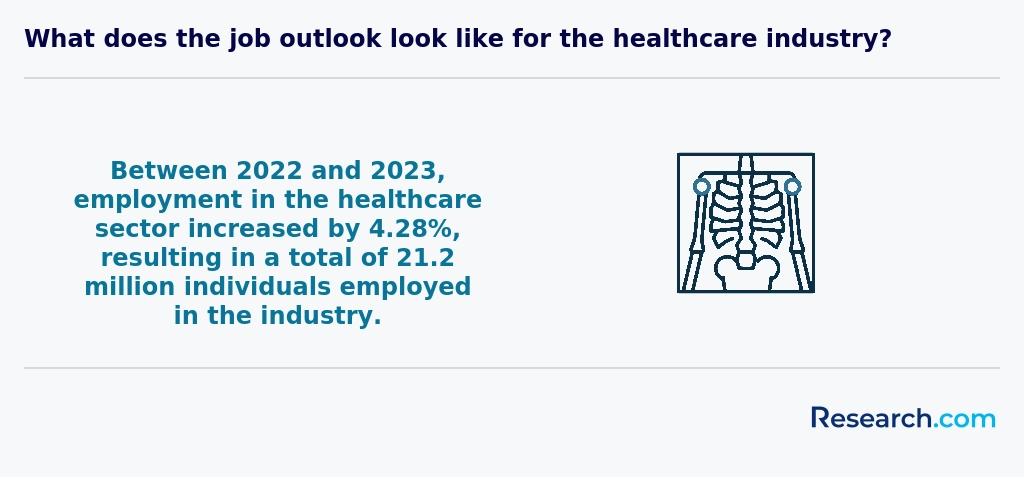
Gaining practical experience while studying for an online healthcare degree in South Dakota is essential for career readiness. Many programs require clinical hours or internships, which can often be completed locally. Students are encouraged to partner with South Dakota healthcare facilities, such as hospitals and clinics, to fulfill these requirements. The South Dakota Department of Health reports that healthcare employment grew by 5.6% between 2020 and 2023, increasing opportunities for hands-on learning.
Online students can also seek volunteer roles in community health organizations or telehealth services. Some universities offer virtual simulations to supplement real-world experience. Networking with local healthcare professionals helps students identify suitable placement options close to home.
Choosing the right concentration within an online healthcare degree in South Dakota requires understanding local healthcare needs and job market trends. South Dakota faces growing demand for professionals in gerontology and rural health due to its aging population and large rural areas, according to the South Dakota Department of Health.
Students should consider concentrations aligned with these community needs, such as healthcare administration, public health, or nursing leadership. Reviewing program curriculums for practical skills and accreditation ensures quality education that meets state licensure requirements.
Additionally, analyzing job outlook data from the Bureau of Labor Statistics can help identify high-growth healthcare fields in South Dakota, guiding a well-informed choice.
Related Healthcare Rankings for Nearby States
- 2027 Most Valuable Online Master's in Healthcare Degree Programs Ranking in North Dakota
- 2027 Most Valuable Online Master's in Healthcare Degree Programs Ranking in Minnesota
- 2027 Most Valuable Online Master's in Healthcare Degree Programs Ranking in Iowa
- 2027 Most Valuable Online Master's in Healthcare Degree Programs Ranking in Colorado
- 2027 Most Valuable Online Master's in Healthcare Degree Programs Ranking in Kansas
- 2027 Most Valuable Online Master's in Healthcare Degree Programs Ranking in Wisconsin
- 2027 Most Valuable Online Master's in Healthcare Degree Programs Ranking in Missouri
- 2027 Most Valuable Online Master's in Healthcare Degree Programs Ranking in Illinois
- 2027 Most Valuable Online Master's in Healthcare Degree Programs Ranking in Oklahoma
- 2027 Most Valuable Online Master's in Healthcare Degree Programs Ranking in Indiana
Top Trending Healthcare Rankings
See What Experts Have To Say About Studying Healthcare
Read our interview with Healthcare experts

References
- Online Medical Programs at CHCP - Start Now! https://www.chcp.edu/degrees-certificates/online/
- Best Healthcare Degrees & Programs | Accredited Schools Online https://www.accreditedschoolsonline.org/healthcare/degrees/
- How Much Can I Make With an Online Bachelor's of Public Health? - MPH Online https://www.mphonline.org/salary-bachelors-public-health/
- Top 5 Part-Time Healthcare Jobs For Students https://www.sumnercollege.edu/blog/top-5-part-time-healthcare-jobs-for-students/
- Healthcare Assistant Cover Letter Templates | myPerfectCV https://www.myperfectcv.co.uk/cover-letter/examples/healthcare-assistant-cover-letter
- Client Challenge https://www.springerpflege.de/nursing-graduates-perceived-future-career-pathway-and-career-shi/50653658
- Masters in Health Administration in South Dakota | MHA Degree Programs for Healthcare Administration Jobs in SD https://www.healthcareadministrationedu.org/south-dakota/
- 6 Tips On Networking For Medical Professionals https://aaams.net/blog/how-to-network-in-the-medical-field-nurses/
- Students and Alumni associations - Europubhealth https://www.europubhealth.org/students-alumni-associations/
- Highest-Paying Healthcare Degrees Online | EduMed.org https://www.edumed.org/articles/highest-paying-healthcare-degrees/


