
2027 Best Online Human Resources Degree Programs Ranking in the Midwest

Co-Founder and Chief Data Scientist
Choosing the right human resources degree program can shape your future career and open doors to exciting opportunities. For students in the Midwest, finding an online program that fits both your goals and lifestyle is key.
This article presents the 2027 Best Online Human Resources Degree Programs Ranking in the Midwest, created by the Research.com team of data scientists. It's designed to help you make an informed choice by highlighting top programs worth considering.
Whether you're starting out or advancing your education, earning a human resources degree can be a rewarding step toward a fulfilling career.
Key benefits of getting online human resources degree in the Midwest
- Human resources degree graduates in the Midwest can earn strong salaries, with roles like Recruitment Coordinator and Human Resources Generalist averaging around $76,060 annually, offering financial stability and rewarding career options.
- Graduates from Midwestern universities often find diverse career paths in recruitment, training, employee relations, or generalist roles, providing exciting opportunities to grow and specialize in HR.
- Online human resources degrees from reputable Midwest schools offer flexible learning schedules, allowing students to balance work and life while gaining the same respected qualifications as traditional programs.
- Key benefits of getting online human resources degree in the Midwest
- What can I expect from online human resources degree in the Midwest?
- Where can I work with online human resources degree in the Midwest?
- How much can I make with online human resources degree in the Midwest?
- 2027 Best Online Human Resources Degree Programs Ranking in the Midwest
- Key Findings
- How long does it take to complete online human resources degree in the Midwest?
- Professional Certifications and Continuing Education
- What's the difference between online and on-campus human resources degree?
- What is the average cost of online human resources degree in the Midwest?
- Step-by-Step Guide to Applying for Online HR Programs
- What financial aid is available to online human resources degree students in the Midwest?
- What are the prerequisites for enrolling in online human resources degree program in the Midwest?
- What courses are typically in online human resources degree programs in the Midwest?
- What types of specializations are available in online human resources degree programs in the Midwest?
- How do you choose the best online human resources degree in the Midwest?
- What career paths are available for online human resources degree students in the Midwest?
- What is the job market for online human resources degree in the Midwest?
- Top Trending Human Resources Rankings
- See What Experts Have To Say About Studying Human Resources
What can I expect from online human resources degree in the Midwest?
Online human resources degree programs in the Midwest typically cost less than traditional on-campus options, with many students reporting tuition rates varying widely depending on the institution. Graduates from popular universities in states like Illinois and Ohio often mention paying between $10,000 and $25,000 for a full bachelor's or master's degree online, benefiting from in-state tuition discounts and flexible payment plans. While this range may seem affordable compared to some coastal programs, students should carefully consider additional expenses such as technology fees, textbooks, and potential certification exam costs.
Some graduates recall balancing work and study effectively because the lower overall cost reduced financial stress, allowing them to focus more on coursework and internships with local companies. However, others emphasize that less expensive tuition does not always mean less rigorous curricula; schools known in the Midwest maintain strong ties to regional industries, which can enhance practical learning.
It's important to remember that while Midwest programs are generally cost-effective, individual circumstances, like eligibility for financial aid or employer tuition assistance, can significantly alter the actual overall expense.
Where can I work with online human resources degree in the Midwest?
Graduates with an online human resources degree from respected Midwest institutions often find themselves working across a variety of industries, reflecting the region's diverse economy. For example, at universities such as Michigan State or the University of Illinois, students regularly share stories of landing HR roles in major urban hubs like Chicago or Minneapolis. These positions tend to involve recruiting, employee relations, or benefits administration within large corporations and healthcare organizations.
It's important to recognize that not all HR careers follow a single path. Some graduates transition into government roles in states like Ohio or Illinois, managing labor relations or workforce planning at local agencies, while others enter manufacturing firms where HR specialists support training and safety compliance. While the outlook is generally positive, with roughly 10% growth projected in Chicago alone, students should consider how regional industry shifts might influence opportunities.
Entry-level roles often start as HR assistants or recruiters, with the potential to advance to management. Graduates appreciate the flexibility of their degree, allowing them to pivot between sectors such as education, finance, or public service based on evolving interests and market demands.
How much can I make with online human resources degree in the Midwest?
Graduates with online human resources degrees in the Midwest can expect varied earnings depending on job roles and experience. For example, those working as Recruitment Coordinators or Employee Relations Specialists typically earn a mean annual wage of about $76,060, according to the latest data. Training and Development Coordinators tend to make slightly less, with a mean annual wage near $71,980.
Many graduates from well-known institutions in the Midwest, such as those attending programs in universities around Illinois and Ohio, report starting salaries closer to $50,000 to $60,000, gaining valuable experience through internships or entry-level roles. More seasoned HR professionals in these regions can see their salaries rise substantially, often reaching upwards of $85,000 to $95,000, especially when working in metropolitan areas like Chicago where demand and pay tend to be higher.
Those pursuing certifications like the PHR or SHRM-CP often boost their earning potential, sometimes adding $5,000 to $10,000 annually. Graduates imagine themselves thriving in settings ranging from manufacturing hubs in Wisconsin to finance sectors in Missouri, finding their education pays off both in salary and job satisfaction.
2027 Best Online Human Resources Degree Programs Ranking in the Midwest
How do we rank schools?
Investing in your education is a significant decision that can shape your future, and the Research.com team understands the importance of making informed choices. To assist prospective students, we have meticulously developed the "2027 Best Online Human Resources Degree Programs Ranking in the Midwest." Our commitment to quality, credibility, and accuracy is demonstrated through extensive research and careful analysis.
We utilized the following reputable data sources to ensure a comprehensive evaluation of online human resources programs:
By consulting this ranking, readers will gain valuable insights into the best online human resources degree programs in the Midwest, empowering them to make well-informed decisions about their educational investments. For more details on our methodology, please visit our Research.com methodology page.


# 13 position
Walden University
Master of Human Resource Management



Key Findings
- Tuition for online human resources bachelor's degrees in the Midwest ranges from $15,000 to $30,000, typically lower than the national average.
- Starting salaries for HR graduates in the Midwest average around $50,000 per year, rising to about $75,000 with 5 to 10 years of experience.
- Employment in HR roles in the Midwest is projected to grow by approximately 7% over the next decade, matching the national growth rate.
- States like Illinois, Ohio, Michigan, and Minnesota have many companies and institutions that need skilled HR professionals.
- Many online programs offer regional or specialized accreditation, such as from the Society for Human Resource Management (SHRM).
- Asynchronous coursework is common, providing flexibility for working students to balance career and education.
How long does it take to complete online human resources degree in the Midwest?
Completing an online human resources degree in the Midwest typically takes about four years for a bachelor's degree when attending full-time. For example, graduates from prominent institutions such as Ohio State University and the University of Minnesota often share that the program's structure offers flexibility, allowing them to balance work and study effectively. This flexibility is especially valuable for mid-career professionals who might extend their timeline by studying part-time.
Associate degrees usually require around two years, with many community colleges like Ivy Tech Community College providing accelerated tracks that students appreciate for fitting into busy lives. Meanwhile, master's degrees vary more significantly, generally ranging from 18 months to three years depending on course load and curriculum, as reported by several graduates from universities such as DePaul University.
Since online programs commonly enable asynchronous learning, some students finish faster by leveraging summer sessions or heavier course loads. However, transfer credits and individual pacing create diverse experiences, underscoring that while the Midwest's online HR degrees align with national averages, student journeys remain unique and adaptable.
Professional Certifications and Continuing Education
A human resources degree can build the academic foundation for HR work, but professional certification may strengthen your profile after you gain the required experience. Certifications can signal that you understand HR operations, employment law, talent management, compliance, employee relations, and strategic workforce planning.
Common HR certifications
Widely recognized options include the Professional in Human Resources (PHR) and Senior Professional in Human Resources (SPHR) from the HR Certification Institute (HRCI), along with the SHRM Certified Professional (SHRM-CP) and SHRM Senior Certified Professional (SHRM-SCP) from the Society for Human Resource Management. These credentials typically require a combination of relevant work experience and a proctored exam.
How online HR programs can help
Some online HR programs align coursework with common certification topics, which can make exam preparation more efficient. Students should look for courses in employment law, staffing, compensation, labor relations, performance management, HR analytics, and strategic HR. If certification is part of your career plan, ask whether the program offers exam preparation, faculty advising, or partnerships with HR organizations.
Continuing education after graduation
Certification is not a one-time milestone. HR professionals often need continuing professional development through webinars, workshops, conferences, certificate courses, and professional association activities. Local SHRM chapters in the Midwest and virtual HR communities can also help graduates build networks, find mentors, and stay current on workplace trends.
For students comparing affordability while planning for future certification costs, the Affordable Human Resources Degree Programs Ranking in Kansas can help identify cost-conscious academic options. A practical plan may combine an accredited degree, targeted certification preparation, and ongoing professional development.
What's the difference between online and on-campus human resources degree?
Online and on-campus human resources degrees in the Midwest differ mainly in delivery and flexibility rather than content. Graduates from well-known Midwest institutions like the University of Illinois or Michigan State often note that online programs fit better with their work and family schedules. Asynchronous classes allow students to study after work or on weekends, which is a major advantage for those balancing multiple commitments.
Conversely, on-campus students appreciate the in-person interaction and immediate access to professors and peers. This environment can foster deeper networking opportunities and help develop communication skills through group projects and discussions, which some graduates find invaluable when starting their HR careers.
Tuition costs are generally similar between formats, but online learners from regional universities report saving on commuting and housing expenses, even though occasional technology fees may apply. Those attending campuses like Ohio State mention that campus fees add to expenses but value the immersive college experience. Choosing between these depends on whether flexibility or traditional engagement better suits one's lifestyle and goals.
What is the average cost of online human resources degree in the Midwest?
The average cost of an online human resources degree in the Midwest often centers around a median total cost of approximately $25,899. This figure balances out the wide range of tuition fees across different institutions and degree levels. Midwest colleges typically offer more affordable tuition rates compared to coastal schools, making it feasible for many students to pursue an online HR degree without overwhelming debt. For example, graduates from institutions like the University of Illinois Springfield or Indiana State University often share how the manageable costs allowed them to focus on their studies and career growth.
Out-of-state students, however, should prepare for higher fees, with median costs nearing $53,400, reflecting additional charges that some public universities apply for non-residents. In contrast, in-state students can expect a median total cost closer to $37,920, which can significantly ease the financial burden. Such disparities influence the decision-making process for prospective students weighing flexibility against affordability.
Beyond tuition, students often encounter additional expenses such as technology fees and study materials, so it's important to budget carefully. Many who attend popular human resources schools in the Midwest appreciate finding scholarships or employer tuition reimbursement programs that further reduce expenses. Prospective students can explore options and details specifically by visiting a popular human resources school in the region for tailored insights on tuition and fees.
Considering the average cost of online human resources degree Midwest programs alongside personal situations helps candidates choose wisely, balancing quality education with financial realities.

Step-by-Step Guide to Applying for Online HR Programs
Applying to an online human resources program is easier when you treat it as a structured project. Start by identifying programs that match your degree level, budget, schedule, and career goals. Then verify accreditation, review the curriculum, and compare student support services before you submit applications.
1. Confirm accreditation and academic fit
Look for institutional accreditation first. For Midwest schools, regional accreditation is especially important because it can affect credit transfer, financial aid eligibility, employer recognition, and graduate school admission. After that, review whether the HR curriculum covers core areas such as employment law, compensation and benefits, recruitment, employee relations, organizational behavior, training, and HR strategy.
2. Compare online format and time commitment
Online HR programs may use asynchronous coursework, scheduled live sessions, accelerated terms, or a mix of formats. Working students should ask how many hours per week each course typically requires, whether group projects are scheduled across time zones, and whether internships or capstone projects can be completed locally.
3. Prepare required application materials
Most programs request some combination of transcripts, an application form, a resume, a personal statement, and recommendation letters. Graduate programs may also ask for evidence of professional experience. Build a checklist with internal deadlines so you are not waiting on transcripts or references at the last minute.
4. Write a focused personal statement
Your statement should explain why you want to study human resources, what experience you bring, and how the online format supports your goals. Strong examples include workplace training projects, recruiting experience, conflict resolution, payroll or benefits exposure, compliance work, or leadership responsibilities.
5. Ask admissions direct questions
Before applying, contact admissions or the program coordinator. Ask about transfer credits, credit for prior learning, internship expectations, career services, SHRM-aligned coursework, tuition by residency status, and whether online students receive the same advising as campus students.
If you want to compare what makes HR programs attractive to applicants, review our discussion of a popular human resources school and use it as a reference point when evaluating curriculum, flexibility, and student demand.
6. Review before submission
Before sending your application, proofread every document, confirm that names and dates are accurate, and ask a trusted reviewer to check clarity. A polished application shows attention to detail, which is also an important skill in human resources work.
What financial aid is available to online human resources degree students in the Midwest?
Students pursuing an online human resources degree in the Midwest often rely on a combination of federal, state, and institutional aid to make their education affordable. For example, graduates from universities like the University of Illinois Urbana-Champaign have benefited from Pell Grants, which provide up to $7,395 annually without repayment obligations-offering crucial relief for those balancing work and study.
State programs also play a vital role; Illinois' Monetary Award Program (MAP) grants up to $6,000 to eligible residents, while Ohio's College Opportunity Grant supports in-state public university students with awards up to $2,700. Midwest human resources students regularly remark on how such support makes online degrees feel within reach, especially when combined with merit scholarships from their institutions.
Merit-based awards and work-study positions allow students to offset costs while gaining relevant experience, a key motivator for those attending schools like Michigan State University. Moreover, private scholarships from organizations like the Society for Human Resource Management add meaningful funds often between $1,000 and $5,000 annually, supplementing other aid.
Employer tuition assistance also deserves mention-employees at Midwest companies frequently tap into tuition reimbursement, alleviating financial pressure while advancing their careers. Taken together, these layered resources create tangible pathways for students to manage expenses without sacrificing professional growth.
What are the prerequisites for enrolling in online human resources degree program in the Midwest?
Enrolling in an online human resources degree program in the Midwest typically demands a high school diploma or equivalent as a baseline, a requirement that aligns with federal financial aid rules and institutional standards. Graduates from well-regarded Midwestern universities often recall providing transcripts showcasing solid academic performance, commonly with a GPA around 2.5 to 3.0. However, some institutions have moved toward test-optional admission policies, recognizing that standardized tests like the SAT or ACT may not always reflect a candidate's potential.
Beyond academics, many programs encourage applicants to submit personal statements and letters of recommendation, which help paint a fuller picture of an applicant's interpersonal skills and motivation-traits vital in HR roles. One graduate from a popular Midwestern college shared how highlighting volunteer experience made their application stand out.
At the graduate level, possession of a bachelor's degree and a solid GPA, typically near 3.0, is essential, with some programs requiring GRE or GMAT scores unless significant HR work experience is demonstrated. Reliable internet and appropriate technology complete the checklist, ensuring smooth engagement with online platforms common in Midwestern institutions.
What courses are typically in online human resources degree programs in the Midwest?
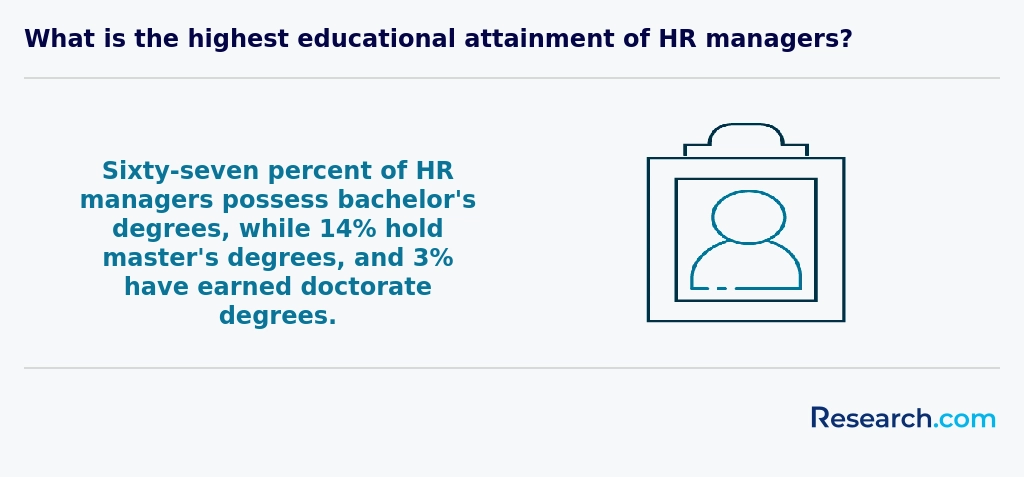
Online human resources degree programs in the Midwest commonly include courses such as Introduction to Human Resource Management, Employment Law, Organizational Behavior, Recruitment and Selection, Compensation and Benefits, Training and Development, and Performance Management. Graduates from well-known Midwestern colleges often describe how foundational business principles helped them understand HR's critical role within diverse industries, from manufacturing hubs in Michigan to service sectors in Illinois.
Employment Law courses are especially valued, as they cover federal and state-specific regulations that directly affect HR practices in states like Ohio and Wisconsin. Many students appreciate learning compliance through case studies reflecting real labor disputes, which equips them to navigate complex workforce challenges confidently.
Some programs integrate HR Information Systems (HRIS), enabling students to gain hands-on experience with software widely used by Midwest employers. Graduates frequently recall how these tech skills boosted their confidence during job interviews, reflecting the region's growing demand for HR professionals comfortable with both legal and technological aspects.
Soft skills like negotiation and conflict resolution are also emphasized, resonating with students who aim to improve workplace relations in varied community settings typical of the Midwest. This practical blend of courses provides a comprehensive, regionally relevant education for aspiring HR professionals.
What types of specializations are available in online human resources degree programs in the Midwest?
Students pursuing an online human resources degree in the Midwest encounter a range of practical specializations, each reflecting the region's unique industrial and cultural landscape. Popular concentrations include Talent Acquisition and Recruitment, which equips graduates to navigate recruitment challenges in diverse sectors such as manufacturing and services found throughout Midwestern states. Graduates from universities in this area frequently describe satisfaction in developing hands-on expertise with applicant tracking systems and workforce planning, making them competitive candidates in local and national job markets.
Another specialization, Employee Relations and Labor Relations, aligns closely with the Midwest's strong union presence, preparing students to mediate conflicts and negotiate agreements effectively. Graduates often recall how real-life case studies from Midwestern collective bargaining shaped their understanding, blending theoretical knowledge with contextual relevance. For those drawn to data and technology, the Human Resource Information Systems (HRIS) track offers a fusion of HR and digital skills that graduates from regional colleges find increasingly valuable as firms digitize employee management.
Students exploring online human resources degree specializations Midwest can also benefit from programs emphasizing diversity, equity, and inclusion (DEI). Midwestern cities such as Chicago provide tangible examples that enrich DEI coursework, resonating with graduates passionate about fostering inclusive workplace cultures. Those interested in cost-effective options often consult the Affordable Human Resources Degree Programs Ranking in Kansas to find programs matching their financial and academic goals.
How do you choose the best online human resources degree in the Midwest?
Choosing the best online human resources degree Midwest requires careful evaluation beyond just reputation. Graduates from well-known universities often emphasize the importance of accreditation by bodies like the Higher Learning Commission, ensuring their degrees hold weight with local employers. Considering affordable human resources programs Midwest is equally vital; one recent graduate found that public institutions offered significant savings compared to private ones, without sacrificing curriculum quality. Curriculum depth matters too-students in the region appreciate programs covering labor laws and talent management, with some schools adding valuable specializations in diversity and inclusion or HR technology.
Flexibility is a common theme among working professionals who balance studies with careers. Alumni frequently remark on the benefit of asynchronous classes and accessible career advising, which enhanced their studies. Graduates also point to colleges that build connections with Midwest industries, where the HR job market remains strong, particularly in states like Ohio and Illinois. For those evaluating costs, exploring options such as scholarships, employer tuition reimbursement, or even the fastest online associates degree paths can relieve financial pressure.
What career paths are available for online human resources degree students in the Midwest?
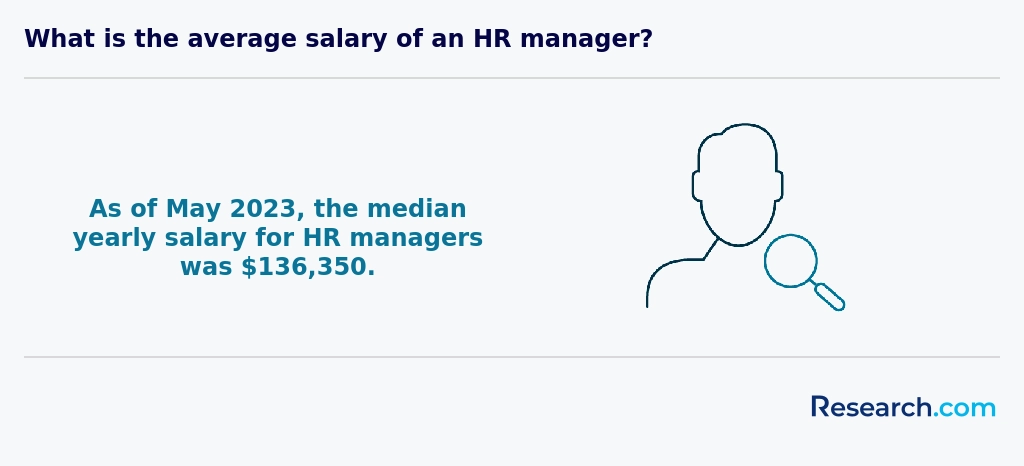
Graduates with an online human resources degree in the Midwest encounter a variety of career paths that reflect the region's diverse economic landscape. For instance, HR specialists in states like Ohio often find fulfilling roles managing employee recruitment and compliance within manufacturing firms, earning median salaries near $55,000. Meanwhile, HR managers in urban centers of the Midwest take on broader leadership responsibilities, which can lead to annual wages around $95,000, demonstrating the tangible career growth available for those pursuing an online human resources degree careers Midwest.
Some graduates from well-known Midwestern institutions highlight how roles such as training and development specialists or recruitment coordinators allow them to directly impact a company's culture and workforce adaptability. These positions are especially common in healthcare and education sectors, emphasizing the practical benefits of skills gained online while maintaining a fulfilling work-life balance. Exploring Midwest human resources job opportunities online degree programs underscores these advantages and flexibility.
For students balancing work and study, the option to pursue best college courses for seniors online in human resources broadens access and aligns career ambitions with personal circumstances, reflecting a growing trend among Midwest learners.
What is the job market for online human resources degree in the Midwest?
The Midwest human resources job outlook remains encouraging for graduates with online HR degrees, particularly from reputable institutions like those in Illinois and Michigan. Graduates often find opportunities in sectors such as manufacturing and healthcare, where companies seek HR professionals adept at compliance and talent management. Many report feeling confident entering the workforce, attributing their readiness to programs that emphasize both core HR principles and emerging HR technology skills.
Online students from Midwestern universities appreciate the flexibility their programs offer, making it easier to balance education with work or family commitments. This flexibility often attracts individuals eager to upskill without location constraints, enhancing their online human resources career opportunities Midwest. Several graduates highlight that programs aligned with industry standards, including SHRM-accredited curricula, significantly boost their employability.
Tuition costs in the region tend to be competitive, and some online programs provide reduced fees compared to traditional on-campus courses. For students seeking accelerated paths, considering a fast online master's degree can further improve career prospects and salary potential in this growing field.
Frequently Asked Questions About human resources
Midwest students pursuing online human resources degrees can enhance their learning by actively engaging with regional professional organizations, such as the Society for Human Resource Management (SHRM) chapters in states like Illinois and Ohio. These connections provide valuable networking and local industry insights.
Leveraging internships or remote work opportunities with Midwest-based companies allows students to apply theoretical knowledge practically, improving career readiness.
Additionally, students should utilize university resources like virtual career services and tutoring to support academic success. According to the U.S. Bureau of Labor Statistics, the Midwest is projected to see a 7% growth in HR specialist jobs through 2031, underlining the importance of regional focus in studies.
The human resources (HR) field is evolving rapidly, with several emerging niches gaining attention, especially in the Midwest. One key area is HR analytics, where professionals use data to improve workforce planning and employee engagement. According to the Society for Human Resource Management (SHRM), demand for HR analysts in the Midwest grew by 12% over the past five years.
Diversity, equity, and inclusion (DEI) roles are also expanding, reflecting broader social priorities. Many organizations in states like Illinois and Michigan are investing heavily in DEI specialists to foster inclusive workplaces.
Another growing niche involves remote workforce management, driven by hybrid work trends. HR professionals skilled in virtual onboarding and remote team coordination are increasingly sought after across Midwestern companies.
After earning an online human resources degree in the Midwest, preparing for the job market involves strategic steps. Start by leveraging internships and practical experiences offered through your online program to build a strong resume. According to the Bureau of Labor Statistics, the Midwest sees steady HR job growth, with Illinois and Ohio leading in HR employment opportunities.
Networking is essential-joining regional associations like the Society for Human Resource Management (SHRM) Greater Chicago Chapter can connect you to local employers. Additionally, obtaining HR certifications such as SHRM-CP or PHR can increase competitiveness. Tailoring your applications to Midwest business trends, especially in manufacturing and healthcare, improves job prospects.
Employers in the Midwest prioritize strong communication and interpersonal skills for human resources graduates. These skills are essential for managing employee relations and fostering a positive work environment. According to the Society for Human Resource Management (SHRM), 85% of HR professionals highlight problem-solving abilities as critical.
Technical skills, including proficiency with HR software like ADP and Workday, are increasingly important due to digital transformation in businesses across the region. Analytical skills also rank highly, helping HR specialists interpret workforce data effectively.
The ability to understand federal and state labor laws, especially those specific to Midwest states such as Illinois and Ohio, is a frequent requirement. Employers look for graduates skilled in conflict resolution, diversity management, and strategic planning to support organizational goals and compliance.
Finding internships in the Midwest relevant to a human resources degree involves strategic research and networking. Start by exploring career services offered by the online programs you attend, as many have partnerships with local businesses. According to the National Association of Colleges and Employers (NACE), internships increase job placement rates by 15-20%, making them crucial.
Midwestern states like Illinois, Ohio, and Minnesota have diverse industries including manufacturing, healthcare, and finance, all requiring HR interns. Use platforms such as Handshake, LinkedIn, and local Chambers of Commerce websites to identify opportunities.
Additionally, attending virtual career fairs and joining Midwest-focused HR associations, like the Society for Human Resource Management's regional chapters, can expand your connections.
Obtaining an online human resources degree can significantly enhance career mobility and advancement opportunities in the Midwest. This region, with its diverse economy spanning manufacturing, healthcare, and technology, increasingly values professionals with specialized HR education. According to the U.S. Bureau of Labor Statistics, the Midwest will see about a 7% growth in human resources roles through 2030, adding over 13,000 new jobs.
Online degrees offer flexibility for working professionals seeking promotions or transitions into HR management. Many Midwest employers recognize accredited online programs, especially those from regionally accredited institutions, which align with SHRM certification standards.
Graduates often report higher starting salaries and faster advancement, as HR knowledge is critical for organizational leadership and compliance with evolving labor laws in states like Illinois, Ohio, and Michigan.
Studying for a human resources degree in the Midwest offers a unique preparation for interdisciplinary roles by combining core HR principles with business, psychology, and legal studies. Midwest programs often emphasize practical skills such as conflict resolution, organizational development, and employment law, which are essential across multiple professional fields.
Many universities in the region integrate courses from diverse departments, allowing students to gain insights into finance, marketing, and communication. According to the Society for Human Resource Management, nearly 60% of HR professionals in the Midwest hold cross-functional responsibilities, reflecting the demand for versatile knowledge.
This approach equips graduates to effectively collaborate across departments and contribute to strategic decision-making within varied industries.
Choosing between a thesis and a non-thesis online human resources degree program in the Midwest depends on your career goals and learning preferences. Thesis programs typically focus on in-depth research, preparing students for roles in academia, consulting, or advanced HR analytics. They usually require a significant research project, which can take additional time to complete.
Non-thesis programs emphasize practical skills and coursework, often appealing to professionals aiming to advance in HR management or certifications. According to the National Center for Education Statistics, many Midwest schools offer flexible non-thesis tracks to accommodate working adults.
Consider also job market demand in Midwest cities like Chicago and Minneapolis, where applied HR expertise is highly valued. The U.S. Bureau of Labor Statistics projects HR employment growth of 7% through 2032, supporting diverse program options.
Students based in the Midwest who want to study human resources abroad while pursuing an online degree have several options. Many Midwestern universities partner with international institutions to offer exchange programs or dual degrees that combine online coursework with short-term study abroad experiences. The Society for Human Resource Management (SHRM) highlights that global HR competencies are increasingly valued, encouraging students to seek international exposure.
Additionally, students can enroll in online HR programs accredited by organizations like the HR Certification Institute, which often include global HR management courses. Some programs allow virtual internships with multinational companies, providing practical international experience without leaving the Midwest.
In the Midwest, part-time job opportunities that complement human resources (HR) degree education often include roles such as HR assistant, recruitment coordinator, and employee relations specialist. These positions allow students to apply theoretical knowledge from their online HR programs in real workplace settings.
According to the U.S. Bureau of Labor Statistics, the Midwest region shows steady demand for HR support roles, with approximately 10% growth projected over the next decade. Gaining experience in local companies or through staffing agencies can enhance practical skills in talent management, payroll, and compliance.
Additionally, internships and part-time roles in nonprofit organizations provide exposure to HR functions and build networks valuable for future careers. Combining studies with such employment helps students connect coursework with real-world challenges.
Online human resources students in the Midwest benefit from a variety of networking opportunities tailored to the region's dynamic job market. Many universities offer virtual career fairs and alumni networking events, helping students connect with HR professionals across states such as Illinois, Ohio, and Minnesota.
Midwest HR organizations, such as the Society for Human Resource Management (SHRM) Midwest chapters, host regular webinars and local meetups, even accommodating remote participation. These platforms allow students to build professional relationships and stay updated on regional HR trends.
Additionally, Midwestern cities rank highly for HR job growth-according to the U.S. Bureau of Labor Statistics, the area expects 10% growth through 2031-providing ample networking prospects through internships and cooperative education programs.
Alumni networks play a crucial role for students pursuing online human resources degrees in the Midwest. These networks provide valuable connections to experienced professionals, helping students access job opportunities and mentorship. According to the Society for Human Resource Management (SHRM), 70% of job placements in HR come through networking.
Midwestern universities often foster active alumni groups that host webinars, workshops, and local events. This engagement allows online students to build real-world connections despite geographic distances. Strong alumni ties can also support career advancement in sectors where 60% of HR managers in the Midwest reported they prefer hiring candidates from their alma mater, as noted by the Bureau of Labor Statistics.
Many online human resources degree programs in the Midwest offer flexible curricula that students can tailor to their career goals. For example, students often choose electives focused on labor relations, organizational development, or employment law. Some programs even allow specialization in areas like talent management or diversity and inclusion.
Midwestern universities frequently collaborate with local industries, which means students can select internships or capstone projects aligned with regional workforce needs. According to the Bureau of Labor Statistics, Midwest states like Illinois and Ohio employ a significant portion of the nation's HR professionals, influencing available specializations.
Advisors also help students map courses to certifications such as SHRM-CP, enhancing job prospects. This personalized approach makes online degrees practical and relevant for varied HR careers.
Online human resources students in the Midwest often face challenges balancing coursework with work and personal responsibilities. Many students juggle jobs alongside their studies, which can lead to time management difficulties. According to the National Center for Education Statistics, about 60% of online learners in the U.S. are employed while studying, a trend that holds true in Midwest states.
Additionally, limited access to in-person networking opportunities can hinder career growth, as HR fields rely heavily on professional connections. Technical issues and inconsistent internet access in rural areas also affect students, given that parts of the Midwest have broadband gaps. These factors combined create notable obstacles for online HR students in this region.
With an online human resources degree, you can pursue several recognized professional certifications that enhance your career prospects. The most prominent include the Professional in Human Resources (PHR) and the Senior Professional in Human Resources (SPHR), both offered by the HR Certification Institute (HRCI). These certifications are well-regarded nationwide, including in the Midwest.
Additionally, the Society for Human Resource Management (SHRM) provides the SHRM-CP and SHRM-SCP, which focus on practical and strategic HR knowledge. Earning these can increase earning potential by 15-20%, according to the Bureau of Labor Statistics.
Midwestern employers often value these credentials when hiring for HR roles, making them valuable for those completing online programs in the region.
Writing a winning application for an online human resources program in the Midwest requires clear focus and preparation. Start by thoroughly researching the specific program's requirements and deadlines, as many schools like those in Illinois and Ohio have competitive admissions.
Highlight your professional experience and educational background related to human resources, as practical knowledge boosts your application's strength. According to the Society for Human Resource Management, the Midwest has seen a 7% job growth in HR roles, so showing familiarity with regional workforce trends can set you apart.
Strong recommendation letters and a well-crafted personal statement emphasizing your career goals aligned with the program are crucial. Also, be sure to demonstrate your ability to succeed in an online learning environment.
Human resources (HR) careers are increasingly shaped by global trends in workforce diversity, technology, and regulatory environments. In the United States, particularly in the Midwest, HR professionals must understand cross-cultural communication and international labor standards to support businesses with global operations. According to the Society for Human Resource Management (SHRM), 41% of HR departments in the Midwest reported expanding their global talent management initiatives in 2023.
Online HR degree programs in this region often emphasize global competencies to prepare students for these demands. Understanding international perspectives helps HR professionals navigate diverse workforces and comply with varied employment laws, enhancing their career versatility and value in multinational companies.
Gaining practical experience while studying for an online human resources degree in the Midwest is essential for career readiness. Many Midwest universities partner with local businesses to offer virtual internships, allowing students to work directly with HR professionals. According to the National Association of Colleges and Employers, 65% of employers in the region prefer candidates with internship experience.
Additionally, students can participate in practicums or project-based courses offered by accredited online programs. These opportunities simulate real-world HR tasks, such as talent acquisition or employee relations. Professional organizations like the Society for Human Resource Management (SHRM) also provide networking events and certifications accessible remotely, helping students build hands-on skills.
When choosing a concentration within an online human resources degree in the Midwest, start by assessing your career goals. Popular concentrations include Talent Acquisition, Employee Relations, and Compensation & Benefits. According to the U.S. Bureau of Labor Statistics, HR specialists in the Midwest earn an average annual wage of about $65,000, with demand expected to grow by 7% through 2030. Understanding which area aligns with local industry needs can improve job prospects.
Next, research programs that offer concentrations accredited by the Society for Human Resource Management (SHRM). This ensures curriculum quality and relevance. Additionally, consider concentrations that emphasize skills like labor law or diversity management, as Midwest companies increasingly focus on compliance and workplace inclusion. Finally, review alumni outcomes to see which concentrations yield the best employment results regionally.
Top Trending Human Resources Rankings
See What Experts Have To Say About Studying Human Resources
Read our interview with Human Resources experts

Rick Hackett
Human Resources Expert
Professor, Human Resources & Management
McMaster University


Thomas Kochan
Human Resources Expert
Professor of Management
Massachusetts Institute of Technology

References
- HR networking: developing authentic relationships | Reed Learning https://www.reed.com/learning/article/hr-networking:-developing-authentic-relationships
- Top 10 HR Challenges and Their Solutions | HR Courses https://zoetalentsolutions.com/top-10-hr-challenges-and-their-solutions/
- Human Resources Events and Networking | Australian HR Institute https://www.ahri.com.au/events-and-networking
- Human Resources | Northwest Technical College https://www.ntcmn.edu/career-paths/business/human-resources/
- How to Maximize the Impact of Alumni Networks https://www.careeros.com/resources/how-to-maximize-the-impact-of-alumni-networks
- Sample letters in human resources https://www.mystudies.com/en-in/business-accountability-management/human-resources/letter-model/
- How a Human Resources Management Degree Can Boost Your Career | BSBI https://www.berlinsbi.com/blog/how-a-degree-in-human-resources-can-boost-your-career-a-guide-for-aspiring-professionals
- Top Human Resources Trends to Know in 2025 https://granvillecollege.ca/human-resources-trends-2025/
- What to do after a Bachelor's degree in HR https://www.ipag.edu/en/blog/what-do-after-bachelors-degree-hr
- Want a Career in Human Resources? Your In-Depth (2025) Guide https://www.aihr.com/blog/career-in-human-resources/


