
2027 Most Affordable Online Human Resources Degree Programs Ranking in the Midwest

Co-Founder and Chief Data Scientist
Choosing the right online human resources degree program can feel overwhelming, especially with so many options in the Midwest. Our article introduces the 2027 Most Affordable Online Human Resources Degree Programs Ranking in the Midwest, created by the Research.com team of data scientists to guide you toward the best value choices.
Whether you're starting out or advancing your career, a human resources degree opens doors to rewarding opportunities. This ranking helps you make an informed decision and invest in your future with confidence.
Explore trusted programs that fit your budget and goals today.
Key benefits of getting online human resources degree in the Midwest
- Graduates with a human resources degree in the Midwest, such as Recruitment Coordinators and Human Resources Generalists, often earn a mean annual wage of around $76,060, offering strong financial stability.
- Popular career paths include roles like Employee Relations Specialist and Training and Development Coordinator, reflecting diverse opportunities for growth and development after earning your degree at well-known Midwest universities.
- Completing a human resources degree online provides flexibility and time-saving benefits, allowing students to balance work and studies effectively, as experienced by many online graduates from reputable Midwest institutions.
- Key benefits of getting online human resources degree in the Midwest
- What can I expect from online human resources degree in the Midwest?
- Where can I work with online human resources degree in the Midwest?
- How much can I make with online human resources degree in the Midwest?
- 2027 Most Affordable Online Human Resources Degree Programs Ranking in the Midwest
- Key Findings
- How long does it take to complete online human resources degree in the Midwest?
- What's the difference between online and on-campus human resources degree?
- What is the average cost of online human resources degree in the Midwest?
- Future Trends in HR and Emerging Opportunities
- What financial aid is available to online human resources degree students in the Midwest?
- What are the prerequisites for enrolling in online human resources degree program in the Midwest?
- What courses are typically in online human resources degree programs in the Midwest?
- What types of specializations are available in online human resources degree programs in the Midwest?
- How do you choose the best online human resources degree in the Midwest?
- What career paths are available for online human resources degree students in the Midwest?
- What is the job market for online human resources degree in the Midwest?
- Top Trending Human Resources Rankings
- See What Experts Have To Say About Studying Human Resources
What can I expect from online human resources degree in the Midwest?
The average cost of an online human resources degree in the Midwest is about $300 per credit hour, which is notably lower than many other regions. Graduates from well-known Midwestern public universities often share how affordable tuition allowed them to balance work and study without financial strain. For example, attending a Big Ten Conference university provided one graduate with an accredited program recognized by employers, all while keeping costs manageable.
Many students find the option for in-state tuition rates-even when studying online from outside their state-especially beneficial. This flexibility helped another graduate save thousands on tuition, enabling investment in supplementary materials and certification courses.
Affordability paired with quality curriculum covering employment law, talent management, and HR systems equips students with practical skills. Graduates recall completing virtual internships and hands-on projects that built confidence for roles in recruiting and compliance, demonstrating how cost-effective programs do not sacrifice career readiness in the Midwest.
Where can I work with online human resources degree in the Midwest?
Graduates with an online human resources degree in the Midwest often find rewarding career paths in diverse sectors. Many who studied at well-known institutions like the University of Illinois or Ohio State University quickly secure roles in large corporations such as General Motors in Michigan or JPMorgan Chase in Ohio, handling workforce management and compliance.
Others pursue government HR positions across states like Indiana and Wisconsin, where local agencies value their ability to navigate employee benefits and labor laws. Seeing a 7% increase in HR job postings, graduates feel confident entering public sector roles that impact their communities directly.
Healthcare employers, including the Mayo Clinic in Minnesota, frequently hire HR specialists trained in labor relations and healthcare management, offering graduates meaningful work in keeping hospital staff engaged and compliant with regulations.
Nonprofits, recruitment agencies, and union offices also represent vibrant opportunities, especially for those who combine their degree with regional SHRM certification. Graduates appreciate that these roles let them contribute to stronger workplaces while enjoying steady career growth.
How much can I make with online human resources degree in the Midwest?
Graduates with an online human resources degree in the Midwest can expect solid earning potential, especially in roles with clear salary data. For example, the mean annual wage for a Recruitment Coordinator in the region is about $76,060, matching the typical salaries of Employee Relations Specialists, Human Resources Assistants, and Generalists. Those entering as Training and Development Coordinators earn slightly less but still a competitive $71,980 annually.
Midwest graduates from well-regarded institutions like the University of Illinois or Ohio State University have reported quickly moving into these roles, appreciating the balance of good income and manageable living costs. These salaries reflect opportunities in diverse cities like Chicago and Minneapolis, where businesses value practical skills in HRIS, labor law, and analytics that students develop online. Many graduates find that combining their degree with certifications like SHRM-CP significantly boosts their pay prospects.
Real-life HR professionals in these roles often leverage their degree to negotiate higher starting salaries around $70,000 or more, especially when factoring in bonuses and benefits. Prioritizing internships or part-time HR roles during studies also helps graduates transition smoothly into these well-paying jobs in the Midwest.
2027 Most Affordable Online Human Resources Degree Programs Ranking in the Midwest
How do we rank schools?
Investing in your education is a significant decision that can shape your future, and the Research.com team understands the importance of making informed choices. To assist prospective students interested in human resources, we have meticulously crafted the "2027 Most Affordable Online Human Resources Degree Programs Ranking in the Midwest." Our commitment to quality, credibility, and accuracy is reflected in the extensive research and analysis conducted to compile this ranking.
We utilized the following reputable data sources to ensure a comprehensive evaluation of programs:
By exploring this ranking, readers will gain valuable insights into affordable and quality online human resources degree programs in the Midwest, helping them make confident and well-informed educational decisions. For more details on how this ranking was created, please visit our Research.com methodology page.


# 13 position
Walden University
Master of Human Resource Management


# 20 position
Southwestern College
Bachelor of Human Resource Management and Development

Key Findings
- Tuition for online human resources degrees in the Midwest typically ranges from $10,000 to $25,000, depending on the school and program level.
- Employment for HR specialists and managers in the Midwest is expected to grow by about 7% between 2022 and 2032, matching the national average.
- Starting salaries for recent graduates in the region are around $50,000 to $55,000 annually, with mid-career professionals earning between $70,000 and $85,000.
- Many online HR programs in the Midwest are regionally accredited, ensuring that credits transfer and degrees are recognized by employers.
- Online programs offer flexibility that helps students balance education with work or family commitments without needing to relocate.
How long does it take to complete online human resources degree in the Midwest?
Completing an online human resources degree in the Midwest typically takes about four years for a bachelor's degree when studying full-time. Graduates from popular universities like Michigan State or the University of Illinois often share how flexible scheduling options helped them juggle work and classes, enabling completion within this timeframe. For those balancing family or jobs, many programs offer part-time or accelerated paths-some finishing in as little as three years by taking extra courses or summer sessions.
Master's degrees or HR-focused MBAs generally require around two years full-time, but working professionals at schools such as Ohio State University benefit from evening and asynchronous classes, extending that to three to five years without sacrificing career progress. Certificates and stackable credentials-available at places like the University of Iowa-are ideal for students wanting quick skill boosts within six to twelve months.
Transfer credits or SHRM certifications accepted by many Midwestern colleges can significantly reduce completion time and ease financial stress, making degree attainment more manageable and motivating for busy students.
What's the difference between online and on-campus human resources degree?
Choosing between online and on-campus human resources degrees in the Midwest often hinges on flexibility and learning style. Graduates from widely recognized schools like those in Chicago or Minneapolis praise online programs for letting them study around work or family commitments, accessing lectures anytime without commuting. This flexibility empowers busy adults to keep advancing their careers without pausing life.
Meanwhile, students attending on-campus programs at traditional Midwest universities enjoy face-to-face interactions that many find motivating. One graduate shared how in-person discussions with professors and peers deepened their understanding of complex HR topics through real-time feedback and group activities, which helped build strong professional networks in cities like Indianapolis.
Curriculum quality between formats is generally comparable, with SHRM-approved programs ensuring core HR subjects like labor law and talent management are covered thoroughly. However, on-campus students often benefit from direct access to career fairs and workshops. Online students, though, can still tap virtual networking, making it easier to connect without geographic limits.
What is the average cost of online human resources degree in the Midwest?
The average cost of an online human resources degree in the Midwest varies but generally centers around a median of $25,899 for total tuition. In-state students typically benefit from lower tuition rates, averaging around $37,920 total, making public universities like the University of Missouri appealing for their affordable structure. Graduates recall feeling empowered by the balance of cost and quality education, knowing they invested wisely without sacrificing program reputation.
Out-of-state students can expect higher tuition costs, with median expenses reaching about $53,400. However, many private Midwestern schools, such as DePaul University or Loyola University Chicago, offer consistent tuition rates regardless of residency and deliver strong value despite higher fees. Students pursuing these affordable human resources degree programs Midwest have found the tuition reflects access to dedicated faculty and comprehensive online resources, fostering confidence in their career prospects.
Additional fees for technology or course materials may range between $500 and $1,500 per year, so budgeting for these extras is crucial. Graduates from popular programs highlight how financial aid and scholarships make a significant difference in offsetting costs. Prospective students should explore options thoroughly to ease financial stress during their studies.
Those seeking detailed program options can consult the most popular human resources degree listings, which help identify programs that align with both budget and career goals in the Midwest market. Planning around median costs and carefully assessing fees will help ensure a valuable and affordable experience pursuing a human resources degree online.
Future Trends in HR and Emerging Opportunities
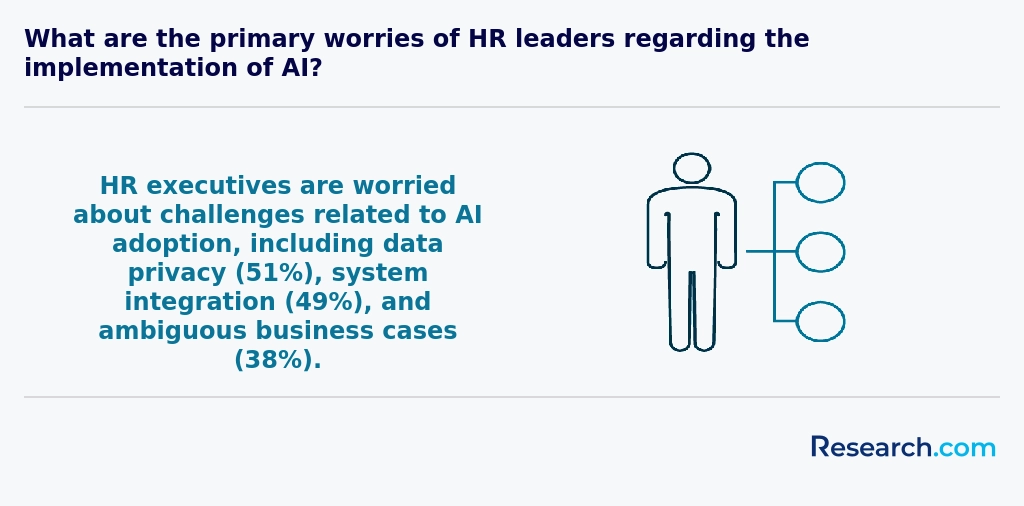
As the landscape of human resources continues to evolve, understanding future trends is essential for prospective students and professionals alike. Technological innovations such as AI-powered recruitment tools, advanced data analytics, and digital onboarding platforms are reshaping traditional HR functions. These developments not only streamline administrative tasks but also enable a more strategic approach to talent management and employee engagement. Meanwhile, remote work and hybrid workforce models are redefining workplace culture, making flexibility and digital collaboration crucial skills in today’s competitive market. In this context, earning an online HR degree can serve as a stepping stone towards mastering these emerging trends. Graduates are increasingly expected to be tech-savvy problem solvers who can leverage innovative solutions to drive organizational success. Moreover, institutions are updating curricula to include specialized courses in HR analytics and digital transformation, ensuring that students are well-prepared for tomorrow's challenges. For additional insights into the evolving field and to compare various programs, check out our analysis on the most popular human resources degree. This resource highlights programs that are not only affordable but also align with the skills needed to thrive in a rapidly changing HR environment, making it a valuable reference for anyone looking to future-proof their career in human resources.
What financial aid is available to online human resources degree students in the Midwest?
Online human resources students in the Midwest often rely on federal aid as their first step. Graduates from large public universities like the University of Illinois at Urbana-Champaign mention how completing the FAFSA opened doors to Pell Grants, which can cover up to $7,395 annually, easing tuition burdens significantly. Federal Direct Subsidized and Unsubsidized Loans also offer manageable repayment options, making it easier to focus on studies without immediate financial stress.
State grants add another layer of support. For example, students attending Ohio State University take advantage of Ohio's scholarships targeting both residents and distance learners. Similarly, those at Michigan State University benefit from state funds aimed at workforce development in human resources.
Institutional scholarships are a common relief reported by students at popular Midwest colleges. Many online HR programs, including the online division of Purdue University, offer merit- or need-based scholarships tailored for working professionals.
Employer tuition assistance is especially impactful for those already in the HR field. A graduate shared how their employer covered most tuition costs, turning continuing education into an exciting career investment rather than a financial headache.
Finally, professional organizations like SHRM and the HR Certification Institute provide scholarships that students can access through focused searches on platforms such as Fastweb, offering real hope and motivation to succeed.
What are the prerequisites for enrolling in online human resources degree program in the Midwest?
To enroll in an online human resources degree program in the Midwest, you typically need a high school diploma or GED if you're aiming for an associate or bachelor's degree. Graduates from well-known Midwestern universities have shared how meeting this basic requirement was the straightforward first step toward joining programs at institutions like Ohio State or the University of Illinois.
Many bachelor's programs may ask for a minimum GPA around 2.5, ensuring students are prepared for the coursework's rigor. While some schools still request SAT or ACT scores, most have embraced test-optional policies, making admissions more accessible and less stressful for online applicants balancing jobs or family.
If you're targeting a master's in HR, expect to present a bachelor's degree and sometimes specific undergraduate courses in business or HR-related fields. Work experience can boost your application, as shared by graduates who found their prior HR roles helped them connect theory with real-world practice.
Additionally, being comfortable with technology is essential. Reliable internet and a capable computer allow smoother participation in virtual classes, video discussions, and specialized HR software, a point many successful students at Midwestern colleges emphasize.

What courses are typically in online human resources degree programs in the Midwest?
Online human resources degree programs in the Midwest commonly include courses designed to build practical, job-ready skills aligned with regional industry demands. Graduates from well-known Midwestern institutions often highlight courses in recruitment and staffing strategies, which prepare them for real-life hiring challenges faced by companies in Chicago or Indianapolis.
Employment law and compliance classes equip students with up-to-date knowledge of federal and state labor regulations, directly relevant to managing workforce issues in Midwest manufacturing or healthcare sectors. Many also appreciate learning compensation and benefits management, mastering tasks like payroll and employee incentives critical for retaining talent in competitive local markets.
Students report that courses in organizational behavior and training development provide hands-on frameworks they apply to foster positive work environments and design impactful professional growth programs. Strategic HR management and conflict resolution classes sharpen decision-making and interpersonal negotiation skills, essential for workplace harmony in diverse Midwestern companies.
HR technology and data analytics prepare students to leverage modern software tools, a growing need emphasized by graduates entering tech-driven HR roles across the region's expanding job market.
What types of specializations are available in online human resources degree programs in the Midwest?
Online human resources degree specializations Midwest students choose often include talent acquisition and recruitment, employee relations and labor relations, compensation and benefits, organizational development and training, and diversity, equity, and inclusion (DEI). Graduates from popular Midwest institutions often share how focusing on talent acquisition helped them develop strong skills in employer branding and digital recruitment tools, making their job search more confident and successful.
Those concentrating on employee or labor relations appreciate the practical negotiation and conflict resolution techniques learned, which prove invaluable when working in unionized industries common in Illinois and Ohio. For example, graduates report feeling empowered handling workplace disputes thanks to courses tailored to Midwest labor laws.
Students exploring organizational development find that the training and leadership courses prepare them to support workforce transitions in large corporations headquartered regionally. Meanwhile, those emphasizing DEI report a rewarding impact on workplace culture, discovering ways to implement inclusive policies effectively. To explore affordable options related to these pathways, consider reviewing the Inexpensive Human Resources Degree Programs Ranking in the West.
Midwest HR degree program concentrations online allow flexibility, practical experience, and a focus on skills valued by regional employers, giving graduates a competitive edge in the evolving HR field.
How do you choose the best online human resources degree in the Midwest?
Choosing the best online human resources degree in the Midwest means focusing on accredited programs that fit your budget and lifestyle. Graduates from popular Midwest universities often highlight the value of regional accreditation and programs aligned with SHRM standards, which can ease certification processes later on. Many have found that selecting schools known for offering the best affordable online human resources degrees Midwest helps balance quality and cost.
Flexibility plays a huge role, especially for working professionals who juggle jobs and family. Graduates praise programs with asynchronous classes that let them study evenings or weekends. Look for curricula covering essentials like organizational behavior and employment law, with options for specialized tracks in labor relations or diversity and inclusion. Those seeking robust support services, including career counseling, typically experience smoother transitions into HR roles.
Prospective students should explore financial aid options and consider total costs beyond tuition, such as fees and materials. Checking graduation rates can indicate program effectiveness. For a tailored fit, also browse online accelerated bachelor degree programs offered by Midwest schools delivering top accredited human resources programs Midwest.

What career paths are available for online human resources degree students in the Midwest?
Graduates with an online human resources degree in the Midwest find career opportunities in diverse roles such as Human Resources Specialist, HR Manager, Recruiter, Training and Development Coordinator, and Compensation Analyst. Many alumni from well-known Midwest colleges report success entering fields tied to regional industries like manufacturing and healthcare, where demand remains strong. These roles often focus on talent acquisition and employee relations, especially in cities like Chicago and Minneapolis where healthcare expansion generates numerous openings.
Midwestern institutions prepare students to handle workforce challenges by emphasizing regional labor laws and cultural dynamics, giving graduates a competitive edge. Those pursuing post-degree certifications often enhance their job prospects. Numerous graduates appreciate how their education enables them to build positive workplace environments or streamline benefits administration. For a practical start, exploring the easiest way to get an associate's degree can also help prospective students enter HR fields sooner.
Graduates find the Midwest's evolving industries create steady demand, making an online HR degree jobs in Midwest a strategic choice for sustainable career growth.
What is the job market for online human resources degree in the Midwest?
The online human resources job outlook Midwest remains strong, driven by steady employer demand across industries like manufacturing, healthcare, and finance. Graduates from programs at Indiana University and the University of Missouri often share how their flexible online studies allowed them to balance work and learning while acquiring skills valued by local employers. HR roles in cities such as Chicago and Columbus provide competitive salaries typically ranging from $55,000 to $65,000, appealing to professionals seeking growth without relocating far.
Midwest HR degree employment opportunities benefit from the region's focus on affordable education, with many public universities charging tuition well below the national average. Graduates frequently highlight the advantage of accredited online programs that boost their resumes and demonstrate self-motivation to hiring managers. Furthermore, HR positions now often incorporate diversity and inclusion efforts, opening new specialized roles for those trained in these modern workplace priorities.
For students eager to advance quickly, exploring quick masters degrees can further enhance their qualifications to meet evolving job market needs.
Frequently Asked Questions About human resources
Students pursuing online human resources degrees in the Midwest can enhance their learning by actively engaging with their course materials and instructors. Utilizing discussion boards and virtual office hours helps replicate the interaction found in traditional classrooms. According to the Society for Human Resource Management, Midwest HR professionals increasingly value practical experience alongside academic knowledge.
Internships or part-time HR roles within local companies can provide valuable hands-on experience. Additionally, students should seek programs with strong regional accreditation, as this ensures quality and better job prospects post-graduation. Networking through Midwest-based HR associations also supports career growth by connecting students to local industry trends and opportunities.
The human resources field is evolving, creating new specialized areas that online degrees increasingly address. One emerging niche is HR analytics, which combines data science with HR to improve hiring and employee retention. According to the Society for Human Resource Management (SHRM), 71% of HR professionals in the Midwest report growing demand for data-driven decision-making skills.
Another important area is diversity, equity, and inclusion (DEI). Midwestern companies, especially in manufacturing and healthcare, are expanding DEI initiatives to build stronger work cultures. This has led universities to add DEI-focused courses to their HR programs.
Finally, remote workforce management is gaining attention as many Midwest organizations adapt to hybrid working models, requiring HR professionals to master virtual engagement and productivity strategies.
After completing an online human resources degree in the Midwest, graduates should focus on building practical experience and networking to enhance employability. Internships or part-time HR roles in local companies provide valuable, real-world exposure.
According to the U.S. Bureau of Labor Statistics, employment for human resources specialists in the Midwest is projected to grow 7% from 2021 to 2031, faster than average. This growth underscores the importance of gaining certifications such as SHRM-CP or PHR to stand out.
Joining regional HR associations, like the Midwest Human Resources Association, helps graduates connect with employers and stay updated on industry trends and salary benchmarks.
Employers in the Midwest seek specific skills from graduates holding human resources degrees, reflecting regional industry demands. Communication skills top the list, as effective interaction supports diverse workplaces common in states like Illinois and Ohio. Analytical abilities are essential, especially for managing employee data and compliance with state labor laws. Organizational skills enable HR professionals to handle multiple tasks, such as recruitment and training coordination, efficiently.
Additionally, knowledge of employment law is crucial given frequent regulatory updates in the Midwest. Familiarity with HR technology and software increases employability, as digital tools streamline human capital management. According to the Society for Human Resource Management (SHRM), these competencies greatly enhance job prospects and salary potential in the region.
Finding internships in the Midwest relevant to a human resources degree involves leveraging regional resources and institutions. Many universities and colleges in the Midwest offer career services that connect students with local businesses seeking HR interns. According to the National Association of Colleges and Employers (NACE), about 60% of internships in this sector are found through direct university engagement.
Online job platforms like Handshake and LinkedIn also list internships specifically in Midwest cities such as Chicago, Indianapolis, and Minneapolis. The Midwest has a strong presence of manufacturing, healthcare, and finance industries, which frequently recruit HR interns. Local chambers of commerce and professional HR associations like SHRM chapters provide additional internship leads and networking opportunities.
An online human resources degree greatly enhances career mobility and advancement opportunities across the Midwest. According to the U.S. Bureau of Labor Statistics, the Midwest is expected to see a 7% growth in HR specialist roles through 2030, reflecting steady demand.
Employers increasingly value candidates with formal HR education, especially those holding degrees from accredited online programs. This is important in large Midwestern cities like Chicago, Minneapolis, and Columbus, where companies prioritize certified knowledge in labor laws, benefits administration, and organizational development.
Graduates with an online HR degree can qualify for higher-level positions such as HR manager or training specialist, roles which typically offer salary increases of 15-20% compared to entry-level jobs, as noted by the Society for Human Resource Management (SHRM).
Additionally, the flexibility of online programs allows working professionals to build credentials while maintaining employment, facilitating quicker career progression without geographic limitations within the region.
Studying for a human resources (HR) degree in the Midwest offers strong preparation for interdisciplinary roles due to the region's emphasis on practical, diverse skill sets. Many Midwestern universities integrate courses in business, psychology, and labor relations, creating a broad knowledge base for students. This approach aligns with the needs of employers in industries like manufacturing, healthcare, and technology, which dominate the Midwest job market.
According to the Bureau of Labor Statistics, HR specialists in the Midwest earn a median salary close to the national average, reflecting competitive demand. Additionally, regional programs often include experiential learning, enabling students to collaborate across functions such as finance, legal compliance, and organizational development.
This interdisciplinary training equips graduates to navigate complex workplace environments, enhancing adaptability and leadership skills crucial for modern HR careers.
Choosing between a thesis and a non-thesis online human resources degree in the Midwest depends on your career goals and learning preferences. Thesis programs emphasize research skills and are ideal if you want to pursue a Ph.D. or roles in HR research and policy development. Non-thesis options focus on practical knowledge and coursework, preparing students for immediate HR management positions.
Midwestern universities like the University of Illinois offer both formats, reflecting regional demand for versatile HR professionals. According to the Bureau of Labor Statistics, HR specialist jobs in the Midwest are projected to grow 7% through 2030, emphasizing the value of applied skills.
Your decision should also consider time and workload, as thesis tracks usually take longer to complete due to research commitments.
Students in the Midwest interested in studying human resources abroad while pursuing an online degree have limited direct options through US institutions. Most accredited Midwest universities offering online HR programs, such as those in Illinois, Ohio, and Michigan, focus on domestic curricula aligned with US employment laws and practices. However, some programs incorporate international human resource management courses to prepare graduates for global roles.
For actual study abroad experiences, Midwest students typically rely on university partnerships with foreign institutions, enabling short-term exchanges or internships. According to the Institute of International Education, only about 10% of US students engage in study abroad, with even fewer from online programs.
Therefore, while "studying abroad" in a traditional sense is rare for online HR students in the Midwest, curriculum options often include global HR topics to address international labor contexts.
Part-time jobs that complement human resources (HR) degree education in the Midwest often involve roles in administrative support, recruiting, and employee relations. Many HR students find opportunities as HR assistants or coordinators, gaining practical experience while studying. According to the U.S. Bureau of Labor Statistics, the Midwest's demand for HR specialists is expected to grow by 7% from 2021 to 2031, supporting local job availability.
Other relevant positions include payroll clerks or training assistants, which provide insight into compensation management and employee development. Small and medium companies in states like Illinois and Ohio frequently seek part-time HR support, ideal for students balancing work and study.
These roles help build competencies in compliance, conflict resolution, and benefits administration, making them valuable complements to online HR degrees.
Online human resources (HR) students in the Midwest benefit from diverse networking opportunities, despite studying remotely. Many Midwestern universities offering online HR degrees facilitate access to local HR chapters of national organizations such as the Society for Human Resource Management (SHRM). SHRM has regional chapters in states like Illinois, Michigan, and Ohio, hosting events, webinars, and workshops that support student engagement.
Additionally, virtual career fairs and alumni networks connect students with employers across key Midwest industries, including manufacturing and healthcare, which often rely heavily on skilled HR professionals. According to SHRM data, the Midwest has seen a 5% annual growth in HR roles, enhancing these opportunities.
Students can also participate in internships and cooperative education offered through partnerships between online programs and local businesses, helping build practical networks directly linked to their career goals.
Alumni networks offer significant advantages to online human resources degree students in the Midwest. These networks connect current students with graduates working across the region's diverse industries, fostering mentorship opportunities that can enhance career development. According to the National Association of Colleges and Employers (NACE), 85% of jobs are filled through networking, highlighting the importance of alumni connections.
Midwestern universities often maintain strong ties with local and national HR associations, giving students access to specialized resources and job boards. These networks also facilitate professional growth by hosting events that help students stay informed about HR trends, such as Midwest HR annual salary surveys and certification workshops.
Engagement with alumni networks promotes valuable industry insights, referrals, and occasionally internships or job openings exclusive to network members. For online learners who miss on-campus experiences, alumni communities become crucial support systems that link educational achievements with practical, regional employment opportunities.
Customizing an online human resources degree in the Midwest allows students to align their education with specific career goals. Many programs offer elective courses in areas like labor relations, organizational behavior, or HR analytics, enabling focused skill development. According to the Bureau of Labor Statistics, HR specialists in the Midwest earn a median salary of around $63,000, with advanced certifications often boosting earnings and job prospects.
Students can often choose between internships, capstone projects, or thesis options that provide practical experience relevant to their target industry. Accredited Midwest schools frequently partner with local businesses, increasing networking opportunities.
Flexibility in course scheduling helps working professionals manage studies while advancing their careers. Researching specialized tracks such as diversity management or compensation strategy within programs offered by institutions like the University of Illinois or Michigan State University can maximize both academic and career outcomes.
Online human resources students in the Midwest often face challenges related to balancing studies with work and family responsibilities. Many learners are working adults, making time management a critical issue. Additionally, limited in-person networking opportunities can affect skill development, particularly in interpersonal communication, a key HR competency.
Access to internships or local HR practicum placements is sometimes difficult due to geographic constraints. According to the Society for Human Resource Management, nearly 40% of HR students nationwide report struggles in finding relevant practical experience. Furthermore, broadband internet access can vary in rural Midwestern areas, potentially hindering participation in live online sessions.
Lastly, understanding state-specific employment laws is essential but can be challenging to master through online curriculum alone, as these laws differ across Illinois, Ohio, Michigan, and other states in the region.
With an online human resources degree from a Midwest institution, students can pursue several well-recognized professional certifications to enhance their careers. The most common certifications include the Professional in Human Resources (PHR) and the Society for Human Resource Management Certified Professional (SHRM-CP). Both are nationally respected and valued by Midwest employers.
According to the HR Certification Institute, over 100,000 HR professionals hold the PHR credential, which demonstrates mastery of technical and operational HR functions. The SHRM-CP focuses on behavioral competencies and HR knowledge required for effective practice.
Other certifications such as the Senior Professional in Human Resources (SPHR) and SHRM Senior Certified Professional (SHRM-SCP) target experienced professionals seeking leadership roles. Obtaining these credentials can improve job prospects and earning potential in Midwest labor markets.
Writing a strong application for an online human resources program in the Midwest starts with careful preparation. Focus first on meeting all program prerequisites, which often include a minimum GPA around 2.5 to 3.0 and prior college-level coursework. Midwest institutions value clear career goals; state these in your personal statement, highlighting your interest in HR trends relevant to the region, such as workforce development in states like Illinois and Ohio. According to the Society for Human Resource Management, the demand for HR professionals in the Midwest is growing steadily, so emphasize your readiness to contribute to this field.
Demonstrate relevant experience through internships or work history, even if outside HR. Mention any certifications like SHRM-CP to strengthen your profile. Finally, proofread your application thoroughly to avoid errors and present professionalism.
The field of human resources (HR) extends far beyond local or national borders, emphasizing a global outlook that HR professionals must understand. Globally, HR careers focus on managing diverse workforces and navigating international labor laws, which is increasingly relevant as Midwest companies expand globally.
According to the Society for Human Resource Management (SHRM), 74% of HR professionals believe that understanding global workforce trends enhances career advancement. The Midwest, with its manufacturing and service sectors, sees growing demand for HR professionals skilled in global compliance and cultural awareness.
Online HR degrees in the Midwest often include coursework on international HR practices, preparing students for the global aspects of the profession while offering flexibility suited to working professionals.
Gaining practical experience while pursuing an online human resources degree in the Midwest is essential for career readiness. Many universities partner with local businesses to offer virtual internships, enabling students to work on real HR projects remotely. According to the Society for Human Resource Management, internships increase job placement chances by 60% in this field.
Students can also participate in case competitions and HR simulations, which Midwest programs often provide through online platforms. Networking with regional HR professionals via virtual events or organizations like the Midwest HR Association offers valuable insights and mentorship.
Furthermore, seeking part-time HR assistant roles within local companies that allow remote work is a practical option. Combining these experiences helps bridge theoretical knowledge with hands-on skills, enhancing employability after graduation.
Choosing the right concentration within an online human resources degree in the Midwest involves assessing your career goals and local job market demands. Areas such as talent acquisition, employee relations, or compensation and benefits often reflect regional economic needs. For example, according to the U.S. Bureau of Labor Statistics, Illinois and Ohio have particularly strong demand for HR specialists versed in labor law and compliance due to large manufacturing sectors.
Research program curricula carefully to ensure they align with skills valued by Midwestern employers. Networking opportunities and internship partnerships with local businesses also enhance practical experience.
Finally, consider certifications like SHRM-CP that some concentrations prepare students to pursue, adding value in this competitive field.
Top Trending Human Resources Rankings
See What Experts Have To Say About Studying Human Resources
Read our interview with Human Resources experts

Thomas Kochan
Human Resources Expert
Professor of Management
Massachusetts Institute of Technology

Rick Hackett
Human Resources Expert
Professor, Human Resources & Management
McMaster University


References
- Human Resources Management | Illinois College https://www.ic.edu/human-resources-mgmt
- How to Write an HR Manager Cover Letter - HR University https://hr.university/career/hr-manager/hr-manager-cover-letter/
- 27 Best HR Communities (Updated Jun 2026) - Hive Index https://thehiveindex.com/topics/hr/
- HR Career Path Guide 2025: Roles, Skills, and Opportunities https://www.chrmp.com/hr-career-path-guide/
- 2025 Most Affordable Online Human Resources Degrees https://www.onlineu.com/most-affordable-colleges/human-resources-degrees
- How to Maximize the Impact of Alumni Networks https://www.careeros.com/resources/how-to-maximize-the-impact-of-alumni-networks
- Management & Human Resources, A.A.S. - Iowa Western Community College https://www.iwcc.edu/academic_programs/business/management-human-resources-a-a-s/
- national human resources association https://www.humanresources.org/
- Online Human Resources Degree | Affordable Human Resources Degree - USCI https://www.uscareerinstitute.edu/online-human-resources-associate-degree
- 4 tips for leveraging alumni networks for recruitment https://www.eaie.org/resource/leveraging-alumni-networks-recruitment.html


