
2027 Most Valuable Human Resources Degree Programs Ranking in Maryland

Co-Founder and Chief Data Scientist
Choosing the right human resources degree program can shape your future career and open doors in Maryland's dynamic job market. This article introduces the 2027 Most Valuable Human Resources Degree Programs Ranking in Maryland, created by the Research.com team of data scientists.
Designed to help you make informed decisions, this ranking highlights top programs that combine quality education with strong career outcomes. Whether you're starting fresh or considering a change, pursuing a human resources degree offers rewarding opportunities to grow and connect with people.
Explore the best options and take confident steps toward your goals.
Key benefits of getting human resources degree in Maryland
- Graduates with a human resources degree in Maryland can expect competitive salaries, such as $76,060 annually for roles like Recruitment Coordinator, Employee Relations Specialist, and Human Resources Generalist, reflecting strong earning potential.
- Career paths are diverse, ranging from Human Resources Assistant to Training and Development Coordinator, offering exciting opportunities to grow and specialize after studying at Maryland's well-known universities.
- Online degrees provide flexible schedules and often lower costs, allowing students to balance work and study effectively while gaining the same valuable knowledge as traditional programs in Maryland.
- Key benefits of getting human resources degree in Maryland
- What can I expect from human resources degree in Maryland?
- Where can I work with human resources degree in Maryland?
- How much can I make with human resources degree in Maryland?
- 2027 Most Valuable Human Resources Degree Programs Ranking in Maryland
- Key Findings
- How long does it take to complete human resources degree in Maryland?
- What's the difference between online and on-campus human resources degree?
- What is the average cost of human resources degree in Maryland?
- Industry Trends and Future Outlook for Human Resources in Maryland
- What financial aid is available to human resources degree students in Maryland?
- Emerging Trends in Human Resources and Their Impact on Education
- What are the prerequisites for enrolling in human resources degree program in Maryland?
- What courses are typically in human resources degree programs in Maryland?
- What types of specializations are available in human resources degree programs in Maryland?
- How do you choose the best human resources degree in Maryland?
- What career paths are available for human resources degree students in Maryland?
- What is the job market for human resources degree in Maryland?
- Related Human Resources Rankings for Nearby States
- Top Trending Human Resources Rankings
- See What Experts Have To Say About Studying Human Resources
What can I expect from human resources degree in Maryland?
The average cost of earning a human resources degree in Maryland can vary quite a bit depending on where you study, but many students find it manageable, especially with financial aid or scholarships. For example, attending public schools like the University of Maryland or Towson University typically costs less than private options like Stevenson University. Graduates often mention feeling relieved at how these schools balance quality education with reasonable tuition fees, making it easier to focus on learning rather than stressing over debt.
Many HR students in Maryland appreciate the mix of theory and hands-on experience that comes without a sky-high price tag. Internships with local companies or government agencies are common and usually unpaid, which can be challenging upfront, but these experiences often lead to paid jobs after graduation. The cost might seem like a hurdle at first, but graduates say it's totally worth it since Maryland's job market values the degrees highly, offering competitive salaries that help pay off tuition faster.
Where can I work with human resources degree in Maryland?
If you're studying human resources in Maryland, you're in luck because there's a bunch of cool places to work once you graduate. Lots of grads from the University of Maryland or Towson University land jobs in government agencies around towns like Annapolis or Silver Spring. Imagine helping manage employee stuff at federal offices-it's a steady gig with plenty of room to grow.
Others find their place in healthcare organizations like Johns Hopkins or MedStar Health, where you get to handle recruiting and benefits, which keeps things both interesting and impactful. A grad I know said working at a hospital HR department made them feel like a real difference-maker in people's everyday lives.
Then there's the tech and manufacturing companies in Baltimore-Washington's metro area. Alumni from Morgan State University often join these firms as recruiters or training coordinators, helping businesses grow their teams. Plus, colleges themselves need HR pros to handle faculty hiring and staff management, so it's a solid path if you like education environments.
Staffing agencies and consulting firms are another neat option, especially if you enjoy variety and strategizing around workforce planning and diversity. The Maryland HR scene is buzzing, and grads leave school ready to jump into roles where they're appreciated and can climb the ladder quickly.
How much can I make with human resources degree in Maryland?
If you're wrapping up your human resources degree in Maryland, expect entry-level jobs like Recruitment Coordinator or Human Resources Generalist to start around $76,000 per year on average. That's pretty solid compared to many other states! Graduates from schools like UMBC or Towson University often find themselves stepping into roles where the hourly wage hits about $36.50, which feels rewarding after those late-night study sessions.
One graduate shared how landing a Training and Development Coordinator position in the Baltimore area brought a nice paycheck of roughly $72,000 annually, making it easier to enjoy city life without stressing too much about rent. Another friend, working as an Employee Relations Specialist, mentioned salaries also hover near $76,000 depending on the employer.
Maryland's strong job market, especially near D.C., couples perfectly with a human resources degree, opening doors to steady gigs with good benefits. So, if you're dreaming about a career with a great balance of challenge and reward, HR in Maryland is definitely a smart move.
2027 Most Valuable Human Resources Degree Programs Ranking in Maryland
How do we rank schools?
Investing in your education is a significant decision that can shape your future, and the Research.com team understands the importance of making informed choices. To assist prospective students in Maryland, we have meticulously crafted the "2027 Most Valuable Human Resources Degree Programs Ranking in Maryland." Our commitment to quality, credibility, and accuracy is reflected in the extensive research and analysis conducted to compile this ranking.
We utilized the following reputable data sources to ensure a comprehensive evaluation of human resources degree programs:
By exploring this ranking, readers will gain valuable insights into the most valuable human resources degree programs available in Maryland, helping them make informed decisions about their educational paths. For more details on our methodology, please visit our Research.com methodology page.
# 1 position
University of Maryland Global Campus
Bachelor of Human resources


# 3 position
Strayer University-Maryland
Master of Science in Human Resource Management


Key Findings
- In-state tuition for public universities offering HR degrees in Maryland ranges from $10,000 to $14,000 per year, while private colleges can exceed $30,000 annually.
- Entry-level HR graduates in Maryland earn an average salary between $50,000 and $55,000 per year.
- Mid-career HR professionals typically make between $70,000 and $85,000 annually, with senior roles often surpassing $100,000.
- Maryland's HR job market is growing, driven by diverse industries such as government, healthcare, technology, and education.
- Many HR programs in Maryland include internships and certifications like SHRM-CP, which improve job prospects and practical skills.
How long does it take to complete human resources degree in Maryland?
If you're diving into a human resources degree in Maryland, expect a timeline that really depends on your pace and program level. For example, many students at popular schools like the University of Maryland or Towson University wrap up their bachelor's degree in about four years if they're studying full-time. That feels pretty standard, right? But if you're juggling work and classes, or taking some courses part-time, it might take a bit longer-some grads share that it stretched to five years, which still gave them breathing room and hands-on experience.
Community colleges around Maryland offer associate degrees that usually take about two years. These are great if you want to start working sooner or plan to transfer to a four-year school later. Then there are master's programs in places like Johns Hopkins or UMBC, which often take one to two years, depending on whether you go full- or part-time. Many students appreciate the flexible schedules these schools offer, making it easier to balance life and studies while upskilling.
Overall, people studying HR here find the process manageable and rewarding, especially when the program fits their lifestyle. It's quite common to see fellow students enjoying the journey whether they finish on a traditional timeline or take their time to gain more experience.
What's the difference between online and on-campus human resources degree?
If you're thinking about studying human resources in Maryland, one big choice is between online and on-campus programs. Online degrees are super flexible-perfect if you're juggling work or family. For example, grads from universities like University of Maryland Global Campus say being able to watch lectures whenever fits their busy schedule was a total game-changer. You'll mostly study on your own time, which feels freeing, but you might miss out on face-to-face chats with professors and classmates.
On the flip side, on-campus programs at places like Towson University give you the chance to dive into real-time discussions and group projects. Graduates often recall how internships arranged through campus boosted their confidence and helped them build local connections in Maryland's HR scene. The vibe of walking campus halls and networking in person adds a level of energy that online classes just can't match.
Cost-wise, on-campus students pay more with fees and commuting, but some online programs offer lower tuition. Both paths lead to solid careers-in Maryland, employers value degrees from accredited schools whether you earned them online or in person.
What is the average cost of human resources degree in Maryland?
When it comes to the average cost of human resources degrees in Maryland, many students find a pretty reasonable range depending on where they choose to study. For instance, those attending public universities, like the University of Maryland campuses offering HR programs, often see total tuition and fees around $11,700 for in-state students. Graduates often share that managing this cost felt doable, especially compared to pricier private schools.
Private colleges in Maryland can run quite a bit higher in price, sometimes hitting up to $36,000 or more annually. But many students mention that the quality of education and the networking opportunities made the investment worthwhile. Plus, these schools frequently offer scholarships that can help ease the financial load a bit.
For those just starting out or looking for a more budget-friendly route, community colleges provide a solid entry point. They typically charge between $4,000 and $6,000 per year for in-state students, making it easier to cover basics before transferring to a four-year program. Many students find this pathway both affordable and effective in building a strong foundation.
Keep in mind that these estimates reflect the total tuition and fees for HR degree Maryland students and can vary with residency and program format. For a detailed look at options, especially the cheapest human resources programs in maryland can be a great place to start exploring.
Industry Trends and Future Outlook for Human Resources in Maryland
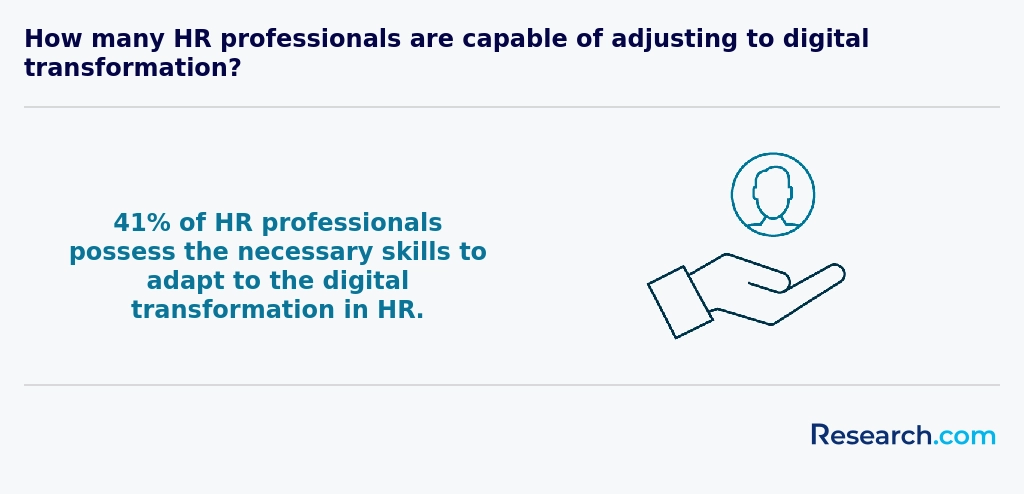
As the HR landscape evolves, Maryland’s organizations are increasingly adopting digital tools, data analytics, and artificial intelligence to streamline talent acquisition and employee engagement. Remote work policies, accelerated by the pandemic, have become a staple, prompting HR graduates to develop expertise in virtual onboarding and distributed team management. Diversity, equity, and inclusion (DEI) initiatives remain a top priority; professionals with specialized training in inclusive recruiting are in high demand. Moreover, HR analytics software is transforming decision-making by providing real-time insights into workforce performance, turnover rates, and skills gaps. Emerging trends also highlight the integration of well-being programs-such as mental health resources and flexible schedules-into company culture, positioning HR practitioners as strategic partners in organizational success. For students seeking cost-effective pathways, exploring rankings like the Low Cost Online Human Resources Degree Programs Ranking in Hays, KS can offer valuable benchmarks for affordable, technology-driven curricula. Looking ahead, HR professionals who master digital HR platforms, agile project management, and DEI analytics will shape Maryland’s workforce of tomorrow. Continuous upskilling through certifications in AI-driven HR tools and participation in state-wide HR associations will ensure graduates remain competitive and ready to lead change in a dynamic job market.
What financial aid is available to human resources degree students in Maryland?
If you're diving into a human resources degree in Maryland, there's good news-financial aid options are pretty solid here. Many students attending schools like the University of Maryland College Park or Towson University find relief through federal grants, such as the Pell Grant, which can shave off thousands from tuition bills if you qualify. It's a huge help for those balancing studies and budgets.
State programs also come through big time. For example, the Maryland Higher Education Commission offers scholarships and loan assistance that really take the pressure off, especially if you're from a low-income background. Some grads shared how programs like the Howard P. Rawlings Educational Assistance Program made visiting campus feels less like a financial headache and more like an exciting opportunity.
Don't forget the college scholarships either! Many HR students snag departmental awards at their universities by showing leadership or strong academic effort. Plus, employers sometimes chip in with tuition reimbursement, which others found super motivating while working part-time.
Emerging Trends in Human Resources and Their Impact on Education
As the workplace continues to evolve, Human Resources professionals are increasingly expected to adapt to emerging technologies and innovative practices. One key trend is the integration of artificial intelligence in recruitment and employee engagement, which is revolutionizing traditional HR processes with smarter, data-driven decision making. Another significant factor is the growth of remote and hybrid work models that demand flexible, technology-enabled HR strategies. Moreover, continuous learning and professional development are becoming essential; HR departments are now investing in upskilling through digital platforms and micro-certifications. Students and professionals alike are encouraged to take proactive measures to remain competitive by seeking programs that emphasize these future-forward skills. For those balancing quality education with affordability, reviewing the cheapest human resources programs in maryland can offer valuable insights into budget-friendly options without compromising on industry-relevant training. By staying informed about advancements such as predictive analytics, automated HR systems, and strategic workforce planning, both current students and seasoned practitioners can better prepare for a dynamic career in HR. This forward-looking approach not only enhances career prospects but also ensures that graduates are equipped to lead transformative change in their organizations.
What are the prerequisites for enrolling in human resources degree program in Maryland?
If you're thinking about diving into a human resources degree in Maryland, you'll want to know what schools expect before you apply. Most undergrad programs will ask for a high school diploma or something similar, like a GED. You'll probably need decent grades in classes like English, math, and social studies - they build a solid foundation for HR stuff. Some schools still look for SAT or ACT scores, but these days plenty have relaxed that rule, making it easier to apply.
For those chasing a master's in HR at popular Maryland colleges, expect to have finished your bachelor's degree first. It doesn't always have to be in HR or business, but having some experience or classes in areas like management or psychology can really boost your chances.
Graduates often mention how helpful their internships were, landing roles at local companies that gave them hands-on experience with hiring or employee relations. Schools like those in Baltimore or College Park often highlight this practical work - it's a game-changer for getting into competitive programs and feeling prepared.
Many students also appreciate flexible options like online or hybrid classes, especially if they're juggling jobs or family. Just make sure to check each school's specific requirements so you're set up for success!
What courses are typically in human resources degree programs in Maryland?
If you're diving into a human resources degree in Maryland, expect to tackle a mix of business basics and specialized HR topics that really get you ready for the real world. Graduates from schools like the University of Maryland or Towson University often mention how courses like Human Resource Management cover everything from recruiting to handling employee relations, which feels super practical when you picture yourself running a hiring process.
Employment Law classes focus on not just federal rules but also Maryland-specific regulations, so you're not caught off guard when working locally. Many students find Compensation and Benefits fascinating because they learn how to structure pay and incentives in ways that actually motivate people. Plus, classes on Performance Management and Training make you feel like you're really stepping into a role where you help others grow and succeed.
Thanks to Maryland's close ties to public agencies, some courses also dive into government HR practices, which graduates say gives them a leg up in the job market around Baltimore and D.C. It's all about mixing theory with hands-on stuff like internships, so by the time you graduate, that real-world experience totally boosts your confidence.
What types of specializations are available in human resources degree programs in Maryland?
If you're thinking about a human resources degree in Maryland, there are plenty of cool specialization options to choose from. Graduates from popular colleges here often mention how focusing on employee relations and labor studies really helped them handle real-world union issues, especially since Maryland has a lot of industries where unions are pretty active. They feel confident navigating labor laws and keeping workplace peace.
Another popular path is talent acquisition and recruitment. Maryland's close ties to government and big companies mean recruiters who know how to find and keep top people are in high demand. Many who studied at local universities loved learning those skills and quickly landed jobs helping organizations grow their teams.
Organizational development and training is also a favorite, especially with Maryland's booming tech and service sectors. Graduates often talk about how they connected theory to on-the-job leadership and training programs, making a big difference in their workplaces. For those curious about compensation and benefits, this focus is key to understanding pay and perks-super important in a competitive state like Maryland. If you want to explore your options without breaking the bank, check out the Low Cost Online Human Resources Degree Programs Ranking in Hays, KS to see how affordable studying can be.
Overall, Maryland's human resources degree focus areas really match up with what employers want, letting students tailor their skills for success.
How do you choose the best human resources degree in Maryland?
Picking the best human resources degree in Maryland really comes down to what fits your life and goals. Graduates from popular schools here often mention how critical accreditation was for them-programs aligned with organizations like SHRM helped them feel confident employers would take their degree seriously. Cost matters too; many find public universities more wallet-friendly, especially if you live in Maryland, but private colleges can offer perks worth considering.
Flexibility is a big deal, especially if you're juggling work or family. Some Maryland students rave about online HR degrees that don't skimp on quality but let them study at their own pace. If you want hands-on experience, programs with strong connections to local industries, internships, or career support can be total game changers. Plus, focusing on courses that cover modern HR topics and SHRM competencies often prepares you better for certifications and the job market.
For those needing quicker options, check out 6-month certificate programs for careers that pay well in Maryland, which some grads have found perfect for jumping into the field without a long wait or debt.
Looking for affordable HR degrees in Maryland? Think beyond tuition-consider total costs plus job placement support to find the best value.

What career paths are available for human resources degree students in Maryland?
If you're diving into human resources careers in Maryland, you'll find plenty of paths to explore. Graduates from popular schools like the University of Maryland College Park often start as HR assistants or coordinators, getting hands-on experience with recruiting and employee relations. It's all about learning the ropes, especially in an environment full of government agencies and tech companies that really value fresh talent.
Many grads move into specialist roles, focusing on workforce planning or compensation, which are hot spots in Maryland's competitive job market. Others jump into managing employee relations or even take on training and development, helping teams grow in real time. Plus, HR information systems (HRIS) roles are booming as digital tools change how workplaces operate-all very exciting fields to consider.
When thinking about job opportunities with HR degree Maryland, remember some grads find certification, like from SHRM, boosts career growth. And if you want to explore alternative options or want advice on the easiest ways to level up, check out easy master degrees that can complement your HR background.
What is the job market for human resources degree in Maryland?
The human resources job outlook Maryland is pretty promising, especially if you're studying at well-known schools like the University of Maryland or Towson University. Graduates often share how their coursework and internships helped them land roles in government agencies or tech companies around Baltimore and D.C. The proximity to these hubs means you're stepping into a market that actively seeks HR talent, whether for managing tech teams or supporting healthcare organizations.
Maryland HR degree employment opportunities extend across sectors like healthcare, education, and private businesses. Many grads tell stories about starting out with decent salaries around $50,000 and seeing steady growth as they gain experience and certifications. Plus, tuition costs can be more manageable if you're an in-state student, especially compared to out-of-state or private school fees. For those watching costs closely, checking out options like the cheapest associate's degree online can also provide a smart pathway into HR careers without breaking the bank.
Frequently Asked Questions About human resources
Human resources degree students in Maryland can enhance their learning by engaging in internships within the state's diverse industries. Maryland hosts a growing number of businesses that actively recruit HR interns, offering practical experience crucial for mastering workforce management and compliance.
Students should also take advantage of Maryland's professional organizations such as the Capital Area Chapter of SHRM, which provides networking events and workshops. These connections are valuable for career development and learning current HR trends.
Maryland's universities often integrate technology and analytics training into their HR programs, a key skill as the field evolves. Combining classroom learning with hands-on projects will deepen understanding.
Additionally, staying informed about Maryland labor laws via state government resources helps students apply legal knowledge effectively in real-world settings.
Emerging niches within the human resources field in Maryland reflect broader national trends emphasizing technology and strategic management. One significant area is HR analytics, where professionals use data to improve hiring processes and employee retention. According to the U.S. Bureau of Labor Statistics, HR analyst roles are growing notably in the Mid-Atlantic region.
Another developing niche is diversity, equity, and inclusion (DEI) management. Maryland companies increasingly prioritize DEI to foster inclusive workplaces, creating demand for specialists with targeted HR skills. Additionally, remote workforce management has become vital, particularly post-pandemic, focusing on virtual team engagement and compliance. These areas represent promising pathways for students pursuing human resources degrees in Maryland, aligning with evolving industry needs.
Preparing for the job market after earning a human resources degree in Maryland involves several strategic steps. First, students should seek internships or cooperative education opportunities during their studies. Maryland's proximity to major companies and government agencies offers diverse HR internship options. According to the U.S. Bureau of Labor Statistics, Maryland's HR job market is projected to grow about 6% through 2031, slightly above the national average.
Networking is crucial, so joining professional associations like the Society for Human Resource Management (SHRM) Maryland chapter can provide valuable connections and job leads. Additionally, certifications such as the SHRM-CP or PHR improve employability. Maryland employers often value candidates with practical experience combined with certification credentials.
Employers in Maryland highly value human resources graduates with strong communication and interpersonal skills. These abilities are essential for managing employee relations and facilitating effective teamwork. According to the Society for Human Resource Management (SHRM), HR professionals in Maryland must also demonstrate proficiency in labor law compliance, as this state has unique regulations that differ from federal laws.
Analytical skills are increasingly important for HR graduates, especially with the rise of data-driven decision-making in workforce management. Maryland's growing sectors such as healthcare and technology require HR specialists who can interpret complex data to improve hiring and retention strategies.
Additionally, ethical judgment and confidentiality are critical due to the sensitive nature of employee information. Maryland employers prioritize graduates who understand these responsibilities, ensuring trust within organizations and compliance with privacy standards.
Finding internships in Maryland relevant to a human resources degree involves leveraging local resources and institutions. Start by exploring career services at universities such as the University of Maryland and Towson University, which often partner with regional employers for internship placements.
The Maryland Department of Labor's website offers listings for internships and apprenticeships in HR fields, providing valuable state-specific opportunities. Networking is crucial; joining chapters of professional organizations like SHRM (Society for Human Resource Management) in Maryland can connect students with local professionals and internship openings.
Additionally, many Maryland-based companies in sectors like healthcare, government, and education seek HR interns, reflecting the state's diverse economy. According to the U.S. Bureau of Labor Statistics (2023), Maryland's HR employment is projected to grow by 7%, highlighting increasing internship potential.
A human resources degree in Maryland can significantly enhance career mobility and advancement opportunities within the state's diverse job market. Maryland's growing economy, including sectors like healthcare, government, and technology, increasingly values formal HR education for roles in talent management, employee relations, and organizational development.
According to the U.S. Bureau of Labor Statistics, Maryland offers a higher median salary for HR specialists than the national average, reflecting strong demand for qualified professionals. Employers often prefer candidates with a degree due to the complex legal and regulatory knowledge required in Maryland's workforce.
Graduates with human resources degrees also benefit from expanded networking opportunities through local professional organizations, such as the Maryland SHRM chapter. These connections can facilitate promotions and transitions into specialized HR roles, making a degree a strategic investment for long-term career growth.
Studying for a human resources degree in Maryland equips students with skills that extend beyond traditional HR tasks, preparing them for interdisciplinary roles in various organizational functions. Maryland's universities often integrate coursework in business management, labor law, psychology, and communication, which broadens a student's expertise.
The state's proximity to federal agencies and diverse industries offers practical learning opportunities, including internships and cooperative education programs, fostering real-world experience in cross-disciplinary environments. According to the Maryland Department of Labor, over 68,000 HR specialists work statewide, many collaborating with finance, legal, and operations teams.
This holistic education model helps graduates manage complex workplace challenges by combining knowledge of employee relations, compliance, and organizational development.
Choosing between a thesis and a non-thesis human resources degree program in Maryland depends largely on your career goals and learning preferences. Thesis programs typically require original research, ideal for students considering doctoral studies or research roles. These programs often take longer, demanding strong analytical and writing skills.
Non-thesis programs emphasize practical knowledge and coursework, useful for professionals aiming to enter or advance in HR roles quickly. Maryland's labor market shows steady HR job growth, with the U.S. Bureau of Labor Statistics projecting 9% growth nationally through 2032, so practical skills remain crucial.
Consider local school offerings and consult academic advisors to align your choice with Maryland's HR industry needs.
Students in Maryland seeking human resources degrees abroad have several options through study abroad programs linked to their home universities. Many Maryland institutions, such as the University of Maryland, College Park, offer partnerships with universities in countries like Ireland, the United Kingdom, and Australia. These programs often include courses in international HR management, labor relations, and organizational behavior.
According to the Maryland Higher Education Commission, about 12% of Maryland undergraduates participate in study abroad, with business-related fields being popular choices. These overseas experiences allow students to gain global perspectives on workforce diversity and employment laws.
Additionally, Maryland students can explore direct enrollment in foreign institutions with recognized human resources curricula, although careful credit transfer planning is necessary.
Part-time job opportunities in Maryland that complement a human resources degree often include roles like HR assistant, recruitment coordinator, or employee relations intern. These positions provide practical experience in key HR functions such as onboarding, interviewing, and benefits administration.
Maryland's diverse economy, with sectors like healthcare and government, offers many openings in HR-support roles. According to the Maryland Department of Labor, the employment of human resources specialists in the state is projected to grow by 8% from 2022 to 2032, signaling steady demand.
Working part-time in local government agencies or healthcare facilities can provide valuable insight into state-specific labor laws and employee management practices. These experiences align well with academic studies and enhance employability after graduation.
Human resources students in Maryland benefit from a variety of networking opportunities that enhance their educational experience and career prospects. Many universities in the state, such as the University of Maryland, offer access to chapters of the Society for Human Resource Management (SHRM). These groups provide regular meetings, workshops, and access to local HR professionals.
In addition, the Maryland Chapter of SHRM hosts annual conferences and networking events drawing hundreds of HR practitioners. Participation allows students to connect with potential employers and mentors.
Internship programs facilitated through Maryland colleges often link students with businesses in Baltimore, Annapolis, and Washington, D.C., regions. This regional exposure is valuable for building professional relationships.
According to the U.S. Bureau of Labor Statistics, Maryland's HR job market is growing steadily, making networking vital for job placement.
Alumni networks provide valuable benefits to human resources degree students in Maryland by offering connections within a competitive job market. Many Maryland universities with HR programs maintain active alumni groups that facilitate mentorship, internships, and job referrals. According to the Maryland Department of Labor, the state's HR sector is growing steadily, increasing demand for professionals with strong networks.
Alumni can share practical insights about local employers and HR trends, helping students tailor their skills effectively. Networking events and online platforms enable students to engage with experienced professionals, improving job placement rates.
This support system enhances career readiness and helps students navigate Maryland's unique employment landscape with confidence.
In Maryland, customizing your human resources degree program begins with selecting electives that align closely with your career goals. Many universities offer specialized courses in areas such as labor relations, organizational development, or employment law. These options allow you to tailor your education to interests like corporate HR, nonprofit management, or government employment sectors.
Internships and cooperative education programs are also widely available in Maryland, providing practical experience and networking opportunities within local businesses and government agencies. According to the Maryland Department of Labor, sectors like healthcare and technology are growing, increasing demand for HR professionals skilled in workforce planning and compliance.
Additionally, some institutions provide certificates or minors in areas like diversity and inclusion or human resource analytics, enhancing your degree's relevance to emerging HR fields. Consulting academic advisors can help ensure your course selections align with your intended career path.
Human resources students in Maryland often face several challenges during their studies. One common issue is balancing theoretical knowledge with practical experience, as internships and cooperative education opportunities can be competitive and limited in certain areas. According to the Maryland Department of Labor, the state's job market for HR professionals is growing but requires hands-on skills, which many students find difficult to acquire fully through coursework alone.
Additionally, staying updated with frequently changing employment laws and compliance regulations specific to Maryland can be overwhelming. Many programs emphasize national standards, but local legal nuances also demand attention.
Financial constraints pose another hurdle. While tuition rates vary, community colleges and state universities remain the more affordable options, yet some students still struggle with funding.
Time management is also a recurring challenge, especially for those juggling part-time work and family commitments alongside demanding coursework in human resources management.
Graduates with a human resources degree in Maryland have access to several widely recognized professional certifications that can enhance their career prospects. The Society for Human Resource Management (SHRM) offers two key certifications: the SHRM Certified Professional (SHRM-CP) and SHRM Senior Certified Professional (SHRM-SCP). These credentials are valued nationwide, including Maryland, where the HR field is growing steadily.
Another prominent certification is the Professional in Human Resources (PHR) from the HR Certification Institute (HRCI). It focuses on operational HR knowledge and is particularly respected by employers in Maryland's diverse industries. Earning such certifications can increase salary potential; for example, Crystal City HR professionals with certifications report up to 20% higher earnings on average, according to the Maryland Department of Labor.
Additionally, Maryland students can pursue specialized certifications like the Certified Compensation Professional (CCP) or the Talent Acquisition Specialty Credential, which focus on niche HR areas. These certifications require passing standardized exams and maintaining continuing education credits, ensuring that professionals stay current in their field.
Applying to a human resources program in Maryland requires a clear, well-organized application that highlights your relevant skills and experiences. Start with a strong personal statement explaining your interest in HR and career goals. Emphasize any experience in Maryland's growing job market, where HR professionals are in demand-projected to grow by 6% through 2031 according to the U.S. Bureau of Labor Statistics.
Include details about your educational background and any leadership or communication skills, as Maryland employers value these traits highly. Tailor your application to showcase knowledge of local labor laws and diversity initiatives prevalent in Maryland workplaces. Finally, ensure all documents are error-free and submit them before deadlines.
Human resources (HR) careers increasingly demand a global perspective due to the interconnected nature of today's workforce. Professionals trained in Maryland benefit from understanding diverse cultural norms, international labor laws, and global talent management strategies. According to the U.S. Bureau of Labor Statistics, HR specialists must navigate complexities arising from multinational organizations. In Maryland, with its diverse economy and proximity to global hubs such as Washington D.C., students gain exposure to global HR practices through internships and collaborations.
HR degrees incorporate global case studies to prepare students for challenges like cross-border compliance and international recruitment. The Society for Human Resource Management highlights that global competence enhances employability, as 59% of U.S. HR departments now manage global teams. Understanding these trends equips Maryland graduates to serve in multinational corporations, government agencies, and NGOs, where global HR policies are crucial for success.
Gaining practical experience during a human resources degree in Maryland is essential for career readiness. Students often participate in internships offered by local businesses and government agencies, which provide hands-on exposure to recruitment, employee relations, and compliance tasks. According to the Maryland Department of Labor, internships can significantly improve job prospects after graduation.
Many Maryland universities also partner with regional companies for cooperative education programs, blending coursework with real-world experience. Additionally, joining professional organizations such as the Society for Human Resource Management (SHRM) Maryland chapter can offer networking opportunities and access to local HR workshops.
Volunteering in HR roles at nonprofits is another practical avenue to develop key skills while studying. This combination of academic knowledge and applied experience helps students build a competitive edge in Maryland's HR job market.
Choosing the right concentration within a human resources degree program in Maryland depends on your career goals and interests. Popular concentrations include talent management, employee relations, and compensation and benefits. Maryland's diverse economy-from federal agencies in the Baltimore-Washington area to growing tech firms-affects the demand for certain skills, so consider industry needs.
According to the U.S. Bureau of Labor Statistics, Maryland employs about 20,000 HR specialists, with a 5% growth expected by 2031. Research local job postings to see which concentrations are most requested. Additionally, evaluate whether your chosen program offers internships or networking opportunities that align with your career path.
Related Human Resources Rankings for Nearby States
- 2027 Most Valuable Human Resources Degree Programs Ranking in Delaware
- 2027 Most Valuable Human Resources Degree Programs Ranking in Connecticut
- 2027 Most Valuable Human Resources Degree Programs Ranking in Georgia
- 2027 Most Valuable Human Resources Degree Programs Ranking in Florida
- 2027 Most Valuable Human Resources Degree Programs Ranking in Illinois
- 2027 Most Valuable Human Resources Degree Programs Ranking in Alabama
- 2027 Most Valuable Human Resources Degree Programs Ranking in Missouri
- 2027 Most Valuable Human Resources Degree Programs Ranking in Minnesota
- 2027 Most Valuable Human Resources Degree Programs Ranking in Iowa
- 2027 Most Valuable Human Resources Degree Programs Ranking in Colorado
Top Trending Human Resources Rankings
See What Experts Have To Say About Studying Human Resources
Read our interview with Human Resources experts

Rick Hackett
Human Resources Expert
Professor, Human Resources & Management
McMaster University

Chester S. Spell
Human Resources Expert
Professor of Management
Rutgers University

Thomas Kochan
Human Resources Expert
Professor of Management
Massachusetts Institute of Technology

References
- 5 Specializations in the Field of Human Resources https://www.greatvaluecolleges.net/lists/5-specializations-in-the-field-of-human-resources/
- Unlocking Career Opportunities: How a Degree in Human Resources Can Propel Your Professional Journey https://www.euroeducation.net/articles/unlocking-career-opportunities-how-a-degree-in-human-resources-can-propel-your-professional-journey.htm
- How to Maximize the Impact of Alumni Networks https://www.careeros.com/resources/how-to-maximize-the-impact-of-alumni-networks
- Human Resource Management Master's Program (without Thesis) | Eastern Mediterranean University Cyprus https://www.emu.edu.tr/en/programs/human-resource-management-masters-program-without-thesis/1544
- Bachelor of Science in Human Resource Management https://asia.umgc.edu/online-degrees/bachelors/human-resource-management
- Salary Guide for Future HR Managers https://www.allbusinessschools.com/human-resources/salary/
- Online Education Vs. Traditional Education In HR - CFR Group https://www.cfr-group.com/online-education-vs-traditional-education-in-hr/
- Human Resources - Alumni.space https://www.alumni.space/en/you-are/human-resources/
- 2025 Most Affordable Online Human Resources Degrees https://www.onlineu.com/most-affordable-colleges/human-resources-degrees
- The Future of Human Resources – A Global perspective https://anaadienterprises.com/blog/f/the-future-of-human-resources-%E2%80%93-a-global-perspective


