
2027 Most Valuable Human Resources Degree Programs Ranking in Nebraska

Co-Founder and Chief Data Scientist
Are you considering a human resources degree in Nebraska? Choosing the right program can shape your future career and open doors to exciting opportunities. This article presents the 2027 Most Valuable Human Resources Degree Programs Ranking in Nebraska, crafted by the Research.com team of data scientists.
It offers clear, data-driven insights to guide your decision, helping you find programs that truly deliver value. Exploring these options can boost your confidence about entering a rewarding field focused on people and workplaces. Discover which programs stand out and take the first step toward a fulfilling human resources career.
Key benefits of getting human resources degree in Nebraska
- Graduates with a human resources degree in Nebraska can expect solid salaries, such as Recruitment Coordinators earning a mean annual wage of $76,060 and Training and Development Coordinators earning about $71,980.
- Career paths in Nebraska are diverse, with options like Human Resources Generalist or Employee Relations Specialist, giving graduates flexibility and growth based on a degree from schools like the University of Nebraska.
- Obtaining a human resources degree online offers flexibility and convenience, allowing students from Nebraska to balance work and study while still gaining valuable skills recognized by employers.
- Key benefits of getting human resources degree in Nebraska
- What can I expect from human resources degree in Nebraska?
- Where can I work with human resources degree in Nebraska?
- How much can I make with human resources degree in Nebraska?
- 2027 Most Valuable Human Resources Degree Programs Ranking in Nebraska
- Key Findings
- How long does it take to complete human resources degree in Nebraska?
- What's the difference between online and on-campus human resources degree?
- What is the average cost of human resources degree in Nebraska?
- Certification and Continuing Education Opportunities for HR Professionals in Nebraska
- What financial aid is available to human resources degree students in Nebraska?
- What are the prerequisites for enrolling in human resources degree program in Nebraska?
- Emerging Trends and Future Outlook in Human Resources
- What courses are typically in human resources degree programs in Nebraska?
- What types of specializations are available in human resources degree programs in Nebraska?
- How do you choose the best human resources degree in Nebraska?
- What career paths are available for human resources degree students in Nebraska?
- What is the job market for human resources degree in Nebraska?
- Related Human Resources Rankings for Nearby States
- Top Trending Human Resources Rankings
- See What Experts Have To Say About Studying Human Resources
What can I expect from human resources degree in Nebraska?
The average cost of pursuing a human resources degree in Nebraska generally varies depending on the institution, but many students find the investment manageable and worthwhile given the quality of education. Graduates from universities such as the University of Nebraska often reflect on tuition rates ranging between $9,000 to $12,000 per year for in-state students, which includes access to robust HR programs focusing on real-world skills like recruitment and labor law.
Community colleges and regional universities may offer more affordable options, sometimes under $7,000 annually, while still providing strong HR foundations combined with practical internships. Many students appreciate this balance, as it allows them to gain valuable hands-on experience without excessive financial strain.
Graduates frequently speak about their rewarding experiences engaging with professors who emphasize HR technology and diversity initiatives-critical areas for Nebraska's evolving job market. This practical approach, paired with reasonable tuition costs relative to regional job salaries, helps students feel confident about the value of their education and its alignment with local industry needs.
Where can I work with human resources degree in Nebraska?
Graduates with a human resources degree in Nebraska find themselves welcomed into a variety of thriving industries, each offering distinct career paths that feel both challenging and rewarding. Many who studied at institutions like the University of Nebraska or Bellevue University have shared how their education helped open doors within Omaha's corporate headquarters or Lincoln's government agencies. These environments often bring the satisfaction of shaping employee experiences and influencing organizational culture firsthand.
Healthcare systems such as CHI Health provide graduates with the opportunity to support staff who care for communities daily, creating a meaningful connection between HR work and real-world impact. Similarly, manufacturing giants like Cargill offer a dynamic atmosphere where managing large employee teams requires both strategic thinking and relational skills learned during college.
Whether managing recruitment at a school district or developing employee training in agribusiness firms unique to Nebraska, graduates often reflect on how the diverse career options make the degree a flexible and worthwhile investment. Many describe a gratifying sense of purpose in guiding people and businesses through growth and change right here in their home state.
How much can I make with human resources degree in Nebraska?
Graduates from human resources programs at institutions like the University of Nebraska-Lincoln often find encouraging salary prospects in Nebraska's job market. Entry-level positions, such as Human Resources Assistants, typically earn about $76,000 annually according to recent data, which is notably competitive for starting roles. This aligns with what many new graduates experience as they embark on their HR careers.
Several alumni working as Recruitment Coordinators or Employee Relations Specialists report mean salaries near $76,000 as well, reflecting a healthy wage baseline across key HR functions. Those who pursue roles like Training and Development Coordinator can expect salaries around $71,980 per year. These figures demonstrate how a human resources degree in Nebraska can quickly translate into stable earnings, especially within metropolitan hubs like Omaha and Lincoln.
Graduates often find that gaining practical experience while studying at local colleges enhances their ability to step confidently into these roles. The positive atmosphere within Nebraska's HR community fosters growth, allowing individuals to feel proud and motivated as they start their professional journeys.
2027 Most Valuable Human Resources Degree Programs Ranking in Nebraska
How do we rank schools?
Investing in your education is a significant decision that can shape your future, and the Research.com team is dedicated to helping you make well-informed choices. To support prospective students interested in human resources, we have carefully developed the "2027 Most Valuable Human Resources Degree Programs Ranking in Nebraska." Our unwavering commitment to quality, credibility, and accuracy is demonstrated through thorough research and meticulous analysis.
We utilized the following reputable data sources to ensure a comprehensive evaluation of human resources degree programs:
By consulting this ranking, readers will gain valuable insights into the top human resources programs in Nebraska, empowering them to select the educational path best suited to their goals. For more information about how this ranking was created, please visit our Research.com methodology page.


# 4 position
Wayne State College
Master of Science in Human Resource Management


Key Findings
- In-state public university tuition for human resources degrees in Nebraska averages about $9,500 per year, while private colleges can charge over $25,000 annually.
- Nebraska's employment for human resources specialists is around 4,100, with a projected growth rate of 5% through 2030.
- Entry-level salaries for human resources graduates in Nebraska range from $45,000 to $50,000 annually.
- After five or more years of experience, average wages typically increase to between $65,000 and $70,000, with higher pay in larger cities like Omaha and Lincoln.
- Many programs in Nebraska include internships and cooperative education, which improve job prospects after graduation.
- Certification options, such as those from the Society for Human Resource Management (SHRM), are available and valued by employers in the state.
How long does it take to complete human resources degree in Nebraska?
Completing a human resources degree in Nebraska usually takes about four years of full-time study for a bachelor's degree, which many graduates find to be a manageable and rewarding commitment. Those attending institutions like the University of Nebraska or Bellevue University often appreciate the balance between rigorous academics and flexible pacing these schools offer. For example, some graduates who juggled work and family duties opted for the accelerated or online tracks that allowed them to finish in as little as three years, which brought a sense of accomplishment and momentum early in their careers.
Master's degree seekers typically invest around two years studying full-time; however, part-time options extend this timeline, reflecting the needs of busy professionals. Graduates often share that this flexibility helped them thrive without sacrificing job responsibilities. Choosing the right path in Nebraska means considering your lifestyle and goals since many institutions provide programs designed to support working adults, making the journey both practical and fulfilling.
What's the difference between online and on-campus human resources degree?
Choosing between online and on-campus human resources programs in Nebraska often comes down to lifestyle and learning preferences. Graduates from the University of Nebraska at Omaha frequently share how the in-person classes fostered meaningful connections through group projects and campus events, making the learning environment vibrant and engaging. This face-to-face interaction nurtures immediate feedback and easier access to career services, which many find invaluable.
Conversely, online HR students appreciate the flexibility to juggle work and family, especially when enrolled in programs offered by Nebraska's accredited institutions. One graduate reflected on how video lectures and discussion boards allowed them to study at their own pace, fitting education seamlessly into a busy schedule.
Cost differences also weigh in. On-campus students often encounter higher expenses due to commuting and campus fees, while online learners sometimes benefit from reduced tuition. Experiential learning varies too-hands-on internships are common on campus, yet virtual simulations and local externships increasingly bridge this gap for remote students.
What is the average cost of human resources degree in Nebraska?
The average cost of a human resources degree in Nebraska varies notably depending on whether you attend a public or private institution and your residency status. For in-state students, the median total cost hovers around $8,679, reflecting the advantage of paying in-state tuition at popular public universities like the University of Nebraska Omaha or the University of Nebraska at Kearney. Graduates from these schools often share how the manageable cost combined with quality education allowed them to focus on gaining practical skills without overwhelming financial pressure.
Out-of-state students, by contrast, face a median total cost closer to $23,467, which blends tuition with additional expenses such as fees and living costs. Despite this higher price, many find the investment worthwhile for the specialized opportunities and networking connections accessible through Nebraska's respected HR programs. Private colleges in Nebraska generally command even higher fees, yet graduates report that financial aid options often ease the burden significantly, making these programs accessible.
Reflecting on the average cost of human resources degree in Nebraska, prospective students should also consider the broader financial picture. Additional costs like books, supplies, and living expenses typically add thousands annually, colors the total tuition fees for HR programs Nebraska in a more comprehensive way. Many students pursuing their degrees wisely research the most affordable human resources programs in nebraska to balance quality with affordability, making informed choices that align with both their career goals and budgets.

Certification and Continuing Education Opportunities for HR Professionals in Nebraska
To remain competitive in Nebraska’s evolving HR landscape, professionals should pursue industry-recognized certifications and ongoing training. Common credentials include the SHRM-CP® and SHRM-SCP® offered by the Society for Human Resource Management, as well as the PHR® and SPHR® through the HR Certification Institute. These certifications validate expertise in areas such as talent acquisition, labor relations, and organizational development, boosting credibility with employers. Many Nebraska institutions support certification preparation through specialized workshops, boot camps, and online modules. For example, the University of Nebraska–Lincoln’s Center for Workforce Development partners with local SHRM chapters to deliver exam prep courses and networking events. Creighton University’s Continuing Education department also offers weekend workshops focusing on strategic compensation and HR analytics, helping graduates stay current with best practices. Continuing education goes beyond exams. HR professionals can deepen expertise by attending annual conferences hosted by the Nebraska State Council of SHRM, which feature sessions on compliance updates, DE&I strategies, and emerging HR technologies. Additionally, micro-credential programs in HR data analytics and digital talent management are available through community colleges across the state, allowing for targeted skill building. For those seeking cost-effective online pathways, Nebraska learners may also compare neighboring options such as the Affordable Online Human Resources Degree Programs Ranking in Alabama, which highlights budget-friendly online programs and certificate tracks. By combining formal certifications with continuous learning opportunities, Nebraska HR professionals can advance their careers, meet employer demands, and lead organizational change effectively.
What financial aid is available to human resources degree students in Nebraska?
Students pursuing human resources degrees in Nebraska often find financial aid options that feel not just helpful, but genuinely empowering. Graduates from the University of Nebraska-Lincoln frequently reflect on how the Federal Pell Grant, which can award up to $7,395 annually, made a tangible difference by easing tuition worries. By completing the FAFSA, students unlock access to this aid alongside Federal Work-Study jobs that provide both income and valuable work experience directly related to their field.
State-specific supports, like the Nebraska Opportunity Grant offering up to $2,800 per year, also play a crucial role. Many recall how this grant, combined with institutional scholarships available at popular campuses such as Metropolitan Community College, transformed their academic journey into a more affordable one.
Furthermore, professional organizations like SHRM and local business foundations often supply scholarships, rewarding dedication to HR studies and leadership potential. For working students, employer tuition reimbursement programs become a prized financial cushion, often allowing education and career growth to proceed simultaneously with less stress.
What are the prerequisites for enrolling in human resources degree program in Nebraska?
Entering a human resources degree program in Nebraska often begins with solid preparation during high school, especially in English, math, and social sciences. Graduates from universities like the University of Nebraska-Lincoln recall how their strong foundation in these subjects made adapting to college coursework more manageable and even enjoyable. Many community colleges across the state emphasize a minimum GPA of around 2.5, a benchmark that encourages consistent effort and academic discipline.
For those aiming at graduate-level studies, such as a Master's in Human Resource Management at institutions like Creighton University, the path naturally requires a bachelor's degree and usually a GPA near 3.0. Letters of recommendation and relevant work experience often play a crucial role, reflecting both academic reliability and professional readiness. These prerequisites highlight the value Nebraska places on well-rounded candidates prepared for the human side of business.
Non-native English speakers sometimes face additional steps, such as submitting TOEFL or IELTS scores, allowing them to confidently engage in class discussions or networking events. Many students appreciate how these requirements, though challenging at first, ultimately contribute to their growth and success within Nebraska's supportive educational environment.
Emerging Trends and Future Outlook in Human Resources
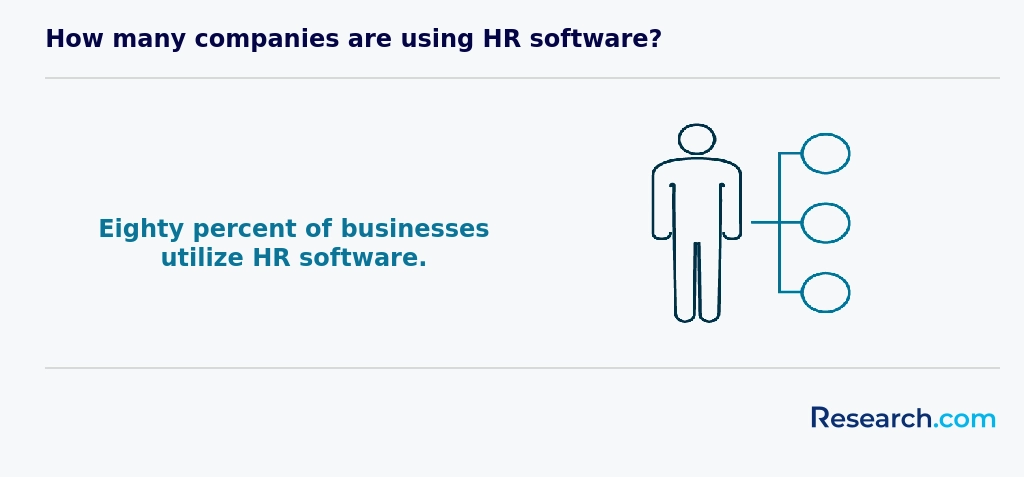
The rapidly evolving landscape of Human Resources is being reshaped by technology, data analytics, and flexible work arrangements. As organizations in Nebraska embrace innovative HR solutions, students and professionals alike must stay ahead of the curve to remain competitive. Recent developments in HR tech-such as advanced HRIS platforms, predictive analytics, and AI-driven recruitment tools-are transforming traditional processes and increasing the demand for tech-savvy HR professionals. Moreover, the focus on employee well-being and diversity, equity, and inclusion continues to steer HR strategies. Companies are now investing in initiatives that not only enhance workplace culture but also drive organizational success through improved talent management. This trend underscores the importance of pursuing a well-rounded educational experience. Prospective students should consider programs that integrate contemporary practices with theoretical foundations, ensuring that their knowledge remains relevant in today’s dynamic environment. For a comprehensive look at cost-effective pathways, you may explore the most affordable human resources programs in nebraska that offer both innovative curricula and practical learning opportunities. In addition to technology and cultural shifts, the future of HR in Nebraska is set to benefit from increased collaboration between academia and industry. Strategic partnerships are emerging to offer hands-on training through internships and co-op programs, which provide students with invaluable real-world experience and networking opportunities. As businesses strive to adapt to changing market demands, the quintessential role of HR professionals who can combine technical skills with empathetic leadership becomes ever more apparent. Staying informed about these emerging trends helps prospective students and current practitioners make strategic career decisions that position them for long-term success in Human Resources.
What courses are typically in human resources degree programs in Nebraska?
In Nebraska, pursuing a human resources degree often means engaging deeply with courses that balance theory and practical skills. Graduates from universities like the University of Nebraska-Lincoln frequently reflect on how core classes such as Human Resource Management gave them a clear grasp of recruitment and employee relations, which they later applied while working on real company projects during internships.
Organizational Behavior is another essential course where students explore team dynamics, helping them become empathetic leaders in diverse workplaces. Many recall how Employment Law classes demystified the complex regulations that shape hiring and workplace safety in Nebraska's industries, making them confident in compliance matters.
Classes on Compensation and Benefits and Training and Development also stand out, as students learn to structure competitive salary packages and design effective growth plans-skills that proved invaluable when they supported local businesses through cooperative education programs.
Finally, Labor Relations and Strategic HR Planning invite learners to think critically about negotiating with unions and aligning HR strategies with business goals, preparing them to tackle Nebraska's evolving workforce challenges with optimism and competence.
What types of specializations are available in human resources degree programs in Nebraska?
Students pursuing human resources degree specializations Nebraska find valuable pathways that reflect the unique economic and cultural landscape of the state. At renowned universities such as the University of Nebraska-Lincoln, graduates often emphasize the practicality of the Employee Relations and Labor Studies track, where learning about labor law and union dynamics directly applies to managing agricultural and manufacturing workforces prevalent in the region.
Another popular focus among HR students in Nebraska is Talent Acquisition and Recruitment. Graduates from colleges like Nebraska Wesleyan share how mastering recruitment strategies has prepared them to support the state's growing healthcare and technology sectors, making the workforce more resilient and adaptive.
For those drawn to data and technology, HR Analytics and Technology specializations are increasingly significant, mirroring the broader digital transformation impacting workplaces statewide. These students appreciate how everyday use of HR information systems creates measurable impacts on organizational success.
Cost considerations matter too; many students find Nebraska's in-state tuition appealing, especially through approximately $8,000 to $12,000 annual rates at public universities, making specialized education accessible. For further insights on affordability, consider the Affordable Online Human Resources Degree Programs Ranking in Alabama as a comparative resource.
Career-focused learners often praise specializations in Compensation and Benefits Management and Training and Development. These areas equip graduates to design effective employee programs and manage competitive benefit packages, crucial in sectors like education and business services across Nebraska's diverse economy.
How do you choose the best human resources degree in Nebraska?
Choosing the best human resources degree programs in Nebraska means weighing more than just the prestige of a school; it's about finding the right fit for your goals and lifestyle. Graduates from popular Nebraska universities often share how programs focusing on practical skills like employment law and organizational behavior prepared them to excel in real-world settings. One graduate recalled how the curriculum's balance of theory and practice gave them confidence when stepping into HR roles immediately after finishing their degree.
When considering affordable HR degrees Nebraska colleges stand out by offering quality education without overwhelming debt. Many community colleges and universities provide options that meet budget needs while maintaining accreditation from respected bodies such as SHRM. Programs with strong local business connections also prove invaluable, offering internships that bridge classroom learning with on-the-job experience.
For those balancing work or family, exploring online accelerated bachelor degree programs available in Nebraska grants flexibility without sacrificing depth of study. Reflecting on these factors ensures you choose a degree poised to open rewarding career opportunities in the evolving HR field.
What career paths are available for human resources degree students in Nebraska?
Graduates with a human resources degree in Nebraska find diverse career opportunities that match the state's dynamic industries. Popular universities in Omaha and Lincoln often highlight how alumni thrive in roles such as HR specialists handling recruitment and employee relations, or as HR managers shaping strategic policies across sectors like healthcare and agriculture. A graduate's firsthand experiences reveal the satisfaction of nurturing workplace cultures while ensuring compliance with labor laws.
Many jobs with human resources degree Nebraska holders pursue include training and development specialists who help employees grow skills amid evolving technologies. Benefits administrators are also vital, managing compensation packages that keep workers motivated and loyal in businesses statewide. These roles offer a blend of challenge and fulfillment, reflecting the positive job outlook shared across Nebraska's economic landscape.
Students exploring their options may consider the value of choosing easy associates degrees as stepping stones toward advanced HR careers, balancing educational costs with promising returns in employment.
What is the job market for human resources degree in Nebraska?
Graduates with a human resources degree in Nebraska find a job market marked by steady opportunity and diverse roles across various industries. Those from popular universities like the University of Nebraska-Lincoln often share how the demand for HR specialists, recruiters, and managers remains consistent due to Nebraska's balanced economy. This positive outlook reflects broader Nebraska human resources employment trends, where small businesses and large healthcare systems alike seek talent versed in employee relations and compliance.
Many graduates note that the relatively affordable education costs at institutions such as Bellevue University allow them to enter the workforce with less financial stress, which adds confidence to their career start. Employers value candidates who can handle multiple HR functions, especially in smaller firms common throughout Nebraska's economy.
As one moves deeper into specialization, competitive salaries and expanding responsibilities make it rewarding. Given the solid local demand, those interested in further education often consider exploring high paying master degrees that build on this foundation, matching Nebraska human resources job outlook Nebraska realities.
Frequently Asked Questions About human resources
Human resources degree students in Nebraska can maximize their learning experience by engaging in both academic and practical activities. Nebraska hosts several universities offering specialized HR programs, such as the University of Nebraska-Lincoln, which integrates internships and cooperative education to help students apply theory in real workplaces.
Participation in local HR associations, like the Nebraska Human Resources Association (NHRA), provides networking opportunities and insights into regional labor market trends. According to the U.S. Bureau of Labor Statistics, Nebraska's HR job market is expected to grow by 7% through 2030, highlighting the value of practical experience.
Students should also leverage state-specific labor laws and resources from the Nebraska Department of Labor to understand compliance requirements unique to the region. Combining coursework, internships, and professional engagement prepares Nebraska students to meet employer expectations effectively.
Emerging niches within the human resources (HR) field reflect the evolving demands of workplaces, especially in Nebraska's growing economy. One key area is HR analytics, which uses data to improve hiring and employee engagement. According to the Nebraska Department of Labor, demand for HR specialists skilled in analytics is rising by 6% annually.
Another growing niche is diversity, equity, and inclusion (DEI). Nebraska organizations increasingly focus on inclusive work environments, creating new roles dedicated to DEI strategy and implementation.
Additionally, remote workforce management has surged due to broader telecommuting trends, requiring HR professionals to master virtual team dynamics.
These areas offer specialized career paths for HR graduates pursuing degrees in Nebraska, aligning with modern workforce needs.
Graduates with a human resources degree in Nebraska can strengthen their job market readiness by gaining relevant experience through internships or cooperative education programs offered by Nebraska colleges. Practical experience is highly valued by employers such as those in Omaha and Lincoln, where HR roles are growing. According to the U.S. Bureau of Labor Statistics, Nebraska expects a 6% growth in human resources specialist jobs by 2032.
Networking is crucial; joining local chapters of professional organizations like SHRM Nebraska can provide valuable connections. Additionally, earning HR certifications such as SHRM-CP can significantly improve employment prospects. Familiarity with Nebraska-specific labor laws also enhances a candidate's appeal to regional employers.
Employers in Nebraska value human resources graduates who demonstrate strong communication skills, as clear interaction with employees and management is essential. According to the Nebraska Department of Labor, problem-solving and conflict resolution are among the top skills needed, reflecting the state's diverse industries.
Analytical abilities are also critical, enabling HR professionals to interpret workforce data and help guide strategic decisions. Understanding employment law and compliance remains a priority, given Nebraska's dynamic labor regulations.
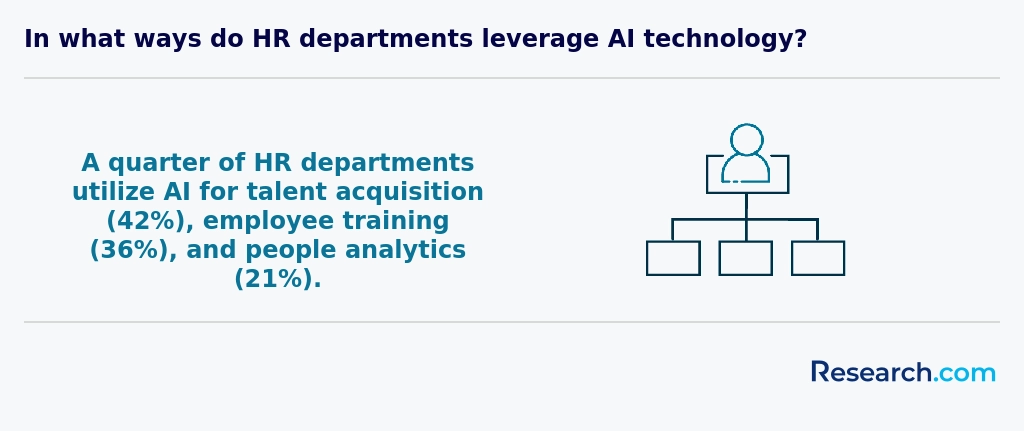
Technical proficiency with HR software and information systems is increasingly sought after. Additionally, adaptability and cultural competence are important due to Nebraska's growing workforce diversity and evolving workplace trends.
Finding internships in Nebraska relevant to a human resources degree starts with exploring local opportunities through universities and job platforms. Many Nebraska colleges, like the University of Nebraska at Omaha, offer dedicated career services that connect students with internships in HR fields.
Additionally, websites such as Nebraska's Department of Labor or local job boards list internships specifically in human resources. According to the Nebraska Department of Labor, industries like healthcare, manufacturing, and finance present strong internship opportunities in HR roles due to workforce growth.
Networking at industry events and joining professional groups like the Nebraska HR Association can also increase internship prospects.
Earning a human resources degree in Nebraska significantly enhances career mobility and advancement opportunities. According to the U.S. Bureau of Labor Statistics, Nebraska saw a 7% growth in HR specialist jobs between 2020 and 2030, indicating growing demand.
A degree provides foundational knowledge in labor law, employee relations, and talent management, which employers in Nebraska highly value. Local companies and government agencies often prefer candidates with formal HR education when considering promotions or leadership roles.
Additionally, Nebraska's HR professionals earn a median annual wage of about $65,000 (BLS, 2023), with those holding degrees typically advancing faster into mid- and upper-level management.
Studying for a human resources degree in Nebraska equips students with skills applicable across various disciplines, including business management, organizational psychology, and labor law. Nebraska universities often integrate courses on employment law, communication, and strategic planning, fostering a holistic understanding of workplace dynamics.
According to the Nebraska Department of Labor, HR professionals in the state interact closely with sectors like agriculture, manufacturing, and healthcare, making interdisciplinary knowledge vital. Programs emphasize practical skills such as conflict resolution and data analysis, enabling graduates to adapt to multiple roles within organizations.
Additionally, collaboration with local industries through internships provides firsthand experience in diverse business environments.
When choosing between a thesis and a non-thesis human resources degree in Nebraska, students should consider their career goals. A thesis option often suits individuals interested in research or pursuing a PhD. It involves writing a substantial research paper, which develops strong analytical skills.
The non-thesis option typically appeals to those aiming for practical roles in HR management or business. It focuses more on coursework and may include internships, providing hands-on experience.
According to the Nebraska Department of Labor, HR jobs in the state grew by 7% from 2019 to 2023, emphasizing applied skills. Understanding this trend helps students decide which program aligns best with Nebraska's job market.
Students based in Nebraska who want to study human resources abroad have various options through U.S. university partnerships and exchange programs. Many Nebraska institutions, such as the University of Nebraska system, offer study abroad programs in countries like the United Kingdom, Australia, and Canada, where students can take specialized human resources courses. These programs provide international exposure and practical insights into global HR practices.
Additionally, some Nebraska students opt for accredited online degrees from foreign universities recognized by U.S. education authorities to combine global curriculum with local flexibility.
According to NACE's 2024 report, Nebraska's HR job market is expected to grow by 8% over the next decade, emphasizing the value of global experience for competitive careers.
Part-time job opportunities in Nebraska that complement a human resources degree often involve roles in administration, recruitment, and employee services. Positions such as HR assistant, recruitment coordinator, or payroll clerk provide practical experience relevant to HR studies. These roles help students develop skills in communication, organization, and compliance with employment laws.
The Nebraska Department of Labor reports steady growth in HR-related occupations, with an expected 7% increase in HR specialist jobs by 2028. Local businesses, especially in Omaha and Lincoln, frequently seek part-time HR support due to expanding industries like healthcare and finance.
Working part-time in these capacities enhances resumes and offers networking opportunities crucial for a future HR career.
Human resources students in Nebraska have access to various valuable networking opportunities that support their career growth. Organizations like the Nebraska Human Resources Association (NHRA) host regular events, workshops, and conferences designed to connect students with experienced professionals in the field. According to NHRA, these gatherings often attract over 300 participants, fostering strong local industry connections.
Many universities in Nebraska also partner with local HR chapters, providing students chances to attend meetups and career fairs. Additionally, students benefit from internships in Nebraska's diverse economy, which includes major employers in agriculture, manufacturing, and healthcare sectors. These experiences enhance professional networks and job prospects post-graduation.
Alumni networks play a significant role in supporting human resources degree students in Nebraska. Graduates from Nebraska institutions like the University of Nebraska and Creighton University often remain active within these networks, providing valuable mentorship and career guidance.
Connections through alumni groups help students access job openings in Nebraska's strong HR market, which includes key sectors such as healthcare and manufacturing. According to the Nebraska Department of Labor, HR professionals in the state see steady demand growth, making networking essential for job placement.
Alumni also organize events, webinars, and workshops, allowing students to develop professional skills and industry knowledge. These opportunities enhance employability and often lead to internships or entry-level positions.
In summary, alumni networks offer vital support, industry insights, and career opportunities tailored to human resources students in Nebraska.
Customizing a human resources degree program in Nebraska allows students to align their education with specific career goals. Many Nebraska universities offer customizable electives, such as labor relations, compensation management, or diversity and inclusion. Choosing courses related to Nebraska's growing industries-like agriculture, manufacturing, and healthcare-can enhance job opportunities locally.
Internships and cooperative education programs at Nebraska-based companies provide practical experience, which employers highly value. Additionally, professional certifications, like SHRM-CP, can be integrated into degree plans to boost credentials.
According to the Nebraska Department of Labor, HR roles in Nebraska pay an average annual wage of about $68,000, reflecting solid return on tailored education.
Human resources students in Nebraska often face challenges related to balancing practical experience with academic coursework. Nebraska's business environment emphasizes local industry knowledge, which means students must seek internships or cooperative education opportunities to gain relevant hands-on skills. According to data from the Nebraska Department of Labor, the demand for skilled HR professionals in the state is growing by approximately 7% annually, intensifying competition for these positions.
Another common challenge is understanding complex employment laws that vary at state and federal levels. Nebraska-specific labor regulations, such as those regarding workforce diversity and agricultural labor, require focused study. Additionally, students must navigate the evolving role of technology in HR, including adapting to new human capital management software widely used across Nebraska employers.
Financial strain is also notable, as average tuition for public universities in Nebraska reached around $9,600 per year in 2023, which can be burdensome for students managing living costs and education expenses simultaneously. Access to scholarships and assistantship opportunities remains a critical resource for many human resources students in the state.
Graduates with a human resources degree in Nebraska can pursue several respected professional certifications to enhance their career prospects. The most recognized certification is the Professional in Human Resources (PHR), offered by the HR Certification Institute (HRCI). This credential demonstrates a solid understanding of HR operations and labor laws, valuable in Nebraska's growing job market.
The Society for Human Resource Management (SHRM) offers two key certifications: SHRM-CP and SHRM-SCP, focusing on HR competencies and strategic leadership. Nebraska employers often prefer candidates with these certifications for advanced HR roles.
According to Nebraska Department of Labor data, certified HR professionals typically earn higher salaries, with a 10-15% increase compared to non-certified peers.
To write a winning application for a human resources program in Nebraska, start by clearly demonstrating your understanding of the HR field and its local relevance. Nebraska's economy includes strong agricultural, manufacturing, and healthcare sectors, which shape HR needs, so tailoring your application to address skills valuable to these industries is beneficial.
Highlight any relevant experience, such as internships, volunteer work, or jobs involving team management or recruitment. According to the U.S. Bureau of Labor Statistics, Nebraska's HR specialist employment is projected to grow modestly through 2030, reflecting steady demand.
Be sure to write a compelling personal statement explaining why Nebraska is your choice and how the program aligns with your career goals. Also, emphasize soft skills like communication and conflict resolution, which are critical in HR roles.
Human resources (HR) careers in Nebraska benefit from a growing emphasis on global business practices. As companies expand internationally, HR professionals must understand diverse cultures, labor laws, and global workforce trends. This broad perspective enhances their ability to manage talent effectively across borders.
According to the U.S. Bureau of Labor Statistics, employment of HR specialists is projected to grow nationwide by 9% from 2022 to 2032. Nebraska's increasing role in global agribusiness and manufacturing sectors means local HR experts often navigate international partnerships.
Many Nebraska programs integrate global HR management concepts, preparing students for roles in multinational corporations or organizations with overseas operations. This global viewpoint is essential for career advancement and adaptability in today's interconnected economy.
Gaining practical experience while studying for a human resources degree in Nebraska is essential for career readiness. Many Nebraska universities and colleges offer internship opportunities with local businesses, nonprofits, and government agencies. For example, the University of Nebraska system encourages students to complete internships, often integrating them into the curriculum. These internships provide hands-on experience in recruitment, employee relations, and benefits administration.
Additionally, students can join campus HR clubs or organizations to network and participate in case studies and role-playing exercises. Nebraska's Department of Labor reports steady growth in HR roles, making internships valuable for entering this expanding market. Volunteering in HR functions or shadowing HR professionals locally also enhances practical skills.
Choosing the right concentration within a human resources degree program in Nebraska requires understanding your career goals and the local job market. Nebraska's economy features strong healthcare, manufacturing, and agriculture sectors, each with unique HR needs. For example, specializing in employee relations or talent acquisition can be valuable given the state's growing industries.
Review program options at institutions like the University of Nebraska, which offer concentrations in areas such as organizational development or labor relations. According to the Nebraska Department of Labor, jobs in human resources are expected to grow by 7% through 2030, highlighting demand for skilled professionals. Aligning your concentration with in-demand skills can improve job prospects.
Consider internships or networking opportunities in Nebraska to gain practical experience in your chosen concentration. Also, look for programs accredited by the Society for Human Resource Management (SHRM), which can enhance credibility in the workforce.
Related Human Resources Rankings for Nearby States
- 2027 Most Valuable Human Resources Degree Programs Ranking in Iowa
- 2027 Most Valuable Human Resources Degree Programs Ranking in Colorado
- 2027 Most Valuable Human Resources Degree Programs Ranking in Missouri
- 2027 Most Valuable Human Resources Degree Programs Ranking in Minnesota
- 2027 Most Valuable Human Resources Degree Programs Ranking in Illinois
- 2027 Most Valuable Human Resources Degree Programs Ranking in Alabama
- 2027 Most Valuable Human Resources Degree Programs Ranking in Georgia
- 2027 Most Valuable Human Resources Degree Programs Ranking in Florida
- 2027 Most Valuable Human Resources Degree Programs Ranking in Arizona
- 2027 Most Valuable Human Resources Degree Programs Ranking in Delaware
Top Trending Human Resources Rankings
See What Experts Have To Say About Studying Human Resources
Read our interview with Human Resources experts


Rick Hackett
Human Resources Expert
Professor, Human Resources & Management
McMaster University

Chester S. Spell
Human Resources Expert
Professor of Management
Rutgers University

References
- Unlocking Career Opportunities: How a Degree in Human Resources Can Propel Your Professional Journey https://www.euroeducation.net/articles/unlocking-career-opportunities-how-a-degree-in-human-resources-can-propel-your-professional-journey.htm
- The Top 5 HR Challenges Today https://www.apqc.org/blog/top-5-hr-challenges-today
- Top 10 HR Challenges and Their Solutions | HR Courses https://zoetalentsolutions.com/top-10-hr-challenges-and-their-solutions/
- 18 HR Skills Every HR Professional Needs [2025 Guide] - AIHR https://www.aihr.com/blog/hr-skills/
- What’s it like to study human resources management? https://www.murdoch.edu.au/news/articles/what-s-it-like-to-study-human-resources-management
- A Guide to the Human Resources Career Path https://www.galwaybusinessschool.ie/blog/a-guide-to-the-human-resources-career-path/
- How to Become an HR Intern Without Experience - HR University https://hr.university/career/hr-intern/how-to-become-an-hr-intern/
- Top 10 HR Networking Groups for Professionals https://www.myhubintranet.com/hr-networking-groups/
- How a Human Resources Management Degree Can Boost Your Career | BSBI https://www.berlinsbi.com/blog/how-a-degree-in-human-resources-can-boost-your-career-a-guide-for-aspiring-professionals
- What Degree Might You Need to Pursue an HR Career Path? The Requirements to Know https://www.trident.edu/what-degree-do-you-need-for-hr-requirements-to-know/


