
2027 Best Online Bachelor's in Logistics Degree Programs Ranking in the South

Co-Founder and Chief Data Scientist
Choosing the right logistics degree can shape your future career and open doors in the growing Southern job market. This article features the 2027 Best Online Bachelor's in Logistics Degree Programs Ranking in the South, created by the Research.com team of data scientists. It's designed to help you make an informed decision by highlighting quality programs worth considering.
Whether you want flexibility or a strong foundation in logistics, this ranking offers valuable insights. Exploring these top programs can bring you one step closer to achieving your goals and succeeding in a rewarding field.
Key benefits of getting online logistics degree in the South
- Graduates with a logistics degree in the South can expect strong earning potential, with roles like Logistics Coordinator and Logistics Specialist earning a mean annual wage of $84,640 and a mean hourly wage of $40.69.
- Career paths are diverse, including roles such as Transportation Planner or Customs Broker, offering graduates from universities like the University of Georgia multiple opportunities to grow in supply chain and transportation industries.
- Online logistics degrees from schools like Florida State University provide flexible learning, allowing students to balance work and life while gaining the same valuable skills and credentials as traditional programs.
- Key benefits of getting online logistics degree in the South
- What can I expect from online logistics degree in the South?
- Where can I work with online logistics degree in the South?
- How much can I make with online logistics degree in the South?
- 2027 Best Online Bachelor's in Logistics Degree Programs Ranking in the South
- Key Findings
- How long does it take to complete online logistics degree in the South?
- Navigating the Application Process and Next Steps
- What's the difference between online and on-campus logistics degree?
- Student Support and Resources
- What is the average cost of online logistics degree in the South?
- What financial aid is available to online logistics degree students in the South?
- What are the prerequisites for enrolling in online logistics degree program in the South?
- What courses are typically in online logistics degree programs in the South?
- What types of specializations are available in online logistics degree programs in the South?
- How do you choose the best online logistics degree in the South?
- What career paths are available for online logistics degree students in the South?
- What is the job market for online logistics degree in the South?
- Top Trending Logistics Rankings
What can I expect from online logistics degree in the South?
The average cost of an online logistics degree in the South typically ranges from $15,000 to $35,000, depending on the university and program length. Many students from Southern public universities find that these programs deliver excellent value, especially with flexible payment plans and financial aid options. Graduates often share how affordable tuition combined with quality instruction enabled them to pursue their goals without overwhelming debt.
Studying logistics online through institutions in Texas, Georgia, or Florida allows students to balance work and life while gaining skills rooted in real-world Southern industries. For example, learners discover how supply chains operate around the bustling Port of Savannah or the vast transportation networks in Houston, making lessons feel immediate and relevant.
Many graduates describe a sense of accomplishment as they master both theory and applied logistics techniques-like using data analytics to optimize distribution routes-and feel ready to contribute to their communities' growing logistics sectors. The investment in their online degree became a turning point toward career advancement and financial stability.
Where can I work with online logistics degree in the South?
Graduates from online logistics programs at renowned Southern universities find themselves stepping confidently into dynamic careers across the region's thriving transportation and supply chain sectors. Whether working for bustling freight companies in Atlanta or managing inventory at major retail distribution centers in Florida, these professionals bring vital skills to maximize efficiency and innovation.
Many alumni share how their education empowered them to secure roles in top logistics hubs like Houston's busy ports, where coordinating shipments demands sharp problem-solving abilities. Others thrive in supply chain analysis and transportation coordination, thanks to hands-on curriculum that mirrors real-world challenges faced by Southern businesses.
Working for established retailers such as Walmart or Amazon, graduates enjoy daily satisfaction from optimizing product flows that reach millions of consumers. Some even embrace opportunities within government transportation agencies, where their expertise supports critical infrastructure and public safety.
With this foundation, Southern logistics graduates experience rewarding careers filled with growth, impact, and the excitement of supporting a region at the forefront of commerce and innovation.
How much can I make with online logistics degree in the South?
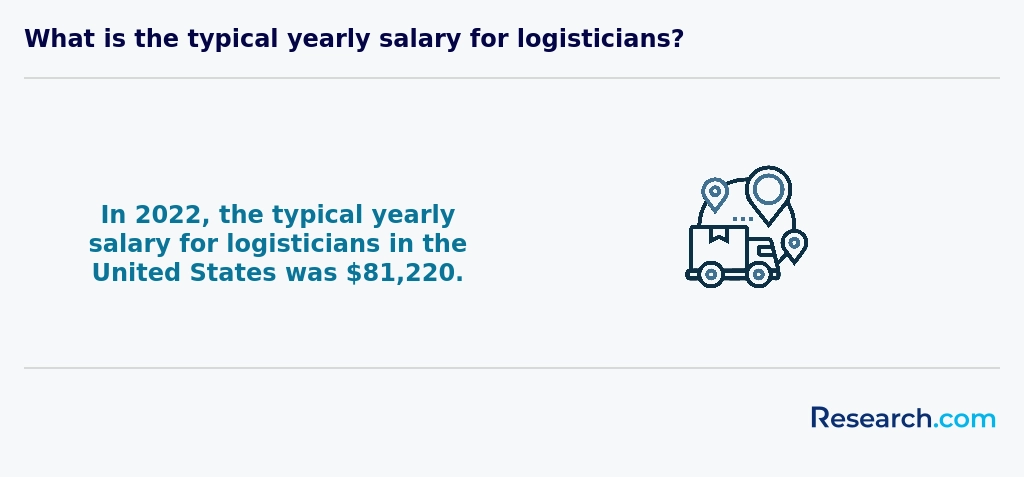
Graduates from popular Southern universities with online logistics degrees often start their careers with promising salaries reflecting strong regional demand. For example, many logistics coordinators and logistics specialists earn a mean annual wage of around $84,640, offering a solid financial foundation early on. Entry-level positions such as transportation planners and supply chain coordinators typically begin near $46,690, which grows quickly with experience and added certifications.
Imagine a recent graduate from a well-regarded Southern college landing a role as a logistics coordinator, enjoying a steady income while working in vibrant logistics hubs like Houston or Atlanta. These cities combine lower living costs with robust job markets, making salary figures particularly attractive compared to other regions. Customs brokers, another common role for logistics graduates, earn about $63,130 annually, highlighting the diversity of rewarding paths within the field.
The growth of e-commerce and manufacturing in the South further lifts these prospects, inspiring graduates to envision dynamic careers with increasing earning potential at every stage.
2027 Best Online Bachelor's in Logistics Degree Programs Ranking in the South
How do we rank schools?
Investing in your education is a significant decision that can shape your career, and the Research.com team understands the importance of making informed choices. To guide prospective students in the South, we have carefully developed the "2027 Best Online Bachelor's in Logistics Degree Programs Ranking in the South." Our dedication to quality, credibility, and accuracy is demonstrated through thorough research and analysis.
We utilized the following reputable data sources to ensure a comprehensive evaluation of logistics programs:
By exploring this ranking, readers will gain valuable insights into the top online logistics degree programs in the South, helping them make well-informed decisions about their educational journeys. For more details on our methodology, please visit our Research.com methodology page.


# 3 position
Florida State College at Jacksonville
Bachelor of Logistics


# 5 position
Embry-Riddle Aeronautical University-Worldwide
Bachelor of Logistics and Supply Chain Management

Key Findings
- Average total tuition cost for an online bachelor's degree in logistics or supply chain management in Southern states ranges between $20,000 and $35,000.
- Logistics jobs in the South are projected to grow by about 7-10% over the next decade, faster than the national average.
- Starting salaries for graduates typically range from $50,000 to $60,000 annually, increasing to $75,000-$90,000 within five to ten years.
- Many Southern online logistics programs are regionally accredited and include coursework aligned with industry standards from organizations like the Council of Supply Chain Management Professionals.
- Programs often offer flexible schedules and asynchronous learning to accommodate working students and may provide professional certificate options alongside the degree.
How long does it take to complete online logistics degree in the South?
Completing an online logistics degree in the South typically takes about four years for full-time students, matching the usual undergraduate timeline. Many graduates from universities in Texas, Georgia, and North Carolina cheer the flexibility these programs offer, allowing them to balance work, family, and studies. Some found themselves finishing even faster by transferring previous credits or taking advantage of year-round accelerated courses.
For example, graduates who began with an Associate Degree in a related field were often able to complete their bachelor's in just 2 to 3 years, inspiring others to take charge of their educational journey. These programs understand the demands Southern logistics professionals face, so students appreciate the option to study part-time without sacrificing progress.
With practical internships and capstone projects woven into many curricula, students gain hands-on experience that makes every extra semester worthwhile. The vibrant logistics industry in the South fuels students' excitement, knowing their education directly opens doors to dynamic career opportunities nearby.
Navigating the Application Process and Next Steps
Embarking on an online logistics degree journey requires a well-structured application process and a clear strategy for success. It’s essential to start by researching each program’s admission requirements, from prerequisite coursework to standardized test scores, and to prepare a compelling application that highlights both your academic background and any relevant work or internship experience. As you narrow your choices, consider reaching out to admissions advisors or attending virtual information sessions to gain personalized insights into each program’s culture and support services. Additionally, reviewing rankings and testimonials can offer further clarity on program quality-often, prospective students find it beneficial to explore resources like the most popular logistics colleges to understand industry preferences and graduate outcomes. Once accepted, familiarize yourself with available career services and alumni networks that can smooth the transition from education to the professional world by connecting you with mentoring opportunities, internship programs, and job placement assistance. Adopting a proactive mindset from the application stage not only boosts your chances for admission but also sets the foundation for a successful and rewarding career in logistics.
What's the difference between online and on-campus logistics degree?
Choosing between an online and on-campus logistics degree in the South means embracing two rewarding paths tailored to different lifestyles. Online programs, like the University of Tennessee's supply chain management bachelor's, offer incredible flexibility for busy professionals or those living in rural areas. Graduates often describe the freedom to study anytime as a game-changer, balancing classes with work and family effortlessly.
On the other hand, on-campus experiences bring vibrant face-to-face interactions and hands-on learning that many students cherish. Imagine walking through warehouse tours or engaging in internships right on campus, connecting with professors and peers in real time-a valuable network for launching your logistics career.
Both options share strong academic programs recognized throughout the South, ensuring you receive respected credentials that open doors. Whether it's the cost savings and convenience of online study or the immersive environment of campus life, logistics students across Georgia, North Carolina, and beyond find fulfilling, tailored journeys toward their goals.
Student Support and Resources
Choosing an online logistics degree program in the South goes beyond curriculum and cost-it’s essential to understand the support infrastructure that will guide your academic journey. Robust student services can significantly impact your success, from the moment you enroll until graduation and beyond. Academic Advising and Mentorship: Dedicated advisors help you map out course schedules, set milestones, and navigate any academic challenges. Many Southern institutions assign a faculty mentor to each online student, ensuring personalized guidance and regular check-ins. Technical Support and Learning Platforms: Reliable 24/7 tech support ensures smooth access to your learning management system (LMS). Institutions often provide video tutorials, live chat assistance, and troubleshooting FAQs to help you master online tools and platforms. Library Access and Research Services: Online logistics students benefit from digital libraries that include industry journals, e-books, and databases like JSTOR or ProQuest. Virtual research consultations with librarians help you develop strong literature reviews and source data for projects. Career Services and Networking: Comprehensive career support includes resume reviews, mock interviews, and job placement assistance. Virtual career fairs and exclusive alumni networks connect you with logistics professionals across sectors. Don’t miss our guide to affordable options in other regions, such as the Inexpensive Online Bachelor’s in Logistics Degree Programs Ranking in the Midwest. Peer Collaboration and Student Organizations: Online discussion boards, group projects, and student-led clubs foster community and collaboration. These virtual environments simulate real-world logistics team dynamics, building the communication and teamwork skills employers value. By evaluating the depth and quality of student support services, you’ll ensure your online logistics program equips you with both knowledge and the resources needed to thrive in this competitive field.
What is the average cost of online logistics degree in the South?
When exploring the average cost of online logistics degree in the South, students can feel encouraged knowing that many have successfully managed expenses while earning valuable credentials. Graduates from well-known Southern institutions often note that paying around $12,500 for in-state tuition brings a rewarding, high-quality education within reach. This affordability allows students to focus on mastering supply chain skills without overwhelming financial stress.
Many Southern universities, recognized for their strong logistics programs, offer competitive online tuition rates and flexible payment options. These practical choices allow learners to tailor their studies around work or family commitments. One popular strategy among students is choosing schools with flat online tuition fees, regardless of residency, which can be a big advantage. Since typical degrees require about 120 credit hours, the total investment often centers near $48,000, balancing quality and value effectively.
Students looking for the best fit can also explore scholarships and financial aid specifically designed for logistics majors, as these opportunities ease the journey toward their career goals. For those curious about options and expenses, the most popular logistics colleges in the South present clear examples of accessible and practical pricing. Hearing stories from graduates who felt confident and prepared after completing their Southern online bachelor's degree tuition logistics journey offers motivation to keep pushing forward.
- Median total cost: $48,120
- Median out-of-state total cost: $48,152
- Median in-state total cost: $12,585

What financial aid is available to online logistics degree students in the South?
Students pursuing online logistics degrees in the South often find financial aid that lights the path to success. Graduates from top schools like the University of Alabama or Texas A&M share how federal aid, such as Pell Grants and loans accessed via FAFSA, made their education affordable and stress-free. With tuition averaging between $8,000 and $12,000 annually at Southern public universities, these grants offer a real boost to ease the journey.
Southern institutions proudly offer scholarships tailored for logistics and supply chain students, opening doors to support beyond federal aid. Imagine a business-minded student at Georgia Southern University receiving an institutional scholarship that fuels both ambition and relief. State-specific funds like Tennessee's TSAA or Florida's Bright Futures Scholarship provide yet more encouragement for residents to advance their careers without the weight of overwhelming costs.
Many graduates also highlight employer tuition reimbursement and military benefits as game-changers. Veterans and active-duty members tapped into GI Bill benefits, making their online logistics degree attainable while balancing life's demands. The Council of Supply Chain Management Professionals champions private scholarships that personalize support, inviting every aspiring logistics professional to thrive.
What are the prerequisites for enrolling in online logistics degree program in the South?
To embark on an online logistics degree journey in the South, the first step is having a high school diploma or equivalent like a GED-foundations that unlock countless opportunities at respected Southern institutions. Graduates from universities in Georgia and North Carolina share how submitting official transcripts and, when needed, test scores like the SAT, set their path in motion smoothly. Thankfully, many schools in the region have embraced test-optional policies, easing barriers and encouraging more aspiring logisticians to take that leap.
Students often find that showing strength in math, especially algebra, boosts their confidence as they tackle supply chain challenges. Placement tests in math and English ensure everyone starts prepared, creating a supportive learning environment. Some programs warmly welcome prior experience or classes in business or industrial technology, so whether you've worked in warehousing or managed inventory, your real-world know-how shines brightly.
Successful Southern logistics graduates highlight the importance of dedication to financial planning, reminding peers to explore scholarships and aid to grow without worry. With reliable technology and internet, students embrace the convenience of fully online courses, engaging actively in vibrant virtual communities. This support and readiness empower every step toward a rewarding career in logistics.
What courses are typically in online logistics degree programs in the South?
Online logistics degree programs in the South empower students with a dynamic mix of courses tailored to real-world challenges. Graduates from popular Southern universities often recall how core classes like Introduction to Logistics and Supply Chain Management shaped their understanding of industry essentials, preparing them to confidently navigate complex supply chains.
Courses such as Transportation and Distribution Management and Inventory Control and Warehousing bring logistics to life by teaching students how to optimize shipping routes and manage stock efficiently-skills directly applicable to the bustling ports of Georgia or Louisiana.
Many students appreciate the emphasis on Logistics Information Systems, where hands-on experience with ERP and TMS software prepares them to lead modern logistics operations.
Electives inspired by regional strengths, like port logistics, add unique value by connecting theory with the South's crucial maritime economy.
Graduates often find that the blend of technical courses and professional development boosts their confidence and readiness to thrive in logistics careers deeply rooted in the Southern economy.
What types of specializations are available in online logistics degree programs in the South?
Warehouse and Inventory Management is a popular choice reflecting the growth of e-commerce, with graduates thriving as leaders in distribution centers in states like North Carolina and Tennessee. Others pursue Global Logistics to navigate complex international trade, leveraging opportunities tied to the busy Port of Savannah, enhancing their marketability on a global scale. For those passionate about innovation, Logistics Analytics and Technology offers exciting roles optimizing supply networks with cutting-edge software.
Many students at well-regarded Southern colleges appreciate how these tailored options align with their goals, empowering them to become influential professionals. For a closer look at affordable paths, explore the Inexpensive Online Bachelor's in Logistics Degree Programs Ranking in the Midwest, which highlights accessible opportunities for motivated learners eager to excel in the logistics field.
How do you choose the best online logistics degree in the South?
Choosing the right online logistics degree in the South means focusing on what truly drives success in this vibrant field. Graduates from popular Southern universities often emphasize how regionally accredited programs boosted their confidence and opened doors to exciting career paths. Look for degrees that connect you with local industries-Texas, Georgia, and Florida schools stand out with their strong ties to transportation hubs and distribution centers, providing real-world internship opportunities that make learning come alive.
Affordability is key for many Southern students, and exploring options for affordable logistics bachelor's degrees southern US can relieve financial worries while maintaining high-quality education. Many find flexible online programs offering hands-on experience with supply chain technology, suited perfectly for busy working professionals. As you compare schools, also consider programs connected with professional organizations to spark lasting networks.
To get started quickly or complement your degree, explore 3-month certificate programs that pay well available online-these can open doors and build confidence early on, accelerating your journey into the thriving world of logistics.
What career paths are available for online logistics degree students in the South?
Graduates with an online logistics degree in the South find themselves stepping into a vibrant job market filled with diverse opportunities. Whether managing shipments daily as logistics coordinators or shaping entire supply chain strategies as managers, these roles offer a rewarding career path. Many graduates from popular Southern colleges have embraced positions such as Warehouse Operations Manager or Transportation Manager, thriving in cities like Atlanta and Dallas that are logistics hubs.
Success stories from Southern universities show graduates confidently leading efforts that optimize efficiency and drive growth for major distribution centers and ports such as Savannah and Houston. The logistics career opportunities in Southern states continue to expand, motivated by booming transportation sectors and increased demand for skilled professionals. Students inspired by this momentum often choose programs known for their practical approach and strong industry ties.
For those seeking a straightforward path to rewarding work, exploring the easiest degrees to get in logistics can be a smart start. This field offers an uplifting journey, blending impactful work with steady growth and meaningful contributions to the economy.
What is the job market for online logistics degree in the South?
The job outlook for logistics degrees in the South is exceptionally bright, driven by vibrant industries and strong regional demand. Graduates from popular universities in Georgia and Texas often find themselves quickly stepping into roles like supply chain coordinators or transportation managers, thanks to the South's bustling ports and extensive transportation networks. Many share stories of how their online programs prepared them to excel in fast-paced logistics environments tied to major hubs such as Savannah and Houston.
Southern regional demand for online logistics graduates continues to grow, especially as manufacturing and e-commerce sectors expand. For example, graduates report working closely with freight forwarding companies and warehouse operations that benefit from the region's strategic assets. The competitive salaries-averaging around $85,000 in Texas-reflect this upward trajectory, offering both financial reward and career advancement.
Students at Southern schools appreciate the affordable online degree programs paired with targeted financial aid that make pursuing logistics degrees accessible. Aspiring professionals interested in furthering their studies can explore options like a phd online cheap, enhancing their expertise without leaving the region's rich logistics ecosystem.
Frequently Asked Questions About logistics
Online logistics degree students in the South can maximize their learning by actively engaging with course materials and instructors through regular communication. Southern universities often provide access to virtual labs and simulation tools, which help students develop practical skills essential for supply chain management.
Networking with regional industry professionals is valuable, as the South hosts major logistics hubs like the Port of Savannah, the fourth busiest container port in the US, creating unique internship and job opportunities. Students should leverage these connections to gain real-world experience alongside their studies.
Additionally, staying updated on industry trends in Southern logistics, supported by organizations such as the Council of Supply Chain Management Professionals (CSCMP) Southeast Roundtable, enriches understanding of local market demands.
The logistics field is rapidly evolving, creating new opportunities for specialists with online degrees, especially in the South. Emerging niches include supply chain sustainability, where companies focus on reducing environmental impact through greener practices. Another growing area is e-commerce logistics, driven by a 15% annual increase in online retail sales in Southern states, according to the U.S. Census Bureau.
Technology integration, such as automation and artificial intelligence, is transforming warehousing and transportation. Professionals skilled in these tools are in high demand. Additionally, cold chain logistics is expanding due to the South's strong agricultural and pharmaceutical sectors, which require precise temperature-controlled transport.
Graduates with an online logistics degree in the South should start preparing for the job market by building relevant skills and gaining practical experience. Employers increasingly seek proficiency in supply chain software like SAP and Oracle, along with strong analytical and communication skills. Internships and cooperative education programs offered by Southern universities provide valuable hands-on experience.
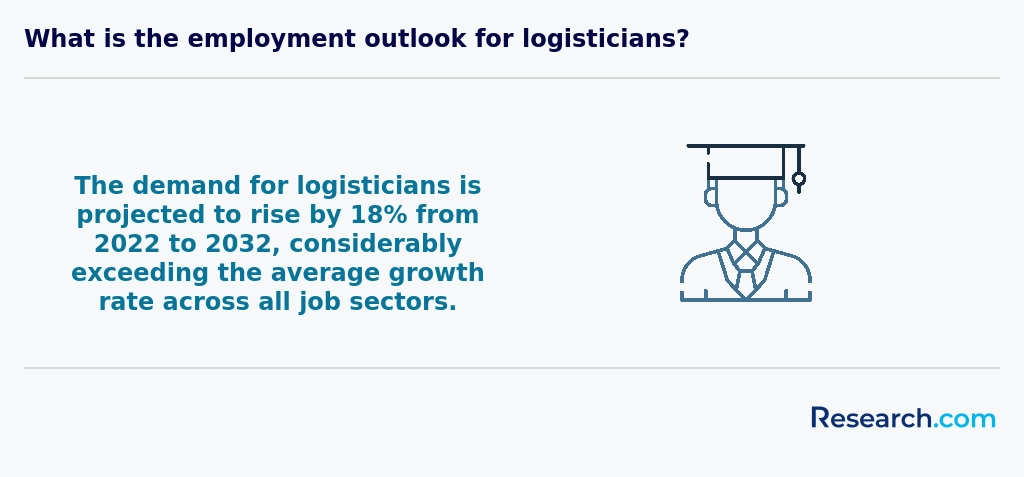
Networking through regional logistics organizations, such as the Southeast Transportation Expo, can help connect graduates with local employers. According to the Bureau of Labor Statistics, logistics jobs in Southern states like Texas and Georgia are projected to grow by over 10% between 2022 and 2032.
Obtaining industry certifications such as the Certified Supply Chain Professional (CSCP) can also enhance employability in this competitive market.
Employers in the Southern United States seek logistics degree graduates who possess a blend of technical and soft skills. Key competencies include supply chain management, data analysis, and proficiency with logistics software like ERP systems. According to the Council of Supply Chain Management Professionals (CSCMP), employers highly value problem-solving abilities and adaptability due to the dynamic nature of the logistics industry.
Strong communication skills are essential, enabling graduates to coordinate effectively with suppliers, customers, and internal teams. Knowledge of transportation regulations specific to Southern states also benefits graduates aiming for regional roles.
Hands-on experience through internships or cooperative education programs is often preferred by employers in logistics hubs such as Atlanta and Dallas.
Finding internships in the South for logistics degree students involves targeted research and networking. The Southern United States hosts major logistics hubs like Atlanta, Dallas, and Charleston, known for vast supply chain and transportation industries. According to the Council of Supply Chain Management Professionals (CSCMP), these cities account for a significant portion of national logistics operations, offering numerous internship opportunities.
Students should explore university career services and regional logistics associations, such as the Georgia Logistics Summit or Texas Logistics Forum, for local internship listings. Online job platforms like Handshake and Indeed also feature internship openings filtered by geography and field.
Building connections through professional events and LinkedIn can lead to hidden or unadvertised internships. Companies in warehousing, freight transportation, and distribution centers often seek interns with logistics knowledge to support real-world projects.
Online logistics degrees offer significant benefits for career mobility and advancement in the South. The region's growing logistics and supply chain industries-especially in hubs like Atlanta, Charlotte, and Houston-drive demand for qualified professionals. According to the Bureau of Labor Statistics, employment of logisticians in the South is projected to grow about 10% from 2022 to 2032, faster than the national average.
Holding an online logistics degree can open doors to management roles, helping graduates move beyond entry-level positions. Employers often prefer candidates with formal education in supply chain coordination and technology, skills typically emphasized in accredited online programs.
Additionally, flexible online degrees allow working professionals in the South to upskill without relocating, supporting regional career development. This flexibility is crucial given the Southern economy's reliance on transportation, warehousing, and manufacturing sectors.
Studying for a logistics degree in the South offers students a strong foundation for interdisciplinary roles by combining business, technology, and supply chain management knowledge. Southern institutions often integrate courses in transportation, operations, and data analytics, reflecting the region's dynamic logistics hubs such as Atlanta and Memphis.
These programs emphasize collaborative skills, preparing graduates to work alongside experts in marketing, finance, and information systems. According to the U.S. Bureau of Labor Statistics, logistics jobs in southern states are growing faster than the national average, highlighting the demand for versatile professionals.
By blending practical skills with strategic thinking, Southern logistics degrees equip students to navigate complex supply chains across multiple industries.
Choosing between a thesis and a non-thesis logistics degree program in the South depends on your career goals and learning preferences. Thesis programs emphasize research skills, ideal for students considering graduate studies or roles in supply chain analysis and strategic planning. Non-thesis programs focus on practical knowledge and internships, targeting those seeking immediate employment in operations or management.
In Southern states like Georgia and Texas, where logistics hubs are rapidly growing, practical experience through non-thesis tracks can be valuable. According to the Bureau of Labor Statistics, logistics jobs in this region are projected to grow by over 7% through 2030, favoring hands-on skills.
Ultimately, weigh your time commitment and professional ambitions when deciding.
Students based in the South seeking logistics education abroad have limited direct options due to visa and residency requirements. However, many regional institutions offer partnerships with international schools, allowing for joint online degrees or study-abroad credits. For example, Southern universities often collaborate with European and Asian logistics programs to provide global perspectives while completing most coursework online.
According to the Association for Supply Chain Management, Southern logistics hubs like Atlanta and Dallas create strong incentives for practical global logistics knowledge.
Those interested can also consider exchange programs or virtual internships with foreign companies, enhancing international experience without leaving the US.
Part-time job opportunities that complement logistics degree education in the South include roles in warehouse operations, supply chain support, and transportation coordination. The logistics sector in Southern states like Texas, Georgia, and Tennessee is expanding rapidly due to major distribution hubs such as the Port of Savannah and Dallas-Fort Worth area. According to the Bureau of Labor Statistics, these regions show logistics employment growth rates of 5% or more annually.
Students can gain practical experience by working as inventory clerks, shipping coordinators, or forklift operators. These positions allow hands-on learning in inventory management and distribution processes. Many employers value candidates with logistics know-how paired with real-world skills.
Additionally, some part-time jobs in freight brokerage or customer service within transportation companies provide exposure to supply chain communications. This on-the-job experience can enhance understanding of route planning and carrier negotiation, which are critical components of logistics degrees.
Online logistics students in the South have many opportunities to build professional networks despite studying remotely. Several Southern universities offering logistics degrees facilitate virtual events, webinars, and career fairs that connect students with industry experts and alumni. For example, institutions often partner with logistics hubs like the Port of Savannah in Georgia, one of the busiest in the nation, to offer internships and live case studies.
Industry groups such as the Council of Supply Chain Management Professionals (CSCMP) have active Southern chapters. These chapters hold regular meetings and conferences that welcome online students. Additionally, LinkedIn and dedicated online forums enable networking beyond physical boundaries.
According to the 2023 Georgia Department of Economic Development, logistics roles in the region are expected to grow by 8% over the next five years, increasing networking demand. Engaging with these chances can significantly benefit Southern logistics students advancing in this expanding market.
Alumni networks play a crucial role for students pursuing online logistics degrees in the South by providing valuable professional connections. These networks offer access to industry leaders and job opportunities, which is essential in a region where logistics hubs like Atlanta and Houston are rapidly growing. According to the Georgia Logistics Report 2023, 68% of logistics professionals in the South find new roles through personal connections. Alumni events and online forums allow students to build relationships that can lead to internships and mentorships.
The support from alumni also helps students stay informed about regional market trends, improving career readiness.
Customizing an online logistics degree program in the South allows students to align their studies with specific career goals. Many Southern universities offer concentration options such as supply chain management, transportation, or warehouse logistics.
You can also select electives that focus on emerging areas like green logistics or e-commerce fulfillment. Some programs provide internship or cooperative education opportunities in major Southern logistics hubs like Atlanta or Memphis, helping to build valuable industry connections.
Advisors often assist students in tailoring their coursework to meet regional industry demands, which is important since the Southeastern US accounts for a significant portion of national freight and distribution activity, according to the Bureau of Transportation Statistics.
This flexibility ensures your degree is relevant to the logistics sector in the South, strengthening your job prospects in this growing field.
Online logistics students in the South face several common challenges that can impact their academic success. One significant issue is limited access to high-speed internet, especially in rural areas where broadband penetration remains below the national average, according to the Federal Communications Commission (FCC). This can disrupt online classes and delay assignment submissions.
Additionally, many students balance education with full-time jobs in industries like transportation and warehousing, common in Southern states. Time management becomes a critical challenge under these circumstances.
Another hurdle is the need for practical experience. Online programs may not offer sufficient hands-on learning or local internship opportunities, which are crucial in logistics careers.
An online logistics degree from a Southern university opens doors to various professional certifications that can boost career prospects. Popular certifications include the Certified Supply Chain Professional (CSCP) and the Certified in Logistics, Transportation and Distribution (CLTD), both offered by APICS. These credentials validate knowledge in supply chain management and logistics, which are crucial in Southern states with growing transportation hubs like Atlanta and Savannah. The Council of Supply Chain Management Professionals (CSCMP) also offers the SCPro certification, reflecting expertise in supply chain strategies.
According to the Bureau of Labor Statistics, these certifications can increase earning potential by up to 20% in logistics roles.
Such certifications provide a competitive edge in the Southeast's dynamic logistics sector, supporting roles in distribution, freight management, and operations leadership.
To write a winning application for an online logistics program in the South, start by clearly demonstrating your understanding of the region's logistics industry. The South hosts major transportation hubs like Savannah and Memphis, which are critical to the U.S. supply chain. Highlight any related work experience or coursework that aligns with logistics and supply chain management.
Strong letters of recommendation from professionals in logistics or related fields boost your application. Emphasize your skills in technology and data analysis, as modern logistics relies heavily on these areas.
Finally, tailor your personal statement to explain why studying logistics online in the South supports your career goals. The Southern Logistics Alliance reports that logistics jobs in the South are expected to grow by around 10% in the next decade, making this an opportune time to enter the field.
The logistics sector plays a critical role in the global economy, influencing trade, manufacturing, and retail industries. For students in the South pursuing an online logistics degree, understanding global perspectives is essential. In the United States, logistics careers are expected to grow 11% from 2020 to 2030, faster than the average for all occupations, according to the U.S. Bureau of Labor Statistics.
Logistics professionals in the South benefit from the region's expanding ports and distribution centers, such as Savannah and Houston, which serve as key international trade hubs. Globally, logistics expertise is valued in supply chain management, transportation, and freight forwarding, with multinational corporations requiring skills to navigate complex international markets.
Online programs in the South often emphasize global supply chain strategies, preparing students to manage logistics across borders. This global outlook enhances career prospects locally and abroad, reflecting the interconnected nature of modern logistics.
Gaining practical experience while pursuing an online logistics degree in the South is essential to enhance career readiness. Many Southern universities collaborate with regional businesses, offering internships that provide real-world exposure. According to the Council of Supply Chain Management Professionals, internships increase employment opportunities by nearly 60% in logistics fields.
Additionally, students can participate in virtual simulations and case studies, commonly integrated into online logistics curricula, allowing hands-on problem solving. Some programs also facilitate co-op placements or practicum experiences with companies in key Southern logistics hubs like Atlanta and Houston.
Networking through local industry associations and attending regional logistics conferences are other valuable strategies to gain practical insights.
Choosing the right concentration within an online logistics degree program in the South involves understanding your career goals and regional industry demands. Popular concentrations include supply chain management, transportation, and procurement, each aligning with different roles.
Logistics hubs in Southern states like Texas, Georgia, and Florida focus heavily on transportation and distribution, offering strong job prospects in those areas, according to the Bureau of Labor Statistics.
Research local job markets to identify which skills employers seek. For example, supply chain analytics is growing due to increased e-commerce activity. Many Southern universities incorporate this trend in their curricula.
Accreditation and flexible course options are also important to consider for online students balancing work and study.
Top Trending Logistics Rankings
References
- Know more about thesis vs non- thesis: what is the difference? https://studyfans.com/en/blogs/816
- Supply Chain and Logistics Career Paths: Explained https://www.logisticsbureau.com/jobs-and-career-paths-in-supply-chain-and-logistics/
- Study Logistics and Supply Chain Management Online https://www.open.edu.au/study-online/business-management/logistics-supply-chain-management
- Top Skills Employers Look for In Supply Chain Students https://scmtalent.com/top-skills-employers-look-for-in-supply-chain-students/
- Logistics and Supply Chain Management - Open Learning Group - Distance Learning and Higher Education Specialists https://olg.co.za/bba-in-logistics-and-supply-chain-management/
- Logistics challenges and overcoming them - Mecalux.com https://www.mecalux.com/blog/logistics-challenges
- What are the key challenges in logistics management today? - Logitude World https://www.logitudeworld.com/what-are-the-key-challenges-in-logistics-management-today/
- For students https://careers.hellmann.com/en/germany/students
- Events and networking https://logistics.org.uk/executivemembership/events-and-networking
- Careers - Logistics Degree https://logisticsdegree.net/programs/


