
2027 Most Valuable Logistics Degree Programs Ranking in Wisconsin

Co-Founder and Chief Data Scientist
Choosing the right logistics degree program in Wisconsin can shape your future career and open doors to exciting opportunities. This article presents the 2027 Most Valuable Logistics Degree Programs Ranking in Wisconsin, created by the Research.com team of data scientists to help you make an informed choice.
By exploring these top programs, you'll discover which options offer the best value, combining quality education with strong career prospects. Pursuing a logistics degree is a smart step toward a rewarding, in-demand profession that can truly make a difference.
Key benefits of getting logistics degree in Wisconsin
- Graduates with a logistics degree in Wisconsin can expect strong earning potential, with average annual wages reaching up to $84,640 for roles like Logistics Coordinator and Logistics Specialist.
- Career paths are diverse, including opportunities as Transportation Planners or Customs Brokers, reflecting the versatility of the degree through examples from popular Wisconsin universities.
- Online logistics degrees offer flexible learning schedules and accessibility, allowing students to balance work and study effectively while gaining skills valued by Wisconsin employers.
- Key benefits of getting logistics degree in Wisconsin
- What can I expect from logistics degree in Wisconsin?
- Where can I work with logistics degree in Wisconsin?
- How much can I make with logistics degree in Wisconsin?
- 2027 Most Valuable Logistics Degree Programs Ranking in Wisconsin
- Key Findings
- How long does it take to complete logistics degree in Wisconsin?
- What's the difference between online and on-campus logistics degree?
- What is the average cost of logistics degree in Wisconsin?
- Emerging Trends in Logistics and Supply Chain Education
- What financial aid is available to logistics degree students in Wisconsin?
- Faculty Expertise and Industry Partnerships
- What are the prerequisites for enrolling in logistics degree program in Wisconsin?
- Emerging Trends & Future Outlook in Logistics
- What courses are typically in logistics degree programs in Wisconsin?
- What types of specializations are available in logistics degree programs in Wisconsin?
- How do you choose the best logistics degree in Wisconsin?
- What career paths are available for logistics degree students in Wisconsin?
- What is the job market for logistics degree in Wisconsin?
- Related Logistics Rankings for Nearby States
- Top Trending Logistics Rankings
What can I expect from logistics degree in Wisconsin?
The average cost of obtaining a logistics degree in Wisconsin varies depending on the institution and degree level. For example, students attending Milwaukee Area Technical College often incur lower expenses for associate degrees or certifications, with tuition typically ranging around $4,000 to $6,000 per year. In contrast, universities such as the University of Wisconsin-Whitewater, which offers comprehensive bachelor's programs with logistics elements, may have higher tuition fees, averaging between $9,000 and $12,000 annually for in-state students.
Graduates frequently highlight the value of their investment, emphasizing how hands-on internships and cooperative education placements helped them connect with local industries like manufacturing and transportation. These practical experiences add real-world context, making the costs feel justified. Students appreciate learning technology relevant to logistics, such as warehouse management systems, which prepares them for strong job prospects.
With Wisconsin's logistics-related job market growing by about 5% through 2028 and median wages near $75,000, many find their education costs balanced by promising career outcomes and local industry demand.
Where can I work with logistics degree in Wisconsin?
Graduates with a logistics degree from prominent Wisconsin institutions like the University of Wisconsin-Madison and Milwaukee School of Engineering find strong career placement in key state industries. Many secure roles in supply chain management within manufacturing giants such as Harley-Davidson, applying skills learned in inventory control and procurement to optimize operations. These graduates report satisfaction in contributing to the efficiency of well-known companies deeply rooted in Wisconsin's economy.
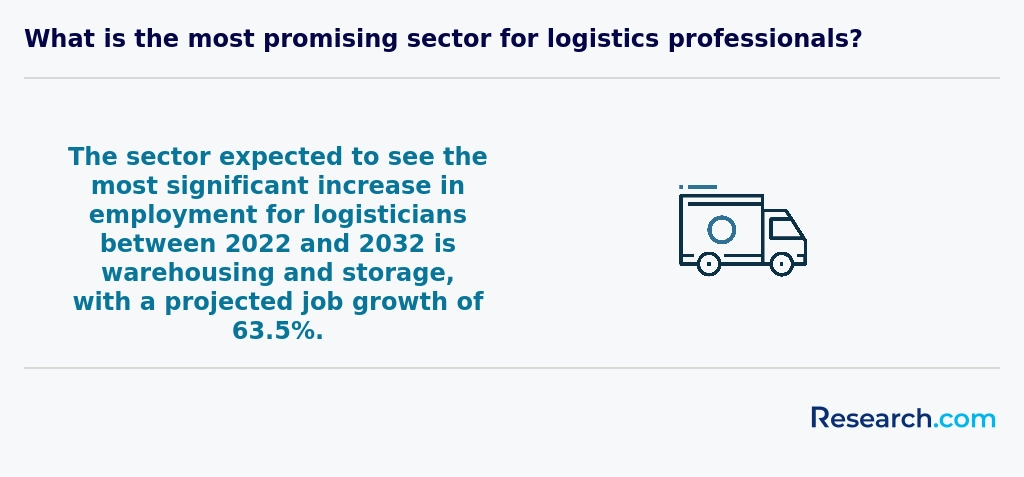
Transportation and warehousing also attract a significant share of logistics degree holders. Wisconsin's strategic location near interstate highways and Great Lakes ports supports employment for around 14,000 workers in these sectors, according to BLS May 2023 data. Graduates often work in third-party logistics firms and distribution centers, gaining experience coordinating complex shipments and storage solutions.
Retail and e-commerce supply chains offer dynamic roles coordinating last-mile delivery, a common stepping stone for fresh graduates. Many find rewarding positions in regional distribution hubs, utilizing analytics skills developed during coursework. Others contribute to public agencies managing freight systems or engage with consulting firms guiding local businesses toward supply chain innovation.
How much can I make with logistics degree in Wisconsin?
Graduates with logistics degrees from popular Wisconsin institutions often start their careers in roles such as Transportation Planner or Supply Chain Coordinator, where the mean annual wage is approximately $46,690. These entry-level positions provide a solid foundation in managing supply networks within Wisconsin's dynamic manufacturing and distribution sectors.
More experienced graduates pursuing positions like Logistics Coordinator or Logistics Specialist typically earn higher wages, with mean annual salaries around $84,640. For example, a graduate working in Milwaukee's bustling logistics hubs might find opportunities offering wages near this range, reflecting the local demand for skilled supply chain professionals.
Customs Broker roles, which require specialized knowledge in import-export regulations, pay an average of about $63,130 per year and represent a lucrative career path within the state's strategic location near key transport corridors and Lake Michigan ports.
Graduates often report satisfaction with these salary figures, citing the blend of competitive pay and Wisconsin's strong industry connections as major motivators. Institutions like the University of Wisconsin-Madison and Marquette University equip students with practical skills that enhance employability in this growing field.
2027 Most Valuable Logistics Degree Programs Ranking in Wisconsin
How do we rank schools?
Investing in your education is a significant decision that can greatly influence your career path, and the Research.com team is fully aware of the responsibility involved in providing reliable guidance. To aid prospective students exploring logistics degree programs in Wisconsin, we have carefully developed the "2027 Most Valuable Logistics Degree Programs Ranking in Wisconsin." Our dedication to quality, credibility, and accuracy is evident in the thorough research and detailed analysis behind this ranking.
We utilized the following reputable data sources to ensure a comprehensive evaluation of logistics programs:
By consulting this ranking, readers will access valuable insights into the top logistics degree programs available across Wisconsin, empowering them to make well-informed educational decisions. For a deeper understanding of our ranking methodology, please visit our Research.com methodology page.


# 4 position
University of Wisconsin-Stout Polytechnic
Bachelor of Science in Supply Chain Management

Key Findings
- Annual tuition for logistics bachelor's degrees at public universities in Wisconsin ranges from $10,000 to $15,000 for in-state students.
- Private colleges often charge more than $30,000 per year, while community colleges offer associate degrees or certificates for about $4,000 to $6,000 annually.
- Entry-level salaries for logistics graduates in Wisconsin generally start between $45,000 and $55,000 per year.
- With experience, salaries can increase to $70,000-$90,000 annually in roles like logistics manager or supply chain analyst.
- Employment in logistics and supply chain jobs is expected to grow by approximately 5% over the next decade.
- Many programs include internships and partnerships with local companies to provide practical experience.
How long does it take to complete logistics degree in Wisconsin?
Completing a logistics degree in Wisconsin typically ranges from two to four years, shaped by the program level and format chosen. Graduates from community colleges like Madison College and Gateway Technical College often share how their two-year associate degrees provided them with practical skills in inventory management and transportation, enabling swift entry into logistics careers.
Bachelor's degree students at universities such as University of Wisconsin-Madison or University of Wisconsin-Milwaukee generally spend four years completing around 120 credit hours focused on advanced topics like global supply chain strategies and data analytics. Many recall the intensity but appreciate the comprehensive training that broadened their professional opportunities.
For working students, part-time or online options create flexible pathways, often extending completion time but offering the convenience needed to balance work and study. Accelerated programs condense coursework into about three years, a positive choice for those eager to enter the workforce sooner while maintaining thorough preparation.
What's the difference between online and on-campus logistics degree?
Online and on-campus logistics degrees in Wisconsin differ primarily in delivery, cost, and student experience. Graduates of on-campus programs at institutions like the University of Wisconsin-Madison benefit from face-to-face interactions with professors and peers, plus hands-on labs and campus networking events. They often access internships at regional hubs such as the Port of Milwaukee, which helps build strong industry connections. These programs typically cost between $10,000 to $15,000 per year for in-state students.
By contrast, online logistics students enjoy flexibility to balance work and study, using video lectures and virtual simulations to replicate in-person learning. The University of Wisconsin System offers several online options, usually ranging from $8,000 to $13,000 annually. Online learners appreciate the ability to study asynchronously, ideal for working professionals seeking career advancement without relocating.
- On-campus students access richer networking through workshops and local industry events.
- Online students benefit from flexible scheduling to accommodate jobs or personal commitments.
What is the average cost of logistics degree in Wisconsin?
The average cost of a logistics degree in Wisconsin is influenced significantly by whether a student is enrolled as an in-state or out-of-state resident. In-state students typically face a median total expense of around $10,701 for completing their degree. This figure reflects the tuition rates at public universities such as the University of Wisconsin-Madison, where many logistics graduates appreciate both the quality education and relatively affordable costs compared to private institutions.
Out-of-state students, on the other hand, experience much higher costs, with a median total expense near $28,371. This difference can represent a substantial investment but is often balanced by the perceived value of earning a degree from well-regarded programs within the state. Graduates from technical colleges and community colleges also benefit from more cost-effective options, which is particularly important for students who want to minimize expenses while gaining valuable skills in logistics and supply chain management.
Considering the Wisconsin logistics degree total expenses, many students find that beginning at a technical college before transferring to a four-year university provides a realistic pathway to managing costs.
Financial aid plays a crucial role in supporting students pursuing logistics degrees. Scholarships, grants, and federal loans are widely available and help ease the financial burden, enabling many students to succeed without overwhelming debt.
Prospective students can explore the range of tuition fees and compare programs by visiting listings of affordable logistics schools in Wisconsin, which help make informed choices based on cost and educational quality.
Emerging Trends in Logistics and Supply Chain Education
As the logistics industry evolves, academic programs in Wisconsin are adapting to equip graduates with the skills needed for tomorrow’s challenges. Key trends shaping logistics curricula include: • Digitalization and Automation: Universities are integrating courses on warehouse robotics, autonomous vehicles, and AI-driven route optimization. By learning these technologies, students can lead digital transformation initiatives in their future roles. • Data Analytics and Predictive Modeling: Programs now emphasize hands-on experience with big data platforms and statistical software, enabling graduates to forecast demand, reduce waste, and improve inventory turns. Many students combine core logistics coursework with advanced topics in supply chain management to deepen their analytical expertise. • E-Commerce and Last-Mile Delivery: With online retail surging, courses on omnichannel logistics and crowd-sourced delivery prepare students for careers managing fast-moving consumer goods and same-day services. Capstone projects often partner with local e-commerce firms for real-world problem solving. • Sustainability and Green Logistics: Environmental impact is a critical concern. Leading programs now offer modules on carbon footprint analysis, reverse logistics, and circular economy models, positioning graduates as sustainability advocates in corporate supply chains. • Blockchain and Cybersecurity: To ensure transparency and security in global trade, some institutions introduce blockchain applications and risk-management frameworks, helping students understand how to safeguard data and streamline cross-border transactions. By staying at the forefront of these developments, Wisconsin’s logistics degree programs ensure graduates possess both foundational knowledge and cutting-edge competencies-driving innovation across the supply chain.
What financial aid is available to logistics degree students in Wisconsin?
Logistics students in Wisconsin benefit from diverse financial aid options that significantly ease the burden of tuition and fees, which can reach over $10,000 annually for in-state public colleges and $26,000 for out-of-state students. Federal Pell Grants, awarded based on financial need through the FAFSA process, provide vital no-repayment support. Additionally, Direct Subsidized and Unsubsidized Loans help cover essential expenses like tuition and living costs, offering manageable repayment terms.
The Wisconsin Grant program is a key state-level resource, granting need-based scholarships to residents enrolled in eligible public and private institutions. Graduates from universities such as the University of Wisconsin-Madison highlight how institutional scholarships specifically aimed at logistics and supply chain programs can make a crucial difference, often rewarding merit and dedication within these specialized fields.
Many students find employer tuition assistance appealing, especially those employed in transportation or warehousing sectors, allowing them to enhance skills without financial strain. These combined support mechanisms reflect Wisconsin's commitment to preparing a skilled logistics workforce efficiently and accessibly.
Faculty Expertise and Industry Partnerships
Wisconsin’s logistics degree programs are distinguished by faculty who combine academic rigor with real-world experience, ensuring students benefit from cutting-edge research and industry insights. Professors often hold PhDs in supply chain management or industrial engineering and have held leadership roles at top logistics firms. For example, Dr. Emily Schultz, a specialist in lean operations, previously managed distribution networks for a Fortune 500 manufacturer, while Dr. Michael Reyes leads research on cold-chain optimization at the University of Wisconsin–Madison’s Supply Chain Institute. These programs foster strong industry partnerships that translate classroom theory into practical applications. Collaborative capstone projects with local companies-such as Kohler Co., Johnson Controls, and Epic Systems-allow students to tackle live logistics challenges under faculty supervision. Students have redesigned warehouse layouts for major Midwest distributors and implemented transportation analytics models that reduced delivery times by 15%. Internship pipelines, co-managed by faculty and corporate partners, regularly place students in roles where they can apply advanced tracking systems, robotics integration, and sustainability practices. An active Industry Advisory Board, composed of supply chain executives and alumni, shapes the curriculum to reflect emerging trends like blockchain in logistics and AI-driven route planning. Faculty-led research centers host annual symposia, bringing together students, scholars, and practitioners to present findings on topics ranging from last-mile delivery optimization to global trade compliance. Prospective students who want to compare program value should also review our Most Affordable Logistics Degree Programs Ranking in Alabama for a broader perspective on cost-effective options. By learning from seasoned experts and engaging with industry leaders, graduates leave Wisconsin’s logistics programs equipped with both the theoretical foundation and the professional network required for a successful career.
What are the prerequisites for enrolling in logistics degree program in Wisconsin?
To enroll in a logistics degree program in Wisconsin, applicants typically need a high school diploma or equivalent, such as a GED. Popular institutions like the University of Wisconsin-Madison and Milwaukee School of Engineering require proficiency in math and English, reflecting the quantitative and communication skills essential to logistics. Some programs also value backgrounds in economics or business to prepare students for supply chain complexities.
Standardized test scores such as the SAT or ACT are commonly requested, although many Wisconsin logistics programs are moving toward test-optional policies, easing entry barriers for students. Graduates from these programs often share how this flexibility helped them focus on strengthening practical skills instead of test preparation.
Additional materials such as letters of recommendation, personal statements, or resumes highlighting relevant work experience are frequently requested. For example, students at colleges like Ripon College highlight submitting resumes detailing internships or volunteer work to demonstrate motivation and real-world logistics understanding.
Associate degrees or certificate programs usually demand fewer prerequisites, mostly just a high school diploma, allowing fast-track entry into the workforce. Such options appeal to students eager to start careers in Wisconsin's growing logistics sector without delay.
Emerging Trends & Future Outlook in Logistics
As the logistics industry rapidly evolves, emerging trends in technology and sustainability are reshaping supply chain strategies and creating new opportunities for graduates. Advancements such as automation, artificial intelligence, and blockchain integration are transforming traditional logistics operations into highly data-driven and efficient processes. For instance, smart warehousing and real-time tracking systems are enabling companies to optimize inventory management and reduce delivery times, while sustainability initiatives are pushing firms to adopt eco-friendly practices and green logistics solutions. Students entering logistics programs are not only gaining fundamental skills in operations and management but are also being prepared to navigate these cutting-edge innovations. For those eager to explore programs that balance quality education with cost-efficiency, check out affordable logistics schools in wisconsin to find institutions that prioritize emerging industry trends. This forward-looking approach ensures that new graduates remain competitive in a dynamic job market and can drive future innovations in global supply chains.
What courses are typically in logistics degree programs in Wisconsin?
Logistics degree programs in Wisconsin commonly include core courses such as Supply Chain Management, Transportation Systems, and Inventory Control and Warehousing, which provide a solid foundation in managing product flows from suppliers to consumers. Students at prominent Wisconsin institutions often praise the practical approach these courses offer, illustrating real-world scenarios like optimizing delivery routes for regional retailers or designing efficient warehouse layouts.
Operations Management and Procurement and Sourcing are also frequently part of the curriculum, preparing graduates to lead production improvements and manage supplier relationships effectively. Coursework in Logistics Information Systems familiarizes students with the software tools essential for data-driven decision-making, a critical skill praised by recent graduates entering Wisconsin's growing supply chain sector.
Additionally, business analytics and project management courses enhance students' abilities to analyze challenges and implement solutions efficiently. Electives focusing on lean logistics and sustainability reflect Wisconsin's emphasis on green practices, resonating with students who are passionate about minimizing environmental impact while maintaining operational excellence.
What types of specializations are available in logistics degree programs in Wisconsin?
Logistics degree specializations in Wisconsin typically include supply chain management, transportation and distribution, procurement and purchasing, logistics analytics and technology, and international logistics. Graduates from popular universities in the state often highlight how focusing on supply chain management prepares them to optimize production and distribution processes within Wisconsin's robust manufacturing sectors. Practical coursework and internships leverage the state's role as a transport hub, reinforcing skills in freight operations and warehousing.
Students also pursue logistics degree specializations in Wisconsin to develop expertise in procurement strategies that reduce costs and enhance vendor relations, a vital skill given the competitive agricultural and industrial markets. Programs emphasize hands-on experience with data analytics tools, aligning with growing demand for logistics analysts who improve decision-making efficiency. International logistics coursework equips learners to navigate cross-border regulations, reflecting Wisconsin's active import and export activities.
Those interested can explore the full range of options by investigating supply chain management tracks, which blend technical knowledge with practical applications tailored to regional industry needs. This alignment has consistently resulted in positive employment outcomes, boosting confidence among students and industry recruiters alike.
How do you choose the best logistics degree in Wisconsin?
Choosing the best logistics degree in Wisconsin requires careful evaluation of program accreditation, curriculum, costs, and local industry connections. Accreditation from bodies like AACSB or CSCMP ensures a recognized standard that many logistics graduates from Wisconsin colleges find valuable for career advancement. Students report satisfaction when their programs focus on supply chain management and transportation, reflecting the state's key manufacturing and agricultural sectors.
Cost is another significant factor. Public universities in Wisconsin typically offer in-state tuition between $9,000 and $12,000 annually, making affordable logistics schools Wisconsin an attractive option for many. Graduates appreciate programs that balance price with quality education, helping them graduate without excessive debt.
Proximity to logistics hubs like Milwaukee and Green Bay benefits students through internships and job placements. Real-world experience gained via partnerships with local firms enhances employability, a feature highlighted by many successful logistics alumni. Prospective students can also explore more affordable options and rankings such as the Most Affordable Logistics Degree Programs Ranking in Alabama to benchmark costs and quality.
What career paths are available for logistics degree students in Wisconsin?
Graduates holding a logistics degree in Wisconsin find robust career options in roles such as supply chain analyst, transportation manager, logistics coordinator, and procurement specialist. These positions emphasize managing the flow of goods, optimizing operational processes, and negotiating supplier contracts to reduce costs-critical functions within Wisconsin's thriving manufacturing and distribution industries. Many logistics degree holders from universities like the University of Wisconsin-Madison and Marquette University report increased job satisfaction when applying their skills in real-world settings, reflecting the practical focus of their academic programs.
Career options for logistics graduates Wisconsin are boosted by the state's proximity to major transportation hubs like Chicago and Minneapolis, facilitating opportunities in freight management and distribution. Companies such as Amazon and Harley-Davidson actively seek professionals experienced in regional supply chains. Graduates also appreciate strong technological training, including warehouse management systems and data analytics, which aligns with employer demands. For those exploring warehousing roles, the state's logistics sector accounts for about 12% of local employment, illustrating abundant opportunity.
Graduates eager to enhance their qualifications often consult resources on what certificate programs pay well to complement their degree. Entry-level salaries typically range from $50,000 to $60,000, with experienced professionals earning substantially more, highlighting the field's profitability and career growth in Wisconsin.
What is the job market for logistics degree in Wisconsin?
The job market for logistics degree holders in Wisconsin is notably strong, supported by the state's proximity to major transportation hubs like Milwaukee and Chicago. Graduates from universities in Wisconsin often find diverse career opportunities in supply chain analysis, transportation management, and procurement within local manufacturing and retail companies. This robust job outlook for logistics degree Wisconsin is reinforced by the state's growing e-commerce sector and significant investments in warehouse automation.
Logistics graduates from well-known Wisconsin colleges frequently share positive experiences regarding their employment prospects, often securing roles shortly after graduation with competitive salaries ranging from entry-level $50,000 to experienced managerial positions exceeding $90,000. The close connections between universities and regional industries provide practical internships and networking, which help students transition smoothly into the workforce.
Cost-effective education is another advantage, with public universities offering logistics degrees at around $10,000 annually for in-state students. When considering affordability alongside strong career opportunities with logistics degree in Wisconsin, many students explore options such as easy masters degrees online to further enhance their qualifications and job market readiness.
Frequently Asked Questions About logistics
Logistics degree students in Wisconsin can maximize their learning by combining academic coursework with practical experience. Many Wisconsin universities offer internships with leading regional companies such as Schneider and Johnson Controls, providing valuable industry exposure. According to the Wisconsin Department of Workforce Development, logistics and supply chain roles in the state are expected to grow 6% through 2030, highlighting strong job prospects.
Engaging in hands-on projects, such as supply chain simulations or case studies, helps deepen understanding of real-world challenges. Students should also join relevant student organizations and attend industry events in Wisconsin to network with professionals and stay updated on trends. Utilizing Wisconsin's robust transportation and manufacturing sectors as learning labs enhances skills directly applicable to the local job market.
The logistics field is rapidly evolving, with several emerging niches gaining popularity in Wisconsin. One key area is supply chain sustainability, focusing on reducing environmental impact through green logistics practices. Wisconsin companies are increasingly investing in eco-friendly transportation and packaging solutions.
Another fast-growing niche is e-commerce logistics. With the rise of online shopping, there is strong demand for professionals skilled in managing last-mile delivery, warehousing automation, and inventory management tailored to digital retail.
Additionally, data analytics in logistics is becoming vital. Using big data to optimize routes, forecast demand, and improve operational efficiency is crucial for Wisconsin's manufacturing and distribution sectors. According to the Wisconsin Economic Development Corporation, such skills are highly sought in the state's logistics job market.
After completing a logistics degree in Wisconsin, it is important to build practical experience to stand out in the job market. Internships or cooperative education programs offered by many Wisconsin universities provide valuable hands-on experience and networking opportunities within local supply chain companies.
Certification programs such as the Certified Supply Chain Professional (CSCP) by APICS can improve employability. According to the Wisconsin Department of Workforce Development, the logistics and transportation sector is projected to grow by 5% through 2028, reflecting steady demand for skilled professionals.
Additionally, developing strong technology skills, including proficiency in warehouse management systems and data analytics, aligns with Wisconsin employers' needs. Joining industry associations like the Wisconsin Logistics Association aids in connecting with potential employers.
Employers in Wisconsin seek several key skills in logistics degree graduates to meet the demands of the state's diverse supply chain industries. Strong analytical abilities are crucial for managing complex distribution networks efficiently. According to the Wisconsin Economic Development Corporation, problem-solving and critical thinking skills are highly valued to optimize operations and reduce costs.
Technical proficiency, including familiarity with supply chain software and inventory management systems, is important as many regional companies adopt advanced technologies. Communication skills also rank highly, enabling graduates to coordinate with vendors and team members effectively.
Additionally, leadership and project management capabilities prepare graduates to oversee logistics teams and lead improvement initiatives. These skills are essential for success in Wisconsin's competitive logistics job market.
Finding internships in Wisconsin relevant to a logistics degree involves a combination of university resources, networking, and local industry knowledge. Many Wisconsin universities with logistics programs maintain partnerships with regional companies, such as those in Milwaukee and Green Bay, known logistics hubs. Students are encouraged to use their campus career centers to access internship listings and attend job fairs specifically targeting supply chain and transportation roles.
Additionally, websites like Handshake and LinkedIn often feature internships in Wisconsin's logistics sector, which is projected to grow by 6% through 2030 according to the Wisconsin Department of Workforce Development. Joining professional organizations such as the Council of Supply Chain Management Professionals (CSCMP) Wisconsin Roundtable can provide valuable networking opportunities. These steps can significantly improve your chances of securing a relevant internship experience.
Obtaining a logistics degree in Wisconsin significantly enhances career mobility and advancement opportunities within the state's growing supply chain sector. Wisconsin is home to numerous manufacturing and distribution centers, driving demand for skilled logistics professionals. According to the Wisconsin Department of Workforce Development, employment in logistics-related occupations is projected to grow by 8% through 2030, faster than the average for all industries.
A logistics degree equips students with knowledge of inventory management, transportation, and supply chain analytics, which are key skills sought by employers. Graduates often find entry-level roles in operations, with clear pathways to managerial and executive positions.
Furthermore, employers in Wisconsin increasingly value graduates who understand regional transportation networks, such as the state's proximity to the Great Lakes and major highways, making degree holders more competitive for promotions. Certifications combined with a degree can further accelerate advancement.
Studying for a logistics degree in Wisconsin equips students with skills that span multiple disciplines, such as supply chain management, transportation, and business analytics. Wisconsin's logistics programs emphasize collaboration between fields like economics, information technology, and engineering. This approach prepares graduates to handle complex challenges in industries like manufacturing and distribution.
Many Wisconsin universities integrate practical experiences, including internships with key regional companies, making graduates job-ready for diverse roles. According to the Wisconsin Department of Workforce Development, logistics and transportation jobs are projected to grow 5% by 2030, highlighting demand for interdisciplinary expertise. The curriculum often includes data analysis, project management, and strategic planning, all essential for successful logistics professionals today.
Choosing between a thesis and a non-thesis logistics degree program in Wisconsin depends on your career goals and learning preferences. Thesis programs focus on research, requiring students to conduct original studies and defend their work. This path suits those interested in academic, research, or specialized industry roles.
Non-thesis programs prioritize practical skills and coursework, often including internships or projects. These are ideal for professionals aiming to enter or advance in Wisconsin's logistics sector, which supports major hubs like Milwaukee and Green Bay.
Data from the Wisconsin Department of Workforce Development highlights steady growth in logistics jobs, emphasizing applied skills over research for many roles. Understanding your post-degree plans will guide your choice effectively.
Students in Wisconsin seeking to study logistics abroad have several options through partnerships and exchange programs offered by local universities. Institutions like the University of Wisconsin-Madison and Marquette University often collaborate with international schools, enabling students to experience supply chain management in global markets.
Wisconsin's strong logistics industry, driven by its central location and extensive transport networks, emphasizes global perspectives. According to the Wisconsin Department of Transportation, nearly 30% of the state's freight involves international trade, underscoring the value of global logistics education.
Many programs also offer short-term study abroad opportunities, internships, and dual-degree options in countries with established logistics hubs such as Germany, China, and the Netherlands. These experiences enrich students' understanding of complex global supply chains.
Students pursuing logistics degrees in Wisconsin can benefit from several part-time job opportunities that align well with their field of study. Positions such as warehouse associates, inventory clerks, and supply chain interns provide practical experience in managing goods and overseeing operations. Wisconsin's central location in the Midwest supports a strong logistics and transportation sector, with companies like Schneider National and Oshkosh Corporation offering local opportunities. According to the Wisconsin Department of Workforce Development, demand for logistics-related jobs is projected to grow by 7% through 2030, creating valuable openings for students.
The role of delivery drivers and freight handlers can also complement academic learning, offering insights into distribution and transportation logistics. Moreover, internships with regional distribution centers help students understand real-world supply chain challenges while earning income. These roles foster skills in inventory management, route optimization, and data analysis, critical for logistics professionals.
Logistics students in Wisconsin benefit from a variety of networking opportunities through local universities and industry organizations. Many schools partner with the Wisconsin Logistics Alliance, which hosts events connecting students with professionals in supply chain management and transportation sectors.
Internships arranged by programs at institutions like the University of Wisconsin-Madison provide valuable real-world experience and professional contacts. Additionally, conferences such as the Midwest Supply Chain Conference attract logistics experts from across the region, offering students chances to build connections.
According to the Wisconsin Department of Workforce Development, the logistics and transportation sector employs over 120,000 workers statewide, highlighting strong potential for networking-driven job placement.
Alumni networks play a crucial role for logistics degree students in Wisconsin by offering valuable industry connections. Graduates often remain active in sectors such as manufacturing, transportation, and supply chain management, particularly in economic hubs like Milwaukee and Green Bay. According to the Wisconsin Department of Workforce Development, employment in logistics-related fields is expected to grow by over 5% through 2028, highlighting increasing opportunities.
These networks provide mentorship, internships, and job referrals that help students gain practical experience and access local employers. Additionally, alumni events and online platforms foster collaboration and knowledge sharing, which enrich students' professional growth. Leveraging these connections can significantly boost career prospects in Wisconsin's competitive logistics market.
Students pursuing a logistics degree in Wisconsin can tailor their education to align with specific career goals by selecting relevant electives and specializations. Many Wisconsin universities offer customizable programs that include supply chain management, transportation, or warehousing courses. Internships with local businesses, such as those in Milwaukee's robust manufacturing and distribution sectors, provide practical experience tailored to individual interests. Wisconsin's focus on logistics is supported by its strategic location near major highways and ports, facilitating hands-on learning opportunities. According to the Wisconsin Department of Workforce Development, logistics roles are expected to grow by 7% through 2030, highlighting the importance of specialized skills.
Logistics students in Wisconsin encounter several common challenges during their studies. One major difficulty is balancing theoretical knowledge with practical experience. Wisconsin's logistics industry, driven by manufacturing and agriculture, requires hands-on skills that many programs strive to integrate through internships, yet opportunities can be competitive.
Another challenge is adapting to rapidly evolving technology, including supply chain software and automation tools. Students must stay current as these tools are essential for modern logistics careers. According to the Wisconsin Department of Workforce Development, demand for logistics professionals is expected to grow by 7% through 2028, increasing competition.
Financial strain can also impact students, as tuition and living costs in Wisconsin vary widely. Additionally, networking within the local industry is crucial but may be difficult for those new to the state or without established connections.
With a logistics degree in Wisconsin, you can pursue several professional certifications that enhance your career prospects. One popular option is the Certified Supply Chain Professional (CSCP) credential offered by APICS, which validates expertise in supply chain management.
Another key certification is the Certified in Production and Inventory Management (CPIM), also from APICS, focusing on inventory control and production planning. Additionally, the Certified Logistics, Transportation and Distribution (CLTD) certification targets logistics professionals seeking specialized knowledge in transportation and distribution management.
These certifications align with Wisconsin's strong manufacturing and transportation sectors, supporting over 600,000 jobs statewide as reported by the Wisconsin Department of Workforce Development in 2023.
When applying for a logistics degree program in Wisconsin, start by clearly demonstrating your interest in supply chain management and transportation. Admissions committees value applicants who show specific knowledge of how logistics impacts Wisconsin's economy, which includes major industries like manufacturing and agriculture. According to the Wisconsin Economic Development Corporation, logistics supports over 250,000 jobs statewide, highlighting strong career prospects.
Highlight your academic strengths in relevant subjects such as math, business, or technology. Include any practical experience, such as internships or work related to warehousing or distribution, to strengthen your application. Finally, tailor your personal statement to emphasize your career goals and how the program aligns with Wisconsin's growing logistics sector.
The logistics sector is increasingly global, reflecting the interconnected nature of supply chains today. For Wisconsin students pursuing a logistics degree, understanding international trade and transportation is essential. According to the Wisconsin Economic Development Corporation, the state's logistics industry supports over 140,000 jobs, many linked to global commerce. Careers in logistics often involve coordinating shipments that cross multiple countries, requiring knowledge of customs, regulations, and cultural differences.
U.S. educational programs emphasize global competencies to prepare graduates for these challenges. In Wisconsin, universities integrate international perspectives through partnerships and study abroad options, helping students gain relevant skills for worldwide logistics roles.
Gaining practical experience while studying for a logistics degree in Wisconsin is essential for career readiness. Many universities in the state offer internship programs that connect students with local logistics companies, such as those in Milwaukee's busy port and transportation hubs. These internships provide hands-on learning in supply chain management, warehousing, and transportation planning.
Additionally, cooperative education (co-op) programs enable students to alternate between classroom study and full-time work, building experience over several semesters. Wisconsin's strong manufacturing and distribution sectors create opportunities for site visits and real-world projects integrated into coursework.
Professional organizations like the Council of Supply Chain Management Professionals (CSCMP) have regional chapters offering networking events and workshops, helping students gain industry insights beyond the classroom.
Choosing the right concentration within a logistics degree program in Wisconsin depends on your career goals and interests. Key areas include supply chain management, transportation, and operations planning. Wisconsin's economy relies heavily on manufacturing and agriculture, so concentrations linked to these industries often offer strong job prospects. According to the Wisconsin Department of Workforce Development, logistics roles are projected to grow by 7% through 2028, particularly in warehousing and distribution.
Consider how each concentration aligns with local industry demand. For example, transportation logistics suits those interested in freight and shipping, whereas supply chain may fit better if you want to focus on procurement and supplier relations. Research programs that offer internships or partnerships with Wisconsin companies to gain practical experience.
Related Logistics Rankings for Nearby States
- 2027 Most Valuable Logistics Degree Programs Ranking in Illinois
- 2027 Most Valuable Logistics Degree Programs Ranking in Michigan
- 2027 Most Valuable Logistics Degree Programs Ranking in Missouri
- 2027 Most Valuable Logistics Degree Programs Ranking in Ohio
- 2027 Most Valuable Logistics Degree Programs Ranking in Tennessee
- 2027 Most Valuable Logistics Degree Programs Ranking in West Virginia
- 2027 Most Valuable Logistics Degree Programs Ranking in Arkansas
- 2027 Most Valuable Logistics Degree Programs Ranking in Pennsylvania
- 2027 Most Valuable Logistics Degree Programs Ranking in Alabama
- 2027 Most Valuable Logistics Degree Programs Ranking in Georgia
Top Trending Logistics Rankings
References
- What are the Hottest Skill Niches in Supply Chain and Procurement? https://www.argentus.com/skill-niches-procurement/
- Studying for a Career in Logistics https://www.shippingcollege.com/blog/studying-for-a-career-in-logistics-unlocking-opportunities-and-enjoyment
- Global Logistics: The Top 5 Emerging Markets You Shouldn’t Ignore - Global 3PL Network https://www.global3plnetwork.com/global-logistics-the-top-5-emerging-markets-you-shouldnt-ignore/
- Continuing Education in Global Logistics: A Powerful Catalyst for Career Growth https://gofreightpath.com/continuing-education-in-global-logistics-a-powerful-catalyst-for-career-growth/
- 3+ Logistics Cover Letter Examples (with In-Depth Guidance) https://www.tealhq.com/cover-letter-examples/logistics
- Networking Strategies for the Logistics Industry | DF Alliance https://www.df-alliance.com/blog/your-guide-to-networking-in-the-logistics-industry-9-proven-strategies-from-dfa
- Engaging Process for Supply Chain Learning | SCM Globe https://www.scmglobe.com/engaging-process-for-teaching-supply-chains/
- Logistics challenges and overcoming them - Mecalux.com https://www.mecalux.com/blog/logistics-challenges
- 4 Reasons Why Supply Chain Management is a Good Career Path https://www.michiganstateuniversityonline.com/resources/supply-chain/4-reasons-to-choose-career-in-supply-chain/
- Alumni Network - Global SCLM https://global-sclm.com/index.php/alumni-network/


