
2027 Most Valuable Online Bachelor's in Logistics Degree Programs Ranking in the South

Co-Founder and Chief Data Scientist
Choosing the right online bachelor's in logistics degree can feel overwhelming, especially with so many options available across the South. This article introduces the 2027 Most Valuable Online Bachelor's in Logistics Degree Programs Ranking in the South, created by the Research.com team of data scientists to guide you toward the best programs.
By exploring this ranking, you'll gain clear insight into which degrees offer strong value and career potential. Whether you're starting fresh or advancing your skills, a logistics degree can open doors to rewarding opportunities in a growing field.
Read on to make an informed decision that fits your goals and lifestyle.
Key benefits of getting online logistics degree in the South
- Logistics degree graduates in the South can expect strong earning potential, with roles like Logistics Coordinator and Logistics Specialist averaging around $84,640 annually, while Customs Brokers earn about $63,130 per year.
- Graduates often start careers as Logistics Coordinators or Supply Chain Coordinators, with opportunities to grow into transportation planning and specialist roles, reflecting a versatile and in-demand field.
- Completing a logistics degree online from a Southern university offers flexibility for working adults, allowing you to balance life and study without sacrificing the quality of education or career prospects.
- Key benefits of getting online logistics degree in the South
- What can I expect from online logistics degree in the South?
- Where can I work with online logistics degree in the South?
- How much can I make with online logistics degree in the South?
- 2027 Most Valuable Online Bachelor's in Logistics Degree Programs Ranking in the South
- Key Findings
- How long does it take to complete online logistics degree in the South?
- Emerging Trends in Logistics and Technology
- What's the difference between online and on-campus logistics degree?
- What is the average cost of online logistics degree in the South?
- Emerging Trends and Technologies in Logistics
- What financial aid is available to online logistics degree students in the South?
- Emerging Trends and Technologies Shaping Online Logistics Degrees
- What are the prerequisites for enrolling in online logistics degree program in the South?
- What courses are typically in online logistics degree programs in the South?
- What types of specializations are available in online logistics degree programs in the South?
- How do you choose the best online logistics degree in the South?
- What career paths are available for online logistics degree students in the South?
- What is the job market for online logistics degree in the South?
- Top Trending Logistics Rankings
What can I expect from online logistics degree in the South?
The average cost of an online logistics degree in the South typically ranges between $15,000 and $40,000 for the entire program, depending on the institution and its accreditation. Many students choosing programs from well-regarded universities or colleges in this region find the price reflects the quality of education, especially when factoring in access to specialized logistics software training and industry connections.
Graduates often share how investing in southern schools, known for blending business fundamentals with practical logistics skills, paid off in landing internships at major ports like Savannah or Houston. They emphasize that the affordable tuition combined with flexible online formats allowed them to balance work and study without overwhelming financial stress.
Students looking to reduce costs further pursue accelerated tracks or seek scholarships offered by schools with ACBSP or AACSB accreditation, which Southern universities frequently hold. Factoring in these details ensures you get a solid education without stretching your budget beyond reason.
Where can I work with online logistics degree in the South?
Graduates with an online logistics degree from Southern schools like the University of Tennessee or Texas A&M often find themselves stepping directly into dynamic roles within transportation management. Imagine coordinating shipments at the bustling Port of Savannah or managing trucking logistics in Dallas-these real-world settings offer vital experience and career growth.
Many alumni quickly secure positions with major retailers such as Walmart or Amazon, working in warehousing hubs located in Florida or Georgia. Their skills in inventory control and supply chain analysis become key to keeping goods moving efficiently to meet growing consumer demand across the South.
Others leverage their degrees to join the expanding manufacturing sectors in Alabama or South Carolina, coordinating the flow of components for automotive or aerospace production lines. This hands-on involvement makes their work tangible and rewarding.
Military bases like Fort Hood also provide logistics roles where graduates apply their knowledge to national defense supply chains, often describing a strong sense of purpose in these careers.
By focusing on these regional opportunities, students can plan their careers with confidence, knowing the Southern logistics landscape is ripe with practical openings and upward mobility.
How much can I make with online logistics degree in the South?
Graduates with an online logistics degree from institutions like the University of South Florida or Texas A&M often find entry-level roles paying around $46,690 annually, such as Transportation Planner or Supply Chain Coordinator positions. These starting salaries give recent graduates a solid financial footing while they build practical experience.
As you gain experience, stepping into roles like Logistics Coordinator or Logistics Specialist can more than double that income potential, with mean salaries averaging about $84,640 per year in the South. Graduates have shared that landing these positions through internships or networking at regional hubs-like the Port of Savannah-fast-tracks their career growth.
Some graduates move into specialized roles such as Customs Broker, earning around $63,130 annually, leveraging knowledge of trade regulations and supply chain complexities. The vibrant logistics sectors in states like Georgia and Texas provide ample opportunities to apply these skills where demand is rising.
Focusing your education and job search in the South's expanding supply chain networks aligns well with strong salary growth, making an online logistics degree a practical investment for a fulfilling career.
2027 Most Valuable Online Bachelor's in Logistics Degree Programs Ranking in the South
How do we rank schools?
Investing in your education is a significant decision that can shape your future, and the Research.com team understands the importance of making informed choices. To assist prospective students in the South, we have meticulously crafted the "2027 Most Valuable Online Bachelor's in Logistics Degree Programs Ranking in the South." Our commitment to quality, credibility, and accuracy is reflected in the extensive research and analysis conducted to compile this ranking.
We utilized the following reputable data sources to ensure a comprehensive evaluation of logistics degree programs:
By exploring this ranking, readers will gain valuable insights into the most valuable online logistics programs in the South, empowering them to make well-informed decisions about their educational investments. For more information on how this ranking was created, please visit our Research.com methodology page.
# 1 position
Florida State College at Jacksonville
Bachelor of Logistics

# 2 position
Embry-Riddle Aeronautical University-Worldwide
Bachelor of Logistics and Supply Chain Management


Key Findings
- The total cost for an online bachelor's degree in logistics in the South ranges from $20,000 to $40,000, with public universities generally offering lower tuition for in-state students.
- States like Texas, Georgia, and Florida have high employment levels in logistics, with an expected job growth of about 11% nationally through 2030.
- Starting salaries for logistics graduates in the South average between $50,000 and $60,000 annually.
- With 5 to 10 years of experience, median salaries rise to between $75,000 and $90,000 for logistics managers and supply chain analysts.
- Online programs that include internships or capstone projects can improve job prospects, as many Southern employers value practical experience.
How long does it take to complete online logistics degree in the South?
Completing an online logistics degree in the South typically takes about three to four years for full-time students, matching the average pace at universities like Fort Hays State University, which many Southern students choose. Graduates often recall balancing work and studies by sticking to a steady, manageable course load each semester.
Part-time enrollment, common among working professionals in states like Texas and Georgia, can extend completion time to five or six years. This flexibility allows students to maintain their income while gradually earning credits, reducing stress during busy seasons.
Some Southern institutions offer accelerated options with year-round courses, including summer terms. These paths can cut the timeline down to around three years but require a strong weekly commitment, which graduates say demands excellent time management and dedication.
Many students in the South benefit from transfer credits or military training recognitions, significantly shortening their degree journey. This practical approach helps adult learners move faster toward their career goals without unnecessary delays.
Emerging Trends in Logistics and Technology
The logistics industry is evolving faster than ever as technological innovations reshape supply chains and operations. Today’s programs are equipping students with knowledge in automation, data analytics, artificial intelligence, and blockchain-tools that are streamlining operations, improving inventory management, and enhancing overall efficiency. Online programs are increasingly incorporating these emerging trends, preparing graduates not only to manage today’s challenges but also to lead future innovations. For example, courses now often cover predictive analytics for real-time decision-making and smart technology integration for automated warehouses, ensuring that students are at the forefront of industry advancements. If you're planning your educational journey, consider examining programs at a popular logistics school that emphasizes these cutting-edge trends, placing you in an ideal position to thrive in a rapidly transforming logistics landscape.
What's the difference between online and on-campus logistics degree?
Online and on-campus logistics degrees in the South mainly differ in flexibility and interaction. For example, graduates from the University of Texas at Dallas often praise online programs for allowing them to juggle jobs in distribution centers while attending classes after shifts. This adaptability suits many who work in Southern logistics hubs like Houston or Dallas and can't commit to fixed class times.
In contrast, students at Georgia Southern University value the hands-on labs and face-to-face networking events with local employers in Atlanta, which online formats can't fully replicate. These opportunities often lead to internships that build real-world experience.
Cost-wise, online students frequently save on fees related to commuting and campus facilities. Some even report paying 10% to 20% less tuition than their on-campus counterparts at Southern public universities, easing their financial burden.
Successful online learners emphasize the need for self-discipline and reliable technology, while on-campus students benefit from immediate access to university resources such as libraries and career counseling tailored to Southern logistics markets.
What is the average cost of online logistics degree in the South?
The average cost of an online logistics degree in the South typically centers around $48,000 for out-of-state students and about $12,500 for in-state students. These figures reflect tuition and mandatory fees for a full bachelor's degree, making it essential for Southern residents to explore in-state tuition benefits to manage expenses effectively. Graduates from popular logistics colleges often mention how choosing in-state programs significantly eased their financial burden while receiving quality education.
Many public universities in the South offer competitive tuition rates for in-state students, which can bring the total cost down considerably compared to private institutions. For example, graduates from programs at institutions in Texas or Florida often praise the balance of affordability and strong curriculum, making it easier to focus on learning rather than worrying about debt. These advantages highlight the importance of checking Southern online logistics degree tuition and fees early in the planning process and considering program locations carefully.
Private colleges charge higher rates, sometimes exceeding $60,000 for the full degree, but often provide scholarships and financial aid options that can help reduce final costs. Practical students learning logistics online find that accelerated course formats or flat-rate tuition models offered by some schools make completion faster and sometimes cheaper. To find the best fit, consult institutional websites, financial aid offices, and consider speaking to current students or recent graduates who attended a popular logistics school for firsthand insights before committing.
Choosing the right program and making smart financial decisions can turn an online logistics degree in the South from a costly challenge into a rewarding investment that opens doors to a growing field.
Emerging Trends and Technologies in Logistics
The logistics landscape is rapidly evolving, driven by innovations that reshape supply chains and career opportunities. As students pursue an online logistics degree, they must stay informed about the following key trends: • Artificial Intelligence and Machine Learning: AI-powered forecasting tools analyze complex data streams to optimize demand planning and route efficiency. Deploying predictive analytics can reduce shipping delays by up to 20%, empowering graduates to make data-driven decisions. • Automation and Robotics: Warehouse automation, including autonomous mobile robots (AMRs) and automated storage and retrieval systems (AS/RS), accelerates order fulfillment while minimizing human error. Hands-on experience with these systems is often integrated into modern curricula. • Blockchain for Traceability: Distributed ledger technology enhances transparency across global supply chains, ensuring provenance and compliance. Understanding smart contracts and immutable records positions graduates as valuable partners in high-security industries. • Internet of Things (IoT) and Real-Time Monitoring: Sensors embedded in vehicles and containers provide live visibility of inventory condition and location. Mastery of IoT platforms and telematics strengthens operational oversight, a skill emphasized in many online programs. • Sustainable and Green Logistics: Eco-friendly strategies like reverse logistics and carbon footprint analysis are becoming standard. Coursework on circular supply chains equips learners to implement sustainability initiatives from day one. Students who choose a logistics major gain exposure to these technologies through case studies, simulation software, and capstone projects-preparing them to lead in tomorrow’s connected, intelligent supply chains.
What financial aid is available to online logistics degree students in the South?
Students pursuing an online logistics degree in the South can tap into federal aid first by completing the FAFSA to access Pell Grants, which can cover up to $7,395 annually, easing tuition costs at institutions like the University of North Florida or Texas A&M. Graduates often recount how Direct Subsidized and Unsubsidized Loans provided manageable borrowing options during their studies.
State scholarships such as Georgia's HOPE Scholarship or similar programs in Florida and North Carolina are essential for residents enrolled at schools like Georgia Southern University or UNC Charlotte, offering additional grant support that made their education financially feasible.
Many Southern universities supplement these aids with institutional scholarships specifically designed for online logistics students, which graduates have described as a crucial factor in balancing work and study. Work-study options also help in gaining on-the-job experience while financing education.
Employer tuition reimbursement programs in the expanding Southern logistics sector have empowered working students, especially in metropolitan hubs around Dallas and Atlanta, to advance their careers without financial strain.
Lastly, private scholarships from bodies like the Council of Supply Chain Management Professionals add valuable support beyond geographic limits, giving students more freedom to pursue their degree without overwhelming debt.
Emerging Trends and Technologies Shaping Online Logistics Degrees
As the logistics landscape evolves, online bachelor’s programs are integrating cutting-edge topics to prepare graduates for tomorrow’s challenges. One major trend is the rise of artificial intelligence (AI) and machine learning in supply chain optimization. Coursework now often includes predictive analytics modules, where students learn to forecast demand, optimize inventory, and reduce operational costs using real-time data feeds. Blockchain technology is another disruptive force; programs are introducing case studies on secure, transparent tracking of goods-from manufacturing to last-mile delivery-building trust across global networks. Sustainability and green logistics are also gaining prominence. Students explore carbon-footprint reduction strategies, reverse logistics for product returns, and circular economy principles. These sustainability units pair well with hands-on projects, such as partnering with regional carriers to redesign routing for lower emissions. E-commerce logistics remains a growth area, covering drone delivery pilots, autonomous vehicles, and smart warehousing with Internet of Things (IoT) sensors. To balance innovation with affordability, many institutions offer flexible specializations and stackable credentials-so you can upskill in AI or blockchain without committing to a full degree. If cost is a concern, you may wish to review our Cheapest Logistics Degree Programs Ranking in the South for budget-friendly options that still emphasize these emerging fields. By staying ahead of technological and environmental trends, online logistics degrees in the South are equipping graduates with the expertise to drive efficiency, resilience, and sustainability across tomorrow’s supply chains.
What are the prerequisites for enrolling in online logistics degree program in the South?
To enroll in an online logistics degree program in the South, start by ensuring you have a high school diploma or GED. Graduates from universities like those near Savannah or Houston often highlight the importance of submitting official high school transcripts early. While some schools may ask for SAT or ACT scores, many Southern institutions have moved to test-optional policies, so focus your energy on other application materials.
Consider gathering strong letters of recommendation or preparing a personal statement, especially if you aim for programs with an emphasis on supply chain leadership. Graduates recall that showcasing any business or industrial technology experience helped their applications stand out.
If you've completed related college courses, Southern programs typically accept transfer credits from accredited schools, easing your path. Demonstrating logistics interest with internships or work experience in port cities like Charleston adds a practical edge-many find this convinces admissions committees of their readiness.
Overall, meeting these academic requirements and preparing clear proofs of your logistics focus smooth your entry into the competitive Southern logistics education landscape.
What courses are typically in online logistics degree programs in the South?
Online logistics degrees in the South typically include core courses designed to build hands-on skills essential for today's supply chain roles. Graduates from universities like Georgia Southern or Middle Tennessee State often highlight classes such as Introduction to Logistics and Supply Chain Management, which lays down the foundation by explaining how products move from suppliers to customers efficiently.
Transportation Systems and Management is another key course, where students learn to optimize freight movement-a critical skill given the South's busy ports like Savannah. Warehouse Management and Inventory Control teach students to handle storage and stock efficiently, mimicking real warehouse operations they later manage.
Students also gain knowledge in Procurement and Purchasing to master supplier negotiations, and Operations Management to improve workflow and productivity. Many Southern programs include Logistics Information Systems, introducing software tools that track shipments, which graduates say was invaluable when managing live projects.
Finally, Global Logistics and Trade courses prepare students for interstate and international regulations, especially useful due to the South's role in global shipping. This curriculum mix helps students confidently enter regional logistics jobs growing steadily in the Southern market.
What types of specializations are available in online logistics degree programs in the South?
Online logistics degree specializations in the South typically include supply chain management, transportation management, warehousing and distribution, and procurement. Graduates from popular Southern colleges find supply chain management especially practical, as it directly applies to coordinating the flow of goods through the region's busy ports and highways. Transportation management is another sought-after track, offering skills to optimize freight movement by land, sea, or air-ideal for those near logistics hubs like Savannah or Houston.
Southern online bachelor's programs in logistics specializations also often feature warehousing and distribution, focusing on facility design and inventory control, highly relevant for students aiming to work with major retailers' distribution centers. Procurement teaches negotiating contracts and sourcing, essential in managing the region's complex supplier networks. Some students appreciate emerging options such as logistics analytics and sustainability, which prepare them for future industry trends. For detailed program information, it's useful to explore the logistics major offered by Southern universities, where many graduates find flexible learning that fits their busy lives while boosting career opportunities.
How do you choose the best online logistics degree in the South?
Prioritize accreditation when selecting online logistics degrees in the South. Graduates from programs accredited by bodies like the Southern Association of Colleges and Schools Commission on Colleges (SACSCOC) often report easier job placement and higher employer respect. For example, many students from Georgia Southern University benefit from its recognized standards and practical curriculum. Cost is equally important; affordable Southern online logistics bachelor's degrees can save you thousands, especially if you qualify for in-state rates. Comparing tuition and available financial aid-using resources such as the Cheapest Logistics Degree Programs Ranking in the South-helps avoid unnecessary debt. Consider curriculum details that matter in real-world logistics: courses covering supply chain management, transportation systems, and software training. Many students praise programs that incorporate practical tools they use daily on the job. Lastly, ensure the program fits your lifestyle through flexible scheduling. Asynchronous classes at several Southern schools empower working adults to balance study with life and career demands.
What career paths are available for online logistics degree students in the South?
Graduates with an online logistics degree careers in the South often pursue roles like Supply Chain Analyst, Logistics Coordinator, Transportation Manager, Warehouse Manager, and Procurement Specialist. These positions thrive in the region thanks to major hubs such as the Port of Savannah and cities like Atlanta, Dallas, and Miami, where robust logistics infrastructures drive demand. Practical experience shared by recent graduates from prominent Southern colleges reveals how coordinating shipments through these ports or managing warehouse teams directly impacts daily operations and career growth.
For those exploring career opportunities with logistics degree Southern US, gaining certifications like Certified Supply Chain Professional (CSCP) can enhance advancement potential. Many students balance work and study, benefiting from fast online bachelor degree programs for working adults, which make earning a degree flexible and manageable while building valuable industry skills.
What is the job market for online logistics degree in the South?
The job market for online logistics degree graduates in the South is thriving, fueled by major ports like Savannah and Houston and expanding distribution hubs. Graduates from popular Southern universities often recount landing roles coordinating supply chains at manufacturing plants or managing warehouses supporting the booming e-commerce sector. These real-life experiences reflect the strong job opportunities for online logistics degree graduates in the South, where demand is especially high for professionals skilled in freight forwarding and transportation services.
Entry-level positions may start with moderate salaries, but many graduates see steady wage growth, with median annual earnings often matching the national average near $77,000. Schools well known for their logistics programs equip students with skills that employers in aerospace and automotive logistics sectors highly value, particularly in Alabama and Tennessee. To ease educational expenses, students explore in-state tuition or find reputable online colleges with open admission policies that balance cost and quality efficiently.
Frequently Asked Questions About logistics
Online logistics degree students in the South can maximize their learning by actively engaging with both digital and local resources. Participating in virtual internships or cooperative education programs offered through regional companies helps build practical experience. According to the Georgia Ports Authority, the Southeast is a logistics hub, increasing opportunities for hands-on learning.
Students should also join professional organizations like the Council of Supply Chain Management Professionals, which hosts regional events. Utilizing university career services to connect with Southern logistics firms can lead to networking advantages. Staying current with industry software, such as RFID and transportation management systems, is essential for success in this evolving field.
Emerging niches within the logistics field reflect advances in technology and shifting market demands. In the South, growth in e-commerce has fueled demand for expertise in last-mile delivery solutions, emphasizing speed and efficiency. Additionally, cold chain logistics is expanding, driven by the region's pharmaceutical and food industries, which require specialized temperature-controlled supply chains.
Another rising area is sustainable logistics, where companies focus on reducing carbon footprints through green transportation and packaging innovations. According to the Council of Supply Chain Management Professionals, firms in Southern states are increasingly investing in automation and data analytics to optimize inventory and transportation management.
These niches offer new opportunities for logistics graduates aiming to enter dynamic and evolving sectors.
After completing an online logistics degree in the South, graduates should focus on building practical skills and professional networks to prepare for the job market. The region's strong transportation and distribution industries, including major hubs like Savannah and Memphis, offer various opportunities. According to the Bureau of Labor Statistics, logistics-related jobs in the South are projected to grow by 12% through 2031, faster than the national average.
Internships and certifications such as the Certified Supply Chain Professional (CSCP) can enhance employability. Additionally, joining regional industry associations and attending virtual career fairs helps in connecting with local employers. Developing proficiency in supply chain software widely used in Southern companies also improves job prospects.
Employers in the South prioritize several key skills in logistics degree graduates, reflecting regional industry demands. According to the Bureau of Labor Statistics and regional workforce studies, strong analytical abilities are essential for managing supply chains efficiently. Graduates must demonstrate proficiency in data analysis and logistics software, including tools like SAP and Oracle.
Effective communication and teamwork are also critical since logistics professionals coordinate among suppliers, distributors, and customers. Southern logistics firms often value adaptability and problem-solving skills due to the dynamic nature of transportation and distribution challenges in the region.
Additionally, knowledge of regulatory compliance and sustainability practices is increasingly important, especially in states with major ports like Georgia and Texas. Overall, graduates with a mix of technical, interpersonal, and regulatory expertise are most competitive in the Southern logistics job market.
Finding internships in the South related to a logistics degree involves strategic use of regional resources and industry connections. The South hosts major logistics hubs like Savannah, Atlanta, and Dallas, offering plentiful opportunities. Students should leverage university career centers, many of which maintain strong partnerships with local transportation and supply chain companies.
Online job platforms frequently list internships in logistics, with Indeed and Handshake being popular among Southern students. According to the Georgia Department of Economic Development, the Southeast Logistics Hub generates over $300 billion in annual economic impact, underscoring a robust market for internships.
Networking through professional organizations such as the Council of Supply Chain Management Professionals (CSCMP) can also open doors. Lastly, proactive outreach directly to companies like UPS, H-E-B, and Norfolk Southern, which have extensive operations in the South, often leads to internship placements.
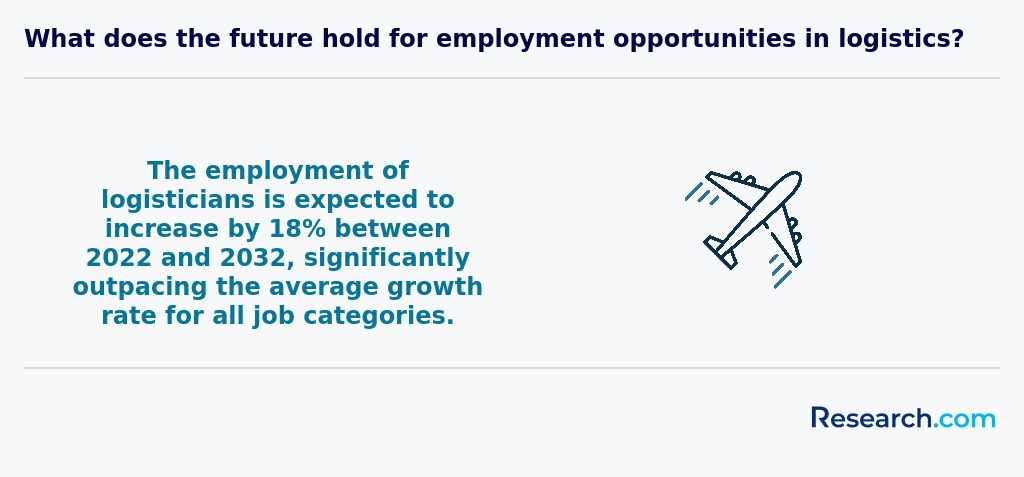
An online logistics degree significantly enhances career mobility and advancement opportunities in the Southern United States. The region hosts major transportation hubs like Atlanta and Houston, creating a strong demand for skilled logistics professionals. According to the U.S. Bureau of Labor Statistics, employment for logisticians is projected to grow 13% from 2022 to 2032, faster than average, with the South accounting for a substantial share of this increase.
Online programs provide flexibility for working adults to gain essential skills in supply chain management, warehousing, and distribution. Graduates often qualify for higher-level roles such as supply chain analysts or logistics managers, leading to increased salaries and leadership positions.
Studying for a logistics degree online in the South equips students with skills vital for interdisciplinary roles. Southern programs often integrate courses in supply chain management, transportation, business analytics, and information technology, reflecting the region's diverse logistics sector. The South hosts major transportation hubs like the Port of Savannah, driving demand for professionals who understand multiple facets of logistics.
According to the Bureau of Labor Statistics, employment in logistics-related occupations in Southern states is expected to grow faster than the national average through 2030. Programs emphasize critical skills such as data analysis, project management, and communication, preparing graduates to collaborate across departments.
This interdisciplinary training enables graduates to work effectively in roles bridging logistics, finance, marketing, and operations.
When choosing between a thesis and a non-thesis online logistics degree program in the South, consider your career goals and learning preferences. A thesis program requires independent research and writing, ideal for students aiming for roles in academia or advanced research. Non-thesis programs focus more on coursework and practical skills, suited for those targeting immediate industry jobs.
Logistics in the Southern U.S. is rapidly growing due to the expansion of ports, like Savannah and Houston, creating demand for professionals with applied knowledge. According to the Bureau of Labor Statistics, logistics employment in Southern states is projected to grow by 7% through 2030.
Research the curriculum carefully; thesis routes often require more time and advisory support, while non-thesis paths may offer internships and hands-on projects tailored to regional supply chain needs.
Students in the South seeking online logistics degrees have multiple pathways to study logistics beyond their region or even internationally. Many Southern universities offer fully online bachelor's programs accredited by bodies like the Council on Education for Logistics and Supply Chain Management. This allows students to access global logistics concepts without relocating.
Several schools partner with international institutions, providing virtual exchange programs or internationally focused coursework. For example, the logistics hubs in Georgia and Texas connect curricula with global supply chain trends, reflecting the South's key role in U.S. import-export activities, according to the Federal Highway Administration.
Online options often include case studies and projects related to global logistics challenges, strengthening practical knowledge for worldwide careers.
Students pursuing online logistics degrees in the South can find several part-time job opportunities that enhance their education and practical skills. Positions such as warehouse associates, inventory clerks, and transportation coordinators are common and directly related to logistics operations.
The South is a significant hub for distribution and supply chain activities, hosting major ports like Savannah, Georgia, and Charleston, South Carolina. This concentration creates many entry-level roles ideal for students seeking experience. According to the U.S. Bureau of Labor Statistics, logistics-related roles in this region are projected to grow by approximately 10% over the next decade, higher than the national average.
Internships with third-party logistics (3PL) providers and regional freight companies also provide valuable networking and hands-on exposure during studies. These roles often involve scheduling shipments, managing inventory software, and coordinating deliveries. Work in these fields supports the core curriculum of logistics programs and improves job market readiness.
Online logistics students in the South have several networking opportunities despite the virtual nature of their programs. Many Southern universities offer access to regional logistics and supply chain associations, such as the Council of Supply Chain Management Professionals (CSCMP) Southeast roundtable. This provides students chances to connect with local professionals through webinars and virtual events.
Additionally, online students often participate in virtual job fairs specific to Southern markets, including hubs like Atlanta and Dallas. These events connect students with regional employers, a crucial factor since the South handles about 30% of U.S. freight traffic, according to the American Transportation Research Institute.
Local chapters of professional organizations and alumni networks also support mentoring and internships, which enhance career prospects in logistics. Such connections are vital for online learners building careers in this growing sector.
Alumni networks play a vital role in supporting online logistics degree students in the South by offering professional connections and career opportunities. Communication within these networks often leads to internships, job placements, and mentorships in Southern logistics hubs like Atlanta, Dallas, and Charlotte. According to the Council of Supply Chain Management Professionals, Southern states have some of the fastest-growing logistics industries, making alumni connections especially valuable.
Many universities facilitate virtual events and online platforms where alumni share industry insights and job leads, helping graduates transition smoothly into the workforce. This networking advantage can increase employment rates and salary potential for online logistics students in the South.
Customizing an online logistics degree program in the South allows students to align their education with specific career goals. Many universities offer elective courses in areas like supply chain management, transportation, or inventory control, which lets students focus on their preferred logistics niche. For example, institutions accredited by the Council on Supply Chain Management Professionals (CSCMP) provide relevant coursework to meet industry standards. South Carolina and Georgia, with their booming ports and distribution hubs, influence curriculum choices that emphasize port logistics and freight management.
Students can also select internships or capstone projects within regional companies to gain practical experience. According to the Bureau of Labor Statistics, the Southeast employs over 20% of the nation's logistics professionals, highlighting diverse local opportunities. Online programs frequently incorporate interactive technologies enabling hands-on simulations, making customization accessible regardless of location.
Online logistics students in the South encounter several notable challenges. Limited access to reliable high-speed internet remains a barrier, especially in rural areas where nearly 23% of households lack broadband, according to the FCC's 2023 report. This can hinder participation in live lectures and timely submission of assignments.
Additionally, balancing work, family, and studies is a common issue. Many students in the region are working adults juggling multiple responsibilities while pursuing their degrees. Time management becomes critical in these circumstances.
Another challenge is finding local internship or hands-on opportunities, which are vital for logistics careers but less accessible remotely. Employers in the South often prefer in-person trainees for supply chain roles, limiting practical experience.
The regional logistics industry is growing-expected to add over 50,000 jobs by 2030 (Bureau of Labor Statistics)-but competition for quality positions remains intense, increasing pressure on students to excel online without direct faculty support.
With an online logistics degree, graduates can pursue several professional certifications that enhance career prospects in the supply chain and transportation industries. Popular options include the Certified Supply Chain Professional (CSCP) and the Certified in Production and Inventory Management (CPIM) from APICS, a recognized leader in supply chain certification.
Another well-regarded credential is the Certified Professional Logistician (CPL) offered by the International Society of Logistics. This certification focuses on logistics strategy and management skills.
In the South, where major ports and transportation hubs drive demand, these certifications can improve job opportunities and salaries, as reported by the Bureau of Labor Statistics and industry surveys.
To write a winning application for an online logistics program in the South, start by highlighting your interest in supply chain and transportation management. Emphasize any relevant work experience or certifications you may hold, such as a Certified Supply Chain Professional (CSCP). Admissions committees in Southern universities value practical knowledge alongside academic achievement.
Include a clear, concise personal statement explaining why logistics is important to you and how an online degree fits your career goals. Mention regional industry growth, such as the Gulf Coast's expanding port activities, supported by data from the American Association of Port Authorities. Demonstrating awareness of local logistics trends shows commitment and understanding.
Finally, maintain a strong GPA and submit all requested documents on time. Some programs may require letters of recommendation; choose references who can speak directly to your potential in logistics.
The logistics sector holds a vital role in the global economy, with careers offering opportunities beyond local and national boundaries. For students in the South pursuing online logistics degrees, understanding the international scope is essential. According to the Council of Supply Chain Management Professionals (CSCMP), global logistics spending reached over $1.9 trillion in 2023, highlighting the vast scale of this industry.
In the Southern US, key hubs like Atlanta and Houston serve as international gateways, making logistics careers attractive due to the complexity of managing global supply chains. The Bureau of Labor Statistics projects a 16% growth in logistics-related jobs nationwide through 2031, reflecting strong international demand.
Global perspectives emphasize skills in cross-border trade regulations, technology integration, and sustainability. These trends suggest online degrees with global logistics curricula prepare Southern students for diverse, competitive roles worldwide.
Gaining practical experience while studying for an online logistics degree in the South is crucial for career readiness. Many Southern universities partner with regional companies to offer virtual internships and co-op programs, allowing students to apply classroom knowledge in real-world settings. According to the Georgia Logistics Report (2023), internships increase job placement rates by 30% in the logistics sector.
Students can also engage in project-based learning, simulating supply chain challenges common in Southern ports like Savannah and Charleston. Networking events and local logistics associations often host virtual workshops, providing hands-on case studies. These opportunities help students develop skills demanded by employers in the region's $160 billion logistics industry (Supply Chain Quarterly, 2023).
Choosing the right concentration within an online logistics degree program in the South involves evaluating your career goals and the region's industry demands. The Southern U.S. is a major hub for transportation and supply chain operations, especially in states like Georgia and Texas, which host large ports and distribution centers.
Consider concentrations such as supply chain management, transportation, or warehousing that align with the dominant industries in the South. For instance, Georgia's Savannah port drives demand for maritime logistics expertise.
Research program curricula thoroughly to ensure they include practical skills and technology relevant to Southern markets. Look for degrees offering internships or partnerships with regional companies.
Consult sources like the Bureau of Labor Statistics, which reported continued job growth in logistics occupations in the South, to guide your decision.
Top Trending Logistics Rankings
References
- 5 Reasons Why Choose to Study Sustainable Mobility & Logistics https://www.mynoa.com/en/post/5-reasons-why-choose-to-study-logistics
- Study Logistics Abroad - Top Universities for Masters, MBA, PhD Degree Programs https://studee.com/degree/abroad/logistics
- Networking | Logistics & Transport Sector | CILT International https://ciltinternational.org/education-training/networking/
- Explore More https://aast.edu/en/colleges/citl/alex/dept/contenttemp.php
- Alumni Network - Global SCLM https://global-sclm.com/index.php/alumni-network/
- 60 Best Logistics courses In Europe 2026 https://www.hotcoursesabroad.com/study/training-degrees/europe/logistics-courses/continent/2/cgory/zm.-4/sin/ct/programs.html
- 2025 Most Affordable Online Supply Chain Management Degrees https://www.onlineu.com/most-affordable-colleges/supply-chain-management-degrees
- Online Degree vs. Traditional: Choosing the Right Path https://beal.edu/online-degree-vs-traditional/
- 5 Strategies to Land a Stable, High-Paying Logistics Career - The Job Center https://thejobcenterstaffing.com/5-strategies-stable-logistics-career/
- What are the Hottest Skill Niches in Supply Chain and Procurement? https://www.argentus.com/skill-niches-procurement/


