
2027 Most Valuable Online Logistics Degree Programs Ranking in the Midwest

Co-Founder and Chief Data Scientist
Choosing the right logistics degree program can set the foundation for a successful career, especially in the dynamic world of supply chain management. For students in the Midwest, finding valuable online options that fit your goals and lifestyle is essential.
This article presents the 2027 Most Valuable Online Logistics Degree Programs Ranking in the Midwest, developed by the Research.com team of data scientists. It's designed to help you navigate choices with clear, data-driven insights.
Explore programs that offer strong career prospects and flexibility to match your ambitions. Earning a logistics degree opens doors to thriving industries and rewarding opportunities, making your investment truly worthwhile.
Key benefits of getting online logistics degree in the Midwest
- Graduates with a logistics degree in the Midwest can expect strong salaries, such as $84,640 annually for Logistics Coordinators and Specialists, and $63,130 for Customs Brokers, offering financial stability and growth.
- Career paths include roles like Transportation Planner, Supply Chain Coordinator, and Customs Broker, providing diverse opportunities in warehousing, shipping, and inventory management.
- Online logistics degrees offer flexibility and convenience, allowing students from the Midwest to balance work and study while gaining the same valuable skills as traditional students, often with lower costs and time commitment.
- Key benefits of getting online logistics degree in the Midwest
- What can I expect from online logistics degree in the Midwest?
- Where can I work with online logistics degree in the Midwest?
- How much can I make with online logistics degree in the Midwest?
- 2027 Most Valuable Online Logistics Degree Programs Ranking in the Midwest
- Key Findings
- How long does it take to complete online logistics degree in the Midwest?
- What's the difference between online and on-campus logistics degree?
- Emerging Trends and Future Outlook in Logistics
- What is the average cost of online logistics degree in the Midwest?
- Industry Trends & Future Outlook
- What financial aid is available to online logistics degree students in the Midwest?
- What are the prerequisites for enrolling in online logistics degree program in the Midwest?
- Emerging Trends and Future Outlook in Logistics Education
- What courses are typically in online logistics degree programs in the Midwest?
- What types of specializations are available in online logistics degree programs in the Midwest?
- How do you choose the best online logistics degree in the Midwest?
- What career paths are available for online logistics degree students in the Midwest?
- What is the job market for online logistics degree in the Midwest?
- Top Trending Logistics Rankings
What can I expect from online logistics degree in the Midwest?
The average cost of an online logistics degree in the Midwest typically ranges from $15,000 to $35,000, depending on the institution and program length. Graduates from well-known Midwest schools often share how flexible payment plans and financial aid options helped them manage expenses while working full-time. For example, students at universities near Chicago or Indianapolis appreciate that their tuition fees align with the quality of practical training and industry connections offered.
Many programs integrate real-world logistics applications and software training, which graduates value as a direct boost to their careers. This makes the investment worthwhile, especially when securing internships or jobs in major Midwest logistics hubs. Being able to study remotely and earn certifications like the CSCP alongside the degree motivates students to stay engaged despite busy schedules.
Prospective students should explore scholarship opportunities and employer tuition assistance programs to reduce costs further. Connecting with alumni from their chosen programs provides insight into managing tuition and career outcomes effectively.
Where can I work with online logistics degree in the Midwest?
Graduates with an online logistics degree in the Midwest often find rewarding roles in supply chain analyst, warehouse manager, or transportation coordinator positions. Many alumni from well-regarded programs at universities such as Michigan State and the University of Illinois secure jobs with companies in key hubs like Chicago or Detroit, where their skills in inventory management and procurement are highly valued.
Real-life examples show graduates thriving at firms like C.H. Robinson in Minnesota or automotive suppliers in Michigan, where understanding local and regional distribution networks is crucial. These professionals enjoy helping optimize the flow of goods, from farm produce in Iowa to manufactured products destined for national markets.
Public-sector careers also attract graduates, with logistics planning and data analytics skills opening doors within government and military operations in states like Missouri and Indiana. Students often express confidence in their ability to navigate complex supply chains thanks to hands-on projects integrated into their Midwest online coursework.
How much can I make with online logistics degree in the Midwest?
With an online logistics degree from a well-regarded Midwest institution, graduates often start with roles such as Supply Chain Coordinator or Transportation Planner, earning around $46,690 annually according to recent BLS data. This provides a strong foundation, especially when combined with practical experience gained during internships or cooperative education at major regional schools like Michigan State University or Ohio State University.
Many graduates quickly advance to positions like Logistics Specialist or Logistics Coordinator, where salaries rise substantially, averaging near $84,640 per year. Midwestern hubs such as Chicago and Indianapolis boast employers offering competitive wages, reflecting the high demand for graduates skilled in supply chain management and analytical logistics techniques.
Graduates emphasize how certifications and hands-on projects, integrated into programs at schools like the University of Wisconsin-Madison, boosted their confidence and job market readiness. These credentials often propel salaries beyond entry-level figures, helping graduates command pay closer to $90,000 when securing supervisory or management roles in cities like Minneapolis.
Focusing on continuous learning and networking within Midwest logistics communities can accelerate this upward salary trajectory, underscoring the value of an online degree paired with regional industry connections.
2027 Most Valuable Online Logistics Degree Programs Ranking in the Midwest
How do we rank schools?
Investing in your education is a significant decision that can shape your future, and the Research.com team understands the importance of making informed choices. To assist prospective students, we have meticulously crafted the "2027 Most Valuable Online Logistics Degree Programs Ranking in the Midwest." Our commitment to quality, credibility, and accuracy is reflected in the extensive research and analysis conducted to compile this ranking.
We utilized the following reputable data sources to ensure a comprehensive evaluation of logistics degree programs:
By exploring this ranking, readers will gain valuable insights into the most valuable online logistics degree programs in the Midwest, enabling them to make well-informed decisions about their educational investments. For more details on our methodology, please visit our Research.com methodology page.


Key Findings
- Online logistics degrees in the Midwest range in tuition from $12,000 to $25,000, with public universities generally offering lower rates than private ones.
- The Midwest has a strong logistics industry due to its central location and extensive transportation networks, supporting high demand for logistics professionals.
- Logistics and supply chain jobs in the region are projected to grow by about 6% over the next decade, matching the national growth rate.
- Starting salaries for logistics graduates average around $50,000 annually, with mid-career earnings reaching between $80,000 and $100,000.
- Programs offer flexible online learning combined with access to internships and job placements within Midwest companies to boost career opportunities.
How long does it take to complete online logistics degree in the Midwest?
Completing an online logistics degree in the Midwest typically varies by program level and student pace. For example, full-time students at well-regarded institutions like the University of Wisconsin often finish a Bachelor's degree within four years, completing 120 to 130 credit hours. Part-time students balancing work and family may take five to six years, but many find this manageable thanks to flexible scheduling options.
Associate degrees offer a quicker route, generally around two years with 60 to 65 credit hours, perfect for those seeking entry-level roles or planning to transfer later. Master's degrees at schools such as Michigan State University usually require 30 to 36 credit hours and can be completed in 12 to 18 months full-time, with part-time options extending to two or three years.
Graduates often highlight the benefit of accelerated courses and self-paced programs that Midwest universities provide, allowing motivated students to finish sooner. Many reduce their timelines by transferring previous credits, making it possible to balance education and life without feeling overwhelmed.
What's the difference between online and on-campus logistics degree?
Online logistics degrees in the Midwest offer unmatched flexibility, ideal for students balancing work or family commitments. Graduates from universities like the University of Wisconsin-Madison often share how being able to study at their own pace without daily commutes helped them maintain full-time jobs while advancing their education. This format suits those living in rural areas where traveling to campus regularly is impractical.
In contrast, on-campus programs, such as those at Michigan State University, provide hands-on experiences like group projects and in-person networking-critical for building industry connections. Graduates highlight the value of face-to-face interactions with professors and peers, which often lead to internships or job offers in local logistics hubs like Detroit or Chicago.
Cost-wise, online programs may save money on housing and transportation, while in-state on-campus tuition typically ranges from $10,000 to $14,000 annually. Both options meet rigorous Midwest accreditation standards and prepare students for certifications like the Certified Supply Chain Professional (CSCP), enhancing job prospects in regional automotive and warehousing sectors.
Emerging Trends and Future Outlook in Logistics
As the logistics industry evolves at an unprecedented pace, understanding tomorrow’s trends is essential for students and professionals alike. Integrating insights on technology, sustainability, and shifting market demands not only demonstrates expertise but also helps prospective students anticipate the skills they will need. Below are key developments shaping the future of logistics in the Midwest and beyond: • AI and Automation: Machine learning algorithms and autonomous vehicles are streamlining warehouse operations and route planning. Early adopters report a 20–30% reduction in processing times and labor costs. • Blockchain and Digital Ledgers: Immutable tracking of shipments enhances transparency, reduces fraud, and strengthens supplier relationships. Companies leveraging blockchain have seen order-tracking discrepancies drop by up to 40%. • Internet of Things (IoT) and Real-Time Visibility: Connected sensors on pallets and containers enable continuous monitoring of temperature, humidity, and location-vital for sensitive pharmaceuticals and perishable goods. • Sustainable and Green Logistics: With carbon regulations tightening, firms are investing in electric fleets, optimized packaging, and reverse-logistics for product returns. Graduates versed in sustainability analytics are increasingly sought after. • Omni-Channel and E-Commerce Integration: The rise of direct-to-consumer models demands seamless coordination between online orders, distribution centers, and last-mile delivery, creating roles that blend technology with customer experience. Staying ahead of these trends requires continuous learning and adaptability. Whether you aim to specialize in automation engineering, supply chain analytics, or sustainability consulting, understanding these future drivers will position you for success. For more on practical career applications of your studies, explore our guide on what can i do with a logistics degree.
What is the average cost of online logistics degree in the Midwest?
The average cost of an online logistics degree in the Midwest typically centers around $39,222 in total expenses. For in-state students, the investment is usually lower, with median total costs near $34,800, making it a more affordable option compared to many other regions. Out-of-state students can expect higher costs, averaging approximately $61,200, reflecting the added tuition fees for non-residents. Many graduates from schools such as Ohio State University, the University of Wisconsin, and Michigan State University highlight how balancing part-time study and financial aid helped manage their expenses effectively.
When considering Midwest online logistics degree tuition fees, students should remember the importance of exploring financial aid and scholarships tailored to supply chain or logistics programs. Several programs offer tuition discounts or payment plans, especially for professionals already working in the field, which can reduce upfront costs and ease financial stress over time. These strategies are vital for maintaining positive momentum toward degree completion without overwhelming financial pressure.
Midwest students often benefit from flexible course pacing, which allows spreading tuition payments and coursework over longer periods. This approach helps many learners balance family, work, and education efficiently. Graduates frequently recommend reviewing detailed tuition breakdowns directly from their chosen colleges to avoid surprises and identify opportunities for savings.
Those interested in practical insights for their education search may also consider checking out a valuable logistics school in Missouri that combines strong career outcomes with competitive pricing, exemplifying what Midwest programs offer in terms of quality and cost-effectiveness.

Industry Trends & Future Outlook
As the logistics industry evolves, understanding future trends is essential for students considering an online logistics degree in the Midwest. Emerging technologies like artificial intelligence, blockchain, and advanced analytics are reshaping supply chains and streamlining operations, making adaptability a critical asset for graduates. Institutions are increasingly incorporating modules on digital transformation and sustainability, ensuring that students are well-prepared for the disruptions that lie ahead. Moreover, partnerships between top universities and industry leaders are paving the way for real-world projects and experiential learning opportunities, enhancing both academic and practical skills. This proactive approach is particularly evident at institutions recognized as a valuable logistics school in missouri, where ongoing research and innovation are at the forefront of curriculum development. Keeping a pulse on these trends-and continuously updating skill sets in response-will be key to success in the rapidly changing landscape of global logistics.
What financial aid is available to online logistics degree students in the Midwest?
Students pursuing online logistics degrees in the Midwest often find significant financial aid options to ease the cost. Federal aid, like Pell Grants up to $7,395 for the 2023-2024 year, is a major help; many graduates from popular schools like the University of Wisconsin or Michigan State have relied on these grants to reduce tuition expenses substantially. Applying early through FAFSA is critical, as it unlocks access to federal aid and state scholarships.
State programs such as Ohio's College Opportunity Grant (OCOG) or Illinois's Monetary Award Program (MAP) provide meaningful support, often covering $2,000 or more annually. Logistics students recount how combining these awards with merit-based scholarships from their universities or business schools made education affordable and motivated them to excel.
Many programs also offer work-study positions or partnerships with regional logistics companies, creating paid internships or tuition reimbursement opportunities. Federal loans remain a practical choice, with lower interest rates and flexible repayment terms that graduates appreciate when starting their careers. Early planning and leveraging multiple aid sources can make achieving a logistics degree in the Midwest both manageable and rewarding.
What are the prerequisites for enrolling in online logistics degree program in the Midwest?
To enroll in an online logistics degree program in the Midwest, you typically need a high school diploma or GED, along with a minimum GPA around 2.5 to 3.0. Graduates from well-known Midwest schools, like those in Illinois and Michigan, often mention how completing core courses in math (such as algebra and statistics), English, and basic sciences helped them feel prepared from day one. Many universities in Ohio and nearby states have adopted test-optional policies, so submitting SAT or ACT scores is usually not mandatory but can strengthen your application if you have good results.
For graduate degrees, having a bachelor's degree is essential, often from any field though business or engineering backgrounds are preferred. Graduates share that submitting official transcripts, recommendation letters, and a clear statement of purpose showcasing their passion for logistics made a strong impact. Some programs may ask for GRE or GMAT scores, but many Midwest schools waive this if you have relevant work experience in supply chain or operations.
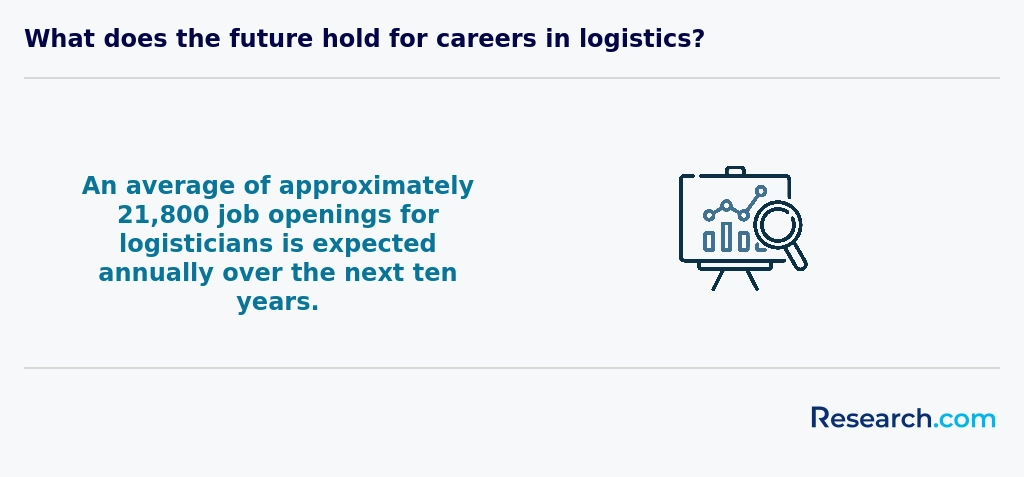
Emerging Trends and Future Outlook in Logistics Education
The field of logistics is undergoing rapid transformation, driven by technological innovations, shifting consumer demands, and global disruptions. Prospective students considering an online logistics degree in the Midwest should understand how these emerging trends will shape their education and career prospects:
- Digital Transformation and Automation: Artificial intelligence (AI), machine learning, and robotics are streamlining warehouse operations and predictive analytics. Coursework in logistics technology now often includes hands-on simulations with AI-driven tools, preparing graduates for roles in smart supply chain management.
- Blockchain and Data Security: As supply chains become more interconnected, blockchain applications ensure end-to-end transparency and reduce fraud. Understanding distributed ledger technology has become a core competency in advanced logistics programs.
- Sustainability and Green Logistics: With environmental responsibility at the forefront, programs emphasize carbon footprint reduction, reverse logistics, and circular supply chains. Students learn to implement eco-friendly practices, a skill set increasingly valued by employers.
- E-commerce and Last-Mile Delivery: The exponential growth of online retail demands innovative solutions for same-day and contactless delivery. Courses on urban logistics, drone delivery regulation, and routing optimization equip graduates to tackle last-mile challenges.
- Supply Chain Resilience and Risk Management: Recent global disruptions have highlighted the need for agile and resilient supply networks. Programs integrate risk assessment frameworks and scenario planning to prepare students for crisis response and continuity strategies.
- Advanced Analytics and Big Data: Proficiency in data visualization tools, SQL, and Python is becoming a prerequisite for logistics analysts. Coursework now includes capstone projects that analyze real-world datasets to optimize inventory levels and transportation routes. While Midwest online programs offer robust training in these areas, cost-conscious students may also explore regional alternatives through our Low Cost Logistics Degree Programs Ranking in the South. By staying ahead of these trends, graduates will be well-positioned to lead in an industry that values innovation, sustainability, and strategic thinking.
What courses are typically in online logistics degree programs in the Midwest?
Online logistics degrees in the Midwest typically include courses that build practical expertise directly applicable to the region's strong logistics industry. Graduates from popular Midwest universities highlight how foundational classes like Introduction to Logistics and Supply Chain Management and Transportation and Distribution Management helped them understand moving goods efficiently across the extensive highway and rail networks.
Courses such as Inventory Control and Warehouse Management and Procurement and Supplier Relations teach skills essential for managing the complexities of Midwest supply chains, especially with the influx of goods through major hubs.
Students often find Logistics Information Systems and Technologies particularly valuable, as these classes prepare them for tech-driven roles, reflecting the sector's digital evolution. For example, graduates recall applying project management tools learned in Project Management and Business Analytics courses to real-world problems during internships with regional logistics firms.
Classes in Risk Management in Logistics and regulatory compliance also provide critical insights for navigating the legal and safety aspects unique to Midwest transportation corridors, making graduates feel confident stepping into the workforce.
What types of specializations are available in online logistics degree programs in the Midwest?
Online logistics degree specializations Midwest programs typically include focused areas that prepare students for specific industry roles. For instance, Supply Chain Management teaches how to optimize the entire supply process, which many graduates from universities like Michigan State find invaluable when stepping into roles that require cost reduction and efficiency improvements.
Another common concentration is Transportation and Distribution, where students learn route planning and freight management-a perfect fit for those aiming to work within the Midwest's bustling freight hubs as reinforced by Ohio State University alumni. Warehouse management is increasingly important too, emphasizing inventory control and automation, directly aligning with e-commerce growth in the region.
Many students also choose Logistics Analytics and Technology to harness AI and data tools, gaining skills that employers in manufacturing and retail sectors highly value. Additionally, what can i do with a logistics degree programs at places like the University of Wisconsin showcase global logistics and trade compliance, helping graduates navigate cross-border supply chains effectively.
These Midwest logistics degree concentration options provide clear career pathways, helping students confidently enter a competitive job market with hands-on experience and industry-ready skills.
How do you choose the best online logistics degree in the Midwest?
When choosing the best online logistics degree in the Midwest, start by confirming the program's accreditation, ideally from the Accreditation Council for Business Schools and Programs (ACBSP) or the Association to Advance Collegiate Schools of Business (AACSB). Graduates from Midwest universities near logistics hubs like Chicago often emphasize how accredited programs boosted their confidence and improved job prospects. Cost is another key factor; many students find that affordable online logistics degrees in the Midwest save money by eliminating commuting and housing costs, with average in-state tuition around $10,000. It helps to compare tuition rates carefully and explore options like the Low Cost Logistics Degree Programs Ranking in the South for perspective on affordability.
Look closely at the curriculum-students highlight the advantage of courses offering hands-on projects and software training, such as SAP or Oracle SCM, which mirror real workplace demands. Also, consider programs with strong industry ties in the Midwest, as these connections lead to internships and jobs in top regional companies. Work-life balance is crucial too; flexible, asynchronous classes help students juggling careers succeed in these best online logistics degree programs Midwest.
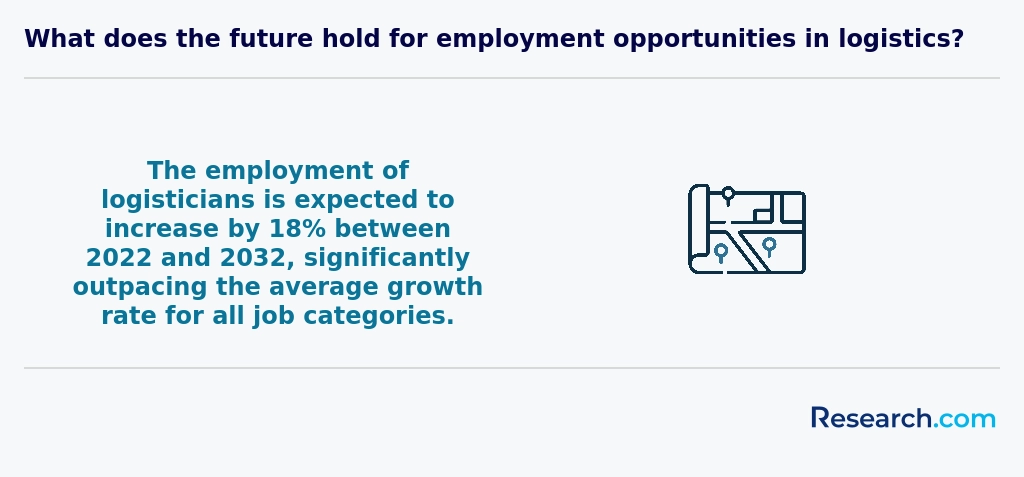
What career paths are available for online logistics degree students in the Midwest?
Graduates with an online logistics degree in the Midwest find career options rooted in the region's strong manufacturing and transportation sectors. Many have secured roles as supply chain analysts, where they analyze data to increase operational efficiency, or as logistics managers overseeing shipping and warehousing operations in cities with robust freight networks. For example, alumni from popular Midwestern universities often report quick advancement thanks to hands-on experience with warehouse management systems (WMS) and transportation management systems (TMS).
Other common paths include transportation planner positions, designing cost-effective transit solutions, and inventory control specialists who optimize stock levels. These job roles reflect the growing Midwest logistics market fueled by central distribution hubs like Chicago and Indianapolis. Students seeking to quickly boost their skills might explore best 6 month certificate programs that pay well.
Understanding the Midwest logistics degree job opportunities helps graduates target in-demand positions and leverage regional strengths to build rewarding careers in supply chain management.
What is the job market for online logistics degree in the Midwest?
The job market for graduates with an online logistics degree in the Midwest is thriving, driven by the region's strategic role in manufacturing and distribution. Midwestern logistics degree career opportunities often arise in cities like Chicago and Indianapolis, where companies seek skilled professionals for roles like supply chain analysts and transportation coordinators. Graduates from popular Midwest universities regularly share how internships and hands-on projects included in their programs helped them secure positions quickly after graduation.
Students pursuing an online logistics degree in the Midwest benefit from affordable tuition compared to traditional programs, enhancing accessibility for working adults. Employers value candidates who combine formal education with practical experience, especially skills in data analysis and inventory management. For those interested, exploring the best open enrollment colleges online can offer flexible pathways that match busy schedules while preparing for this expanding field.
Understanding regional market demands is key-Chicago's metropolitan area alone posts over 10,000 logistics job openings annually, with salaries ranging from $60,000 to $85,000 depending on experience. This solid job outlook encourages students to focus on gaining relevant certifications and real-world experience during their studies.
Frequently Asked Questions About logistics
Midwest students pursuing online logistics degrees can enhance their learning by actively engaging with virtual coursework and campus resources. Many accredited Midwest universities offer flexible programs tailored for working adults, combining theory with practical skills. According to the Council of Supply Chain Management Professionals, the Midwest remains a logistics hub, making internships and local networking crucial for career readiness.
Students should leverage regional industry connections through online job fairs and local chapters of professional organizations. Using supplemental resources like webinars and supply chain simulation software also deepens understanding. Staying current with trends in Midwest logistics, such as advancements in transportation technology, can provide a competitive edge in the job market.
The logistics field is expanding rapidly, with several emerging niches gaining importance, especially in the Midwest. One key area is e-commerce fulfillment, driven by the growth of online shopping. Warehousing, last-mile delivery, and inventory management technologies are evolving to meet this demand.
Another niche is supply chain sustainability, as companies seek to reduce their environmental impact. This includes green logistics practices and carbon tracking, which are becoming integral to operations.
Additionally, data analytics and automation are transforming logistics by improving efficiency and decision-making. The Midwest benefits from its central location, making it a hub for transportation innovations and smart logistics systems, supported by research from the Council of Supply Chain Management Professionals and Midwest regional economic reports.
After completing an online logistics degree in the Midwest, preparing for the job market requires targeted steps. First, gaining practical experience through internships or cooperative education programs is essential. Many Midwest companies, particularly in Chicago and Indianapolis, offer such opportunities, as these cities rank among the region's largest logistics hubs (Bureau of Labor Statistics, 2023).
Networking is also crucial. Joining professional organizations like the Council of Supply Chain Management Professionals (CSCMP) can connect graduates with regional employers and events. Additionally, obtaining certifications such as the Certified Supply Chain Professional (CSCP) can enhance credibility.
Finally, leveraging career services offered by online programs helps with resume building and interview preparation tailored to the Midwest logistics sector.
Employers in the Midwest highly value logistics degree graduates who demonstrate strong analytical skills. The ability to use data to optimize supply chains is crucial, as the region hosts major distribution hubs and manufacturing centers. According to the Council of Supply Chain Management Professionals, proficiency in inventory management and transportation logistics is essential for success in this market.
Technical skills, such as familiarity with logistics software like ERP systems and data analytics tools, are increasingly in demand. Communication and problem-solving abilities also rank high, as these graduates often coordinate between suppliers, warehouses, and retail networks.
Understanding regulatory compliance and sustainability practices is an added advantage, with many companies focused on green logistics initiatives. These skills collectively prepare students to meet current industry challenges effectively.
Finding internships in the Midwest relevant to a logistics degree involves targeted research and networking. Start by exploring career centers and internship platforms at Midwestern universities offering online logistics programs, such as those in Illinois, Ohio, and Indiana. The region's strong manufacturing and transportation sectors provide many opportunities.
Industry hubs like Chicago and Indianapolis host logistics firms seeking interns. Use resources like the Council of Supply Chain Management Professionals (CSCMP) and state workforce agencies, which list logistics internships and apprenticeships available in the Midwest.
According to the U.S. Bureau of Labor Statistics, logistics employment in the Midwest grew steadily by about 3% annually, increasing internship availability.
An online logistics degree can significantly enhance career mobility and advancement for professionals in the Midwest, a region known for its robust manufacturing, transportation, and warehousing industries. According to the Bureau of Labor Statistics (BLS), employment in logistics-related occupations in Midwestern states is projected to grow by approximately 6% through 2030, indicating steady demand.
Such degrees offer flexibility, allowing working professionals to upskill without relocating, which is crucial in a geographically large region. Employers in logistics hubs like Chicago, Indianapolis, and St. Louis value specialized knowledge in supply chain management, inventory control, and data analytics.
Graduates with an online logistics degree often qualify for higher-paying roles, including supply chain analysts and logistics coordinators, with median salaries exceeding $65,000 annually, according to regional industry surveys by the Council of Supply Chain Management Professionals (CSCMP).
Studying for an online logistics degree in the Midwest offers unique preparation for interdisciplinary roles by integrating supply chain management with business, technology, and analytics. Midwest programs often emphasize practical skills applicable across industries like manufacturing, agriculture, and transportation, vital to the region's economy. According to the Council of Supply Chain Management Professionals, the Midwest hosts over 25% of U.S. logistics firms, boosting real-world learning opportunities.
Curricula typically combine coursework in operations, finance, and data analysis, helping students understand how logistics intersects with other business functions. This broad foundation equips graduates to collaborate effectively in cross-functional teams.
Choosing between a thesis and a non-thesis logistics degree program in the Midwest depends on your career goals and learning preferences. Thesis options typically suit students aiming for research, academic careers, or advanced studies such as a PhD. These programs require conducting original research and writing a formal thesis, which enhances analytical and writing skills.
Non-thesis programs focus more on practical skills and coursework, appealing to professionals targeting direct industry roles in transportation, supply chain management, or warehousing. Midwest logistics hubs like Chicago and Indianapolis present ample job opportunities requiring applied knowledge.
According to the Bureau of Labor Statistics, Midwest logistics employment is growing at a steady pace, emphasizing skills gained in non-thesis programs.
Students in the Midwest looking to study logistics abroad face limited direct options through Midwestern universities, as most online logistics degrees focus on domestic coursework. However, some institutions offer study-abroad programs or international collaboration opportunities within their online frameworks. The Midwest's strong transportation networks-anchored by hubs in Chicago and St. Louis-often influence curriculum to emphasize global supply chain management. According to the Council of Supply Chain Management Professionals, 35% of logistics professionals in the region have international experience, highlighting the field's global nature.
Midwestern colleges typically partner with foreign universities for short-term exchanges, not full online degrees abroad. Thus, students should explore hybrid models that combine online study with overseas internships or brief residencies to gain cross-border logistics insights.
Students pursuing online logistics degrees in the Midwest have access to various part-time job opportunities that align well with their field of study. Positions such as warehouse associate, inventory clerk, and supply chain assistant are commonly available in distribution hubs across states like Illinois, Ohio, and Indiana, where logistics and transportation sectors are robust.
According to the U.S. Bureau of Labor Statistics (BLS, 2023), the Midwest hosts significant logistics activity, with growing demand for roles supporting order fulfillment and inventory management. These jobs provide practical experience in key logistics concepts such as warehousing, transportation, and inventory control.
Additionally, roles in delivery services and freight coordination can help students apply classroom knowledge to real-world challenges, enhancing skills in route optimization and shipment tracking. Working part-time in these positions offers valuable insights into industry technologies and operational workflows, crucial for a successful logistics career.
Online logistics students in the Midwest benefit from several robust networking opportunities despite the remote learning format. Many universities offering online logistics programs facilitate virtual events, webinars, and discussion forums where students can connect with peers and industry professionals. According to the Council of Supply Chain Management Professionals (CSCMP), Midwest chapters regularly host meetings and conferences that are accessible to students, providing networking within major logistics hubs such as Chicago and Indianapolis.
Additionally, partnerships between online programs and regional companies allow internships and cooperative education experiences. This real-world exposure supports career advancement.
Professional associations like APICS and the Midwest Transportation & Logistics Association also offer student memberships that grant access to exclusive job boards and mentorship programs.
Alumni networks offer substantial benefits to online logistics degree students in the Midwest by providing access to valuable industry connections. Many Midwestern universities emphasize strong ties with regional supply chains and transportation hubs such as Chicago and Indianapolis, which are critical in logistics.
Through alumni events, mentorship programs, and online forums, students can engage with experienced professionals who share insights on current trends and job opportunities. According to the Council of Supply Chain Management Professionals, networking significantly improves employment prospects in this field.
Moreover, Midwest alumni often work for top firms specializing in manufacturing, distribution, and agribusiness, sectors vital to regional logistics. This localized network enhances career guidance and recruitment possibilities for online students who might not have direct access to in-person resources.
Customizing an online logistics degree program in the Midwest allows students to align their education with specific career goals. Many Midwest institutions offer elective courses in supply chain management, transportation, and inventory control, enabling students to specialize according to industry demand. For example, focusing on e-commerce logistics can be beneficial given the growth of warehousing in states like Illinois and Missouri, which have seen a 12% increase in logistics jobs recently (Bureau of Labor Statistics, 2023).
Additionally, students can often choose between project-based learning or internships with regional companies, gaining practical experience relevant to Midwestern supply chains. Selecting certificates in technology tools like SAP or Six Sigma can further enhance marketability in roles requiring process optimization.
Online logistics students in the Midwest often face challenges related to balancing work, family, and study commitments. Many learners in this region are working professionals who juggle full-time jobs with coursework, making time management crucial. According to the National Center for Education Statistics, approximately 63% of online students nationwide are employed full-time, a trend reflected in the Midwest's logistics programs.
Another common issue is access to hands-on experience. Logistics is a field that benefits from practical knowledge, but some online programs struggle to provide sufficient internship or lab opportunities. Geographic distance from major transportation hubs, like Chicago or Indianapolis, can limit local in-person options.
Additionally, some students report difficulties in accessing reliable, high-speed internet in rural areas, which affects their ability to participate fully in virtual classes and study materials. The Federal Communications Commission notes that around 22% of rural Midwest residents still lack adequate broadband access, influencing online learning quality.
With an online logistics degree, students in the Midwest can pursue several key professional certifications to advance their careers. Popular options include the Certified Supply Chain Professional (CSCP) and Certified in Logistics, Transportation, and Distribution (CLTD) credentials offered by APICS, now part of the Association for Supply Chain Management (ASCM).
These certifications validate expertise in supply chain management and logistics operations, which are critical given the Midwest's role as a national transportation hub. According to the Council of Supply Chain Management Professionals, demand for certified professionals in this region has grown steadily.
Other respected certifications include the Certified Professional in Supply Management (CPSM) and the Six Sigma Green Belt, both recognized nationally and valued by Midwest employers.
To write a winning application for an online logistics program in the Midwest, start by clearly demonstrating your interest and understanding of the logistics industry. Highlight any relevant work experience, especially in transportation hubs like Chicago or Indianapolis, which are major Midwestern logistics centers. According to the Council of Supply Chain Management Professionals, the Midwest accounts for nearly 25% of U.S. logistics jobs. Tailor your personal statement to show how the program aligns with your career goals in this region's robust supply chain network.
Emphasize your quantitative skills and familiarity with logistics software or technologies. Provide strong academic records or certifications related to business, statistics, or supply chain management. Lastly, request professional recommendations that can vouch for your dedication and aptitude for logistics studies. Admissions committees value concrete evidence of your potential success in this competitive field.
Logistics careers increasingly require a global outlook, especially for professionals in the Midwest, a key US transportation hub. The region connects major markets across North America and overseas, demanding skills in international supply chain coordination. According to the Bureau of Labor Statistics, 2023 saw a 7% growth in logisticians nationwide, with the Midwest contributing significantly due to its extensive freight networks.
Understanding cross-border regulations and global trade dynamics is crucial. For example, Midwest ports on the Great Lakes facilitate trade between the US, Canada, and Europe. Educational programs often incorporate these global elements to prepare graduates for worldwide challenges.
Industry reports stress that logistics professionals with digital technology and global supply chain expertise will be highly sought after, emphasizing the importance of a degree blending local and global perspectives.
Gaining practical experience while pursuing an online logistics degree in the Midwest is essential for career readiness. Many Midwestern universities partner with local industries, such as manufacturing and transportation hubs in Chicago and Indianapolis, offering virtual internships. These internships provide real-world exposure without geographic constraints.
Students can also participate in case competitions hosted by logistics associations, like the Council of Supply Chain Management Professionals (CSCMP) Midwest Roundtable. Such events simulate industry challenges and encourage applied problem-solving.
Additionally, some programs integrate capstone projects with regional companies, allowing students to work on supply chain issues relevant to the Midwest's robust agricultural and distribution sectors.
When choosing a concentration within an online logistics degree program in the Midwest, consider your career goals and local industry demands. The region's economy heavily relies on manufacturing, agriculture, and transportation, so concentrations like supply chain management, transportation logistics, or inventory control can be valuable. For example, the Council of Supply Chain Management Professionals (CSCMP) highlights the Midwest as a critical hub for freight and warehousing.
Review courses carefully to ensure they address skills in technology, data analytics, and regulatory compliance. Research labor market data from the U.S. Bureau of Labor Statistics shows logistics jobs growing by 14% in the Midwest over the next decade, emphasizing the importance of relevant skills.
Finally, check if the program offers connections to regional employers or internships to boost your job prospects in key Midwestern cities like Chicago or Indianapolis.
Top Trending Logistics Rankings
References
- Alumni https://www.scm-network.com/alumni/
- Logistics and Supply Chain Management | Marian University https://www.marian.edu/academics/programs/bachelors/indianapolis/logistics-supply-chain.php
- 4 logistics challenges in 2024 https://www.dhl.com/discover/en-nz/logistics-advice/logistics-insights/logistics-challenges-and-supply-chain-solutions
- Logistics Software Development Company & Services https://www.idealogic.io/blog/logistics-is-it-possible-to-find-a-niche-today
- Online Degree vs. Traditional: Choosing the Right Path https://beal.edu/online-degree-vs-traditional/
- Find Supply Chain Management and Logistics Degree Programs - SupplyChainGuide.org https://www.supplychainguide.org/degrees/
- Explore More https://aast.edu/en/colleges/citl/alex/dept/contenttemp.php
- 3+ Logistics Cover Letter Examples (with In-Depth Guidance) https://www.tealhq.com/cover-letter-examples/logistics
- Business Administration (BBA) - Logistics and Supply Chain Management Concentration https://www.uagrantham.edu/online-degrees/business-administration-bba-logistics-and-supply-chain-management-concentration/
- Blog - Mastering Niche Talent Acquisition: Securing Top Talent in Logistics and Supply Chain https://www.mvp-search.com/insight/mastering-niche-talent-acquisition-securing-top-talent-in-logistics-and-supply-chain


