
2027 Best Marketing Degree Programs Ranking in Ohio

Co-Founder and Chief Data Scientist
Choosing the right marketing degree program can shape your future career in Ohio's dynamic business world. This article presents the 2027 Best Marketing Degree Programs Ranking in Ohio, carefully crafted by the Research.com team of data scientists to guide you in making smart, informed decisions.
Discover programs that match your goals and unlock opportunities in marketing. Whether you're starting fresh or aiming to advance, understanding your options helps you invest in a degree that truly matters.
Reading this ranking empowers you to take confident steps toward a rewarding marketing career.
Key benefits of getting marketing degree in Ohio
- Marketing degree graduates in Ohio can expect competitive salaries, such as a Public Relations Specialist earning around $159,420 annually and a Digital Marketing Specialist making approximately $83,190 per year.
- Graduates from popular Ohio universities have diverse career options including roles like Marketing Assistant, Media Planner, or Sales Associate, each offering unique growth opportunities and valuable industry experience.
- Obtaining a marketing degree online from a respected Ohio school provides flexibility and convenience, allowing students to balance work and study while gaining skills that employers highly value.
- Key benefits of getting marketing degree in Ohio
- What can I expect from marketing degree in Ohio?
- Where can I work with marketing degree in Ohio?
- How much can I make with marketing degree in Ohio?
- 2027 Best Marketing Degree Programs Ranking in Ohio
- Key Findings
- How long does it take to complete marketing degree in Ohio?
- What's the difference between online and on-campus marketing degree?
- What is the average cost of marketing degree in Ohio?
- Industry Trends and Future Outlook
- What financial aid is available to marketing degree students in Ohio?
- Accreditation and Professional Certifications
- What are the prerequisites for enrolling in marketing degree program in Ohio?
- Internship and Industry Partnership Opportunities
- What courses are typically in marketing degree programs in Ohio?
- What types of specializations are available in marketing degree programs in Ohio?
- How do you choose the best marketing degree in Ohio?
- What career paths are available for marketing degree students in Ohio?
- What is the job market for marketing degree in Ohio?
- Related Marketing Rankings for Nearby States
- Top Trending Marketing Rankings
- See What Experts Have To Say About Studying Marketing
What can I expect from marketing degree in Ohio?
The average cost of earning a marketing degree in Ohio typically ranges between $10,000 and $35,000 per year, depending on whether you attend a public university or a private college. Graduates from schools like Ohio State University or Miami University often share how financial planning-and exploring scholarships or assistantships-made their degrees more affordable while still delivering a rich educational experience.
Many students find that in-state tuition at Ohio public universities offers the best balance of quality and cost, with strong marketing programs that emphasize hands-on internships in vibrant cities such as Columbus and Cincinnati. These real-world opportunities not only deepen learning but also help offset costs by building valuable industry connections.
By focusing on obtaining practical skills and leveraging university career centers, students in Ohio often feel confident their investment leads to rewarding job prospects. Remember, careful budgeting and taking advantage of financial aid can turn a strong marketing education in Ohio into an accessible, exciting journey toward your future career.
Where can I work with marketing degree in Ohio?
Graduates with a marketing degree from well-known Ohio schools like Ohio State University or Miami University often find themselves stepping into vibrant workplaces in Columbus, Cleveland, or Cincinnati. These cities, bustling with corporate headquarters and innovative marketing firms, offer roles that pay well and promise growth. Imagine working as a digital marketing specialist for a Columbus tech startup or managing brand strategies at a Cleveland healthcare company-these are tangible opportunities for you.
Many students from Ohio's universities emerge into careers as social media managers, content strategists, or advertising directors. The expanding digital marketing field keeps your skills in high demand statewide, reflecting national trends of industry growth. Even nonprofits and government roles in Ohio provide meaningful platforms for marketing grads, allowing you to shape community engagement and tourism.
Ohio's strong manufacturing sector also welcomes marketers who enjoy crafting product strategies for B2B or international markets. Entry-level roles like marketing assistants or sales coordinators often lead to leadership positions, making Ohio a place where your career can evolve steadily and successfully.
How much can I make with marketing degree in Ohio?
Graduates from marketing programs at institutions like Ohio State University or Kent State often start with roles such as Marketing Assistants or Digital Marketing Specialists, earning around $83,190 annually according to Bureau of Labor Statistics data. Entering these positions fresh out of college means stepping into a dynamic world where your skills quickly translate into tangible results-and a solid salary.
Some alumni find themselves in positions like Media Planners or Public Relations Specialists, where salaries can climb to $159,420 per year. This reflects not only their expertise but also the valuable connections and practical experience gained during internships and projects while studying in Ohio's vibrant markets.
For those starting in sales roles such as Sales Associates, the mean annual wage of $53,280 offers a strong foundation and opportunities for upward mobility. Graduates often remark on how applying classroom concepts to real Ohio business challenges boosts both confidence and income potential.
If you're passionate about digital marketing, mastering analytics and brand strategy can quickly elevate you beyond the average pay, especially in busy hubs like Columbus or Cincinnati, where companies actively seek tech-savvy talent.
2027 Best Marketing Degree Programs Ranking in Ohio
How do we rank schools?
Investing in your education is a significant decision that can profoundly impact your future, and the Research.com team recognizes the importance of making well-informed choices. To support prospective students in Ohio, we have carefully developed the "2027 Best Marketing Degree Programs Ranking in Ohio." Our dedication to quality, credibility, and accuracy is evident in the thorough research and analysis behind this ranking.
We utilized the following reputable data sources to ensure a comprehensive evaluation of marketing programs:
By exploring this ranking, readers will obtain valuable insights into Ohio's top marketing degree programs, enabling them to make confident and informed decisions about their educational journey. For further information on our ranking process, please visit the Research.com methodology page.


Key Findings
- Public universities in Ohio charge between $10,000 and $12,000 per year for in-state marketing bachelor's degrees.
- Private colleges typically cost between $25,000 and $35,000 annually for marketing programs.
- Ohio employs over 30,000 marketing professionals in industries including retail, advertising, finance, and manufacturing.
- Entry-level marketing jobs offer salaries from $45,000 to $55,000, with mid-career salaries ranging from $65,000 to $80,000 annually.
- Senior marketing roles and specialized areas like digital marketing and market research can pay more than $90,000 per year.
- Many Ohio marketing programs provide strong connections to local businesses, helping students find internships and job placements.
How long does it take to complete marketing degree in Ohio?
Completing a marketing degree in Ohio commonly takes about four years for full-time students enrolled in traditional programs like the Bachelor of Business Administration or Bachelor of Science in Marketing. Many graduates from schools such as Ohio State University and Kent State University share how the structured eight-semester path keeps them motivated, giving a clear timeline to aim for. This timeframe mirrors national education standards, giving you confidence that your degree holds solid value.
Some students manage to accelerate their studies by taking advantage of summer courses or online options offered by these institutions, finishing in as little as three years. Imagine the excitement of walking across the stage ahead of schedule just because you chose to embrace extra classes and stay focused. On the other hand, part-time students balancing work sometimes take up to six years, but academic advising at Ohio universities helps keep their goals in sight without feeling overwhelmed.
Practical planning around course load, transfer credits, and university resources lets you tailor your journey. Graduates often celebrate how understanding these factors early made their experience rewarding and achievable.
What's the difference between online and on-campus marketing degree?
Choosing between online and on-campus marketing degrees in Ohio comes down to how you want to experience your education. Graduates from Ohio State University often speak warmly about the energy of walking across campus, engaging face-to-face with professors, and collaborating in real-time on projects that mimic real marketing challenges. The traditional rhythm of attending classes on-site creates rich networking opportunities within Ohio's bustling business hubs, especially valuable for those aiming to dive into local industries like manufacturing or retail marketing.
On the other hand, graduates from universities offering online options appreciate the flexibility to balance work, family, and studies with courses that fit into their schedules. For many, such as those studying through Kent State's hybrid programs, asynchronous learning means you can pause and reflect on video lectures or participate in discussions when it suits you. While the digital classroom lacks the immediate buzz of campus life, it offers a supportive, accessible path for motivated students who thrive in self-paced environments and have reliable internet access.
What is the average cost of marketing degree in Ohio?
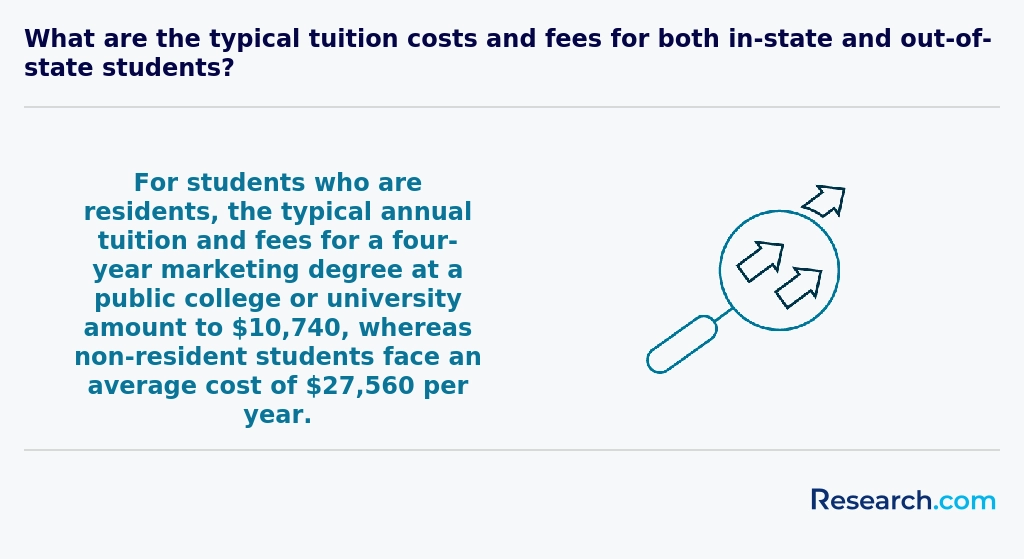
The average cost of a marketing degree in Ohio typically centers around $34,100 for in-state students and about $48,136 for out-of-state students. These figures represent the total tuition costs for completing a four-year program and provide a clearer financial picture than just annual fees. Many graduates from popular universities across Ohio have found that understanding these costs early on helps them plan wisely, balancing education expenses with personal goals and career ambitions.
Students attending well-known institutions in Ohio often share how the median total cost of their marketing programs influenced their decisions. Those opting for public universities benefit from more affordable in-state rates, making quality education more accessible without overwhelming debt. For example, marketing graduates from Ohio State University enjoyed lower tuition costs compared to peers at private colleges, allowing them to invest more in internships and real-world experiences that enhanced their career paths.
However, the choice to attend a private college might increase tuition costs significantly but often comes with scholarships and financial aid opportunities that many marketing students successfully secure. Community colleges are also an excellent stepping stone, where students can start their marketing education with lower tuition before transferring to a four-year program, maximizing both savings and learning.
For prospective students looking for the most affordable marketing programs in ohio, exploring these options is key. Sound financial planning paired with awareness of tuition trends will empower you to pursue your marketing degree without compromising your ambition.
Industry Trends and Future Outlook
The marketing landscape is rapidly evolving, and staying informed about industry trends is crucial for prospective students and professionals alike. With advancements in technology and shifts in consumer behavior, marketing degree programs in Ohio are continually adapting to prepare graduates for a future where digital strategies, data analytics, and innovative communication methods drive success. Emerging trends such as artificial intelligence in marketing, personalized customer experiences, and the integration of virtual reality into digital campaigns are transforming the field, making it essential for academic programs to incorporate these elements into their curriculum. Furthermore, the competitive nature of the job market calls for programs that emphasize hands-on learning, real-world applications, and continuous feedback from industry experts. Prospective students looking for cost-effective options without compromising on quality can benefit from exploring the most affordable marketing programs in ohio, which are increasingly integrating current industry practices into their coursework. As the field evolves, graduates with a deep understanding of both traditional and digital marketing strategies will be better equipped to navigate career challenges and seize emerging opportunities in a dynamic economic landscape.
What financial aid is available to marketing degree students in Ohio?
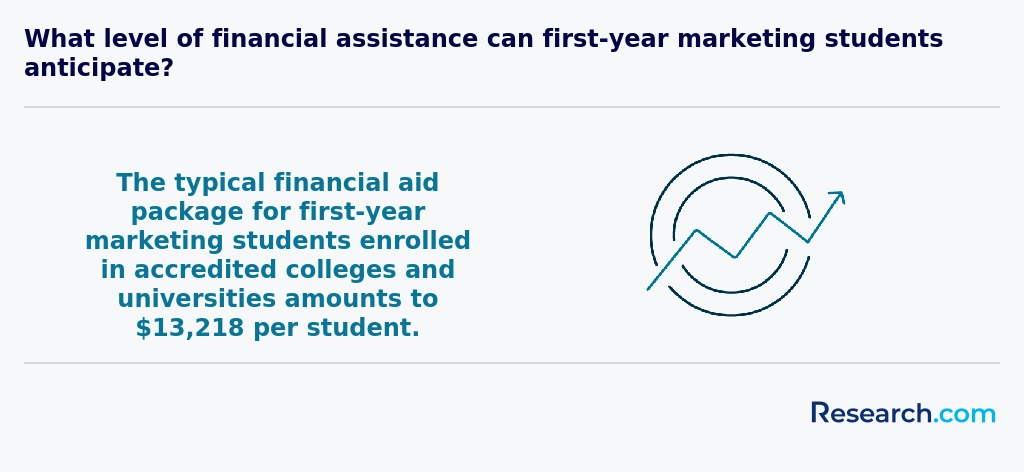
When pursuing a marketing degree in Ohio, you're not alone in managing costs-financial aid is a powerful ally. Many students at Ohio State University or the University of Cincinnati start by completing the FAFSA to unlock federal support like Pell Grants, which can provide up to $7,395 without needing repayment. This relief often brings smiles after stressing over tuition fees.
Beyond federal aid, Ohio offers the Ohio College Opportunity Grant, a lifeline granting up to $1,700 annually to qualifying residents. Graduates recall how these state awards eased their budgets, letting them focus more on classes and less on bills.
Don't overlook university scholarships tailored for marketing majors at these institutions, where merit and financial need open doors to additional funding. Many students have found their educational journey transformed by these scholarships, empowering them to explore internships and networking without financial strain.
Work-study programs and employer tuition reimbursement provide hands-on experience and extra income, making the pursuit of your marketing degree more attainable and rewarding in real time.
Accreditation and Professional Certifications
Ohio’s leading marketing programs maintain rigorous standards through accreditation by bodies such as the Association to Advance Collegiate Schools of Business (AACSB), the Accreditation Council for Business Schools and Programs (ACBSP), or the International Accreditation Council for Business Education (IACBE). These credentials signal to employers and graduate schools that a curriculum meets high benchmarks for faculty quality, research output, and student learning outcomes. For example, Ohio State University’s Fisher College of Business and Miami University’s Farmer School of Business both boast AACSB accreditation, ensuring that credits transfer seamlessly and that graduates enjoy enhanced career mobility. Beyond institutional accreditation, prospective marketers should pursue industry-recognized certifications to demonstrate specialized expertise. Popular options include Google Analytics and Google Ads certifications, HubSpot Inbound Marketing, Facebook Blueprint, and the American Marketing Association’s PCM® (Professional Certified Marketer) credential. Earning these certifications during your degree program not only refines technical skills in areas like SEO, social media advertising, and data analysis but also bolsters your résumé with verifiable proof of competency. For students comparing affordability across states, it’s valuable to explore budget-friendly alternatives; for instance, see our Low Cost Marketing Degree Programs Ranking in Maryland to weigh cost against accreditation quality and certification support. By selecting an accredited institution and complementing your coursework with professional credentials, you maximize both the academic rigor and real-world readiness of your marketing education.
What are the prerequisites for enrolling in marketing degree program in Ohio?
To enroll in a marketing degree program in Ohio, you'll need to meet some key prerequisites that set the foundation for your academic success. For undergraduates aiming for schools like Ohio State University or Miami University, having a high school diploma or GED with a solid GPA-typically between 2.5 and 3.0-is essential. Many students find submitting SAT or ACT scores helpful, even though some schools offer test-optional options now.
Graduates I've known from Case Western Reserve University often highlight the importance of foundational coursework in math and English, which sharpen analytical and communication skills vital for marketing. Personal statements and recommendation letters help showcase your passion and determination, making your application stand out.
For those pursuing a Master's or MBA with marketing emphasis at top Ohio institutions, expect to provide an accredited bachelor's degree-often in business or economics-and GRE or GMAT scores, unless waived for strong work experience. Graduates emphasize that relevant professional experience boosts your candidacy and enriches your learning journey.

Internship and Industry Partnership Opportunities
Ohio’s marketing programs distinguish themselves through strong partnerships with leading companies and agencies, offering students invaluable hands-on experience. Many universities have formal internship pipelines with Fortune 500 firms, local startups, and nonprofit organizations, ensuring that students can apply classroom theory to real-world challenges. For example, Ohio State University collaborates with Procter & Gamble and Nationwide Insurance to host semester-long internships, while the University of Cincinnati partners with local ad agencies to provide students with project-based roles in campaign development and market research. These partnerships often include: • Structured Internship Programs: Students can choose from summer or co-op placements that integrate academic credit with paid work experience. • Mentorship and Networking Events: Industry partners participate in on-campus workshops and career fairs, giving students direct access to hiring managers and recruiters. • Live Case Competitions: Sponsored by companies such as Marketing Edge and the American Marketing Association, these competitions challenge teams to develop strategic solutions for real clients, simulating a professional marketing environment. • Capstone Projects with Corporate Clients: In their final year, many students collaborate on capstone projects where they present campaign proposals to executives, receiving feedback that often leads to job offers. These experiential learning opportunities not only enhance resumes but also boost students’ confidence and professional networks. Graduates frequently cite their internship experiences as pivotal in securing full-time roles, including in roles beyond traditional marketing-such as strategic communications, brand management, and digital analytics. For those interested in exploring related pathways in corporate communication and storytelling, see our communications career path guide.
What courses are typically in marketing degree programs in Ohio?
When pursuing a marketing degree in Ohio, you'll dive into courses that build both your knowledge and confidence for real-world success. At universities like Ohio State and Miami University, graduates often highlight how foundational classes such as Principles of Marketing set the stage by unveiling the core strategies businesses use every day to attract customers.
Courses like Consumer Behavior bring to life what really drives people's choices-imagine analyzing why a friend picks one brand over another-and Marketing Research arms you with tools to gather and interpret vital market data, skills highly valued by Ohio employers.
Hands-on subjects like Advertising and Promotion and Digital Marketing allow students to craft campaigns on social media or optimize websites, reflecting the dynamic marketing landscape across Ohio's industries. Sales Management teaches you how to lead teams and build relationships, a skill many graduates recall using in internships around Columbus and Cincinnati.
Lastly, Business Ethics ensures you navigate the marketing world responsibly, an important focus in Ohio's tight-knit business communities. Taken together, these courses offer a lively and practical roadmap to thrive in Ohio's marketing scene.
What types of specializations are available in marketing degree programs in Ohio?
Ohio's marketing degree specializations offer exciting paths that align perfectly with today's fast-moving professional landscape. Graduates from renowned institutions like Ohio State University and the University of Cincinnati often highlight how concentrations such as digital marketing sharpen their ability to design social media campaigns and master SEO techniques, making them standout candidates in a competitive job market. The hands-on focus in Ohio's programs lets students translate classroom lessons into tangible successes, like boosting a local brand's online presence.
Other popular Ohio marketing degree concentration options include brand management, sales, market research, and advertising. For example, students at Kent State University leverage brand management skills to understand consumer psychology, fostering strong connections between businesses and their customers. Many also engage in internships that enrich their understanding of real consumer data, a crucial asset for those on a communications career path.
How do you choose the best marketing degree in Ohio?
When choosing the best marketing degree programs in Ohio, focus first on accreditation and how well the curriculum prepares you for the evolving marketing landscape. Graduates from institutions like Ohio State University or Miami University often share how strong ties to local industries gave them real-world internships that boosted confidence and job prospects. Think about cost too-public universities usually charge around $11,000 annually for in-state students, making them a solid value for many. For those balancing work and study, programs offering online or hybrid formats can transform your learning experience without overwhelming life's demands.
Also, consider schools that emphasize skills in digital marketing and analytics, as these areas shape the future of the field. Some graduates talk about how programs with a data-driven focus made their resumes stand out. To explore more about affordable options, check out the Low Cost Marketing Degree Programs Ranking in Maryland. By aligning your choice with quality, flexibility, and real-world connections, you'll navigate Ohio's job market confidently with an affordable marketing degrees Ohio offers.
What career paths are available for marketing degree students in Ohio?
Graduates with a marketing degree in Ohio find an exciting variety of career paths awaiting them. From thriving urban centers like Columbus and Cleveland to growing businesses across the state, roles such as Market Research Analyst, Advertising Manager, Sales Manager, and Social Media Specialist open doors to rewarding opportunities. Many who studied at popular institutions like Ohio State University or Miami University have stepped confidently into these positions, leveraging a deep understanding of consumer behavior and digital trends.
For example, a graduate working as a Market Research Analyst in Cleveland may spend their day analyzing data to help companies launch new products or tailor campaigns, turning insights into impactful decisions. Another might thrive as a Social Media Specialist, crafting engaging online content to boost brand presence for a healthcare startup in Cincinnati. These real-world experiences highlight the value of Ohio marketing degree job prospects that blend creativity with strategy.
If you're eager to jumpstart your career, consider exploring 12 month certificate programs that pay well to complement your degree and expand your skill set quickly.
What is the job market for marketing degree in Ohio?
The marketing degree job outlook Ohio offers is promising for recent graduates who are eager to launch their careers in dynamic fields like digital marketing, brand management, and market research. Graduates from universities such as Ohio State University and the University of Cincinnati often find themselves drawn to Columbus, Cleveland, or Cincinnati, where companies provide vibrant environments to apply skills learned in the classroom. These cities house a mix of Fortune 500 companies and innovative startups, creating steady demand for fresh marketing talent.
Marketing graduates who once started with internships and cooperative education programs now share stories of quickly securing roles with starting salaries between $45,000 and $55,000. Mid-career professionals in the state see their earnings grow to around $75,000, with senior roles paying even more. This encouraging progression reflects Ohio marketing careers and salary trends deeply rooted in the state's diverse economy and commitment to nurturing new experts.
To enhance your opportunity, embracing evolving digital marketing strategies is key, as many Ohio firms prioritize online channels. And if you're wondering where to begin or consider further study, exploring the easiest phd degree options can be a strategic move for long-term success.
Frequently Asked Questions About marketing
Marketing degree students in Ohio can maximize their learning experience by combining classroom knowledge with practical opportunities. Internships with local businesses or marketing firms give students real-world insights and valuable networking connections. Ohio's diverse economy, including strong retail and manufacturing sectors, provides ample internship options.
Engaging in student marketing clubs or competitions helps develop teamwork and leadership skills. Many Ohio universities partner with industry leaders to offer workshops and speaker events, which expose students to current marketing trends and challenges.
Utilizing Ohio-specific market data from sources like the Ohio Department of Development or U.S. Bureau of Labor Statistics enhances understanding of regional consumer behavior and employment prospects.
The marketing field is experiencing rapid evolution, with several emerging niches gaining prominence. In Ohio, data-driven marketing stands out as a key growth area, fueled by the state's expanding tech sector. According to the Ohio Department of Job and Family Services, digital marketing roles are expected to grow by 15% through 2028. Additionally, influencer marketing has become critical for brands aiming to connect with younger audiences on platforms like TikTok and Instagram.
Other vital niches include sustainability marketing, reflecting increased consumer demand for eco-friendly products, and neuromarketing, which combines neuroscience and marketing strategies. These areas offer promising career opportunities for marketing graduates in Ohio.
After completing a marketing degree in Ohio, preparing for the job market requires strategic steps. Networking is essential; Ohio hosts numerous marketing meetups and professional groups, such as the American Marketing Association's Ohio chapters, providing valuable connections. Internships during or after college significantly improve employment prospects-Ohio's diverse economy offers opportunities in sectors like retail, manufacturing, and healthcare marketing.
Building a strong portfolio showcasing digital marketing skills, analytics, and real-world projects is crucial, as employers increasingly demand data-driven expertise. According to the Ohio Department of Job and Family Services, marketing-related roles in Ohio are expected to grow by 6% from 2022 to 2032, indicating steady demand. Finally, obtaining certifications like Google Ads or HubSpot can enhance credibility in this competitive field.
Employers in Ohio highly value marketing degree graduates who demonstrate strong communication skills, both written and verbal. These skills are essential for crafting clear messages and engaging with diverse audiences. Additionally, proficiency in digital marketing tools and platforms is increasingly important, reflecting Ohio's growing emphasis on online advertising. According to the Ohio Department of Job and Family Services, data analysis and the ability to interpret consumer behavior also rank among top requested skills.
Critical thinking and creativity enable graduates to develop compelling campaigns tailored to local markets. Furthermore, teamwork and project management skills help navigate Ohio's collaborative business environments effectively. Overall, a blend of analytical and interpersonal abilities is crucial for success in Ohio's competitive marketing sector.
Finding marketing internships in Ohio involves utilizing local resources and industry connections. Students should start by exploring university career centers, which often partner with regional businesses for internship placements. Ohio's diverse economy, including strong sectors in retail, manufacturing, and digital marketing, offers many opportunities. According to the Ohio Department of Higher Education, nearly 60% of marketing graduates participate in internships before completing their degree.
Online job platforms such as Handshake and LinkedIn list numerous Ohio-based marketing internships. Networking with alumni and attending local marketing events or Ohio Marketing Executives Association meetings can also help secure positions.
In Ohio, earning a marketing degree can significantly enhance career mobility and advancement opportunities. According to the U.S. Bureau of Labor Statistics, Ohio's marketing-related fields are projected to grow about 7% from 2022 to 2032, aligning with national trends. This growth supports increased demand for skilled marketing professionals, facilitating upward movement within organizations.
A marketing degree provides foundational knowledge in market research, digital marketing, and brand management, which are highly valued by Ohio employers across various industries, including manufacturing and technology. Graduates often find opportunities to move into leadership roles more quickly compared to those without formal training.
The Ohio Department of Higher Education reports that Ohio universities offer strong internship and networking programs, which further boost career advancement by connecting students with local businesses. This practical experience is critical for job promotions and career shifts within the regional market.
Studying for a marketing degree in Ohio offers a strong foundation in core business principles while encouraging interdisciplinary learning. Many Ohio universities integrate courses in data analytics, communications, and psychology, preparing students to approach marketing challenges from multiple angles.
Ohio's marketing programs emphasize collaboration with fields like information technology and behavioral science. For example, students often engage in projects that combine market research with digital tools, reflecting demands in today's job market.
According to the Ohio Department of Higher Education, more than 60% of marketing graduates find employment in roles requiring skills beyond traditional marketing, underscoring the value of interdisciplinary training.
This holistic approach equips students with versatility for careers in advertising, brand management, and consulting across diverse industries.
Choosing between a thesis and a non-thesis marketing degree program in Ohio depends on your career goals and learning preferences. Thesis programs often suit students interested in research or pursuing doctoral studies. These programs require conducting original research and writing a comprehensive thesis, which can enhance analytical skills valuable in academic or specialized industry roles.
Non-thesis programs focus more on practical knowledge and coursework, ideal for those aiming to enter Ohio's business market quickly. According to the Ohio Department of Higher Education, marketing jobs in Ohio are growing steadily by 7% annually, favoring candidates with hands-on experience.
Consider your long-term plans carefully when selecting the option that best fits your professional aspirations.
Students based in Ohio who wish to study marketing abroad have several options through their home universities. Many Ohio institutions, including Ohio State University and Kent State University, offer exchange programs or study abroad opportunities in partnership with universities in Europe, Asia, and Latin America. These programs often allow students to earn credit toward their marketing degree while gaining international business experience.
Ohio State's Fisher College of Business, for example, provides study trips and semester exchanges focused on global marketing practices. According to the Institute of International Education, the number of Ohio students studying abroad increased by 20% over the last five years, with many choosing business-related fields.
Financial aid and scholarships specific to study abroad are frequently available to Ohio marketers. Students are encouraged to work with their academic advisors and global education offices to identify programs aligned with their marketing interests and degree requirements.
Ohio offers a variety of part-time job opportunities that complement marketing degree education well. Students often find roles in social media management, content creation, and market research, which provide practical experience alongside academic learning.
The state's growing business hubs, such as Columbus and Cincinnati, host numerous startups and established companies seeking entry-level marketing support. According to the Ohio Department of Job and Family Services, these cities have seen a 5% increase in marketing-related part-time positions over the past two years.
Internships in digital marketing agencies are also common, allowing students to enhance skills in SEO and campaign analytics. Additionally, positions in retail marketing or event promotion offer valuable exposure to customer behavior and brand strategy relevant to degree coursework.
Marketing students in Ohio have access to a variety of networking opportunities that can enhance their career prospects. Many universities host marketing clubs and student organizations that connect students with local professionals. These groups often organize guest speaker events, workshops, and networking mixers.
The Ohio Marketing Executives Networking Group (OMENG) is a notable industry association based in Cleveland offering events and mentorship programs specifically for marketing students and young professionals. Additionally, Ohio's location provides proximity to Fortune 500 companies such as Procter & Gamble and Nationwide, where internships and corporate events are common.
According to the Ohio Department of Higher Education, Ohio saw a 6% increase in marketing job postings between 2021 and 2023, reflecting expanding employment networks within the state.
Alumni networks play a crucial role for marketing degree students in Ohio by providing valuable professional connections and mentorship opportunities. Many Ohio universities have active alumni involved in local industries such as Cincinnati's advertising firms and Cleveland's digital marketing startups. This helps students access internships and job openings not always advertised publicly.
According to the Ohio Department of Higher Education, over 65% of graduates find employment through alumni or faculty referrals, highlighting the importance of these networks. Additionally, alumni events and online platforms foster skill development and industry insights tailored to Ohio's dynamic marketing landscape.
Customizing a marketing degree program in Ohio allows students to align their education with specific career goals. Many universities in Ohio offer concentrations such as digital marketing, consumer behavior, or sales management. Selecting electives related to these areas helps tailor skills toward desired industries.
Internships and cooperative education programs are commonly available and provide valuable real-world experience in Ohio's diverse markets, including Columbus and Cincinnati. According to the Ohio Department of Higher Education, about 65% of marketing students participate in internships, enhancing job readiness.
Students can also engage in student organizations and networking opportunities to build connections in Ohio's marketing sector, beneficial for career advancement.
Marketing students in Ohio often face challenges related to the rapidly changing digital landscape. Keeping up with new tools and platforms, such as social media algorithms and data analytics software, can be demanding. According to the National Center for Education Statistics, Ohio awards over 1,000 marketing degrees annually, indicating significant competition for internships and job placements.
Another common issue is balancing theoretical knowledge with real-world experience. Students sometimes find it difficult to apply classroom concepts to practical marketing scenarios without sufficient hands-on opportunities. Additionally, navigating Ohio's diverse economy, which includes manufacturing, healthcare, and technology sectors, requires students to adapt their marketing skills to various industries.
Graduates with a marketing degree in Ohio have several professional certification options to advance their careers. One popular certification is the Certified Marketing Professional (CMP), offered by organizations like the National Institute for Social Media. This credential validates skills in digital marketing and social media strategy.
Another widely recognized certification is the American Marketing Association's Professional Certified Marketer (PCM), which covers essential marketing concepts and strategy. Ohio professionals also pursue the Google Analytics Individual Qualification (GAIQ) to demonstrate expertise in analytics, critical for data-driven marketing roles.
According to the Ohio Department of Higher Education, demand for certified marketing professionals grew by nearly 8% from 2018 to 2023, reflecting a trend toward specialized skills in the state's evolving marketing landscape.
Writing a winning application for a marketing program in Ohio requires clear focus and effective presentation. Start by researching the specific program's admission criteria, as Ohio schools may request different materials like resumes, recommendation letters, or essays. Highlight any relevant experience, such as internships or projects, demonstrating practical marketing skills.
Be sure to articulate your career goals and why you chose marketing, showing awareness of Ohio's market trends. According to the Ohio Department of Job and Family Services, marketing roles in Ohio are expected to grow 5% through 2030, reflecting a steady demand.
Maintain a professional tone and carefully proofread your application to avoid errors. Leveraging local Ohio industry examples can enhance your personal statement's impact and showcase your understanding of the regional marketing landscape.
The global perspectives on a marketing career emphasize the increasing demand for professionals who understand diverse markets and digital trends. In Ohio, marketing degrees prepare students to meet these needs by focusing on both local business environments and international strategies. According to the U.S. Bureau of Labor Statistics, marketing managers in Ohio earn a median annual wage of about $135,000, reflecting strong regional opportunities.
Marketing careers today require skills in data analysis, consumer behavior, and digital media, which are valued worldwide. Ohio's universities incorporate these elements in their curricula to align with global business practices. Furthermore, the state's central location and diverse economy offer graduates exposure to various industries, enhancing their global outlook and adaptability.
Students pursuing a marketing degree in Ohio can gain practical experience through internships, cooperative education programs, and campus organizations. Ohio's diverse economy includes many firms in Columbus, Cincinnati, and Cleveland that offer internships focused on digital marketing, market research, and brand management. The National Association of Colleges and Employers reported that 60% of marketing majors secure internships during their studies, improving job prospects.
Additionally, many Ohio universities partner with local businesses to provide hands-on projects. Students can also join marketing clubs and participate in case competitions to develop real-world skills. These opportunities help bridge classroom theory with applied marketing practice.
Choosing the right concentration within a marketing degree in Ohio involves assessing your career goals and local industry demands. Ohio's diverse economy, including strong sectors like manufacturing, healthcare, and retail, often favors concentrations such as digital marketing, brand management, or market research. According to the U.S. Bureau of Labor Statistics, Ohio's marketing analyst roles are expected to grow by 8% from 2022 to 2032, aligning with national trends.
Explore concentrations that offer practical skills applicable to Ohio's job market, such as data analytics or social media marketing. Reviewing faculty expertise and internship opportunities at Ohio institutions can also guide your choice. Ultimately, aligning your concentration with both interests and employment trends enhances future job prospects in the state.
Related Marketing Rankings for Nearby States
- 2027 Best Marketing Degree Programs Ranking in Illinois
- 2027 Best Marketing Degree Programs Ranking in North Carolina
- 2027 Best Marketing Degree Programs Ranking in Missouri
- 2027 Best Marketing Degree Programs Ranking in South Carolina
- 2027 Best Marketing Degree Programs Ranking in Georgia
- 2027 Best Marketing Degree Programs Ranking in New Jersey
- 2027 Best Marketing Degree Programs Ranking in New York
- 2027 Best Marketing Degree Programs Ranking in Alabama
- 2027 Best Marketing Degree Programs Ranking in Mississippi
- 2027 Best Marketing Degree Programs Ranking in Iowa
Top Trending Marketing Rankings
See What Experts Have To Say About Studying Marketing
Read our interview with Marketing experts

Aidin Namin, Ph.D.
Marketing Expert
Associate Professor of Marketing Analytics
Loyola Marymount University

Sonya A. Grier, Ph.D.
Marketing Expert
Professor, Department of Marketing
American University

References
- How to Become an International Marketing Executive https://online.maryville.edu/online-bachelors-degrees/marketing/careers/international-marketing-executive/
- Women in marketing: Career growth through education | Esade https://www.esade.edu/beyond/en/women-marketing/
- Marketing Assistant Cover Letter Sample https://www.kickresume.com/en/help-center/marketing-assistant-1-cover-letter-sample/
- Niche Digital Marketing Roles: Exploring Specialized Career Paths https://www.cellainc.com/insights/blog/niche-digital-marketing-roles-exploring-specialized-career-paths/
- How to use growth marketing in an alumni network context? - AlumnForce https://www.alumnforce.com/en/how-to-use-growth-marketing-in-an-alumni-network-context/
- Traditional Marketing vs. Digital Marketing: What's the Difference? https://online.champlain.edu/blog/traditional-marketing-vs-digital-marketing
- Why study marketing? Discover 7 compelling reasons https://isc.strath.ac.uk/blog/why-study-marketing
- Career Goals: 17 Inspirational Examples for you in 2026 https://www.imd.org/blog/learning-and-development/career-goals/
- Master of Science (M.S.) Major in Marketing Research and Analysis (Non-thesis Option) https://mycatalog.txstate.edu/graduate/mccoy-business-administration/marketing/marketing-research-analysis-ms/
- Marketing at Ohio State University: Cost & Outcomes | Vaia https://www.vaia.com/s/degree/ohio-state-university-main-campus/marketing-bachelors-award-unknown/


