
2027 Most Valuable Marketing Degree Programs Ranking in South Carolina

Co-Founder and Chief Data Scientist
If you're considering a marketing degree in South Carolina, this article is here to guide you. The 2027 Most Valuable Marketing Degree Programs Ranking in South Carolina was created by the Research.com team of data scientists to help you make an informed choice about which programs offer the best opportunities and outcomes.
Exploring these rankings will give you confidence in selecting a program that matches your goals. A marketing degree can open doors to creative and rewarding careers, and understanding your options is a smart first step on that path.
Key benefits of getting marketing degree in South Carolina
- Marketing degree graduates in South Carolina can earn competitive salaries, such as a Public Relations Specialist making around $159,420 annually, or a Digital Marketing Specialist earning about $83,190 per year, offering strong financial motivation.
- Career paths are diverse, with graduates from institutions like the University of South Carolina pursuing roles like Sales Associate, Media Planner, or Marketing Assistant, allowing flexible opportunities to grow in the marketing field.
- Online marketing degrees offer convenience and flexibility, giving students from places like Clemson University the chance to balance work and study while gaining the same valuable skills as traditional programs.
- Key benefits of getting marketing degree in South Carolina
- What can I expect from marketing degree in South Carolina?
- Where can I work with marketing degree in South Carolina?
- How much can I make with marketing degree in South Carolina?
- 2027 Most Valuable Marketing Degree Programs Ranking in South Carolina
- Key Findings
- How long does it take to complete marketing degree in South Carolina?
- What's the difference between online and on-campus marketing degree?
- Industry Partnerships and Internship Opportunities
- What is the average cost of marketing degree in South Carolina?
- Campus Life and Student Support Services in South Carolina
- What financial aid is available to marketing degree students in South Carolina?
- Return on Investment and Alumni Outcomes
- What are the prerequisites for enrolling in marketing degree program in South Carolina?
- What courses are typically in marketing degree programs in South Carolina?
- What types of specializations are available in marketing degree programs in South Carolina?
- How do you choose the best marketing degree in South Carolina?
- What career paths are available for marketing degree students in South Carolina?
- What is the job market for marketing degree in South Carolina?
- Related Marketing Rankings for Nearby States
- Top Trending Marketing Rankings
- See What Experts Have To Say About Studying Marketing
What can I expect from marketing degree in South Carolina?
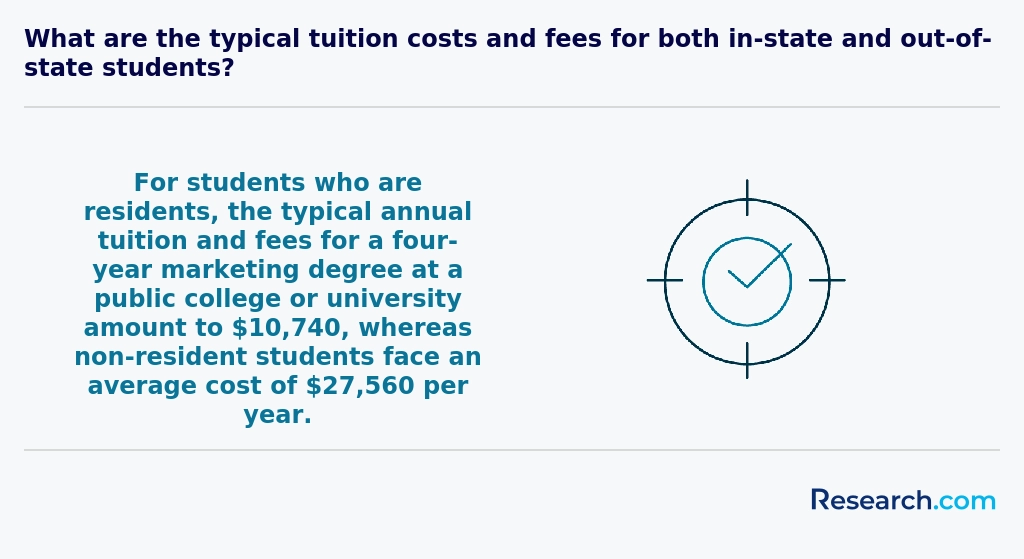
Marketing degree costs in South Carolina vary widely depending on the institution and residency status. On average, in-state students at public universities such as the University of South Carolina spend approximately $10,000 to $15,000 per year in tuition and fees, while out-of-state students can expect to pay around $25,000 annually. Private colleges like Clemson University tend to have higher tuition, often ranging from $35,000 to $40,000 per year. Graduates from these programs recall balancing tuition costs with financial aid, scholarships, and part-time work, which made their degrees affordable despite initial sticker prices.
Many students find value in programs that integrate internships with local businesses in cities like Charleston or Columbia, turning their educational investment into hands-on experiences that increase job prospects. Comparing costs alongside the opportunity for real-world learning and networking can help prospective students in South Carolina make informed decisions about the long-term value of their marketing degree. Planning ahead for financial options is essential to manage expenses while gaining a competitive edge in marketing careers.
Where can I work with marketing degree in South Carolina?
Graduates from marketing programs at universities like the University of South Carolina and Clemson University quickly find diverse job opportunities across the state. Many start their careers in retail companies such as Denny's Corporation in Spartanburg, working on brand campaigns or digital marketing strategies, gaining hands-on experience that builds confidence and sharpens skills.
Others gravitate toward the booming healthcare sector, leveraging their knowledge to develop patient outreach programs or community engagement initiatives, often collaborating with large healthcare providers near Columbia. These roles foster a sense of purpose by improving public health communication.
Manufacturing hubs like BMW in Greer and Boeing in North Charleston offer exciting roles that combine technical product marketing with corporate communications, ideal for graduates who enjoy dynamic, B2B challenges. Similarly, tourism hotspots such as Charleston and Myrtle Beach provide opportunities in event marketing and social media, allowing graduates to creatively promote local attractions.
Marketing students often find internships and entry-level roles through local advertising agencies and digital firms, where developing SEO and campaign management skills prepares them for rapid career growth in South Carolina's expanding job market.
How much can I make with marketing degree in South Carolina?
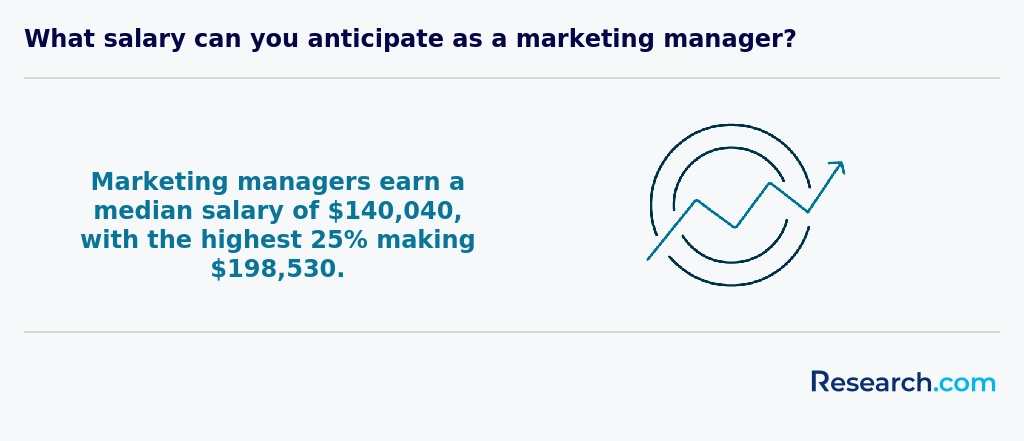
Graduates from universities like the University of South Carolina or Clemson University often find entry-level roles such as marketing assistants with average salaries around $83,190 per year in South Carolina. These positions provide a solid foundation while handling campaign support or social media tasks, allowing graduates to build practical skills and confidence.
Those who specialize as digital marketing specialists or media planners typically earn similar salaries near $83,190 annually. Working in fast-growing cities like Charleston or Greenville, graduates increasingly negotiate higher pay by showcasing expertise in analytics and online advertising strategies.
For graduates stepping into sales associate roles, earning approximately $53,280 yearly, the experience gained can open pathways to roles with greater responsibility and pay. Moreover, public relations specialists with more advanced skills see salaries jump to around $159,420, highlighting the value of developing strong communication and branding abilities.
Marketing graduates in South Carolina benefit from diverse opportunities within industries requiring strategic marketing expertise, and those who leverage their local networks and continuing education often accelerate their earning potential.
2027 Most Valuable Marketing Degree Programs Ranking in South Carolina
How do we rank schools?
Investing in your education is a significant decision that can shape your future, and the Research.com team understands the importance of making informed choices. To assist prospective students in South Carolina, we have meticulously crafted the "2027 Most Valuable Marketing Degree Programs Ranking in South Carolina." Our commitment to quality, credibility, and accuracy is reflected in the extensive research and analysis conducted to compile this ranking.
We utilized the following reputable data sources to ensure a comprehensive evaluation of marketing degree programs:
By exploring this ranking, readers will gain valuable insights into the most valuable marketing degree programs available in South Carolina, empowering them to make well-informed decisions about their educational journeys. For more details on our methodology, please visit our Research.com methodology page.


Key Findings
- Public universities in South Carolina charge about $10,000 to $12,000 per year for in-state undergraduate marketing degrees.
- Private institutions can cost over $25,000 annually, excluding textbooks, housing, and personal expenses.
- The job market for marketing graduates is stable, with key opportunities in Charleston, Columbia, and Greenville.
- Entry-level marketing salaries range between $40,000 and $50,000 annually, increasing to $60,000-$75,000 with five to ten years of experience.
- Senior marketing roles, especially in management or digital marketing, may pay over $90,000 per year.
- Many programs offer internships and maintain accreditation aligned with national marketing organizations to ensure relevant skills development.
How long does it take to complete marketing degree in South Carolina?
Completing a marketing degree in South Carolina usually takes about four years for full-time students, especially at popular universities like the University of South Carolina or Clemson University. Graduates often share that following a traditional path of 120 to 130 credit hours makes timely graduation more manageable, balancing core marketing courses with general education. For those juggling part-time study or work, expect the process to extend by one or two years, a common reality for many students at schools such as Coastal Carolina University.
Accelerated programs available at some institutions allow motivated students to finish in as little as three years, a boost appreciated by those eager to enter the workforce faster. Pursuing a master's degree usually adds one to two more years, with flexible formats like online or hybrid learning helping students fit education into busy lives.
Community colleges like Midlands Technical College offer two-year associate degrees that many find helpful to start a marketing career sooner or transfer credits to four-year programs. Graduates emphasize the importance of planning course loads around personal finances, as tuition averages about $11,570 annually at public universities, impacting how quickly you can progress.
What's the difference between online and on-campus marketing degree?
Choosing between an online and on-campus marketing degree in South Carolina depends largely on your lifestyle and learning preferences. Graduates from institutions like Clemson University often praise the flexibility of online programs, which let them balance work, family, and studies without relocating. This asynchronous learning style suits busy professionals who appreciate setting their own schedules while still gaining accredited marketing knowledge.
On the other hand, students attending the University of South Carolina highlight the value of face-to-face interactions. They enjoy connecting directly with professors and peers, joining marketing clubs, and engaging in local internships that offer hands-on experience. This in-person environment builds strong networks that often lead to job opportunities after graduation.
Cost is another factor to consider. On-campus tuition at South Carolina public universities typically ranges from $10,000 to $14,000 annually for residents, with extra expenses like housing and commuting. Online programs may sometimes be more affordable, but prices vary by school.
Ultimately, your choice should reflect your personal commitments and career goals, using the flexible and reputable options that South Carolina's top universities provide.
Industry Partnerships and Internship Opportunities
Students pursuing a Marketing degree in South Carolina benefit from extensive industry partnerships that translate classroom theory into real-world skills. Universities such as the University of South Carolina, Clemson University, and Coastal Carolina University collaborate with local agencies, nonprofits, and Fortune 500 companies to offer structured internship programs. These partnerships often include:
- Dedicated Internship Offices: Career centers work directly with employers to match students’ strengths-whether in digital analytics, consumer research, or brand management-with roles that provide meaningful feedback and mentorship.
- Co-op and Paid Internships: Many businesses in Charleston, Greenville, and Columbia offer paid summer positions, ensuring students not only build portfolios but also earn while learning.
- Capstone Projects with Industry Mentors: Senior students team up with marketing professionals to tackle live campaigns, from social media strategy to market entry analysis, receiving iterative feedback at each stage.
- Networking Events and Career Fairs: On-campus career expos unite students with recruiters from diverse sectors-technology startups, healthcare organizations, retail conglomerates, and public relations firms. These collaborative experiences give graduates a competitive edge, as evidenced by one alum who credits her digital marketing manager role to an internship at a Charleston tech incubator. For those evaluating cost-effective alternatives beyond South Carolina, explore our Low Cost Marketing Degree Programs Ranking in District of Columbia to discover programs with similarly robust industry connections at a lower tuition. By leveraging these partnerships, students develop a professional network, refine their resumes, and gain confidence to transition seamlessly into marketing careers.
What is the average cost of marketing degree in South Carolina?
The average cost of a marketing degree in South Carolina varies depending on residency and institution type, but median total expenses provide a clear benchmark for planning. For in-state students, the median total cost of earning a marketing degree is about $15,554, making it a more affordable option especially within the public university system. Out-of-state students face higher expenses, with a median total cost of $41,116, reflecting tuition and fees typical of non-resident status.
Graduates from local public universities in South Carolina often share how managing costs was achievable by taking advantage of in-state tuition and financial aid. Many highlight that marketing programs span four years, and budgeting for the entire course timeline makes financial planning more realistic. This mindful budgeting includes not only tuition but also additional expenses like textbooks, housing, and school fees.
Private universities in South Carolina tend to have higher tuition, often closer to the out-of-state public rates, but students report that the smaller classes and personalized attention can enhance the overall learning experience. Factors such as scholarships, grants, and work-study opportunities are crucial to lowering the total financial burden.
When researching options, prospective students should also explore the cheapest marketing schools in south carolina to find institutions that align with their budget and academic goals. Understanding these costs enables students to confidently plan their marketing education and future career paths.
Considering the South Carolina marketing degree tuition and fees alongside personal finances helps create a smooth journey through college with fewer surprises.
Campus Life and Student Support Services in South Carolina
Beyond the classroom, a thriving campus life and robust student support system can make a significant difference in your educational journey. South Carolina’s marketing programs offer more than just quality instruction; they foster an environment where students connect through engaging extracurricular activities, industry-sponsored events, and peer mentorship programs. For instance, many universities host marketing clubs, networking sessions, and career fairs that allow students to build professional connections while enjoying a collegial atmosphere on campus. Students consistently praise the availability of dedicated career counseling services, internship placement assistance, and modern learning spaces that enhance both academic and personal growth. Moreover, if affordability is a priority, prospective students can explore options like the cheapest marketing schools in south carolina, which couple academic excellence with valuable campus experiences at a reasonable cost. This comprehensive support structure not only prepares marketing graduates for successful careers but also cultivates a balanced, enriching college experience that goes beyond mere academics.
What financial aid is available to marketing degree students in South Carolina?
Marketing students in South Carolina typically rely on a combination of federal, state, and institutional aid to manage costs effectively. For example, many undergraduates at the University of South Carolina secure Pell Grants, which can cover up to $7,500 yearly for eligible low-income students. This grant significantly reduces financial stress and allows students to focus on building marketing skills through internships and networking.
State scholarships like the LIFE Scholarship and the Palmetto Fellows Scholarship also make a big difference. A Clemson University marketing graduate recalls how these awards-offering up to $5,000 and $6,700 annually-helped them concentrate on excelling academically without worrying about tuition fees.
Additionally, institutional scholarships tailored for business and marketing majors at South Carolina colleges reward leadership and community involvement, providing a morale boost alongside financial aid. Many students successfully combine these with private scholarships, such as those from the American Marketing Association, ensuring multiple funding streams.
Federal loans remain a last resort for many, appreciated for their lower interest and flexible repayment, allowing students peace of mind while pursuing their marketing careers.
Return on Investment and Alumni Outcomes
Evaluating the true value of a marketing degree in South Carolina goes beyond tuition costs and course offerings-it’s about long-term returns and real-world success. Recent data shows that 92% of marketing graduates from South Carolina institutions secure employment or enroll in graduate programs within six months of graduation, demonstrating strong alumni outcomes. The average early-career salary for these graduates sits at $57,000, rising to around $85,000 after five years in the field. When compared to the average four-year in-state tuition of $42,960, graduates enjoy a favorable salary-to-debt ratio, underscoring the solid return on investment (ROI) of these programs. Alumni networks play a pivotal role in this success. Many universities in the state offer mentorship programs connecting current students with former graduates working at top local firms. For example, University of South Carolina alumni have reported an 80% referral rate for internships, significantly boosting their job prospects. Clemson University’s Career Services reports that their graduates receive an average of three job offers within three months, thanks in part to targeted networking events and industry partnerships. Online and hybrid programs also contribute to a strong ROI, offering flexible pathways without compromising quality. Students interested in accelerating their studies while maintaining affordability may explore the best online marketing degree options, which consistently report competitive placement rates and comparable alumni salaries to their on-campus counterparts. Ultimately, the combination of structured career support, robust alumni networks, and measurable salary outcomes makes a marketing degree from South Carolina a strategic investment. Prospective students should consider not only immediate costs but also these long-term indicators of success when selecting their ideal program.
What are the prerequisites for enrolling in marketing degree program in South Carolina?
To enroll in a marketing degree program in South Carolina, you first need a high school diploma or GED. Many graduates recall how having strong skills in math, English, and social sciences eased their transition, especially since marketing relies heavily on analyzing data and crafting clear messages. For instance, students aiming for Clemson University found that scoring around 1200 on the SAT boosted their confidence and admissions chances.
Standardized tests like the SAT or ACT remain important, though some colleges now allow test-optional applications, which can reduce pressure. Graduates highlight the advantage of preparing writing samples and math coursework beforehand to meet program demands smoothly.
For those pursuing graduate studies, such as an MBA with marketing focus, a bachelor's degree and sometimes GRE or GMAT scores are required. Past students emphasize how letters of recommendation and personal statements showcasing genuine marketing passion made their applications stand out.

What courses are typically in marketing degree programs in South Carolina?
Marketing degrees in South Carolina typically include foundational courses like principles of marketing, microeconomics, and business law, which provide essential context for understanding business environments. Graduates from universities such as the University of South Carolina often highlight how these classes helped them grasp core concepts critical for advanced marketing topics.
Core courses focus on consumer behavior, marketing research, and strategic marketing management. For example, students at Clemson University found that studying consumer behavior gave them practical insights into how customers make decisions, allowing them to create more targeted marketing campaigns during internships.
With digital marketing's growing importance, most programs include classes on social media marketing, SEO, content marketing, and email marketing. Graduates describe feeling confident applying these skills in real-world projects, especially in tech hubs like Charleston and Greenville. Electives such as international marketing and sales management allow personalization of the degree, ensuring relevance to career goals.
Hands-on experiences via internships included in many South Carolina programs ensure students connect theory with practice, boosting their enthusiasm and readiness for diverse marketing roles.
What types of specializations are available in marketing degree programs in South Carolina?
Marketing programs with specializations in South Carolina typically include digital marketing, brand management, sales and business development, market research, advertising, and consumer behavior analysis. Graduates from universities in Charleston and Columbia frequently share how specializing in digital marketing helped them master social media strategies and SEO, skills in high demand across the state's growing business landscape. These specializations align well with local industries, allowing students to engage directly with manufacturing, hospitality, and retail sectors.
Students focusing on brand management gain hands-on experience maintaining a brand's reputation, a valuable asset for companies competing regionally and globally. Those choosing sales and business development learn client relationship techniques tailored for South Carolina's robust wholesale and retail markets.
Other marketing degree specializations in South Carolina emphasize interpreting data and understanding buyer psychology, essential for thriving in tourism and health services. For practical advice on study options, check out programs offered online through the best online marketing degree courses, designed to fit diverse student needs and schedules.
How do you choose the best marketing degree in South Carolina?
When choosing the best marketing degree in South Carolina, start by ensuring the program is accredited by respected bodies like AACSB or ACBSP, as this guarantees quality education that employers value. Graduates from popular schools in cities like Charleston or Greenville often praise how practical projects and local internships helped them build real marketing skills and connect with South Carolina's growing business community.
Look at the curriculum to ensure it covers essential topics such as digital marketing, branding, and marketing analytics, which reflect current industry demands. Flexibility matters too-many working professionals benefit from programs offering evening or online courses that fit around a busy schedule. For those concerned about expenses, research affordable marketing colleges South Carolina offers or explore financial aid options; some graduates found scholarships crucial for managing costs.
Finally, investigate alumni success and job placement rates within the state. Graduates often share how strong business networks in Columbia or Greenville opened doors to marketing roles. For additional cost-saving strategies, consider consulting the Low Cost Marketing Degree Programs Ranking in District of Columbia as a model for identifying affordable options elsewhere.
What career paths are available for marketing degree students in South Carolina?
Graduates with a marketing degree in South Carolina find diverse career paths that align with the state's expanding industries. Many secure roles as marketing coordinators, brand managers, digital marketing specialists, and market research analysts. Those studying at well-known universities like the University of South Carolina or Clemson often share how internships with local startups or established firms in Greenville and Charleston boosted their confidence and practical skills in digital marketing. This hands-on experience is crucial, especially when aiming for jobs with a marketing degree in South Carolina.
Marketing students also benefit from the state's tourism and manufacturing sectors; for instance, graduates have successfully entered event coordination roles in Myrtle Beach or B2B marketing in automotive manufacturing hubs. Focusing on real-life applications like these helps students see a clear path to employment and career growth. For those eager to fast-track their education, considering programs like the best 6 month associate degree can provide a practical starting point in the marketing field.
What is the job market for marketing degree in South Carolina?
The job market for marketing degree holders in South Carolina is robust, with growth driven by cities like Charleston, Columbia, and Greenville where businesses actively seek marketing expertise. Graduates from popular institutions across the state often find roles in digital marketing, market research, and brand management within thriving sectors like manufacturing and tourism. Many have successfully leveraged internships and campus recruiting events to secure positions that align with their career goals, enjoying stable salaries that reflect the region's cost of living.
South Carolina marketing career outlook 2027 projects an 8% employment growth rate, matching the national average and signaling steady demand. Entry-level salaries usually range from $40,000 to $50,000, and with experience, marketing managers earn around $88,000 annually. The local economy's diversity fosters opportunities in sales strategy and analytics, making marketing degrees a practical choice for those planning to stay in-state.
Tuition affordability at in-state public universities-from $10,000 to $12,000 yearly-combined with strong job prospects encourages many students to pursue degrees locally. Graduates often share that balancing affordable education with a promising career path made their journey rewarding and manageable. For students evaluating options, understanding which bachelor degree is easy to study can help tailor their academic focus to fit personal strengths while maximizing market opportunities in South Carolina.
Frequently Asked Questions About marketing
Marketing degree students in South Carolina can maximize their learning experience by engaging with local businesses and internships. South Carolina's growing economy, especially in industries like tourism, manufacturing, and technology, offers ample opportunities for practical experience. According to the South Carolina Department of Commerce, internships increase job placement chances by over 50% for marketing graduates. Students should also join campus marketing clubs and professional associations such as the American Marketing Association's local chapters, which provide networking and skill-building events. Additionally, leveraging online marketing tools and certifications can enhance their resumes while keeping up with evolving industry trends.
The marketing field is rapidly evolving, with several emerging niches gaining prominence in South Carolina and the broader US market. Digital marketing continues to expand, especially areas like social media strategy, influencer marketing, and content creation tailored for platforms such as Instagram and TikTok. According to the South Carolina Department of Commerce, demand for professionals skilled in data analytics and customer experience management is growing, driven by the state's increasing investments in tech and e-commerce sectors.
Another notable niche is sustainability marketing, reflecting the rising consumer interest in environmentally responsible brands. Additionally, video marketing and immersive media, including augmented reality applications, are becoming important tools for engagement. These specialized skills enhance a marketing graduate's employability within the shifting landscape of South Carolina's diverse business community.
After earning a marketing degree in South Carolina, preparing for the job market involves practical experience and skill development. Internships with local companies, such as those in Charleston's growing tech and tourism sectors, provide valuable on-the-job training and networking opportunities. According to the South Carolina Department of Commerce, marketing jobs are expected to grow by nearly 7% through 2030 in the state, emphasizing the need for relevant skills.
Building proficiency in digital marketing tools like Google Analytics and customer relationship management (CRM) software can increase employability. Joining professional organizations such as the American Marketing Association's Charleston chapter helps graduates stay updated on industry trends and connect with employers.
Employers in South Carolina increasingly seek marketing degree graduates with strong digital marketing skills, reflecting national trends highlighted by the U.S. Bureau of Labor Statistics. Proficiency in data analysis, using tools like Google Analytics and Excel, is critical as companies focus on measurable marketing outcomes. Communication skills remain essential, enabling graduates to craft clear messages for diverse audiences. According to the South Carolina Department of Commerce, knowledge of social media strategies and content creation ranks highly among local employers.
Additionally, creativity paired with project management abilities is valued to effectively lead campaigns and meet deadlines. Exposure to customer relationship management (CRM) software also enhances a candidate's appeal in South Carolina's growing marketing sector.
Finding internships in South Carolina relevant to a marketing degree involves a combination of research, networking, and utilizing campus resources. Many universities in the state, such as the University of South Carolina and Clemson University, offer career centers that actively connect marketing students with local businesses seeking interns. These opportunities often appear in industries prominent in South Carolina, including tourism, manufacturing, and healthcare marketing.
Online platforms like Handshake also provide listings of internships tailored for students attending South Carolina institutions. According to the National Association of Colleges and Employers (NACE), 60% of interns in the U.S. receive job offers after their internships, emphasizing the value of securing these positions early. Networking through local marketing associations such as the American Marketing Association's South Carolina chapter can further increase chances of finding meaningful internships.
In South Carolina, earning a marketing degree can significantly enhance career mobility and advancement prospects. According to the U.S. Bureau of Labor Statistics, the marketing and sales sectors in South Carolina are projected to grow moderately through 2030, reflecting steady demand for marketing professionals.
Graduates with a marketing degree often access a wider range of job opportunities, including roles in digital marketing, market research, and brand management. South Carolina's diverse economy, featuring industries such as manufacturing, healthcare, and tourism, offers varied marketing career paths.
Additionally, employers in the state increasingly value candidates with marketing degrees due to specialized knowledge in consumer behavior, data analysis, and communication strategies. This education often leads to faster promotions and higher earning potential, as reported by the South Carolina Department of Employment and Workforce.
Studying for a marketing degree in South Carolina equips students with skills that extend beyond traditional marketing. Programs often integrate courses in data analytics, communication, psychology, and business strategy, supporting interdisciplinary learning.
Many South Carolina universities collaborate with local industries, offering real-world projects that require cross-functional teamwork. This hands-on experience helps students understand how marketing connects with finance, technology, and management.
According to the South Carolina Department of Commerce, the state's growing tech and manufacturing sectors drive demand for marketing professionals who grasp multiple disciplines. Graduates gain versatile skills to adapt in various roles, enhancing their career prospects within diverse business environments.
When choosing between a thesis and a non-thesis marketing degree program in South Carolina, consider your career goals and learning preferences. A thesis program requires original research and is suited for students aiming for academic roles or advanced studies, such as a PhD. Non-thesis programs focus more on practical skills through coursework, appealing to those targeting immediate industry employment.
South Carolina's marketing job market, particularly in cities like Charleston and Columbia, values practical experience, which non-thesis programs often emphasize. According to the U.S. Bureau of Labor Statistics, marketing-related roles in South Carolina are growing at an average rate of 8% annually.
Programs at universities like Clemson and USC offer both options, allowing students to align their choice with long-term objectives and local industry demands.
Students in South Carolina seeking marketing degrees have several opportunities to study abroad through their home institutions. Many universities in the state, such as the University of South Carolina and Clemson University, offer established exchange programs with partner schools worldwide. These programs allow students to earn credit towards their marketing degree while gaining international experience.
South Carolina institutions often advise students to participate in summer or semester-long abroad options in countries with strong marketing sectors, such as the United Kingdom, Spain, and Germany. According to a 2023 survey by the Institute of International Education, about 12% of business students from South Carolina colleges study abroad, gaining exposure to global marketing trends.
Additionally, scholarship programs specific to outbound study are available, including Gilman Scholarships, which South Carolina students can leverage to reduce financial barriers. These experiences enrich understanding of global consumer behavior and enhance career prospects in marketing.
Part-time job opportunities in South Carolina that complement marketing degree education include roles such as social media coordinator, market research assistant, and retail marketing associate. These positions provide practical experience in digital marketing, consumer behavior analysis, and brand management. According to the South Carolina Department of Employment and Workforce, jobs in marketing and related fields are projected to grow by 7% between 2020 and 2030, indicating a promising environment for students seeking part-time experience.
Interning or working for local businesses, particularly in cities like Charleston and Columbia, allows students to apply classroom knowledge to real-world marketing campaigns. Additionally, roles involving content creation, event promotion, and customer engagement help develop essential skills valued by employers in the marketing sector.
Marketing students in South Carolina benefit from a variety of networking opportunities that connect them with local businesses and industry professionals. Universities often host marketing clubs and events, such as the American Marketing Association (AMA) chapters at institutions like Clemson University and the University of South Carolina. These provide valuable platforms for students to meet peers and experienced marketers.
Additionally, South Carolina's growing economy supports numerous marketing internships, especially in sectors like manufacturing and tourism, key components of the state's $280 billion economy (SC Department of Commerce, 2023). Professional organizations and conferences held in cities like Charleston and Columbia also offer networking events tailored to marketing students and recent graduates.
Alumni networks play a vital role for marketing degree students in South Carolina by providing crucial connections within the local business community. Graduates of South Carolina institutions often gain access to job opportunities through these networks, which include professionals working in growing fields such as digital marketing and brand management.
These networks facilitate mentoring, internships, and workshops, helping students transition smoothly from academic environments to competitive markets. According to the South Carolina Chamber of Commerce, nearly 65% of young professionals found their first position through alumni referrals or networking events.
Furthermore, alumni engagement supports regional economic growth by linking students to firms in key industries like retail and tourism, which heavily rely on skilled marketers.
Marketing degree programs in South Carolina offer various ways to customize your studies according to your career goals. Many universities provide elective courses in areas like digital marketing, consumer behavior, and sales management, allowing students to focus on their interests. Additionally, some schools encourage internships and cooperative education, which help build practical skills and industry connections in South Carolina's growing marketing sector.
Students may also choose specialized certificates in data analytics or social media marketing to enhance their resumes. According to the South Carolina Department of Commerce, the marketing and advertising industry is expanding, creating diverse opportunities for graduates who tailor their education to meet local business needs.
Marketing students in South Carolina often face the challenge of staying current with rapidly evolving digital marketing tools and platforms. According to the U.S. Bureau of Labor Statistics, the demand for digital marketing skills is growing by 10% annually, pushing students to continuously update their knowledge.
Another common difficulty is gaining practical experience. South Carolina's market is growing, but internship opportunities remain concentrated in urban areas like Charleston and Columbia, limiting access for students in rural regions (South Carolina Department of Commerce, 2023).
Additionally, competition for jobs post-graduation can be fierce. Graduates must differentiate themselves in a competitive field where 60% of marketing graduates seek entry-level roles each year (National Center for Education Statistics, 2022).
With a marketing degree in South Carolina, graduates can pursue several professional certifications to enhance their career prospects. Popular options include the Certified Marketing Professional (CMP) credential offered by the National Institute for Social Media, which focuses on digital marketing skills. The American Marketing Association also provides the Professional Certified Marketer (PCM) certification, recognized nationwide for advanced marketing knowledge.
Data from the South Carolina Department of Commerce highlights growth in job opportunities for certified marketing professionals, particularly in Charleston and Greenville. Additionally, certifications in Google Analytics and HubSpot Inbound Marketing are valuable for data-driven marketing roles. These credentials often lead to higher salaries and better job placements within the state's thriving business sectors.
Writing a winning application for a marketing program in South Carolina involves several key steps. Start by highlighting your academic achievements, especially in related subjects like business and communication. Admissions committees value strong GPA and standardized test scores.
Include a clear, focused personal statement explaining your passion for marketing and how you plan to use the degree. Tailor your essay to the specific program, showing knowledge of South Carolina's growing marketing sector, which contributed over $5 billion annually to the state economy according to the South Carolina Department of Commerce.
Strong letters of recommendation from teachers or professionals in business can boost your application. Finally, emphasize any relevant internships or extracurricular activities that demonstrate real-world marketing experience or skills.
Marketing is a dynamic field with increasing global relevance. Careers in marketing offer opportunities to work across international markets, reflecting the interconnected nature of today's business world. For students in South Carolina, understanding global perspectives can enhance adaptability and competitiveness.
Marketing professionals are expected to analyze trends not only in the US but also abroad. South Carolina's growing economy, particularly in sectors like manufacturing and tourism, benefits from marketing strategies with a global outlook. According to the Bureau of Labor Statistics, marketing manager roles are projected to grow 10% nationally by 2032, reflecting strong demand.
Many South Carolina universities include courses focusing on international marketing, preparing graduates to navigate multicultural environments. This global knowledge is crucial as digital marketing breaks down geographic barriers, allowing campaigns to reach international audiences effectively.
Gaining practical experience while studying for a marketing degree in South Carolina is essential to prepare for a competitive job market. Many universities in the state offer internship programs that connect students with local businesses, including large firms in Greenville and Charleston. These internships provide hands-on experience in digital marketing, brand management, and market research.
Additionally, cooperative education (co-op) programs are available at some institutions, allowing students to alternate between classroom study and full-time work, gaining valuable real-world skills. Participation in marketing clubs and case competitions also helps build practical expertise and networking opportunities.
According to the South Carolina Department of Commerce, the state's growing tech and service sectors provide diverse marketing roles, which makes practical experience even more valuable for graduates aiming to enter these fields.
Choosing the right concentration within a marketing degree in South Carolina depends on your career goals and local market trends. Popular concentrations include digital marketing, sales management, and market research.
South Carolina's economy features growing industries like manufacturing and tourism, which demand skills in brand management and consumer analytics. According to the South Carolina Department of Employment and Workforce, marketing roles related to digital content creation are expected to grow by 8% through 2030.
Consider concentrations that align with these trends and offer internships or partnerships with local businesses. Reviewing program curricula and speaking with academic advisors can help ensure your choice matches both your interests and the state's economic opportunities.
Related Marketing Rankings for Nearby States
- 2027 Most Valuable Marketing Degree Programs Ranking in Georgia
- 2027 Most Valuable Marketing Degree Programs Ranking in Florida
- 2027 Most Valuable Marketing Degree Programs Ranking in Alabama
- 2027 Most Valuable Marketing Degree Programs Ranking in Louisiana
- 2027 Most Valuable Marketing Degree Programs Ranking in Arkansas
- 2027 Most Valuable Marketing Degree Programs Ranking in Maryland
- 2027 Most Valuable Marketing Degree Programs Ranking in Missouri
- 2027 Most Valuable Marketing Degree Programs Ranking in Indiana
- 2027 Most Valuable Marketing Degree Programs Ranking in Illinois
- 2027 Most Valuable Marketing Degree Programs Ranking in Connecticut
Top Trending Marketing Rankings
See What Experts Have To Say About Studying Marketing
Read our interview with Marketing experts

Sonya A. Grier, Ph.D.
Marketing Expert
Professor, Department of Marketing
American University

John R. Meindl
Marketing Expert
Adjunct Assistant Professor of Marketing
Hofstra University

References
- Top 5 marketing skills employers are looking for in 2025 https://www.konkergroup.com/top-5-marketing-skills-employers-are-looking-for-in-2025/
- Women in marketing: Career growth through education | Esade https://www.esade.edu/beyond/en/women-marketing/
- Marketing Assistant Cover Letter Sample https://www.kickresume.com/en/help-center/marketing-assistant-1-cover-letter-sample/
- How to Set Your Marketing Career Goals (and Actually Achieve Them) - Odeo Academy https://odeoacademy.com/how-to-set-your-marketing-career-goals-and-actually-achieve-them/
- How to use growth marketing in an alumni network context? - AlumnForce https://www.alumnforce.com/en/how-to-use-growth-marketing-in-an-alumni-network-context/
- Traditional Marketing vs. Digital Marketing: What's the Difference? https://online.champlain.edu/blog/traditional-marketing-vs-digital-marketing
- Outstanding Job Application Letter for Marketing Manager | Cover Letter Copilot https://coverlettercopilot.ai/blog/job-application-letter-marketing-manager
- What Careers Can You Expect with a Marketing Degree https://www.global-business-school.org/content-type/blog/what-careers-can-expect-marketing-degree/
- 12 Major Marketing Challenges and How to Address Them | NetSuite https://www.netsuite.com/portal/resource/articles/erp/marketing-challenges.shtml
- What Are Market Niches? Includes Benefits And Expert Insights https://seekmarketingpartners.com/digital-marketing-blog/what-are-market-niches/


