
2027 Best MBA Degree Programs Ranking in Dallas

Co-Founder and Chief Data Scientist
Choosing the right MBA program in Dallas can shape your career and open exciting new opportunities. Our article offers a carefully researched 2027 Best MBA Degree Programs Ranking in Dallas created by the Research.com team of data scientists, designed to guide you toward the best options available.
Reading this ranking will help you make confident decisions based on reliable data. An MBA can enhance your skills, expand your network, and boost your professional growth. Explore programs that fit your goals and start your journey toward success with clear insight.
Key benefits of getting MBA degree in Dallas
- Salary for MBA graduates: While specific Dallas data is unavailable, MBA graduates in the US typically earn between $90,000 and $120,000 annually, with managerial roles often exceeding this range, offering strong financial growth.
- Career paths: MBA graduates from the University of Texas at Dallas often pursue leadership roles in finance, marketing, or operations, enjoying diverse opportunities that match their skills and ambitions.
- Online MBA benefits: Graduates from UT Dallas' online MBA program value the flexibility to balance work and study, gaining the same respected degree while accelerating their careers without relocating or pausing their jobs.
- Key benefits of getting MBA degree in Dallas
- What can I expect from MBA degree in Dallas?
- Where can I work with MBA degree in Dallas?
- How much can I make with MBA degree in Dallas?
- 2027 Best MBA Degree Programs Ranking in Dallas
- Key Findings
- How long does it take to complete MBA degree in Dallas?
- Understanding MBA Return on Investment and Affordability
- What's the difference between online and on-campus MBA degree?
- Considerations for Choosing an Affordable MBA Program in Dallas, TX
- What is the average cost of MBA degree in Dallas?
- Accelerating Your MBA Journey: Application and Success Strategies
- What financial aid is available to MBA degree students in Dallas?
- MBA Return on Investment (ROI) in Dallas, TX
- What are the prerequisites for enrolling in MBA degree program in Dallas?
- What courses are typically in MBA degree programs in Dallas?
- What types of specializations are available in MBA degree programs in Dallas?
- How do you choose the best MBA degree in Dallas?
- What career paths are available for MBA degree students in Dallas?
- What is the job market for MBA degree in Dallas?
- Top Trending MBA Rankings
What can I expect from MBA degree in Dallas?
When it comes to the cost of an MBA degree in Dallas, you're generally looking at something between $40,000 and $90,000 for the entire program. That's a pretty broad range because it really depends on where you study and the format you choose. For example, graduates from Southern Methodist University's Cox School of Business often mention how investing in their education felt totally worth it given the strong connections and opportunities they gained. On the other hand, some students at the University of Texas at Dallas Naveen Jindal School of Management appreciate the more affordable tuition and flexible schedules that fit their busy lives.
Many Dallas MBA students find this range manageable especially with employer sponsorships or financial aid options knocking at their door. Picture yourself juggling evening classes while working and knowing this investment is opening doors in Dallas's booming business scene - that's the kind of real, exciting payoff people talk about after finishing their program.
Where can I work with MBA degree in Dallas?
If you're studying an MBA in Dallas, you're stepping into a city bursting with career options. Graduates from popular schools like SMU's Cox School of Business or University of Texas at Dallas often find themselves landed roles at giants like AT&T or Southwest Airlines, where leadership and strategic skills are in high demand. Imagine working on a new product launch in the heart of the Telecom Corridor, or managing finances at a big bank like Comerica-these scenarios aren't just dreams but everyday realities here.
Many MBA grads also thrive in Dallas's buzzing tech scene around Plano and Richardson, handling operations or product management roles at software and cybersecurity firms. Some find a rewarding fit in healthcare management with organizations like Baylor Scott & White Health, where their business savvy directly shapes community health services.
For those who love startups and innovation, Dallas is packed with incubators and venture capital firms ready to back your ideas. Networking events tied to local universities keep the energy alive, making it easier for you, as an MBA student, to connect and grow professionally in this vibrant market.
How much can I make with MBA degree in Dallas?
Thinking about how much you can make with an MBA degree in Dallas? Graduates from well-known schools like SMU's Cox School of Business or University of Texas at Dallas often see starting salaries between $85,000 and $130,000. For example, a fresh MBA working in finance or consulting might start around $85K, which already feels pretty solid for the city's cost of living.
Those who stick around and climb the ladder into roles like marketing directors or operations managers frequently cross into six-figure territory. Dallas's booming industries-especially in technology, energy, and healthcare-add to the excitement by offering strong raises and bonuses. One recent grad shared how their salary jumped by about 5% each year in the first five years, thanks to the fast-paced economic growth here.
What's really nice is that Dallas's lower cost of living means you get to enjoy more disposable income than if you were in cities like New York or San Francisco, making those MBA dollars stretch further in real life.
2027 Best MBA Degree Programs Ranking in Dallas
How do we rank schools?
Investing in your education is a significant decision, and the Research.com team recognizes the importance of making well-informed choices. To support prospective students in Dallas, we have carefully developed the "2027 Best MBA Degree Programs Ranking in Dallas." Our dedication to quality, credibility, and accuracy is demonstrated through rigorous research and thorough analysis underpinning this ranking.
We utilized the following reputable data sources to ensure a comprehensive evaluation of MBA programs:
By exploring this ranking, readers will gain valuable insights into the top MBA programs in Dallas, enabling thoughtful consideration of their educational investments. For a detailed explanation of our process, please visit our Research.com methodology page.


# 4 position
Parker University
Master of Business Administration

Key Findings
- The total cost for earning an MBA in Dallas ranges from $45,000 to $90,000, with public universities generally offering lower tuition than private schools.
- Dallas offers full-time, part-time, and online MBA programs, providing flexibility for working professionals.
- Starting salaries for MBA graduates in Dallas are around $85,000 to $95,000 annually, with experienced professionals often earning over $150,000 per year.
- Key industries for MBA graduates include technology, finance, healthcare, and energy, with strong demand for managerial and strategic roles.
- The Dallas metro area has steady growth in business occupations and offers networking opportunities through local MBA programs and business organizations.
How long does it take to complete MBA degree in Dallas?
If you're thinking about getting an MBA in Dallas, the time it takes really depends on the path you choose. Most full-time students at places like Southern Methodist University (SMU) or UT Dallas wrap up their degree in about two years. That's pretty standard for traditional MBA programs across the U.S.
On the other hand, if you're juggling work and life, part-time programs in Dallas can stretch from three to five years. Many Dallas grads love this route because it lets them keep earning while studying, with classes often scheduled on nights or weekends to fit busy lives.
For those who want to move fast, accelerated MBAs can be done in as little as 12 to 18 months. It's intense, but grads say the fast pace helped them jump back into the job market quickly, which is a huge plus.
Plus, online options give even more flexibility, letting some students take their time or pace themselves to fit unique schedules.
Understanding MBA Return on Investment and Affordability
Investing in an MBA in Dallas, TX demands not only passion but a clear understanding of costs versus long-term gains. On average, Dallas MBA graduates see a salary increase of 25–30% within two years of graduation, often recouping tuition in under five years. However, with program costs ranging from $40,000 to $70,000, prospective students should map out expected earnings, living expenses, and repayment schedules. To calculate your break-even point, estimate your post-MBA salary bump and compare it against total program cost plus living expenses. For example, a graduate who secures a $120,000 annual salary after paying $60,000 in tuition will offset tuition in roughly 2.5 years-assuming a 25% salary boost. Factor in scholarships and employer tuition assistance to shorten this timeline further. Dallas schools also offer flexible payment plans and loan forgiveness options for public service roles. Veterans, for instance, may combine GI Bill benefits with federal loans, reducing out-of-pocket expenses. Merit-based scholarships and externship stipends-often covering 30–50% of tuition-can significantly impact your net investment. If cost is a primary concern, comparing regional affordability benchmarks can be enlightening. For insights on lower-cost alternatives outside Texas, explore the Cheapest MBA Degree Programs Ranking in Kansas City, MO, which highlights programs with competitive tuition and strong ROI metrics. By aligning financial planning with clear ROI projections, you can embark on your Dallas MBA journey with confidence and clarity.
What's the difference between online and on-campus MBA degree?
If you're thinking about an MBA in Dallas, one big difference you'll notice is how you study. On-campus programs at places like Southern Methodist University let you dive into a traditional classroom vibe, where chatting with professors and classmates happens naturally. Many grads say that face-to-face networking opened doors they didn't expect, making those coffee breaks and group projects super valuable.
On the flip side, online MBAs from schools like the University of Texas at Dallas offer a lot more flexibility. Imagine fitting your coursework around your job or family instead of rearranging your life to fit classes. Online students love that freedom but also mention that staying motivated without the physical classroom can be a challenge.
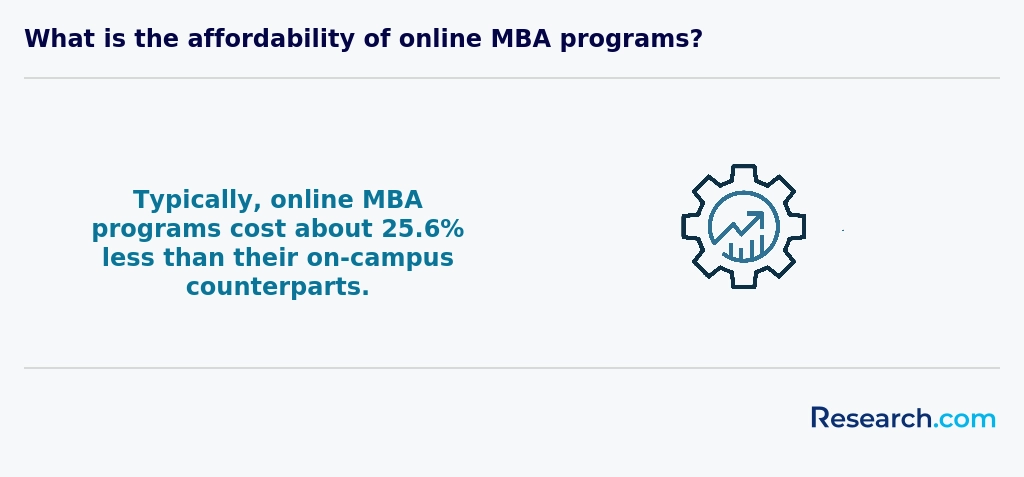
Cost-wise, on-campus tends to be pricier because you factor in housing and commuting, which some Dallas students find worth it for the campus buzz. Both options, though, stick to solid accreditation standards, so employers in Dallas respect them equally.
Considerations for Choosing an Affordable MBA Program in Dallas, TX
When exploring MBA options in Dallas, TX, one crucial aspect to consider is the affordability of the program. Prospective students often find themselves weighing the costs and benefits of various programs, seeking the best value for their investment. For those prioritizing affordability, researching options like affordable mba schools in texas can provide valuable insights. This consideration is vital as it directly impacts the return on investment, potentially influencing career choices and financial stability post-graduation. By carefully evaluating the cost in relation to the program's reputation, curriculum, and career support services, aspiring MBA holders can make informed decisions that align with their financial capabilities and professional aspirations.
What is the average cost of MBA degree in Dallas?
Planning to get an MBA in Dallas? You'll find that the average cost of an MBA degree in Dallas sits around $45,000 in total tuition. This figure captures a range of options, from public universities with lower in-state rates to private schools with pricier programs. Graduates from popular schools here often share stories of balancing costs with career boosts, especially when they took advantage of financial aid or employer tuition help, which many MBA students find makes a huge difference.
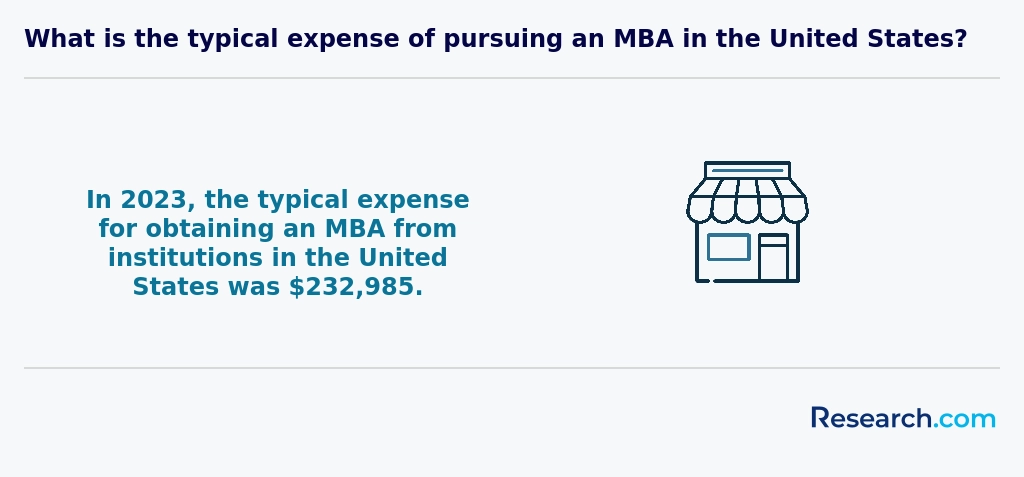
For those considering programs at places like the University of Texas at Dallas or Southern Methodist University, the MBA degree tuition and fees Dallas 2027 estimates give a clear picture: in-state residents might pay closer to $29,000, making it financially doable, while out-of-state students can expect to pay about $45,000. It's pretty common to hear how students appreciate this range because it lets them pick a program that fits their budget and lifestyle.
Many students also recommend checking out options for part-time or executive MBAs, which can adjust costs depending on how long you study and the credits required. For anyone budgeting for business school, don't forget that besides tuition, you'll want to factor in fees, books, and living expenses. If you want a deeper dive into economical options, it's worth looking at affordable mba schools in texas to find a great fit without stretching your finances too thin.
Accelerating Your MBA Journey: Application and Success Strategies
Embarking on an MBA in Dallas can be both an exciting and challenging endeavor. To ensure you stand out from the crowd, it’s essential to adopt strategic approaches early in your journey. Successful candidates often begin by researching each program’s specific requirements before tailoring their applications accordingly. Prioritizing a well-crafted personal statement, obtaining strong letters of recommendation, and thoroughly preparing for standardized tests are crucial steps. Moreover, familiarizing yourself with networking events, mentorship programs, and career services available at prospective institutions can give you a competitive advantage. For those looking to expedite their path to a rewarding career, consider exploring online options that allow you to balance work and study effectively. Programs like a fast track mba online offer structured coursework and flexible timelines, enabling ambitious professionals to accelerate their learning outcomes without compromising quality. Finally, seeking guidance from alumni can provide insider insights into both the application process and life after graduation. Their advice often underscores the importance of practical experience, continuous learning, and proactive career planning. By integrating these strategies, you’ll not only streamline your application process but also set a strong foundation for long-term professional success.
What financial aid is available to MBA degree students in Dallas?
If you're gearing up for an MBA in Dallas, knowing about financial aid can totally ease the stress of those tuition bills. Graduate students at schools like SMU Cox or UTD Naveen Jindal often tap into federal loans such as Direct Unsubsidized Loans or Grad PLUS Loans through FAFSA-these come with flexible repayment options that make sense when budgeting around work and family.
Many grads share how institutional scholarships really helped them, especially at local colleges where leadership or professional achievements can land you solid awards. Plus, if you're working at big Dallas companies like AT&T, check if they offer tuition reimbursement-it's a game changer for balancing career and study without drowning in debt.
Veterans don't have to worry either; programs like the Post-9/11 GI Bill make pursuing an MBA in Dallas way more affordable, letting them focus on learning instead of finances. Outside these, there's also a good wave of private scholarships through groups like the Forté Foundation, making the whole journey feel a bit less daunting.
MBA Return on Investment (ROI) in Dallas, TX
Understanding the financial payoff of an MBA is critical for prospective students. In Dallas, TX, where tuition ranges from $40,000 to $70,000, calculating ROI helps you plan effectively: • Total Investment: Combine tuition, fees, and living expenses to estimate a total cost of $60,000–$90,000 for a two-year program. • Average Post-MBA Salary: Graduates report starting salaries between $110,000 and $130,000, with mid-career earnings often exceeding $150,000. • Break-Even Period: Assuming a $120,000 salary and a 25% tax rate, most students recoup their MBA investment within 3–4 years. Key factors that boost ROI: 1. Salary Growth Rate – Dallas’s booming tech and finance sectors drive annual salary increases of 5–7%. 2. Career Advancement – Many alumni report promotions within 12–18 months of graduation, accelerating payback. 3. Networking Value – Connections made through career services and alumni events can yield high-impact job offers. Comparative Affordability Check: For insights into how Dallas’s ROI stacks up against nearby markets, explore our Cheapest MBA Degree Programs Ranking in Kansas City, MO. In sum, by aligning program costs with expected earnings and leveraging Dallas’s vibrant economy, an MBA here can deliver a strong financial return and lasting career benefits.
What are the prerequisites for enrolling in MBA degree program in Dallas?
To jump into an MBA program in Dallas, you'll generally need a bachelor's degree-doesn't always matter what it's in, as long as you've got some solid skills in things like math, economics, and communication. A lot of folks aiming for schools like Southern Methodist University find that having a good GMAT or GRE score really helps; many grads recall that scoring above 600 on the GMAT gave them a real confidence boost when applying.
Work experience is a big deal too. Many programs in Dallas prefer you have a couple of years under your belt, and some, like SMU's Cox School of Business, even look for around five years. Graduates often say that having real-world experience made class discussions way more interesting and helped them network better.
You'll also need to send in recommendation letters and personal essays reflecting your goals. And heads up-some programs will want an interview to see how you present yourself in person or on Zoom. It's all part of showing you're ready to thrive in Dallas's competitive MBA scene.
What courses are typically in MBA degree programs in Dallas?
If you're diving into an MBA in Dallas, expect courses that cover the full business spectrum while letting you zoom in on what excites you. Core classes usually include finance basics like Financial and Managerial Accounting, helping you decode company numbers like a pro. Marketing Management is another staple, where you'll learn how to size up markets and craft campaigns that actually work.
Operations and Supply Chain Management show you the behind-the-scenes action of how products get from point A to B, a perfect fit if you're into logistics or production stuff. Organizational Behavior and Leadership classes help sharpen your people skills-something graduates from Dallas schools always highlight as a game-changer when stepping into real work settings.
Strategic Management wraps it up by teaching you to plan big-picture moves, and Economics for Business Decisions adds smart insight into market forces. What's cool is electives let you get hands-on too, whether that's digging into entrepreneurship, healthcare management, or data analytics, which recent grads say really prepped them for Dallas's dynamic job scene.
What types of specializations are available in MBA degree programs in Dallas?
When you dive into MBA degree specializations Dallas offers, you'll find some solid options that really match the vibe and economy of the city. Graduates from popular schools here often mention how studying Finance was a game changer, thanks to Dallas's strong financial scene with banks and corporate hubs. Marketing is another favorite, especially for those who love staying on top of trends in a city with such a diverse consumer base. If you're into the tech world, Technology Management tracks give hands-on skills in IT strategy and innovation-perfect for Dallas's growing tech ecosystem.
Other students rave about the Supply Chain and Operations specialization, pointing out how Dallas's strategic location makes logistics a huge deal. Healthcare Management is also big here, since lots of local companies and hospitals fuel that sector. For anyone eager to mix things up, many programs invite students to combine fields like entrepreneurship or energy management, reflecting the city's unique business landscape.
If you want to get your MBA with some flexibility, check out options like part-time or evening classes, or even fast track mba online programs that some Dallas universities offer-super convenient for working pros.
How do you choose the best MBA degree in Dallas?
When picking the best MBA degree in Dallas, it really comes down to what fits your life and goals. For example, many grads from Southern Methodist University rave about the solid AACSB-accredited curriculum and how it boosted their career in finance or real estate-two huge Dallas industries. If you're juggling work and study, checking out part-time or online options at schools like the University of Texas at Dallas can make a big difference, letting you learn without quitting your job.
Cost is another big deal. Dallas schools often have more affordable MBA degrees compared to national averages, which is great if you want quality without breaking the bank. Graduates from local programs often mention how this balance helped them avoid massive debt while still getting networking perks and career support. If you want to explore more budget-friendly options, consider looking into the Cheapest MBA Degree Programs Ranking in Kansas City, MO for inspiration.
In the end, focus on programs that give you hands-on experience in sectors like energy or healthcare, since Dallas is a hub for these fields. Aligning your MBA choice with your passion and the practicalities of your life will make the whole process feel exciting and totally doable.

What career paths are available for MBA degree students in Dallas?
If you're pursuing an MBA in Dallas, you're stepping into a city bursting with career paths that match its bustling economy. Graduates from popular local universities often land roles as project managers, marketing whizzes, or financial analysts, riding the wave of Dallas's growing finance and tech scenes. Many find themselves thriving as business analysts or operations directors, especially since Dallas is a hotspot for industries like energy and healthcare.
For those curious about job prospects, Dallas's MBA career opportunities are especially rich in healthcare management and supply chain logistics, thanks to the city's expanding hospital networks and transportation hubs. Graduates often share how their time at Dallas colleges helped them build real connections, opening doors in sectors from consulting to entrepreneurship.
With so much happening here, Dallas MBA degree job prospects keep getting better. If you want a quicker route, some check out flexible programs like online masters 1 year options, giving them faster entry into this vibrant job market.
What is the job market for MBA degree in Dallas?
The Dallas MBA job market trends are looking pretty solid. Graduates from popular schools like Southern Methodist University and the University of Texas at Dallas often share how multiple industries in the area-like finance, tech, and energy-open up tons of opportunities right after graduation. Many find themselves stepping into roles such as financial managers or marketing directors at well-known companies headquartered in Dallas, which feels super encouraging as a local student.
One big plus for MBA grads here is the salary. They typically start around $95,000, with top roles in consulting or finance surpassing $120,000. Plus, these salaries stretch further since Dallas has a lower cost of living compared to other big cities. Many alumni say this balance makes pursuing an MBA here totally worth it.
If you're balancing costs, remember tuition varies but investing in your education can pay off given these career opportunities. Also, pairing your MBA with a certification that pay well can really boost your chances in Dallas' competitive market for career opportunities for MBA graduates in Dallas.
Frequently Asked Questions About MBA
Students pursuing an MBA in Dallas can maximize their learning by engaging deeply with local industries. Dallas is a major business hub with strong sectors like finance, technology, and healthcare, offering ample networking opportunities and internships.
Active participation in case competitions and student organizations provides practical experience beyond classroom theory. According to a 2023 report by the Dallas Regional Chamber, MBA graduates who intern locally report a 25% higher job placement rate within six months of graduation.
Leveraging Dallas-based alumni networks can also facilitate mentorship and career advancement. Many top Dallas MBA programs emphasize experiential learning, allowing students to collaborate on real-world projects with area companies, enriching their skillset and enhancing employability.
The MBA field in Dallas is evolving with new niches reflecting the city's dynamic economy. One rapidly growing area is technology management, which aligns with Dallas' expanding tech sector. According to the Dallas Regional Chamber, tech jobs in Dallas-Fort Worth increased by over 12% from 2020 to 2023, driving demand for MBAs skilled in digital transformation and data analytics.
Another emerging niche is healthcare management. With Dallas hosting major healthcare providers and biotech firms, MBA programs are offering specialized tracks to manage complex health systems effectively. The Dallas Business Journal highlights a 10% rise in healthcare management jobs requiring advanced degrees.
Sustainability and green business are also gaining traction. As companies adopt eco-friendly practices, MBAs focusing on sustainable business models and corporate responsibility are increasingly valued. This trend is supported by local initiatives promoting clean energy and sustainable growth.
Preparing for the job market after completing an MBA degree in Dallas involves strategic planning and using local resources effectively. Dallas hosts a strong job market with key industries like finance, technology, and healthcare, which often seek MBA graduates. Building a professional network through events and alumni groups, such as those sponsored by Dallas-area universities, is crucial.
Students should also leverage career services offered by their programs to access job fairs, resume workshops, and interview coaching tailored to Dallas employers. According to the Dallas Regional Chamber, MBA holders experience a 15% higher employment rate than the overall graduate population.
Internships and real-world projects during the MBA program enhance practical skills, improving job prospects in the Dallas metropolitan area.
Employers in Dallas increasingly seek MBA graduates who demonstrate strong leadership and strategic thinking skills. According to a 2023 survey by the Graduate Management Admission Council (GMAC), 82% of Dallas-based hiring managers prioritize candidates with proven abilities in data analysis and decision-making.
Communication skills remain critical, as MBA graduates often lead cross-functional teams and engage with diverse stakeholders. In the local Dallas job market, adaptability and technological proficiency, especially in business analytics software, are also highly valued.
Moreover, Dallas employers emphasize ethical judgment and global business awareness, reflecting the city's role as a commercial hub. These competencies help graduates navigate complex business environments effectively.
Finding internships in Dallas relevant to an MBA degree involves leveraging local resources and networks. Dallas is home to numerous Fortune 500 companies, including ExxonMobil and AT&T, which offer internships well-suited for MBA students. According to the Dallas Regional Chamber, over 50% of MBA students in the area secure internships through corporate partnerships facilitated by their universities.
Students should explore internship offices at Dallas-based business schools such as Southern Methodist University and Texas Woman's University, which maintain strong employer connections. Additionally, online platforms like Handshake and LinkedIn often list internships specifically targeting MBA candidates in Dallas.
Attending local business events, such as those hosted by the Dallas Association of Young Professionals, or joining MBA-focused networking groups increases opportunities to connect with employers. Early application and tailored resumes aligned with Dallas's key industries-finance, healthcare, and technology-can improve placement chances.
An MBA degree significantly enhances career mobility and advancement opportunities in Dallas, a city known for its diverse economy and robust business environment. According to the Graduate Management Admission Council (GMAC), Dallas MBA graduates experience a salary increase averaging 50% within three years of graduation. This credential opens doors in key local industries such as finance, technology, and healthcare management.
Employers in Dallas value the leadership, strategic thinking, and analytical skills developed through MBA programs, which often lead to promotions and higher-level managerial roles. Additionally, networking opportunities associated with Dallas-based MBA programs connect students with local industry leaders, accelerating career growth.
Studying for an MBA degree in Dallas offers unique advantages for preparing students for interdisciplinary roles. Many Dallas MBA programs emphasize cross-functional skills by integrating coursework in finance, marketing, operations, and technology. This holistic approach reflects the city's diverse economy, which includes sectors like energy, healthcare, and technology.
According to the Graduate Management Admission Council, 65% of Dallas MBA graduates reported increased collaboration across departments post-graduation. Local universities often partner with Dallas-based corporations, allowing students to engage in real-world projects that require teamwork across different fields.
Furthermore, Dallas MBA programs frequently offer electives in data analytics, supply chain management, and leadership, equipping graduates with versatile skills essential for interdisciplinary leadership positions.
Choosing between a thesis and a non-thesis MBA program in Dallas depends largely on your career goals and learning preferences. Thesis programs typically emphasize research skills, preparing students for roles in consulting, academia, or fields requiring in-depth analysis. They often take longer to complete and require a significant commitment to a research project.
Non-thesis programs focus more on practical skills and coursework, appealing to those aiming for leadership roles in business or entrepreneurship. Many Dallas universities, including Southern Methodist University and The University of Texas at Dallas, offer both options.
According to the Texas Higher Education Coordinating Board, non-thesis MBAs outnumber thesis options by nearly 70% statewide, reflecting strong demand for applied learning.
Students based in Dallas interested in studying for an MBA abroad have several viable options. Many Dallas-area schools, including Southern Methodist University and the University of Texas at Dallas, offer dual-degree programs or partnerships with international universities, allowing students to spend part of their studies overseas. Popular destinations for U.S. MBA students include Europe, Asia, and Canada, where top-ranked programs emphasize global business perspectives.
According to the Graduate Management Admission Council, nearly 20% of U.S. MBA candidates in 2023 considered international programs for their studies. Some programs include semester exchanges or study tours, providing flexibility without relocating fully. Financial aid and scholarships can also be available for U.S. students wishing to study abroad.
Part-time job opportunities in Dallas can significantly enhance an MBA student's education by providing practical experience alongside academic learning. Popular roles include business analyst internships, which offer exposure to data interpretation and decision-making processes.
Additionally, many MBA students find positions in financial services firms, where they develop skills in budgeting, forecasting, and financial modeling. Marketing assistant roles are also common, helping students refine strategic communication and digital marketing skills.
According to the Dallas Regional Chamber, the city's strong corporate sector, including industries like technology, healthcare, and finance, supports a variety of part-time roles suited for MBA students aiming to boost their resumes.
Dallas offers robust networking opportunities for MBA students, with access to a thriving business community and numerous professional events. Several top schools collaborate with local companies, providing internships, career fairs, and mentorship programs. The Dallas Regional Chamber reports over 3,000 businesses involved in networking events annually, helping students connect with executives and entrepreneurs.
Additionally, industry-specific groups, such as the Dallas Business Association and the Fort Worth MBA Association, host regular mixers and workshops. These platforms enable students to build valuable relationships across sectors such as finance, technology, and healthcare.
Many MBA programs also encourage participation in case competitions and alumni networks, enhancing long-term career prospects.
Alumni networks play a crucial role for MBA students in Dallas by providing valuable connections within the local business community. These networks offer access to mentors, job opportunities, and industry insights, which are essential for career advancement. According to a 2023 report from the Dallas Business Journal, 68% of MBA graduates in Dallas found employment through alumni referrals.
Participating in alumni events also helps students build relationships with Dallas-based companies spanning sectors like finance, technology, and healthcare. Networking through alumni can lead to internships and collaboration on projects, enhancing real-world experience.
Many Dallas schools maintain active alumni databases and online platforms, making it easier for MBA candidates to engage with former students and tap into a broad professional support system.
Many MBA programs in Dallas offer flexible options allowing students to tailor their studies to match specific career goals. Students can often choose concentrations such as finance, healthcare management, or entrepreneurship to develop specialized skills.
Additionally, Dallas institutions frequently provide part-time, evening, or hybrid course formats, accommodating working professionals seeking to balance education with career responsibilities.
Experiential learning opportunities, like internships or consulting projects with Dallas-based companies, help customize education to real-world business challenges.
According to the Texas Higher Education Coordinating Board, about 60% of MBA students in Dallas opt for programs with elective courses, emphasizing the demand for customization.
Career services and networking events also support students in aligning their MBA experience with long-term professional objectives.
MBA students in Dallas often face the challenge of balancing rigorous coursework with professional and personal responsibilities. Many students are working professionals, which requires effective time management to juggle classes, projects, and jobs simultaneously. According to the Graduate Management Admission Council (GMAC), nearly 70% of MBA candidates nationally work full-time during their studies, a figure reflected in Dallas's competitive job market.
Another challenge is the high cost of education. Tuition for MBA programs in Dallas varies widely, with some programs exceeding $60,000, making financial planning essential for students. Lastly, networking in a large, diverse city like Dallas can be overwhelming but remains critical for career advancement post-graduation.
With an MBA degree, professionals in Dallas can pursue several valuable certifications to enhance their careers. Popular options include the Project Management Professional (PMP) certification, recognized nationally and beneficial for those managing complex projects. Another is the Certified Management Accountant (CMA), which focuses on financial management skills, complementing an MBA's curriculum.
The Certified Business Analysis Professional (CBAP) is also relevant for graduates aiming at strategic business roles. According to the Project Management Institute, Texas ranks among the top states for PMP certification holders, indicating strong local demand.
Additionally, many Dallas MBA graduates consider professional certifications like the Certified Financial Planner (CFP) or Six Sigma Green Belt to specialize in finance or operations, respectively.
Writing a winning application for an MBA program in Dallas begins with understanding the local business environment and the expectations of Dallas-area schools. Many top Dallas MBA programs, including those at Southern Methodist University and University of Texas at Dallas, emphasize leadership experience and clear career goals.
Applicants should highlight professional achievements and quantify their impact. Including specific examples of teamwork, problem-solving, and management skills improves application strength.
Strong GMAT or GRE scores remain important; the average GMAT for Dallas MBA admits typically ranges between 600 and 700, according to U.S. News & World Report. Additionally, compelling personal statements that align with Dallas's dynamic economy-energy, technology, and finance sectors-enhance fit.
Letters of recommendation from supervisors familiar with your work are crucial, reflecting both skills and potential. Finally, practicing for interviews with Dallas business context in mind can make a significant difference in acceptance chances.
The MBA degree holds significant value both nationally and globally, offering graduates a strong foundation in leadership, finance, marketing, and strategic thinking. For Dallas students, this means access to a growing business hub where multinational corporations are expanding their presence.
According to the Graduate Management Admission Council (GMAC), 89% of MBA graduates in the U.S. reported positive employment outcomes within three months of graduation. Dallas's diverse economy, including sectors like technology, healthcare, and energy, creates many opportunities for MBA holders seeking international business roles.
Global companies with Dallas offices often look for MBA graduates with cross-cultural communication skills and international experience, making global perspectives critical. Therefore, students benefit from MBA programs that integrate global case studies and exchange opportunities.
Gaining practical experience while studying for an MBA degree in Dallas is achievable through several avenues. Many Dallas-based MBA programs incorporate internships as a vital component, allowing students to work with local companies in industries such as finance, technology, and healthcare. According to the Graduate Management Admission Council, about 65% of MBA students in the U.S. complete internships before graduation, boosting their job readiness.
Students can also participate in consulting projects and business competitions often offered by universities in Dallas. These real-world challenges provide hands-on problem solving and networking opportunities. Additionally, Dallas's vibrant business community offers part-time roles and mentorship programs that complement academic learning.
When choosing the right concentration within an MBA program in Dallas, it is essential to consider your career goals and the local job market. Dallas is a major business hub, especially strong in finance, technology, healthcare, and energy sectors. According to the Dallas Regional Chamber, industries like technology and finance have seen employment growth rates above 5% annually in recent years.
Evaluate concentrations that align with these thriving sectors, such as Finance, Information Technology Management, or Healthcare Administration. Additionally, many Dallas MBA programs offer specialized tracks tailored to regional business needs, increasing employability post-graduation.
Review program curricula carefully to ensure they provide both core business skills and deep expertise in your area of interest. Networking opportunities and internships with local firms can also guide your choice effectively.
Related MBA Rankings for Nearby Cities
- 2027 Best MBA Degree Programs Ranking in Irving
- 2027 Best MBA Degree Programs Ranking in Fort Worth
- 2027 Best MBA Degree Programs Ranking in Denton
- 2027 Best MBA Degree Programs Ranking in Abilene
- 2027 Best MBA Degree Programs Ranking in Shreveport
- 2027 Best MBA Degree Programs Ranking in Austin
- 2027 Best MBA Degree Programs Ranking in Oklahoma City
- 2027 Best MBA Degree Programs Ranking in Houston
- 2027 Best MBA Degree Programs Ranking in San Antonio
- 2027 Best MBA Degree Programs Ranking in Little Rock
Top Trending MBA Rankings
References
- What is an MBA degree and why should you pursue it? https://brive.com/blog/masters/mba-degree/
- Verifying that you are not a robot... https://krea.edu.in/ifmrgsb/top-5-emerging-career-paths-for-mba-graduates/
- Top MBA programs with the best alumni networks in the world - MBA Crystal Ball https://www.mbacrystalball.com/blog/2025/07/07/top-mba-programs-with-the-best-alumni-network-in-the-world/
- Master of Business Administration (M.B.A.) Major in Business Administration (General Flex Non-thesis Option) https://mycatalog.txstate.edu/graduate/mccoy-business-administration/business-genflex-nonthesis-mba/
- How to balance a part-time MBA while working full-time https://www.manchester.ac.ae/blog-post/how-to-balance-a-part-time-mba-while-working-full-time
- What Can You Do with an MBA in Today’s Market? | Elmhurst University Elmhurst University Blog https://www.elmhurst.edu/blog/what-can-you-do-with-an-mba-in-todays-market/
- Master of Business Administration (MBA) https://udallas.edu/academics/programs/master-of-business-administration/index.php
- MBA Networking Tips-Building Connections Pre-MBA https://menlocoaching.com/mba-applications-and-admissions-guide/networking/
- Why MBA Graduates Embrace Global Perspectives for Career Growth https://www.thehighereducationreview.com/editors-guest/why-mba-graduates-embrace-global-perspectives-for-career-growth-nid-6271.html
- MBA Internships: Find 5400 MBA Intern Jobs https://internshala.com/internships/mba-internship/


