
2027 Best MBA Degree Programs Ranking in North Carolina

Co-Founder and Chief Data Scientist
Choosing the right MBA program is a big step toward advancing your career in North Carolina's competitive market. This article introduces the 2027 Best MBA Degree Programs Ranking in North Carolina, developed by the Research.com team of data scientists to guide you through the best options available.
By exploring this ranking, you'll gain valuable insights that make deciding easier and more confident. An MBA can open doors, boost skills, and increase opportunities-making this read a helpful resource on your educational journey.
Key benefits of getting MBA degree in North Carolina
- MBA graduates in North Carolina can expect competitive salaries with many roles offering annual earnings typically ranging from $90,000 to $120,000, reflecting strong demand in business-related fields.
- Graduates from universities like the University of North Carolina often pursue diverse career paths including finance, marketing, and management, opening doors to leadership roles in various industries.
- Online MBA programs from schools such as NC State provide flexibility and allow students to balance work and study, often leading to career advancement without sacrificing current job commitments.
- Key benefits of getting MBA degree in North Carolina
- What can I expect from MBA degree in North Carolina?
- Where can I work with MBA degree in North Carolina?
- How much can I make with MBA degree in North Carolina?
- 2027 Best MBA Degree Programs Ranking in North Carolina
- Key Findings
- How long does it take to complete MBA degree in North Carolina?
- MBA Application Strategies and Tips
- What's the difference between online and on-campus MBA degree?
- Internship and Experiential Learning Opportunities
- What is the average cost of MBA degree in North Carolina?
- What financial aid is available to MBA degree students in North Carolina?
- Networking and Extracurricular Opportunities
- What are the prerequisites for enrolling in MBA degree program in North Carolina?
- Financial Considerations and ROI for MBA Programs in North Carolina
- What courses are typically in MBA degree programs in North Carolina?
- What types of specializations are available in MBA degree programs in North Carolina?
- How do you choose the best MBA degree in North Carolina?
- What career paths are available for MBA degree students in North Carolina?
- What is the job market for MBA degree in North Carolina?
- Related MBA Rankings for Nearby States
- Top Trending MBA Rankings
What can I expect from MBA degree in North Carolina?
The average cost of pursuing an MBA in North Carolina varies widely, reflecting the diversity of programs and institutions available. Graduates from the University of North Carolina's Kenan-Flagler Business School often share how in-state tuition, typically ranging from $30,000 to $40,000 for the full program, made their investment feel manageable and worthwhile. Many express gratitude for the balance between affordability and the school's strong reputation, which opened doors through extensive alumni networks and industry connections.
Conversely, students at private schools like Duke University's Fuqua School of Business encounter higher tuition fees, often exceeding $60,000. Yet, these graduates highlight the value of immersive learning experiences, mentorship, and career support that justified the cost in their minds. Choosing the right program, therefore, hinges on understanding how financial investment aligns with career goals and expectations. Flexible options like part-time and online MBAs also allow students to spread costs over time, easing financial pressure while maintaining professional momentum.
Where can I work with MBA degree in North Carolina?
Graduates from MBA programs at renowned North Carolina institutions like UNC Chapel Hill and Duke University often find themselves well-positioned to enter thriving industries across the state. Many secure roles in Charlotte's bustling financial sector, where firms such as Bank of America eagerly seek professionals skilled in corporate finance and risk management. One graduate shared how the city's fast pace and competitive environment sharpened their strategic thinking, opening doors to leadership roles.
Others lean into the tech and biotech boom around Raleigh and Research Triangle Park. Companies like IBM and Red Hat highly value MBA holders who bring expertise in IT management and product development. Alumni emphasize the vibrant blend of innovation and collaboration that fuels growth here, giving them a rewarding blend of challenge and purpose.
Healthcare administration roles with Duke Health or Atrium Health also attract MBA graduates wanting to combine business acumen with meaningful impact. Meanwhile, the evolving manufacturing sector, including global names like Volvo, offers rewarding pathways in supply chain and operational leadership, reflecting the dynamic nature of North Carolina's economy today.
How much can I make with MBA degree in North Carolina?
Graduates who earn an MBA in North Carolina often find themselves stepping into roles that offer rewarding salary potentials. For many, especially those from well-regarded schools like Duke University's Fuqua School of Business or the Kenan-Flagler Business School at UNC Chapel Hill, the journey leads to management positions with salaries typically around $115,000 annually.
In bustling business centers such as Charlotte or Raleigh, MBA holders frequently report starting salaries ranging from $90,000 to $140,000. One graduate recalled moving to Charlotte after graduation and quickly securing a role in banking, where the city's financial pulse significantly boosted earnings compared to other regions.
Early career roles may initially bring in $65,000 to $80,000, yet with experience and networking-especially in thriving sectors like technology or finance-those figures can rise sharply. Many MBA alumni share how the blend of practical skills and local industry connections helped them exceed $150,000 yearly as they advanced.
These salary patterns show that pursuing an MBA in North Carolina not only enhances knowledge but often translates into meaningful financial rewards and career satisfaction, especially when aligning with the state's dynamic economic landscape.
2027 Best MBA Degree Programs Ranking in North Carolina
How do we rank schools?
Investing in your education is a significant decision that can shape your future, and the Research.com team understands the importance of making informed choices. To assist prospective students in North Carolina, we have meticulously crafted the "2027 Best MBA Degree Programs Ranking in North Carolina." Our commitment to quality, credibility, and accuracy is reflected in the extensive research and analysis conducted to compile this ranking.
We utilized the following reputable data sources to ensure a comprehensive evaluation of MBA programs:
By exploring this ranking, readers will gain valuable insights into the top MBA programs available in North Carolina, empowering them to make confident and well-informed educational decisions. For more details on our methodology, please visit our Research.com methodology page.


Key Findings
- Tuition for MBA programs in North Carolina ranges from $25,000 to $50,000 at public universities and $50,000 to $100,000 at private schools.
- Early-career MBA graduates earn between $70,000 and $90,000 annually, with mid-career salaries rising to $110,000-$140,000 depending on experience and industry.
- Charlotte is a major financial hub offering many MBA job opportunities, while the Research Triangle Park area focuses on tech, healthcare, and biotech sectors.
- North Carolina offers flexible MBA formats including full-time, part-time, and online programs to suit working professionals.
- The state's cost of living is generally lower than in other major metropolitan areas, making MBA education more affordable overall.
How long does it take to complete MBA degree in North Carolina?
Completing an MBA in North Carolina generally takes about two years for full-time students, a pace that many graduates from institutions like Duke University and the University of North Carolina at Chapel Hill have found both challenging and rewarding. For those balancing careers and personal life, part-time programs often extend this journey to three or four years, offering the flexibility to attend evening or weekend classes without sacrificing income or family time.
Many alumni recall the satisfaction of progressing steadily through these schedules, appreciating how the adaptable timelines helped them maintain balance while gaining valuable skills. Meanwhile, accelerated MBA programs, available at some North Carolina schools, condense the experience into 12 to 18 months, demanding intense focus but rewarding students with quicker entry or advancement in the workforce.
The variety of program lengths in North Carolina reflects diverse lifestyles and ambitions, inviting prospective students to choose paths that match their goals-whether it's a slower, more deliberate pace or an intensive, fast-tracked experience. These options have made the MBA journey in North Carolina both accessible and deeply fulfilling for many.
MBA Application Strategies and Tips
A strong MBA application shows more than academic readiness. Admissions committees want to see professional direction, leadership potential, sound judgment, and a clear reason for choosing their program. Before writing essays or requesting recommendations, define your career objective: promotion, industry switch, entrepreneurship, finance, consulting, healthcare management, technology leadership, or another path.
Build an application around fit
Research each school’s curriculum, concentrations, class format, employer relationships, alumni network, and culture. Then connect those features to your goals in your essays and interview. Generic statements about wanting to “grow as a leader” are less persuasive than a specific explanation of how the program’s strengths align with your target role.
- Personal statement: Explain your career path, what changed or developed your goals, and why an MBA is the right next step.
- Resume: Emphasize measurable results, promotions, leadership, budget responsibility, team management, process improvements, or client impact.
- Recommendations: Choose supervisors or mentors who can describe your work quality, leadership behavior, and readiness for graduate business study.
- Test preparation: If the GMAT or GRE is required or recommended, use practice exams to identify weak areas and plan preparation around quantitative, verbal, and timing skills.
- Interview: Prepare concise examples that show problem-solving, collaboration, resilience, ethics, and career clarity.
Working professionals should also compare format and cost before applying. If flexibility is a priority, the best affordable online MBA programs can provide a useful benchmark for evaluating online options that may better fit full-time employment or family responsibilities.
What's the difference between online and on-campus MBA degree?
Choosing between an online and on-campus MBA in North Carolina often comes down to lifestyle and learning preferences. Graduates from University of North Carolina at Chapel Hill frequently cherish the in-person energy-imagine lively discussions after class or spontaneous meetings at campus events that spark fresh ideas and build lasting networks.
On the other hand, alumni of North Carolina State University's online program often emphasize the flexibility it provides. Balancing demanding jobs or family commitments while progressing through coursework at their own pace creates a sense of accomplishment and control.
Many Wake Forest University students appreciate how their online MBA allows them to stay rooted at home while still accessing high-quality resources and faculty guidance digitally. The choice feels deeply personal-campus life's camaraderie versus the convenience and adaptability online study offers.
Cost-wise, working professionals often find online options easier on the wallet by avoiding commuting and campus fees, though both paths maintain strong regional accreditation and rigorous academic standards in North Carolina.
Internship and Experiential Learning Opportunities
Experiential learning is where MBA coursework becomes evidence of job-ready skill. North Carolina MBA students may gain practical experience through internships, consulting practicums, analytics labs, global immersions, entrepreneurship incubators, and employer-sponsored projects. These opportunities can be especially important for students changing industries because they create a bridge between prior experience and a new career target.
- Corporate internships: Many programs maintain relationships with regional employers. Examples include a summer internship with Bank of America in Charlotte, Duke’s Fuqua School of Business placements at leading fintech firms, and NC State’s Poole College of Management rotations through Research Triangle Park startups.
- Consulting practicums: Action-learning courses often place small teams with nonprofit organizations, healthcare systems, or companies to solve strategy, operations, or market-entry problems. These projects can produce concrete deliverables for a résumé or interview.
- Business analytics projects: Client-facing experiences such as UNC Kenan-Flagler’s Business Analytics Lab can help students demonstrate data-informed decision-making and stakeholder communication.
- Global immersion trips: Some cohorts travel abroad to study emerging markets, conduct field research, and meet multinational executives. UNC Chapel Hill’s Global Emerging Markets course, for example, includes site visits in Singapore and Johannesburg.
- Innovation labs and incubators: Entrepreneurial resources such as Wake Forest’s Launch Lab may offer mentorship, seed funding, and workspace for students developing business ideas.
When comparing programs, ask whether experiential learning is required, optional, credit-bearing, available to online students, and connected to your target industry. Students looking for additional affordability comparisons can review the Most Affordable MBA Degree Programs Ranking in Nevada, which highlights programs that balance hands-on learning with competitive tuition rates.
What is the average cost of MBA degree in North Carolina?
The average MBA tuition cost North Carolina students face is often around $41,850 for the entire degree, though this number varies between in-state and out-of-state attendees. In-state students generally pay closer to $27,910, making public universities like UNC Chapel Hill's Kenan-Flagler Business School attractive options for those wanting to manage costs effectively. Graduates have shared how the balance of affordable tuition and strong local networks contributed to their rewarding academic experience and future career prospects.
Private institutions such as Duke University's Fuqua School of Business present a different financial picture, with tuition closer to $70,000. While the price tag is higher, many graduates feel the investment is justified by the school's reputation and powerful alumni connections across industries like finance and technology. Understanding the total cost of MBA degree in North Carolina, including tuition, fees, books, and living expenses, is crucial to making wise financial decisions.
Many MBA students also consider flexible program formats, such as part-time or online options, which charge per credit hour between $1,000 and $2,000. This structure allows spreading expenses over time, offering financial breathing room. Moreover, financial aid, scholarships, and employer support can lower the actual out-of-pocket cost significantly. For those curious about options balancing cost and quality, exploring the most affordable mba programs in north carolina offers valuable insights.

What financial aid is available to MBA degree students in North Carolina?
Many MBA students in North Carolina find financial aid essential in turning their educational goals into reality. Federal student aid, accessed through FAFSA, is a common starting point. Graduates from programs like Duke's Fuqua School of Business often appreciate federal loans such as Direct Unsubsidized Loans and GradPLUS Loans for their manageable interest rates and flexible repayment, easing financial pressure during studies.
Merit-based scholarships significantly brighten the path for those at institutions like UNC Chapel Hill's Kenan-Flagler Business School, where top performers can receive awards covering half the tuition or more. This funding makes a tangible difference, allowing students to focus on leadership development rather than financial stress.
Employer sponsorships provide another layer of support, especially for part-time or online MBA students balancing work and study. Many professionals in North Carolina rely on tuition reimbursement benefits, which turn employer investment into a motivating force for advancing careers.
Additional resources such as graduate assistantships, state grants, private loans, and veterans benefits add diversity to the aid landscape, inviting students to explore multiple avenues to ease costs while enriching their learning experience.
Networking and Extracurricular Opportunities
Networking is one of the main reasons students pursue an MBA, especially in a state with major business centers such as Charlotte and the Raleigh-Durham area. In North Carolina MBA programs, the strongest networking opportunities often come from student clubs, alumni events, employer presentations, career fairs, consulting projects, conferences, and informal peer relationships.
Clubs such as a Finance Association, Consulting Club, or Net Impact chapter can help students explore industries before recruiting begins. Speaker series and workshops may introduce students to senior executives at Fortune 500 firms, while case competitions give students a way to demonstrate analytical and presentation skills under pressure. Events such as Entrepreneurship Week and the Carolina Business Conference can also connect students with alumni, founders, recruiters, and regional employers.
How to use MBA networking effectively
- Start before classes begin: Reach out to current students and alumni to understand recruiting timelines and career resources.
- Choose activities strategically: Join organizations connected to your target field instead of overcommitting to every event.
- Prepare before employer events: Know the company, role type, and questions you want answered.
- Follow up: A short, professional message after a conversation can turn a one-time meeting into a useful relationship.
- Use alumni mentors: Peer-to-peer and alumni mentorship can be especially valuable for résumé reviews, interview preparation, and industry introductions.
Global immersion trips and study-abroad modules, often coordinated through international business groups, can help students understand diverse markets and strengthen cross-cultural communication. For cost-conscious candidates comparing how other states structure affordable MBA opportunities, the Most Affordable MBA Degree Programs Ranking in Nevada provides another point of reference.
What are the prerequisites for enrolling in MBA degree program in North Carolina?
Enrolling in an MBA program in North Carolina means you'll need a bachelor's degree from an accredited institution, but the field of your undergraduate study is often flexible. Many MBA students at universities like Duke or UNC Chapel Hill share that having a foundation in finance or economics made coursework smoother, but equally important was their eagerness to learn and adapt.
Standardized tests such as the GMAT or GRE remain a gateway, though some programs offer waivers for candidates with strong academic records or meaningful professional experience. A graduate from UNC recalled how their years in consulting helped them bypass the GMAT requirement, emphasizing the value programs place on real-world competence.
Work experience typically ranges from two to three years, enriching classroom dialogue with practical insights. Those who've experienced this often highlight how sharing diverse industry challenges with peers transformed their perspective and deepened their learning.
Additionally, letters of recommendation and personal statements bring your story to life. Graduates frequently reflect on how crafting their essays helped clarify their career goals and fueled their enthusiasm for the program. These elements collectively paint a well-rounded portrait that North Carolina's MBA admissions seek to embrace.

Financial Considerations and ROI for MBA Programs in North Carolina
An MBA in North Carolina can pay off, but the return depends on the program price, your current salary, your target role, and how effectively you use the school’s network and career resources. Tuition varies widely across public, private, full-time, part-time, online, and executive MBA options, so the “best” program is not always the most expensive or the most recognizable.
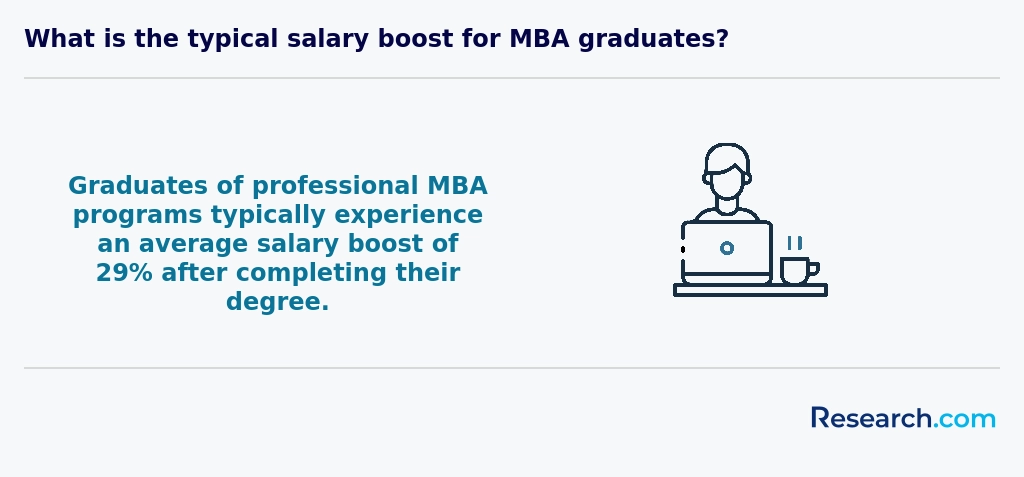
Prospective students should compare total cost, not tuition alone. Include fees, books, travel for residencies or networking events, lost income if you leave work for a full-time program, and loan interest. Many graduates find that an MBA degree significantly enhances their salary potential, with some reporting increases of up to 50% post-graduation, but that outcome is not automatic. It is usually strongest for students who use the MBA to move into higher-paying functions such as finance, consulting, analytics, product management, or senior operations roles.
| Financial factor | Why it matters | What to ask before enrolling |
| Total program cost | Tuition is only one part of the investment. | What are the full tuition, fees, books, travel, and living costs? |
| Format | Full-time study may accelerate career change, while part-time and online formats may preserve income. | Can I keep working while completing the degree? |
| Scholarships and employer support | Award funding can materially improve ROI. | What merit aid, assistantships, fellowships, or tuition reimbursement options are available? |
| Career outcomes | Salary gains depend on placement strength and industry access. | Where do graduates work, and what roles do they enter? |
Students focused on cost should also compare lower-priced options early in the process. Reviewing the most affordable MBA programs in North Carolina can help you identify programs that may offer a stronger balance of tuition, flexibility, and career value.
What courses are typically in MBA degree programs in North Carolina?
Courses in North Carolina's MBA programs are thoughtfully structured to build a strong business foundation while embracing real-world challenges. Graduates from Duke University and UNC Chapel Hill often recall how finance classes weren't just about numbers; they learned to assess investment risks that mirrored decisions they would face in actual boardrooms. Marketing courses went beyond theory, diving into consumer behaviors with projects that felt immediately relevant to local businesses.
Leadership and ethics are cornerstones. Many students at North Carolina State University found that discussions on corporate social responsibility helped them navigate real ethical dilemmas, giving them confidence to lead with integrity. These courses encourage reflection on personal values as much as strategic skills.
Experiential elements like consulting projects stand out, connecting classroom concepts to hands-on experience. Electives allow students to tailor their knowledge-whether exploring entrepreneurship to launch startups or healthcare management to impact local communities. This blend of core rigor and flexible specialization makes studying an MBA here both profoundly rewarding and practical.
What types of specializations are available in MBA degree programs in North Carolina?
Students pursuing an MBA in North Carolina often find a rich selection of specializations tailored to both the regional economy and broader business landscapes. Graduates from universities like UNC Chapel Hill and Duke describe how concentrations in finance or marketing opened doors to dynamic careers in banking or brand management. Exploring these MBA specializations in North Carolina reveals options such as healthcare management, which resonates deeply given the state's robust biotech and medical sectors, providing real-world relevance and practical impact.
Others highlight entrepreneurship programs enhanced by the state's vibrant startup ecosystems in Raleigh and Charlotte, offering hands-on learning for launching new enterprises. Supply chain management and data analytics also stand out, reflecting the state's logistics industry and growing reliance on data-driven decisions. Many students appreciate the flexibility of part-time or online programs, allowing adaptation to busy lives. For those considering their options carefully, especially around cost and format, reviewing the best affordable online mba programs is a wise step to align education and career goals with personal circumstances.
North Carolina MBA degree concentration options carry a thoughtful balance of tradition and innovation, ensuring graduates step confidently into roles that matter.
How do you choose the best MBA degree in North Carolina?
Choosing the best MBA degree in North Carolina means focusing on what truly fits your career ambitions and lifestyle. Graduates from Duke's Fuqua School often recall how AACSB accreditation gave them confidence in the program's quality, shaping their leadership skills in real-world business challenges. Meanwhile, those from UNC's Kenan-Flagler appreciate how smaller class sizes created meaningful networking opportunities, essential for long-term career growth. If you seek affordable MBA degrees in North Carolina with high ROI, it's wise to weigh tuition costs alongside flexible options like part-time or online programs, which many working professionals value.
Consider the curriculum carefully; for instance, a healthcare professional might thrive in a program offering relevant concentrations. Location also matters-students in Charlotte often benefit from close ties with local industries and internships that enhance practical learning. For a clearer perspective on balancing affordability and quality, explore the Most Affordable MBA Degree Programs Ranking in Nevada to see how different models support career growth.
What career paths are available for MBA degree students in North Carolina?
Graduates holding an MBA in North Carolina find a multitude of promising career paths across the state's dynamic industries. Many embark on careers in finance and banking, especially in Charlotte, a city renowned for being the second-largest banking center in the U.S. MBA alumni from institutions like the University of North Carolina at Chapel Hill often share how their education empowered them to secure roles in corporate finance and investment banking, enjoying salaries well above the national median.
Others are drawn to healthcare administration, influenced by the state's robust medical sector. Graduates have expressed satisfaction transitioning into leadership roles within hospitals and biotech firms, where their strategic skills are vital amid evolving healthcare landscapes. The Research Triangle Park area, with top universities nearby, supports a vibrant tech ecosystem, enabling MBAs to thrive in product management, operations, and strategic planning positions, blending business savvy with innovation.
Supply chain management, marketing management, and consulting represent additional vibrant fields, aligning with North Carolina's expanding economic base. Many students, inspired by their experiences at well-regarded local universities, pursue entrepreneurial ventures or sharpen their expertise through a masters degree in one year, making their career transitions smooth and rewarding. These pathways reflect the diverse and enriching MBA career opportunities in North Carolina.
What is the job market for MBA degree in North Carolina?
The job opportunities for MBA graduates in North Carolina are vibrant and varied, reflecting the state's strong economic sectors from finance to technology. Graduates from institutions like the University of North Carolina's Kenan-Flagler Business School often find rewarding positions in Charlotte's banking hubs or Raleigh's growing tech firms. The mix of well-established corporations and innovative startups creates fertile ground for leadership roles, allowing new MBA holders to apply their strategic skills in real-world contexts.
Many graduates share the excitement of contributing to dynamic companies where their management training directly influences growth and innovation. The North Carolina MBA degree salary outlook is promising, with starting salaries in major cities frequently ranging between $90,000 and $120,000, rewarding the effort and investment in their education. This balance of solid compensation and strong demand makes studying an MBA in North Carolina a wise choice for ambitious professionals.
Some who have considered the path to advanced degrees also explore the easiest doctorate degree options to complement their MBA, further enhancing their career potential in this competitive market.
Frequently Asked Questions About MBA
MBA students in North Carolina can maximize their learning by actively engaging in experiential learning opportunities. Institutions like UNC Kenan-Flagler and Duke Fuqua offer strong connections to local industries, allowing students to participate in internships and consulting projects. Networking is crucial; joining professional organizations such as the Graduate Business Association helps build valuable contacts.
Students should also utilize campus resources, including career services and mentorship programs, which can increase job placement rates - UNC reports over 90% employment within three months of graduation. Finally, leveraging online platforms for supplemental learning and staying updated with North Carolina's growing sectors like technology and healthcare can enhance practical knowledge and career readiness.
The MBA field in North Carolina is evolving with specialized niches that reflect new market demands and technological advancements. Emerging areas include healthcare management, driven by the state's strong healthcare sector, and data analytics, where MBA programs increasingly focus on big data and business intelligence. According to the Graduate Management Admission Council (GMAC), healthcare and analytics are among the fastest-growing specializations nationally, and North Carolina schools are aligning with these trends.
Another niche is sustainability and social impact management, responding to increasing corporate responsibility expectations. Entrepreneurial management also attracts students aiming to innovate in tech hubs like Raleigh-Durham.
These focused MBAs offer practical skills tailored to regional economic strengths, enhancing career opportunities in North Carolina's dynamic market.
After completing an MBA degree in North Carolina, preparing for the job market involves several key steps. First, leverage the strong alumni networks of top schools like Duke University and UNC Chapel Hill, which connect graduates to employers nationwide. According to the Graduate Management Admission Council (GMAC), 85% of MBA graduates report job offers within three months of graduation, underscoring the value of proactive career services.
Engage in internships or consulting projects during the program to build relevant experience. Networking events and career fairs hosted by North Carolina universities offer direct access to regional employers in finance, technology, and healthcare sectors. Additionally, focusing on skills such as data analytics and leadership enhances employability in the competitive market. Utilizing online platforms and LinkedIn to maintain professional contacts is also essential for ongoing opportunities.
Employers in North Carolina highly value MBA graduates who demonstrate strong leadership and strategic thinking skills. According to the Graduate Management Admission Council, these abilities rank among the top competencies sought by firms in the region. Analytical skills are also in demand, as businesses increasingly rely on data-driven decision-making.
Communication and teamwork skills remain crucial, reflecting North Carolina's diverse industries from finance to technology. Additionally, adaptability and problem-solving abilities help MBA graduates thrive in the competitive job market. Local surveys from the North Carolina Business Council highlight that practical experience combined with these skills significantly improves employment prospects in areas like Charlotte and Raleigh.
Finding internships relevant to an MBA degree in North Carolina involves leveraging university resources and local business networks. Many top MBA programs, such as those at UNC Chapel Hill and Duke University, offer dedicated career services that help students secure internships in finance, consulting, and technology sectors.
In addition, the Research Triangle Park area hosts over 300 companies, creating abundant internship opportunities. According to the North Carolina Department of Commerce, internships in this region often pay competitive wages and provide real-world experience that aligns with MBA coursework.
Students can also explore statewide professional organizations like the North Carolina Association of Business Schools, which post internship openings and networking events online. Combining on-campus career fairs with digital platforms maximizes access to relevant MBA internships in North Carolina.
An MBA degree significantly enhances career mobility and advancement opportunities in North Carolina's competitive job market. According to the Graduate Management Admission Council (GMAC), MBA graduates in the state report up to a 20% increase in salary within three years of graduation. Employers in key regional industries such as finance, technology, and healthcare value the leadership and strategic skills developed through MBA programs.
North Carolina's economic hubs, including Charlotte and Raleigh, have shown steady growth in managerial roles requiring advanced business knowledge. This demand supports faster promotion rates for MBA holders compared to non-degree professionals, as reported by the U.S. Bureau of Labor Statistics.
In addition, many North Carolina employers prefer MBA candidates for roles involving cross-functional project management and executive decision-making. Networking and alumni connections from local MBA programs further contribute to career advancement by providing access to exclusive opportunities within the state's business communities.
Studying for an MBA degree in North Carolina prepares students for interdisciplinary roles by emphasizing a broad skill set that integrates business knowledge with insights from various fields. Many North Carolina programs offer courses in leadership, data analytics, and technology management, equipping graduates to work across departments and industries.
Universities like Duke and UNC have strong ties with industries such as finance, healthcare, and technology, allowing students to apply classroom theories to real-world problems. According to the Graduate Management Admission Council (GMAC), 68% of MBA employers in North Carolina seek candidates with cross-functional expertise.
This approach helps graduates adapt to diverse business environments and lead multifaceted teams effectively.
When choosing between a thesis and a non-thesis MBA program in North Carolina, consider your career goals and learning preferences. Thesis programs focus on research and writing, ideal for students aiming for academic or analytical roles. Non-thesis options emphasize practical skills and case studies, which suit professionals seeking leadership or management positions.
North Carolina features several accredited programs offering both tracks, such as UNC Chapel Hill and NC State. According to the Graduate Management Admission Council, approximately 40% of MBA candidates prefer non-thesis paths nationally, reflecting a trend toward applied learning.
Thesis programs often require 24 credits of research, typically extending study duration by a semester. In contrast, non-thesis tracks can be completed faster, appealing to working professionals.
Students based in North Carolina who wish to study for an MBA abroad have several pathways available through partnerships and exchange programs offered by North Carolina universities. Institutions like Duke University and the University of North Carolina at Chapel Hill provide international study opportunities in collaboration with renowned business schools worldwide. According to the Graduate Management Admission Council (GMAC), nearly 20% of U.S. MBA students consider international experiences crucial for career growth.
Many programs also offer dual degrees or global immersions, allowing students to spend one or more semesters overseas. These options enhance global business understanding and intercultural skills.
Part-time job opportunities in North Carolina that complement an MBA education often focus on roles offering practical experience in business environments. Common positions include financial analyst assistant, marketing coordinator, and project management intern. These roles provide valuable insights into industry practices, strengthening skills developed in MBA coursework.
North Carolina's growing sectors like finance, technology, and healthcare frequently seek MBA students for part-time roles, especially in cities such as Charlotte and Raleigh. According to the North Carolina Department of Commerce, the state's finance sector grew by 3.1% in 2023, increasing demand for finance-related internships and part-time jobs.
Additionally, many universities support MBA students by listing local business opportunities, which align well with studies in leadership, strategic planning, and analytics. Such hands-on roles can enhance a student's resume and professional network efficiently.
North Carolina offers diverse networking opportunities for MBA students through its strong business community and numerous academic partnerships. Universities like Duke, UNC Chapel Hill, and NC State organize regular career fairs, guest speaker events, and alumni meetups, facilitating direct connections with industry leaders. According to the Graduate Management Admission Council, networking remains a top benefit cited by MBA students nationwide, and North Carolina's growing sectors such as finance, technology, and healthcare provide ample opportunities for engagement. Additionally, local chapters of professional organizations, such as the North Carolina Association of Business Schools, host conferences and workshops that further enhance networking possibilities for MBA candidates.
Alumni networks offer significant benefits to MBA students in North Carolina by providing access to experienced professionals and valuable industry connections. Many top business schools in the state, such as UNC Chapel Hill and Duke, boast active alumni groups that facilitate mentorship programs and job placement support. According to the Graduate Management Admission Council, MBA graduates with strong alumni networks report 25% higher job placement rates within six months of graduation.
These networks often host events that encourage networking with local business leaders in areas like Charlotte's finance sector and Raleigh's tech industry. This regional focus helps students build contacts specific to North Carolina's job market.
In North Carolina, customizing an MBA program to match your career ambitions is increasingly common. Many institutions offer concentrations such as finance, healthcare management, or technology. This flexibility allows students to align studies with industry demands. For example, schools like UNC Chapel Hill and Duke provide diverse electives and experiential learning opportunities tailored to specific career paths.
Additionally, some programs include internships or consulting projects in local industries, helping students build relevant skills and professional networks. Part-time and online options further support working professionals aiming to balance education with career advancement. According to NCES data, over 60% of MBA students in North Carolina pursue specialized tracks to enhance job prospects.
MBA students in North Carolina often face significant challenges balancing rigorous coursework with professional and personal responsibilities. Many students enroll while working full-time, which can create time management difficulties. According to the Graduate Management Admission Council (GMAC), close to 45% of MBA candidates nationwide juggle full-time jobs alongside their studies, a trend also seen in North Carolina's business schools.
Financial burden is another common concern. Tuition for MBA programs in North Carolina ranges from $30,000 to $70,000, depending on the institution, which can be a substantial investment for many students. Additionally, adapting to the competitive and diverse learning environment challenges students, especially in programs with a high percentage of international enrollees. Networking and career placement pressures also add to the overall stress experienced by MBA students in the state.
Graduates with an MBA degree in North Carolina can pursue a variety of professional certifications that enhance their career prospects. Popular certifications include the Project Management Professional (PMP), Certified Public Accountant (CPA), and Certified Management Accountant (CMA). These credentials are often valued by employers and complement the advanced business knowledge gained through an MBA program.
The PMP certification is widely recognized across industries and aligns well with the leadership skills developed in MBA curricula. For finance-focused MBA graduates, CPA and CMA certifications open doors to higher-level accounting roles.
According to the North Carolina Board of Certified Public Accountant Examiners, over 10,000 active CPAs are licensed in the state, reflecting strong opportunities in accounting fields for MBA holders.
Other certifications related to human resources, such as the SHRM Certified Professional (SHRM-CP), are also popular among MBA graduates pursuing HR careers in the region. Pursuing these professional certifications after an MBA can improve earning potential and job market competitiveness.
Writing a winning application for an MBA program in North Carolina requires a clear focus on academic achievement, professional experience, and personal goals. Most local universities expect applicants to have a strong undergraduate GPA, typically above 3.0, and competitive GMAT or GRE scores. According to the Graduate Management Admission Council, North Carolina schools often value leadership experience and community involvement as part of a holistic review.
Craft a compelling personal statement that explains your motivation for pursuing an MBA in North Carolina and how it aligns with your career objectives. Highlight any unique skills or experiences that set you apart. Letters of recommendation should reflect your professional capabilities and potential for success in graduate business studies.
Finally, meet all application deadlines and carefully follow each school's submission guidelines to avoid disqualification. Attention to detail and a well-organized application can significantly increase your chances of admission.
The global perspective on an MBA career emphasizes the degree's role in expanding leadership skills and enhancing cross-cultural business understanding. In the United States, including North Carolina, MBAs are valued for preparing graduates to manage diverse teams and navigate international markets effectively. According to the Graduate Management Admission Council (GMAC), nearly 30% of MBA graduates seek roles in multinational corporations, reflecting global career ambitions.
North Carolina hosts several top-ranked MBA programs that offer global business curricula, integrating international case studies and exchange opportunities. This global focus aligns with the growing demand for professionals who can operate in complex global environments.
Moreover, salary data from the Graduate Management Admission Council shows that MBA holders in North Carolina typically earn between $90,000 and $120,000 annually, with higher compensation often linked to international business experience. This trend highlights the increasing value placed on global expertise within MBA careers.
Gaining practical experience while pursuing an MBA in North Carolina is crucial for career readiness. Many universities in the state offer internships and cooperative education programs that allow students to work with local businesses. For example, schools like Duke and UNC emphasize experiential learning through consulting projects and externships.
Additionally, North Carolina's thriving industries, including finance, technology, and healthcare, provide abundant opportunities for MBA students to engage in real-world problem solving. Networking events and career fairs hosted by business schools connect students with potential employers.
Some programs also include action learning labs or live case studies, enabling hands-on experience during coursework. According to data from the Graduate Management Admission Council, over 70% of MBA students in the U.S. participate in internships during their studies, which applies to many North Carolina programs as well.
Choosing the right concentration within an MBA program in North Carolina involves assessing your career goals and local market demands. North Carolina's diverse economy, anchored by finance in Charlotte and technology in the Research Triangle, offers concentrations like Finance, Marketing, and Technology Management. Data from the Graduate Management Admission Council shows that Finance and Business Analytics remain among the most popular MBA specializations nationwide, with strong job prospects locally.
Consider your background and future aspirations when selecting a focus. For example, if you aim to enter banking or investment sectors, a Finance concentration could be ideal. Alternatively, those interested in innovation and startups might choose Entrepreneurship or Technology Management. Additionally, check if the schools you consider offer concentrations aligned with North Carolina's growing industries, which can improve internship and networking opportunities.
Researching program curriculum details and connecting with alumni can provide insight into how particular concentrations prepare graduates for local employers. Many North Carolina MBA programs also provide flexibility through electives, allowing students to tailor learning to niche interests without compromising core business knowledge.
Related MBA Rankings for Nearby States
- 2027 Best MBA Degree Programs Ranking in Georgia
- 2027 Best MBA Degree Programs Ranking in Kentucky
- 2027 Best MBA Degree Programs Ranking in Florida
- 2027 Best MBA Degree Programs Ranking in Maryland
- 2027 Best MBA Degree Programs Ranking in Mississippi
- 2027 Best MBA Degree Programs Ranking in New Jersey
- 2027 Best MBA Degree Programs Ranking in Louisiana
- 2027 Best MBA Degree Programs Ranking in Indiana
- 2027 Best MBA Degree Programs Ranking in Missouri
- 2027 Best MBA Degree Programs Ranking in New York
Top Trending MBA Rankings
References
- N.C. MBA programs shift strategies - Business North Carolina https://businessnc.com/n-c-mba-programs-shift-strategies/
- MBA Requirements https://www.collegeessayguy.com/blog/mba-requirements
- Why Fit Matters: Matching Your Profile and Career Goals to Your Dream MBA Program https://merchantmba.com/blog/why-fit-matters-matching-your-profile-and-career-goals-to-your-dream-mba-program
- How to Choose the Best MBA Program for Your Career Goals https://www.clearadmit.com/2025/05/how-to-choose-the-best-mba-program-for-your-career-goals/
- Loans for Business School | NC Assist Loans https://www.ncassist.org/student-loan-options/graduate-loans/loans-for-business-school/
- Best Online MBA Programs in North Carolina for 2025 https://www.onlinemastersdegrees.org/best-programs/mba-programs/north-carolina/
- Why MBA Graduates Embrace Global Perspectives for Career Growth https://www.thehighereducationreview.com/editors-guest/why-mba-graduates-embrace-global-perspectives-for-career-growth-nid-6271.html
- 10 Highest-Paying MBA Specializations in 2026 (With Salary Data) - Paris School of Management (PSM) https://www.psm-paris.fr/en/10-highest-paying-mba-specializations-in-2026/
- Verifying that you are not a robot... https://krea.edu.in/ifmrgsb/top-5-emerging-career-paths-for-mba-graduates/
- How to Choose an MBA Program That Fits Your Career Goals https://www.mobileviewer.io/blog/how-to-choose-an-mba-program-that-fits-your-career-goals


