
2027 Most Affordable MBA Degree Programs Ranking in Indiana

Co-Founder and Chief Data Scientist
Choosing the right MBA program in Indiana can be overwhelming, especially when cost is a major factor. This article presents the 2027 Most Affordable MBA Degree Programs Ranking in Indiana, created by the Research.com team of data scientists to help you navigate your options clearly and confidently.
By exploring this ranking, you'll gain valuable insights into affordable programs that offer quality education, empowering you to make informed decisions.
Investing in an MBA can open new career doors and boost your future prospects. Let's explore the best value choices together.
Key benefits of getting MBA degree in Indiana
- MBA graduates in Indiana often pursue careers in management and financial services, where the US average salary for MBA holders ranges broadly but typically exceeds $90,000 annually, reflecting strong earning potential.
- Graduates from Indiana University's Kelley School of Business, a popular choice, enjoy diverse career paths such as consulting, marketing, and entrepreneurship, offering exciting opportunities to grow professionally.
- Online MBA programs from schools like Indiana State University provide flexibility, allowing students to balance work and study, often leading to career advancement without putting life on hold.
- Key benefits of getting MBA degree in Indiana
- What can I expect from MBA degree in Indiana?
- Where can I work with MBA degree in Indiana?
- How much can I make with MBA degree in Indiana?
- 2027 Most Affordable MBA Degree Programs Ranking in Indiana
- Key Findings
- How long does it take to complete MBA degree in Indiana?
- What's the difference between online and on-campus MBA degree?
- Return on Investment (ROI): Evaluating the True Value of an MBA in Indiana
- What is the average cost of MBA degree in Indiana?
- Choosing the Right MBA Program in Indiana
- What financial aid is available to MBA degree students in Indiana?
- Return on Investment: Calculating Your MBA Payback Period
- What are the prerequisites for enrolling in MBA degree program in Indiana?
- Emerging Trends and Future Outlook for MBA Education in Indiana
- What courses are typically in MBA degree programs in Indiana?
- What types of specializations are available in MBA degree programs in Indiana?
- How do you choose the best MBA degree in Indiana?
- What career paths are available for MBA degree students in Indiana?
- What is the job market for MBA degree in Indiana?
- Related MBA Rankings for Nearby States
- Top Trending MBA Rankings
What can I expect from MBA degree in Indiana?
The average cost of an MBA degree in Indiana varies depending on the type of institution and residency status, shaping the financial path for many students. Graduates from Indiana University's Kelley School of Business often share how the tuition, generally falling between $20,000 and $40,000 for in-state students at public universities, felt like an investment aligning with the quality education and networking opportunities they received. Some private schools, such as Purdue University's Krannert School of Management, may have higher costs, sometimes exceeding $50,000, but many find scholarships and assistantships to be valuable resources that ease the financial burden.
One graduate recalled balancing part-time work while enrolled, appreciating the flexible program options that allowed completion within three to five years. The regional accreditation and strong employer connections in Indiana's diverse economy often reassure students that the cost is matched by real-world benefits in career advancement. This financial commitment, paired with personalized learning and small class sizes, brings many a sense of confident readiness for their next step.
Where can I work with MBA degree in Indiana?
Graduates with an MBA degree in Indiana often find themselves stepping confidently into roles within the state's strong manufacturing sector. Many alumni from Indiana University Kelley School of Business or Purdue University Krannert School share stories of joining companies like Cummins Inc. or Subaru of Indiana Automotive, where their skills in operations and supply chain management directly impact production efficiency.
Others have transitioned smoothly into healthcare administration at Indiana University Health, finding fulfillment in applying business strategies to improve patient care and hospital operations. The growing healthcare and insurance market in Indiana offers a promising path, especially as strategic planning skills are in high demand.
Tech hubs in Indianapolis and Bloomington buzz with opportunities for MBA graduates eager to innovate. Working at startups or tech firms, they leverage their product management expertise and business development insights, enjoying a vibrant, collaborative environment. Many describe this as an exciting, dynamic way to build their careers.
Financial services firms like Old National Bank also attract MBA holders, where analytical acumen and risk management are vital. Graduates appreciate the balance between urban amenities and close-knit professional communities that Indiana's cities provide.
Moreover, a passion for leadership often steers MBAs into consulting or entrepreneurship, drawing on their diverse experiences from top Indiana programs to lead projects and launch ventures that resonate statewide.
How much can I make with MBA degree in Indiana?
Graduates from MBA programs in Indiana, such as those at Indiana University Kelley School of Business, often find their earnings rise notably above bachelor's degree holders. Starting salaries for entry-level MBA holders typically range from $60,000 to $75,000, a figure that reflects a meaningful financial step forward and encourages recent graduates. These early career incomes already open doors to varied industries like finance, healthcare, and manufacturing.
In metropolitan hubs like Indianapolis and Fort Wayne, MBA holders frequently experience higher pay, sometimes earning between $85,000 and $120,000. With time and growing responsibility, many move into senior management or executive roles where salaries can exceed $150,000, especially when equipped with relevant experience and strong leadership skills.
This earning potential, combined with Indiana's moderate cost of living, creates a satisfying balance for MBA graduates. Those who pursued their degrees locally often share a sense of accomplishment and optimism as their education directly correlates with these competitive salaries, making their investment in an MBA degree both practical and rewarding.
2027 Most Affordable MBA Degree Programs Ranking in Indiana
How do we rank schools?
Investing in your education is a significant decision that can impact your career and future, and the Research.com team recognizes the importance of making well-informed choices. To support prospective students in Indiana, we have carefully developed the "2027 Most Affordable MBA Degree Programs Ranking in Indiana." Our dedication to quality, credibility, and accuracy is demonstrated through thorough research and detailed analysis involved in compiling this ranking.
We utilized the following reputable data sources to ensure a comprehensive assessment of MBA programs:
By reviewing this ranking, readers will gain essential insights into the most affordable MBA degree programs in Indiana, helping them make confident decisions about their education. For more information on how this ranking was created, please visit our Research.com methodology page.


# 3 position
Trine University-Regional/Non-Traditional Campuses
Master of Business Administration


Key Findings
- Indiana offers MBA programs at public universities like Indiana University and Purdue University, as well as private institutions, with options for part-time, online, and executive formats.
- Total tuition costs for MBA degrees range from $30,000 to $60,000, with public schools averaging around $40,000 for in-state residents.
- Entry-level MBA graduates in Indiana typically start with salaries near $70,000 annually, while experienced professionals can earn over $110,000 per year.
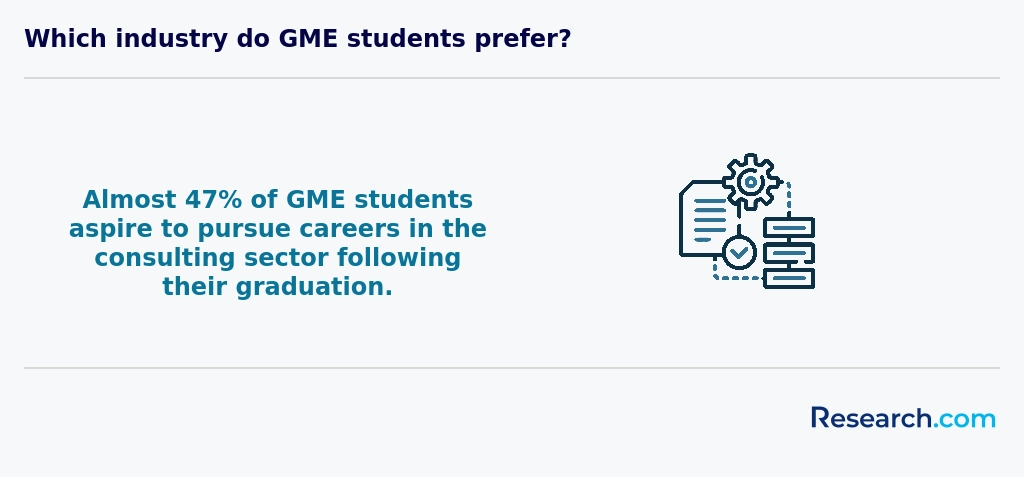
- Key industries for MBA graduates in Indiana include healthcare administration, finance, manufacturing, technology, and consulting.
- Employers prioritize MBA candidates with both accredited degrees and relevant industry or leadership experience in Indiana's competitive market.
How long does it take to complete MBA degree in Indiana?
Completing an MBA degree in Indiana typically revolves around a timeframe of one to three years, depending on the program style and your personal commitments. Many graduates from Indiana University Kelley School of Business share how the traditional full-time MBA took about two years, a period that allowed them to fully engage with core courses and electives without feeling rushed. This balanced pace offers a deep dive into the material and meaningful interaction with faculty and peers.
On the other hand, some working professionals who pursued accelerated programs at Purdue University Krannert School of Management found the intense one-year track both challenging and rewarding. The experience demanded year-round dedication but was highly satisfying for those eager to advance their careers quickly. Meanwhile, part-time students appreciated stretching their studies over three years or more, valuing the ability to work alongside their coursework without overwhelming stress.
Reflecting on these varied paths, it becomes clear that Indiana's MBA programs cater to diverse lifestyles. Whether you thrive in an immersive environment or prefer a flexible schedule, there's a route here that can fit your ambitions and pace, making the journey both achievable and fulfilling.
What's the difference between online and on-campus MBA degree?
Graduates from Indiana University's Kelley School of Business often describe the on-campus MBA experience as immersive, with daily interactions that build immediate connections. Sitting in classrooms, engaging in lively discussions, and attending career fairs on campus foster a sense of community that feels supportive and motivating. Access to resources like libraries and mentoring programs becomes a natural part of the journey, making the learning process more tangible and engaging.
By contrast, those who pursued online MBAs at Purdue University or Indiana State University highlight the freedom to balance studies with family and work commitments. The flexibility to study asynchronously allows them to craft a schedule that fits their lives, though it requires stronger personal discipline. While they miss the immediate face-to-face networking, many find ways to create virtual connections and appreciate the affordability and accessibility that online formats offer.
Indiana students choosing between these paths weigh factors like cost, networking, and learning style carefully-knowing each format has distinct strengths that reflect their unique ambitions and circumstances.
Return on Investment (ROI): Evaluating the True Value of an MBA in Indiana
Investing in an MBA is more than just tuition-it’s a strategic financial decision that hinges on how quickly you recoup costs through increased earnings. In Indiana, the average total investment for a two-year MBA ranges from $35,000 to $75,000 (including fees and living expenses). With starting salaries between $70,000 and $100,000+, here’s how to gauge your ROI:
- Payback Period: Divide your net program cost by the annual salary increase. For example, a $50,000 net cost and a $30,000 salary bump yield a payback period of roughly 1.7 years.
- Net Present Value (NPV): Discount future cash flows (salary increments) at a conservative rate (e.g., 4%) to assess long-term value. A positive NPV confirms the degree adds monetary worth over time.
- Internal Rate of Return (IRR): Calculate the discount rate that makes NPV zero. Most reputable MBA investments target an IRR above 12%, signaling strong growth potential. Beyond raw numbers, factor in intangible benefits such as leadership skills, expanded networks, and access to exclusive executive mentorship programs. These elements often accelerate career progression, shortening the payback window. If you’re comparing regional affordability and ROI, explore the Cheapest MBA Degree Programs Ranking in Iowa for additional context on neighboring states’ value propositions.
What is the average cost of MBA degree in Indiana?
The average cost of an MBA degree in Indiana tends to fall around $44,528 in total tuition, with in-state students typically paying closer to $31,870. Many graduates from Indiana University's Kelley School of Business recall the balance of quality education and relatively affordable tuition, which for full-time in-state students is about $42,000. Having friends who managed to lower their expenses through scholarships or employer sponsorships highlights how practical financial planning can significantly ease the investment in an MBA.
Those who pursued their degrees at other public institutions like Ball State University or the University of Indianapolis often mention the satisfaction of finding affordable MBA programs tuition Indiana without compromising on a solid curriculum. These programs usually range between $25,000 and $35,000, which fits well for students mindful of budget but eager to build meaningful business skills.
Private universities in Indiana present a higher financial commitment, with some MBA programs near $70,000. Alumni from private schools, including the University of Notre Dame and Valparaiso University, often describe their experience as rich in networking and advanced resources, making the cost feel like a worthwhile investment despite the steeper price. When weighing options, it's helpful to explore part-time or online formats that may offer different pricing structures to fit personal schedules and finances.
For a better perspective on choosing the right path, considering residency status, financial aid, and program format is essential. Many future business leaders have found that studying at a top mba school in indiana combined with cost-conscious planning creates a rewarding MBA journey without excessive financial burdens.

Choosing the Right MBA Program in Indiana
When deciding on an MBA program in Indiana, it's essential to consider factors such as program format, curriculum, and specializations. Prospective students should research and weigh the benefits of each program, ensuring alignment with their career goals and personal preferences. For instance, those interested in a top mba school in indiana can explore options that offer specializations in fields like finance, marketing, or entrepreneurship. By carefully evaluating these aspects, students can make informed decisions and invest in an MBA program that will provide them with the necessary skills, knowledge, and networking opportunities to succeed in their chosen career paths.
What financial aid is available to MBA degree students in Indiana?
Many MBA students in Indiana find substantial financial relief through a variety of aid options tailored to their needs. Federal loans like Direct Unsubsidized and Grad PLUS Loans, accessed via FAFSA, offer reasonable fixed rates, providing a dependable foundation for funding an MBA. Graduates from Indiana University's Kelley School of Business often mention how merit-based scholarships significantly lightened their tuition burden, rewarding their academic and professional achievements.
Need-based aid programs also make a notable difference, especially for those who diligently complete the FAFSA early. These grants and scholarships, which never require repayment, are often a financial lifeline for students balancing studies and personal responsibilities. Many Indiana MBA candidates benefit from employer tuition assistance programs, hugged closely by those who continue working full-time or part-time while earning their degree, turning their job into a financial partner in their education.
Professional groups like the Indiana Society of CPAs also extend scholarships, offering a community-backed boost. This layered approach to funding makes pursuing an MBA in Indiana feel more attainable and less daunting, sparking confidence and hope throughout the challenging financial journey.
Return on Investment: Calculating Your MBA Payback Period
Estimating the true value of an MBA in Indiana requires analyzing both costs and expected salary gains to determine your payback period. Start by summing total program expenses-including tuition, fees, and living costs-then compare this investment against the average salary differential. For example, if your MBA costs $50,000 and boosts your annual income from $65,000 to $85,000, your payback period is roughly 2.5 years (($50,000) ÷ ($20,000)). Understanding this timeline helps you gauge when the financial benefits of your degree outweigh the upfront expenses. Several factors can accelerate your ROI. Securing graduate assistantships or employer sponsorship can reduce out-of-pocket costs and shorten your payback window. Networking events and internships often lead to higher-paying roles sooner, effectively enhancing your return. Additionally, specialized concentrations-such as finance or technology management-tend to command premium salaries, further improving your MBA ROI. For those considering programs outside Indiana, you may also want to compare affordability and ROI in neighboring states. For instance, explore our Cheapest MBA Degree Programs Ranking in Iowa to see how Iowa’s lowest-cost options stack up in terms of tuition and post-graduate earnings. Ultimately, calculating your personalized payback period ensures you choose an affordable MBA path that aligns with both your career goals and financial planning.
What are the prerequisites for enrolling in MBA degree program in Indiana?
To enroll in an MBA program in Indiana, holding a bachelor's degree from an accredited institution is essential. Graduates from universities like Indiana University Kelley School of Business often share how their diverse academic backgrounds-from engineering to humanities-prepared them to bring unique perspectives into business studies. Though many programs appreciate coursework in business or economics, students without this focus still find pathways through solid foundational knowledge.
Standardized tests such as the GMAT or GRE remain common prerequisites, although several Indiana schools have embraced test-optional policies recently. Graduates recall feeling less pressure with these changes, especially when their strong professional experience filled the gaps typically addressed by test scores. For example, working two to three years in roles like marketing or finance often strengthens applications and builds confidence in managing real-world business challenges.
Letters of recommendation, personal essays, and sometimes interviews further shape an applicant's story. According to alumni of Purdue University's MBA programs, these elements allow them to demonstrate leadership potential and passion beyond transcripts. This blend of academic qualifications and practical experience creates a richer environment that fosters growth and success across Indiana's MBA campuses.
Emerging Trends and Future Outlook for MBA Education in Indiana
The landscape of MBA education in Indiana is continuously evolving, with institutions integrating advanced technologies and flexible learning options to meet the fast-changing demands of today’s business world. Future-focused programs are incorporating innovative teaching methods, such as experiential learning projects, virtual collaboration platforms, and hybrid formats that blend on-campus immersion with online convenience. This transformation is driven by the need to keep pace with global market trends, ensuring that graduates possess cutting-edge skills in digital strategy, data analytics, and adaptive leadership. Notably, the increase in accessibility and affordability of online options, such as the cheap master of business administration online program under 10000 per year, allows a broader range of professionals to enhance their expertise without sacrificing work-life balance. As the state’s business climate continues to shift, prospective MBA students are encouraged to consider programs that not only deliver core business acumen but also emphasize lifelong learning and adaptability to secure a competitive edge in the future workforce.
What courses are typically in MBA degree programs in Indiana?
MBA students in Indiana often find themselves immersed in courses that build a solid foundation while offering practical insights. Graduates from prominent universities like Indiana University's Kelley School of Business frequently share how core subjects such as Accounting and Financial Reporting helped them confidently interpret company financials during internships.
Marketing Management stands out as a favorite among students who enjoyed crafting promotional strategies for real-world projects, fostering creativity and analytical thinking. Operations Management vividly brought lessons to life for many, describing hands-on experiences optimizing supply chains, which proved invaluable in manufacturing or logistics roles.
Organizational Behavior courses resonate deeply, as students learn to navigate complex team dynamics-an essential skill highlighted by those working in collaborative corporate environments. Business Strategy often challenged them to devise and evaluate cross-functional plans, sharpening their problem-solving and decision-making skills.
Finance classes, addressing investment analysis and capital budgeting, gave future managers the confidence to engage in high-stakes financial decisions. These core courses, coupled with opportunities for electives tailored to interests like healthcare or technology management, make Indiana's MBA programs both comprehensive and relevant to today's evolving business landscape.
What types of specializations are available in MBA degree programs in Indiana?
Many Indiana MBA programs offer a rich variety of options tailored to the evolving local economy, reflecting what graduates from well-known Indiana colleges experience firsthand. For instance, those pursuing an MBA degree concentration options commonly select Finance, honing skills valuable in Indiana's financial hubs. Others find Marketing appealing, applying strategies that resonate with businesses both in Indianapolis and beyond.
Healthcare Management stands out as an increasingly popular path, mirroring Indiana's thriving healthcare sector. Graduates often recall their satisfaction in learning administration and policy applicable to leading hospitals. Operations and Supply Chain Management attracts those energized by Indiana's manufacturing landscape, emphasizing real-life efficiency improvements.
Entrepreneurship and Information Technology Management options encourage innovation and leadership. Many graduates share how these specializations empowered them to navigate startup environments or tech-driven projects. For prospective students seeking accessible pathways, programs often offer a cheap master of business administration online program under 10000 per year, making an Indiana MBA both relevant and achievable for a broad audience interested in mba specializations in Indiana.
How do you choose the best MBA degree in Indiana?
Choosing the best MBA degree in Indiana means weighing factors like accreditation, curriculum, and cost carefully. Graduates from respected programs such as Indiana University's Kelley School of Business often emphasize how AACSB accreditation reassured them regarding the program's quality and faculty expertise. Personal stories highlight how selecting a program with flexible formats-like part-time or online options-helped students balance work and study effectively.
Many find value in exploring various program concentrations aligned with their career goals, whether healthcare management or entrepreneurship, which are commonly offered across Indiana schools. Reflecting on the return on investment, graduates appreciate comparing tuition costs in public versus private institutions, especially when considering long-term financial planning.
Employment outcomes and networking play a crucial role. Alumni from Purdue University's Krannert School share how strong industry ties in Indianapolis and Fort Wayne opened doors to rewarding opportunities. To explore options based on affordability, consider consulting the Cheapest MBA Degree Programs Ranking in Iowa as a nearby reference point. These insights help when seeking the best affordable MBA programs in Indiana.
Ultimately, balancing quality education with cost and personal priorities ensures you select one of the top Indiana MBA degrees by cost without sacrificing value.
What career paths are available for MBA degree students in Indiana?
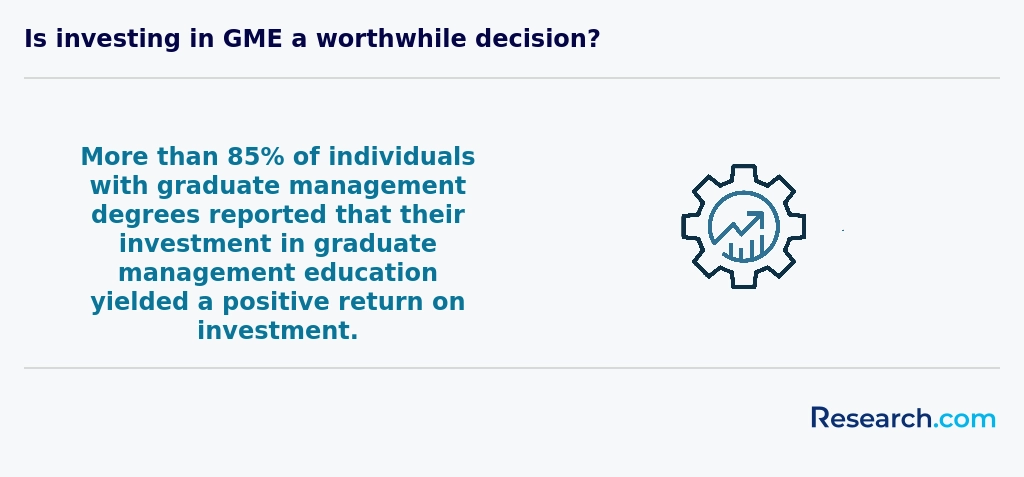
MBA graduates in Indiana find rewarding opportunities across diverse sectors, reflecting the state's robust economy and the value placed on leadership skills. From personal accounts shared by graduates of well-regarded programs at institutions like Indiana University Kelley School of Business and Purdue University, there is a clear pathway into management and executive roles within local corporations and startups. Career opportunities with MBA in Indiana often include positions such as business development managers, marketing directors, and operations managers, where graduates apply strategic insights gained during their studies.
Finance stands out as a particularly lucrative avenue, with graduates joining banks and financial firms to work as financial analysts or investment managers, experiencing strong wages and job growth. For those inclined towards innovation, roles in technology and entrepreneurship flourish in cities like Indianapolis and Bloomington. Many alumni speak warmly about leveraging their education to launch ventures or lead projects in these dynamic environments, highlighting the practical value of the degree.
The healthcare sector also offers diverse roles, from administration to consulting, allowing graduates to contribute meaningfully to this expanding field. For those seeking flexible learning paths, some turn to 6 month online courses that pay well to complement their MBA and accelerate their career progress, embodying the adaptability needed for today's workforce. These varied options demonstrate the top Indiana MBA degree career paths are rich and accessible for determined students.
What is the job market for MBA degree in Indiana?
The job market for MBA graduates in Indiana reflects steady growth and diverse opportunities, especially for those emerging from well-regarded institutions like Indiana University's Kelley School of Business and Purdue University. These graduates often find themselves sought after in industries ranging from manufacturing and healthcare to finance and technology, where leadership and strategic skills are highly valued. Networking through alumni connections at these schools frequently leads to internships or management roles, providing a practical advantage in a competitive environment. This dynamic aligns with broader trends for MBA employment opportunities in Indiana, where management roles are predicted to increase steadily.
Many graduates share how the affordable cost of obtaining an MBA in Indiana, compared to national averages, helps reduce financial stress and broadens their career flexibility. With median management salaries around $100,000, the return on investment can be quite rewarding. In considering further education, students exploring their options might also find value in evaluating what's the easiest master's degree to get as part of mapping their career paths.
Frequently Asked Questions About MBA
Indiana offers a variety of MBA programs designed to fit different career goals and schedules. To maximize their learning experience, students should leverage both academic resources and local networking opportunities. Many Indiana universities, such as Indiana University Kelley School of Business, emphasize experiential learning through case studies and internships.
Engaging actively in these hands-on projects can deepen understanding beyond textbooks. Additionally, students benefit from joining professional organizations like the Indiana MBA Association, which hosts events connecting students with local business leaders.
Staying updated on industry trends and participating in workshops can also enhance skills that employers value. According to the Graduate Management Admission Council, MBA graduates who supplement coursework with networking report better job prospects.
The MBA field in Indiana is evolving with several emerging niches that reflect current business trends. One notable area is healthcare management, driven by the state's strong healthcare industry and institutions like IU Health. Graduates with this specialization are well-positioned to meet the demand for skilled administrators in hospitals and healthcare organizations.
Another growing niche is technology and data analytics. Indiana's expanding tech sector requires MBAs who can leverage big data for strategic decision-making. Schools such as Purdue University offer specialized courses addressing this need.
Sustainability and business ethics are also gaining attention. Companies increasingly seek leaders trained to balance profitability with social responsibility, a trend supported by data from the Graduate Management Admission Council (GMAC).
Preparing for the job market after earning an MBA in Indiana involves strategic planning and active engagement with local industries. Graduates should leverage career services offered by Indiana universities, which often provide resume workshops, interview preparation, and networking events tailored to MBA students.
The state's diverse economy, with strong sectors in manufacturing, healthcare, and finance, offers various opportunities. According to the Indiana Department of Workforce Development, business and financial occupations are projected to grow by 7% through 2030, indicating steady demand for MBA holders.
Internships and partnerships with Indiana companies can provide valuable real-world experience. Additionally, joining professional associations like the Indiana Society of Association Executives helps expand networks. Finally, staying updated on regional economic trends can improve job-search strategies and help graduates align their skills with employer needs.
Employers in Indiana highly value MBA graduates who demonstrate strong leadership and strategic thinking skills. According to a 2023 report from the Indiana Department of Workforce Development, 78% of local businesses prioritize candidates with proven abilities in project management and decision-making. Communication skills, both written and verbal, are also critical. Indiana firms especially seek MBAs skilled in data analysis and financial acumen, reflecting the state's growing finance and manufacturing sectors. Moreover, adaptability and proficiency in technology, including familiarity with business analytics software, are essential as companies embrace digital transformation. These skills enhance graduates' competitiveness within Indiana's dynamic job market.
Finding internships in Indiana relevant to an MBA degree involves leveraging multiple resources tailored to business students. Universities such as Indiana University's Kelley School of Business partner with local firms to offer structured internship programs, enhancing practical experience.
Job boards including Handshake and LinkedIn frequently list internships targeting MBA candidates in Indiana's major cities like Indianapolis and Bloomington. Networking plays a vital role; attending university career fairs and connecting with alumni can open doors to opportunities within industries such as finance, marketing, and consulting.
According to NACE's 2023 report, around 60% of MBA students secure internships before graduation, underscoring the importance of early engagement and proactive outreach.
An MBA degree significantly impacts career mobility and advancement in Indiana by equipping professionals with essential leadership and management skills. According to the Indiana Commission for Higher Education, MBA holders in the state experience a higher employment rate, often securing mid to senior-level management roles within industries such as manufacturing, healthcare, and finance.
Data from the U.S. Bureau of Labor Statistics shows that Indiana's MBA graduates can expect a median salary increase of 20-30% compared to those with only a bachelor's degree. Employers in Indianapolis and Fort Wayne value the strategic thinking and problem-solving abilities developed during MBA programs.
Networking opportunities through Indiana's business schools also enhance career progression by connecting students with local industry leaders and alumni, fostering job placements and promotions.
Studying for an MBA degree in Indiana equips students with skills that cross traditional business boundaries, preparing them for interdisciplinary roles. Indiana's MBA programs emphasize practical knowledge in finance, marketing, operations, and management, while integrating insights from technology, healthcare, and public policy sectors. This approach aligns with increasing demand for leaders who can navigate complex, multi-industry environments.
For example, Indiana University's Kelley School of Business reported in 2023 that 65% of their MBA graduates engage in roles requiring collaboration across diverse fields. Furthermore, many Indiana programs encourage applied projects and internships that expose students to real-world challenges beyond pure business issues, fostering adaptability and broad thinking.
When choosing between a thesis and a non-thesis MBA program in Indiana, consider your career goals. A thesis MBA involves conducting original research, which suits students aiming for academic roles or positions requiring strong analytical skills. Non-thesis options focus more on coursework and practical experience, appealing to those targeting immediate entry into industry or management.
Indiana universities such as Indiana University Kelley School of Business offer both formats. According to the National Center for Education Statistics, about 60% of Indiana MBA students opt for non-thesis programs, reflecting local industry demand for practical skills.
Time commitment also differs; thesis programs typically require more months to complete due to research demands.
Students in Indiana seeking to study for an MBA abroad have several pathways available. Many Indiana universities, such as Indiana University's Kelley School of Business, offer exchange programs with partner schools worldwide, allowing students to earn credits overseas.
Additionally, some students pursue international MBA programs through online or hybrid formats, providing global perspectives without relocating. The U.S. Department of Education notes that about 5% of MBA students from the U.S. choose international study options to enhance their career prospects.
Indiana-based students should also explore programs accredited by organizations like AACSB, which ensures global acceptance and quality. Researching tuition, visa requirements, and language prerequisites is essential for planning a successful overseas MBA experience.
In Indiana, part-time job opportunities that complement MBA studies often include roles in business analysis, marketing coordination, and financial consulting. These positions allow MBA students to apply classroom knowledge in real-world settings. According to the Indiana Department of Workforce Development, jobs in business and finance are expected to grow by 8% through 2030, reflecting strong demand for MBA skills.
Additionally, internships or part-time roles in local startups and established corporations, such as Eli Lilly or Cummins, provide valuable hands-on experience. Many MBA programs in Indiana encourage students to engage in such roles to build professional networks and improve leadership skills.
MBA students in Indiana benefit from diverse networking opportunities offered by numerous universities and business organizations. Schools like Indiana University's Kelley School of Business and Purdue University Krannert School provide access to alumni networks, career fairs, and industry-specific events.
Moreover, Indianapolis, a major business hub, hosts professional groups such as the Indiana Economic Development Corporation and local chapters of the American Marketing Association, which frequently organize networking events for MBA students and graduates.
According to data from the Graduate Management Admission Council, over 70% of MBA students leverage career services and networking events to secure internships and jobs, emphasizing the importance of these connections in Indiana's competitive market.
Alumni networks offer significant advantages to MBA students in Indiana by providing access to a broad community of professionals. These networks connect current students with graduates who are often working in diverse industries across the state, including banking, manufacturing, and healthcare. According to the Indiana Commission for Higher Education, over 60% of MBA graduates find employment within six months, a benefit partly attributed to strong alumni referrals.
Membership in an alumni network facilitates mentorship opportunities, internships, and job placements, improving career growth prospects. Schools like Indiana University's Kelley School of Business boast alumni networks exceeding 100,000 members globally, creating robust professional connections locally and beyond.
Indiana MBA students also benefit from exclusive events, workshops, and networking receptions organized by alumni associations that foster ongoing learning and business development.
Customizing an MBA degree program in Indiana allows students to align their education with specific career goals. Many Indiana universities offer concentrations such as finance, healthcare management, entrepreneurship, or supply chain management. These specializations help students develop expertise in their preferred field.
Additionally, some programs provide flexible schedules, including part-time, online, or evening classes, which benefit working professionals. Indiana schools like Indiana University and Purdue University also offer experiential learning options, such as internships or consulting projects, to gain real-world experience. According to the Indiana Commission for Higher Education, nearly 60% of MBA students choose a concentration to enhance job prospects.
Furthermore, networking opportunities with local businesses support career advancement within Indiana's diverse economy.
MBA students in Indiana commonly face time management challenges, balancing coursework with full-time jobs or family responsibilities. Many programs expect students to commit significant hours to group projects, case studies, and networking events, which can strain personal schedules.
Financial concerns also weigh heavily, as the average MBA tuition in Indiana ranges from $20,000 to over $50,000 depending on the institution. According to the Indiana Commission for Higher Education, student debt is a frequent barrier, especially since many attendees are working adults funding their education independently.
Another challenge stems from adapting to the evolving business landscape. MBA curricula often require students to learn emerging technologies and data analysis skills rapidly, which can be difficult without prior experience. Additionally, students may struggle with relocating or commuting, as some top Hoosier schools are urban-based, limiting flexibility for suburban or rural learners.
With an MBA degree in Indiana, graduates can pursue various professional certifications to enhance their career prospects. Common options include the Certified Management Accountant (CMA), which is valuable for finance and accounting roles. The Project Management Professional (PMP) certification is also popular among MBA holders seeking leadership positions in project management. Additionally, the Certified Financial Planner (CFP) credential benefits those interested in financial advisory careers. Some Indiana MBA programs also prepare students for the Chartered Financial Analyst (CFA) exams, known for their rigor in investment management. These certifications can complement an MBA and help professionals meet industry demands effectively.
Applying to an MBA program in Indiana requires careful preparation to stand out in a competitive field. Start by researching programs accredited by the AACSB, as many top Indiana schools hold this prestigious certification, indicating high standards. Highlight your professional achievements and leadership experience clearly in your resume and essays. Indiana MBA programs often seek candidates with a clear career vision and evidence of teamwork skills.
Strong letters of recommendation from supervisors or academic mentors who can attest to your abilities are essential. The GMAT or GRE scores remain important; the average GMAT score for Indiana's top programs hovers around 600, according to recent school disclosures. Tailor your personal statement to explain why you want to study in Indiana specifically, mentioning local networking or industry opportunities. Finally, proofread carefully to avoid errors and demonstrate professionalism.
The global perspective on an MBA career highlights significant value for graduates, especially those studying in the US, including Indiana. An MBA often opens doors to leadership roles worldwide, with 89% of US MBA graduates reporting career advancement within three years, according to the Graduate Management Admission Council (GMAC).
Indiana's MBA programs, recognized for blending practical skills with global business insights, prepare students for multinational environments. Indiana University's Kelley School of Business, for example, emphasizes global management and cross-cultural leadership to meet international business demands.
Moreover, global corporations increasingly seek MBA graduates familiar with US market dynamics, a strength of Indiana programs. Employers look for skills in strategy, analytics, and communication, all taught in these programs.
Understanding these global trends is crucial for Indiana students aiming to maximize their MBA's impact on an international scale.
Gaining practical experience while pursuing an MBA in Indiana is essential to enhance career readiness. Many Indiana business schools offer internships with local and regional companies, allowing students to apply classroom knowledge in real-world settings. For example, Indiana University's Kelley School of Business connects students to internships across numerous industries such as manufacturing and finance.
Additionally, MBA programs often incorporate consulting projects where students work with Indiana businesses to solve real challenges. These projects provide valuable hands-on experience and networking opportunities.
Students may also participate in campus-based entrepreneurship centers or business competitions hosted by schools like Purdue University, which emphasize practical skills like pitching and strategic planning. According to Indiana Department of Workforce Development, MBA interns in the state often earn between $15 and $25 per hour, making these opportunities financially beneficial as well.
Choosing the right concentration within an MBA program in Indiana begins with assessing your career goals and interests. Popular specializations such as finance, marketing, healthcare management, and supply chain are widely offered by Indiana business schools, including Indiana University's Kelley School of Business and Purdue University. According to the National Center for Education Statistics, finance and marketing remain among the highest-enrolled MBA concentrations nationwide.
Consider Indiana's local economy-industries like manufacturing, logistics, and healthcare are strong, which may influence concentration choices. Researching job placement rates and alumni outcomes from specific Indiana schools can provide valuable insight. Many programs also offer experiential learning tailored to key sectors in the state, enhancing practical skills relevant to your chosen field.
Additionally, evaluating program flexibility, online options, and faculty expertise related to each concentration helps ensure alignment with your personal circumstances and professional aspirations.
Related MBA Rankings for Nearby States
- 2027 Most Affordable MBA Degree Programs Ranking in Illinois
- 2027 Most Affordable MBA Degree Programs Ranking in Kentucky
- 2027 Most Affordable MBA Degree Programs Ranking in Minnesota
- 2027 Most Affordable MBA Degree Programs Ranking in Arkansas
- 2027 Most Affordable MBA Degree Programs Ranking in Georgia
- 2027 Most Affordable MBA Degree Programs Ranking in Alabama
- 2027 Most Affordable MBA Degree Programs Ranking in South Carolina
- 2027 Most Affordable MBA Degree Programs Ranking in Louisiana
- 2027 Most Affordable MBA Degree Programs Ranking in Florida
- 2027 Most Affordable MBA Degree Programs Ranking in Maryland
Top Trending MBA Rankings
References
- 5 Tips on How to Choose the Best MBA Concentration https://www.pointloma.edu/resources/business-leadership/5-tips-how-choose-best-mba-concentration
- MBA studies https://moderna.edu.pl/majors/management/master-of-management/mba-management-masters-degree/
- Financial Aid for MBAs | OnlineMBA.com https://www.onlinemba.com/resources/fafsa-guide/
- LIS MBA Programme | Apply Now for Our Innovative MBA https://www.lis.ac.uk/mba
- Why Should I Get My MBA? https://www.indwes.edu/articles/2022/10/why-should-i-get-my-mba
- How Online MBA Graduates Forge New Career Paths | FIND MBA Online https://findmbaonline.com/articles/how-online-mba-graduates-forge-new-career-paths
- Why Employers Prize a Global Perspective from MBA Graduates | WU Executive Academy https://executiveacademy.at/en/knowledge/career/why-employers-prize-a-global-perspective-from-mba-graduates
- MBA Internships: Find 5400 MBA Intern Jobs https://internshala.com/internships/mba-internship/
- Top 10 Career Options After a Global MBA | SP Jain Global https://www.spjain.org/blog/articles/top-global-mba-careers
- Know more about thesis vs non- thesis: what is the difference? https://studyfans.com/en/blogs/816


