
2027 Most Popular MBA Degree Programs Ranking in New York

Co-Founder and Chief Data Scientist
Considering an MBA degree in New York? This article introduces the 2027 Most Popular MBA Degree Programs Ranking in New York, created by the Research.com team of data scientists. It's designed to help you understand which programs stand out, so you can make an informed decision about your education.
Reading this article will give you clear insights into top MBA options that match your goals. Earning an MBA is a valuable step toward advancing your career and unlocking new opportunities.
Explore these rankings and feel confident about your next move.
Key benefits of getting MBA degree in New York
- Graduates with an MBA in New York often pursue careers in management and finance, where the mean annual wage typically ranges from $100,000 to $150,000, offering strong earning potential and financial growth.
- An MBA graduate from a top New York university can explore diverse career paths such as marketing, consulting, entrepreneurship, or corporate leadership, opening doors to exciting and dynamic roles.
- Online MBA degrees from respected New York schools provide flexibility and convenience, allowing students to balance work and study while gaining the same valuable skills as traditional programs.
- Key benefits of getting MBA degree in New York
- What can I expect from MBA degree in New York?
- Where can I work with MBA degree in New York?
- How much can I make with MBA degree in New York?
- 2027 Most Popular MBA Degree Programs Ranking in New York
- Key Findings
- How long does it take to complete MBA degree in New York?
- Affordability and Value of MBA Programs in New York
- What's the difference between online and on-campus MBA degree?
- Accelerated MBA Pathways & Flexible Learning Options
- What is the average cost of MBA degree in New York?
- Return on Investment (ROI) for MBA Programs in New York
- What financial aid is available to MBA degree students in New York?
- How to Craft a Winning MBA Application in New York
- What are the prerequisites for enrolling in MBA degree program in New York?
- What courses are typically in MBA degree programs in New York?
- What types of specializations are available in MBA degree programs in New York?
- How do you choose the best MBA degree in New York?
- What career paths are available for MBA degree students in New York?
- What is the job market for MBA degree in New York?
- Related MBA Rankings for Nearby States
- Top Trending MBA Rankings
What can I expect from MBA degree in New York?
The average cost of an MBA degree in New York varies widely depending on the institution. For example, graduates from Columbia Business School often recall tuition exceeding $80,000 per year for the full-time two-year program. This significant investment is balanced by access to top-tier faculty and a powerful alumni network. On the other hand, students attending public institutions like the CUNY system find more affordable tuition rates, making MBA education accessible without compromising essential career-building opportunities.
Many graduates emphasize the importance of exploring financial aid, scholarships, and employer sponsorship to manage these costs effectively. Practical strategies include applying early for merit-based scholarships or seeking internships that provide tuition support. Knowing how to navigate these options can transform the financial burden into a manageable stepping stone.
Despite high tuition, MBA students in New York often feel confident investing in their education because of the city's vast recruitment events and networking possibilities that open doors to lucrative positions, especially in finance and consulting sectors. This return on investment shapes their enthusiasm and drive throughout the program.
Where can I work with MBA degree in New York?
Graduates with an MBA degree from top New York schools like NYU Stern or Columbia Business School often find abundant opportunities in finance, especially with firms such as JPMorgan Chase and Goldman Sachs. These roles frequently involve hands-on experience in banking and investment management, allowing graduates to quickly apply classroom strategies to real-world deal-making and portfolio oversight.
Consulting is another thriving path. Many graduates secure positions at firms like McKinsey or BCG, where they tackle complex business challenges for major corporations. MBA students report that case competitions and networking events hosted on campus directly prepare them for these problem-solving roles.
For those focused on tech or media, companies like Google and NBCUniversal in New York City actively recruit MBAs for leadership roles in product management and operations, offering dynamic environments where innovation meets strategy.
Healthcare management roles at institutions such as NewYork-Presbyterian allow MBAs to lead initiatives improving patient care and operational efficiency. Graduates often highlight internship experiences as pivotal in securing these positions.
Marketing, HR, and nonprofit sectors also welcome MBA graduates, benefiting from the city's vast corporate and startup ecosystems. Graduates emphasize how flexible career options and practical projects during their studies helped them confidently enter diverse industries.
How much can I make with MBA degree in New York?
Graduates from MBA programs in New York, such as those from NYU Stern or Columbia Business School, often see substantial financial rewards. While exact salary data for specific roles from BLS is unavailable, general trends show that MBA holders in New York typically earn between $110,000 and $130,000 annually, depending on industry and experience.
Entry-level graduates report starting salaries around $70,000 to $90,000 in fields like finance and consulting, common paths for many graduates. Mid-career MBAs with five to ten years of experience can expect salaries climbing to $130,000 to $160,000, especially in tech and consulting roles. Senior MBA alumni frequently secure leadership positions in major firms, often exceeding $200,000 when bonuses and stock options are included.
This increased earning potential reflects the high value placed on MBA degrees in New York's competitive market. Graduates often describe feeling confident and motivated as their degree opens doors to top financial services and corporate roles, helping them thrive in the fast-paced New York business environment.
2027 Most Popular MBA Degree Programs Ranking in New York
How do we rank schools?
Investing in your education is a significant decision that can greatly impact your career and future opportunities. The Research.com team is committed to providing reliable information and has taken great care to ensure the quality, credibility, and accuracy of the "2027 Most Popular MBA Degree Programs Ranking in New York." To deliver a thorough and trustworthy evaluation, we utilized the following reputable data sources:
By consulting this ranking, readers will gain valuable insights into the best MBA programs available in New York, empowering them to make well-informed decisions regarding their education. For a detailed explanation of how this ranking was created, please visit our Research.com methodology page.




Key Findings
- Tuition for MBA programs in New York ranges from $60,000 to over $120,000, excluding books, living expenses, and other fees.
- Starting salaries for recent MBA graduates typically fall between $90,000 and $120,000 per year.
- Mid-career MBA holders often earn between $150,000 and $200,000 annually, depending on their industry and role.
- New York's job market for MBA graduates includes finance, consulting, technology, healthcare, and media sectors.
- Top MBA programs require competitive GMAT or GRE scores, relevant work experience, and clear career plans.
How long does it take to complete MBA degree in New York?
Completing an MBA in New York typically takes about two years for full-time students, following the model used by top schools like NYU Stern and Columbia Business School. Graduates often recall the rewarding experience of balancing rigorous coursework and summer internships, which helped them build valuable industry connections. If you're working while studying, part-time MBA programs offer flexibility, usually stretching from three to four years. Many students appreciate being able to attend evening or weekend classes, allowing them to maintain their jobs and apply learning in real time.
For experienced professionals, Executive MBA programs provide an accelerated path lasting 16 to 24 months. These modular courses designed for busy schedules make it feasible to earn a degree without pausing a career. Some ambitious students choose one-year accelerated MBAs offered by select New York institutions, completing their degrees in just 12 months through intensive study and no summer breaks. Choosing the right timeline depends on your career stage and personal commitments, as illustrated by numerous successful graduates from the city's competitive programs.
Affordability and Value of MBA Programs in New York
To make informed decisions about their educational investments, prospective students should consider the affordability and value of MBA programs in New York. One crucial factor is the cost of tuition, which can vary significantly among institutions. Exploring options for cheapest mba programs in new york can help students find affordable pathways to achieving their career goals. Additionally, students should weigh the potential return on investment, considering factors such as salary expectations, job placement rates, and the overall value proposition of each program. By carefully evaluating these aspects, students can ensure that their MBA education in New York provides a strong foundation for their future careers and a worthwhile return on their investment.
What's the difference between online and on-campus MBA degree?
Choosing between an online and on-campus MBA in New York means weighing how each fits your lifestyle. Graduates from Columbia Business School often praise the immersive on-campus experience, highlighting face-to-face interactions with professors and fellow students as game-changers for building strong professional networks. Imagine attending live events in Midtown Manhattan, forging connections over coffee breaks, and accessing campus resources that boost your teamwork skills.
In contrast, graduates from Syracuse University's online MBA program emphasize flexibility as their biggest advantage. Working professionals juggling jobs and family find asynchronous courses ideal for studying on their own schedule, whether late at night or between meetings. Though networking is mostly digital, tools like virtual group projects replicate collaboration, making it easier to balance career growth with personal commitments.
Cost-wise, on-campus programs average about $60,000 annually in New York, reflecting campus amenities and prestige. Online MBAs offer a more affordable range from $35,000 to $50,000, with fewer fees. Considering your career goals, work-life balance, and learning style will help you decide which format matches your New York MBA journey best.
Accelerated MBA Pathways & Flexible Learning Options
In today’s fast-paced business environment, many aspiring professionals are increasingly seeking accelerated MBA programs that offer flexibility without compromising on quality. These innovative pathways not only shorten the time to degree completion but also incorporate modern teaching methods, practical assignments, and real-world projects that mirror the dynamics of today’s global markets. Accelerated programs often leverage digital tools and interactive online platforms to deliver a curriculum that caters to working professionals, enabling them to upskill quickly and effectively. For instance, students can explore opportunities such as the fast track mba 6 months online option, which is designed to condense comprehensive business education into a fraction of the traditional timeframe. With a strong emphasis on experiential learning, curricula in these programs integrate case studies, virtual teamwork, and live webinars with industry experts, ensuring that graduates are well-prepared to make immediate impacts in their organizations. This flexible approach not only supports diverse learning schedules but also broadens access to high-caliber MBA education irrespective of geographical constraints, making it an attractive choice for ambitious professionals seeking swift career advancement.
What is the average cost of MBA degree in New York?
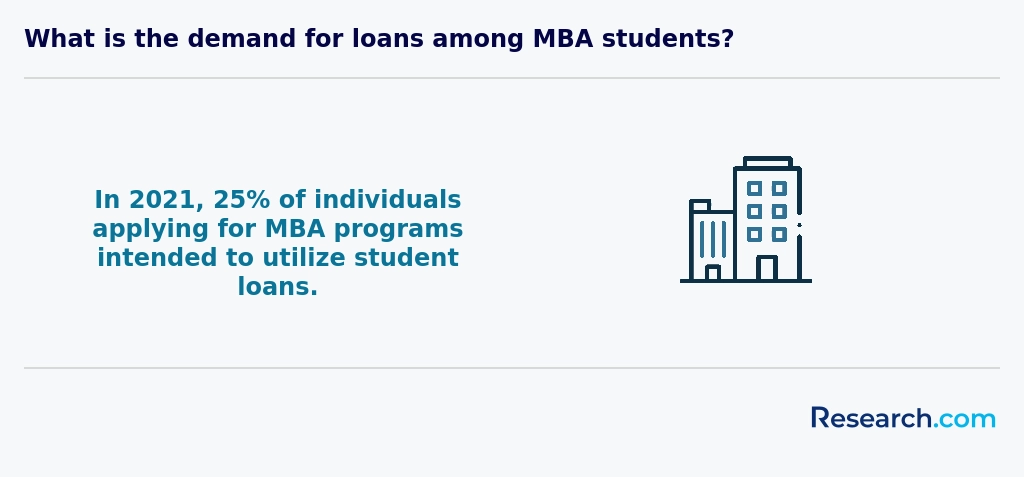
The average MBA degree cost in New York typically centers around $50,000 for the full program, although this varies based on the type of institution and residency status. For in-state students, the median total cost is closer to $38,495, making it significantly more affordable at public universities like those in the SUNY system. Many graduates from these programs share how this allowed them to pursue their studies while managing living expenses in a city known for its high cost of living.
Students attending elite institutions such as Columbia Business School or NYU Stern often face higher tuition fees, with yearly costs ranging between $70,000 and $85,000. These figures align with the broader discussion of MBA tuition fees and expenses NY, where two-year programs can exceed $160,000 including tuition alone. For many, this investment proves worthwhile because of the extensive networking opportunities and career advancement support these schools provide.
Graduates frequently highlight balancing these costs with financial strategies including scholarships, employer sponsorships, or loans. Considering programs beyond traditional full-time options-such as part-time or executive MBAs-helps reduce expenses, often making the degree more accessible. Those seeking lower tuition might explore affordable paths by reviewing the cheapest mba programs in new york, allowing them to find a fitting program without compromising quality.
Return on Investment (ROI) for MBA Programs in New York
Understanding the ROI of an MBA in New York is essential for making an informed investment decision. On average, graduates report a starting salary of $105,000–$115,000 against total two-year program costs (tuition plus living expenses) of $160,000–$220,000. By calculating a simple payback period-total cost divided by annual post-MBA salary increase-most students recoup their investment in 2.5–3.5 years. Key factors influencing ROI include: • Program Cost: Tuition ranges from $60,000 to $150,000 per year, with living expenses adding $20,000–$30,000 annually. • Salary Lift: Average salary increase post-MBA is 50%–70%, depending on industry (consulting and finance lead with the highest gains). • Career Services Impact: Strong alumni networks and on-campus recruiting can shorten job search time, directly improving ROI. For students prioritizing affordability without sacrificing quality, exploring other state programs can be invaluable. For instance, candidates focused on cost-efficiency should review the Cheapest MBA Degree Programs Ranking in Delaware to compare potential savings and payback timelines. Incorporating both New York’s competitive salary market and more economical out-of-state options enables prospective MBA candidates to maximize career benefits while managing financial risk.
What financial aid is available to MBA degree students in New York?
MBA students in New York benefit from diverse financial aid options that ease the investment burden. Graduates from NYU Stern often share how securing merit-based scholarships, sometimes covering significant tuition portions, transformed their experience by reducing stress over costs. Columbia Business School attendees frequently highlight need-based fellowships as crucial support, helping many continue without financial strain.
Federal loans like the Direct Unsubsidized Loan and Grad PLUS Loan are common go-to resources, offering fixed interest rates and deferred repayments to keep cash flow manageable during studies. Private loans exist but typically come with higher interest and fewer protections, so use them cautiously.
Employer sponsorships are highly valued, especially among professionals in finance or tech industries in New York. Many find that tuition reimbursement programs enable them to pursue an MBA while maintaining income, making the journey feel achievable and rewarding.
Some programs offer assistantships that provide stipends for teaching or research work, directly offsetting living expenses for students immersed in the Big Apple's dynamic campus life. Additionally, New York State grants and scholarships offer extra relief for residents, an advantage that many part-time or executive MBA candidates leverage effectively.
How to Craft a Winning MBA Application in New York
Securing admission to a top New York MBA program demands a holistic, strategic approach that highlights your professional achievements, leadership potential, and cultural fit. Follow these proven steps: 1. Research and Program Fit • Identify specializations and teaching styles that align with your goals-whether it’s finance at Columbia or entrepreneurship at NYU Stern. • Attend virtual info sessions, campus tours, and alumni panels to grasp each school’s values and network culture. 2. Resume Optimization • Quantify impact: “Led a cross-functional team of 8 to increase revenue by 15%.” • Prioritize leadership and problem-solving examples over routine tasks. • Streamline formatting-one page, clear headings, action verbs. 3. Essays and Personal Narrative • Tell a compelling story: What pivotal challenge drove you to pursue an MBA in New York? • Link anecdotes to program strengths (e.g., case competitions, mentorship). • Address both short-term goals (e.g., “I will join a strategy consulting firm in Manhattan”) and long-term vision. 4. Letters of Recommendation • Choose referees who can speak to your strategic thinking and teamwork-ideally one supervisor and one external partner. • Provide a “brag sheet” with bullet-point achievements and project summaries to guide their narratives. 5. GMAT/GRE and Test Preparation • Target a score above the program’s 75th percentile. • Incorporate adaptive practice tests, focus on weak areas, and join a reputable prep course. 6. Interview Readiness • Prepare concise “STAR” stories (Situation, Task, Action, Result) for behavioral questions. • Research recent school news: new centers, faculty publications, or club initiatives. • Formulate insightful questions that demonstrate genuine interest and critical thinking. 7. Affordability and Scholarship Strategy • Balance prestige and cost-compare program fees and living expenses. • For benchmark tuition data, review our Cheapest MBA Degree Programs Ranking in Delaware to understand regional affordability trends. • Apply early for merit-based scholarships and explore employer‐sponsored tuition assistance. By aligning your application components-resume, essays, recommendations, test scores, and interview performance-you’ll present a cohesive, persuasive case that resonates with New York admissions committees.
What are the prerequisites for enrolling in MBA degree program in New York?
To enroll in an MBA program in New York, you must first hold a bachelor's degree from an accredited institution. While many programs don't require a specific undergraduate major, having a background in business or economics can give you an edge. Graduates from schools like NYU Stern or Columbia Business School often share that this foundation helped them quickly engage with coursework and case studies.
Most programs expect GMAT or GRE scores, which assess your analytical and verbal abilities. Some schools have recently offered waivers for these tests if you have strong professional experience or academic records, a relieving option for many busy applicants. However, competitive scores remain crucial at top-tier colleges like Cornell Tech's MBA.
Work experience is key-New York programs typically look for two to five years of full-time employment. This experience enriches discussions and allows you to apply practical insights during classes. Many students recall how their professional challenges informed vibrant debates and group projects.
If you studied abroad, you'll need to prove English proficiency through tests like TOEFL or IELTS. Additionally, gather essential documents, including transcripts, recommendation letters, a personal essay, and a resume highlighting your career journey. These materials help admissions teams understand your motivation and achievements, setting you up for success in a demanding New York MBA environment.
What courses are typically in MBA degree programs in New York?
MBA students in New York typically navigate a curriculum grounded in core courses vital for today's business world. Graduates from renowned institutions like NYU Stern or Columbia Business School often recall mastering Accounting for Managers to confidently analyze company financials in internships on Wall Street.
Core subjects include Corporate Finance, where students learn capital budgeting and risk management strategies that are directly applicable to New York's finance sector. Marketing Management equips them with skills in consumer behavior analysis, valuable for roles in the city's dynamic startup scene.
Operations Management and Organizational Behavior classes prepare students to enhance efficiency and lead diverse teams-essential in New York's fast-paced corporate culture. Business Ethics courses help students tackle real dilemmas faced by companies prioritizing sustainability and social responsibility.
Many students appreciate how Strategic Management sessions provide frameworks for making competitive, long-term business choices, tested in intense case competitions at top business schools. These courses collectively build a toolkit that New York MBA graduates use to thrive immediately in the city's complex, global marketplaces.
What types of specializations are available in MBA degree programs in New York?
MBA specializations in New York reflect the city's unique economic strengths and career opportunities, offering students a practical edge. Finance remains a top pick, with graduates from renowned institutions gaining skills in investment management and corporate finance that open doors to Wall Street firms. Marketing specialization is also prominent, focusing on digital branding and consumer insights perfect for roles in the city's bustling media and advertising industries.
Top MBA concentration options New York include entrepreneurship, where students use local venture capital networks and startup incubators to turn ideas into businesses. Business Analytics is another sought-after field, training students in data-driven decision-making crucial for finance and tech firms across Manhattan. Supply Chain Management benefits those aiming at logistics hubs, while Healthcare Management fits those interested in New York's vast hospital and biotech sectors. Graduates often praise how these specialized tracks connect theory to real-world challenges.
For those eager to accelerate their studies, consider the fast track mba 6 months online option offered by some New York-based programs, enabling quicker entry into competitive industries.
How do you choose the best MBA degree in New York?
Choosing the best MBA programs in New York 2027 means balancing quality, format, and cost. Graduates from Columbia University or NYU Stern often share how attending a full-time program immersed them in powerful networking events across Manhattan's financial sector, boosting their career prospects. Part-time and executive MBAs cater well to those working full-time, allowing them to maintain income while advancing skills.
Cost is another key consideration. Tuition at top New York schools can be steep, so it's vital to consider living expenses, which can add up to $30,000 yearly in NYC. Many prospective students compare tuition carefully and explore affordable MBA degrees New York options or scholarships. For a clearer sense of cost, reviewing the Cheapest MBA Degree Programs Ranking in Delaware can offer useful strategies for managing expenses.
Look for AACSB-accredited programs, proven to provide strong curricula and reputable faculty. Employment outcomes reported by graduates highlight salaries starting from $80,000 to $110,000, reflecting NYC's lucrative job market. Consider how alumni networks from these programs open doors in consulting, media, or tech, turning education into opportunity.

What career paths are available for MBA degree students in New York?
MBA career opportunities in New York are diverse and accessible due to the city's dynamic economy. Graduates from institutions like NYU Stern or Columbia Business School often find themselves drawn to finance roles on Wall Street, including investment banking and asset management, where starting salaries frequently exceed $120,000. Others from these programs secure consulting positions at global firms with New York offices, leveraging strong leadership and analytical skills developed during their studies.
Technology roles are an increasingly appealing option for MBA holders in New York, particularly for those who want to join startups or digital firms focusing on product management and business development. Many graduates appreciate the city's growing emphasis on innovation while managing real projects in well-known programs. Meanwhile, healthcare management graduates often move into leadership roles at biotech firms and hospitals, applying their business expertise to this vital sector. Entrepreneurship also thrives through incubators and accelerators, encouraging innovation and venture capital activities for New York-based MBAs.
Students considering this career-rich environment should also explore one year master degree programs to accelerate their entry into these competitive fields.
What is the job market for MBA degree in New York?
The MBA job opportunities in New York are exceptionally robust due to the city's role as a global financial and business epicenter. Graduates from renowned universities like NYU Stern and Columbia Business School often find themselves in high-demand roles such as financial analysts, marketing managers, and business consultants. These graduates frequently share experiences of leveraging strong alumni networks and connections with leading employers like JPMorgan Chase and Google to secure competitive positions. Starting salaries average around $105,000, reflecting the city's premium on advanced business skills and leadership.
Graduates appreciate the diverse industry presence in New York, which extends beyond finance into technology, healthcare, and media, broadening job prospects. Those navigating the New York MBA graduate employment outlook find that investing in their degree, despite tuition costs up to $120,000, pays off through accelerated career growth and salary gains. For those exploring diverse career paths, considering the top degrees for 60 year olds can also be helpful when planning long-term growth strategies in this competitive market.
Frequently Asked Questions About MBA
Students pursuing an MBA degree in New York can maximize their learning by engaging deeply with the diverse, competitive business environment the city offers. New York hosts more than 30 accredited MBA programs, providing opportunities to specialize in finance, entrepreneurship, and technology management. According to the Graduate Management Admission Council, students benefit significantly from internships and networking events frequent in the city's financial and corporate hubs.
In addition to classroom learning, active participation in student consulting projects offers practical experience. Collaborating with startups and established companies in NYC bridges theory and real-world application. Moreover, students should leverage alumni networks; many top schools boast strong ties to leading firms in Wall Street and Silicon Alley.
Finally, utilizing career services that report an average 85% employment rate within three months post-graduation in New York can accelerate career advancement. These services often provide workshops, job fairs, and mentorship tailored to the local market.
The MBA field is rapidly evolving to include several emerging niches, particularly in New York's competitive education market. One growing area is tech-focused MBAs, combining business administration with data analytics, artificial intelligence, and cybersecurity. These programs address the increasing demand for leaders who can manage digital transformation in finance and tech companies.
Another significant niche is sustainability and social impact MBAs. New York schools have increasingly introduced curricula emphasizing environmental responsibility and corporate social governance, reflecting a 2023 report by the Graduate Management Admission Council highlighting a 20% rise in enrollment for sustainability tracks nationwide.
Healthcare management MBAs are also expanding, driven by New York's large healthcare industry and recent public health challenges. These programs prepare graduates to navigate complex regulations and innovations in healthcare delivery systems efficiently.
Preparing for the job market after completing an MBA degree in New York involves strategic planning and leveraging local resources. Graduates should focus on building a strong professional network through events hosted by top schools like NYU Stern and Columbia Business School, which attract recruiters from major industries.
Internships and experiential learning are crucial; more than 80% of MBA students in New York secure internships that often lead to full-time roles, according to MBA Career Services & Employer Alliance data.
Job seekers should also tailor their resumes to emphasize leadership and analytical skills, which are highly valued in New York's competitive finance, consulting, and tech sectors.
Utilizing career services and alumni networks increases the chances of securing positions in high-demand areas within the city's diverse economy.
Employers in New York prioritize a combination of hard and soft skills when hiring MBA graduates. According to the Graduate Management Admission Council (GMAC), strong leadership abilities top the list, with 89% of employers valuing graduates who can lead diverse teams effectively. Analytical skills are also critical, as 85% of employers emphasize data-driven decision-making in the competitive New York business market.
Communication skills remain essential, with 78% of recruiters seeking candidates who can articulate complex ideas clearly. Additionally, adaptability and problem-solving capabilities are highly sought after, reflecting the dynamic economic landscape of New York City, a global financial and technological hub.
Knowledge of financial modeling and digital literacy, especially familiarity with data analytics tools, enhance a graduate's marketability. The New York State Department of Labor highlights that MBA graduates proficient in these areas enjoy a 12% higher employment rate within six months of graduation compared to their peers.
Finding internships in New York relevant to an MBA degree requires strategic networking and utilizing university career services. Many top business schools in New York, such as NYU Stern and Columbia Business School, offer internship placement support that connects students with companies in finance, consulting, and tech sectors.
The New York State Department of Labor reports that internships in finance and business management grew by 8% in 2023, highlighting expanding opportunities for MBA candidates. Job portals like Handshake and LinkedIn are essential tools for locating internships specifically targeted to MBA students in New York.
Attending local networking events and joining professional associations, such as the New York Metro Chapter of the Graduate Management Admission Council (GMAC), can increase access to internship openings and industry insights. Planning early and leveraging university alumni networks often leads to successful internships related to an MBA curriculum.
In New York, earning an MBA degree significantly enhances career mobility and advancement opportunities. The city's diverse economy, including finance, technology, and healthcare sectors, values MBA graduates for their leadership and strategic skills. According to the Graduate Management Admission Council, MBA holders in New York report a median salary increase of over 50% within three years of graduation compared to their pre-MBA earnings.
Moreover, New York's extensive professional networks and high concentration of Fortune 500 companies provide graduates with access to executive roles and rapid promotion tracks. Employers often seek MBA candidates for managerial and specialized positions, highlighting the degree's importance in career progression. Thus, acquiring an MBA in New York can open doors to higher-level positions and greater job security.
Studying for an MBA degree in New York offers unique opportunities to prepare for interdisciplinary roles by combining business knowledge with diverse professional skills. New York's MBA programs emphasize collaboration across fields such as finance, technology, marketing, and healthcare, reflecting the city's wide economic spectrum. According to the Graduate Management Admission Council, 45% of MBA graduates in New York work in roles requiring cross-industry expertise.
Programs often include experiential learning, internships, and projects with firms from multiple sectors, encouraging adaptability and innovation. Additionally, networking with professionals in a global business hub enhances understanding of complex market dynamics. This broad skill set equips graduates to effectively manage teams and projects that cross traditional boundaries.
Choosing between a thesis and a non-thesis MBA program in New York depends on your career goals and learning preferences. Thesis MBAs require conducting original research and writing an extensive paper, which can be ideal for students interested in academic careers or specialized industry roles. Non-thesis programs often focus on practical skills through coursework, case studies, and internships, which appeal to professionals seeking immediate career advancement.
In New York, many schools like NYU Stern and Columbia offer both options, with thesis tracks less common due to the city's emphasis on corporate and practical experience. Data from the National Center for Education Statistics (NCES) suggests that over 70% of MBA students in New York choose non-thesis programs for their flexibility and faster completion times.
Students in New York interested in studying an MBA abroad have various pathways to consider. Many New York universities offer dual-degree or exchange programs with prestigious international business schools, allowing students to earn credit both abroad and at home. The State University of New York (SUNY) system, for example, has partnerships with schools in Europe and Asia that facilitate these options.
Additionally, New York residents may apply directly to top-ranked global MBA programs recognized by the U.S. Department of Education and accreditation bodies such as AACSB. Programs in London, Paris, and Singapore are popular among New Yorkers due to strong business ties.
According to the Graduate Management Admission Council, about 15% of U.S. MBA students pursue degrees internationally, a figure expected to grow. Financial aid and scholarships specifically for U.S. citizens studying abroad can also support these ambitions.
Part-time job opportunities in New York that complement MBA education often focus on roles offering real-world business experience. Positions such as financial analyst internships, marketing assistant roles, and management trainee jobs allow MBA students to apply classroom concepts to practical challenges.
New York City, being a major financial center, provides ample opportunities in banking and consulting sectors. According to the New York State Department of Labor, finance and insurance sectors employ many part-time interns aiding MBA candidates' career growth.
Additionally, startups in tech and e-commerce frequently seek MBA students for product management and business development support, offering exposure to innovation-driven environments.
New York offers extensive networking opportunities for MBA students, largely due to its status as a global financial and business hub. Universities such as NYU Stern and Columbia Business School host regular events connecting students with industry leaders, alumni, and recruiters. According to the Graduate Management Admission Council's 2023 survey, over 85% of MBA graduates from New York schools reported securing jobs through networking efforts during their studies.
The city's diverse industries, including finance, technology, and media, provide students with a wide array of professional groups and conferences. Additionally, many schools maintain active alumni networks that facilitate mentorship and career advancement.
Alumni networks play a significant role in enhancing the MBA experience for students in New York. These networks offer valuable connections that can open doors to internships, job opportunities, and mentorship. According to the Graduate Management Admission Council, 85% of MBA graduates in the U.S. found their jobs through networking, underscoring its importance.
In New York, a hub for finance, consulting, and technology, alumni connections often lead to introductions at leading firms. Many business schools host networking events and provide access to online platforms where current students can engage with successful graduates.
This community support also helps develop professional skills through alumni-led workshops and panels, offering current students insights into industry trends and career advancement strategies.
Customizing an MBA degree program in New York allows you to tailor your education to match specific career objectives. Many New York business schools, including those within the top 50 nationally, offer concentrations such as finance, marketing, entrepreneurship, and technology management. You can choose electives aligning with your industry interests or enroll in dual degree options combining law, public policy, or health care.
Additionally, internships and networking opportunities in New York's diverse business environment help apply classroom learning to real-world challenges. According to the Graduate Management Admission Council, about 60% of MBA students in New York select specializations to boost employability in regional industries.
MBA students in New York often face unique challenges tied to the city's competitive and fast-paced environment. One key difficulty is balancing rigorous coursework with demanding internships or full-time jobs, common in a city with numerous corporate opportunities. According to the National Center for Education Statistics, New York MBA programs tend to have higher average tuition rates, adding financial pressure for many students.
Additionally, high living costs in New York City exacerbate budgeting challenges. Networking, while essential, can be overwhelming due to the sheer volume of professionals and events, which may impact students' time management.
Language barriers and cultural diversity also pose challenges for international MBA candidates adjusting to academic expectations. Finally, the COVID-19 pandemic accelerated shifts toward hybrid or online learning, requiring students to adapt quickly to new formats, as reported by the Graduate Management Admission Council.
With an MBA degree from New York, graduates can pursue various professional certifications that enhance their credentials and career opportunities. Popular certifications include the Certified Management Accountant (CMA), which focuses on financial management and strategic decision-making. Another widely recognized option is the Project Management Professional (PMP), valuable in diverse industries for mastering project leadership.
Additionally, MBA graduates often seek the Chartered Financial Analyst (CFA) designation for careers in investment and finance, especially relevant in New York's financial sector. The Certified Public Accountant (CPA) credential is also a strong complement for MBAs specializing in accounting, with New York State offering one of the largest CPA candidate pools nationally. According to the Graduate Management Admission Council, these certifications significantly boost employability after an MBA.
To write a winning application for a MBA program in New York, start with a clear and compelling personal statement. Highlight your professional achievements and explain how the MBA will help you reach your career goals. According to US News & World Report, New York's top MBA programs receive thousands of applications, so strong essays that reflect self-awareness and leadership potential stand out.
Include specific examples of teamwork, problem-solving, and innovation in your application. New York schools, like NYU Stern, value real-world experience and community involvement.
Prepare thoroughly for the GMAT or GRE, as many MBA programs require competitive scores-currently, the average GMAT score for New York's leading MBA programs hovers around 700.
Lastly, obtain professional recommendations that speak to your skills and character. Strong endorsements often tip the scale in a competitive selection process.
The global perspective on MBA careers emphasizes versatility and leadership skills that transcend borders. Graduates from New York MBA programs often find opportunities worldwide, thanks to the city's role as a financial and business hub. According to the Graduate Management Admission Council (GMAC), over 60% of MBA graduates in the U.S. pursue careers with international responsibilities or companies.
A New York MBA frequently provides access to global networks and multinational corporations, which enhances career flexibility. The evolving business landscape values cross-cultural communication and strategic thinking, skills that MBA curricula in New York specifically integrate to meet global demands.
Data from the U.S. Bureau of Labor Statistics show that MBA holders can expect a median salary notably higher than those with only undergraduate degrees, particularly in metropolitan areas like New York. This economic advantage applies internationally, increasing an MBA graduate's competitive edge in global markets.
Gaining practical experience during an MBA in New York is highly achievable thanks to the city's dynamic business environment. Many MBA programs encourage internships, which are often paid and can lead to full-time employment. According to the Graduate Management Admission Council, over 70% of MBA students in New York secure internships before graduation.
Local companies, ranging from Wall Street firms to startups in Brooklyn, offer diverse opportunities. Additionally, some programs provide consulting projects where students solve real business problems for organizations, giving hands-on experience.
Networking events and career services at New York schools also connect students with potential employers, helping to develop valuable professional relationships during studies.
Choosing the right concentration within an MBA program in New York starts by assessing your career goals and industry interests. New York's diverse economy offers concentrations like finance, marketing, technology, and healthcare, reflecting the city's status as a global business hub.
Research from the Graduate Management Admission Council shows that finance remains the most popular MBA concentration nationwide, and especially in New York, due to its large financial sector. However, technology and data analytics are rapidly growing fields supported by local innovation hubs.
Consider your professional background and the skills you want to develop. Many MBA programs in New York offer flexibility to switch concentrations or customize your coursework to match evolving job markets.
Also, review employment outcomes and alumni networks tied to each concentration. Programs affiliated with firms in Manhattan or Brooklyn may provide stronger connections in certain industries, enhancing post-graduate opportunities.
Related MBA Rankings for Nearby States
- 2027 Most Popular MBA Degree Programs Ranking in Connecticut
- 2027 Most Popular MBA Degree Programs Ranking in Delaware
- 2027 Most Popular MBA Degree Programs Ranking in New Hampshire
- 2027 Most Popular MBA Degree Programs Ranking in Ohio
- 2027 Most Popular MBA Degree Programs Ranking in Kentucky
- 2027 Most Popular MBA Degree Programs Ranking in North Carolina
- 2027 Most Popular MBA Degree Programs Ranking in Georgia
- 2027 Most Popular MBA Degree Programs Ranking in Illinois
- 2027 Most Popular MBA Degree Programs Ranking in Florida
- 2027 Most Popular MBA Degree Programs Ranking in Alabama
Top Trending MBA Rankings
References
- Why Alumni Networks Matter in Business School: 7 Reasons https://europe.ceibs.edu/article/why-alumni-networks-matter-business-school
- Top Challenges for MBA Students in 2025: Placements and Career Growth in India | BeJobbed.com https://bejobbed.com/challenges-mba-students-placements-career-growth-india/
- The Growing Demand for Niche Jobs and MBA Specializations https://www.clearadmit.com/2025/05/the-growing-demand-for-niche-jobs-and-mba-specializations/
- How To Write An MBA Admissions Essay That Stands Out? https://www.personalmbacoach.com/mba-essay-guiding-principles/
- 6 Tips to Make the Most of Your MBA Experience https://mbaschooled.com/2020/01/14/6-tips-to-make-the-most-of-your-mba-experience/
- Why Fit Matters: Matching Your Profile and Career Goals to Your Dream MBA Program https://merchantmba.com/blog/why-fit-matters-matching-your-profile-and-career-goals-to-your-dream-mba-program
- Top MBA programs with the best alumni networks in the world - MBA Crystal Ball https://www.mbacrystalball.com/blog/2025/07/07/top-mba-programs-with-the-best-alumni-network-in-the-world/
- MBA Networking Tips-Building Connections Pre-MBA https://menlocoaching.com/mba-applications-and-admissions-guide/networking/
- How to balance a part-time MBA while working full-time https://www.manchester.ac.ae/blog-post/how-to-balance-a-part-time-mba-while-working-full-time
- How to Choose Between MBA Degree vs. Certificate | University of Phoenix https://www.phoenix.edu/articles/business/how-to-choose-between-mba-degree-vs-certificate-programs.html


