
2027 Most Valuable MBA Degree Programs Ranking in Colorado

Co-Founder and Chief Data Scientist
Considering an MBA degree in Colorado? This article introduces the 2027 Most Valuable MBA Degree Programs Ranking in Colorado, created by the Research.com team of data scientists. It's designed to help you make an informed choice about which programs truly stand out.
With so many options available, knowing which MBA programs offer the best value and opportunities can feel overwhelming. This ranking will guide you toward programs that align with your goals and ambitions.
Investing in an MBA can open doors to career growth, new networks, and personal development - making it a rewarding step for your future.
Key benefits of getting MBA degree in Colorado
- While specific salary data for MBA graduates in Colorado is not available, MBA degree holders in the US typically earn between $90,000 and $120,000 annually, showcasing strong earning potential.
- An MBA graduate from the University of Colorado Boulder can pursue diverse careers such as business management, consulting, or finance, offering flexibility and growth opportunities.
- Completing an MBA online from Colorado State University offers the advantage of balancing work and study, allowing for skill advancement without interrupting your career.
- Key benefits of getting MBA degree in Colorado
- What can I expect from MBA degree in Colorado?
- Where can I work with MBA degree in Colorado?
- How much can I make with MBA degree in Colorado?
- 2027 Most Valuable MBA Degree Programs Ranking in Colorado
- Key Findings
- How long does it take to complete MBA degree in Colorado?
- What's the difference between online and on-campus MBA degree?
- Emerging Trends in MBA Education and Future Opportunities
- What is the average cost of MBA degree in Colorado?
- Investing in an Affordable MBA Program in Colorado
- What financial aid is available to MBA degree students in Colorado?
- Return on Investment (ROI) of MBA Programs in Colorado
- What are the prerequisites for enrolling in MBA degree program in Colorado?
- What courses are typically in MBA degree programs in Colorado?
- What types of specializations are available in MBA degree programs in Colorado?
- How do you choose the best MBA degree in Colorado?
- What career paths are available for MBA degree students in Colorado?
- What is the job market for MBA degree in Colorado?
- Related MBA Rankings for Nearby States
- Top Trending MBA Rankings
What can I expect from MBA degree in Colorado?
The average cost of pursuing an MBA degree in Colorado varies significantly depending on the institution and residency status. For instance, graduates from the University of Denver's Daniels College of Business report tuition around $38,000 per year for in-state students. Public universities such as Colorado State University and the University of Colorado Boulder typically offer more affordable rates, especially for residents, often reducing the financial burden considerably. Many MBA students appreciate how scholarships and financial aid programs at these schools help offset these costs, making the investment more manageable.
Graduates frequently highlight the value of combining affordability with high-quality education in a vibrant economy. Their experiences often include balancing part-time work or internships while benefiting from extensive professional networks linked to Colorado's growing industries like technology and aerospace. These practical opportunities complement classroom learning and contribute to the perception that the financial investment in a Colorado MBA is worthwhile given the strong career trajectories and salary ranges post-graduation.
Where can I work with MBA degree in Colorado?
MBA graduates in Colorado frequently secure roles across finance, technology, healthcare, energy, and aerospace sectors, leveraging the state's robust economy. For instance, Denver-area graduates from the University of Colorado Boulder often join regional offices of firms like Charles Schwab or KeyBank, moving into leadership positions backed by the state's strong financial sector, which significantly contributes to Colorado's GDP.
Technology companies such as Maxar Technologies and Woodward actively recruit MBA holders from institutions like Colorado State University for roles in product management and strategic planning, reflecting the expanding tech industry in cities like Boulder and Denver.
Healthcare management is another vital career path. Graduates from the University of Denver report entering administration roles at UCHealth or Centura Health, sectors projected for 28% growth nationwide through 2031.
Renewable energy firms like Xcel Energy hire MBA professionals from local programs to lead sustainability projects, while aerospace giants such as Lockheed Martin value MBA graduates for strategic leadership and contract negotiations, highlighting diverse opportunities for business graduates statewide.
How much can I make with MBA degree in Colorado?
Graduates holding an MBA degree in Colorado typically see significant salary advantages, with many reporting starting salaries between $85,000 and $120,000 depending on their industry and role. Those who complete MBA programs at institutions like the University of Colorado Boulder or Colorado State University often leverage local business connections to land roles in management consulting or finance in Denver, where starting salaries commonly range from $90,000 to $110,000 annually.
Experienced MBA holders advancing to senior management or executive roles may command salaries well above $130,000. For example, product managers and business development professionals in Colorado's expanding tech sector report earnings often exceeding $115,000. Energy and manufacturing sectors, which are strong in the state, offer somewhat lower but still competitive salaries generally between $80,000 and $110,000.
For many, the journey begins with a solid salary and steadily grows; after 5 to 10 years, Colorado MBA graduates can see their incomes double as they move into director-level positions. This progression reflects the value Colorado employers place on the advanced skills and leadership MBA graduates bring to the table.
2027 Most Valuable MBA Degree Programs Ranking in Colorado
How do we rank schools?
Investing in your education is a significant decision that can shape your future, and the Research.com team understands the importance of making informed choices. To assist prospective students, we have meticulously crafted the "2027 Most Valuable MBA Degree Programs Ranking in Colorado." Our commitment to quality, credibility, and accuracy is reflected in the extensive research and analysis conducted to compile this ranking.
We utilized the following reputable data sources to ensure a comprehensive evaluation of MBA programs:
By exploring this ranking, readers will gain valuable insights into the most valuable MBA programs in Colorado, empowering them to make well-informed decisions about their educational investments. For more details on our methodology, please visit our Research.com methodology page.
# 1 position
Colorado State University Global
Master of Business Administration

# 2 position
Colorado Technical University-Colorado Springs
Master of Business Administration


# 10 position
Colorado Christian University
Master of Business Administration

Key Findings
- MBA programs in Colorado are offered by both public and private universities, including the University of Colorado Boulder and Colorado State University, with options for full-time, part-time, and online study.
- Tuition for in-state students at public universities ranges from $30,000 to $50,000, while private university tuition can range from $60,000 to $90,000, excluding additional costs like books and living expenses.
- Financial aid, scholarships, and employer tuition assistance are commonly available, with lower tuition rates for in-state students at public institutions.
- Average starting salaries for MBA graduates in Colorado range from $75,000 to $85,000 annually, with mid-career earnings often reaching $120,000 or more.
- Key industries hiring MBA graduates include finance, technology, healthcare, and energy, especially in the Denver and Boulder metro areas.
How long does it take to complete MBA degree in Colorado?
Completing an MBA degree in Colorado usually takes between one and three years, depending on the program format and individual student needs. Graduates from the University of Colorado Boulder's Leeds School of Business often spend about two years in their full-time MBA programs, balancing core courses, electives, and hands-on projects. This timeline aligns well with those seeking a traditional, immersive experience.
Accelerated MBA options, such as the one offered by the University of Denver's Daniels College of Business, enable students to finish in approximately 15 months. These programs are intensive but rewarding for those eager to return to their careers quickly, as many graduates appreciate the focused pacing that minimizes time away from work.
Part-time and evening MBA students, especially those working full-time, typically take between 2.5 and 3 years or more. Colorado State University's flexible program is a good fit, letting students manage study load alongside professional life, which many find empowering despite the longer timeframe.
Online MBA programs add further variability, ranging broadly from 1.5 up to 4 years depending on how aggressively students progress. This flexibility supports diverse lifestyles and goals across Colorado's MBA student population.
What's the difference between online and on-campus MBA degree?
In Colorado, on-campus MBA programs at institutions like the University of Colorado Boulder and Colorado State University attract students who value immersive, face-to-face learning. Graduates often describe the energizing experience of collaborating directly with peers during group projects and networking at campus events. These programs require attending scheduled classes, providing a structured environment with immediate feedback from professors. Tuition typically ranges from $40,000 to $60,000, reflecting access to campus resources such as libraries and career services that enhance the academic journey.
Conversely, online MBAs offered by universities like the University of Denver appeal to working professionals needing flexibility. Students appreciate the ability to study anywhere and set their own pace, balancing work and family commitments. With program costs generally between $30,000 and $50,000, many find significant savings compared to on-campus options, especially when factoring in commuting and housing. However, online students often rely on virtual communication and digital teamwork, which demands strong self-motivation. According to ColoradoMBA.net, this difference in learning styles contributes to a slightly lower completion rate for online MBAs nationally.
Emerging Trends in MBA Education and Future Opportunities
MBA programs in Colorado are evolving to meet the dynamic demands of the business world, integrating innovative teaching methods, technological advancements, and practical learning experiences to prepare graduates for tomorrow’s challenges. A key trend driving these changes is the increased focus on digital transformation, where institutions are incorporating data analytics, artificial intelligence, and digital marketing into their curriculum, ensuring that students stay ahead in an increasingly tech-driven economy. Additionally, the rise of flexible learning formats-especially hybrid and online models-provides professionals with the opportunity to advance their education without interrupting their career paths. For example, many prospective students are exploring options like an executive mba program online, which combines rigorous coursework with real-world application in a fully digital environment. Institutions are also placing greater emphasis on personalized career support services, such as networking events, mentorship programs, and internships, that bridge the gap between academic theories and practical industry challenges. As these emerging trends continue to reshape MBA education, Colorado's top programs are increasingly recognized not only for their academic excellence but also for their robust approach to cultivating adaptive, future-ready business leaders.
What is the average cost of MBA degree in Colorado?
The average cost of a MBA degree in Colorado is notably influenced by residency status and type of institution. Median total MBA tuition and fees Colorado data show that in-state students pay approximately $11,867, which provides significant savings compared to out-of-state students who incur costs closer to the median total of $47,636. Graduates from the University of Colorado Boulder, a leading public university, often share how these lower in-state rates helped make their educational goals more attainable and reduced their financial burden after graduation.
Private institutions in Colorado, like the University of Denver, typically come with higher tuition, aligning more closely with the median total cost facing out-of-state students. These figures exclude additional expenses such as books and living costs, which graduates frequently mention as part of their budgeting challenges. Nonetheless, many alumni express satisfaction with the return on investment thanks to strong career outcomes and networking opportunities offered by these programs.
For prospective students evaluating the financial commitment involved, understanding the total MBA tuition and fees Colorado requires careful consideration of program format and duration. Part-time and online MBA options often offer more flexible payment schedules and lower per-credit costs, which can ease the impact on personal finances. Reviewing scholarships, employer tuition reimbursement, and other aid options is essential when exploring affordable mba schools in colorado to maximize value and reduce out-of-pocket expenses.
Investing in an Affordable MBA Program in Colorado
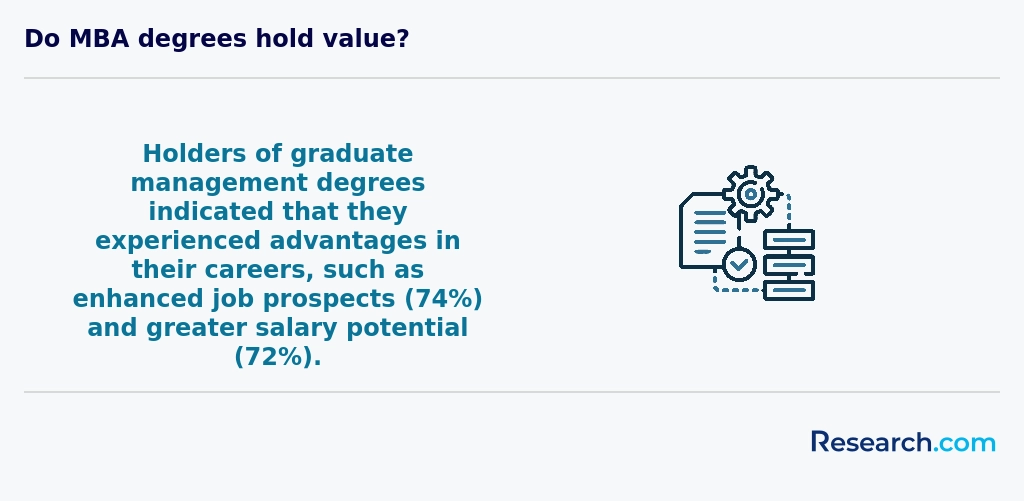
To navigate the complex landscape of MBA programs in Colorado, prospective students must consider several factors, including affordability, reputation, and curriculum. When searching for affordable mba schools in colorado, it's essential to weigh the costs against the potential benefits, such as increased salary potential and enhanced career opportunities. Many institutions in Colorado offer competitive pricing for their MBA programs, making it possible for students to invest in their education without breaking the bank. By prioritizing affordability and quality, students can set themselves up for success in their future careers, whether in consulting, finance, or entrepreneurship.
What financial aid is available to MBA degree students in Colorado?
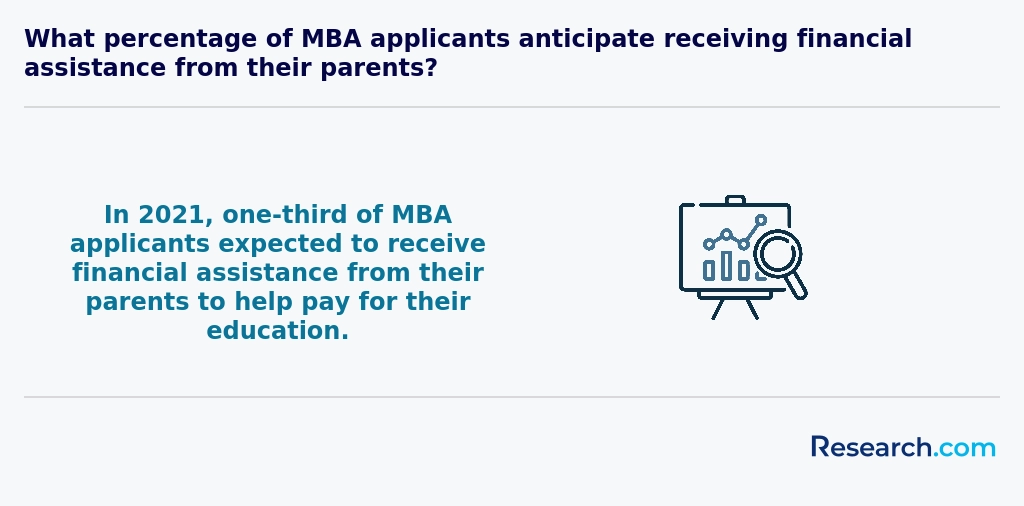
MBA students in Colorado typically access multiple forms of financial aid to manage tuition costs, which range from $30,000 to over $70,000 for full-time programs. Federal student loans are widely available, offering fixed interest rates and income-driven repayment plans to most U.S. citizens or eligible non-citizens enrolled at least half-time. Graduates from universities like the University of Denver report significant benefits from merit-based scholarships, often awarded for academic excellence or leadership, with some covering up to full tuition.
Graduate assistantships present another valuable option, allowing students to work part-time in teaching or research roles, which reduces expenses through tuition remission or stipends. MBA candidates at Colorado State University Business School frequently secure these positions, easing their financial burden while gaining relevant experience.
Working professionals pursuing part-time MBAs often leverage employer tuition reimbursement programs, especially prevalent in Colorado's tech and healthcare sectors. Veterans further benefit from military tuition assistance and dedicated scholarships. These structured aids collectively make MBA education in Colorado more accessible and financially feasible.
Return on Investment (ROI) of MBA Programs in Colorado
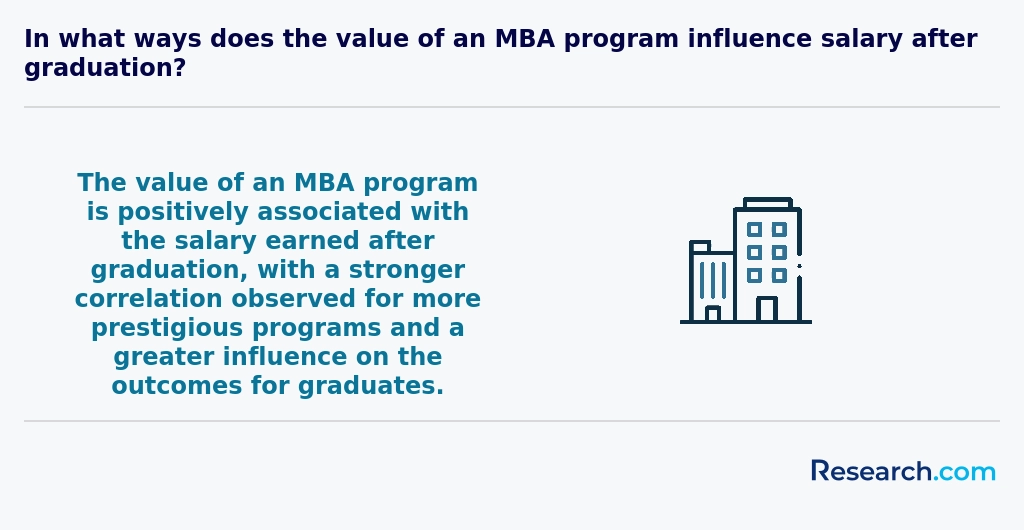
Understanding the ROI of an MBA in Colorado starts with comparing total program costs against post‐graduation salary gains. On average, graduates from top Colorado MBA programs report a 40–50% increase in base salary within two years of graduation. For example, if a student invests $60,000 in tuition and fees, and enters the workforce at $90,000 instead of $60,000, the payback period can be as short as 1.5–2 years. Key factors influencing ROI: • Specialization impact: MBA graduates with concentrations in finance or data analytics often command premiums of 10–15% above the average. • Scholarship and aid adjustments: Securing even a 20% merit scholarship reduces break‐even by six months. • Pre‐MBA experience: Professionals entering with five+ years of work history typically see faster ROI due to higher starting offers and leadership roles. Benchmarking costs against other regions can further sharpen decision-making. For those balancing ROI with affordability, exploring options like the Cheapest MBA Degree Programs Ranking in New Hampshire offers insight into how Colorado’s investment compares nationally. Actionable tips to maximize ROI: 1. Negotiate scholarships early and apply broadly to program-specific awards. 2. Leverage employer sponsorship or tuition reimbursement plans. 3. Choose high-demand specializations aligned with local industry needs, such as sustainable business or healthcare management. 4. Network strategically via alumni events to accelerate job placement and salary growth. By quantifying costs against expected salary increases and leveraging financial aid and specialization choices, prospective MBA students can confidently assess which Colorado program delivers the strongest return on investment.
What are the prerequisites for enrolling in MBA degree program in Colorado?
To enroll in an MBA program in Colorado, applicants must possess a bachelor's degree from an accredited institution, often in any discipline, though strong quantitative skills in areas like accounting or statistics are advantageous. For instance, graduates from the University of Colorado Boulder's Leeds School of Business emphasize how foundational coursework helped them excel in advanced MBA classes.
Standardized tests such as the GMAT or GRE typically play a role, with competitive programs expecting scores near 550 to 560 or higher. Many Colorado programs consider these scores holistically and sometimes waive them for candidates with substantial work experience or advanced degrees. Alumni often reflect on how their GMAT preparation boosted confidence going into admissions interviews.
A minimum of two to three years of full-time professional experience is commonly expected. This real-world exposure enriches classroom discussions and highlights leadership potential, a quality many graduates recall as a key factor in their acceptance.
Additional requirements often include letters of recommendation from employers or mentors and personal essays outlining career goals, which Colorado MBA students report helped them clarify and communicate their motivations clearly.
What courses are typically in MBA degree programs in Colorado?
In Colorado, MBA programs commonly include core courses such as Accounting and Financial Reporting, Marketing Management, Operations Management, Organizational Behavior and Leadership, Corporate Finance, Business Strategy, and Economics for Managers. These courses provide a solid foundation in essential business disciplines, preparing students for complex decision-making in various leadership roles.
For example, MBA graduates from the University of Colorado often highlight the practical impact of Organizational Behavior classes, where real-world case studies simulate managing change in dynamic organizations. At Colorado State University, students appreciate how Corporate Finance courses integrate local industry trends, enhancing their understanding of capital budgeting and risk management tailored to regional economic conditions.
Elective options allow further specialization in areas like entrepreneurship or sustainability, aligning with Colorado's robust tech sectors in Denver and Boulder and its focus on renewable energy. Students frequently express enthusiasm about leveraging these electives to build skills relevant to Colorado's evolving business landscape, feeling both prepared and inspired to contribute meaningfully after graduation.
What types of specializations are available in MBA degree programs in Colorado?
MBA specializations in Colorado universities reflect the state's economic strengths and industry demands, offering students targeted skill development for various career paths. Popular options include Finance, Marketing, Entrepreneurship, Supply Chain Management, Healthcare Management, and Technology Management. For example, graduates from the University of Colorado Boulder's Leeds School of Business highlight how concentrations in Finance and Technology Management provided them with practical expertise to thrive in Denver's competitive markets.
Colorado State University emphasizes Entrepreneurship and Supply Chain Management, aligning with the state's growing startup culture and manufacturing sectors. Students often report enthusiasm for these concentrations, noting how real-world projects and local industry partnerships enhance their learning experience. Those seeking flexibility sometimes explore an executive mba program online, which also offers many of these specialization options.
Choosing among the best MBA concentration options Colorado presents can boost employability by matching skills with regional job trends, a factor frequently appreciated by recent graduates navigating the evolving business landscape.
How do you choose the best MBA degree in Colorado?
When selecting the best mba programs in Colorado 2027, focus first on accreditation and program flexibility. Institutions like the University of Denver and Colorado State University offer AACSB-accredited MBAs, a hallmark of quality that assures rigorous standards. Graduates from these programs often emphasize how the blend of online, hybrid, and evening classes-such as those at the University of Colorado Denver-help balance work and study commitments effectively.
Cost considerations are vital; the average tuition ranges from $40,000 to $70,000, with in-state rates providing significant savings. Graduates frequently report satisfaction with the return on investment, citing starting salaries near $80,000 and strong local industry connections. Evaluating specializations aligned with your career aspirations, such as finance or entrepreneurship, enhances the degree's practical value in Colorado's growing markets.
Prospective students should explore internships and real-world projects through university networks and visit campuses to experience program culture firsthand. For those prioritizing affordability, review rankings like the Cheapest MBA Degree Programs Ranking in New Hampshire to understand cost dynamics. This evidence-based approach ensures choosing an affordable mba degrees Colorado ranking that fits both career goals and lifestyle.
What career paths are available for MBA degree students in Colorado?
MBA graduates in Colorado find diverse career paths across industries such as finance, healthcare, technology, and energy, aligned with the state's vibrant economy. Many graduates from reputed institutions like the University of Colorado Boulder and Colorado State University secure management consultant roles in Denver or Boulder, earning median salaries above $90,000, benefiting from Colorado's expanding corporate environment. This data-driven insight highlights the robust demand for strategic business professionals in these areas.
Financial services attract MBA holders for roles in banking, investment management, and financial planning, with regional giants like KeyBank offering starting salaries between $70,000 and $110,000. Healthcare administration, growing swiftly in Colorado, appeals especially to MBAs who excel in leadership and operational strategies, with entry salaries near $80,000 and strong upward potential.
MBA career opportunities in Colorado also extend to the booming tech sector, where positions in product management and business development thrive, driven by a $20 billion industry contribution. Graduates from local colleges frequently engage with startups and entrepreneurial ventures, making use of vibrant networks and accelerators. Many also consider pursuing an accelerated online associates degree to complement their business acumen in a fast-paced market.
What is the job market for MBA degree in Colorado?
The job market for MBA degree holders in Colorado is dynamic and steadily expanding due to the state's diverse economy and growing sectors such as technology, healthcare, finance, and energy. Graduates from top MBA programs at universities like the University of Colorado Boulder or Colorado State University often secure leadership roles in prominent companies headquartered in the region, including Lockheed Martin and Charles Schwab. This trend reflects a strong demand aligned with the Colorado MBA degree employment outlook, which projects a 6% increase in management occupations through 2032, matching the national average.
Early-career MBA graduates typically earn salaries around $85,000 in urban centers like Denver, with mid-career professionals reaching approximately $120,000. This competitive compensation stems from both high demand and the urban cost of living. Many graduates share positive experiences navigating these opportunities, benefiting from networking events and strategic business ecosystems that foster career advancement and innovation management skills.
For students weighing the investment of an MBA, the cost varies greatly. Public institutions often charge between $25,000 and $50,000, while private colleges can surpass $70,000. However, this investment is often justified by access to a growing startup ecosystem in Denver and Boulder and consistent demand for management-level professionals. Students looking for alternative pathways might explore easy aa degrees as supplemental qualifications.
Frequently Asked Questions About MBA
Students pursuing an MBA degree in Colorado can enhance their learning by actively engaging in the state's strong network of business communities and industries. Colorado is home to several top-ranked business schools, such as the University of Denver's Daniels College of Business, which offers opportunities for hands-on projects and internships with local companies.
Taking advantage of experiential learning through case competitions, consulting projects, and networking events can deepen practical knowledge. Additionally, leveraging connections with Denver's growing tech and startup ecosystems provides real-world insights.
Many programs also emphasize collaboration and leadership development, which are essential skills for MBA graduates in competitive markets.
Staying informed about program rankings, such as those from U.S. News & World Report, can help students select institutions known for ROI and career placement success.
Emerging niches within the MBA field in Colorado reflect nationwide trends emphasizing technology and sustainability. Programs increasingly offer specializations in data analytics, artificial intelligence, and fintech to equip students for a digitized economy. For example, Colorado's Denver and Boulder areas show growing demand for professionals skilled in these areas, tied to the state's expanding tech sector, according to the Colorado Department of Labor and Employment.
Additionally, sustainability-focused MBAs are gaining prominence. Schools integrate environmental, social, and governance (ESG) factors to prepare leaders for responsible business practices. This aligns with Colorado's commitment to clean energy and green innovation.
Healthcare management is another rising niche, driven by the state's growing medical industry and biotech hubs, offering MBA candidates unique leadership opportunities in these fields.
Preparing for the job market after completing an MBA degree in Colorado requires a strategic approach. Graduates should leverage university career services, such as those at the University of Colorado Boulder, where connection to local industries is strong. Networking remains crucial; engaging with Colorado's growing business hubs like Denver and Boulder can open opportunities in sectors such as technology, finance, and energy.
Practical experience through internships or consulting projects during the MBA can improve employability. According to the Graduate Management Admission Council, 89% of MBA graduates find employment within three months, highlighting the program's value when paired with proactive job search tactics.
Continuing to develop skills in data analytics and leadership is advisable, ensuring alignment with employer expectations in Colorado's competitive market.
Employers in Colorado value a variety of skills in MBA graduates that align with the state's strong industries such as technology, healthcare, and energy. Critical thinking and leadership abilities are among the most sought-after, enabling graduates to manage teams effectively and solve complex business problems.
Additionally, communication skills are crucial, as collaboration across departments and with stakeholders is frequent. Analytical skills, particularly proficiency in data interpretation and financial modeling, are highly prized, with employers noting a 25% increase in demand for data-driven decision-making skills in recent years (Colorado Business Journal, 2023).
Adaptability and innovation mindset also stand out, reflecting Colorado's competitive market dynamics and focus on entrepreneurship.
Finding internships in Colorado relevant to an MBA degree involves leveraging local business networks and university career services. Denver and Boulder, as major business hubs, offer numerous opportunities in industries such as finance, technology, and energy. According to the Colorado Department of Labor, internships in these sectors have grown by over 7% in recent years. MBA students should utilize university-affiliated platforms like CU Boulder's Leeds School of Business Career Services, which connects students to top regional employers.
Additionally, professional organizations such as the Colorado Business Roundtable provide networking events that can lead to internship placements. Online job portals specific to Colorado, including Colorado Workforce Center listings, are also valuable. Early application and tailored resumes significantly improve chances, as competition for quality internships remains strong.
In Colorado, earning an MBA degree significantly enhances career mobility and advancement prospects. The state's strong economy, driven by sectors like technology, finance, and energy, offers numerous leadership roles where MBA graduates are highly sought after. According to the Colorado Department of Labor & Employment, MBA holders in Colorado experience an average salary increase of 20-30% compared to those without advanced business degrees.
Employers in Denver and Boulder often prioritize MBA candidates for managerial positions, reflecting the degree's value in strategic decision-making and leadership skills. Additionally, MBA graduates report faster promotion rates within five years of degree completion, based on a 2023 survey by the Graduate Management Admission Council (GMAC).
The networking opportunities available through Colorado's business schools also play a crucial role in career advancement, connecting students with local industry leaders and recruiters. These factors combine to make an MBA a powerful asset for professionals aiming to progress their careers in Colorado's competitive job market.
Studying for an MBA degree in Colorado offers unique advantages for preparing students for interdisciplinary roles. Colorado's MBA programs emphasize collaboration across fields such as technology, healthcare, energy, and finance, reflecting the state's diverse economy. According to the Graduate Management Admission Council, over 60% of MBA graduates from Colorado-based schools engage in roles requiring cross-functional expertise. Courses often integrate leadership, analytics, and strategic thinking, helping students build skills to navigate complex business problems across industries.
Many Colorado universities, including the University of Colorado Boulder and Colorado State University, provide practical experiences like consulting projects with local businesses. This real-world exposure enhances adaptability and teamwork, crucial for interdisciplinary careers. Such hands-on learning, combined with a strong network in the Rocky Mountain region, equips MBA graduates to lead in varied professional environments.
When choosing between a thesis and a non-thesis MBA program in Colorado, it's important to consider your career goals. Thesis-based MBAs typically require original research and a formal paper, which can be advantageous if you plan to pursue a PhD or a career in academia. According to the Colorado Department of Higher Education, fewer than 30% of in-state MBA students opt for thesis tracks, preferring applied learning instead.
Non-thesis programs emphasize practical skills through internships, case studies, and projects. These programs are popular among working professionals aiming for leadership roles in industries such as finance and technology. The University of Colorado Boulder reports that 65% of its MBA graduates enter managerial positions within a year, highlighting the value of practical experience.
Consider how much time you can commit, as thesis options generally take longer to complete. Lastly, check individual school requirements, as some Colorado institutions may only offer one option.
Students based in Colorado who seek to study an MBA abroad have several pathways supported by U.S. higher education frameworks. Many Colorado institutions, including the University of Colorado, facilitate exchange programs or dual-degree options with international business schools. These opportunities allow students to earn global perspectives while retaining access to U.S. accreditation standards.
Additionally, online MBA programs with international partnerships can provide global exposure without leaving Colorado. According to the Graduate Management Admission Council, about 25% of prospective MBA students consider study-abroad components important, highlighting growing interest.
Financial aid and scholarships specifically targeting international study may also be accessible through Colorado's universities or external bodies, easing the cost barriers related to studying abroad.
Students pursuing MBA degrees in Colorado have access to various part-time job opportunities that complement their studies. Popular roles include business analyst intern positions, marketing assistants, and financial planning aides. These jobs allow students to apply classroom concepts in real business environments, enhancing practical skills.
According to the Colorado Department of Labor and Employment, the Denver metropolitan area offers a growing market for part-time roles in consulting, data analysis, and project management, areas closely aligned with MBA curricula. Networking opportunities in local business hubs like Boulder and Fort Collins also support career growth during studies.
Many MBA programs encourage internships or part-time work in sectors such as technology, healthcare, and energy, which dominate Colorado's economy. Such experience is crucial for developing leadership and decision-making skills, valued by employers post-graduation.
Colorado offers robust networking opportunities for MBA students, enhanced by its dynamic business environment and active professional communities. Many Colorado MBA programs, such as those at the University of Denver and Colorado State University, organize regular networking events, industry panels, and career fairs throughout the academic year.
Students benefit from connections with local businesses, startups, and Fortune 500 companies headquartered in Colorado, including Lockheed Martin and DaVita. Additionally, professional organizations like the Colorado Technology Association and Denver Startup Week provide valuable platforms for MBA candidates to engage with industry leaders and alumni.
According to the Graduate Management Admission Council, over 70% of MBA students in Colorado report gaining meaningful professional contacts through their programs.
Alumni networks play a crucial role in supporting MBA students in Colorado by providing valuable connections and career opportunities. Graduates from Colorado's MBA programs often gain access to exclusive events, mentorship, and job referrals through active alumni communities. According to a 2023 report from the Graduate Management Admission Council, nearly 60% of MBA students consider alumni networking a top factor in their career development.
In Colorado, cities like Denver and Boulder benefit from strong business ecosystems where alumni connections can lead to internships and leadership roles in sectors such as technology, energy, and finance. These networks often foster collaboration between new students and experienced professionals, enhancing learning beyond the classroom.
Furthermore, many Colorado MBA programs integrate alumni participation into their curriculum and career services, increasing the likelihood of job placement. This dynamic helps students leverage real-world experience and local market knowledge, making alumni networks a significant asset for career growth in the state.
Customizing an MBA degree program in Colorado is possible through various electives and concentration options offered by many universities. Students can tailor their studies by focusing on specialties like finance, marketing, entrepreneurship, or healthcare management, aligning the curriculum with specific career goals. For example, the University of Denver and Colorado State University provide flexible MBA tracks that emphasize experiential learning and industry connections within Colorado's growing sectors.
Additionally, part-time, online, and hybrid formats allow working professionals to balance education with current job responsibilities. According to the Graduate Management Admission Council, 57% of MBA candidates seek programs offering customization related to leadership and technical skills. These options help Colorado students enhance their marketability and meet regional economic demands.
MBA students in Colorado often face several common challenges throughout their studies. Balancing work, family, and academic commitments is a frequent obstacle; many students pursue MBAs while maintaining full-time jobs.
The cost of tuition in Colorado can be significant, with rates averaging between $30,000 and $70,000 for full programs, depending on the institution. Financial strain is a concern for many candidates.
Additionally, adapting to the rigorous curriculum, which emphasizes quantitative analysis, leadership, and strategic thinking, may be difficult for students from non-business backgrounds.
Networking and gaining relevant internship opportunities in Colorado's competitive markets, especially in Denver and Boulder, are vital yet challenging.
These factors combined often require strong time management and support systems for success.
With an MBA degree from Colorado institutions, graduates often pursue professional certifications to enhance their careers. Popular options include the Certified Management Accountant (CMA), which focuses on financial management and accounting skills. Another common choice is the Project Management Professional (PMP) certification, valuable in multiple industries and highly recognized in Colorado's growing tech and energy sectors.
The Certified Financial Planner (CFP) credential is also pursued by MBA holders interested in finance and wealth management roles. Additionally, the Six Sigma Green Belt or Black Belt certification appeals to those focused on process improvement and operational excellence, fields significant in Colorado's manufacturing and service industries.
According to the Colorado Department of Higher Education, combined MBA and certification programs can boost earning potential by up to 20% in the state's competitive job market.
To write a winning application for an MBA program in Colorado, start by thoroughly researching the specific schools you aim to apply to. Colorado hosts reputable MBA programs, including the University of Denver's Daniels College of Business, known for its focus on innovation and leadership development.
Highlight your professional experience clearly, as Colorado programs often value real-world business backgrounds. Demonstrate your career goals and how the MBA aligns with those objectives. Strong GMAT or GRE scores enhance applications, with average GMAT scores for Colorado programs ranging around 600-650, per U.S. News & World Report.
Essays and recommendation letters should reflect your leadership potential and community involvement. Tailor each essay to the school's mission and values to show fit. Submitting a complete, error-free application by deadlines is critical.
The global outlook on an MBA career remains strong, with many employers valuing the leadership and strategic skills graduates bring. For students in Colorado, this holds true as well, given the state's diverse economy including industries like technology, energy, and finance. According to the Graduate Management Admission Council's 2023 Corporate Recruiters Survey, 86% of employers expressed a preference for MBA hires, emphasizing global business understanding.
Moreover, Colorado's MBA programs often include international business components, preparing students for global markets. For example, the University of Colorado Denver highlights global immersion experiences to enhance career prospects.
As businesses increasingly operate worldwide, an MBA can help professionals from Colorado stand out in competitive international roles, especially in management and consulting sectors.
Students pursuing an MBA degree in Colorado can gain practical experience through internships, which are often facilitated by university career centers. Many programs encourage or require internships, allowing students to work with local businesses and startups in cities like Denver and Boulder. According to the Graduate Management Admission Council, around 65% of MBA candidates nationwide complete internships, with Colorado reflecting similar trends due to its strong economy.
Additionally, MBA programs frequently include consulting projects and case competitions that simulate real-world business challenges. These activities develop problem-solving skills and provide networking opportunities within Colorado's vibrant industry sectors.
Choosing the right concentration within an MBA program in Colorado depends largely on your career goals and the local job market. Popular concentrations include Finance, Marketing, Entrepreneurship, and Healthcare Management. The Colorado Department of Labor and Employment notes strong growth in healthcare and technology sectors, suggesting these specializations may offer better job prospects.
Look for programs offering experiential learning or internships with Colorado companies, which enhance practical skills. Research schools accredited by the AACSB, such as the University of Denver, which ensures high academic standards. Finally, examine alumni outcomes and salary statistics available through the schools' career services to inform your decision.
Related MBA Rankings for Nearby States
- 2027 Most Valuable MBA Degree Programs Ranking in Kansas
- 2027 Most Valuable MBA Degree Programs Ranking in New Mexico
- 2027 Most Valuable MBA Degree Programs Ranking in Arizona
- 2027 Most Valuable MBA Degree Programs Ranking in Nevada
- 2027 Most Valuable MBA Degree Programs Ranking in Missouri
- 2027 Most Valuable MBA Degree Programs Ranking in Montana
- 2027 Most Valuable MBA Degree Programs Ranking in Idaho
- 2027 Most Valuable MBA Degree Programs Ranking in Iowa
- 2027 Most Valuable MBA Degree Programs Ranking in Arkansas
- 2027 Most Valuable MBA Degree Programs Ranking in Louisiana
Top Trending MBA Rankings
References
- Know more about thesis vs non- thesis: what is the difference? https://studyfans.com/en/blogs/816
- MBA Networking Tips-Building Connections Pre-MBA https://menlocoaching.com/mba-applications-and-admissions-guide/networking/
- How to Choose an MBA Program That Fits Your Career Goals https://www.mobileviewer.io/blog/how-to-choose-an-mba-program-that-fits-your-career-goals
- Master of Business Administration (M.B.A.) Major in Business Administration (General Flex Non-thesis Option) https://mycatalog.txstate.edu/graduate/mccoy-business-administration/business-genflex-nonthesis-mba/
- MBA Requirements https://www.collegeessayguy.com/blog/mba-requirements
- Follow These 10 Steps To Write Your MBA Application Essays - ApplicantLab https://www.applicantlab.com/blog/10-steps-to-write-your-mba-application-essay/
- 10 Highest-Paying MBA Specializations in 2026 (With Salary Data) - Paris School of Management (PSM) https://www.psm-paris.fr/en/10-highest-paying-mba-specializations-in-2026/
- Why MBA Graduates Embrace Global Perspectives for Career Growth https://www.thehighereducationreview.com/editors-guest/why-mba-graduates-embrace-global-perspectives-for-career-growth-nid-6271.html
- How an MBA gives you an international vision and helps you make smart decisions - AEEN https://www.aeen.org/how-an-mba-gives-you-an-international-vision-and-helps-you-make-smart-decisions/
- MBA Alumni Rank Their Schools https://www.stacyblackman.com/mba-alumni-rank-schools/


