
2027 Most Valuable MBA Degree Programs Ranking in Columbia

Co-Founder and Chief Data Scientist
Choosing the right MBA program in Columbia can shape your future success. To help you make an informed decision, this article presents the 2027 Most Valuable MBA Degree Programs Ranking in Columbia created by the Research.com team of data scientists.
Discover which programs offer the best value, balancing quality education with career opportunities. Whether you aim to advance in your current field or switch careers, this ranking provides clear insights tailored to your goals.
Reading this guide can empower your journey toward a rewarding MBA experience and a brighter professional path.
Key benefits of getting MBA degree in Columbia
- Although specific salary data from Columbia is not available, MBA graduates in the US often enjoy competitive salaries, with many roles earning between $80,000 and $120,000 annually, reflecting strong financial growth after graduation.
- A typical MBA graduate from a popular university in Columbia can explore diverse career paths such as management consulting, finance, marketing, or entrepreneurship, offering exciting opportunities to lead and innovate in various industries.
- An online MBA from a well-known Columbia university allows for flexible study schedules, making it easier to balance work and learning while gaining the same respected credentials as traditional programs, boosting career advancement with convenience.
- Key benefits of getting MBA degree in Columbia
- What can I expect from MBA degree in Columbia?
- Where can I work with MBA degree in Columbia?
- How much can I make with MBA degree in Columbia?
- 2027 Most Valuable MBA Degree Programs Ranking in Columbia
- Key Findings
- How long does it take to complete MBA degree in Columbia?
- Return on Investment for MBA Programs in Columbia, SC
- What's the difference between online and on-campus MBA degree?
- Student Life and Campus Culture
- What is the average cost of MBA degree in Columbia?
- Return on Investment and Payback Period Analysis
- What financial aid is available to MBA degree students in Columbia?
- What are the prerequisites for enrolling in MBA degree program in Columbia?
- Why Pursue an MBA Degree from a Reputable Institution
- What courses are typically in MBA degree programs in Columbia?
- What types of specializations are available in MBA degree programs in Columbia?
- How do you choose the best MBA degree in Columbia?
- What career paths are available for MBA degree students in Columbia?
- What is the job market for MBA degree in Columbia?
- Top Trending MBA Rankings
What can I expect from MBA degree in Columbia?
The average cost of pursuing an MBA degree in Columbia, particularly at the University of Missouri's Trulaske College of Business, varies but generally aligns with public university tuition rates. Graduates often mention that while tuition is a significant investment, it is balanced by scholarship opportunities and the potential return in starting salary, which recent data suggests is around $75,000. This financial outcome often reassures students who weigh the upfront cost against long-term career gains.
Many MBA candidates in Columbia discuss managing tuition expenses alongside living costs, especially those balancing part-time work or family commitments. The flexibility of the Trulaske MBA-offering part-time options-can help spread costs over a longer period, making the financial burden more manageable without sacrificing program quality.
While some graduates note the expense can be daunting, they also highlight the value received in terms of networking, faculty engagement, and strong employer connections in sectors like healthcare and technology. This practical exposure often offsets concerns about tuition, reaffirming the program's worth for local and regional professionals.
Where can I work with MBA degree in Columbia?
Graduates from MBA programs at popular Columbia institutions often land roles in finance, healthcare, technology, manufacturing, and government sectors. For example, recent graduates from Columbia Business School have shared how their MBA opened doors to managerial roles in local banks and investment firms, with responsibilities ranging from corporate finance to risk management.
Others from universities like the University of Missouri-Columbia found rewarding leadership positions in healthcare administration, managing hospital departments or consulting projects. These roles harness an MBA's blend of business strategy and organizational skills, vital in healthcare systems centered in Columbia.
Technology companies in the region also recruit MBA holders for product management and business strategy roles. Graduates frequently mention the satisfaction of applying their business acumen alongside technological insights gained through their MBA coursework.
Local government and nonprofit organizations represent alternative but meaningful career paths. Here, MBAs contribute by improving program management and budgeting, helping these entities deliver public services efficiently. Although not as lucrative as the private sector, these jobs are appealing for those seeking impact-driven work.
How much can I make with MBA degree in Columbia?
In Columbia, Missouri, MBA graduates typically begin their careers with salaries ranging from $65,000 to $85,000 annually, reflecting factors like industry choice and prior experience. Graduates from well-regarded institutions such as the University of Missouri's Trulaske College of Business often share stories of landing roles in healthcare administration or finance that align with these figures, highlighting a rewarding return on their educational investment.
More experienced MBA holders working in management can expect earnings between $90,000 and $120,000, which notably surpasses local averages for non-MBA professionals. Consider the case of those entering management consulting or marketing sectors, where specialized skills drive salary premiums, sometimes exceeding local norms by 10% to 20%.
While the specific salary patterns in Columbia vary depending on employer size and sector, the city's proximity to larger markets enables graduates to enjoy competitive pay combined with a favorable cost of living. This balance often provides both financial growth and personal satisfaction for MBA holders seeking career advancement locally.
2027 Most Valuable MBA Degree Programs Ranking in Columbia
How do we rank schools?
Investing in your education is a significant decision that can shape your future, and the Research.com team understands the importance of making informed choices. To assist prospective students, we have meticulously crafted the "2027 Most Valuable MBA Degree Programs Ranking in Columbia." Our commitment to quality, credibility, and accuracy is reflected in the extensive research and analysis conducted to compile this ranking.
We utilized the following reputable data sources to ensure a comprehensive evaluation of MBA programs:
By exploring this ranking, readers will gain valuable insights into the most valuable MBA degree programs available in Columbia, enabling them to make well-informed decisions about their educational and career paths. For more details on how this ranking was created, please visit our Research.com methodology page.

# 2 position
South University-Columbia
Master of Business Administration


Key Findings
- MBA programs in Columbia cost between $50,000 and $90,000, including tuition and other fees.
- Public institutions usually have lower tuition, while scholarships and financial aid can reduce costs further.
- Starting salaries for MBA graduates range from $80,000 to $95,000 annually, depending on experience and school reputation.
- After five years, many MBA holders earn over $130,000 in managerial positions.
- The job market is strong in industries like finance, healthcare, technology, and logistics, with many graduates employed within six months.
How long does it take to complete MBA degree in Columbia?
Completing an MBA degree in Columbia generally requires careful consideration of the program format and one's personal schedule. Many graduates from universities like Columbia Business School find that the traditional full-time MBA takes about two years, allowing ample time to absorb complex business theories and participate in internships or networking events. This pace supports a deep, balanced learning experience while managing the emotional challenges of intensive study.
For those eager to return to the workforce swiftly, accelerated MBA programs offered by some Columbia institutions compress the curriculum into 12 to 18 months. Graduates often describe this path as demanding yet exhilarating, requiring high energy and dedication to handle the intense course load.
Part-time MBA students juggling jobs typically take between two to four years to finish, appreciating the flexibility to study evenings or weekends in schools like Teachers College or Columbia University's affiliates. This route allows for steady career growth and academic progress simultaneously.
Executive MBAs, lasting 18 to 24 months, cater to seasoned professionals aiming to boost leadership skills while maintaining full-time roles, often with weekend classes minimizing disruption. These diverse options reflect the vibrant educational landscape within Columbia, meeting varied student needs.
Return on Investment for MBA Programs in Columbia, SC
Assessing the true value of an MBA goes beyond rankings-it requires a clear understanding of return on investment (ROI). In Columbia, SC, the average total tuition cost for in-state students at public institutions hovers around $35,000, while private programs average $65,000. When paired with median post-MBA starting salaries of $78,000, graduates typically recoup their tuition investment in just over three years. Key metrics include: • Average Debt Load: $42,000 for full-time enrollees • Median Starting Salary: $78,000 per year • Payback Period: Approximately 3.2 years • 5-Year Salary Growth: 25% increase, driven by leadership roles in finance, consulting, and healthcare management To maximize ROI, prospective students should evaluate scholarships, employer tuition reimbursement, and part-time or online options that reduce upfront costs. For those prioritizing affordability without sacrificing quality, consider complementary resources like the Low Cost MBA Degree Programs Ranking in Idaho, which highlights budget-friendly curricula and strong career outcomes. By balancing tuition, debt, and salary potential, you can confidently choose an MBA program that delivers exceptional long-term value.
What's the difference between online and on-campus MBA degree?
Online and on-campus MBA programs in Columbia share core curricula but differ markedly in experience and engagement. Graduates from on-campus programs at prominent business schools often recall the energizing atmosphere of live lectures and spontaneous hallway conversations, which create meaningful peer connections and networking opportunities. The chance to attend career fairs and university events in person builds a support network that many find invaluable.
Conversely, online MBA students appreciate the flexibility to juggle work and study. A graduate from a leading Columbia university's online program described managing family life while completing coursework on their own schedule, highlighting the benefit of asynchronous learning. However, they also noted that networking felt less natural without face-to-face interaction, requiring proactive effort to build relationships through digital forums.
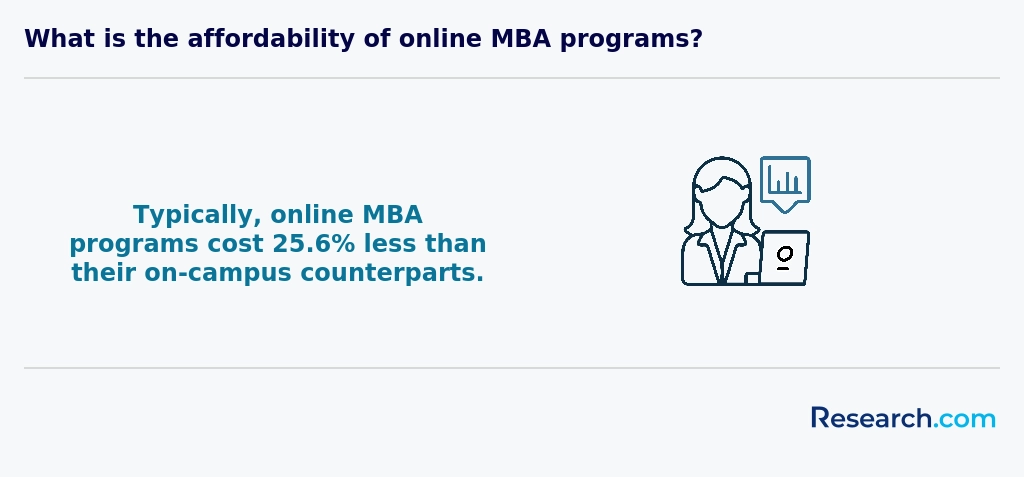
Financially, enrolling on campus means investing more upfront, often upwards of $60,000, but with access to campus resources. Online options can be more affordable, sometimes costing nearly half as much, though the campus community feel is limited. Choosing depends on your priorities for connection, cost, and lifestyle.
Student Life and Campus Culture
Columbia’s MBA programs are not only about rigorous academics and career outcomes-they also offer a vibrant campus culture and robust student life that play a pivotal role in shaping a well-rounded professional journey. Students frequently highlight the supportive community atmosphere where extracurricular clubs, networking events, and leadership workshops complement the academic curriculum. Many local institutions host industry panels, mentorship programs, and social gatherings that foster long-term connections among peers and alumni, making it easier to transition from classroom learning to real-world business challenges. Additionally, students in both traditional and online formats benefit from campus resources like career services centers, study support groups, and entrepreneurial incubators, which provide personalized guidance and hands-on experiences. For those seeking flexible learning while still enjoying a dynamic community, exploring the easiest mba online options can offer the ideal balance between structure and independence, ensuring that every student finds the right fit for their personal and professional growth.
What is the average cost of MBA degree in Columbia?
The average MBA degree cost in Columbia generally falls around $33,700, reflecting the median total expense for both in-state and out-of-state students. This figure contrasts with some of the higher published tuition rates at private institutions such as Columbia Business School, where full-time programs may exceed $85,000 annually. Graduates often share that balancing these costs involves weighing the prestige and networking opportunities available at top-tier universities against more affordable programs offered by local public colleges.
Students pursuing MBA degrees in Columbia often face a range of tuition costs depending on their program format. For example, part-time and executive MBA options, while extending over several years, can yield a more manageable yearly cost, appealing to working professionals. These flexible formats appeal to individuals who may find the upfront tuition challenging yet highly value the career growth such an investment offers. Prospective students should also consider that total cost of MBA programs Columbia includes additional expenses like fees, textbooks, and living costs that significantly impact their budget.
Many graduates recount experiencing relief when securing scholarships, employer sponsorships, or financial aid, which are crucial in mitigating what could otherwise feel like a daunting financial commitment. About 40% of MBA students receive such aid, underscoring the importance of exploring all funding opportunities early. Applicants curious about the potential value of their education might find it helpful to research the valuable mba schools in south carolina to better align their investment with post-graduation outcomes.

Return on Investment and Payback Period Analysis
Prospective MBA students often ask how long it takes to recoup their investment. In Columbia, SC, the average MBA graduate with a starting salary of $75,000–$80,000 can expect a payback period of approximately 3–5 years, assuming annual tuition costs of $30,000 and living expenses of $15,000. Factors such as employer tuition reimbursement, scholarships, and part-time employment can shorten this window substantially. By comparing total program costs against post-MBA salary gains, graduates can estimate net ROI. For example: • An MBA costing $45,000 that yields an annual salary increase of $20,000 achieves a 44% annual ROI, paid back in under three years. • Leveraging financial aid and grants-common in Columbia’s top programs-can boost this ROI by reducing upfront expenses. • Graduates who secure leadership roles or enter high-growth industries often see accelerated salary growth, further compressing their payback period. Students seeking the highest ROI should explore low-cost alternatives before committing. Our sister ranking, Low Cost MBA Degree Programs Ranking in Idaho, highlights programs with exceptional value. By balancing program quality, tuition fees, and expected salary gains, applicants can make data-driven decisions that maximize long-term financial benefits.
What financial aid is available to MBA degree students in Columbia?
MBA students in Columbia often find financial aid options that help ease the burden of tuition, which can range from $30,000 to over $60,000. Graduates from popular institutions like the University of Missouri recall how merit-based scholarships rewarded their academic and leadership achievements, making the cost manageable without incurring heavy debt.
Need-based aid through the FAFSA opens doors to federal grants and loans with comparatively low interest rates, providing crucial relief for those balancing work and study. One graduate shared how federal Direct Unsubsidized Loans enabled steady progress without overwhelming financial strain.
Employers play a significant role as well; some locals pursuing an MBA part-time benefited from tuition reimbursement programs, linking professional growth directly to workplace support. This often transformed their perspective, combining career development with academic advancement.
Work-study opportunities, though less frequent, offer assistantships or fellowships at Columbia-area schools, blending financial support with valuable experience. Such arrangements foster both financial relief and confidence in academic and professional futures.
What are the prerequisites for enrolling in MBA degree program in Columbia?
To enroll in an MBA program in Columbia, most universities expect candidates to hold a bachelor's degree from an accredited institution, often with a minimum GPA near 3.0. This requirement reflects the importance of having a solid academic foundation, though business and non-business backgrounds alike are welcomed. Graduates from well-known Columbia institutions often recount how their varied undergraduate studies contributed to dynamic classroom discussions.
Standardized tests like the GMAT or GRE are typically required, with competitive scores around 550 to 700. Some programs may waive these tests for applicants with strong professional experience or advanced degrees, illustrating flexibility in admissions. For example, graduates from popular business schools in Columbia have described how their 3-5 years of work, especially leadership roles, strengthened their applications and prepared them for MBA challenges.
Supporting materials-letters of recommendation, personal statements, and resumes-offer a chance to showcase motivation and goals. Columbia students often stress how crafting these documents helped clarify their career aspirations and fostered excitement about future opportunities. Lastly, financial readiness is crucial given tuition costs ranging from $30,000 to $60,000 annually, plus living expenses, a reality frequently emphasized by current MBA candidates.
Why Pursue an MBA Degree from a Reputable Institution
Pursuing an MBA degree from a reputable institution can significantly enhance one's career prospects and provide a substantial return on investment. In Columbia, SC, institutions such as the University of South Carolina offer highly esteemed MBA programs that equip students with the knowledge and skills necessary to succeed in today's competitive business landscape. For those interested in exploring the best MBA programs, researching the valuable mba schools in south carolina can provide invaluable insights into which programs deliver the best outcomes. By choosing a reputable institution, students can benefit from rigorous academic training, practical application, and networking opportunities that are essential for career advancement. This combination not only fosters personal growth and professional development but also prepares students to navigate the complexities of the business world with confidence and resilience.
What courses are typically in MBA degree programs in Columbia?
MBA degree programs in Columbia generally include a core set of courses covering critical business functions such as finance, marketing, accounting, operations management, organizational behavior, and strategic management. Graduates from well-known Columbia institutions often reflect on how these foundational classes prepared them to analyze market trends or lead teams effectively in fast-paced environments.
However, some students emphasize the added value of courses in economics, business statistics, and analytics, which provide essential skills for data-driven decision-making. For example, a graduate from a popular MBA program in Columbia shared how business analytics coursework helped them excel during a consulting internship by interpreting complex data sets to recommend actionable strategies.
Elective options further customize the learning experience, with offerings in entrepreneurship, international business, supply chain management, and digital marketing. These electives are praised by many for enabling tailored career paths, such as launching startups or navigating global markets.
Experiential learning also plays a vital role, with students engaging in projects and case studies that simulate real-world challenges, enhancing practical understanding and confidence. This combination of theoretical knowledge and applied skills is particularly valued among Columbia's MBA community.
What types of specializations are available in MBA degree programs in Columbia?
MBA degrees in Columbia often include a range of specializations aimed at aligning business education with the city's economic landscape. Common tracks include Finance, Marketing, and Entrepreneurship, reflecting Columbia's prominence in banking, consumer markets, and startup ecosystems. Graduates from popular colleges in Columbia frequently mention how specializations like Healthcare Management take advantage of the city's proximity to major health organizations, providing real-world connections to healthcare operations and policy. Such focused study areas help students build practical skills appreciated by local employers.
Choosing from the Columbia MBA degree focus areas requires careful consideration. For instance, a graduate who pursued International Business appreciated the emphasis on cross-cultural management, crucial for navigating multinational corporations that operate in or near Columbia. Conversely, those drawn to Technology Management highlight the challenge of balancing cutting-edge tech trends with solid business fundamentals, a balance taught at top local institutions. However, students should remain critical about how each specialization matches their long-term goals and the value of experiential learning opportunities.
Students exploring options might also consider more flexible paths like the easiest mba online programs, especially if balancing work and study. While specializations typically enhance employability, accreditation and faculty expertise critically influence the quality of these programs, an important factor noted by many Columbia-based MBA graduates.
How do you choose the best MBA degree in Columbia?
Choosing the best MBA degree in Columbia 2027 involves balancing your career goals with realistic assessments of each program's demands and benefits. Graduates from popular Columbia universities often highlight the importance of accreditation, such as AACSB status, ensuring their degree is recognized globally. Financially, an MBA can be a heavy investment-full-time programs may cost between $60,000 and $120,000-so evaluating affordability alongside expected salary growth is essential. Some graduates found part-time programs suited their lifestyle better, allowing them to work while studying, which reduced financial strain and stress.
Many alumni emphasize the value of strong alumni networks and career support services when choosing a program. For instance, some benefited greatly from mentorship and internship connections that made the transition to high-impact roles smoother. Exploring specialization options like finance or marketing aligns with clearer career directions. If cost is a concern, consulting resources like Low Cost MBA Degree Programs Ranking in Idaho can provide insights on affordable MBA degrees Columbia cost.
What career paths are available for MBA degree students in Columbia?
MBA graduates in Columbia find diverse career paths shaped by the region's economic strengths. Many take on roles in corporate management, becoming business development managers or project managers within local companies. Graduates from institutions known for their MBA programs in Columbia often recount taking leadership roles in finance, serving as financial analysts or risk managers, where their analytical skills drive strategic decisions. The area's growing technology and healthcare sectors also entice many into specialized leadership positions where innovative approaches are valued.
While these opportunities are promising, not every graduate follows a traditional path. Some pursue entrepreneurial ventures, leveraging Columbia's supportive startup environment, despite the inherent uncertainties of business ownership. Consulting roles are another option, though they require the ability to adapt rapidly across industries. Notably, nonprofit and public sector leadership also attract MBA holders seeking impactful careers, balancing purpose with organizational challenges.
Students exploring their options should consider salary expectations carefully; according to local data, management roles can vary widely in pay. Those interested in flexible study schedules may also explore part-time or online options that many Columbia MBA programs offer, allowing simultaneous work and study.
For individuals uncertain about further study routes, researching the easiest doctorate degree to get can provide insight into balancing academic advancement with career goals.
What is the job market for MBA degree in Columbia?
The MBA job opportunities in Columbia remain strong, particularly for graduates from well-known institutions such as Columbia Business School and other reputable colleges in the area. Graduates often share experiences of securing roles in competitive sectors like finance, consulting, and technology, benefiting from the proximity to New York City's vast economic network. These roles typically emphasize strategic thinking, leadership, and analytical skills-traits that Columbia MBA programs strongly develop.
The Columbia MBA career prospects 2027 seem promising, with salaries aligning closely with national averages around $105,000 for starting positions. However, the job market requires persistence and networking, as many graduates find internships and connections critical in landing coveted roles. The healthcare sector's expansion and startups' demand for MBA talent create diverse options, though positions can be highly competitive.
For those mindful of educational costs, exploring the cheapest online associate degrees might offer alternative paths or supplementary skills alongside an MBA. Ultimately, students' ability to leverage Columbia's strategic location and alumni networks often defines their success.
Frequently Asked Questions About MBA
Students pursuing MBA degrees in Columbia can enhance their learning by actively engaging in local networking opportunities. Columbia's diverse business environment offers access to numerous industry events and professional groups, which help build valuable connections. According to the U.S. Bureau of Labor Statistics, networking is critical for MBA students aiming to increase their job prospects post-graduation.
Additionally, leveraging internship programs available through Columbia-area universities provides practical experience. These internships often bridge academic theories with real-world applications, strengthening career readiness.
Many Columbia institutions also encourage participation in case competitions and leadership workshops to develop problem-solving and managerial skills.
Emerging niches within the MBA field are shaping the future of business education. One of the fastest-growing areas is technology management, where students learn to integrate business strategy with IT innovations. According to the Graduate Management Admission Council (GMAC), over 30% of MBA applicants in 2023 expressed interest in technology-focused programs.
Another important niche is sustainability and social impact. Many MBA programs in Columbia, including those at top institutions, now offer specialized tracks about corporate social responsibility and environmental management, reflecting growing employer demand for green leadership.
Additionally, healthcare management is gaining traction as the healthcare industry expands, with Columbia MBA students pursuing roles in hospital administration and biotech firms. The US Bureau of Labor Statistics projects the healthcare management sector to grow 32% by 2030, making it a promising field for MBA graduates.
Graduates with an MBA from Columbia benefit from a competitive edge in the US job market but must actively prepare to maximize their opportunities. Networking is crucial; Columbia Business School hosts numerous career fairs and alumni events annually, connecting students with over 20,000 alumni worldwide. Utilizing career services, including resume workshops and mock interviews, can significantly improve job prospects. Additionally, tailored internship programs during the MBA provide practical experience sought by employers. According to the school's 2023 employment report, 92% of MBA graduates secured full-time positions within three months of graduation, emphasizing the program's strong industry ties and career support.
Employers in Columbia value a range of skills in MBA graduates that align with the evolving demands of business sectors across the state. Leadership remains a critical attribute, as 78% of hiring managers prioritize candidates who can effectively manage teams and drive strategic initiatives, according to a 2023 survey by the Columbia Business Journal.
Analytical thinking and data-driven decision-making are also essential. Businesses increasingly rely on MBA graduates to interpret complex data and provide actionable insights, especially in finance and healthcare industries prevalent in Columbia.
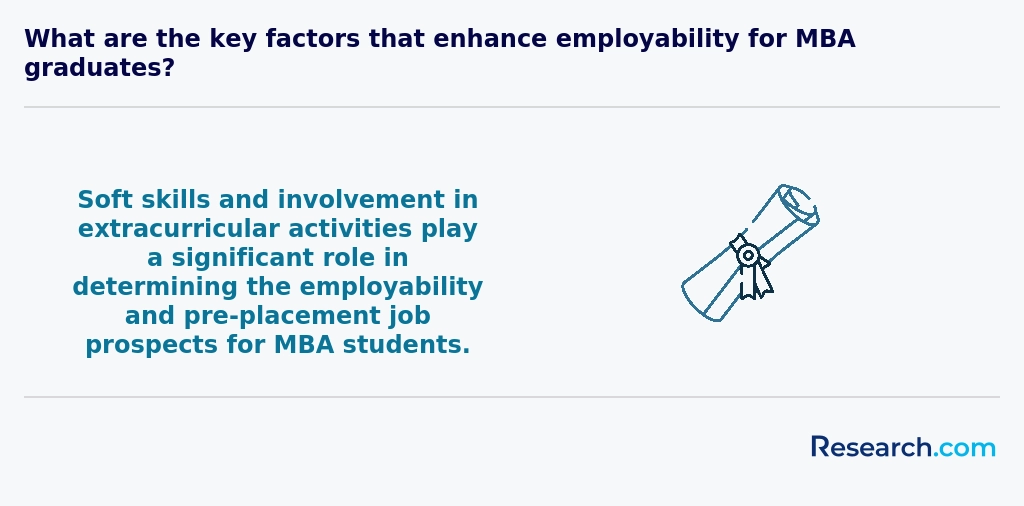
Strong communication skills, both verbal and written, enable graduates to collaborate across departments and negotiate successfully. Additionally, adaptability and technological proficiency are highly ranked, reflecting the rapid digital transformation in the local market. These competencies collectively improve an MBA graduate's employability and career growth within Columbia's competitive economy.
Finding internships in Columbia that complement an MBA degree involves leveraging multiple resources. First, universities often provide career services tailored for MBA students, offering access to local companies and exclusive internship listings. According to the Columbia University Graduate School of Business, over 85% of MBA students secure internships through school-supported programs.
Networking plays a crucial role; students should attend business events, join clubs, and use platforms like LinkedIn to connect with employers in finance, consulting, and technology sectors prominent in Columbia. Additionally, websites like Handshake and MBA-focused job boards list relevant internship openings.
Applying early and preparing strong resumes aligned with business objectives significantly increase chances of success.
In Columbia, earning an MBA significantly enhances career mobility and advancement opportunities. According to the Graduate Management Admission Council (GMAC) 2023 Corporate Recruiters Survey, over 70% of employers in the region prefer MBA graduates for mid-to-senior management roles. Professionals with MBAs often see a salary increase of 20% to 35% within three years post-graduation, reflecting the degree's strong impact on earning potential.
Networking is another critical benefit; Columbia's MBA programs provide access to local business leaders and alumni networks, facilitating job placements and promotions. The U.S. Bureau of Labor Statistics highlights that MBA holders in Columbia have faster promotion rates, often moving into leadership roles within five years.
Studying for an MBA degree in Columbia equips students with skills crucial for interdisciplinary roles by integrating diverse business disciplines such as finance, marketing, operations, and management. Programs often emphasize experiential learning, case studies, and teamwork, fostering the ability to collaborate across functional areas.
Furthermore, Columbia hosts a variety of networking opportunities with leaders from industries like healthcare, technology, and finance, reflecting the city's economic diversity. According to the Graduate Management Admission Council (GMAC), 68% of MBA students in Columbia reported improved cross-functional leadership skills after program completion.
This approach helps graduates adapt to complex business environments that require knowledge spanning multiple sectors and expertise areas.
When choosing between a thesis and a non-thesis MBA program in Columbia, consider your career goals and learning preferences. Thesis-based MBAs emphasize research and require students to complete an original academic project, which can be beneficial if you plan to pursue a PhD or a career in academia. Non-thesis programs focus more on practical skills through coursework and internships, appealing to professionals aiming to enter or advance in the business industry more quickly.
According to the Columbia University School of Business, approximately 30% of MBA students opt for the thesis track, often driven by a desire for in-depth research experience. Consider your future aspirations carefully when deciding.
Students based in Columbia seeking to study for an MBA abroad have several clear options within the US higher education system. Columbia University offers one of the top-ranked full-time MBA programs nationally, consistently placed between 7th and 10th in major rankings like U.S. News & World Report (2024). This program emphasizes global business strategies, preparing graduates for international leadership roles.
For those considering other locations in the US, renowned business schools in cities like New York, Chicago, and Boston provide prestigious MBA programs with strong alumni networks. Many programs offer exchange or dual-degree opportunities allowing Columbia-based students to gain international exposure.
Additionally, part-time and executive MBA programs accommodate working professionals in Columbia, delivering flexible schedules and a curriculum aligned with global market demands. The US Department of Education reports that approximately 30,000 students graduate with MBAs annually, reflecting the degree's growing value in the US job market.
Part-time job opportunities in Columbia that complement MBA education often align with business and management fields to enhance practical skills. Popular roles include marketing assistants, financial analysts, and project coordinators, which allow students to apply theoretical knowledge directly. According to the U.S. Bureau of Labor Statistics, positions in business operations and consulting are growing by 8% annually, providing ample openings for MBA students.
Internships and part-time roles in local startups and established companies give students exposure to real-world challenges in finance, sales, and human resources. Working part-time in these areas can improve leadership and analytical skills crucial for MBA graduates.
Moreover, networking opportunities gained from these jobs enhance career prospects post-graduation, especially in Columbia's competitive job market.
MBA students in Columbia benefit from extensive networking opportunities that connect them to local and national business communities. Many programs organize regular events such as guest lectures, industry panels, and career fairs, which attract top employers and alumni. Columbia's proximity to major corporate headquarters in New York City enhances access to a wide network of professionals.
Students often join specialized clubs and student organizations focused on finance, consulting, technology, and entrepreneurship. These groups foster peer networking and provide access to mentoring from experienced professionals. According to the Graduate Management Admission Council (GMAC), over 70% of MBA students in Columbia reported that networking was a key factor in securing post-MBA jobs.
Additionally, universities collaborate with local chambers of commerce and business incubators, broadening opportunities for internships and partnerships. This practical engagement helps MBA students build valuable connections early in their careers.
Alumni networks provide significant advantages to MBA students in Columbia by offering valuable connections within the local business community. Graduates of Columbia Business School have access to one of the most extensive and active alumni networks worldwide, with over 40,000 members. This network facilitates mentorship opportunities, career advice, and job placements, helping students transition smoothly into competitive roles.
Moreover, alumni events and online platforms enable students to engage with experienced professionals, fostering collaborations and partnerships. According to Columbia Business School reports, 85% of MBA graduates find employment through alumni referrals. These networks also provide ongoing learning and support long after graduation, enhancing career growth and industry insights.
In Columbia, customizing your MBA program to align with your career goals is increasingly accessible due to the variety of concentrations and flexible course options offered by local universities. Most MBA programs allow students to specialize in fields such as finance, marketing, entrepreneurship, or healthcare management. This customization helps tailor your education to specific industries or roles.
Elective courses, internships, and capstone projects also enhance practical experience relevant to your ambitions. According to the Columbia Chamber of Commerce, nearly 70% of MBA students engage in internships connected directly to their career interests, boosting employment outcomes.
Furthermore, part-time and online MBA formats enable professionals to balance work while customizing their study load and topics with academic advisors. This flexibility ensures your MBA journey fits both your schedule and professional objectives.
MBA students in Columbia often face challenges related to balancing rigorous coursework with personal and professional commitments. Many programs demand extensive group projects, networking events, and case studies, which require effective time management. Financial burden is also a significant concern; according to U.S. News & World Report, the average MBA tuition in Columbia can exceed $60,000 per year. Additionally, students must adapt to competitive environments, as Columbia hosts a diverse pool of highly qualified candidates striving for top grades and leadership roles. Navigating internship placements and post-MBA job markets further adds pressure to these candidates.
Professionals with an MBA degree often pursue certifications that complement their advanced business knowledge. Popular options include the Project Management Professional (PMP), which enhances skills in managing complex projects and is highly valued across industries.
The Certified Public Accountant (CPA) credential is another choice for MBA graduates, especially those focused on accounting or finance roles. The MBA curriculum often covers essential accounting principles that align well with CPA exam requirements.
For those interested in finance, the Chartered Financial Analyst (CFA) certification is prestigious and recognized internationally, offering expertise in investment management. Additionally, the Certified Management Accountant (CMA) designation is suited for MBA holders aiming for leadership in financial management and strategy.
According to the Graduate Management Admission Council, 50% of new MBA graduates in the US pursue at least one professional certification within two years of graduation, highlighting the value of these credentials.
Applying for an MBA program in Columbia requires careful preparation and a strategic approach. Start by researching the specific programs to understand their unique values and admission criteria. Most MBA programs in the US, including Columbia, expect a strong GMAT or GRE score; the average GMAT score for top US MBA programs often exceeds 700, demonstrating competitive academic ability.
Clearly articulate your career goals in the application essays. Admissions committees want to see how the MBA aligns with your professional growth. Highlight leadership experiences, community involvement, and any quantifiable achievements to strengthen your profile.
Letters of recommendation should come from individuals who know you professionally and can attest to your management potential. Tailored, sincere recommendations significantly enhance your application's credibility.
Finally, perfection in your resume and interview preparation is essential. Practice common MBA interview questions to convey confidence and clarity about your motivation and qualifications.
An MBA degree is widely recognized as a gateway to global career opportunities, offering skills in leadership, strategy, and management sought after worldwide. Graduates from Columbia's MBA programs often find competitive advantages thanks to strong ties with industries in New York City, a major international business hub.
According to the Graduate Management Admission Council (GMAC), over 85% of MBA alumni report significant career advancement within five years of graduation, with many taking roles in multinational companies. Columbia MBA students benefit from global exposure through diverse classmates and international study options, preparing them for worldwide markets.
Salary data from U.S. News & World Report (2023) shows Columbia MBA graduates earn median starting salaries above $140,000, reflecting the program's strong market value.
Gaining practical experience during an MBA program in Columbia is crucial for career advancement. Many universities offer internship opportunities that allow students to apply classroom knowledge in real business settings. According to the Graduate Management Admission Council (GMAC), 65% of MBA students engage in internships before graduation. Additionally, Columbia's proximity to major industries like healthcare, finance, and manufacturing provides numerous possibilities for projects and consulting work.
Students can also participate in case competitions and business simulations, which build hands-on skills. Networking events and mentorship programs further enhance practical learning by connecting students with industry professionals.
Choosing the right concentration within an MBA program in Columbia requires aligning your career goals with the program's strengths. Many Columbia-based MBA programs offer concentrations like Finance, Marketing, Healthcare, and Entrepreneurship. According to the U.S. News & World Report 2023, Finance remains one of the most popular and lucrative tracks, with median salaries post-graduation reaching over $120,000 annually.
Evaluate how each concentration's curriculum matches your interests and the local market demand. Consider internships and networking opportunities available in Columbia's business community, which can significantly impact your career success. Reviewing employment reports from Columbia MBA programs can provide insight into which concentrations yield the best job placements.
Related MBA Rankings for Nearby Cities
- 2027 Most Valuable MBA Degree Programs Ranking in Charlotte
- 2027 Most Valuable MBA Degree Programs Ranking in Charleston
- 2027 Most Valuable MBA Degree Programs Ranking in Savannah
- 2027 Most Valuable MBA Degree Programs Ranking in Fayetteville
- 2027 Most Valuable MBA Degree Programs Ranking in Winston-Salem
- 2027 Most Valuable MBA Degree Programs Ranking in Greensboro
- 2027 Most Valuable MBA Degree Programs Ranking in Macon
- 2027 Most Valuable MBA Degree Programs Ranking in Raleigh
- 2027 Most Valuable MBA Degree Programs Ranking in Durham
- 2027 Most Valuable MBA Degree Programs Ranking in Atlanta
Top Trending MBA Rankings
References
- How to balance a part-time MBA while working full-time https://www.manchester.ac.ae/blog-post/how-to-balance-a-part-time-mba-while-working-full-time
- MBA Career Outlook from a Global Perspective Margaret Buj https://interview-coach.co.uk/mba-career-outlook-from-a-global-perspective/
- Information about MBA financial aid https://www.manhattanreview.com/mba-financial-aid/
- Know more about thesis vs non- thesis: what is the difference? https://studyfans.com/en/blogs/816
- MBA studies https://moderna.edu.pl/majors/management/master-of-management/mba-management-masters-degree/
- How to Choose Between MBA Degree vs. Certificate | University of Phoenix https://www.phoenix.edu/articles/business/how-to-choose-between-mba-degree-vs-certificate-programs.html
- How an MBA contributes to career advancement https://online.wlv.ac.uk/blog/how-an-mba-contributes-to-career-advancement/
- How to Use Your MBA for Career Growth While You’re Still Studying - International Career Institute USA https://icieducation.com/blog/how-to-use-your-mba-for-career-growth-while-youre-still-studying/
- Top MBA programs with the best alumni networks in the world - MBA Crystal Ball https://www.mbacrystalball.com/blog/2025/07/07/top-mba-programs-with-the-best-alumni-network-in-the-world/
- What Can You Do with an MBA in Today’s Market? | Elmhurst University Elmhurst University Blog https://www.elmhurst.edu/blog/what-can-you-do-with-an-mba-in-todays-market/


