
2027 Most Valuable MBA Degree Programs Ranking in the Midwest

Co-Founder and Chief Data Scientist
Choosing the right MBA program can be a game-changer for your future career, especially in the Midwest where opportunities vary widely. This article presents the 2027 Most Valuable MBA Degree Programs Ranking in the Midwest created by the Research.com team of data scientists.
Designed to help you make an informed decision, this ranking highlights programs that deliver strong value and meaningful outcomes. Whether you're looking to advance in your current field or explore new possibilities, understanding which MBA degrees offer the best returns is essential.
Explore these ranked programs and take a confident step toward your educational and professional goals.
Key benefits of getting MBA degree in the Midwest
- MBA graduates in the Midwest often enjoy strong earning potential, with many professionals in business management roles earning an average annual salary around $110,000 nationwide, reflecting solid financial benefits.
- Career paths for MBA holders from Midwest universities such as the University of Chicago Booth School of Business include leadership roles in finance, marketing, and consulting, offering diverse growth opportunities.
- Online MBA programs from institutions like Indiana University Kelley School of Business provide flexibility and allow students to balance work and study, leading to career advancement while managing personal commitments.
- Key benefits of getting MBA degree in the Midwest
- What can I expect from MBA degree in the Midwest?
- Where can I work with MBA degree in the Midwest?
- How much can I make with MBA degree in the Midwest?
- 2027 Most Valuable MBA Degree Programs Ranking in the Midwest
- Key Findings
- How long does it take to complete MBA degree in the Midwest?
- Return on Investment Analysis
- What's the difference between online and on-campus MBA degree?
- What is the average cost of MBA degree in the Midwest?
- Emerging Trends in Midwest MBA Education and Careers
- What financial aid is available to MBA degree students in the Midwest?
- What are the prerequisites for enrolling in MBA degree program in the Midwest?
- Return on Investment (ROI) for MBA Graduates in the Midwest
- What courses are typically in MBA degree programs in the Midwest?
- What types of specializations are available in MBA degree programs in the Midwest?
- How do you choose the best MBA degree in the Midwest?
- What career paths are available for MBA degree students in the Midwest?
- What is the job market for MBA degree in the Midwest?
- Top Trending MBA Rankings
What can I expect from MBA degree in the Midwest?
Think of the MBA cost in the Midwest as an investment with a welcoming handshake rather than a cold ledger entry. Most students at institutions like the University of Michigan Ross or Indiana University Kelley find the price tag hovering between $40,000 and $65,000 per year, tuition alone. This range feels like a gateway rather than a barrier, especially when stacked against the towering costs in other parts of the country.
One graduate recalls juggling night classes at Chicago Booth with a part-time job, appreciating how the tuition's relative affordability allowed a focus on learning instead of just surviving financially. Another remembers applying for scholarships and employer sponsorships that halved their expenses, fueling their confidence to move from classroom discussions directly into influential boardrooms.
It's not just numbers here-the price pays for access to powerful alumni networks and career fairs in thriving hubs like Minneapolis. The financial load feels lighter when students envision not just a degree, but a bridge to leadership roles in booming industries across the Midwest's dynamic economy.
Where can I work with MBA degree in the Midwest?
Picture yourself stepping out of a top Midwest MBA program-say, the University of Chicago Booth or the University of Michigan Ross-ready to navigate a thriving business ecosystem. Your classmates are already diving into Chicago's buzzing finance scene, negotiating deals at investment firms or shaping risk strategies at major banks. The pulse of finance here isn't just numbers; it's the excitement of steering economic engines in cities like Minneapolis or St. Louis.
Elsewhere, graduates find themselves amidst the hum of manufacturing giants-imagine crafting supply chain innovations at Caterpillar or 3M, leveraging the Midwest's strategic location to transform logistics. It's a world where operations meet imagination.
Healthcare? MBA grads from Indiana University's Kelley School enter hospital administration or healthcare consulting, tackling the complexities of an aging population and enjoying steady growth and purpose-driven work.
Meanwhile, tech hubs in Madison or Kansas City beckon those eager to launch startups or manage products, combining entrepreneurial spirit with business savvy to reshape tomorrow's market.
How much can I make with MBA degree in the Midwest?
MBA graduates emerging from schools like the University of Chicago Booth or Indiana University's Kelley School often find themselves stepping into starting salaries that sparkle around $85,000 to $110,000 in vibrant Midwestern hubs. Imagine landing your first finance or consulting role in Chicago-earning approximately $105,000-while navigating the buzz of a dynamic city with multinational firms. Smaller cities, like Indianapolis or Minneapolis, may offer slightly less but sweeten the deal with a manageable cost of living that stretches your paycheck further.
Though the U.S. Bureau of Labor Statistics has no exact wage data for many MBA roles here, the steady climb to six-figure incomes is well-charted by alumni stories. Graduates recall hitting $120,000 within a few years, especially in leadership positions in manufacturing or healthcare management-a nod to the rich industrial and healthcare networks rooted in the Midwest.
These earnings reflect a rewarding synergy between affordable tuition at Midwestern universities and strong regional industries. The result? MBA graduates often savor financial growth and job stability without the coastal catch-22 of skyrocketing living costs.
2027 Most Valuable MBA Degree Programs Ranking in the Midwest
How do we rank schools?
Investing in one's education is a significant decision, and the Research.com team recognizes the importance of providing reliable information to guide that choice. To support prospective students and professionals, we have carefully developed the "2027 Most Valuable MBA Degree Programs Ranking in the Midwest" with a focus on quality, credibility, and accuracy. Our thorough analysis involved leveraging multiple authoritative data sources to produce a trustworthy and informative ranking.
We utilized the following reputable data sources to ensure a comprehensive evaluation of MBA programs:
Readers will benefit from detailed insights into the most valuable MBA degree programs in the Midwest, empowering them to make well-informed educational decisions. For a deeper understanding of how this ranking was created, please visit our Research.com methodology page.


# 4 position
Wayne State College
Master of Business Administration

# 5 position
Capella University
Master of Business Administration


# 8 position
Franklin University
Master of Business Administration


# 15 position
Trine University-Regional/Non-Traditional Campuses
Master of Business Administration


Key Findings
- Tuition for full-time MBA programs in the Midwest ranges from $30,000 to $60,000, with public universities offering lower costs for in-state students.
- Starting salaries for MBA graduates in this region typically fall between $75,000 and $95,000 annually.
- Experienced MBA alumni can earn median salaries from $120,000 to $150,000 depending on their industry and career progression.
- The Midwest job market supports diverse industries such as finance, consulting, manufacturing, healthcare, technology, and agriculture.
- Major cities like Chicago, Minneapolis, and Columbus provide numerous management and leadership job opportunities.
- MBA program options include full-time, part-time, executive, and online formats, with several programs ranked in the national top 50.
How long does it take to complete MBA degree in the Midwest?
Picture this: a passionate professional juggling evening meetings and family dinners while steadily conquering their part-time MBA at Indiana University's Kelley School of Business. Their journey stretches about three to four years, a marathon paced with flexibility and determination. Meanwhile, a peer at the University of Chicago's Booth School is sprinting through an intense, one-year accelerated MBA, fueled by sleepless nights and sharp focus.
In the Midwest, the timeline to an MBA isn't one-size-fits-all-it's a tailored adventure. Traditional full-time programs at places like the University of Michigan's Ross School offer a balanced two-year path, ideal for those craving immersion without the chaos of part-time life. Online learners enjoy the freedom to chart their own course, often wrapping things up within two to three years.
These timelines reflect not just academic structure but deeply personal rhythms. Graduates cherish how their MBA fits into their lives-whether accelerated bursts or extended journeys-resulting in a uniquely rewarding experience grounded firmly in Midwestern values of perseverance and balance.
Return on Investment Analysis
A comprehensive return on investment (ROI) analysis is essential for prospective MBA students to understand the financial value of their degree. By comparing total program costs against post-MBA salary increases and career progression, applicants can estimate the payback period and long-term benefits. On average, Midwest MBA graduates report starting salaries that are 30–50% higher than their pre-MBA income, translating to an annual increase of $30,000–$50,000. Considering median tuition and fees of $45,000, many students recoup their educational investment within two to three years. When factoring living expenses and opportunity costs, this payback period may extend to three to four years, still representing a favorable ROI compared to national averages. Net present value (NPV) calculations further illustrate the financial advantage. Assuming a conservative annual salary growth rate of 5% and discount rate of 4%, the NPV of salary gains over a ten-year post-graduation horizon can exceed $200,000, even after accounting for debt service. Scholarships, employer sponsorships, and assistantships can significantly reduce initial outlays, accelerating the breakeven timeline. For budget-conscious applicants, exploring lower-tuition options can optimize ROI. Many students consult the Low Cost MBA Degree Programs Ranking in Worcester, MA to compare affordability and value before committing to a program. Ultimately, a data-driven ROI assessment empowers candidates to select an MBA program that aligns with both their career goals and financial realities.
What's the difference between online and on-campus MBA degree?
Imagine stepping onto the vibrant campus of the University of Chicago Booth School of Business, where every corridor hums with spontaneous debates and handshake deals. On-campus MBA students thrive in this electric environment, savoring face-to-face mentorship and late-night study sessions fueled by shared ambition. Meanwhile, across the state at Ohio State University, MBA candidates navigate flexible online schedules, juggling work, family, and midnight coffee runs while engaging in virtual classrooms that bend time zones and geography.
Midwest on-campus programs immerse you in a tactile world of conferences, networking galas, and the kind of serendipitous encounters that fuel lifelong connections. Online options, like those at the University of Notre Dame, paint a different picture-rooted in autonomy and adaptability, they offer asynchronous classes that fit life's unpredictable rhythm.
Graduates from Kelley School of Business often reflect on how choosing campus meant embracing the pulse of community, whereas online learners cherish the liberation to craft their unique journey without uprooting their lives. Both routes demand rigor and deliver prestige, but their emotional landscapes differ-one thrives in shared spaces, the other in personalized freedom.
What is the average cost of MBA degree in the Midwest?
The average cost of an MBA degree in the Midwest hovers around $43,804, a figure that blends the experiences of countless graduates who walk the familiar halls of institutions like the University of Michigan or the University of Illinois. Imagine a student juggling late-night study sessions and bustling networking events, all while navigating tuition that, for in-state residents, typically rests near $26,892. It's not just about numbers; it's about the investment in a transformative journey within the Midwest mba program tuition and fees landscape.
Private universities, known for their prestige in the region, often ask for a steeper price tag, but they also deliver immersive experiences that graduates fondly recall-professors who challenge perspectives, case competitions that ignite competitive sparks, and alumni networks that open doors. Out-of-state learners face costs around $43,804, reflecting the added value of diverse connections and broader regional influence.
Part-time and online formats provide flexible horizons, tempting those balancing work and study. These options can bring tuition down while extending program duration. For those scouting financial pathways, the ranking of affordable online executive mba programs is a helpful compass. The excitement of joining a cohort that pushes limits makes this cost more than a fee-it's a passport to opportunity.

Emerging Trends in Midwest MBA Education and Careers
Midwest MBA programs are evolving rapidly to meet the demands of today’s dynamic business landscape. Institutions are increasingly incorporating subjects such as digital transformation, artificial intelligence, sustainability, and data analytics into their curricula, ensuring that graduates gain cutting-edge skills that are crucial in a modern economy. Current trends include an enhanced focus on experiential learning through virtual simulations and project-based courses, as well as a growing emphasis on leadership in a global context. This forward-thinking approach not only prepares students for traditional roles but also equips them for emerging careers in technology-driven industries and innovative startups. For those exploring flexible study options while staying competitive in the modern job market, our ranking of affordable online executive mba programs provides valuable insights into programs that balance cost-efficiency with high-quality, trend-responsive education. As the regional economy adjusts to new challenges and opportunities, staying informed about these emerging trends can significantly boost an MBA graduate’s ability to lead, innovate, and drive sustainable growth in an ever-changing business environment.
What financial aid is available to MBA degree students in the Midwest?
Imagine stepping into the University of Chicago Booth classrooms knowing a merit-based scholarship is cushioning your tuition-like one graduate who used her leadership skills to unlock this golden ticket. Midwest MBAs often find treasure chests of financial aid hidden in plain sight: merit-based scholarships reward your past brilliance, while need-based grants quietly support those navigating tighter budgets.
A graduate from the University of Michigan Ross recalls how employer sponsorship transformed his pursuit into a shared investment with his company, proving your MBA can be a partnership with your career. Federal student loans are reliable bridges for many, spreading out the intense cost over years, while private loans stand as a last-resort lifeline-though caution is key, as interest rates can bite.
And for those eager to dive deeper, assistantships at some Midwest schools exchange your talents for tuition remission-a role where teaching or research becomes a stepping stone and paycheck.
What are the prerequisites for enrolling in MBA degree program in the Midwest?
Diving into an MBA in the Midwest means showing you're ready to blend brains with hustle. Imagine a graduate from the University of Michigan recounting how their engineering background fueled fresh perspectives in finance classes-Midwest programs cherish this diversity. Your bachelor's degree, whatever its flavor, is your ticket in. But don't just stop there; standardized tests like the GMAT or GRE still play referee in this game, though some schools loosen the grip if you bring seasoned work experience to the table.
Picture a Northwestern alum who spent four vibrant years in healthcare, transforming those real-world stories into dynamic classroom debates. That three to five years of professional grind is more than a number-it's the spark for peer learning in this region's interconnected economy.
Beyond transcripts and scores, you'll need letters that sing your leadership potential, essays that reveal your dreams, and interviews that showcase your zeal. This combination is what Midwest MBA admissions committees savor, crafting cohorts ready to innovate and inspire.
Return on Investment (ROI) for MBA Graduates in the Midwest
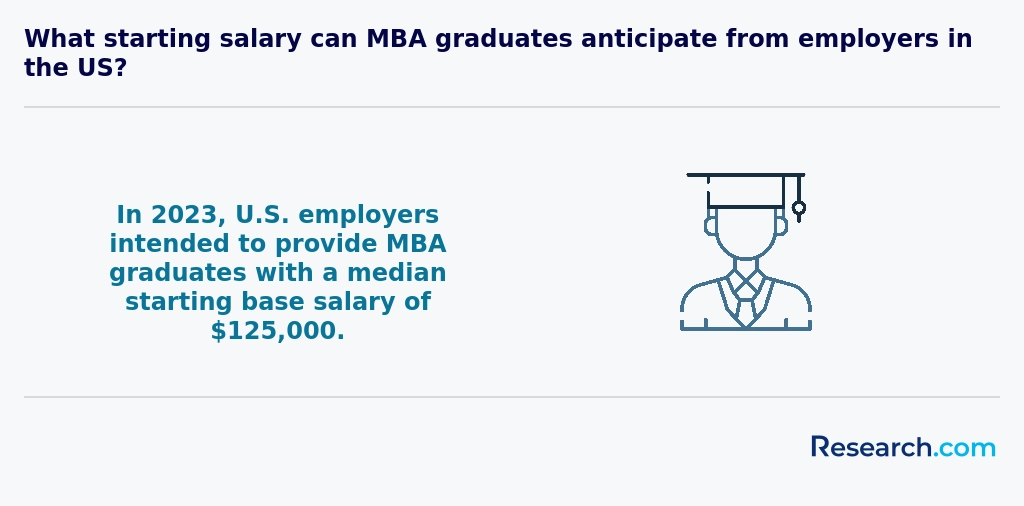
The return on investment (ROI) for MBA graduates in the Midwest is a crucial consideration for prospective students. By analyzing the costs associated with pursuing an MBA degree and the potential financial benefits post-graduation, individuals can make informed decisions about their educational investments. Key factors influencing ROI include starting salaries, career advancement opportunities, and the availability of financial aid. For instance, graduates from top-ranked programs in the Midwest often report significant increases in their salaries, with median starting salaries exceeding $100,000 in high-demand fields such as finance and consulting. Over time, these salary increases can lead to substantial returns on the initial investment in an MBA education. Furthermore, the Midwest's competitive job market and the growing demand for skilled professionals in various sectors contribute to a favorable ROI for MBA graduates in the region. By understanding the potential for long-term financial gains and the value of the skills and knowledge acquired through an MBA program, prospective students can better assess the ROI of their educational investment.
What courses are typically in MBA degree programs in the Midwest?
Imagine diving into a whirlwind of core courses that shape you into a Midwest MBA powerhouse: at schools like the University of Michigan or Northwestern, graduates rave about mastering accounting for managerial decision-making right alongside financial management that feels like decoding the heartbeat of a company. Picture yourself crafting marketing strategies that actually resonate with Midwestern markets, or navigating operations and supply chains vital to Ohio's manufacturing hubs.
Students cherish the real-world feel of courses on organizational behavior and leadership-it's more than theory; it's learning to lead in boardrooms and factory floors alike. Economics tailored to business and engaging debates on ethics make you question and reaffirm your role in the corporate world. Strategic management classes transform you into a thinker, ready to tackle big-picture challenges.
Beyond these, electives let you chase your passion: some tap into healthcare management to serve Michigan's robust medical sector, others dive into entrepreneurship fueled by Chicago's startup scene. This living curriculum feels like it's crafted just for you, fueling excitement and confidence as you step into the Midwest's dynamic business ecosystem.
What types of specializations are available in MBA degree programs in the Midwest?
Imagine diving into an MBA program in the Midwest where you can specialize in finance, marketing, or even the intricate art of supply chain management-fields that pulse with the heartbeat of dynamic cities like Chicago and Minneapolis. Graduates from top schools find themselves decoding investment puzzles or crafting digital marketing campaigns that resonate in a growing e-commerce landscape. These top MBA specializations in the Midwest deeply connect students not only to textbooks but to real-world challenges, like optimizing the flow of goods through sprawling distribution networks stretching across the region.
Entrepreneurs thrive here too, fueled by the vibrant startup ecosystems in places such as St. Louis and Detroit, where accelerators and business plan competitions spark innovation. Students learn to navigate the exhilarating ups and downs of launching ventures with a practical edge honed on Midwest soil. Other paths include healthcare and technology management, branching out into sectors key to the region's economy.
For those weighing costs, the Midwest offers a compelling mix of quality and affordability-tuition typically ranges from $30,000 to $70,000 total, making it a savvy choice. To explore more about budgeting your future, check out Low Cost MBA Degree Programs Ranking in Worcester, MA. This blend of opportunity and accessible investment makes the best MBA concentration options Midwest truly unforgettable.
How do you choose the best MBA degree in the Midwest?
Choosing the best MBA degree in the Midwest is like crafting your own unique blueprint for success. Graduates from the University of Chicago Booth often reflect on how AACSB accreditation wasn't just a sticker on their diploma but a promise of quality that opened doors to top-tier finance firms. Imagine balancing your career and studies with the flexibility offered by the Indiana University Kelley part-time MBA, where a busy professional feels empowered rather than overwhelmed. When comparing MBA programs cost comparison Midwest, picture the value gained as an investment in your future, with starting salaries sometimes soaring above $100,000-money well spent.
Networking here means more than exchanging business cards; it's sharing a craft in thriving Midwest sectors like manufacturing and healthcare. Some alumni find that digging into faculty expertise and curriculum focus, rather than chasing fancy labels, leads to richer, more applicable knowledge. For those seeking complementary growth, exploring certifications that pay well alongside their MBA journey adds an innovative edge.

What career paths are available for MBA degree students in the Midwest?
MBA graduates in the Midwest find themselves at a thrilling crossroads where industrial heritage meets innovation. Imagine a graduate from Indiana University Kelley School of Business stepping into a Chicago consulting firm, guiding manufacturers to sharpen supply chains-a real-world puzzle where strategic thinking meets tangible impact. These MBA holders breathe life into financial hubs like Detroit and Cleveland, molding careers in banking and financial services that perfectly balance robust salaries and Midwestern affordability.
Manufacturing heartland roots open doors to operations management roles that reshape automotive giants, while healthcare administration graduates thrive in bustling cities such as Indianapolis, managing hospitals or consulting on pharmaceutical growth. At the University of Michigan Ross School, classmates nurture tech startups in Ann Arbor, embodying the Midwest's quiet but vibrant entrepreneurial spirit. These real-life journeys highlight rich Midwest MBA degree job prospects framed by affordability and opportunity, especially when paired with online colleges with open admissions tailored to broaden access and flexibility.
What is the job market for MBA degree in the Midwest?
The Midwest's job market for MBA graduates pulses with opportunity, driven by vibrant metro areas like Chicago and Minneapolis, where the hum of finance firms and tech startups is constant. Graduates from well-known Midwest colleges often share stories of landing roles that blend leadership with cutting-edge analytics, fueling their excitement as they steer organizations toward innovation. Exploring MBA job opportunities in the Midwest reveals a landscape where career paths weave through manufacturing supply chains, healthcare management, and entrepreneurial ventures-each offering a stage to apply newly acquired skills.
Many MBA grads from universities in the region praise the workplace culture that balances challenge with community, amplifying their confidence. Competitive salaries around $85,000 to $105,000 match the vibrant cost of regional living, making ambitions sustainable. Some even leverage tuition assistance from employers to continue advancing, tying academic dreams to practical steps-much like those who seek online phd cheap options to fuel lifelong learning. This Midwest MBA graduate employment outlook shapes futures with gratifying clarity and diverse options.
Frequently Asked Questions About MBA
Midwest MBA students can maximize their learning by taking advantage of both classroom and experiential opportunities. Many programs in the region emphasize practical projects and internships, which help students gain real-world skills. For example, schools like the University of Chicago Booth School of Business encourage internships in Chicago's robust business environment, linking theory with practice.
Networking with local industries is crucial. Midwest MBA programs often foster strong ties with manufacturing, finance, and healthcare sectors, giving students access to diverse mentors and job placements.
Utilizing university resources such as career services, leadership workshops, and alumni networks further enhances learning outcomes. According to the Graduate Management Admission Council (GMAC), 75% of MBA graduates who actively engaged in such activities reported higher job satisfaction post-graduation.
The MBA field in the Midwest is evolving with emerging niches that reflect changing industry demands. Specializations like healthcare management are growing rapidly due to the region's strong medical and biotech sectors. According to the Midwest Business Journal (2023), programs offering healthcare-focused MBAs have increased enrollment by 25% since 2020.
Another promising niche is sustainability and green business, driven by Midwestern companies prioritizing environmental responsibility. Schools such as the University of Michigan and Indiana University now include dedicated courses in sustainable practices within their MBA curriculums.
Data analytics and technology management are also gaining traction, reflecting the broader digital transformation. Recent data from the Graduate Management Admission Council (GMAC) shows that nearly 30% of Midwest MBA candidates opt for analytics concentrations, higher than the national average.
Preparing for the job market after earning an MBA degree in the Midwest involves strategic planning and proactive engagement. According to the Graduate Management Admission Council (GMAC), about 85% of MBA graduates in the U.S. secure full-time jobs within three months of graduation, with Midwest programs performing close to this average.
Focused networking is crucial. Many Midwest business schools offer strong alumni networks in industries such as manufacturing, finance, and healthcare, which dominate the region's economy. Engaging with career services early can provide valuable connections and internship opportunities.
Additionally, tailoring your resume to highlight skills gained-like leadership, data analysis, and project management-aligns with local employers' needs, as reported by the U.S. Bureau of Labor Statistics. Gaining relevant certifications alongside the degree can improve job prospects.
Employers in the Midwest value MBA graduates who demonstrate strong leadership and analytical skills. According to a 2023 survey by the Graduate Management Admission Council (GMAC), 85% of Midwest employers prioritize candidates' ability to solve complex business problems using data-driven approaches.
Communication and teamwork are also highly sought-after skills. Businesses in the region often look for MBA graduates who can lead diverse teams and effectively share their vision.
Additionally, practical experience in areas such as finance, operations, and strategic management ranks prominently.
With the Midwest's growing focus on technology and manufacturing, adaptability and tech-savviness increasingly influence hiring decisions for MBA holders.
Finding internships relevant to an MBA degree in the Midwest involves leveraging university resources and regional business networks. Many Midwest MBA programs, such as those at the University of Michigan and Indiana University, offer dedicated career services that connect students with internships in industries like finance, manufacturing, and technology. According to the Graduate Management Admission Council, about 60% of MBA students nationwide secure internships before graduation, highlighting the importance of early engagement.
Students should actively attend career fairs, networking events, and alumni panels hosted by universities in cities like Chicago, Minneapolis, and Columbus. These events often feature Midwest-based companies eager to hire MBA interns. Additionally, platforms like Handshake and LinkedIn are useful for finding internship postings targeted at MBA candidates in this region.
Internships in the Midwest frequently emphasize practical leadership and project management skills, reflecting the region's strong corporate and industrial sectors. According to the U.S. Bureau of Labor Statistics, the Midwest has a diverse economy that offers numerous opportunities for MBA students to gain valuable real-world experience.
In the Midwest, earning an MBA significantly enhances career mobility and advancement opportunities. According to the Graduate Management Admission Council's 2023 Corporate Recruiters Survey, 75% of employers in Midwest industries prefer candidates with an MBA for managerial roles, highlighting the degree's value in this region's competitive job market.
Midwestern cities like Chicago and Minneapolis host diverse industries-finance, manufacturing, healthcare-that often require the strategic and leadership skills MBA programs provide. Many graduates report salary increases of 20-30% within two years post-MBA, as shown by data from the Midwest MBA Alumni Network.
An MBA also helps professionals transition across sectors, offering broader networks and specialized knowledge valued by regional employers. Enhanced leadership skills gained through coursework prepare graduates for senior roles, increasing promotion rates compared to those without advanced business degrees.
Studying for an MBA degree in the Midwest equips students for interdisciplinary roles by emphasizing collaborative skills and diverse business knowledge. Many regional programs integrate coursework across finance, marketing, operations, and technology, allowing students to navigate complex business environments confidently. For example, the University of Michigan's Ross School of Business offers action-based learning projects that require teamwork across multiple business disciplines.
Midwestern schools often partner with industries like manufacturing, agriculture, and healthcare, enhancing real-world exposure. According to the Graduate Management Admission Council (GMAC), 38% of MBA grads from the Midwest work in cross-functional roles post-graduation, underscoring these programs' effectiveness.
Choosing between a thesis and a non-thesis MBA program in the Midwest depends largely on your career goals and learning preferences. Thesis programs often suit those interested in research roles or pursuing doctoral studies, requiring original research and a formal thesis project. According to the Graduate Management Admission Council (GMAC), about 20% of MBA programs nationally offer a thesis option, with Midwest schools like University of Michigan and Indiana University among them.
In contrast, non-thesis MBA programs emphasize practical skills and coursework, focusing on applied business knowledge preferred by employers in sectors like finance, healthcare, and technology, which dominate the Midwest market.
Consider whether you value research experience or hands-on learning more. Also, thesis programs may take longer and demand more intensive writing, while non-thesis tracks typically allow faster completion. Campus resources and faculty expertise should also influence your choice.
Students in the Midwest seeking to study for an MBA abroad have various pathways available through partnerships and exchange programs established by many regional universities. Schools like the University of Michigan and Ohio State University often collaborate with international institutions, allowing students to spend a semester or year overseas while earning credits toward their MBA.
According to data from the Graduate Management Admission Council (GMAC), about 15% of MBA candidates from Midwest programs express interest in or participate in global study opportunities. Additionally, several Midwest business schools offer dual-degree options in collaboration with European or Asian universities.
These programs generally require students to have a strong academic record and sometimes proficiency in a foreign language, depending on the destination. Financial aid and scholarships specifically geared to international study are also frequently available to help offset costs.
Part-time job opportunities that complement MBA education in the Midwest often focus on roles offering practical business experience. Common options include internships or assistant positions in finance, marketing, and operations within regional corporations or startups.
According to the Graduate Management Admission Council, 42% of MBA students nationwide seek part-time roles related to consulting or project management, a trend also seen in Midwest cities like Chicago and Minneapolis.
Accounting firms, financial institutions, and technology companies in the Midwest frequently offer flexible roles that align with MBA coursework. These jobs enable students to apply leadership, data analysis, and strategic planning skills in real-world settings.
Students targeting part-time employment should also consider university-affiliated opportunities such as research assistant roles in business schools, which provide industry insight and networking advantages.
MBA students in the Midwest benefit from extensive networking opportunities, driven by the region's strong ties to industries like manufacturing, finance, and technology. Schools often host networking events, career fairs, and speaker sessions with local business leaders, providing access to a diverse professional network.
Midwestern business schools typically maintain active alumni networks, which can be key for mentorship and job placements. For example, the University of Chicago Booth School of Business reports over 54,000 alumni worldwide, many located within the Midwest, facilitating valuable connections.
Additionally, regional MBA conferences and professional organizations such as the Midwest Business Administration Association create platforms for students to connect beyond their campus.
Alumni networks play a crucial role for MBA students in the Midwest by providing access to valuable professional connections. These networks often include thousands of graduates working across industries, increasing chances for mentorship, job referrals, and business partnerships.
According to the Graduate Management Admission Council, Midwest MBA alumni report that 65% found job opportunities through their alumni connections. Schools like the University of Michigan and Indiana University have especially active alumni communities that hold regular events and networking sessions.
Engaging with alumni can also aid students in understanding regional market trends and corporate culture, enhancing career readiness. The Midwestern business environment values these strong, localized networks for career growth and entrepreneurship.
Midwestern MBA programs offer various ways to customize your degree to fit career goals. Many universities in states like Illinois, Michigan, and Indiana provide specializations in key industries such as finance, healthcare, and manufacturing, reflecting the regional economy. According to Poets&Quants 2023 data, over 70% of top Midwest business schools allow students to choose electives that align with their target field.
Students can also select flexible formats, including part-time, online, or executive MBA options, enabling work-study balance. Internships and experiential learning projects with local companies further tailor practical skills. Additionally, networking events and mentoring programs help connect students with industry professionals, enhancing career alignment.
MBA students in the Midwest often face challenges related to balancing work and study. Many programs attract working professionals who juggle full-time jobs alongside coursework, creating time management stress. According to the Graduate Management Admission Council (GMAC), nearly 65% of MBA candidates in the U.S. are part-time students, a trend consistent in the Midwest.
Another challenge is limited networking opportunities compared to coastal business hubs. While Midwest schools offer strong regional connections, students may find fewer access points to global companies.
Additionally, some students report concerns about returning on investment, as average salaries post-MBA in the Midwest tend to be lower than national averages reported by Poets&Quants in 2023.
Students earning an MBA degree in the Midwest can pursue numerous professional certifications that enhance career prospects. Popular options include the Project Management Professional (PMP) certification, which complements business skills with project oversight expertise. The Certified Public Accountant (CPA) credential is common for MBA graduates focusing on finance and accounting roles.
Another valuable certification is the Chartered Financial Analyst (CFA), particularly relevant for those entering investment and financial analysis fields. Additionally, the Certified Management Accountant (CMA) designation pairs well with an MBA by demonstrating expertise in financial management and strategic planning.
According to the Graduate Management Admission Council, more than 65% of MBA graduates nationwide pursue at least one professional certification after completing their degree, reflecting strong demand for specialized credentials.
Writing a winning application for an MBA program in the Midwest requires clear focus and preparation. Begin by thoroughly researching the specific programs, as schools like the University of Chicago Booth and Indiana University's Kelley School emphasize leadership and practical experience. Highlight your professional achievements with measurable results, which admissions committees value highly.
Craft a compelling personal statement that reflects your long-term career goals and why the Midwest location fits your aspirations. According to GMAC's 2023 mba.com report, 65% of Midwestern MBA applicants improve their applications by tailoring essays to regional business environments.
Strong letters of recommendation from supervisors or mentors who can attest to your management potential are crucial. Also, prepare thoroughly for the GMAT or GRE, as many Midwestern programs consider these scores in admissions decisions.
An MBA degree continues to hold a respected position globally, including within the United States and specifically the Midwest. According to the Graduate Management Admission Council (GMAC) 2023 report, MBA graduates from the Midwest show strong employment rates, with over 85% securing jobs within three months after graduation. This reflects the global demand for business management skills.
Midwestern MBA programs often emphasize global business strategies, preparing students to work across international markets. Many graduates pursue careers in multinational corporations, finance, and consulting, which require a solid understanding of global economic trends.
Data from the U.S. Bureau of Labor Statistics highlights that MBA holders typically experience higher salaries and faster career advancement compared to those with only an undergraduate degree, reinforcing their competitive edge worldwide.
Gaining practical experience while studying for an MBA in the Midwest is a priority for many students aiming to enhance their career readiness. Many Midwest business schools offer internships as part of their curriculum, allowing students to work with local companies in industries like manufacturing, finance, and healthcare.
Additionally, experiential learning opportunities such as consulting projects and live case studies are common. According to the Graduate Management Admission Council (GMAC), about 63% of MBA students in the Midwest participate in internships during their studies.
Students can also join student-run investment funds and entrepreneurship labs, providing hands-on management and leadership practice. Partnering with Midwest economic hubs like Chicago and Minneapolis offers valuable access to corporate networks and job placements.
Choosing the right concentration in a Midwest MBA program starts with evaluating your career goals and local market demand. According to the Graduate Management Admission Council (GMAC), concentrations in finance, supply chain management, and healthcare administration are highly sought after in Midwest states due to regional industry strengths.
Review employment statistics from the Bureau of Labor Statistics that highlight the Midwest's growing logistics and manufacturing sectors. These areas often benefit from specialized business training. Additionally, consider your previous experience and skills to identify concentrations that build on or complement them. Many Midwest schools also offer flexible options such as data analytics or entrepreneurship.
Researching school-specific offerings and alumni outcomes provides valuable insights. The top-ranked programs in the region typically report employment rates above 85% within three months of graduation, reinforcing the importance of aligning concentration choice with regional economic trends.
Top Trending MBA Rankings
References
- What is the average cost of completing a one-year MBA at leading colleges in the USA? https://mentr-me.com/question/what-is-the-average-cost-of-completing-a-one-year-mba-at
- Top 25 Online MBA Programs in the Midwest – 2023 College Rankings https://www.onlinembareport.com/articles/top-25-online-mba-programs-midwest-2023-college-rankings
- Top Challenges for MBA Students in 2025: Placements and Career Growth in India | BeJobbed.com https://bejobbed.com/challenges-mba-students-placements-career-growth-india/
- 27 Courses after MBA you can Consider to Upgrade Your Career https://www.crackverbal.com/resources/courses-after-mba/
- 12 types of MBA specializations you can pursue https://brive.com/blog/studies/types-of-mba-specializations/
- Follow These 10 Steps To Write Your MBA Application Essays - ApplicantLab https://www.applicantlab.com/blog/10-steps-to-write-your-mba-application-essay/
- Why Employers Prize a Global Perspective from MBA Graduates | WU Executive Academy https://executiveacademy.at/en/knowledge/career/why-employers-prize-a-global-perspective-from-mba-graduates
- Top 5 Part-Time MBA Programs in the Midwest https://www.metromba.com/2019/04/best-part-time-mba-programs-midwest/
- Explore Scholarships and Financial Aid https://www.chicagobooth.edu/mba/full-time/admissions/scholarships-and-aid
- Add-On Certification Courses to Boost MBA Career Growth https://www.ipeindia.org/add-on-certification-courses-after-mba-career-growth/


