
2027 Most Valuable MBA Degree Programs Ranking in New Jersey

Co-Founder and Chief Data Scientist
Choosing the right MBA program in New Jersey can feel overwhelming, but this article is here to help. The 2027 Most Valuable MBA Degree Programs Ranking in New Jersey was created by the Research.com team of data scientists to guide you toward programs that truly deliver value.
Reading this ranking will give you clear insights, making it easier to find a program that matches your goals and ambitions. Pursuing an MBA can open doors and empower your career growth with confidence.
Explore trusted information designed with you in mind.
Key benefits of getting MBA degree in New Jersey
- MBA graduates in New Jersey often pursue careers in business management and finance, where the national average salary for related roles can range from $80,000 to $120,000 annually, offering excellent earning potential.
- A typical MBA graduate from Rutgers University can explore diverse career paths such as consulting, marketing, and entrepreneurship, providing versatility and strong job growth opportunities.
- Completing an MBA online from a school like New Jersey Institute of Technology offers flexibility and convenience, allowing working professionals to balance studies with personal and career commitments effectively.
- Key benefits of getting MBA degree in New Jersey
- What can I expect from MBA degree in New Jersey?
- Where can I work with MBA degree in New Jersey?
- How much can I make with MBA degree in New Jersey?
- 2027 Most Valuable MBA Degree Programs Ranking in New Jersey
- Key Findings
- How long does it take to complete MBA degree in New Jersey?
- Exploring Affordable Out-of-State MBA Alternatives
- What's the difference between online and on-campus MBA degree?
- Affordability and ROI Considerations for MBA Programs in New Jersey
- What is the average cost of MBA degree in New Jersey?
- Emerging Trends and Future Outlook of MBA Programs in New Jersey
- What financial aid is available to MBA degree students in New Jersey?
- What are the prerequisites for enrolling in MBA degree program in New Jersey?
- What courses are typically in MBA degree programs in New Jersey?
- What types of specializations are available in MBA degree programs in New Jersey?
- How do you choose the best MBA degree in New Jersey?
- What career paths are available for MBA degree students in New Jersey?
- What is the job market for MBA degree in New Jersey?
- Related MBA Rankings for Nearby States
- Top Trending MBA Rankings
What can I expect from MBA degree in New Jersey?
The average cost of an MBA degree in New Jersey typically ranges between $50,000 and $90,000, depending on the institution and program format. Graduates from Rutgers Business School often share how the investment felt worthwhile given the strong industry ties and internship opportunities in New York City and Philadelphia, which helped kickstart their careers.
Students at Seton Hall University report positive experiences balancing tuition costs with employer tuition reimbursement, especially in part-time programs that allow them to continue working while studying. Stevens Institute of Technology graduates appreciate the program's focus on innovative subjects like data analytics, which enhances their ROI despite the upfront expense.
Many MBA candidates find that the state's relatively lower living costs compared to nearby metros ease financial pressure, making the total cost more manageable. Looking ahead, flexible program structures and increasing scholarship options may further improve affordability, allowing more diverse cohorts to pursue business leadership roles without financial strain.
Where can I work with MBA degree in New Jersey?
Graduates from MBA programs at leading New Jersey schools often find themselves joining the bustling financial sector centered around Newark, where banks and investment firms aggressively seek talent equipped to tackle evolving market complexities. Many alumni describe the excitement of stepping into roles like portfolio managers or business consultants, navigating the fast-paced finance environment shaped by New York City's close influence. This dynamic proximity inspires a sense of opportunity and growth that fuels career ambitions.
In parallel, MBA holders consistently tap into New Jersey's pharmaceutical giants nestled across the state, blending business acumen with industry-specific insight to lead product management and strategic initiatives. Graduates frequently share stories of collaborating with teams at companies akin to Johnson & Johnson, gaining invaluable experience that amplifies their leadership trajectories.
Emerging trends among technology startups around Princeton and Hoboken highlight expanding career paths in project and operations management, where innovation intersects with business strategy. Students cherish these roles for the creativity and impact they allow, turning ideas into tangible growth within vibrant communities. Manufacturing and logistics also beckon as sectors hungry for supply chain experts-roles perfect for MBAs ready to optimize and lead in an interconnected economy fueled by New Jersey's extensive transport networks.
How much can I make with MBA degree in New Jersey?
Graduates from MBA programs at popular New Jersey institutions like Rutgers Business School and Seton Hall University often share optimistic views about their earning potential. Many find that completing an MBA in New Jersey positions them well due to the state's proximity to financial centers such as New York City and Philadelphia, which significantly boosts salary expectations. Typically, entry-level MBA holders report starting salaries between $75,000 and $90,000, with exciting possibilities for rapid growth in sectors like finance and healthcare management.
Mid-career MBA graduates frequently encounter opportunities commanding salaries exceeding $150,000, especially in senior leadership or executive roles. For example, financial managers with MBAs in New Jersey earn roughly $145,000 annually, anchoring expectations for ambitious career paths. This range varies based on company size-startups might offer equity while corporations provide robust benefits and higher fixed salaries.
Looking forward, trends suggest increasing demand for MBA graduates who specialize in technology and biotech fields, which are thriving in New Jersey. The blend of business acumen and industry-specific knowledge makes these graduates highly sought after, enhancing both job satisfaction and compensation prospects.
2027 Most Valuable MBA Degree Programs Ranking in New Jersey
How do we rank schools?
Investing in your education is a significant decision that can shape your future, and the Research.com team understands the importance of making informed choices. To assist prospective students in New Jersey, we have meticulously crafted the "2027 Most Valuable MBA Degree Programs Ranking in New Jersey." Our commitment to quality, credibility, and accuracy is reflected in the extensive research and analysis conducted to compile this ranking.
We utilized the following reputable data sources to ensure a comprehensive evaluation of MBA programs:
By exploring this ranking, readers will gain valuable insights into the most valuable MBA programs offered in New Jersey, empowering them to make well-informed decisions about their educational and career goals. For more details on our methodology, please visit our Research.com methodology page.
# 1 position
Thomas Edison State University
Master of Business Administration


# 12 position
Strayer University-New Jersey
Master of Business Administration


# 17 position
Fairleigh Dickinson University-Florham Campus
Business Administration MBA


Key Findings
- Tuition for an MBA in New Jersey ranges from $30,000 to $70,000, depending on the school's public or private status and whether the student studies full-time or part-time.
- Public universities offer lower tuition for in-state residents, with some schools providing scholarships and assistantships to help reduce costs.
- Entry-level MBA graduates in New Jersey typically earn between $70,000 and $90,000 annually, with salaries reaching $120,000 or more after several years.
- The state's job market is strong, with opportunities in finance, pharmaceuticals, technology, manufacturing, and healthcare management.
- Proximity to New York City expands networking and job opportunities, with many programs including internships or capstone projects for practical experience.
How long does it take to complete MBA degree in New Jersey?
In New Jersey, completing an MBA typically spans from one to five years, shaped by the program style students choose. Full-time students at Rutgers Business School often find themselves deeply engaged in a focused 21 to 24 months journey, balancing coursework with networking opportunities that feel both intense and rewarding.
Part-time programs at places like Seton Hall University allow working professionals to pursue their degrees over three to five years, attending evening or weekend classes. Graduates frequently express satisfaction in managing career progression alongside their studies, appreciating the flexibility to apply lessons in real time.
Accelerated MBAs offer an exciting, fast-paced route. Students with prior experience can complete their degrees within 12 to 18 months, often reporting a sense of accomplishment and forward momentum after successfully navigating the rigorous demands. It's a path driven by ambition and the desire to quickly rejoin the workforce armed with advanced skills.
Looking ahead, emerging trends may further customize MBA timelines in New Jersey, integrating more adaptive formats and technology to fit diverse lifestyles and career needs.
Exploring Affordable Out-of-State MBA Alternatives
As tuition costs continue to climb in New Jersey, many prospective students are broadening their search to include more cost-effective MBA programs in other states. By considering out-of-state or online options, you can significantly reduce your overall investment without compromising program quality. For example, Louisiana offers several competitively priced programs; you can review our Affordable MBA Degree Programs Ranking in Louisiana to identify institutions with strong outcomes at lower tuition rates. When evaluating these alternatives, focus on accreditation, graduate outcomes, and flexibility. Accredited, regionally recognized schools ensure your degree is respected by employers nationwide. Compare average starting salaries, alumni network strength, and program formats-part-time and fully online formats often deliver the same curriculum for a fraction of the campus-based cost. Additionally, consider hidden fees such as technology and student service charges, which can vary significantly across states. Many out-of-state programs also provide in-state tuition waivers or reciprocity agreements for neighboring regions, further reducing expenses. Investigate scholarship opportunities targeted at non-residents and employer sponsorships; some universities offer merit-based awards specifically for high-performing applicants regardless of residency. By strategically comparing New Jersey’s offerings with more affordable programs elsewhere, you’ll maximize your return on investment and find the right balance between cost and career outcomes.
What's the difference between online and on-campus MBA degree?
Online and on-campus MBA degrees in New Jersey offer distinct experiences shaped by students' lifestyles and goals. Graduates from Rutgers Business School often recall the energizing buzz of in-person lectures and spontaneous hallway conversations that sparked ideas and collaborations. In contrast, online students appreciate the freedom to study during late nights while managing work and family, using discussion forums and virtual groups to connect across time zones.
While on-campus programs provide hands-on access to campus resources like libraries and career services, online MBAs eliminate commuting stresses, which many find empowering. At Seton Hall University, some graduates have balanced demanding jobs while still engaging in occasional in-person sessions that deepen networking ties without sacrificing flexibility.
Looking ahead, hybrid models blending synchronous face-to-face immersion with asynchronous online work could redefine the MBA experience in New Jersey, catering to diverse student needs and maximizing both community connection and personal convenience.
Affordability and ROI Considerations for MBA Programs in New Jersey
When evaluating MBA programs in New Jersey, affordability and return on investment (ROI) are crucial factors to consider. Prospective students should research the total cost of attendance, including tuition, fees, and living expenses, as well as potential financial aid options, such as scholarships and loans. To make informed decisions, it's essential to weigh the costs against potential career outcomes and salary expectations. For instance, students can explore the cheapest mba programs in new jersey to find programs that offer a balance between quality education and affordability. By considering these factors, students can maximize their ROI and set themselves up for long-term career success.
What is the average cost of MBA degree in New Jersey?
The average cost of a MBA degree in New Jersey currently centers around a median total cost of approximately $50,018, with in-state students benefiting from significantly lower rates near $19,803. Graduates from prominent institutions like Rutgers Business School often share how managing tuition alongside living expenses in vibrant cities such as Newark or Jersey City shaped their rewarding academic experience. This balance of affordability and access to dynamic urban environments creates a unique setting for students eager to grow both professionally and personally.
Exploring the total cost of MBA programs New Jersey offers reveals a landscape influenced by tuition, fees, and additional expenses including textbooks and living costs. Many part-time and executive MBA students have expressed satisfaction in the flexibility and value of programs tailored to working professionals, highlighting how the cost aligns with career advancement benefits they receive.
With ongoing developments in online and hybrid MBA formats, future students might see more cost-efficient models emerge, combining lower tuition with reduced commuting and housing expenses. For those prioritizing budget, the cheapest mba programs in new jersey provide a practical pathway, offering competitive tuition without sacrificing educational quality.
Reflecting on the financial journey of MBA graduates in New Jersey underscores a hopeful message: strategic planning and available financial aid opportunities can make earning this degree a fulfilling investment in one's future.
Emerging Trends and Future Outlook of MBA Programs in New Jersey
The MBA landscape in New Jersey is rapidly evolving as schools adapt to shifting industry demands and technological advancements. Prospective students are now expected to not only master core business concepts but also excel in areas such as digital transformation, data analytics, and remote leadership. Institutions are increasingly investing in hybrid learning models that blend on-campus experiences with robust online platforms, ensuring that graduates emerge well-equipped to navigate a globalized business environment. Experts predict that the demand for specialized skills-ranging from sustainable business practices to advanced technological proficiency-will continue to grow. This trend is pushing MBA programs to offer more niche specializations and real-time, hands-on experiences with emerging technologies. Furthermore, the focus on lifelong learning has spurred many programs to incorporate executive education modules designed for mid-career professionals, making it easier for them to update their skill sets without pausing their careers. As online learning gains prominence, students are advised to carefully compare program formats and associated costs. It is essential to weigh traditional tuition fees against innovative online options; for instance, several programs now outline detailed breakdowns of online executive mba fees to facilitate transparent budgeting and decision-making. These emerging trends underscore a broader shift towards flexible, future-ready business education, ensuring that MBA graduates from New Jersey remain competitive in an ever-changing global market.
What financial aid is available to MBA degree students in New Jersey?
MBA students in New Jersey often find encouragement through scholarships and fellowships, especially from institutions like Rutgers Business School, where graduates have shared how merit-based awards eased their financial worries and boosted their confidence. These scholarships reward dedication and achievement, creating opportunities for those who excel academically or professionally.
Federal aid remains a reliable pillar, with many MBA candidates utilizing Direct Unsubsidized Loans or Graduate PLUS Loans to cover annual costs that can climb above $70,000 at some schools. Graduates frequently recall how accessing FAFSA resources helped bridge the gap, allowing them to focus more on learning than finances.
Employer tuition assistance is an increasingly common lifeline for working professionals across New Jersey. Many graduates report feeling motivated knowing their companies support their MBA ambitions, whether through partial or full tuition reimbursement, fostering both career growth and financial relief.
Though state grants aimed specifically at MBA students are rare, local organizations sometimes step in with funding, building a community spirit. Students often find exploring these options through their university's financial aid office an eye-opening experience, revealing emerging aid avenues they hadn't considered.
What are the prerequisites for enrolling in MBA degree program in New Jersey?
To enroll in an MBA program in New Jersey, graduates often reflect on the importance of holding a bachelor's degree, typically from accredited institutions like Rutgers or Seton Hall University. Many found that having a background in economics or mathematics made the coursework ahead feel more approachable and rewarding. As standardized testing evolves, some MBA hopefuls at New Jersey schools have appreciated how test-optional policies offer flexibility, especially after the pandemic, yet strong GMAT or GRE scores continue to boost confidence and open doors.
Professional experience remains a cornerstone. Alumni frequently highlight how 2 to 5 years of work experience allowed them to contribute rich perspectives during discussions and projects, whether at NJIT or Stockton University, enriching their personal growth and peer learning.
Letters of recommendation and personal essays were pivotal in shaping a compelling application narrative-offering a chance to convey leadership potential and career ambitions clearly. Financially, many found early planning essential, tapping into scholarships or employer support to pursue their MBA dreams without undue stress.
What courses are typically in MBA degree programs in New Jersey?
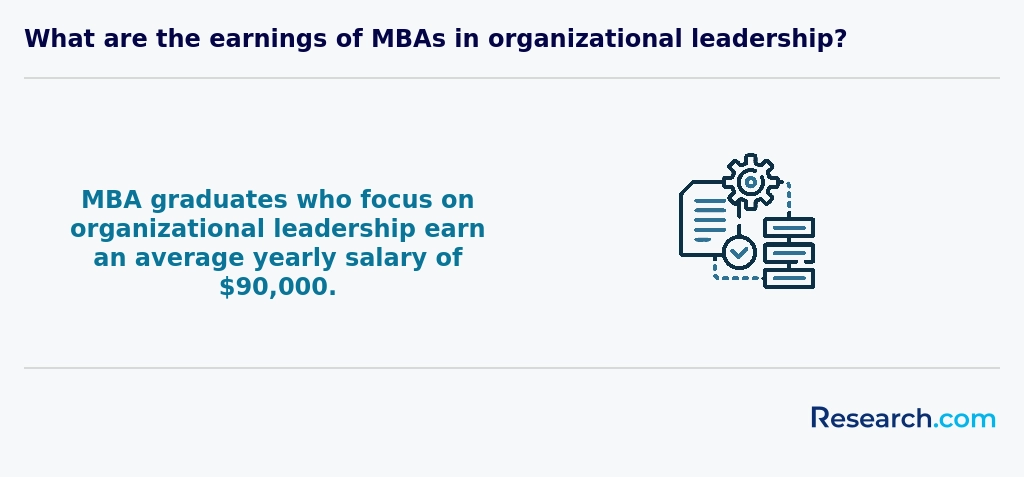
MBA programs in New Jersey typically cover a blend of foundational and advanced courses designed to equip students with versatile business skills. Graduates from schools like Rutgers Business School often share how courses in financial accounting and managerial economics built their confidence in analyzing real company reports and market trends.
Many students find that subjects like marketing management and organizational behavior provide practical tools for leading diverse teams and crafting strategies in dynamic environments. For instance, at Princeton University, students engage deeply with strategic management and business ethics, preparing for leadership roles that require thoughtful decision-making and integrity.
Emerging trends suggest these programs will increasingly incorporate data analytics, digital transformation, and sustainability, reflecting the shifting demands of New Jersey's robust job market. Graduates often recount how hands-on projects connecting theory with New Jersey's industries-finance, tech, and healthcare-enhanced their readiness for real challenges, fueling enthusiasm for lifelong learning and innovation.
What types of specializations are available in MBA degree programs in New Jersey?
MBA specializations in New Jersey frequently include traditional areas like finance, marketing, and healthcare management, each carefully tailored to the local economic landscape. Graduates from well-known institutions often share how specializing in finance opens doors to New Jersey's thriving banking and investment sectors, with real excitement around applying classroom knowledge to real-world financial challenges. Marketing concentrations tap into vibrant industries such as pharmaceuticals and tech startups, enabling students to create innovative campaigns that resonate locally and beyond.
Supply Chain and Operations Management are especially relevant here, given New Jersey's key role as a logistics hub. Students appreciate hands-on experiences optimizing complex supply networks, preparing for careers that impact the efficiency of global companies. Many top MBA concentration options New Jersey also reflect emerging trends; entrepreneurship and sustainability management are gaining traction, appealing to forward-thinking students eager to lead in a changing business environment. For those balancing career and study, programs with flexible pricing like online executive mba fees attract working professionals aiming to advance their skillsets without pause.
How do you choose the best MBA degree in New Jersey?
Choosing the best MBA degree in New Jersey means anticipating future shifts in the business landscape while balancing personal goals. Graduates from Rutgers Business School often reflect on how AACSB accreditation boosted their confidence and job prospects in competitive markets like New York City. Imagine tailoring your MBA to emerging fields like healthcare management or tech entrepreneurship-specializations gaining momentum here-giving you an edge as industries evolve.
Affordability is another forward-looking consideration. Many prospective students compare tuition rates and total costs; public universities often provide more accessible pricing. For those seeking budget-friendly options, exploring Affordable MBA Degree Programs Ranking in Louisiana can offer insights into managing expenses while pursuing quality education. Visualize yourself balancing flexible evening or online classes with a growing career, a reality increasingly common among New Jersey MBA candidates.
Finally, envision leveraging strong alumni networks and career services offered by top programs to secure positions with starting salaries that reflect your investment. This holistic approach to selecting from the best MBA programs in New Jersey will serve you well in an evolving job market.
What career paths are available for MBA degree students in New Jersey?
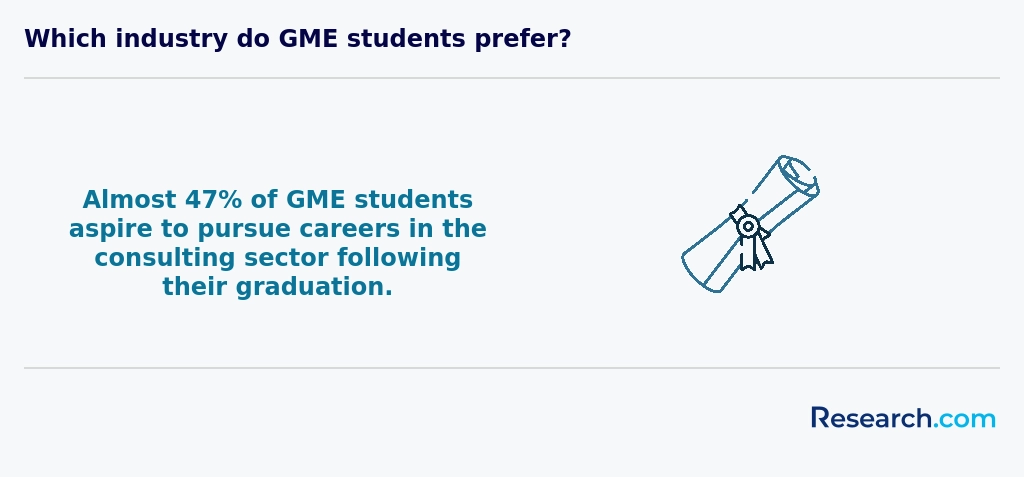
Graduates pursuing an MBA degree in New Jersey can explore a broad spectrum of career paths shaped by the state's dynamic economy. Many find opportunities in financial services, thriving in banking, investment management, and insurance due to New Jersey's established financial institutions. Others apply their skills in healthcare management, leveraging the state's pharmaceutical hubs and hospital networks to drive innovation. Consulting roles also attract recent graduates, offering the chance to provide strategic insights to Fortune 500 companies headquartered nearby.
Popular MBA programs at universities like Rutgers and Seton Hall equip students with leadership and analytical skills, enabling them to thrive in technology and innovation sectors, particularly with Newark's rising startup scene. Manufacturing and logistics remain strong avenues, benefiting from proximity to major ports. Current students often balance career advancement with flexible study options, sometimes exploring a fast track associate's degree online to combine credentials efficiently.
For those aiming at top MBA jobs New Jersey graduates secure, networking within this competitive environment fuels excitement about future possibilities and growth in emerging industries.
What is the job market for MBA degree in New Jersey?
The job market for MBA degree holders in New Jersey remains vibrant and full of promise, with graduates frequently stepping into influential roles at prominent companies such as Johnson & Johnson and Prudential Financial. Many MBA graduates from well-known institutions like Rutgers Business School share experiences of how the state's proximity to major economic hubs like New York City opens doors to competitive positions in finance, marketing, and operations management. These industries continue to value the advanced skills developed during an MBA, reinforcing strong MBA career opportunities in New Jersey.
Graduates often highlight the dynamic environment in sectors like pharmaceuticals and information technology, which are expanding rapidly. The ability to navigate this landscape has led to exciting job prospects for MBA graduates New Jersey, with many finding satisfaction in leadership roles that drive innovation. Networking through associations linked with local schools further amplifies these opportunities.
For those unsure about pursuing business education, understanding what is the easiest bachelor degree to get can be a stepping stone before advancing to an MBA, providing valuable context for educational planning.
Frequently Asked Questions About MBA
Students pursuing an MBA in New Jersey can maximize their learning experience by actively engaging in both academic and professional opportunities. Many top New Jersey programs emphasize experiential learning through internships, consulting projects, and case competitions, helping students apply theory to real-world challenges. For example, Rutgers Business School offers robust connections with the state's financial and pharmaceutical industries, providing access to over 10,000 corporate partners.
Participating in networking events and joining student-led organizations can also expand professional relationships. According to the Graduate Management Admission Council, 85% of MBA students benefit from networking during their studies. Additionally, students should leverage career services offered by institutions for tailored job placement support and skill workshops.
Emerging niches within the MBA field reflect the shifting demands of today's business environment. In New Jersey, specializations like healthcare management and data analytics are gaining significant attention. According to the Graduate Management Admission Council, enrollment in analytics-focused MBA tracks has grown by over 20% nationwide, mirrored in New Jersey's top schools.
Additionally, sustainable business practices and environmental, social, and governance (ESG) management are becoming key areas of study. New Jersey's proximity to major finance and pharmaceutical industries boosts demand for MBAs skilled in financial technology (FinTech) and biotech management.
The emphasis on these niches aligns with local job market growth, making such focused MBA programs particularly valuable for students here.
After completing an MBA degree in New Jersey, effective preparation for the job market is key to career success. Graduates should leverage the strong alumni networks and career services offered by New Jersey's top business schools. These resources often provide employer connections, job fairs, and workshops tailored to MBA students.
Building a professional LinkedIn profile and engaging with local business associations such as the New Jersey Chamber of Commerce can enhance visibility to recruiters. According to the New Jersey Business & Industry Association, networking events boost hiring odds by 40%.
Internships or project work during or immediately after the MBA provide practical experience favored by New Jersey employers in finance, healthcare, and tech sectors. Developing skills in data analytics and digital marketing can increase job market competitiveness, as reported by the Rutgers Business School employment survey 2023.
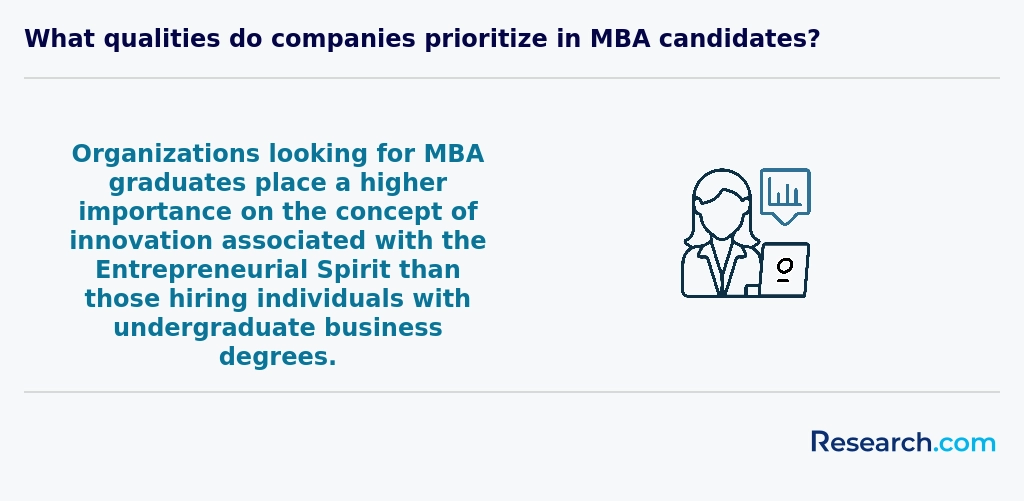
Employers in New Jersey highly value MBA graduates who possess strong leadership and critical thinking skills. According to recent surveys by the Graduate Management Admission Council (GMAC), adaptability and strategic decision-making are among the top competencies sought.
Communication skills rank equally high, as professionals often lead cross-functional teams in diverse business environments. Analytical abilities are crucial too, especially as New Jersey's economy includes finance, pharmaceuticals, and technology sectors.
Data from the New Jersey Business & Industry Association (NJBIA) emphasizes project management and digital literacy as growing priorities for employers hiring MBA graduates within the state.
Finding internships in New Jersey relevant to an MBA degree involves leveraging local business networks and university resources. Many top business schools in New Jersey, such as Rutgers Business School, offer strong career services that connect students with internships in finance, consulting, marketing, and management fields. According to the New Jersey Business & Industry Association, the state hosts over 30,000 businesses, providing a diverse range of internship opportunities. Networking events, career fairs, and LinkedIn groups focused on New Jersey-based companies are valuable tools for MBA students. Additionally, targeting industries like pharmaceuticals, technology, and finance-prominent in New Jersey-can increase chances of securing internships.
Obtaining an MBA degree in New Jersey significantly enhances career mobility and advancement opportunities. New Jersey's diverse economy, which includes finance, pharmaceuticals, and technology sectors, demands skilled managers and leaders. According to the New Jersey Department of Labor, MBA graduates typically experience a 20% higher salary increase within five years of graduation compared to those without advanced degrees.
Employers in New Jersey often prioritize candidates with MBA credentials for managerial roles. The degree provides essential skills in leadership, strategic thinking, and financial management, which are valued across industries. Additionally, networking opportunities through local MBA programs can open doors to regional companies and executive positions.
Data from the Graduate Management Admission Council (GMAC) indicates that MBA holders in the Northeastern US, including New Jersey, reported faster career progression and broader geographic mobility. This advantage supports salary growth and transitions to senior roles in competitive sectors throughout the state.
Studying for an MBA degree in New Jersey offers unique preparation for interdisciplinary roles due to the state's diverse economy, which includes finance, technology, healthcare, and manufacturing sectors. Many New Jersey MBA programs emphasize cross-functional skills such as leadership, data analytics, and strategic thinking, blending business fundamentals with insights from different industries.
Schools like Rutgers Business School provide access to extensive corporate partnerships, enabling students to work on real-world projects that require collaboration across multiple disciplines. According to the Graduate Management Admission Council, over 60% of MBA graduates in New Jersey pursue roles requiring coordination between various business functions, highlighting the value of interdisciplinary training.
Through specialized electives and experiential learning opportunities, New Jersey MBA students develop the flexibility and problem-solving skills needed to manage complex challenges in today's integrated workplace.
Choosing between a thesis and a non-thesis MBA program in New Jersey depends on your career goals and learning preferences. A thesis MBA emphasizes research, requiring students to complete an original project, which suits those interested in academia, consulting, or roles demanding strong analytical skills. Non-thesis programs focus more on coursework and practical experience, ideal for professionals aiming to advance quickly in business management or leadership positions.
In New Jersey, around 40% of MBA programs offer a thesis option, often at research-focused institutions like Rutgers University. The remaining programs emphasize non-thesis paths with internships and case studies. According to the National Center for Education Statistics, non-thesis MBAs typically conclude quicker, averaging 1.5 to 2 years.
Consider also the faculty expertise and resources available at your chosen New Jersey school, as research support may vary. Reflect on your long-term plans and whether you value in-depth research or practical, real-world experience when deciding between these options.
Students based in New Jersey interested in studying an MBA abroad have several pathways to consider. Many universities in New Jersey, like Rutgers Business School, have established partnerships with international institutions, offering exchange programs and dual degrees. These options allow students to gain global exposure while earning credits that count toward their MBA.
Additionally, New Jersey residents may apply directly to prestigious global business schools, with some programs specifically designed for international students. According to the Graduate Management Admission Council, around 20% of U.S. MBA candidates pursue at least part of their studies overseas, reflecting growing interest in global business education.
Financial aid and scholarships for studying abroad are often available through both U.S. and foreign institutions, helping to offset costs. Moreover, students should research visa requirements and accreditation status to ensure their foreign MBA is recognized in the U.S. job market. Overall, New Jersey students have diverse and well-supported options for pursuing an MBA abroad.
Part-time job opportunities in New Jersey that complement MBA education often align with the state's strong industries such as finance, healthcare, and technology. Positions like business analyst, marketing assistant, or financial consultant provide practical experience alongside academic learning. According to the New Jersey Department of Labor, these roles tend to offer flexible hours accommodating evening and weekend MBA classes.
Internships or part-time roles in startups across hubs like Jersey City allow MBA students to apply strategic management and operational skills in real time. Additionally, jobs in nonprofit management help develop leadership and organizational abilities, which are essential for MBA curricula.
Many MBA students also seek roles in project management or corporate training within New Jersey's major corporations, benefiting from network growth and industry exposure to advance their careers after graduation.
Networking opportunities for MBA students in New Jersey are extensive due to the state's proximity to major business hubs like New York City and Philadelphia. Many MBA programs offer organized events such as career fairs, alumni panels, and corporate presentations that connect students with local and national employers. According to data from the Graduate Management Admission Council (GMAC), 78% of MBA graduates from New Jersey institutions found professional opportunities through networking during their program.
Additionally, New Jersey schools often have strong alumni networks which provide mentorship and internship placements. Professional organizations like the New Jersey Business & Industry Association also host regular mixers and workshops specifically designed for MBA students.
Alumni networks play a critical role for MBA students in New Jersey by providing access to a broad professional community. Graduates from New Jersey MBA programs often benefit from connections that help in finding internships, job opportunities, and mentorship. According to data from the Graduate Management Admission Council, nearly 40% of MBA hires in the U.S. are sourced through alumni referrals, highlighting the importance of these networks.
In New Jersey, schools like Rutgers and Stevens Institute of Technology maintain strong alumni groups that host networking events and career workshops. These activities facilitate knowledge sharing and foster lifelong professional relationships.
Moreover, alumni can support current students navigating local industries such as finance, healthcare, and technology, which are prominent sectors in New Jersey's economy. This localized support enhances career growth and increases visibility within competitive markets.
Customizing an MBA degree program in New Jersey allows students to align their education with specific career goals by selecting concentrations and electives that match industry demands. Many New Jersey universities offer flexible options such as finance, marketing, healthcare management, or entrepreneurship tracks. According to the Association to Advance Collegiate Schools of Business (AACSB), over 10 MBA programs in New Jersey provide these specializations. Additionally, students can pursue part-time, full-time, or online formats to fit their schedules.
Internships and networking opportunities within New Jersey's robust business sectors, including pharmaceuticals and finance, help tailor practical experience. Furthermore, some schools provide capstone projects or consulting experiences focused on local businesses, enhancing real-world skills relevant to career objectives.
MBA students in New Jersey often face a range of challenges as they pursue their degrees. One common issue is balancing demanding coursework with professional and personal responsibilities, particularly since many students attend programs part-time while working. According to the Graduate Management Admission Council, nearly 50% of MBA candidates nationwide manage full-time jobs alongside studies, a statistic relevant to New Jersey's urban workforce.
Cost is another significant challenge. Tuition for MBA programs in New Jersey can range from $40,000 to over $100,000, depending on the institution, creating financial pressure for students without employer sponsorship.
Additionally, students may encounter competitive admissions criteria, requiring strong GMAT scores and relevant experience, which can make entry difficult for some applicants. Navigating networking and internship opportunities in a dense metropolitan market such as New Jersey also adds complexity to their MBA experience.
An MBA degree from New Jersey universities opens doors to several respected professional certifications. Graduates often pursue the Certified Management Accountant (CMA) credential, valuable for careers in finance and accounting. Another popular choice is the Project Management Professional (PMP) certification, especially for those aiming to lead complex projects.
The Chartered Financial Analyst (CFA) is also sought by MBA holders interested in investment and portfolio management. According to the Graduate Management Admission Council, over 60% of MBA graduates in the U.S. consider certifications to enhance career prospects, a trend reflected in New Jersey's competitive job market.
These certifications complement an MBA by demonstrating specialized expertise, often leading to higher salaries and leadership roles across industries.
To write a winning application for an MBA program in New Jersey, start by carefully researching each school's specific requirements. Many programs, including those at Rutgers University and Seton Hall, expect a strong GMAT or GRE score-typically above the national average of 580 for GMAT. Clearly articulate your career goals in a well-structured essay, emphasizing how an MBA will help you achieve them.
Highlight relevant work experience and leadership skills, as admissions committees value practical business exposure. Strong letters of recommendation from supervisors or professors are essential to endorse your abilities.
Lastly, tailor your application to reflect familiarity with New Jersey's business environment, showing you understand local industry trends and networks.
The global perspective on an MBA career increasingly emphasizes versatility and adaptability. Graduates with American MBAs, including those from New Jersey, are valued worldwide for strong leadership and analytical skills. According to the Graduate Management Admission Council (GMAC), over 75% of MBA graduates in the U.S. report opportunities in international business roles. New Jersey's proximity to major financial hubs like New York City enhances global networking and career prospects.
Moreover, NJ MBA programs often integrate global case studies and offer study-abroad options, equipping students to navigate diverse markets. The emphasis on digital transformation and sustainability in curricula reflects worldwide business priorities.
Gaining practical experience while pursuing an MBA in New Jersey is achievable through several pathways. Many local institutions encourage internships with the state's thriving industries, such as finance, pharmaceuticals, and technology. For example, according to the New Jersey Business & Industry Association, over 60% of MBA students in the state participate in internship programs during their studies.
Students can also engage in consulting projects and live case studies offered by their universities, connecting theory to real business challenges. Additionally, New Jersey offers access to numerous networking events and workshops that focus on practical skills development.
Part-time and executive MBA programs in New Jersey often allow students to continue working while studying, providing hands-on experience relevant to their fields.
Choosing the right concentration within an MBA program in New Jersey involves aligning your career goals with the state's economic strengths. New Jersey's business landscape is diverse, with strong industries in pharmaceuticals, finance, and technology. Selecting concentrations like healthcare management or finance could leverage local market opportunities.
Consider the curriculum and faculty expertise at institutions such as Rutgers University, which is known for its finance and supply chain programs. According to the Graduate Management Admission Council, more than 40% of MBA candidates prioritize concentrations offering high job placement rates.
Additionally, evaluate internships and networking prospects in New Jersey's business hubs like Newark and Princeton. Concentrations with practical connections to these regions often enhance employment outcomes. Finally, review program flexibility to fit your schedule, especially if balancing work and studies.
Related MBA Rankings for Nearby States
- 2027 Most Valuable MBA Degree Programs Ranking in Delaware
- 2027 Most Valuable MBA Degree Programs Ranking in Pennsylvania
- 2027 Most Valuable MBA Degree Programs Ranking in Connecticut
- 2027 Most Valuable MBA Degree Programs Ranking in Indiana
- 2027 Most Valuable MBA Degree Programs Ranking in Georgia
- 2027 Most Valuable MBA Degree Programs Ranking in Florida
- 2027 Most Valuable MBA Degree Programs Ranking in Illinois
- 2027 Most Valuable MBA Degree Programs Ranking in Alabama
- 2027 Most Valuable MBA Degree Programs Ranking in Missouri
- 2027 Most Valuable MBA Degree Programs Ranking in Arkansas
Top Trending MBA Rankings
References
- How to balance a part-time MBA while working full-time https://www.manchester.ac.ae/blog-post/how-to-balance-a-part-time-mba-while-working-full-time
- 6 Tips to Make the Most of Your MBA Experience https://mbaschooled.com/2020/01/14/6-tips-to-make-the-most-of-your-mba-experience/
- MBA Internships: Find 5400 MBA Intern Jobs https://internshala.com/internships/mba-internship/
- What Work Experience Do You Need For an MBA? | Articles | Unimy https://www.unimy.com/article/blog-mba-preparation-admissions-mba-work-experience
- MBA Career Outlook from a Global Perspective Margaret Buj https://interview-coach.co.uk/mba-career-outlook-from-a-global-perspective/
- Future-Proof Your Career with an MBA in India : MIT-WPU Blog https://mitwpu.edu.in/blog/emerging-specialisations-in-mba---how-to-future-proof-your-business-career-in-india
- Top MBA programs with the best alumni networks in the world - MBA Crystal Ball https://www.mbacrystalball.com/blog/2025/07/07/top-mba-programs-with-the-best-alumni-network-in-the-world/
- Why Employers Prize a Global Perspective from MBA Graduates | WU Executive Academy https://executiveacademy.at/en/knowledge/career/why-employers-prize-a-global-perspective-from-mba-graduates
- Follow These 10 Steps To Write Your MBA Application Essays - ApplicantLab https://www.applicantlab.com/blog/10-steps-to-write-your-mba-application-essay/
- Verifying that you are not a robot... https://krea.edu.in/ifmrgsb/top-5-emerging-career-paths-for-mba-graduates/


