
2027 Most Valuable MBA Degree Programs Ranking in the Northeast

Co-Founder and Chief Data Scientist
Choosing the right MBA program is a big step toward advancing your career and personal growth. For students in the Northeast, finding a program that offers both value and quality can be challenging.
This article presents the 2027 Most Valuable MBA Degree Programs Ranking in the Northeast, created by the Research.com team of data scientists. Their expert analysis helps you identify programs that truly stand out, making it easier to choose a path that fits your goals.
Reading this guide will provide clarity and confidence on your MBA journey, highlighting opportunities that can unlock your potential.
Key benefits of getting MBA degree in the Northeast
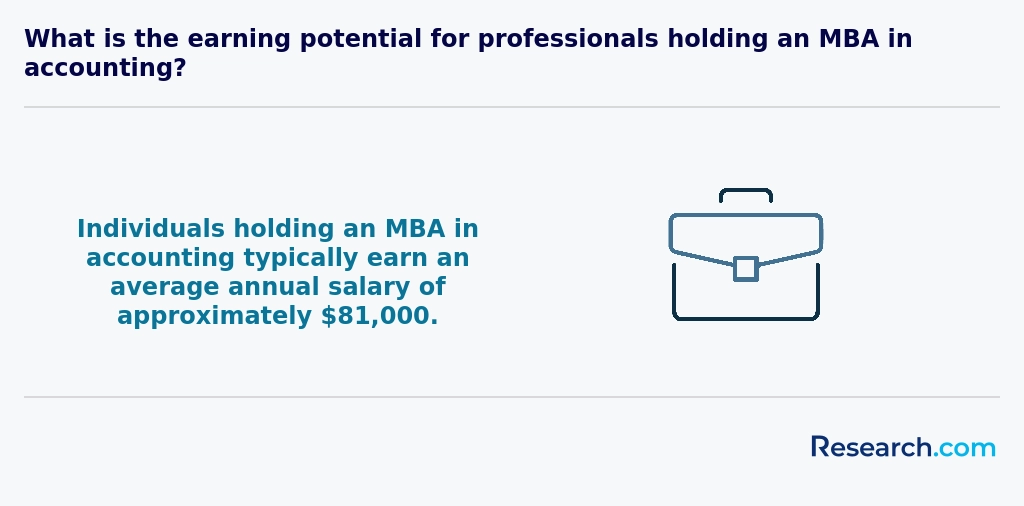
- Although specific salary data from the Northeast is unavailable, MBA graduates in the US typically earn competitive salaries, often exceeding $80,000 annually, with strong potential for growth in various industries.
- MBA graduates from popular Northeast schools like Boston University often pursue diverse careers in finance, marketing, consulting, and entrepreneurship, providing exciting opportunities to advance in their chosen fields.
- Online MBA graduates from universities such as Northeastern University benefit from flexible schedules and the ability to balance work and study, enabling career growth without interrupting their current jobs.
- Key benefits of getting MBA degree in the Northeast
- What can I expect from MBA degree in the Northeast?
- Where can I work with MBA degree in the Northeast?
- How much can I make with MBA degree in the Northeast?
- 2027 Most Valuable MBA Degree Programs Ranking in the Northeast
- Key Findings
- How long does it take to complete MBA degree in the Northeast?
- Return on Investment (ROI) Analysis
- What's the difference between online and on-campus MBA degree?
- Maximizing ROI with Affordable MBA Options
- What is the average cost of MBA degree in the Northeast?
- What financial aid is available to MBA degree students in the Northeast?
- What are the prerequisites for enrolling in MBA degree program in the Northeast?
- MBA Program Accreditation and Recognition
- What courses are typically in MBA degree programs in the Northeast?
- What types of specializations are available in MBA degree programs in the Northeast?
- How do you choose the best MBA degree in the Northeast?
- What career paths are available for MBA degree students in the Northeast?
- What is the job market for MBA degree in the Northeast?
- Top Trending MBA Rankings
What can I expect from MBA degree in the Northeast?
If you're eyeing an MBA in the Northeast, be ready for a price tag that's a bit higher than average. Top programs like those at Harvard Business School or MIT Sloan often come with tuition fees north of $70,000 a year. But many grads say the investment feels totally worth it-thanks to amazing networking events, internships, and access to huge companies right in Boston or New York City.
One graduate from Wharton shared how the financial aid and fellowships they landed really helped ease the cost pressure, making the steep tuition less daunting. Plus, with the region's strong job market, many find that their salary bump after graduating quickly offsets what they spent on tuition. Think salaries pushing past $120,000, especially in finance or tech roles.
It's not just about the money, though-students love the chance to dive into hands-on projects and real consulting gigs that are common around here. You're not just paying for classes; you're paying to plug directly into some of the biggest business hubs in the country.
Where can I work with MBA degree in the Northeast?
If you're earning an MBA in the Northeast, the career opportunities practically jump off the page. Graduates from places like Harvard Business School or Wharton often land jobs in New York City's bustling finance scene, working at firms like Goldman Sachs or JPMorgan Chase. Imagine yourself diving into investment banking or corporate finance right where the action happens.
On the other hand, if you studied at MIT Sloan or Boston University, you might find yourself steering projects in biotech or healthcare management at places like Massachusetts General Hospital or Biogen. Many grads say it's exciting to be part of innovations that actually change lives.
Tech startups in Boston, Cambridge, and Philadelphia also attract MBA alums who love working in product management or business development. These fast-moving environments give you a chance to wear many hats and really grow.
Plus, if government work is your thing, Washington, D.C., offers roles in federal agencies and nonprofits where MBAs are valued for leadership. Alumni from Georgetown or George Washington University often share how rewarding it feels to make an impact on public policy.
How much can I make with MBA degree in the Northeast?
If you're eyeing an MBA in the Northeast, especially from schools like Harvard Business School or NYU Stern, you're likely wondering about the paycheck waiting at the finish line. Graduates often share stories of starting salaries that comfortably sit between $115,000 and $145,000, depending on their chosen field. Imagine stepping out of campus life in Boston or Manhattan and landing a role in finance or consulting, where base salaries can quickly top $140,000, with bonuses boosting your total haul. That's the vibe many MBA grads experience around here.
It's not all about finance, though. Those who venture into tech or healthcare management find starting salaries a bit lower but still solid-usually in the $110,000 to $130,000 range. And if you think about the great work-life balance some grads find in nonprofit sectors or smaller firms, those starting salaries of $90,000 to $110,000 can still feel like a win. Living in the Northeast, with its bustling cities and high cost of living, means you get paid well but also spend smartly.
2027 Most Valuable MBA Degree Programs Ranking in the Northeast
How do we rank schools?
Investing in your education is a significant decision that can impact your professional and personal future, and the Research.com team is committed to helping you make well-informed choices. To create the "2027 Most Valuable MBA Degree Programs Ranking in the Northeast," we undertook a thorough approach to ensure the ranking's quality, credibility, and accuracy. Our evaluation process is built on careful analysis and trusted data sources.
We utilized the following reputable data sources to compile this ranking:
By reviewing this ranking, readers will gain valuable insights into the most valuable MBA programs in the Northeast, empowering them to choose programs that align with their career goals and investment expectations. For a deeper understanding of how the ranking was developed, please visit our Research.com methodology page.
# 1 position
Thomas Edison State University
Master of Business Administration

# 2 position
Pennsylvania State University-World Campus
Master of Business Administration



# 6 position
Peirce College
Master of Business Administration


Key Findings
- The cost of a two-year full-time MBA in the Northeast ranges from $70,000 to over $120,000, including tuition and fees.
- Living expenses in cities like New York, Boston, and Philadelphia add significantly to the total cost of obtaining an MBA.
- Starting salaries for MBA graduates in the Northeast average between $105,000 and $120,000 per year.
- Median long-term salaries often exceed $150,000, especially in finance, consulting, and technology fields.
- The region offers strong job prospects due to many Fortune 500 companies, financial centers, and tech hubs.
- Competitive GMAT or GRE scores and relevant work experience are usually required for admission to top programs.
How long does it take to complete MBA degree in the Northeast?
So, if you're thinking about getting an MBA in the Northeast, the typical time to finish really depends on the kind of program you choose. At places like Boston University or NYU, full-time MBA programs usually take about two years-enough time for most grads to juggle studies, networking, and some fun city exploring.
But it's not just about full-time. Some students go part-time, stretching their studies over three years or more while keeping their day jobs. Those folks often tell stories about late-night study sessions after work but love the balance it gives them.
Then there are the go-getters who enrol in accelerated MBA programs-some finish in as little as 12 to 18 months. Imagine hustling through courses like those at Northeastern University, powering through an intense but rewarding schedule.
Executive MBA programs also pack in lessons around busy professional lives, typically lasting about 18 to 24 months but with fewer in-person days.
Whichever path you pick in the Northeast, students find ways to tailor their journey, blending career goals with the pace that suits their lifestyle best.
Return on Investment (ROI) Analysis
A critical factor for any prospective MBA candidate is understanding the return on investment (ROI) of a program. In the Northeast, top-tier schools command premium tuition, but graduates often see rapid salary growth that offsets initial costs. On average, MBA alumni report a salary increase of 55–70% within three years post-graduation, with median salaries rising from approximately $65,000 pre-MBA to over $120,000 after completion. To calculate ROI, consider:
- Total Program Cost: Tuition, fees, and living expenses (often $80,000–$200,000 over two years)
- Salary Uplift: Difference between pre-MBA and post-MBA compensation
- Payback Period: Time required to recoup total program cost through increased earnings For example, a graduate paying $150,000 in total costs who achieves a $60,000 annual salary bump can expect a payback period of 2.5 years. This calculation improves when factoring in employer sponsorship, scholarships, or assistantships. Beyond salary metrics, intangible benefits-networking opportunities, leadership development, and prestige-contribute to long-term career acceleration. When evaluating programs, balance ROI with personal and professional goals. Prospective students should also explore affordability rankings to optimize cost versus benefit; for parallel insights into cost-effective options, see our Cheapest MBA Degree Programs Ranking in Arkansas. By quantifying both financial and experiential returns, candidates can select an MBA program that maximizes ROI and aligns with their career trajectory in the competitive Northeast market.
What's the difference between online and on-campus MBA degree?
If you're weighing an MBA in the Northeast, the biggest difference between online and on-campus programs boils down to how you experience learning and life. Imagine attending Harvard Business School in person-being right there in the classroom, chatting with professors face-to-face, and hitting up networking events after class. Graduates often say those in-person moments really helped build lasting connections and opened career doors.
On the flip side, online MBA students at places like Northeastern University enjoy rocking their classes from their couch, juggling work and family without the stress of a commute. It's all about flexibility: asynchronous sessions let you study on your own schedule, which many working professionals appreciate.
Tuition also tells a story. On-campus MBAs in the Northeast can top $70,000 per year, while online options like Rutgers tend to be more budget-friendly, usually between $30,000 and $60,000 total. Plus, online programs rely on virtual networking, which can feel different but still effective if you're proactive.
Maximizing ROI with Affordable MBA Options
In today’s competitive business landscape, weighing the return on investment is as crucial as evaluating program quality. Prospective students often seek paths that balance academic excellence with financial feasibility. This section sheds light on cost-effective strategies and alternative formats that can optimize your MBA investment. Many institutions in the Northeast now offer flexible study options that reduce overhead costs, such as part-time tracks, online programs, and accelerated degrees. Additionally, emerging formats like cheap executive mba options provide a viable pathway for professionals aiming to advance their careers without the extensive financial burden often associated with traditional programs. By considering factors such as tuition fees, hidden costs, and future earning potential, students can make informed decisions that enhance long-term career growth. This thoughtful approach not only prioritizes immediate financial considerations but also supports sustained professional development and leads to a stronger ROI over the course of one’s career.
What is the average cost of MBA degree in the Northeast?
The average cost of an MBA degree in the Northeast can be pretty eye-opening, especially if you're looking at universities like NYU Stern, Columbia Business School, or Boston University. Based on actual data, you're generally looking at around $53,000 total for the program, which feels like a solid middle ground compared to some of the sky-high figures you might hear about. Graduates often mention that while the price is definitely an investment, the experience and connections they built during their time made it worth every penny.
When thinking about the average MBA degree cost Northeast students face, it's important to remember that this includes tuition but also other expenses. Living in cities such as Boston or New York comes with a higher price tag too-with rent and daily costs adding up quickly. Still, many find that the career opportunities and access to big-name companies close by make the financial stretch easier to justify. If you're worried about stretching your budget, researching cheap executive mba options within the region can be a smart way to reduce total MBA program expenses Northeast students often encounter.
Many part-time MBA candidates in the Northeast who hold a full-time job while studying appreciate the flexibility, though it can affect the overall cost calculations since they balance work and school. Thinking about these numbers realistically can help you find the right fit for your goals without surprises.

What financial aid is available to MBA degree students in the Northeast?
If you're chasing an MBA in the Northeast, there's definitely financial help out there that can make a big difference. Many grads from places like Boston University or NYU have leaned on federal aid like Direct Unsubsidized Loans or Grad PLUS Loans through FAFSA-these come with lower interest rates than most private loans, which is a relief when you're juggling tuition that can easily top $100,000. Some even snag federal work-study gigs that help cover everyday expenses without pulling them too far from class.
State perks are another bonus. For instance, if you're a Massachusetts or New York resident, scholarships and grants linked to those states can really soften the blow. Those merit scholarships based on smarts or leadership? They're not just buzzwords-graduates often talk about how they slashed their bills with awards from their schools.
And if you're working while studying, employer tuition reimbursement often feels like hitting a jackpot. Keeping your job and grades steady usually seals the deal. Plus, foundations like the Forte Foundation dish out scholarships that spotlight diversity and women in business, opening even more doors.
Some programs even offer cool options like income-share agreements, so you pay back based on what you earn later. It's pretty comforting thinking about finishing school without crushing immediate debts.
What are the prerequisites for enrolling in MBA degree program in the Northeast?
If you're aiming for an MBA in the Northeast, getting in usually means ticking a few key boxes. Most programs want you to have a bachelor's degree, but it doesn't have to be business-plenty of grads from science, humanities, or engineering backgrounds have made the leap successfully. For example, a friend who joined MIT Sloan came from an engineering field but had taken some basic economics classes beforehand just to get comfortable with the business lingo.
Then there's the GMAT or GRE. Many top schools like Harvard or Wharton expect scores around 650 to 700 on the GMAT. But don't stress if your work experience is strong-as some part-time programs in the region actually waive test scores if you have a few solid years in the field. Speaking of work, you'll often need two to three years of professional experience. Several grads I know loved how their leadership roles before business school helped them hit the ground running in classes.
Finally, be ready with letters of recommendation, a resume, and a statement of purpose. Sharing your real career goals and why you want that MBA really matters at Northeast schools. It's a big step but hearing how others navigated it can give you that extra boost of confidence.
MBA Program Accreditation and Recognition
MBA program accreditation and recognition are crucial factors that prospective students should consider when choosing a program in the Northeast. Accreditation ensures that the program meets certain standards of quality and is recognized by employers and other academic institutions. The most respected accrediting agencies for business schools in the United States are the Association to Advance Collegiate Schools of Business (AACSB), the Accreditation Council for Business Schools and Programs (ACBSP), and the International Accreditation Council for Business Education (IACBE). These agencies evaluate programs based on factors such as curriculum, faculty qualifications, and student outcomes. A graduate from a prestigious university in Boston emphasized the importance of accreditation, stating, "I chose my program because it was AACSB-accredited, which I knew would open more doors for me in my career." Recognition from reputable organizations, such as the Princeton Review or Bloomberg Businessweek, can also indicate a program's quality and reputation. When researching MBA programs in the Northeast, students should look for accreditation from one of the recognized agencies and consider recognition from reputable organizations to ensure they are investing in a high-quality education that will be valued by employers.
What courses are typically in MBA degree programs in the Northeast?
If you're diving into an MBA in the Northeast, expect a solid mix of courses that nail down the essentials but also give you the edge with regional strengths. Graduates from schools like Boston University or NYU often mention how courses like Accounting and Financial Reporting helped them decode real company financials during internships in the city. Marketing Management classes there aren't your basic lectures-they dive deep into digital trends and consumer behaviors which makes projects feel super relevant, especially if you're aiming for roles in NYC's marketing scene.
Operations and Supply Chain Management is another favorite, especially at universities near major ports or logistic hubs, where students work through real logistics puzzles, mirroring what companies in the Northeast face daily. Plus, Organizational Behavior and Leadership courses prepare you for the real challenges of leading diverse teams, something grads from schools in Hartford found invaluable when stepping into tech startups.
Many classmates love the hands-on feel of Data Analytics and Decision Modeling, crunching numbers that actually influence local business strategies. And since ethics is a big deal nowadays, Business Ethics and Corporate Social Responsibility courses really help you build a reputation for responsible leadership-super important when working in close-knit Northeastern communities.
What types of specializations are available in MBA degree programs in the Northeast?
If you're thinking about MBA specializations in the Northeast, you're in luck-there's a ton of variety that really matches what's booming around here. Graduates from places like Wharton or MIT Sloan often rave about finance tracks, which make perfect sense given the proximity to Wall Street and major financial hubs in New York City. Others dive into technology management, especially with Boston's huge tech scene. Imagine managing product development at a startup or leading innovation at a biotech firm-that's the kind of work you'll be prepared for.
When it comes to the best MBA concentration options Northeast offers, healthcare management stands out too, thanks to the region's strength in hospitals and pharma companies. And marketing isn't left out; many grads love how their programs blend digital marketing with analytics, gearing them up for roles in big urban markets. If you're intrigued by startups, entrepreneurship is another top pick, giving you the skills to take risks and grow new ventures with confidence. Many programs even let you combine these, so you don't have to pick just one path.
And if you want to see how tuition compares, you might check out the Cheapest MBA Degree Programs Ranking in Arkansas for perspective on costs elsewhere, helping you make an informed choice about your investment.
How do you choose the best MBA degree in the Northeast?
Picking the best MBA degree in the Northeast means zeroing in on what really matters to you. Graduates from top programs like those at Harvard or Wharton often say the networking scene around New York and Boston made all the difference in landing their first post-MBA job. It's not just about flashy rankings-look into how well the program fits your personal goals and financial situation. For example, tuition can vary a lot; Columbia's fees can top $77,000 a year, so if you want affordable MBA degrees in Northeast schools, make sure you explore scholarships or employer sponsorships.
Curriculum flexibility is also key. Some graduates loved having part-time or online options that let them juggle work and study. And if you're curious about quick wins, check out some 6 month online programs that pay well to complement your MBA journey. In the end, focus on a program that feels right for your lifestyle and supports your career ambitions.
What career paths are available for MBA degree students in the Northeast?
Graduates with an MBA degree in the Northeast find themselves in a playground of career opportunities thanks to the region's vibrant economy. Whether you're coming from a top school like Harvard or MIT Sloan, you'll notice peers diving into roles in finance, consulting, or tech management. NYC's financial scene attracts many who jump into investment banking or asset management, leveraging the proximity to Wall Street. Meanwhile, Boston's innovation districts are buzzing with tech and healthcare startups, perfect for those aiming at management roles in these fast-paced fields.
One cool thing about career opportunities with an MBA degree in the Northeast is how interconnected everything feels. Graduates often talk about how networks built at schools like Wharton open doors in consulting firms and marketing leadership in major corporations around Philly or Boston. If you're wondering how to get ahead, finding easy phd programs to get into can be a smart move to supplement business expertise and stand out even more.
What is the job market for MBA degree in the Northeast?
The job market outlook for MBA graduates Northeast is looking solid, especially in cities like New York, Boston, and Philadelphia where industries such as finance, consulting, and tech are booming. Graduates from well-known schools around here often share stories about landing high-paying jobs shortly after finishing their programs. One grad from a popular Boston college said their internship with a local startup turned into a full-time gig, thanks to the region's tight-knit network. It's not unusual for these MBAs to start with salaries ranging from $90,000 to $125,000, particularly in finance and consulting roles.
Another great aspect is the career opportunities with MBA degree Northeast, which are bolstered by the presence of many Fortune 500 companies and active startup scenes. Employers here know the value of MBA skills and actively recruit, so the competition is friendly but fierce. If you're considering options, some grads recommend balancing the cost with value by checking out affordable online phd programs that can complement your MBA journey.
Frequently Asked Questions About MBA
Students pursuing an MBA degree in the Northeast can enhance their learning experience by taking advantage of the region's robust network of business hubs and industries. Engaging in internships with companies in New York City, Boston, or Philadelphia provides practical exposure that complements classroom learning. According to the Graduate Management Admission Council, 85% of MBA graduates in the Northeast report internships as critical to career success.
Additionally, students should actively participate in case competitions and business clubs, which are prevalent in regional universities like Harvard and Wharton. These activities develop leadership and teamwork skills essential for business roles. Networking events hosted by these schools also connect students with influential alumni and recruiters.
Utilizing resources from professional organizations such as the Northeast Business Roundtable can further boost career preparedness. Finally, choosing MBA programs with strong ties to the local economy can improve job placement rates, which for top Northeast schools often exceed 90% within three months after graduation.
The MBA field in the Northeast is rapidly evolving, with emerging niches attracting increasing interest. One prominent area is technology management, reflecting the region's strong tech industry presence, especially in cities like Boston and New York. Programs are integrating data analytics, artificial intelligence, and cybersecurity into their curriculum to prepare students for digital transformation roles.
Another growing niche is sustainability and environmental management. Schools such as Rutgers and Northeastern are expanding offerings focused on green business practices and corporate social responsibility, responding to rising demand for leaders in sustainable industries.
Healthcare management also remains a key focus, leveraging Northeast's vast healthcare ecosystem. According to the Graduate Management Admission Council (GMAC) 2023 report, MBA specializations in healthcare are up 12% among applicants from the region.
After completing an MBA degree in the Northeast, preparing for the job market involves targeted strategies that match regional economic strengths. The Northeast hosts major finance, technology, and consulting hubs, making networking critical. Schools often offer strong alumni connections and on-campus recruiting events focused on these industries.
Graduates should leverage career services to refine resumes and interview skills specifically for competitive markets like New York City and Boston. According to the Graduate Management Admission Council, 85% of MBA employers in these cities value internships and practical experience, so seeking internships during study is essential.
Understanding local job trends, such as the growing demand for data analytics and sustainable business, will further improve employment prospects.
Employers in the Northeast seek MBA graduates with a blend of analytical skills and leadership abilities. According to the Graduate Management Admission Council (GMAC), proficiency in data analysis, financial acumen, and strategic thinking are critical. These skills help graduates tackle complex business challenges effectively.
Communication and teamwork remain highly valued, with 78% of Northeast employers emphasizing collaboration and interpersonal skills. The region's competitive job market also demands adaptability and innovation, especially in sectors like finance and technology.
Moreover, ethical decision-making and a global mindset are increasingly important as businesses expand internationally. The Association to Advance Collegiate Schools of Business (AACSB) highlights that MBA programs in the Northeast focus heavily on these competencies to prepare students for evolving workplace demands.
Finding internships relevant to MBA degrees in the Northeast involves leveraging both university resources and regional industry connections. MBA students should start by using their school's career services, which often have partnerships with local businesses in finance, technology, and consulting sectors.
The Northeast hosts major financial hubs like New York City, Boston, and Philadelphia, providing access to thousands of internship opportunities. According to the Graduate Management Admission Council's 2023 report, nearly 75% of MBA interns in this region secure positions through school-affiliated recruiting events.
Networking at industry conferences and joining MBA-specific organizations such as the Northeast Business Group on Health can also increase internship prospects. Online portals like LinkedIn and Handshake tailored to the Northeast are valuable for discovering openings and connecting with recruiters.
Additionally, students should consider reaching out directly to companies known for hiring MBA interns, including top consulting firms and regional start-ups.
The Northeast is a major hub for finance, consulting, and technology industries, making an MBA degree highly valuable for career mobility and advancement in this region. According to the Graduate Management Admission Council (GMAC) 2023 report, MBA graduates in the Northeast see an average salary increase of over 60% within five years of completing their degree. This reflects strong demand for advanced business skills in competitive metropolitan areas like New York City, Boston, and Philadelphia.
Networking opportunities provided by Northeast MBA programs also accelerate career growth. Many top schools maintain close connections with local employers, offering students internships and recruitment events that directly lead to job placements in sought-after firms. In turn, this access helps graduates transition into leadership roles more quickly than peers without an MBA.
Additionally, employers in the Northeast often prioritize MBA credentials when considering promotions or internal transfers. The degree signals not only mastery of business fundamentals but also readiness to manage complex projects and diverse teams. This makes MBAs an important investment for professionals targeting upward mobility in the region's competitive job market.
Studying for an MBA degree in the Northeast offers a robust foundation for interdisciplinary roles by blending business education with exposure to diverse industries. Top programs in this region emphasize collaboration across fields such as technology, healthcare, and finance, reflecting the Northeast's dynamic economy. According to the Graduate Management Admission Council, 65% of MBA graduates nationwide report working in cross-functional roles, with Northeast institutions often integrating data analytics, leadership, and strategy courses to enhance versatility.
Many schools also encourage internships and projects partnered with companies in various sectors, providing practical experience in interdisciplinary teamwork. This regional focus equips students with critical problem-solving skills required in multifaceted business environments.
When choosing between a thesis and a non-thesis MBA program in the Northeast, consider your career goals and learning preferences. Thesis programs generally focus on research and require a substantial written project, which may benefit students aiming for academic, consulting, or analytical roles. Non-thesis programs emphasize practical skills, with coursework and internships prioritized, suitable for those targeting immediate application in business environments.
In the Northeast, schools such as Boston University and Rutgers offer both tracks, with thesis MBAs often extending program length by one semester. According to the Graduate Management Admission Council, about 60% of MBA students prefer non-thesis options for flexibility and quicker graduation.
Cost and time commitment are important too; thesis programs may incur higher costs due to longer durations. Finally, consider faculty expertise and available resources in your chosen school, as research opportunities vary widely in this region.
Students based in the Northeast who wish to study for an MBA abroad have several pathways to explore. Many top-ranked MBA programs in this region, such as those at Harvard Business School and Wharton, offer exchange programs or dual-degree options with prestigious international institutions. This allows students to gain global experience while remaining enrolled in their home program.
Additionally, students may consider universities in countries with strong ties to U.S. business education, like the United Kingdom, France, and Canada. According to the Graduate Management Admission Council, about 20% of U.S. MBA candidates are interested in international study opportunities, reflecting growing demand for global perspectives.
Programs focusing on international business or global leadership, often available at Northeast schools, further prepare students for studying abroad by offering targeted coursework and language support services.
Part-time job opportunities in the Northeast that complement MBA education often align with roles in finance, consulting, and marketing. Cities such as Boston and New York host numerous firms that seek MBA students for internships and part-time analyst positions. These roles provide practical experience, helping students apply classroom theory to real-world business challenges.
According to the Graduate Management Admission Council (GMAC), nearly 60% of MBA candidates in the Northeast work while studying. Common part-time jobs include financial analysis, project management assistantships, and digital marketing roles. These jobs enhance skills in leadership, strategic thinking, and data analysis.
Local networking events and university career centers are vital for connecting MBA students with relevant part-time roles. Employers in sectors like healthcare administration and tech startups also offer flexible opportunities that fit well with part-time study schedules.
The Northeast region of the United States offers rich networking opportunities for MBA students, supported by a dense concentration of top business schools and multinational corporations. Leading universities such as Harvard, Wharton, and MIT Sloan provide access to extensive alumni networks, industry events, and mentorship programs.
Many MBA programs in this region host regular career fairs and panel discussions with executives from financial services, technology, and consulting sectors. According to the Graduate Management Admission Council, 85% of MBA graduates in the Northeast report leveraging school-sponsored networking events for job placements.
Proximity to major urban centers like New York City, Boston, and Philadelphia also allows MBA students to engage with startup incubators and professional associations. These connections enhance career prospects and offer opportunities for internships and collaborative projects.
Alumni networks play a significant role in supporting MBA students in the Northeast. These connections often provide valuable mentorship, career guidance, and access to exclusive job opportunities. For instance, top business schools like Wharton and NYU Stern boast extensive alumni communities that actively engage with current students.
According to the Graduate Management Admission Council, 85% of MBA graduates leverage their alumni network to advance their careers. In the Northeast, where corporate hubs like New York City and Boston dominate, these connections can be a vital bridge to industries such as finance, consulting, and technology.
Networking events, alumni panels, and online platforms enable students to build lasting professional relationships that extend beyond graduation.
Customizing an MBA program in the Northeast begins with selecting a school that offers flexible curriculum options. Many top programs allow students to choose concentrations such as finance, marketing, healthcare management, or entrepreneurship. This flexibility helps align studies with specific career goals.
Additionally, internships and experiential learning opportunities are vital. Schools in the Northeast often have strong connections with industries like finance in New York City or technology in Boston, which can boost practical experience and networking.
Elective courses, dual degrees, and certificate programs also enhance customization. According to U.S. News & World Report, about 65% of MBA programs in this region offer such options to meet diverse professional interests.
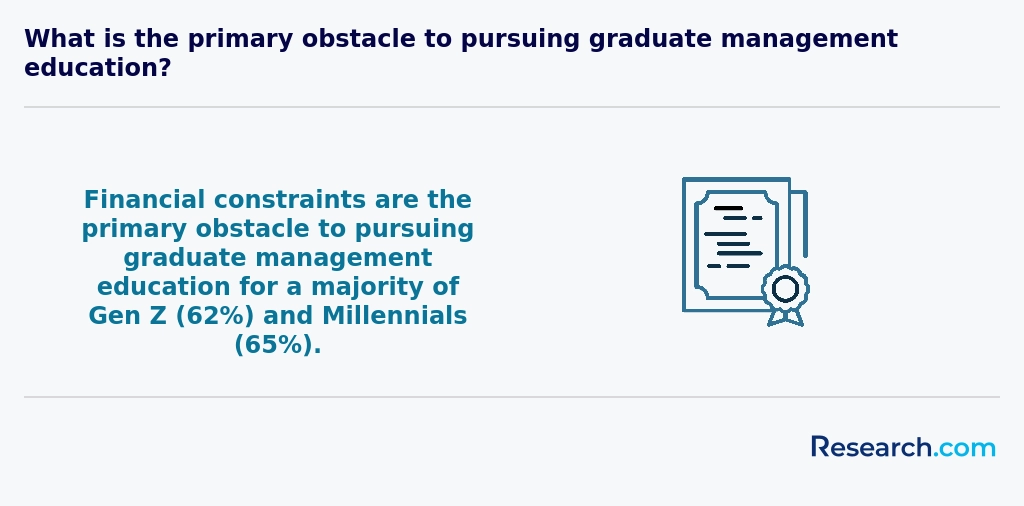
MBA students in the Northeast often face significant financial challenges. Tuition fees at top regional schools like Harvard, Wharton, and MIT Sloan can exceed $70,000 per year, with living costs in cities such as New York and Boston adding substantially to expenses. According to U.S. News & World Report, the average debt for MBA graduates in this area is over $60,000, contributing to post-graduation financial strain.
Academic rigor is another common difficulty. Northeast MBA programs emphasize case-based learning and real-world projects, demanding strong time management and critical thinking skills. Additionally, the competitive environment places pressure on students to excel while networking effectively within high-achieving peer groups.
With an MBA degree, professionals in the Northeast can pursue several well-recognized certifications to boost their careers. Popular certifications include the Certified Public Accountant (CPA) for those interested in accounting and finance roles. The CPA remains highly valued in states like New York and New Jersey, where demand for licensed accountants is strong.
Many MBA graduates also pursue the Project Management Professional (PMP) certification. This is especially valuable in industries such as technology and healthcare, which are prominent in the Northeast region.
Another key certification is the Chartered Financial Analyst (CFA), often chosen by MBA graduates working in investment banking and asset management in financial hubs like Boston.
Additionally, the Certified Management Accountant (CMA) is a popular choice for those focusing on corporate finance and management accounting.
Writing a winning application for an MBA program in the Northeast requires careful preparation and strategic presentation. Start by researching each school's unique culture and values, since top Northeastern programs like Harvard Business School and Wharton emphasize leadership potential and community impact. Craft a compelling personal statement that highlights your professional achievements supported by quantifiable results, such as promotions or revenue growth, which demonstrate your readiness for advanced business study.
Admissions committees in this region typically expect strong GMAT or GRE scores; the average GMAT for top Northeast programs hovers around 720 to 730, according to Poets&Quants. Incorporate clear career goals that align with the school's offerings and regional business strengths. Additionally, solid letters of recommendation from supervisors familiar with your work ethic and skills can significantly boost your application strength.
The global perspective on MBA careers recognizes the degree as a key driver for leadership roles and international business opportunities. Graduates from Northeast MBA programs often benefit from the region's strong financial and corporate sectors, with schools like Harvard and Wharton consistently ranking among the top worldwide.
According to the Graduate Management Admission Council's (GMAC) 2023 report, 67% of MBA graduates from Northeast schools pursue global career paths. This includes roles in consulting, finance, and technology across major markets such as Europe and Asia.
Employers value the strategic, analytical, and leadership skills developed in MBA programs, facilitating mobility in multinational companies. The Northeast's concentration of global firms provides a unique advantage for networking and internships, helping students gain relevant international experience.
Gaining practical experience while pursuing an MBA degree in the Northeast is essential for enhancing career prospects. Many programs offer internship opportunities through partnerships with local businesses in major cities like New York, Boston, and Philadelphia. According to the Graduate Management Admission Council (GMAC), over 80% of MBA students in this region participate in internships during their studies.
Additionally, students can engage in consulting projects, which allow them to work directly with real companies to solve business challenges. Many schools also provide access to specialized labs and entrepreneurship centers, giving hands-on experience in innovation and startup development.
Networking events and career fairs within these urban centers further connect students to industry professionals, supplementing practical learning with valuable contacts.
Choosing the right concentration within an MBA program in the Northeast requires understanding your career goals and regional industry demands. Popular concentrations include finance, healthcare management, technology, and consulting, reflecting the Northeast's diverse economy. For example, New York City's strong financial sector supports demand for finance-focused MBAs, while Boston's healthcare and biotech industries favor healthcare management specializations.
Research program outcomes using resources like U.S. News & World Report or the Financial Times rankings, which often highlight employment statistics and average salaries for concentrations. Additionally, consider networking opportunities and internships offered by schools, as proximity to major Northeast companies can enhance practical experience.
Finally, seek programs accredited by AACSB, ensuring rigor and recognition across industries. This detailed approach will help align your MBA concentration choice with both your aspirations and the Northeast job market.
Top Trending MBA Rankings
References
- How to Choose the Best MBA Program for Your Career Goals https://www.clearadmit.com/2025/05/how-to-choose-the-best-mba-program-for-your-career-goals/
- Why Fit Matters: Matching Your Profile and Career Goals to Your Dream MBA Program https://merchantmba.com/blog/why-fit-matters-matching-your-profile-and-career-goals-to-your-dream-mba-program
- Tips for Writing an MBA Program Essay - GMAT Ninja https://www.gmatninja.com/articles/mba-admissions/essays-and-applications/minimizing-mba-application-essay-agony/
- Financial Aid for MBAs | OnlineMBA.com https://www.onlinemba.com/resources/fafsa-guide/
- MBA Programs in Boston https://colleges.cometoboston.com/mba-programs-in-boston
- Follow These 10 Steps To Write Your MBA Application Essays - ApplicantLab https://www.applicantlab.com/blog/10-steps-to-write-your-mba-application-essay/
- The 5 Best Northeast Part-Time MBA Programs https://www.metromba.com/2019/04/best-northeast-part-time-mba/
- MBA Internships: Find 5400 MBA Intern Jobs https://internshala.com/internships/mba-internship/
- What Work Experience Do You Need For an MBA? | Articles | Unimy https://www.unimy.com/article/blog-mba-preparation-admissions-mba-work-experience
- How to Choose Between MBA Degree vs. Certificate | University of Phoenix https://www.phoenix.edu/articles/business/how-to-choose-between-mba-degree-vs-certificate-programs.html


