
2027 Best Nursing Degree Programs Ranking in Minnesota

Co-Founder and Chief Data Scientist
Choosing the right nursing degree program can shape your future in meaningful ways. This article presents the 2027 Best Nursing Degree Programs Ranking in Minnesota, crafted by the Research.com team of data scientists to guide you toward informed decisions.
Exploring this ranking will help you discover programs that align with your goals and set you on the path to a rewarding career in healthcare. Nursing offers opportunities to make a real difference, and finding the right program is the first step.
Whether you're starting out or advancing your education, this guide is designed to support your journey with clarity and confidence.
Key benefits of getting nursing degree in Minnesota
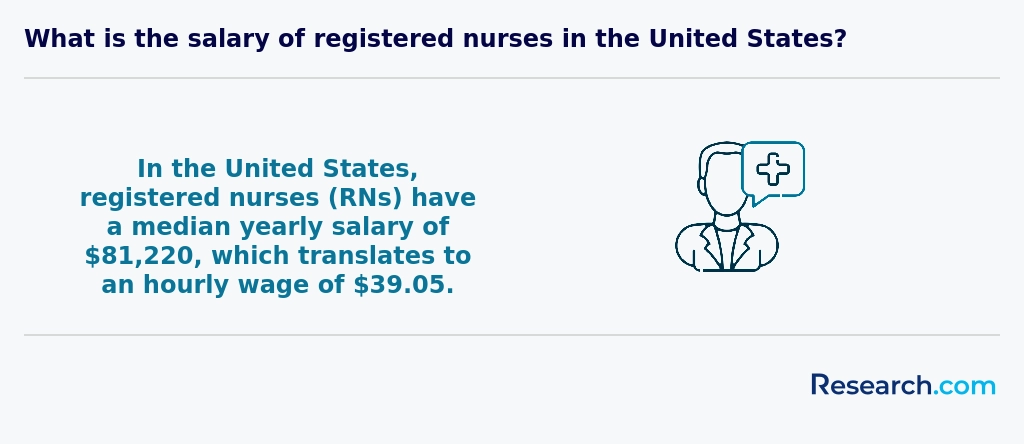
- Graduates with a nursing degree in Minnesota can expect strong earning potential, with Registered Nurses, Clinical Nurse Educators, Public Health Nurses, and Emergency Room Nurses earning around $94,480 annually, while Operating Room Nurses can earn an impressive $128,490 per year.
- A variety of career paths are available, including bedside care, education, public health, and emergency services, offering flexibility and opportunities to specialize based on your passion and skills.
- Online nursing degrees from reputable Minnesota universities provide convenience and flexibility, allowing students to balance work and study with hands-on training, making the journey to your dream career smoother and more enjoyable.
- Key benefits of getting nursing degree in Minnesota
- What can I expect from nursing degree in Minnesota?
- Where can I work with nursing degree in Minnesota?
- How much can I make with nursing degree in Minnesota?
- 2027 Best Nursing Degree Programs Ranking in Minnesota
- Key Findings
- How long does it take to complete nursing degree in Minnesota?
- Licensing and Certification Requirements
- What's the difference between online and on-campus nursing degree?
- Accreditation and NCLEX-RN Pass Rates
- What is the average cost of nursing degree in Minnesota?
- Licensure and Certification Requirements in Minnesota
- What financial aid is available to nursing degree students in Minnesota?
- Affordability and Financial Considerations for Nursing Degree Programs in Minnesota
- What are the prerequisites for enrolling in nursing degree program in Minnesota?
- What courses are typically in nursing degree programs in Minnesota?
- What types of specializations are available in nursing degree programs in Minnesota?
- How do you choose the best nursing degree in Minnesota?
- What career paths are available for nursing degree students in Minnesota?
- What is the job market for nursing degree in Minnesota?
- Related Nursing Rankings for Nearby States
- Top Trending Nursing Rankings
- See What Experts Have To Say About Studying Nursing
What can I expect from nursing degree in Minnesota?
Curious about the average cost of a nursing degree in Minnesota? Students embarking on nursing studies here often find tuition ranging roughly from $10,000 to $30,000 per year, depending on the program and institution. For example, graduates from the University of Minnesota recall balancing a vigorous academic load with vibrant campus life, all while managing tuition that aligns with mid-tier public university costs. Meanwhile, students at Minnesota State Colleges enjoy more affordable rates, letting them focus on hands-on experiences without overwhelming financial stress.
Beyond tuition, many nursing students mention the value of clinical rotations across diverse settings-from bustling Twin Cities hospitals to intimate rural clinics-experiences that deepen learning and justify the investment. Scholarships and financial aid often brighten the path, helping students from all backgrounds unlock their potential. The excitement of learning nursing in Minnesota is tightly woven with this accessible cost range, making the dream of a nursing career both attainable and inspiring in a flourishing healthcare state.
Where can I work with nursing degree in Minnesota?
Graduates from nursing programs at well-regarded Minnesota schools like the University of Minnesota or Augsburg University quickly discover a world of exciting career paths. Many step confidently into bustling hospital environments-imagine assisting surgeries at the renowned Mayo Clinic or providing compassionate care in a state-of-the-art emergency room. The pulse of these settings energizes nurses daily as they directly impact patients' lives.
Others find fulfillment working with Minnesota's growing eldercare community, offering steady, meaningful support to residents in long-term care facilities. Picture a nurse developing close bonds while helping seniors maintain their dignity and health-a deeply rewarding experience that alumni often describe with pride.
Some adventurous graduates dive into community health roles, educating neighborhoods on wellness or managing vaccination drives, while others embrace cutting-edge telehealth services, creatively connecting with patients across the state from their own workspace. Whether teaching future nurses at local colleges or contributing to vital research projects, Minnesota's nursing grads open doors to diverse, vibrant professions that promise growth and purpose.
How much can I make with nursing degree in Minnesota?
Graduates with a nursing degree from Minnesota institutions like the University of Minnesota or Augsburg University discover rewarding opportunities with impressive earning potential. Registered Nurses (RNs) typically start with a mean annual wage near $94,480, matching the state's demand for skilled caregivers. Imagine stepping into a bustling hospital in Minneapolis and earning this solid salary while gaining experience and confidence.
Some adventurous graduates choose specialized roles, such as Operating Room Nurses, where the mean annual wage jumps to a notable $128,490, reflecting both the skill and responsibility involved. This exciting path offers not only financial rewards but also hands-on experiences that shape lasting careers.
Public Health Nurses, Clinical Nurse Educators, and Emergency Room Nurses in Minnesota also share the same mean annual wage of around $94,480, which highlights a balanced market for various nursing paths. Many alumni from popular Minnesota colleges speak with enthusiasm about how their nursing degrees opened doors to meaningful, well-compensated jobs close to home.
2027 Best Nursing Degree Programs Ranking in Minnesota
How do we rank schools?
Investing in your education is a significant decision that can shape your future, and the Research.com team understands the importance of making informed choices. To assist prospective students in Minnesota, we have meticulously crafted the "2027 Best Nursing Degree Programs Ranking in Minnesota." Our commitment to quality, credibility, and accuracy is reflected in the extensive research and analysis conducted to compile this ranking.
We utilized the following reputable data sources to ensure a comprehensive evaluation of nursing programs:
By exploring this ranking, readers will gain valuable insights into the top nursing degree programs available in Minnesota, empowering them to make well-informed decisions about their educational and professional futures. For more details on our methodology, please visit our Research.com methodology page.



# 16 position
Walden University
PhD in Nursing


# 19 position
Capella University
Doctor of Nursing Practice


Key Findings
- Associate Degree in Nursing (ADN) programs at public community colleges in Minnesota typically cost between $8,000 and $15,000 in tuition and fees.
- Bachelor of Science in Nursing (BSN) programs at public universities range from $20,000 to $40,000, while private colleges may charge $50,000 or more for BSN tuition.
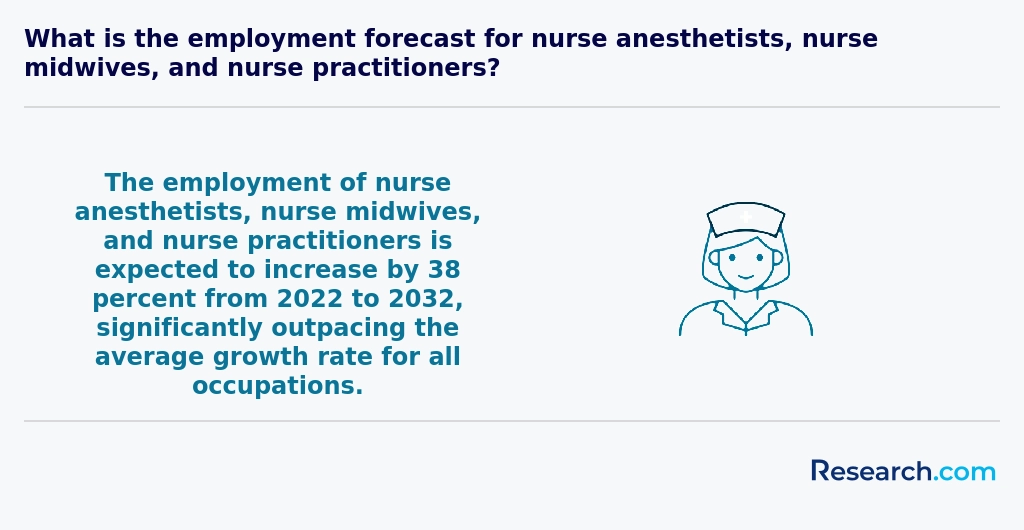
- Registered nurse employment in Minnesota is projected to grow about 9% from 2022 to 2032, matching the national average.
- Starting salaries for new nursing graduates typically range from $60,000 to $70,000 annually, increasing to $75,000 to $80,000 with experience.
- Advanced practice registered nurses (APRNs) in Minnesota often earn more than $100,000 per year.
How long does it take to complete nursing degree in Minnesota?
Diving into a nursing degree in Minnesota is a journey filled with discovery, where the time it takes varies by the path you choose. Imagine starting at a community college, like those offering ADN programs, where graduates share how their 2 to 3 years of study combined classrooms and hands-on clinicals, preparing them to pass the NCLEX-RN and launch their nursing careers with confidence.
Or picture enrolling in a four-year BSN program at the University of Minnesota, where students feel energized by a rich mix of theory and real-world practice, opening doors to diverse healthcare roles and leadership opportunities.
For those who've already earned an ADN or another degree, accelerated RN-to-BSN programs in Minnesota colleges offer a thrilling shortcut-12 to 24 months of focused learning that many graduates describe as intense yet deeply rewarding.
And if you're eager to start quickly, practical nursing certificates take about a year, providing a gateway to becoming an LPN and stepping into the healthcare field sooner rather than later.
Licensing and Certification Requirements
Before you can practice as a registered nurse in Minnesota, you must meet state credentialing standards:
- Graduate from a nursing program accredited by CCNE or ACEN
- Apply to the Minnesota Board of Nursing and submit all required fees and documents
- Pass the NCLEX-RN exam to demonstrate your clinical competency
- Complete a criminal background check and submit proof of required immunizations
- Renew your license every two years with 30 hours of approved continuing education
If you’re exploring flexible pathways to fulfill BSN requirements, compare our cheapest online bsn programs for quality options that fit your budget.
What's the difference between online and on-campus nursing degree?
Imagine stepping onto the lively campus of the University of Minnesota, where nursing students thrive on face-to-face interaction, hands-on labs, and immediate feedback from instructors. These on-campus learners immerse themselves in simulation centers and clinical placements arranged smoothly by the school, gaining confidence through direct community connections and teamwork.
Now, picture a working parent enrolled in an online nursing program from St. Catherine University, juggling family and job responsibilities with virtual lectures and assignments accessed anytime. While the online path offers remarkable flexibility, students still embark on real-world clinical hours locally, coordinating their placements independently-a challenging yet rewarding adventure in self-management and adaptability.
Both journeys, though wildly different in pace and style, converge on the same goal: mastering nursing skills and earning licensure in Minnesota. Whether nestled in a bustling campus setting or navigating learning remote yet connected, graduates from these programs emerge equipped with unique strengths-from social collaboration to digital fluency-that prepare them for today's evolving healthcare landscape.
Accreditation and NCLEX-RN Pass Rates
Accreditation by the Accreditation Commission for Education in Nursing (ACEN) or the Commission on Collegiate Nursing Education (CCNE) is essential for ensuring program quality and eligibility to sit for the NCLEX-RN exam. In Minnesota, all nursing programs must also hold approval from the Minnesota Board of Nursing. These credentials guarantee that curricula meet rigorous standards, from clinical hours to faculty qualifications. Programs with strong accreditation records often report first-time NCLEX-RN pass rates above the national average. For example, several BSN programs in Minnesota boast pass rates exceeding 90%, compared to the 2023 national average of 89%. Consistently high pass rates reflect effective student preparation, robust faculty support, and well-equipped simulation labs. Prospective students should review each school’s NCLEX-RN statistics-published annually by the Minnesota Board of Nursing-to gauge licensure success. Beyond state-approved, on-campus offerings, many learners benefit from accredited online pathways. For a cost-effective alternative, prospective candidates can explore our Inexpensive Online Bachelor's in Nursing Degree Programs Ranking in Ohio, which highlights programs that maintain accreditation standards while offering flexible, budget-friendly options. Ultimately, selecting an accredited nursing program with demonstrable NCLEX-RN outcomes is a critical step toward licensure, employment readiness, and long-term career success in Minnesota’s dynamic healthcare environment.
What is the average cost of nursing degree in Minnesota?
The average nursing degree cost in Minnesota offers an intriguing mix of affordability and investment, with median total expenses hovering around $43,270 for out-of-state students and about $17,214 for in-state residents. Imagine stepping into the lively campus of the University of Minnesota, where a nursing graduate reflects on managing tuition fees balanced by vibrant clinical experiences and strong peer support. For many, the path to becoming a nurse here isn't just about numbers but about embracing the journey as part of their growth.
Considering the cost of nursing programs Minnesota 2027 projections show, the blend of community colleges and universities provides options that suit varied budgets and ambitions. Some students opt for the more affordable ADN routes at community colleges before later advancing, while others dive straight into four-year BSN programs. Each route may feel like a unique adventure, filled with hands-on labs and meaningful patient care, even if the financial investment can sometimes seem daunting.
Expenses go beyond tuition; graduates often recall budgeting for textbooks, licensing exams, and necessary equipment. Fortunately, many find relief in scholarships and employer-funded tuition support. Those curious about the most economical options can explore the cheapest nursing school in minnesota, which offers guidance on accessible pathways to nursing credentials without compromising on quality. These personal stories of balancing cost and opportunity make the dream of a nursing degree in Minnesota both exciting and attainable.
Licensure and Certification Requirements in Minnesota
Before you can begin practicing as a registered nurse in Minnesota, you must complete a series of licensure and certification steps designed to ensure public safety and professional competency. First, graduates must finish an accredited nursing program (ACEN or CCNE) and apply to sit for the NCLEX-RN exam through the Minnesota Board of Nursing. Once you receive your Authorization to Test (ATT), schedule your NCLEX-RN at an approved Pearson VUE testing center. Upon passing, submit your licensure application, background check, and proof of immunizations to the Board for final approval. Minnesota also participates in the Nurse Licensure Compact (NLC), allowing multistate practice privileges for nurses who hold a primary residence in a compact state. If you’re a graduate moving into advanced practice, non nursing bachelor's to msn online pathways can accelerate your eligibility for Nurse Practitioner certification. After licensure, maintain your RN status by completing 24 continuing education hours every two years, including at least one hour in nursing jurisprudence and ethics. Additional certifications-such as Basic Life Support (BLS) and Advanced Cardiovascular Life Support (ACLS)-are often required by employers and can enhance your clinical practice and job prospects.
What financial aid is available to nursing degree students in Minnesota?
Diving into nursing studies at places like the University of Minnesota or St. Catherine University opens doors to exciting financial aid adventures. Many graduates fondly recall how completing the FAFSA unlocked access to federal grants such as the Pell Grant, which can cover up to $7,395 of tuition- a welcome boost when tuition ranges from $8,000 to $30,000 annually. This relief often turns daunting bills into manageable steps toward becoming a nurse.
State-specific programs add another layer of support. Nursing students have shared stories of receiving aid through the Minnesota State Grant or specialized scholarships like the Indian Scholarship, both administered by the Minnesota Office of Higher Education. These funds, combined with scholarships offered by organizations like the Minnesota Nurses Association, add excitement to the pursuit of advanced nursing degrees.
Loan forgiveness programs also spark hope, especially for graduates working in underserved Minnesota communities. Programs like the Minnesota Nursing Loan Forgiveness and federal Public Service Loan Forgiveness transform years of service into tangible debt relief, helping nurses focus on their passion rather than financial stress.
Many nursing schools themselves pitch in with scholarships or flexible payment plans that students say make their educational journey feel supported and achievable. Engaging with financial aid offices has proven a rewarding treasure hunt to unlock these valuable resources.
Affordability and Financial Considerations for Nursing Degree Programs in Minnesota
When considering nursing degree programs in Minnesota, affordability is a crucial factor. Prospective students often find themselves weighing the costs of tuition, fees, and living expenses against the potential benefits of a nursing career. For those seeking the most affordable options, researching programs that offer competitive pricing without compromising on quality is essential. If you're looking for the cheapest nursing school in minnesota, it's vital to compare not just the sticker price but also the value added by each program, including factors like faculty expertise, clinical opportunities, and support services. By understanding the full spectrum of costs and benefits, aspiring nurses can make informed decisions that align with their financial situation and career aspirations, ultimately paving the way for a rewarding and sustainable career in nursing.
What are the prerequisites for enrolling in nursing degree program in Minnesota?
Diving into nursing programs in Minnesota, you'll quickly find that a high school diploma or GED is your first stepping stone. Imagine a graduate from the University of Minnesota Twin Cities who recalls how this simple credential opened doors to their nursing journey. Next comes mastering key subjects like biology, chemistry, and math-essential building blocks. Many students at Winona State University, for example, swear by acing prerequisite courses such as anatomy and physiology with at least a C grade, setting a strong foundation for clinical work.
Then there's the TEAS exam, a national test assessing your skills in science, reading, math, and English. Graduates often describe the thrill when a solid TEAS score boosted their acceptance chances, especially for competitive BSN tracks. While healthcare experience isn't always mandatory, volunteering as a CNA in local clinics across Minnesota adds hands-on confidence. Finally, background checks and immunization proofs ensure everyone is ready to safely care for patients-part of the adventure into nursing at schools like St. Cloud State University.
What courses are typically in nursing degree programs in Minnesota?
Imagine diving into courses like Anatomy and Physiology at the University of Minnesota, where graduates recall awe at discovering the intricacies of the human body. This foundational knowledge makes every patient interaction feel meaningful and informed. Nursing students at St. Catherine University often describe their Pharmacology classes as eye-opening adventures, learning how different medications affect the body and mastering safe administration techniques essential for real-world care.
Microbiology captivates many with stories of unseen microorganisms and their impact on health, a topic brought vividly to life during clinicals at Hennepin Healthcare. Exploring Pathophysiology, students unravel how diseases disrupt the body's balance, sharpening their diagnostic curiosity during rotations in Twin Cities hospitals.
Courses like Mental Health Nursing and Maternal and Child Health Nursing offer emotional rewards-graduates share how these classes prepared them to support families and individuals through vulnerable moments. Leadership and Management skills build confidence, equipping learners to lead with compassion after earning their degree in Minnesota.
What types of specializations are available in nursing degree programs in Minnesota?
Exploring nursing degree specializations in Minnesota reveals an exciting array of paths that many students find both challenging and deeply rewarding. Graduates from prominent institutions like the University of Minnesota eagerly share how focusing on Family Nurse Practitioner (FNP) roles has allowed them to engage directly with diverse families across the state, gaining hands-on experience in community health centers and private practices. Others are drawn to Psychiatric-Mental Health Nursing, responding to Minnesota's rising awareness of mental health needs by working closely with patients on psychiatric assessments and treatments.
For those fascinated by elder care, Gerontological Nursing opens doors to meaningful work in rehabilitation centers and hospices, a specialization that resonates deeply with the state's aging population. Meanwhile, Pediatric Nursing captivates many with opportunities to nurture children's health in hospitals and schools. Students often speak passionately about the intensity and life-saving skills gained through Acute Care Nursing in busy hospital ICUs.
These Minnesota nursing program specialization options ignite ambition and prepare students for impactful careers. For those ready to advance swiftly, some explore the shortest dnp program, making specialized practice even more accessible.
How do you choose the best nursing degree in Minnesota?
Choosing the best nursing degree in Minnesota means diving into the world of nursing education with curiosity and a clear sense of your goals. Many graduates who studied at the University of Minnesota or Minnesota State colleges recall how considering program accreditation - especially by CCNE or ACEN - gave them confidence their education would meet real-world standards and help pass the NCLEX-RN licensure exam. Imagine yourself balancing life and study, appreciating flexible options like online or hybrid formats, which many local programs now offer to fit your personal rhythm.
Cost often sparks hesitation, but thinking like others who found affordable nursing degree options Minnesota can make it an adventure rather than a burden. They used financial aid, scholarships, and in-state tuition advantages to make their journey possible. Meanwhile, graduates often emphasize how programs with strong clinical partnerships transform learning into hands-on experience, opening doors in a healthcare market growing by 15% through 2030.
If you're exploring routes beyond traditional paths, you might look into non nursing bachelor's to msn online programs, which have sparked excitement for many looking to pivot quickly into nursing. Talking to fellow students or alumni from Minnesota's nursing schools often reveals inspiring stories about faculty expertise and program reputation, making the search for the best nursing programs in Minnesota 2027 a truly engaging journey full of promising possibilities.
What career paths are available for nursing degree students in Minnesota?
Exploring nursing career opportunities in Minnesota reveals a landscape full of vibrant possibilities. Graduates from esteemed institutions across the state often find themselves stepping into roles as Registered Nurses (RNs), delivering hands-on care in bustling urban hospitals or rural community clinics. These real-world experiences offer a sense of accomplishment and connection, especially when working in high-demand settings. Others pursue specializations like Family Nurse Practitioner, supporting underserved populations and expanding their scope of practice with confidence.
Beyond bedside nursing, adventurous graduates embrace roles in mental health or maternal care, thriving in Minnesota's network of birthing centers and psychiatric facilities. Nursing students from popular universities mention how these diverse paths energize their ambition and deepen their compassion, making every workday unique. For those curious about expanding their influence, careers in healthcare administration, education, and research await, satisfying interests beyond direct patient care.
Cost considerations weigh heavily on prospective students, but programs like those spotlighted in the Inexpensive Online Bachelor's in Nursing Degree Programs Ranking in Ohio demonstrate accessible routes to achieving these goals. With a nursing degree in Minnesota, the chance to contribute meaningfully to the community while exploring various jobs with nursing degree in Minnesota is within reach.
What is the job market for nursing degree in Minnesota?
The nursing job outlook in Minnesota invites adventurous graduates to dive into a robust and expanding healthcare landscape. Popular nursing universities and colleges in the state offer graduates exciting prospects, whether it's working in vibrant hospitals across Minneapolis-St. Paul or joining community health centers in smaller towns. Many find the competitive starting median wage near $77,000 encouraging, and some graduates share stories of rapidly advancing into specialized roles in pediatrics or critical care, fueled by Minnesota's growing demand for skilled nurses.
Employment opportunities for nursing graduates Minnesota-wide are bolstered by a projected 16% growth in RN positions from 2020 to 2030, outpacing national averages. This means fresh nursing grads often discover their skills welcome in diverse settings, from nursing homes to outpatient clinics. Those who embrace additional certifications or advanced degrees unlock even higher salary potential, sometimes surpassing $110,000 annually.
For students curious about the educational path here, Minnesota's public institutions provide affordable tuition, especially when compared to national averages. Many grads share how tuition reimbursement programs from local employers helped them pursue their dreams without overwhelming debt. If you're looking for a fast-paced alternative, consider exploring options like an accelerated associate's degree online, which some ambitious learners have found fits perfectly with a busy lifestyle.
Frequently Asked Questions About nursing
Nursing students in Minnesota can maximize their learning experience by combining classroom education with hands-on clinical practice. The state offers numerous clinical sites at hospitals, clinics, and community health organizations, allowing students to gain practical skills in diverse healthcare settings.
Engaging actively in simulation labs is another effective strategy. These labs provide a controlled environment where students can practice critical nursing skills while receiving immediate feedback from instructors.
According to the Minnesota Board of Nursing, the state requires a minimum of 500 clinical hours for licensed practical nurse programs and more for registered nurse programs, emphasizing the importance of practical experience.
Additionally, joining nursing organizations such as the Minnesota Nurses Association can help students access networking opportunities, mentorship, and continuing education resources. Utilizing these resources supports academic success and professional growth in Minnesota's competitive healthcare environment.
The nursing field in Minnesota is evolving, with several emerging niches gaining importance. One rapidly growing area is gerontological nursing, reflecting Minnesota's aging population. According to the Minnesota Board of Nursing, demand for nurses trained in elder care is expected to increase by over 20% by 2030.
Another emerging specialty is telehealth nursing, driven by advances in technology and the recent expansion of remote care services. This role involves providing care and patient education via digital platforms.
Additionally, psychiatric-mental health nursing is expanding, addressing rising mental health needs statewide. Substance abuse nursing is also gaining focus due to Minnesota's efforts to combat opioid addiction.
These niches represent promising pathways for nursing students seeking to address specific community health needs within Minnesota.
After completing a nursing degree in Minnesota, preparing for the job market begins with obtaining licensure through the Minnesota Board of Nursing. Graduates must pass the NCLEX-RN exam to become registered nurses, a requirement critical for employment.
Networking is essential; joining local chapters of professional organizations like the Minnesota Nurses Association can open job opportunities. Minnesota's healthcare sector is expanding, with a 12% projected growth for nurses by 2030 according to the Minnesota Department of Employment and Economic Development, highlighting strong demand.
Practical experience gained through clinical rotations or internships during the degree program improves job prospects. Additionally, pursuing certifications in specialties such as gerontology or critical care enhances marketability in Minnesota's diverse healthcare settings.
Employers in Minnesota highly value nursing graduates with strong clinical skills and the ability to provide compassionate patient care. According to the Minnesota Board of Nursing, proficiency in patient assessment, medication administration, and critical thinking is essential.
Effective communication skills are also vital, as nurses must collaborate closely with healthcare teams and interact with diverse patients. Cultural competence continues to grow in importance due to Minnesota's diverse population.
Technology literacy, including electronic health records (EHR) management, is increasingly demanded, reflecting widespread digital healthcare adoption across the state's hospitals and clinics.
Finally, adaptability and commitment to continuing education help graduates succeed in Minnesota's evolving healthcare environment.
Finding nursing internships in Minnesota involves researching clinical placement options through accredited nursing programs. Many Minnesota nursing schools, such as the University of Minnesota and Minnesota State Colleges, collaborate with local hospitals and healthcare centers to provide hands-on internship opportunities.
Additionally, the Minnesota Board of Nursing supports students by maintaining partnerships that enhance clinical education quality. Prospective nursing students should consult their program advisors for approved healthcare settings offering internships.
Websites like the Minnesota Department of Health and the Minnesota Hospital Association list institutions providing clinical training for nursing students throughout the state.
Seeking internships early and verifying the site's accreditation ensures relevant experience aligned with Minnesota's nursing standards.
In Minnesota, earning a nursing degree significantly enhances career mobility and advancement opportunities. The state's healthcare sector is expanding, with the Minnesota Department of Employment and Economic Development projecting a 12% growth in registered nurse positions through 2030.
Higher education in nursing, such as a Bachelor of Science in Nursing (BSN) or advanced degrees like a Master of Science in Nursing (MSN), opens pathways to specialized roles, leadership positions, and higher salaries. According to the Minnesota Board of Nursing, more than 70% of hospitals in Minnesota prefer or require nurses to hold a BSN for professional practice roles.
Additionally, advanced degrees prepare nurses for careers in management, education, and advanced practice, such as nurse practitioners. These roles often offer greater job security and higher earning potential, reflecting national trends supported by the U.S. Bureau of Labor Statistics and local state data.
Studying for a nursing degree in Minnesota equips students with skills essential for interdisciplinary healthcare roles. Programs emphasize collaboration with professionals such as physicians, social workers, and pharmacists to deliver patient-centered care. According to the Minnesota Board of Nursing, many accredited schools incorporate team-based simulations and clinical rotations across varied healthcare settings.
These experiences help students understand the roles of different disciplines, fostering communication and problem-solving skills vital for coordinated care. Minnesota's healthcare system, ranked among the top in the US by the U.S. News & World Report, benefits from nurses trained in interdisciplinary practices. This approach prepares graduates to effectively participate in complex healthcare teams addressing diverse patient needs.
When choosing between a thesis and a non-thesis nursing degree program in Minnesota, consider your career goals. Thesis programs emphasize research and prepare students for roles in academia or advanced clinical research. They typically require a significant research project and written thesis, which can take additional time to complete.
Non-thesis programs focus more on clinical practice and coursework, ideal for students aiming to advance directly in nursing roles such as nurse practitioners or administrators. For example, the Minnesota Board of Nursing reports a 15% growth in advanced practice registered nurses through 2030, highlighting strong demand for practice-focused skills.
Evaluate program length, faculty expertise, and graduation requirements. Thesis programs may offer more opportunities for grants or publishing, beneficial if you aim for a PhD later. Non-thesis options often allow faster completion, advantageous if you want swift workforce entry. Review specifics at accredited Minnesota institutions to ensure alignment with your professional ambitions.
Students in Minnesota interested in studying nursing abroad have several pathways to consider. Many universities in Minnesota offer exchange programs and partnerships with foreign institutions, allowing students to complete part of their nursing coursework internationally.
Programs typically focus on clinical experience in diverse healthcare settings, providing exposure to global health practices. According to the Minnesota Board of Nursing, students must ensure any international study aligns with U.S. licensure requirements, particularly regarding clinical hours and accredited curricula.
Additionally, options like study-abroad programs through organizations such as the Institute of International Education facilitate placements in countries with advanced healthcare systems. These opportunities can enhance understanding of global health challenges and nursing standards worldwide.
Students pursuing nursing degrees in Minnesota have several part-time job opportunities that effectively complement their education. Positions such as Certified Nursing Assistants (CNAs) offer hands-on clinical experience and are often available in hospitals, long-term care facilities, and clinics. According to the Minnesota Department of Employment and Economic Development, CNAs in Minnesota earn an average hourly wage of $15 to $18, providing both income and relevant skills.
Other roles include medical scribes, pharmacy technicians, and patient care assistants. These roles enhance understanding of healthcare systems and patient interaction. Volunteering or part-time work in public health organizations also supports nursing students by expanding exposure to community health initiatives prevalent in Minnesota.
Nursing students in Minnesota benefit from a variety of networking opportunities that connect them with professionals and peers. The Minnesota Nurses Association (MNA) offers student memberships, providing access to statewide events, workshops, and conferences focused on career development and advocacy. Additionally, many universities partner with local hospitals, clinics, and healthcare organizations, facilitating clinical placements where students can build professional relationships.
The Minnesota Department of Employment and Economic Development highlights robust growth in healthcare jobs, underscoring the value of networking during education. Students also engage with campus nursing clubs and attend job fairs designed specifically for healthcare roles, helping them meet potential employers early in their careers.
Alumni networks play a crucial role in supporting nursing degree students in Minnesota. These networks provide access to experienced professionals who can offer guidance, mentorship, and career advice. According to the Minnesota Board of Nursing, networking is a key factor in job placement success for new graduates. Connections through alumni can lead to internships and job opportunities in local healthcare settings, including top hospitals such as Mayo Clinic and Allina Health.
Additionally, alumni groups often host workshops and events that help students develop skills beyond coursework, such as interview techniques and leadership. This practical support enhances readiness for Minnesota's competitive nursing job market.
Customizing a nursing degree program in Minnesota allows students to align their education with specific career goals. Many nursing schools in the state offer flexible curriculum options such as specialized tracks in pediatrics, geriatrics, or mental health nursing. These focus areas enable students to gain expertise in fields in demand within Minnesota's healthcare system.
Students can choose between traditional Bachelor of Science in Nursing (BSN) programs, accelerated BSN paths, or Registered Nurse to BSN programs if already licensed. Clinical placements often reflect personal interests and regional healthcare needs, including rural or urban settings.
According to the Minnesota Board of Nursing, registered nurses in Minnesota can pursue certifications that enhance career prospects in specialties, supporting tailored professional growth.
Nursing students in Minnesota face several common challenges throughout their education. One major difficulty is balancing demanding clinical hours with academic coursework. Minnesota's nursing programs often require over 500 clinical hours, which can limit students' time for jobs or personal activities (Minnesota Board of Nursing, 2023).
Another challenge is the competitive nature of the programs. Many nursing schools have limited seats, and applicants must maintain strong GPA scores and prerequisites to secure admission. This can add pressure from the very start.
Financial constraints also affect students. While Minnesota offers some scholarships and grants, many nursing students report concerns over tuition costs and related expenses (Minnesota Office of Higher Education, 2022).
Additionally, adjusting to evolving healthcare technologies and maintaining emotional resilience in high-stress clinical settings are ongoing hurdles throughout their studies.
With a nursing degree in Minnesota, graduates can pursue several professional certifications that enhance career opportunities and expertise. Common certifications include the Certified Nurse Assistant (CNA), which is often a starting point, and the Registered Nurse (RN) license, required to practice bedside nursing. Beyond these, nurses can specialize with certifications like Certified Nurse Midwife (CNM), Certified Registered Nurse Anesthetist (CRNA), and Clinical Nurse Specialist (CNS).
The Minnesota Board of Nursing oversees licensure and certification, with over 100,000 RNs licensed in the state as of recent reports.
These certifications often require passing national exams, such as those offered by the American Nurses Credentialing Center (ANCC), and completing supervised clinical hours.
Writing a winning application for a nursing program in Minnesota requires careful preparation and attention to detail. Start with a clear and well-organized personal statement that highlights your passion for nursing and your understanding of the healthcare challenges in Minnesota. Schools often look for candidates who demonstrate empathy and commitment to patient care.
Include strong letters of recommendation from professionals familiar with your academic or healthcare experience. Minnesota nursing programs typically require the Nurse Entrance Test (NET) or TEAS exam scores, so preparing thoroughly for these assessments is crucial. According to the Minnesota Board of Nursing, competitive applicants usually have a GPA of 3.0 or higher.
Finally, ensure all transcripts and prerequisites such as anatomy and physiology are complete and accurate. Meeting deadlines and following each program's specific instructions will increase your chances of acceptance.
Nursing is a globally respected profession, with strong demand in many countries, including the United States. In Minnesota, the nursing workforce reflects this international trend, as the state frequently recruits nurses to address shortages. According to the Minnesota Board of Nursing, there are over 115,000 licensed nurses in the state, many trained locally but some internationally educated.
Globally, nurses play critical roles in healthcare systems, and their skills often transfer across borders thanks to standardized education frameworks. This international mobility enriches Minnesota's healthcare with diverse perspectives.
For prospective students, understanding global nursing trends highlights how a nursing degree in Minnesota can open opportunities both locally and abroad.
Gaining practical experience while studying for a nursing degree in Minnesota is essential for success in the field. Many programs require clinical rotations, offering hands-on training in hospitals, clinics, and long-term care facilities across the state.
These clinical experiences allow students to apply classroom knowledge under supervision, developing skills in patient care, communication, and teamwork. According to the Minnesota Board of Nursing, most registered nursing programs incorporate at least 500 hours of clinical practice.
Additionally, some schools provide simulation labs equipped with advanced technology to mimic real-life medical scenarios. Volunteering and internships in healthcare settings also offer valuable exposure and networking opportunities.
When choosing the right concentration within a nursing degree program in Minnesota, consider your career goals and local healthcare needs. The Minnesota Department of Employment and Economic Development reports that registered nurses are in high demand, especially in specialties like gerontology, mental health, and community health. Programs often offer concentrations such as family nurse practitioner, acute care, or pediatrics.
Research the curriculum and clinical placements offered by Minnesota schools to ensure they align with your interests. Accreditation from bodies like the Commission on Collegiate Nursing Education (CCNE) is vital for quality education and licensure preparedness.
Additionally, think about licensure requirements from the Minnesota Board of Nursing, which may influence specialization options and future employment opportunities within the state.
Related Nursing Rankings for Nearby States
- 2027 Best Online Nursing Degree Programs Ranking in Wisconsin
- 2027 Best Online Nursing Degree Programs Ranking in Iowa
- 2027 Best Online Nursing Degree Programs Ranking in North Dakota
- 2027 Best Online Nursing Degree Programs Ranking in Illinois
- 2027 Best Online Nursing Degree Programs Ranking in Missouri
- 2027 Best Online Nursing Degree Programs Ranking in Michigan
- 2027 Best Online Nursing Degree Programs Ranking in Kansas
- 2027 Best Online Nursing Degree Programs Ranking in Indiana
- 2027 Best Online Nursing Degree Programs Ranking in Ohio
- 2027 Best Online Nursing Degree Programs Ranking in Colorado
Top Trending Nursing Rankings
See What Experts Have To Say About Studying Nursing
Read our interview with Nursing experts


References
- Nursing career paths and outlooks - Children's Minnesota https://www.childrensmn.org/blog/nursing-career-paths-2/
- Nursing, A.S. Admission Requirements https://www.mnwest.edu/academics/all-programs/admission-requirements/nursing-as.php
- Best Minnesota Nursing Schools and Programs | NursingEducation https://nursingeducation.org/state/minnesota/
- How to Choose a Nursing Program | All Nursing Schools https://www.allnursingschools.com/how-to-get-into-nursing-school/choose-the-right-school/
- 10 Nursing Fields That Are Growing in Demand https://promedcert.com/blog/10-nursing-fields-that-are-growing-in-demand
- Minnesota Nursing Shortage: Fact or Fiction? - Minnesota Nurses Association https://mnnurses.org/minnesota-nursing-shortage-fact-or-fiction/
- How a BSN Prepares You for Graduate Nursing Degrees (MSN, DNP) https://blog.methodistcollege.edu/bsn-prepares-you-graduate-nursing-degrees
- What Are the Best Jobs to Work While in Nursing School? https://www.dewv.edu/what-are-the-best-jobs-to-work-while-in-nursing-school/
- Nursing https://minneapolis.edu/academics/school-nursing-health-sciences-and-wellness/nursing
- What Are the Best RN Certifications for Your Career? https://credenzahealth.com/career-advice/what-are-the-best-rn-certifications-for-your-career


