
2027 Best Nursing Degree Programs Ranking in Montana

Co-Founder and Chief Data Scientist
Choosing the right nursing degree program in Montana is an important step toward a rewarding healthcare career. This article presents the 2027 Best Nursing Degree Programs Ranking in Montana, developed by the Research.com team of data scientists to help you make an informed decision.
By exploring this ranking, you'll discover programs that align with your goals and values. Earning a nursing degree opens doors to meaningful work, job stability, and opportunities to make a positive impact in your community.
We're here to guide you through this exciting journey with trusted information and clear insights.
Key benefits of getting nursing degree in Montana
- The average annual salary for Registered Nurses, Clinical Nurse Educators, Public Health Nurses, and Emergency Room Nurses in Montana is approximately $94,480, offering a rewarding financial future.
- Nursing graduates from Montana State University enjoy diverse careers in hospitals, community health, education, and emergency care, opening doors to meaningful and stable employment.
- Completing a nursing degree online from the University of Montana allows flexibility and balance, making it easier to study while managing personal or work commitments.
- Key benefits of getting nursing degree in Montana
- What can I expect from nursing degree in Montana?
- Where can I work with nursing degree in Montana?
- How much can I make with nursing degree in Montana?
- 2027 Best Nursing Degree Programs Ranking in Montana
- Key Findings
- How long does it take to complete nursing degree in Montana?
- Accreditation and Licensing Requirements
- What's the difference between online and on-campus nursing degree?
- Application Timeline and Checklist for Nursing Program Applicants in Montana
- What is the average cost of nursing degree in Montana?
- Accreditation and Licensure: Ensuring Program Quality and Practice Eligibility
- What financial aid is available to nursing degree students in Montana?
- Exploring Affordable Nursing Programs in Montana
- What are the prerequisites for enrolling in nursing degree program in Montana?
- Application Process and Deadlines
- What courses are typically in nursing degree programs in Montana?
- What types of specializations are available in nursing degree programs in Montana?
- How do you choose the best nursing degree in Montana?
- What career paths are available for nursing degree students in Montana?
- What is the job market for nursing degree in Montana?
- Related Nursing Rankings for Nearby States
- Top Trending Nursing Rankings
- See What Experts Have To Say About Studying Nursing
What can I expect from nursing degree in Montana?
If you're wondering about the cost of getting a nursing degree in Montana, it's good to know that public schools like the University of Montana and Montana State University offer pretty reasonable in-state tuition rates. Many graduates share how choosing these schools helped them avoid crushing debt while still getting great hands-on experience through clinicals in local hospitals and clinics.
Compared to private colleges, which can be much pricier, public institutions keep things affordable without skimping on quality. On top of tuition, students often find scholarships and financial aid tailored for nursing programs, which makes a big difference.
One nursing grad from Montana State mentioned how the combination of solid classroom lessons and practical rotations felt worth every penny, especially since the tuition wasn't sky-high. Many students appreciate being able to train close to home in unique settings, from urban hospitals to rural communities, all while managing costs that don't break the bank.
Where can I work with nursing degree in Montana?
If you earn a nursing degree in Montana, you'll find plenty of great spots waiting for you. Graduates from schools like the University of Montana or Montana State University often land jobs in big city hospitals in places like Billings or Missoula, where they can dive into hands-on care as RNs or nurse practitioners. Many find it rewarding to work at Billings Clinic or St. Patrick Hospital, feeling proud to help people during critical moments.
Others take their skills to smaller towns, working in community clinics or rural health centers. Here, nurses often become the go-to healthcare pros, managing everything from chronic illnesses to health education, sometimes even in tribal areas. It's a chance to build close connections with patients and make a real difference.
Long-term care and nursing homes also call many grads, especially as Montana's population ages. Nurses here get to support residents' recovery and quality of life, which feels incredibly fulfilling. Plus, some adventurous grads move into public health roles or even education and research, helping shape the future of nursing for Montana's communities.
How much can I make with nursing degree in Montana?
If you're looking at nursing degrees in Montana, you'll be happy to know that graduates typically start with solid paychecks. For example, registered nurses coming out of programs at Montana State University or the University of Montana generally see mean annual wages around $94,480, according to recent data. That's about $45.42 an hour, which is pretty decent when starting your career.
Nurses stepping into roles like clinical nurse educators or public health nurses earn similar figures, also averaging about $94,480 annually. Those roles often come with a bit more specialized work, giving graduates a chance to use their new skills in rewarding ways.
Operating room nurses in Montana tend to earn even more, pulling in around $128,490 per year - about $61.78 an hour. Imagine working in one of Billings' busy hospitals or Missoula's clinics, gaining experience fast while enjoying that kind of income. A lot of graduates say it feels great to know their hard work really pays off and opens doors to growth right in their home state.
2027 Best Nursing Degree Programs Ranking in Montana
How do we rank schools?
Investing in your education is a significant decision that can shape your future, and the Research.com team understands the importance of making informed choices. To assist prospective students in Montana, we have meticulously crafted the "2027 Best Nursing Degree Programs Ranking in Montana." Our commitment to quality, credibility, and accuracy is reflected in the extensive research and analysis conducted to compile this ranking.
We utilized the following reputable data sources to ensure a comprehensive evaluation of nursing programs:
By exploring this ranking, readers will gain valuable insights into the best nursing degree programs available in Montana, empowering them to make well-informed educational decisions aligned with their goals. For more details on our methodology, please visit our Research.com methodology page.


Key Findings
- Tuition for nursing programs in Montana ranges from $4,000 to $12,000 per year depending on the institution and program type.
- Newly licensed registered nurses typically earn around $52,000 annually, with experienced nurses averaging about $75,000 per year.
- Montana offers ADN and BSN programs at community colleges and universities.
- Graduates must pass the NCLEX-RN exam and obtain licensure through the Montana Board of Nursing, including background checks.
- There is steady job growth for nurses in Montana, especially in rural and underserved areas with higher demand.
How long does it take to complete nursing degree in Montana?
If you're wondering how long it takes to finish a nursing degree in Montana, it really depends on the path you pick. Many students start with an LPN certificate, which you can wrap up in about 12 to 18 months. It's super hands-on and perfect if you want to jump into nursing quickly. Places like local community colleges make this option really accessible.
For those aiming to become Registered Nurses, an Associate Degree in Nursing (ADN) usually takes about two years. Graduates from Montana's community colleges appreciate how this route combines general classes with solid nursing training, setting them up to pass the NCLEX-RN exam with confidence.
If you're up for a full university experience, a Bachelor of Science in Nursing (BSN) through schools like the University of Montana or Montana State University takes around four years. Graduates love how the BSN opens doors to better job opportunities and higher pay, making the extra time totally worth it!
And for folks with a bachelor's already in something else, accelerated BSN programs cram that education into just 12 to 18 months. It's intense but rewarding-students often say it's a fast track that really pays off.
Accreditation and Licensing Requirements
Choosing an accredited nursing program ensures quality education and seamless licensure in Montana. Look for:
- Commission on Collegiate Nursing Education (CCNE) accreditation
- Accreditation Commission for Education in Nursing (ACEN) accreditation
To become a licensed Registered Nurse (RN) in Montana:
- Graduate from a CCNE- or ACEN-accredited nursing program.
- Apply to the Montana Board of Nursing and submit official transcripts.
- Complete a background check and obtain CPR/first aid certification.
- Register for and pass the NCLEX-RN exam.
Maintain your RN license by renewing every two years with required continuing education. For those pursuing advanced practice pathways, consider affordable doctoral options like cheapest dnp programs online.
What's the difference between online and on-campus nursing degree?
If you're juggling work or family in Montana, online nursing degrees can be a real lifesaver. Graduates from places like Montana State University often talk about how the flexible schedule let them study around their busy lives, using video lectures and virtual simulations. But remember, even online students still have to get hands-on experience through local clinical hours at Montana hospitals or clinics.
On the flip side, students attending the University of Montana on-campus nursing program love the face-to-face interaction with instructors and peers. They say being in labs and having quick access to campus resources made understanding tricky skills much easier. Plus, those real-time group projects helped them stay motivated and connected.
Cost-wise, both options can add up. On-campus nursing can run $8,000 to $15,000 a year for in-state students, but online programs might save on housing or travel. Just watch for extra tech fees or clinical placement costs no matter which route you pick.
Application Timeline and Checklist for Nursing Program Applicants in Montana
Planning ahead is key to securing your spot in a Montana nursing program. Use this step-by-step timeline and checklist to stay on track: 1. 12–9 Months Before Enrollment • Research accredited programs and verify state board approval. • Attend virtual info sessions or campus tours to compare curricula and clinical rotations. • If you already hold a bachelor’s degree in another field, consider direct‐entry pathways like online msn programs for non nurses. 2. 9–6 Months Before Enrollment • Complete prerequisite courses (biology, anatomy, chemistry) and maintain a competitive GPA (3.0+). • Register and prepare for entrance exams (e.g., TEAS). • Request official transcripts and secure at least two letters of recommendation from healthcare or academic professionals. 3. 6–3 Months Before Enrollment • Finalize applications before priority deadlines (usually December–February). • Draft and proofread your personal statement focusing on your passion for patient care and Montana’s healthcare needs. • Explore scholarship and grant opportunities; submit FAFSA by the state deadline. 4. 3–1 Month Before Enrollment • Confirm acceptance and submit enrollment deposit. • Schedule immunizations, background checks, and CPR certification. • Arrange housing and transportation near clinical sites. 5. 1–0 Month Before Enrollment • Attend orientation sessions and meet your academic advisor. • Review the student handbook and clinical placement policies. • Set up your academic plan, including course load and study groups. By following this timeline, you’ll navigate each phase-research, application, and onboarding-with confidence, ensuring a smooth transition into Montana’s top nursing programs.
What is the average cost of nursing degree in Montana?
If you're looking into nursing degrees in Montana, the average cost is pretty reasonable, especially if you're an in-state student. On average, the total cost to earn a nursing degree in Montana sits around $41,448, but that's heavily influenced by whether you're paying in-state or out-of-state tuition. For locals, the expenses tend to be much friendlier, with median in-state costs about $8,460. Many Montana nursing students who graduated from places like Montana State University or the University of Montana recall feeling relieved that tuition was manageable, allowing them to focus on their studies rather than stressing over huge debt.
Most students find that attending community colleges for an Associate Degree in Nursing (ADN), like Dawson Community College, keeps things even more affordable. The shorter program length combined with lower tuition fees helps students save money while still setting a solid foundation for a nursing career. Graduates often mention how the balance of quality education and cost effectiveness made their decision easier and more motivating.
Be mindful though: out-of-state tuition tends to be significantly higher-sometimes two to three times the in-state costs-making residency a key factor in planning your budget. Additional expenses like textbooks, uniforms, and certification exams can add another $2,000 to $3,000 a year, but scholarships and state-specific financial aid can lighten the load.
For anyone curious about the most affordable nursing programs in Montana, you can check out helpful resources such as the most affordable nursing programs in Montana which highlight budget-friendly paths that align with your goals and finances.
Overall, understanding average nursing degree cost Montana-wise allows future nurses to make informed decisions without feeling overwhelmed by tuition worries.

Accreditation and Licensure: Ensuring Program Quality and Practice Eligibility
Accreditation from recognized bodies such as the Commission on Collegiate Nursing Education (CCNE) or the Accreditation Commission for Education in Nursing (ACEN) is essential for nursing programs in Montana. These accreditations demonstrate that a curriculum meets rigorous academic standards and prepares graduates for safe, effective patient care. Equally important is state approval by the Montana Board of Nursing, which ensures programs align with licensure requirements and provide the necessary NCLEX-RN preparation. Montana nursing schools boast competitive NCLEX pass rates, often exceeding 85%, reflecting strong student outcomes and robust support systems. Before enrolling, verify each program’s accreditation status on the institution’s website and review recent NCLEX results published by the Board of Nursing. High pass rates not only indicate comprehensive exam preparation but also correlate with greater employability upon graduation. Graduates must apply to the Montana Board of Nursing to sit for the NCLEX-RN exam, submit fingerprints for a background check, and meet any additional state-specific requirements, such as jurisprudence exams. Many programs offer dedicated review courses, study groups, and simulation labs to enhance readiness. By choosing an accredited and state-approved program, students can be confident in their eligibility for licensure and their qualification to provide high-quality care. For prospective students weighing cost and accreditation, exploring alternative online and affordable options can be insightful. You may also consider the Cheapest Online Nursing Degree Programs Ranking in St. Louis, MO to compare tuition rates and accreditation status across regions.
What financial aid is available to nursing degree students in Montana?
If you're aiming for a nursing degree in Montana, there's good news-financial aid options are pretty solid and can ease the stress of tuition. Most nursing students start by filling out the FAFSA, which opens doors to federal aid like Pell Grants and Federal Work-Study jobs. These help cover basic expenses without adding much debt.
Graduates from schools like Montana State University and the University of Montana often share how state programs made a huge difference. For instance, the Montana Nursing Workforce Scholarship gives a nice boost, especially if you're open to working in rural areas after graduation, which is a win-win since those places really need nurses.
On top of that, plenty of scholarships come from local hospitals and nursing associations. Imagine snagging an institutional scholarship from your college or a grant that rewards you for committing to critical care settings-many students find these opportunities by simply asking around or checking out nursing department announcements.
With tuition ranging around $7,000 to $10,000 annually for in-state students, stacking these aids can really lighten your load and help you focus on becoming the nurse you're excited to be.
Exploring Affordable Nursing Programs in Montana
For students seeking to pursue a nursing degree in Montana without accumulating significant debt, exploring affordable options is crucial. One of the key considerations is the cost of tuition, which can vary widely between institutions. To find the most affordable nursing programs, students can visit most affordable nursing programs in Montana to compare costs and program offerings. This research can help prospective students make informed decisions about their educational investments. Additionally, many institutions offer financial aid, scholarships, and grants to help offset the costs of tuition, making nursing education more accessible to a wider range of students. By carefully evaluating the affordability of different programs and exploring available financial assistance, aspiring nurses can pursue their career goals without shouldering excessive debt.
What are the prerequisites for enrolling in nursing degree program in Montana?
If you're looking to start a nursing degree in Montana, you'll need to tick off a few key prerequisites before diving in. Most programs, like those at the University of Montana or Montana State, expect you to have finished high school or an equivalent diploma. This ensures you've got the basics down, like reading, writing, and math - the kind of stuff that'll definitely come in handy when tackling nursing coursework.
Before officially joining a nursing program, many students share they had to complete some prerequisite classes first. These usually include biology (with labs), chemistry or biochemistry, anatomy and physiology, microbiology, English composition, and math (think algebra or stats). It's a solid mix that builds a strong foundation for those intense clinical days ahead.
Beyond classes, grads often mention needing to pass a background check and show up-to-date immunization records. Some programs in Montana also ask for a score on tests like the TEAS to prove you're ready. It's all about keeping patients safe and making sure you're genuinely prepared for the rewarding challenge of nursing.

Application Process and Deadlines
To secure a spot in one of Montana’s top nursing degree programs, it’s essential to understand the typical application timeline and required materials. Most institutions open their fall semester applications between September and November of the previous year, with priority deadlines often in January or February. Prospective students should first verify that they’ve completed core prerequisites-such as biology, chemistry, and anatomy-and achieved the minimum GPA specified by each school. Next, gather all necessary documents: official transcripts, TEAS or HESI exam scores, letters of recommendation, and a personal statement detailing your motivations and career goals. Some programs may also require an interview or a resume highlighting any healthcare-related volunteer or work experience. It’s wise to submit applications early, as spots can fill quickly, especially in programs known for high NCLEX pass rates. For those considering alternate pathways, researching the easiest rn to bsn program can offer insight into bridge options that streamline your progression from registered nurse to bachelor’s-prepared clinician. Always confirm exact deadlines on each school’s admissions webpage and set reminders for supplemental materials-late submissions are rarely accepted. By following these steps and planning ahead, applicants can maximize their chances of admission and begin their nursing journey with confidence.
What courses are typically in nursing degree programs in Montana?
If you're thinking about nursing degrees in Montana, you'll find the courses cover all the essentials and then some. At schools like the University of Montana, students dive into core science classes like anatomy and physiology, microbiology, and pharmacology - all crucial for understanding the human body and how diseases work. Graduates often say these classes really helped them connect textbook info to real patient cases during clinicals.
Speaking of clinicals, these are a big deal here. You'll get hands-on experience in medical-surgical nursing, maternal-child health, pediatric nursing, and mental health nursing, usually at local hospitals or clinics. Many grads recall feeling excited-and a bit nervous-when they first applied what they learned in a real-world setting, dealing with real patients under supervision.
Leadership courses and healthcare policy also come into play, prepping you for roles beyond bedside care. Montana nursing programs balance theory with practical skills perfectly, giving you confidence to jump right into the nursing field. Plus, most ADN programs require about 60-70 credits, while BSNs call for around 120 credits, so there's a path that fits your pace and goals.
What types of specializations are available in nursing degree programs in Montana?
If you're thinking about nursing degree specializations in Montana, you'll find plenty of options that really fit the state's unique healthcare needs. For example, lots of students at the University of Montana pick Family Nurse Practitioner (FNP) because it prepares them to provide primary care for all ages, which is super important in the rural parts of the state where doctors can be few and far between. Other popular tracks include Psychiatric-Mental Health Nursing, which is growing fast as Montana focuses more on mental health care, and Geriatric Nursing-perfect for those who want to support the state's aging population.
Graduates from Montana State University often talk about how Emergency Nursing was eye-opening too, especially since rural ERs need nurses who can think on their feet. Pediatrics is another solid choice, especially for those in cities like Billings or Missoula. If you're wondering how to start, some students recommend looking into the easiest rn to bsn program to get a smooth entry into nursing with a specialization. Montana nursing program specialization options really match up with what students want and what the community needs.
How do you choose the best nursing degree in Montana?
Picking the best nursing degree in Montana really boils down to what fits your lifestyle and goals. Some grads from popular Montana colleges rave about how the BSN programs opened doors for them, especially since more employers now want that degree. But others loved the quicker route with an ADN-it let them start working sooner and still feel confident stepping into the healthcare world. It's smart to check if the school is accredited by CCNE or ACEN because that's what helped them pass the NCLEX-RN and land jobs locally.
Cost can be a big stress, especially if you're looking at affordable nursing schools in Montana. One grad mentioned budgeting beyond tuition-think textbooks, uniforms, and clinical fees. Also, having clinical placements in Montana hospitals made a huge difference; it gave them hands-on experience and a foot in the door for jobs after graduation.
If you're juggling work or family, look for schools offering flexible schedules. Some fellow students found online classes a lifesaver and even explored online msn programs for non nurses to keep things moving smoothly while balancing life and study.
What career paths are available for nursing degree students in Montana?
If you're diving into a nursing degree in Montana, you've got plenty of career paths ahead. Many grads from popular schools like the University of Montana and Montana State University find themselves working as Registered Nurses (RNs) in local hospitals, clinics, or long-term care homes. These roles let you provide hands-on patient care, handle meds, and team up with doctors to plan treatments. It's a solid choice with steady demand around the state.
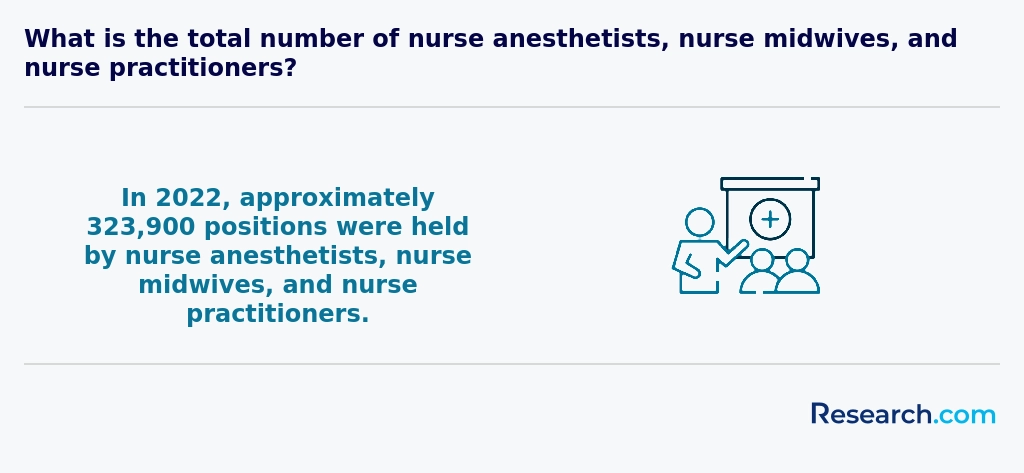
Some nursing grads explore more specialized roles to boost their careers. You might become a Licensed Practical Nurse (LPN) or Licensed Vocational Nurse (LVN), which is a great way to jump into the field a bit quicker. Others go for Advanced Practice Registered Nurse (APRN) roles such as Nurse Practitioner or Nurse Anesthetist, often after extra college. With Montana's rural communities, public health nursing is another meaningful path, helping educate and protect entire neighborhoods.
For those curious about Montana nursing degree job prospects, many graduates also thrive in nursing administration or education, guiding fellow nurses or training new students. If you're balancing school with work, don't miss checking out the Cheapest Online Nursing Degree Programs Ranking in St. Louis, MO to explore flexible learning options.
What is the job market for nursing degree in Montana?
If you're looking at nursing degree employment outlook in Montana, you'll find some good news. The job market here is solid, with steady demand for RNs thanks to an aging population that needs more healthcare services. Graduates from popular nursing programs at universities like the University of Montana or Montana State University often share how quickly they landed jobs in hospitals, clinics, or even rural health centers. The Montana healthcare system really values registered nurses, so there's plenty of opportunity to find work right after graduation.
On top of that, nursing job opportunities in Montana usually come with competitive wages-mean salaries hover around $74,000 a year, which feels pretty rewarding compared to other states. Plus, some rural areas offer extra perks like signing bonuses, making it easier to start your career with a boost. Many nursing grads also take advantage of scholarships during school to help with tuition, especially at in-state public universities.
If you're thinking about furthering your education after your degree, check out these 1 year online masters programs that can fit your busy schedule and help expand your career options.
Frequently Asked Questions About nursing
Nursing degree students in Montana can maximize their learning by taking advantage of clinical placements throughout the state's diverse healthcare settings. Montana offers opportunities in urban hospitals like Billings Clinic and rural health centers, allowing students to gain broad practical experience. According to the Montana Board of Nursing, hands-on clinical hours are critical for licensure and skill development. Students should also consider joining state nursing associations, such as the Montana Nurses Association, which provides networking and continuing education resources. Integrating technology and simulation labs, increasingly available at Montana universities, helps learners build confidence before real-world application.
The nursing field is evolving rapidly, offering new and specialized career paths. In Montana, emerging niches include geriatric nursing, driven by the state's aging population. According to the Montana Department of Labor, the demand for nurses skilled in elder care is expected to grow significantly by 2030. Another growing area is telehealth nursing, which utilizes technology to provide care remotely, an important development in Montana's rural communities.
In addition, psychiatric nursing is gaining attention due to increasing mental health needs statewide. Public health nursing also remains crucial, focusing on community wellness and preventive care. These niches offer unique opportunities for Montana nursing students to address specific healthcare challenges.
After completing a nursing degree in Montana, preparing for the job market involves several key steps. First, graduates must pass the NCLEX-RN exam to become licensed as a registered nurse in Montana. The Montana Board of Nursing oversees this licensure process, which is required to work legally in the state.
Networking is crucial; joining local professional organizations like the Montana Nurses Association helps build connections and access job postings. Practical experience gained during clinical rotations or internships also strengthens resumes.
Montana's healthcare sector expects about 11% growth in RN jobs through 2030, according to the U.S. Bureau of Labor Statistics. Staying informed about regional demand areas can guide job searches effectively.
Employers in Montana seek nursing graduates with strong clinical skills and the ability to deliver patient-centered care. Proficiency in critical thinking and decision-making is essential, as nurses often handle complex medical situations independently. Communication skills are highly valued, enabling effective collaboration with healthcare teams and clear explanations to patients. According to the Montana Department of Labor, there is a rising demand for registered nurses who demonstrate cultural competence due to the state's diverse populations.
Technical skills, including familiarity with electronic health records (EHR), are increasingly requested. Time management and adaptability also rank high, reflecting the fast-paced healthcare environment in Montana's hospitals and rural clinics.
Finding nursing internships in Montana involves utilizing both academic resources and local healthcare facilities. Most nursing programs in Montana require clinical experience, which is often arranged through partnerships with hospitals and clinics. Schools like the University of Montana and Montana State University generally provide students with internship placements.
Students can also explore opportunities by contacting regional health systems such as Providence St. Patrick Hospital or Benefis Health System. According to Montana's Department of Labor, healthcare remains one of the fastest-growing sectors, increasing internship chances.
Additionally, websites like Montana's Board of Nursing and local health departments post internship openings specifically for nursing students.
Obtaining a nursing degree in Montana significantly enhances career mobility and advancement opportunities within the state's healthcare sector. Registered nurses (RNs) with a bachelor's degree in nursing (BSN) or higher are in greater demand, especially since Montana has adopted provisions encouraging higher education for nurses in leadership roles. According to the Montana Department of Labor & Industry, the healthcare industry is projected to grow by over 12% through 2030, increasing the need for skilled nursing professionals.
Advanced degrees, such as a Master of Science in Nursing (MSN), open doors to specialized roles, including nurse practitioners and clinical nurse specialists. These positions typically offer higher salaries and more autonomy. Furthermore, nursing degrees facilitate eligibility for nationally recognized certifications, which are often required for advancement in Montana's hospitals and clinics.
Career ladders supported by educational credentials also enable Montana nurses to move into administration, education, or public health sectors. Employers in Montana value formal nursing education as an indicator of clinical competence and leadership potential, making a nursing degree a crucial asset for career growth.
Studying for a nursing degree in Montana equips students with skills essential for interdisciplinary roles in healthcare. Programs emphasize collaboration among nurses, physicians, social workers, and other professionals to improve patient outcomes. Montana's nursing curriculum often incorporates case studies and simulations that mimic real-world teamwork scenarios.
The Montana Center for Nursing reports that over 70% of healthcare employers seek nurses who can function effectively within diverse care teams. Statewide nursing programs align with this demand by integrating courses on communication, ethics, and leadership.
This integration fosters adaptability and problem-solving abilities, preparing graduates to contribute confidently in settings like hospitals, clinics, and community health agencies.
Choosing between a thesis and a non-thesis nursing degree program in Montana depends largely on your career goals and learning preferences. A thesis option typically involves original research and is suited for those aiming at advanced clinical roles, academic positions, or doctoral studies. In contrast, a non-thesis program focuses on practical skills and coursework, appealing to professionals seeking direct entry into leadership or specialized nursing roles.
Montana's nursing workforce is growing, with a 13% increase in registered nurses projected by 2030, according to the Montana Department of Labor & Industry. Thus, flexibility in education can be key. Consider whether you prefer research-intensive study or applied clinical experience when making your choice.
Students based in Montana who wish to study nursing abroad have several pathways available through U.S. higher education collaborations. Many universities in Montana, such as the University of Montana and Montana State University, offer study abroad or exchange programs in partnership with international institutions. These programs typically include clinical rotations, cultural immersion, and coursework relevant to global health practices.
According to the Montana University System, approximately 10% of nursing students participate in international education experiences, enhancing their understanding of diverse healthcare systems. These opportunities are valuable for students seeking global nursing perspectives and may fulfill clinical hour requirements.
Additionally, students can pursue accredited online nursing degrees with international clinical options or enroll in programs abroad recognized by U.S. nursing boards, supporting licensure reciprocity. The Montana Board of Nursing recommends verifying that foreign programs meet U.S. educational standards to ensure eligibility for the NCLEX-RN exam.
In Montana, part-time job opportunities that complement nursing degree education often include roles such as certified nursing assistant (CNA), medical scribe, or pharmacy technician. These positions provide valuable hands-on experience in healthcare settings, helping students apply classroom knowledge in practical environments. According to the Montana Department of Labor & Industry, healthcare support roles are projected to grow by 18% through 2030, increasing opportunities for nursing students.
Working as a CNA allows students to directly assist patients, improving essential skills like communication and clinical care. Medical scribe roles help develop an understanding of medical documentation and terminology, important for nurse practitioners and advanced practice nurses. Pharmacy technician jobs offer insights into medication administration and patient counseling, relevant to nursing practice.
Nursing students in Montana have several networking opportunities that can enhance their education and career prospects. Many schools, such as the University of Montana and Montana State University, host chapters of national nursing organizations like the Student Nurses Association. These groups facilitate professional connections and mentorships. Clinical placements throughout the state also allow students to build relationships with health professionals in urban and rural settings.
Montana's Department of Labor reports a growing demand for registered nurses, which encourages hospitals and clinics to engage with students through job fairs and workshops. Additionally, statewide conferences and seminars offer a platform to meet experienced nurses and healthcare leaders.
Alumni networks play a crucial role in supporting nursing degree students in Montana by connecting them with experienced professionals in the field. These networks provide mentorship opportunities that help students navigate clinical challenges and career decisions effectively. According to the Montana Nurses Association, nearly 85% of recent graduates found job placements through connections made in alumni groups.
Networking also exposes students to job openings in Montana's healthcare facilities, including hospitals and rural clinics, where nursing shortages persist. Alumni often share insights on licensure and continuing education, which are vital for meeting Montana Board of Nursing requirements.
Active alumni communities can enhance professional development and increase employment prospects for nursing students across the state.
Students seeking to customize their nursing degree program in Montana have several options to align education with career goals. Many Montana institutions offer flexible pathways, including associate, bachelor's, and advanced degrees in nursing. Some programs allow specialization through elective courses or clinical rotations in areas like geriatrics, pediatrics, or community health.
Montana's Board of Nursing supports certifications in specialties that complement academic training, helping graduates tailor skills to local healthcare needs. Additionally, online and hybrid programs are increasingly available, providing scheduling flexibility for working professionals.
According to the Montana Department of Labor & Industry, registered nurses in the state earn a median annual wage around $67,000, with specialized roles often commanding higher salaries, encouraging students to pursue focused expertise.
Nursing students in Montana face several significant challenges during their education. One common difficulty is managing clinical placements, especially in rural areas where healthcare facilities are limited. This can lead to longer travel times and fewer opportunities for hands-on experience.
Another challenge is the competitive nature of nursing programs in Montana. According to the Montana Board of Nursing, acceptance rates can be low due to limited class sizes and high demand.
Additionally, students often struggle with balancing rigorous coursework, clinical hours, and personal responsibilities, which can impact mental health. Access to resources and support varies across institutions, potentially affecting student success.
With a nursing degree in Montana, graduates can pursue a variety of professional certifications to advance their careers. Common certifications include the Registered Nurse (RN) license, required to practice nursing in the state. Beyond this, Montana nurses often seek credentials such as Certified Nurse Practitioner (CNP), Certified Clinical Nurse Specialist (CNS), or certifications in specialties like gerontology, pediatrics, and critical care. These certifications are offered by national organizations such as the American Nurses Credentialing Center (ANCC) and the American Association of Nurse Practitioners (AANP).
Montana's nursing workforce is growing, with a 7% increase projected by 2030, highlighting the demand for certified nurses (Montana Department of Labor & Industry). Certification often leads to higher salaries and expanded job opportunities in hospitals, clinics, and community health settings.
Writing a winning application for a nursing program in Montana requires careful preparation. Start by researching specific program prerequisites at state institutions such as the University of Montana or Montana State University.
Strong academic performance in biology, chemistry, and math courses is essential. Many nursing programs expect applicants to have completed general education credits and earned a minimum GPA, often around 3.0.
Standardized tests like the TEAS (Test of Essential Academic Skills) are commonly required, with competitive scores improving admission chances. Additionally, submitting a clear, well-structured personal statement that explains your motivation and commitment to nursing is vital.
Including clinical or volunteer experience in healthcare settings enhances your application, demonstrating practical knowledge and dedication.
References from healthcare professionals or educators provide credibility to your application. Keep in mind that Montana's demand for registered nurses is growing faster than the national average, highlighting the value of presenting a comprehensive and well-organized application (source: Montana Department of Labor & Industry, 2023).
Nursing is a highly valued profession worldwide, with strong demand across many countries, including the United States. In Montana, the nursing workforce is growing steadily, reflecting national trends driven by an aging population and increased healthcare needs. According to the Montana Nurses Association, registered nurses in the state enjoy a stable job market with diverse career paths.
Globally, nurses often serve as frontline healthcare providers, and their roles can vary by country based on healthcare systems and cultural expectations. In the U.S., including Montana, advanced degrees like the Bachelor of Science in Nursing (BSN) enhance opportunities for leadership and specialized care.
Internationally, nursing education standards are increasingly aligning to promote high-quality training, which facilitates professional mobility. For students in Montana, understanding these global trends highlights the value of earning a nursing degree in a state supportive of professional growth and national certification.
In Montana, nursing students gain practical experience through clinical rotations, which are an essential part of accredited nursing programs. These rotations take place in hospitals, clinics, and community health settings, allowing students to apply classroom knowledge in real-world environments. Clinical hours typically range from 500 to over 1,000, depending on the program's level and accreditation requirements.
Montana nursing schools often collaborate with healthcare facilities such as St. Peter's Health in Helena and Billings Clinic, providing diverse settings for hands-on training. Additionally, nursing students can participate in simulation labs that replicate patient care scenarios, enhancing skills before working with actual patients. According to the Montana Board of Nursing, these experiences help prepare graduates for the NCLEX-RN licensing exam and nursing careers statewide.
Choosing the right concentration within a nursing degree program in Montana depends on your career goals and the healthcare needs of the state. Montana has a growing demand for advanced practice registered nurses, especially in rural areas, so specialties like family nurse practitioner or psychiatric-mental health nursing are popular. According to the Montana Department of Labor & Industry, registered nurse employment is expected to grow by 21% through 2030, highlighting strong job prospects in general and specialized roles.
It helps to research the curriculum and clinical opportunities at Montana schools, ensuring they align with your interests. Licensing requirements in Montana also differ by concentration, so checking with the Montana Board of Nursing is essential. Many programs offer concentrations in areas such as pediatrics, geriatrics, or public health nursing, reflecting the state's diverse patient needs.
Related Nursing Rankings for Nearby States
- 2027 Best Online Nursing Degree Programs Ranking in North Dakota
- 2027 Best Online Nursing Degree Programs Ranking in Colorado
- 2027 Best Online Nursing Degree Programs Ranking in Iowa
- 2027 Best Online Nursing Degree Programs Ranking in Wisconsin
- 2027 Best Online Nursing Degree Programs Ranking in Kansas
- 2027 Best Online Nursing Degree Programs Ranking in California
- 2027 Best Online Nursing Degree Programs Ranking in Illinois
- 2027 Best Online Nursing Degree Programs Ranking in Missouri
- 2027 Best Online Nursing Degree Programs Ranking in Michigan
- 2027 Best Online Nursing Degree Programs Ranking in Indiana
Top Trending Nursing Rankings
See What Experts Have To Say About Studying Nursing
Read our interview with Nursing experts


References
- Medical University of GdaÅsk https://admission.mug.edu.pl/29318.html
- | NRR | Dove Medical Press https://www.dovepress.com/internship-challenges-encountered-by-nursing-students-a-qualitative-st-peer-reviewed-fulltext-article-NRR
- Do I Have to Write a Thesis to Complete a Master’s Degree in Nursing? https://www.bestmasterofscienceinnursing.com/faq/write-thesis-complete-masters-degree-nursing/
- Essential Tips for Nursing Students to Advance Their Careers https://almanaltraining.com/essential-tips-for-nursing-students-to-advance-their-careers/
- Become a Nurse in Montana – Licensure & Requirements https://nursinglicensemap.com/states/montana-nursing-license/
- How to Choose the Right Nursing School for Your Career Goals | Archer Review https://www.archerreview.com/blog/how-to-choose-the-right-nursing-school-for-your-career-goals
- School of Nursing Alumni Resources https://nursing.utmb.edu/About/Alumni
- Career Advancement Pathways for Nurses : Expert RN shares 10+ Professional growth opportunities - MuminMed https://blog.muminmed.com/career-advancement-pathways-for-nurses/
- Client Challenge https://www.springerpflege.de/nursing-graduates-perceived-future-career-pathway-and-career-shi/50653658
- Find Anything https://www.gfcmsu.edu/academic-program/registered-nurse/


