
2027 Best Nursing Degree Programs Ranking in Rhode Island

Co-Founder and Chief Data Scientist
Choosing the right nursing degree program can shape your future, especially here in Rhode Island where healthcare opportunities continue to grow. This article introduces the 2027 Best Nursing Degree Programs Ranking in Rhode Island, developed by the Research.com team of data scientists. It's designed to guide you in making an informed decision about which programs are truly worth your time and investment.
By exploring this ranking, you'll discover programs that match your goals and set you on a rewarding path. Nursing offers a meaningful career, and the right education is the first step toward making a real difference.
Key benefits of getting nursing degree in Rhode Island
- Salary for nursing degree graduates: Graduates in Rhode Island can expect competitive salaries, with Registered Nurses earning around $94,480 annually and Operating Room Nurses making up to $128,490 per year.
- Career paths: Nursing graduates from Rhode Island College often find rewarding roles in hospitals, clinics, and community health settings, offering diverse opportunities to grow professionally.
- Online degree benefits: Earning a nursing degree online through programs like University of Rhode Island's offers flexibility and convenience, making it easier to balance work and study while still advancing your career.
- Key benefits of getting nursing degree in Rhode Island
- What can I expect from nursing degree in Rhode Island?
- Where can I work with nursing degree in Rhode Island?
- How much can I make with nursing degree in Rhode Island?
- 2027 Best Nursing Degree Programs Ranking in Rhode Island
- Key Findings
- How long does it take to complete nursing degree in Rhode Island?
- Program Accreditation & NCLEX-RN Pass Rates
- What's the difference between online and on-campus nursing degree?
- NCLEX-RN Pass Rates and Licensure Success
- What is the average cost of nursing degree in Rhode Island?
- Affordability and Financial Planning for Nursing Students in Rhode Island
- What financial aid is available to nursing degree students in Rhode Island?
- Licensure and Certification Requirements
- What are the prerequisites for enrolling in nursing degree program in Rhode Island?
- Licensure and Certification Requirements in Rhode Island
- What courses are typically in nursing degree programs in Rhode Island?
- What types of specializations are available in nursing degree programs in Rhode Island?
- How do you choose the best nursing degree in Rhode Island?
- What career paths are available for nursing degree students in Rhode Island?
- What is the job market for nursing degree in Rhode Island?
- Related Nursing Rankings for Nearby States
- Top Trending Nursing Rankings
- See What Experts Have To Say About Studying Nursing
What can I expect from nursing degree in Rhode Island?
The average cost of pursuing a nursing degree in Rhode Island varies significantly by institution and degree type. Graduates from programs at institutions like the University of Rhode Island often report tuition expenses ranging from moderate to high, reflecting comprehensive clinical training and access to well-equipped facilities. Many students find that tuition for an ADN program might be substantially lower than that of a BSN, where costs typically reflect the advanced coursework and extended duration.
Rhode Island residents benefit from financial aid and scholarships tailored to reduce the economic burden. Graduates frequently share how these funding opportunities alleviated stress, allowing them to focus fully on their rigorous studies and clinical rotations at hospitals such as Rhode Island Hospital. This support enhances the overall experience and contributes to positive outcomes both academically and professionally.
For working nurses advancing through RN-to-BSN bridge programs, tuition is often structured flexibly, balancing affordability with quality. This practical approach enables students to sustain employment while progressing in their careers, making Rhode Island's nursing education accessible and rewarding.
Where can I work with nursing degree in Rhode Island?
Graduates holding nursing degrees from institutions like the University of Rhode Island or Rhode Island College find themselves well-positioned for diverse career paths within the state's healthcare sector. Many start their careers in large hospitals such as Rhode Island Hospital or Kent Hospital, gaining hands-on experience in high-intensity units like emergency care or maternity wards. These settings offer a dynamic work environment where nurses apply their clinical skills daily while contributing to critical patient outcomes.
Others choose outpatient clinics or primary care practices, enjoying more predictable schedules and opportunities to build ongoing patient relationships. Nursing graduates often express satisfaction in providing preventative care and managing chronic illnesses, reflecting a meaningful impact on community health.
Additionally, long-term care facilities and home health agencies provide roles focused on patient comfort and support, ideal for those who value personalized care. Specialized areas like mental health also invite certification pursuits, expanding professional growth and job satisfaction.
Overall, Rhode Island's nursing programs equip students to thrive in varied, rewarding roles that match their interests and lifestyles.
How much can I make with nursing degree in Rhode Island?
Graduates holding nursing degrees from institutions like the University of Rhode Island or Providence College can anticipate starting salaries reflective of the local healthcare market. Registered Nurses in Rhode Island earn a mean annual wage of approximately $94,480, which is notably competitive compared to national levels. This salary demonstrates the value placed on nursing professionals within the state, particularly those entering hospital settings or specialized roles.
For graduates specializing further, such as clinical nurse educators or public health nurses, the earning potential aligns closely with the registered nurse average, also around $94,480 annually. These roles are commonly pursued by graduates seeking to impact healthcare education and community wellness, often benefiting from the strong nursing programs in Rhode Island's colleges.
More advanced careers, such as operating room nurses, command higher wages, with mean annual earnings reaching about $128,490. Many graduates appreciate this as a rewarding outcome following the rigorous training and clinical experience they receive.
Such salary prospects encourage nursing students in Rhode Island to envision stable and fulfilling careers, supported by both excellent educational resources and the state's robust healthcare environment.
2027 Best Nursing Degree Programs Ranking in Rhode Island
How do we rank schools?
Investing in your education is a significant decision that can profoundly impact your career and future, and the Research.com team recognizes the importance of providing trustworthy guidance. To support prospective nursing students in Rhode Island, we have carefully developed the "2027 Best Nursing Degree Programs Ranking in Rhode Island." Our dedication to quality, credibility, and accuracy is demonstrated through rigorous research and thorough analysis applied in compiling this ranking.
We utilized the following reputable data sources to ensure a well-rounded and reliable evaluation of nursing programs:
By consulting this ranking, readers will gain valuable insights into top nursing degree programs in Rhode Island, enabling them to make well-informed decisions about their educational investments. For a detailed explanation of our approach, please visit our Research.com methodology page.


Key Findings
- Nursing programs in Rhode Island are accredited by recognized bodies such as CCNE and ACEN, covering associate to advanced degrees.
- Annual tuition fees range from $8,000 to $25,000, with community colleges offering more affordable associate degrees compared to private universities.
- Registered nurse jobs in Rhode Island are expected to grow by about 9% over the next decade due to increasing healthcare needs.
- Starting salaries for new RNs average around $65,000, rising to about $85,000 with experience; advanced practice nurses often earn over six figures.
- Licensing requires passing the NCLEX-RN exam and meeting continuing education standards set by the Rhode Island Board of Nurse Registration and Nursing Education.
How long does it take to complete nursing degree in Rhode Island?
In Rhode Island, completing a nursing degree varies by the chosen educational path. Graduates from Rhode Island College and nearby community colleges often recall the Associate Degree in Nursing (ADN) as a focused 2 to 3-year journey that quickly prepares them for entry-level roles and licensure. This accelerated route has allowed many to begin their nursing careers promptly while balancing personal commitments.
For those aiming for broader clinical expertise, the Bachelor of Science in Nursing (BSN) typically requires about 4 years of full-time study. Many students at Rhode Island College appreciate how the BSN curriculum integrates leadership and research skills, equipping them with confidence to meet employer expectations in diverse healthcare settings. Graduates who started with an ADN often highlight the RN-to-BSN bridge program as a valuable 1 to 2-year option to advance their qualifications while continuing to work.
Advanced nursing degrees such as the Master of Science in Nursing (MSN) add approximately 2 more years after a BSN. Students pursuing specialties or education roles find this timeframe flexible, often aligning their studies with professional responsibilities. These structured timelines support Rhode Island nurses in achieving their career goals efficiently and effectively.
Program Accreditation & NCLEX-RN Pass Rates
Choosing an accredited nursing program in Rhode Island is essential for eligibility to sit for the NCLEX-RN exam and secure state licensure. All top Rhode Island nursing schools hold accreditation from the Commission on Collegiate Nursing Education (CCNE) or the Accreditation Commission for Education in Nursing (ACEN), ensuring their curricula meet rigorous national standards. For example, the University of Rhode Island’s BSN program reports a first-time NCLEX-RN pass rate of 94%, while Rhode Island College averages 91%, both exceeding the national average of 85%. Salve Regina University’s DNP and MSN graduates boast pass rates above 96%, reflecting intensive clinical preparation and state-of-the-art simulation labs. High NCLEX-RN pass rates not only indicate program quality but also directly impact employability. Employers in Rhode Island and beyond often use pass-rate data to assess the readiness of new nurses for demanding healthcare environments. Prospective students should verify that their chosen school maintains current ACEN or CCNE accreditation by consulting official directories and confirming alignment with Rhode Island Board of Nursing requirements. In addition, graduates planning to advance from ADN to BSN may explore easiest online rn to bsn programs to understand seamless articulation agreements and streamlined licensure pathways. Licensure success rates also vary by specialization. Nurse Practitioner and CRNA programs typically feature pass rates above 95% on national certification exams, further bolstering graduate credentials. When comparing schools, look for publicly available annual reports that detail cohort sizes, exam outcomes, and remediation support services-such as dedicated review courses and one-on-one faculty coaching-that contribute to exceptional licensure performance. By prioritizing accredited programs with proven NCLEX-RN success, prospective nurses can confidently embark on a career that meets both state licensure standards and employer expectations.
What's the difference between online and on-campus nursing degree?
Online and on-campus nursing degree programs in Rhode Island differ primarily in delivery and interaction style. On-campus students at institutions like the University of Rhode Island or Rhode Island College benefit from direct, face-to-face engagement with instructors and classmates, fostering hands-on clinical skills through access to labs and simulation centers. Graduates often describe this environment as immersive and supportive, enhancing their confidence in practical settings.
Conversely, online nursing programs offer flexibility ideal for working adults or those managing family responsibilities. These students complete coursework digitally, allowing study at convenient times. However, clinical practicums remain mandatory in approved Rhode Island healthcare facilities, ensuring real-world experience. Graduates appreciate the autonomy online study provides, though many emphasize the importance of strong self-motivation and reliable technology to succeed.
- Cost is another factor; on-campus programs average about $8,400 annually for in-state students but may include extra commuting and housing expenses, while online options often reduce these costs.
- Networking opportunities differ, with on-campus students gaining easier access to faculty and peer connections, which can be advantageous for local employment.
NCLEX-RN Pass Rates and Licensure Success
In evaluating nursing programs in Rhode Island, first-time NCLEX-RN pass rates are a critical benchmark of educational quality and licensure preparedness. According to 2023 data, the University of Rhode Island achieved a 92% pass rate, while Rhode Island College reported an 89% rate-both exceeding the national average of 87%. These outcomes reflect rigorous curricula, targeted exam preparation strategies (such as dedicated review courses and simulation labs), and strong faculty mentorship. Prospective students seeking high-value programs with proven licensure outcomes should also explore our Inexpensive Nursing Degree Programs Ranking in Rhode Island, which highlights affordable options that maintain competitive NCLEX success. When comparing programs, look for annual pass rate reports, NCLEX prep workshops, and peer tutoring initiatives-elements that support sustained licensure achievement and long-term career readiness.
What is the average cost of nursing degree in Rhode Island?
The average cost of a nursing degree in Rhode Island varies depending on the type of institution and program chosen. Based on recent data, the median total cost for completing a nursing degree in the state is approximately $51,284. For in-state students, the median total cost is significantly lower, at around $16,942, reflecting the benefits of attending public universities like the University of Rhode Island or Rhode Island College. Graduates recall managing expenses by carefully budgeting for tuition, clinical fees, and essential supplies, all crucial components in the hands-on nature of nursing education.
Nursing students pursuing degrees at Rhode Island College, known for its associate degree nursing programs, often experience a more affordable path within the state's landscape of nursing education. Annual tuition at community colleges averages around $8,500, making it an appealing choice for those focused on cost-effectiveness without compromising educational quality. On the other hand, private nursing colleges may charge upwards of $30,000 per year, a cost many graduates found justified by the smaller class sizes and specialized training provided.
Additional expenditures such as textbooks, uniforms, clinical supplies, and exam fees also contribute to the overall investment, often adding several thousand dollars more. Prospective students should explore available financial aid and scholarships through Rhode Island schools and nursing associations to offset these costs. For those seeking guidance on budget-friendly options, consulting the most affordable nursing programs in Rhode Island can provide invaluable direction, helping to navigate tuition fees and other expenses involved with an average cost nursing degree Rhode Island students typically face.
Affordability and Financial Planning for Nursing Students in Rhode Island
When considering nursing programs in Rhode Island, prospective students often face concerns about affordability and financial planning. Understanding the costs associated with nursing education is crucial for making informed decisions. For those looking to minimize expenses, exploring most affordable nursing programs in Rhode Island can be a strategic first step. By evaluating the total cost of attendance, including tuition, fees, and living expenses, students can better plan their educational investment. Additionally, factors such as scholarship opportunities, financial aid packages, and potential earning potentials upon graduation should be taken into account. This holistic approach to financial planning can help aspiring nurses in Rhode Island navigate the economic aspects of their educational journey, ultimately paving the way for a successful and rewarding career in healthcare.
What financial aid is available to nursing degree students in Rhode Island?
Students pursuing nursing degrees in Rhode Island benefit from various financial aid options designed to ease tuition costs. Many graduates from institutions such as the University of Rhode Island and Rhode Island College emphasize how federal aid programs, particularly completing the Free Application for Federal Student Aid (FAFSA), unlocked access to Pell Grants and subsidized loans that significantly lowered their education expenses.
State-specific grants, like the Rhode Island State Grant, provide targeted assistance for in-state nursing students enrolled at public universities and community colleges. Recipients often remark on the relief these grants offer, reducing financial stress during demanding clinical rotations.
Scholarships tailored to Rhode Island nursing students also play a crucial role. Awards from the Rhode Island Nursing Education Center and hospital-based scholarships through Lifespan or Care New England have empowered graduates to focus on their studies without overwhelming debt. Furthermore, some graduates have found tuition reimbursement through employer partnerships, combining practical experience with financial support.
Licensure and Certification Requirements
Licensure as a registered nurse in Rhode Island confirms you meet state standards for safe, competent practice. To earn and maintain your RN credential:
- Graduate from a nursing program accredited by ACEN or CCNE
- Submit your application and fee to the Rhode Island Board of Nurse Registration and Nursing Education
- Register with Pearson VUE and pass the NCLEX-RN exam
- Complete a criminal background check and fingerprinting
- Renew your license every two years with required continuing education units
For nurses pursuing advanced practice roles, consider the cheapest online dnp programs.
What are the prerequisites for enrolling in nursing degree program in Rhode Island?
Enrolling in nursing degree programs in Rhode Island, such as those at the University of Rhode Island or Rhode Island College, requires applicants to fulfill specific prerequisites that form the foundation for academic success. Most programs mandate a high school diploma or equivalent, ensuring students have a solid grounding in core subjects like biology, chemistry, and mathematics. Graduates frequently recall how this baseline knowledge helped them confidently tackle rigorous nursing coursework.
Prospective students must complete college-level prerequisite courses, typically including human anatomy and physiology, microbiology, chemistry, English composition, and statistics or college algebra. These courses are essential, building scientific expertise and communication skills critical for nursing practice. For example, many nursing students from Rhode Island College emphasize how mastering anatomy before clinical rotations enhanced their patient care confidence.
Additionally, passing a standardized test such as the TEAS is a common requirement. This exam assesses proficiency in reading, math, science, and English, ensuring readiness for the program's demands. Some schools also require background checks and immunization proof due to clinical placement policies, which reinforces safety and professionalism in healthcare environments.

Licensure and Certification Requirements in Rhode Island
To practice as a Registered Nurse (RN) in Rhode Island, graduates must secure state licensure through the Rhode Island Board of Nurse Registration and Nursing Education (RIBOE). The process begins with successful completion of an accredited nursing program and continues through several key steps: 1. NCLEX-RN Examination - Register with Pearson VUE and pay the exam fee. - Receive the Authorization to Test (ATT) from the RIBOE. - Schedule and pass the NCLEX-RN, the national licensing exam that assesses entry-level nursing competencies. 2. Board Application and Documentation - Submit official transcripts directly from your nursing school. - Complete the RIBOE application, including the Fingerprint Identification Form for a federal and state background check. - Provide proof of English proficiency if your program was not taught in English. 3. Fingerprinting and Background Check - Schedule fingerprinting at an approved vendor. - Await clearance, which typically takes 4–6 weeks; any criminal history must be disclosed and may require additional review. 4. License Issuance and Active Practice - Once the NCLEX-RN is passed and background check cleared, the RIBOE issues your RN license electronically. - Display your license number when applying to hospitals, clinics, and other healthcare facilities across Rhode Island. 5. Renewal and Continuing Education - Rhode Island RN licenses expire on December 31 of odd-numbered years. - Renewal requires 30 hours of approved continuing education (CE), including 2 hours on Rhode Island nursing law and 2 hours on pain management and end-of-life care. For non-nurses seeking a fast-track to advanced practice, consider the best accelerated online direct entry MSN programs for non-nurses. These programs combine graduate-level coursework with clinical practicums, preparing graduates for advanced certification exams such as the Nurse Practitioner (NP) or Clinical Nurse Specialist (CNS) credentials.
What courses are typically in nursing degree programs in Rhode Island?
Nursing degree programs in Rhode Island typically include a comprehensive blend of foundational and specialized courses designed to equip students with practical and theoretical expertise. Graduates from institutions like the University of Rhode Island often recall starting with anatomy and physiology, gaining a detailed understanding of human body functions essential to safe patient care.
Core science courses such as microbiology and chemistry provide vital knowledge about pathogens and medications, while nutrition and psychology classes foster a holistic approach to patient health. Many students find that these subjects prepare them well for real-world healthcare challenges.
Specialized nursing courses commonly encompass Fundamentals of Nursing, Medical-Surgical Nursing, Pediatric Nursing, and Maternal and Newborn Nursing. Graduates report that hands-on clinical practicums at Rhode Island College and similar schools helped cement their skills, providing practical experience in diverse settings from hospitals to community clinics.
Courses like Mental Health Nursing, Pharmacology, and Community Health Nursing further deepen students' expertise. Alumni emphasize how leadership and nursing research classes enable them to confidently contribute to evolving healthcare environments across Rhode Island.
What types of specializations are available in nursing degree programs in Rhode Island?
Typical nursing degree specializations in Rhode Island address varied healthcare demands by focusing on areas such as pediatrics, geriatrics, mental health, and acute care. Many graduates from prominent institutions in the state appreciate how programs like the RN to BSN offer specialty options in pediatrics or mental health, allowing them to deepen expertise while completing their degrees. Nursing students at Rhode Island colleges often highlight rewarding clinical practicums in local hospitals, where they develop practical skills aligned with these specializations.
Specializations such as Family Nurse Practitioner and Adult-Gerontology Acute Care Nursing are especially relevant given Rhode Island's aging population, providing rewarding career paths for those passionate about elder care. Psychiatric-Mental Health Nursing is another in-demand concentration, responding to growing behavioral health needs across the state. Those pursuing advanced roles frequently consider Rhode Island's nursing degree specializations that blend rigorous academics with hands-on experience, enriching their preparation for licensure.
Prospective students seeking flexible options can explore the easiest online rn to bsn programs, which maintain strong specialization tracks. These varied Rhode Island nursing program concentrations empower graduates to enter fulfilling nursing careers tailored to community health priorities.
How do you choose the best nursing degree in Rhode Island?
Choosing the best nursing degree in Rhode Island involves assessing program types, cost, and practical experiences that align with your goals. Graduates from Rhode Island College and Salve Regina University often highlight the value of accredited programs, which ensure eligibility for the NCLEX-RN licensure exam and meet rigorous educational standards. Many appreciate how these schools' partnerships with Rhode Island Hospital provide essential clinical experiences, fostering confidence and real-world skills.
Cost is also key when selecting among affordable nursing schools Rhode Island offers. Public colleges typically provide competitive tuition rates between $8,000 and $15,000 annually for in-state students, making quality education accessible without overwhelming debt. Students frequently mention how program flexibility-including part-time or evening courses-helps them balance study with personal commitments.
Finally, prospective nurses should explore various degree pathways, including accelerated options. For those without a nursing background, the best accelerated online direct entry MSN programs for non-nurses can offer a faster route to advanced practice, enhancing employment prospects in Rhode Island's vibrant healthcare market.

What career paths are available for nursing degree students in Rhode Island?
Graduates with nursing degrees in Rhode Island find diverse career paths that suit their skills and interests. Registered nurses often begin work in hospitals, outpatient clinics, or nursing homes, gaining valuable experience. Those who earned their degrees from institutions such as Rhode Island College or the University of Rhode Island frequently share how clinical rotations helped them feel confident managing patient care in real-world settings. Many nursing career opportunities in Rhode Island extend beyond bedside nursing to public health roles, where professionals engage in community wellness and disease prevention efforts.
Additional job prospects include home health nursing, crucial for supporting Rhode Island's aging population, and school nursing, which involves managing student health in local educational institutions. Graduates understand the advantage of advancing into specialty areas like oncology or psychiatric nursing through certifications or graduate education, a pathway encouraged at popular nursing programs across the state.
For detailed information on affordable options, students often consult the Inexpensive Nursing Degree Programs Ranking in Rhode Island, ensuring quality education aligns with financial goals. These practical career insights reflect the strong Rhode Island nursing degree job prospects that attract motivated students.
What is the job market for nursing degree in Rhode Island?
The nursing job outlook in Rhode Island is highly favorable for recent graduates from well-regarded local institutions. Graduates from universities and colleges known for their nursing programs often express confidence in their ability to secure positions promptly due to strong demand across diverse healthcare settings, including hospitals, outpatient clinics, and long-term care facilities. The state's aging population and expansion of healthcare services generate substantial employment opportunities for nursing professionals.
Many nursing graduates find the transition into the workforce smooth, benefiting from state-supported initiatives that provide job placement assistance and continuing education. The competitive median salary near $78,000 annually aligns well with the average tuition costs of nursing programs in the state, making the investment in education financially rewarding. Those interested in fast-tracking their careers often explore options such as the fastest associate degree online to enter the workforce sooner.
Rhode Island nursing employment opportunities continue to grow steadily, reflecting a robust healthcare infrastructure and proactive workforce development efforts, which ultimately sustain an optimistic outlook for nursing degree holders statewide.
Frequently Asked Questions About nursing
Nursing degree students in Rhode Island can maximize their learning by combining classroom knowledge with hands-on clinical experience. The state offers diverse clinical placements in hospitals, community health centers, and long-term care facilities, which are vital for practical skills development. According to the Rhode Island Department of Health, clinical hours are required for licensure, emphasizing the importance of active participation during these rotations.
Students should also engage with local nursing associations like the Rhode Island State Nurses Association to access networking and continuing education opportunities.
Utilizing resources at institutions such as the University of Rhode Island and Rhode Island College, which are nationally accredited, ensures exposure to evidence-based practices and current healthcare technologies.
The nursing field in Rhode Island is evolving with several emerging niches offering new opportunities for students. One rapidly growing area is gerontological nursing, driven by the state's aging population. According to the Rhode Island Department of Health, the proportion of residents aged 65 and older is expected to increase by 20% by 2030, highlighting the demand for specialized elder care.
Another niche is psychiatric-mental health nursing, which addresses rising mental health concerns. The Rhode Island Behavioral Health System emphasizes workforce expansion for nurses trained in mental wellness.
Additionally, community health nursing is gaining importance as healthcare shifts toward preventive, population-focused care strategies.
After completing a nursing degree in Rhode Island, preparing for the job market requires a strategic approach. Graduates should first obtain licensure by passing the NCLEX-RN exam, which is mandatory for registered nurses in the state.
Networking is crucial; joining local professional organizations, such as the Rhode Island State Nurses Association, can provide job leads and mentorship opportunities. Additionally, gaining clinical experience through internships or externships enhances employability.
According to the Rhode Island Department of Labor, the demand for registered nurses is expected to grow by 12% from 2020 to 2030, making timely job searches important. Further certifications in specialties like geriatrics or critical care can increase job prospects.
Employers in Rhode Island seek nursing degree graduates with a strong foundation in clinical skills and patient care. Proficiency in critical thinking and the ability to make quick, informed decisions are highly valued, especially in fast-paced healthcare settings. Communication skills are essential, as nurses collaborate with patients, families, and interdisciplinary teams.
According to the Rhode Island Department of Labor and Training, adaptability and technological competence are increasingly important due to ongoing healthcare advancements. Knowledge of electronic health records (EHR) and telehealth tools enhances employability.
Additionally, employers prioritize ethical judgment and empathy, vital for quality patient-centered care in diverse communities across Rhode Island.
Finding nursing internships in Rhode Island involves targeting hospitals, clinics, and community health centers affiliated with local nursing programs. Major hospitals like Rhode Island Hospital and Lifespan Health System frequently partner with nursing schools to offer clinical rotations.
Students should connect with their college's career services and nursing department, which often coordinate placements and maintain internship listings relevant to the Rhode Island healthcare landscape.
The Rhode Island Board of Nursing and the state's Department of Health websites provide resources and guidance on approved clinical experiences necessary for licensure.
Additionally, professional nursing organizations, such as the Rhode Island State Nurses Association, may offer internship resources or networking opportunities.
In Rhode Island, earning a nursing degree significantly enhances career mobility and advancement opportunities. The state's healthcare sector is growing, driven by an aging population and expanding medical services. According to the Rhode Island Department of Labor and Training, registered nurses (RNs) can expect steady job growth and competitive salaries.
Holding an associate's or bachelor's degree in nursing allows professionals to pursue roles beyond entry-level positions, such as nurse manager or specialized clinical nurse. Advanced degrees like a Master of Science in Nursing (MSN) open pathways to leadership, nurse practitioner roles, or education careers.
Additionally, Rhode Island's nursing licensure and certification boards recognize accredited degrees, facilitating career progression within the state and the wider New England region.
Studying for a nursing degree in Rhode Island equips students with essential skills for interdisciplinary collaboration in healthcare. Many Rhode Island nursing programs emphasize teamwork, communication, and problem-solving across multiple disciplines.
Students often engage in clinical experiences alongside professionals like physicians, pharmacists, and social workers. This exposure helps develop an understanding of diverse roles within patient care. According to the Rhode Island Department of Health, such coordinated training supports improved patient outcomes.
Rhode Island's nursing curricula also integrate evidence-based practice and informatics, preparing graduates to work effectively in team-based healthcare environments. This interdisciplinary focus aligns with national nursing standards, enhancing readiness for varied healthcare settings.
Choosing between a thesis and a non-thesis nursing degree program in Rhode Island depends on your career goals and learning preferences. Thesis programs focus on original research and are ideal if you plan to pursue a doctoral degree or a career in academia or research. Non-thesis programs typically emphasize practical skills and clinical experience, better suited for those aiming to enter advanced nursing practice sooner.
The University of Rhode Island and Rhode Island College offer both options, with about 60% of nursing graduates opting for non-thesis tracks to meet local healthcare demands (Rhode Island Board of Nursing, 2023).
Consider faculty expertise, program length, and your interest in research when deciding.
Students based in Rhode Island who wish to study nursing abroad have several options through exchange programs and partnerships facilitated by their home colleges. While Rhode Island itself has a limited number of direct study abroad nursing programs, many institutions like the University of Rhode Island offer opportunities to spend a semester or more at affiliated nursing schools internationally.
These programs allow students to gain clinical experience in diverse healthcare settings while earning credits toward their degree. According to the Rhode Island Department of Labor and Training, nursing remains a high-demand profession, motivating students to seek global perspectives.
Most study abroad options focus on countries with compatible nursing education standards, such as Canada, the United Kingdom, and Australia, ensuring transferability of credits and licensure eligibility upon returning to the U.S.
Financial aid and scholarships are sometimes available through federal programs or Rhode Island colleges to support study abroad experiences for nursing students.
Students pursuing nursing degrees in Rhode Island can benefit from several part-time job opportunities that enhance their education and practical skills. Positions such as certified nursing assistants (CNAs) or patient care technicians in local hospitals and long-term care facilities provide hands-on experience with patient care.
Rhode Island's Department of Labor reports that healthcare support roles have grown steadily, reflecting demand for nursing-trained workers. These jobs help students apply classroom knowledge to clinical settings and improve communication skills.
Other roles include medical scribing or working in outpatient clinics, offering exposure to healthcare documentation and patient interaction. Opportunities often exist near major institutions like Rhode Island Hospital and Miriam Hospital.
Such employment not only complements nursing education but can also support networking and career advancement within the state's healthcare system.
Nursing students in Rhode Island benefit from various networking opportunities that enhance their career prospects. Local chapters of national organizations, such as the Rhode Island Nurses Association (RINA), offer events and professional development tailored to students. Many nursing programs connect students with clinical sites in hospitals and healthcare facilities, fostering relationships with practicing nurses and potential employers.
The state's relatively small size encourages close-knit professional networks, making it easier to access mentors and attend local nursing conferences. Additionally, institutions like the University of Rhode Island and Rhode Island College host nursing student groups that organize workshops and networking events.
Alumni networks offer significant benefits to nursing degree students in Rhode Island by providing access to experienced professionals and valuable career resources. Many nursing programs in the state maintain active alumni groups that help recent graduates connect with healthcare employers across Rhode Island's hospitals and clinics.
These networks often host mentorship programs, workshops, and networking events, enabling students to gain insights into the latest nursing practices and job market trends. According to the Rhode Island Board of Nursing, relationships fostered through alumni connections have contributed to a higher employment rate among graduates within six months of finishing their degrees.
Engaging with alumni also supports professional development and lifelong learning in the nursing field.
In Rhode Island, nursing students can tailor their degree programs to align with specific career goals through various options offered by local institutions. Many schools provide specialty tracks such as gerontology, pediatrics, or community health, allowing focus on in-demand fields. Additionally, students may choose between degrees like the Associate Degree in Nursing (ADN), Bachelor of Science in Nursing (BSN), or advanced practice degrees based on their desired roles.
Clinical placement opportunities are often flexible, enabling experience in diverse healthcare settings throughout Rhode Island, including urban and rural hospitals. According to the Rhode Island Department of Labor and Training, registered nurses in the state earn a median annual wage of around $80,000, encouraging specialization to enhance job prospects.
Furthermore, accelerated and online programs provide adaptable schedules for working professionals. Consulting academic advisors early helps ensure coursework and hands-on training meet both licensure requirements and career ambitions.
Nursing students in Rhode Island often face several challenges during their education. One significant hurdle is the competitive nature of clinical placements, as healthcare facilities in the state have limited spots for hands-on training, which is essential for skill development. According to the Rhode Island Department of Health, clinical site availability has not kept pace with the growing number of nursing students.
Another issue is the financial burden. Tuition and associated costs can be high, especially as Rhode Island ranks above the national average in cost per credit hour for nursing programs. This affects many students who must balance part-time work with demanding coursework.
Additionally, students encounter the stress of rigorous academic requirements, often managing heavy course loads alongside long clinical hours, which can impact mental health. Access to adequate support services varies across institutions but remains an ongoing concern, as noted in recent state education reviews.
With a nursing degree in Rhode Island, graduates can pursue numerous professional certifications to enhance their careers and specialize in various fields. Common certifications include the Registered Nurse (RN) license, which is mandatory for clinical practice in the state. Beyond that, nurses often seek credentials such as Certified Nurse Assistant (CNA), Certified Nurse Midwife (CNM), or Certified Registered Nurse Anesthetist (CRNA).
Rhode Island nurses also pursue certifications in specialties like pediatric nursing, oncology nursing, and gerontological nursing. According to the Rhode Island Department of Health, obtaining advanced certifications improves job prospects in the state's growing healthcare system, which is expected to add over 20% new nursing jobs by 2030.
Other valuable certifications include Basic Life Support (BLS) and Advanced Cardiovascular Life Support (ACLS), frequently required in hospital settings across Rhode Island. These certifications confirm competency in emergency care and improve patient outcomes.
Applying to a nursing program in Rhode Island requires careful preparation to create a strong application. First, ensure you meet all prerequisite coursework, such as biology and anatomy, typically required by the state's accredited nursing schools.
Rhode Island reports a high demand for nurses, so programs seek candidates with both academic excellence and practical experience. Highlight any healthcare volunteer work or certifications like CNA (Certified Nursing Assistant) to demonstrate commitment.
Personal statements must clearly convey your motivation for nursing and how you plan to contribute locally. According to the Rhode Island Department of Health, showing awareness of state healthcare needs can strengthen your application.
Lastly, request letters of recommendation from instructors or healthcare professionals who can vouch for your skills and character. Meeting deadlines and submitting all documentation promptly is essential to avoid automatic disqualification.
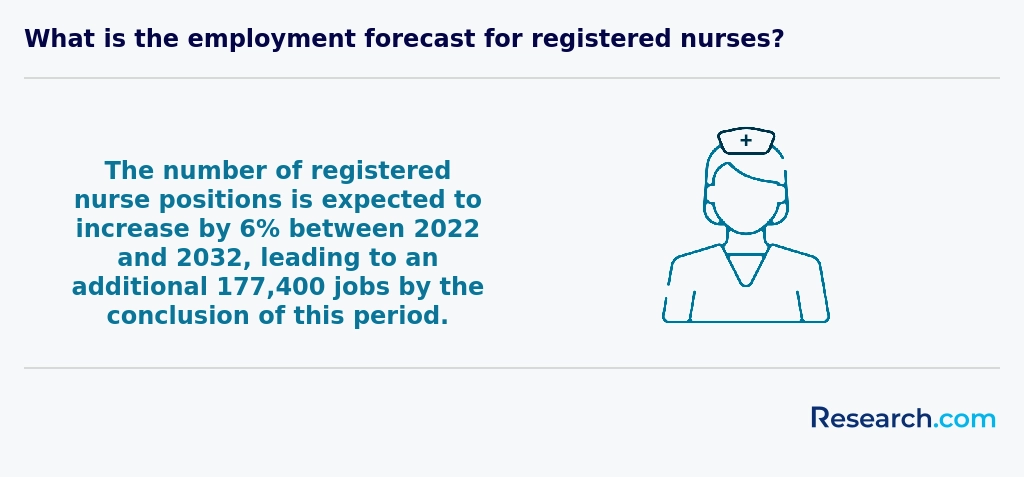
Nursing is a respected and growing profession worldwide, including in the US and Rhode Island. Globally, the demand for qualified nurses is rising due to aging populations and increased healthcare needs. In Rhode Island, the nursing workforce is expanding, with the Bureau of Labor Statistics projecting a 16% growth in nursing jobs by 2032, which is faster than the national average.
International perspectives highlight the importance of cultural competence in nursing education, preparing graduates to work with diverse patient populations. US nursing programs increasingly emphasize this skill. Additionally, global health initiatives often require nurses who can adapt to various care environments.
According to the Rhode Island Department of Labor and Training, registered nurses earn an average annual wage of about $83,000, reflecting the region's investment in healthcare quality and workforce development.
Gaining practical experience is essential for nursing students in Rhode Island to develop clinical skills and improve employability. Most accredited nursing programs include supervised clinical rotations in hospitals or healthcare settings throughout the state. For example, students often complete hours at Rhode Island Hospital or other local facilities, gaining exposure to various specialties.
The Rhode Island Board of Nursing requires clinical hours as part of licensure. These hands-on experiences typically begin in the second year of study, offering real-world application of classroom knowledge. Additionally, some schools partner with community health centers and long-term care facilities for diverse practice opportunities.
Internships and volunteer roles can complement clinical placements, enhancing practical skills. According to the Rhode Island Department of Labor, clinical experience significantly increases job prospects in the state's growing healthcare sector.
Choosing the right concentration within a nursing degree program in Rhode Island depends on your career goals and interests. Popular concentrations include Family Nurse Practitioner, Psychiatric-Mental Health, and Pediatric Nursing. According to the Rhode Island Department of Labor and Training, demand for nurse practitioners is growing by over 30% through 2030.
Consider local healthcare needs: Rhode Island hospitals often seek nurses skilled in geriatrics and chronic disease management, reflecting the state's aging population. Reviewing program offerings at institutions like the University of Rhode Island can help identify specializations with strong clinical partnerships.
Accreditation and licensing preparation should factor into your decision. Ensure the concentration aligns with Rhode Island Board of Nursing requirements for advanced practice.
Related Nursing Rankings for Nearby States
- 2027 Best Online Nursing Degree Programs Ranking in Massachusetts
- 2027 Best Online Nursing Degree Programs Ranking in New York
- 2027 Best Online Nursing Degree Programs Ranking in New Jersey
- 2027 Best Online Nursing Degree Programs Ranking in Pennsylvania
- 2027 Best Online Nursing Degree Programs Ranking in Virginia
- 2027 Best Online Nursing Degree Programs Ranking in Ohio
- 2027 Best Online Nursing Degree Programs Ranking in Kentucky
- 2027 Best Online Nursing Degree Programs Ranking in North Carolina
- 2027 Best Online Nursing Degree Programs Ranking in South Carolina
- 2027 Best Online Nursing Degree Programs Ranking in Tennessee
Top Trending Nursing Rankings
See What Experts Have To Say About Studying Nursing
Read our interview with Nursing experts


References
- Study Nursing Abroad | Boomerang International Educational Services https://boomerangedu.com/study-nursing-abroad/
- How to Choose the Right Nursing School for Your Career Goals | Archer Review https://www.archerreview.com/blog/how-to-choose-the-right-nursing-school-for-your-career-goals
- Tips for Creating a Perfect Nursing School Application https://www.allnursingschools.com/articles/how-to-create-the-perfect-nursing-school-application/
- Career Advancement Pathways for Nurses : Expert RN shares 10+ Professional growth opportunities - MuminMed https://blog.muminmed.com/career-advancement-pathways-for-nurses/
- Nursing Scholarships https://rifoundation.org/grants-scholarships/browse-scholarships/nursing-scholarships
- How to Write https://esign.com/letter-of-intent/school/nursing/
- A Nursing Career in Rhode Island: What to Consider https://www.lincolntech.edu/news/health-sciences/practical-nursing/nursing-career-rhode-island
- Work-life balance | Careers Crossroads | RCN Careers Resources | Royal College of Nursing https://www.rcn.org.uk/Professional-Development/Your-career/Nurse/Career-Crossroads/Career-Ideas-and-Inspiration/work-life-balance
- How to Become an RN in Rhode Island: 5 Steps https://credenzahealth.com/career-advice/how-to-become-an-rn-in-rhode-island-5-steps
- How to Choose a Nursing Program: A Comprehensive Guide - Madonna ABSN https://absn.madonna.edu/blog/how-to-choose-a-nursing-program/


