
2027 Best Nursing Degree Programs Ranking in Texas

Co-Founder and Chief Data Scientist
Are you considering a nursing degree in Texas and want to find the best program for your goals? This article introduces the 2027 Best Nursing Degree Programs Ranking in Texas, carefully created by the Research.com team of data scientists.
By exploring this ranking, you'll gain clear insights into nursing programs that truly stand out, making it easier to choose the path that suits you.
Pursuing a nursing degree is a rewarding step toward a meaningful career, and this guide aims to inspire confidence in your decision.
Key benefits of getting nursing degree in Texas
- Graduates with a nursing degree in Texas can expect strong salary prospects, with Registered Nurses earning a mean annual wage of $94,480 and Operating Room Nurses making up to $128,490.
- Nursing degree holders from universities like The University of Texas have diverse career paths, ranging from clinical nurse educator to emergency room nurse, offering flexibility and job satisfaction.
- Online nursing degrees from schools such as Texas A&M allow students to balance work and study easily, providing convenience without sacrificing the quality of education and career opportunities.
- Key benefits of getting nursing degree in Texas
- What can I expect from nursing degree in Texas?
- Where can I work with nursing degree in Texas?
- How much can I make with nursing degree in Texas?
- 2027 Best Nursing Degree Programs Ranking in Texas
- Key Findings
- How long does it take to complete nursing degree in Texas?
- Accelerated and Bridge Nursing Pathways in Texas
- What's the difference between online and on-campus nursing degree?
- Financial Considerations for Nursing Students in Texas
- What is the average cost of nursing degree in Texas?
- Licensure and NCLEX-RN Exam Preparation: What You Need to Know
- What financial aid is available to nursing degree students in Texas?
- Accelerated Direct-Entry MSN Pathways for Non-Nurses
- What are the prerequisites for enrolling in nursing degree program in Texas?
- Licensing and Certification Requirements for Texas Nursing Graduates
- What courses are typically in nursing degree programs in Texas?
- What types of specializations are available in nursing degree programs in Texas?
- How do you choose the best nursing degree in Texas?
- What career paths are available for nursing degree students in Texas?
- What is the job market for nursing degree in Texas?
- Related Nursing Rankings for Nearby States
- Top Trending Nursing Rankings
- See What Experts Have To Say About Studying Nursing
What can I expect from nursing degree in Texas?
In Texas, the average cost of earning a nursing degree varies significantly depending on the institution. For example, graduates from public universities like the University of Texas at Austin often report tuition and fees totaling around $10,000 to $15,000 annually for in-state students, which feels manageable compared to many other states. On the other hand, private colleges such as Texas Woman's University can have higher yearly costs, sometimes exceeding $20,000, but many students express gratitude for strong scholarship opportunities that ease financial burdens.
Many nursing students appreciate how financial aid packages and loan repayment programs, especially those tied to working in underserved areas, make advanced degrees more accessible. Graduates also reflect on the value of their investment when clinical experience at local hospitals and community health centers enhances their practical skills, making the cost feel worthwhile.
Looking ahead, students anticipate that expanding state initiatives and technological advances in virtual simulations could further reduce out-of-pocket expenses, enabling even more Texans to pursue meaningful nursing careers without overwhelming debt.
Where can I work with nursing degree in Texas?
Graduates from nursing programs at popular Texas universities often find themselves working in vibrant urban hospitals across Houston or Dallas, where they engage in fast-paced environments like surgical or emergency nursing. These roles offer not only valuable experience but a deep sense of fulfillment by directly impacting patients' lives during critical moments.
Many graduates also explore career paths in long-term care facilities and nursing homes, especially with the state's growing elderly population. For instance, nurses trained in Austin find rewarding opportunities providing compassionate geriatric care or managing chronic illnesses, fulfilling a growing community need that promises steady job security.
Others choose community health settings through public health departments or nonprofits, delivering preventive care and education in underserved neighborhoods. Recent graduates from well-known Texas colleges recount the joy of seeing measurable health improvements in their communities, fueling their passion for this meaningful work.
Emerging areas like telehealth and home healthcare are rapidly expanding, with grads pioneering patient-centered care from the comfort of home. Advanced practice nurses trained locally increasingly lead innovative clinics in rural areas, addressing healthcare access gaps with autonomy and expertise.
How much can I make with nursing degree in Texas?
Graduates from nursing programs in Texas, such as those at the University of Texas or Texas Woman's University, often find rewarding financial opportunities soon after completing their degrees. Registered nurses typically earn a mean annual wage around $94,480 according to the latest data, which reflects competitive pay across various nursing roles. For instance, clinical nurse educators and public health nurses share this median salary, offering graduates from these programs multiple viable career paths.
Many graduates envision working in hospitals where specialized roles, like operating room nurses, command even higher salaries-up to $128,490 annually. This can greatly enhance financial stability and job satisfaction, especially for those passionate about advancing their clinical skills. Students often report excitement about the possibility of combining hands-on patient care with such strong earning potential.
Texas nursing graduates from metropolitan areas feel these advantages keenly, where higher demand and wages foster professional growth. Emerging trends in telehealth and specialized nursing fields suggest that salary prospects may continue to rise, rewarding ongoing education and certifications. These evolving opportunities encourage students to picture long-term careers filled with growth and fulfilling compensation.
2027 Best Nursing Degree Programs Ranking in Texas
How do we rank schools?
Investing in your education is a significant decision that can shape your future, and the Research.com team understands the importance of making informed choices. To assist prospective students in Texas, we have meticulously crafted the "2027 Best Nursing Degree Programs Ranking in Texas." Our commitment to quality, credibility, and accuracy is reflected in the extensive research and analysis conducted to compile this ranking.
We utilized the following reputable data sources to ensure a comprehensive evaluation of nursing programs:
By exploring this ranking, readers will gain valuable insights into the finest nursing degree programs available in Texas, enabling them to make well-informed decisions about their educational future. For more details on our methodology, please visit our Research.com methodology page.


Key Findings
- Texas offers nursing degrees like ADN, BSN, and MSN, all approved by the Texas Board of Nursing for NCLEX-RN eligibility.
- ADN tuition ranges from $6,000 to $15,000, while BSN programs cost between $20,000 and $40,000 at public universities; private BSN tuition can exceed $50,000.
- Starting salaries for new RNs in Texas average $65,000 to $70,000, rising to over $80,000 after five years of experience.
- The nursing job market is expected to grow by about 20% from 2020 to 2030, driven by population growth and healthcare expansion.
- There are around 90 approved nursing programs in Texas, with first-time NCLEX-RN pass rates often above 85%.
- Financial aid options like scholarships, grants, and loan forgiveness are available to help nursing students afford their education.
How long does it take to complete nursing degree in Texas?
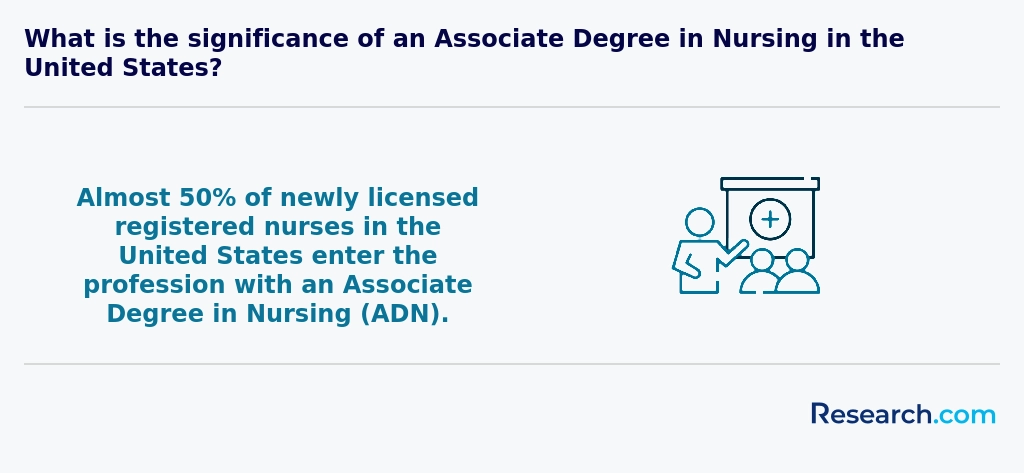
Completing a nursing degree in Texas typically takes between two and four years, depending on the program chosen. Many graduates from Texas community colleges share how the two-year Associate Degree in Nursing (ADN) allowed them to quickly enter the workforce, balancing studies with jobs and family obligations. This fast-paced path appeals to those eager to start their nursing career without the longer time commitment of university programs.
Students opting for a Bachelor of Science in Nursing (BSN) at institutions like the University of Texas or Texas Tech often speak positively about the comprehensive four-year curriculum, which opens doors to leadership roles and specialized careers. Their experiences highlight how the investment of time brings deeper knowledge and confidence in clinical skills.
For working professionals, RN-to-BSN programs offered by universities such as Texas A&M deliver flexibility with 1.5 to 2 years of study, often online, making advancement attainable without disrupting life. These evolving pathways reflect Texas's dedication to accommodating diverse student needs while maintaining high educational standards.
Accelerated and Bridge Nursing Pathways in Texas
Texas offers fast-track programs that help you advance your nursing career efficiently:
- ADN-to-BSN bridges (12–18 months) build on clinical skills and open doors to leadership roles.
- RN-to-MSN tracks (24–36 months) combine BSN completion with master’s coursework for advanced practice.
- Direct-entry MSN and BSN-to-DNP pathways accelerate your path to specialized or doctoral roles; compare the cheapest bsn to dnp programs to find budget-friendly options.
- LPN-to-RN bridge programs (12–24 months) equip licensed practical nurses with RN licensure and expanded responsibilities.
Choosing the right bridge program depends on your current credentials, career goals, and timeline, so review admissions requirements, clinical placements, and NCLEX pass rates before applying.
What's the difference between online and on-campus nursing degree?
Choosing between online and on-campus nursing degrees in Texas transforms how students experience their education. Graduates from the University of Texas at Arlington often praise online programs for their flexibility, allowing them to balance work and family while accessing lectures anytime. However, they emphasize the challenge of arranging clinical hours locally, a Texas Board of Nursing requirement that demands hands-on experience usually completed at nearby healthcare facilities.
In contrast, students at Texas Tech University's on-campus program relish the immediate access to labs and face-to-face mentorship, which fosters a community atmosphere and quick feedback during skill-building. This immersive setting can enhance confidence and readiness, especially for those who thrive on structure and direct interaction.
Looking forward, hybrid models may blend the best of both worlds, reducing travel burdens for clinicals while maintaining rich in-person engagement. As technology evolves, digital simulation tools might soon complement or partially replace some clinical hours, reshaping nursing education across Texas universities.
Financial Considerations for Nursing Students in Texas
When considering a nursing degree in Texas, one of the most crucial factors to evaluate is the financial aspect. The cost of tuition, fees, and living expenses can vary significantly depending on the institution and program chosen. For instance, students looking for cheapest nursing schools in Texas can explore options that offer affordable tuition rates without compromising on the quality of education. Understanding the financial implications and exploring available financial aid options, such as scholarships, grants, and loans, can help prospective nursing students make informed decisions about their educational investments. By carefully planning and managing their finances, aspiring nurses can focus on their studies and clinical training, ultimately preparing themselves for successful and rewarding careers in healthcare.
What is the average cost of nursing degree in Texas?
The average cost of a nursing degree in Texas varies significantly depending on the type of program and institution. For students pursuing an Associate Degree in Nursing at local community colleges, the tuition often remains below $10,000, making it an accessible option for many. Graduates from these programs frequently share how this affordability helped them start their nursing careers without overwhelming financial pressure, allowing them to focus on gaining practical experience.
For those aiming for a Bachelor of Science in Nursing, public universities in Texas typically charge around $9,987 in-state total tuition, which is a considerable investment but often perceived as worthwhile given the broader career opportunities and professional growth graduates report. Popular universities attract motivated students who describe the challenge as exciting and the supportive faculty as invaluable, easing the stress of managing tuition and coursework simultaneously.
Private nursing schools in Texas can cost substantially more, sometimes exceeding $35,000 in total tuition, reflecting their specialized training and smaller classes. Many students find these environments enrich their education despite higher costs. Students mindful of budget concerns often explore scholarships, grants, and financial aid options available specifically for Texas nursing programs to reduce expenses.
Exploring the median expense and comparing it to personal circumstances helps prospective students get a grasp on Texas nursing degree tuition and fees. It's also smart to research the cheapest nursing schools in Texas as part of this process.

Licensure and NCLEX-RN Exam Preparation: What You Need to Know
After completing your nursing degree in Texas, obtaining licensure is the critical next step toward practicing as a Registered Nurse. The Texas Board of Nursing (TBON) requires graduates to pass the NCLEX-RN exam and meet specific application criteria: 1. Texas Board of Nursing Application - Submit an online application through the TBON portal. - Provide official transcripts showing completion of an accredited nursing program. - Complete a criminal background check and submit fingerprinting results. 2. NCLEX-RN Registration and Eligibility - Register with Pearson VUE and pay the exam fee. - Obtain an Authorization to Test (ATT) email from the TBON. - Schedule your exam within the 90-day ATT validity period. 3. NCLEX-RN Exam Structure - Computerized Adaptive Testing (CAT) format adjusts question difficulty. - Covers four major categories: Safe and Effective Care Environment, Health Promotion, Psychosocial Integrity, and Physiological Integrity. - Expect 75–265 questions; plan for a 6-hour testing window. 4. Preparation Strategies - Use reputable review courses, such as those offered by Kaplan or Hurst, to reinforce core concepts. - Complete full-length practice exams under timed conditions to build confidence. - Join study groups or peer review forums to discuss challenging topics and simulate test scenarios. 5. After the Exam - TBON typically releases results within two to four weeks. - If unsuccessful, you may reapply after 45 days; review your Diagnostic Report to target weak areas. For students weighing online vs. on-campus formats, exploring alternative programs can be informative. You may also want to compare affordability and flexibility in other states-see our Affordable Online Nursing Degree Programs Ranking in Connecticut for additional insights.
What financial aid is available to nursing degree students in Texas?
Nursing students in Texas often find financial aid through a mix of federal grants and loans, state scholarships, and employer programs that make pursuing a degree more attainable. Imagine a student at the University of Texas at Austin, relieved to receive a Pell Grant covering a large portion of annual tuition, reducing stress while focusing on tough nursing courses. Others at Texas Woman's University might tap into the Nursing Shortage Reduction Program, gaining scholarships by committing to serve in rural Texas healthcare, turning their career goals into meaningful community impact.
Many graduates recall how low-interest Federal Direct Loans provided crucial flexibility during their Master of Science in Nursing studies at Texas Tech University, allowing them to balance work and study. Meanwhile, hospital tuition reimbursement programs in cities like Houston help working nurses upgrade skills without financial strain, fostering a rewarding journey filled with hope and practical support.
Looking ahead, increasing collaboration between Texas schools and healthcare providers could expand aid options, making nursing degrees even more accessible to passionate future nurses across the state.
Accelerated Direct-Entry MSN Pathways for Non-Nurses
For individuals holding a bachelor’s degree in a non-nursing field, Texas offers accelerated direct-entry Master of Science in Nursing (MSN) programs that blend foundational nursing education with advanced practice coursework. These intensive pathways typically span 24–36 months and prepare graduates for both the NCLEX-RN licensure exam and postgraduate certification as nurse practitioners, clinical nurse specialists, or nurse educators. Curriculum Highlights: • Intensive Fundamentals and Health Assessment: Core nursing theory, patient care techniques, and simulation labs to ensure readiness for clinical rotations. • Advanced Practice Courses: Specialty tracks in family practice, adult-gerontology, pediatrics or mental health, including pharmacology, pathophysiology, and evidence-based practice. • Clinical Immersion: Over 600 supervised clinical hours in hospitals, community health settings, and telehealth environments to develop diagnostic and leadership skills. Admission Requirements: • Bachelor’s degree in any discipline with a minimum 3.0 GPA • Prerequisite courses: Anatomy & Physiology, Microbiology, Statistics, and Human Development • Entrance exam (GRE or MAT) and professional reference letters Career Outcomes and ROI: Graduates enter high-demand roles with median salaries exceeding $95,000 for nurse practitioners in Texas. Many programs feature partnerships with leading health systems, streamlining transition to practice. For nationwide comparisons and flexible scheduling options, explore our quickest online msn programs for non nurses, which may offer similar direct-entry pathways suited to working professionals.
What are the prerequisites for enrolling in nursing degree program in Texas?
Enrolling in a nursing degree program in Texas increasingly demands not only traditional prerequisites but also adaptability to emerging academic standards. Graduates from well-known programs at institutions like the University of Texas at Austin or Texas Woman's University often reflect on the importance of strong foundational skills-high school diploma or GED certification remains essential, paired with competitive scores on the TEAS exam. This standardized test evaluates critical areas such as math and science, which are pivotal for success in nursing.
Beyond test scores, many future nurses share how completing college-level coursework in anatomy, physiology, and microbiology gave them confidence entering clinical settings. These rigorous preparatory classes, common requirements at Texas State University and others, build a scientific base that supports real-world healthcare challenges.
Proof of immunizations and clean background checks, though sometimes overlooked, provide a layer of security for students and patients alike. Letters of recommendation and personal statements let admissions teams glimpse a student's passion and commitment, making the application process feel more personalized and less daunting. Texas students ready to meet these evolving prerequisites often express excitement about joining a profession focused on care and innovation.
Licensing and Certification Requirements for Texas Nursing Graduates
Graduates of accredited nursing programs in Texas must secure a nursing license through the Texas Board of Nursing (TBON). The first step involves successfully passing the NCLEX-RN, the national licensure exam that assesses entry-level nursing competencies. Eligible candidates should submit an application to TBON, complete a fingerprint-based background check, and pay the state licensing fee. Once approved, new RNs receive their Texas nursing license, granting them authority to practice in hospitals, clinics, and other healthcare settings across the state. Maintaining active licensure requires renewal every two years, accompanied by continuing education (CE) credits. Texas RNs must complete at least 20 hours of CE per renewal cycle, including mandatory courses on nursing jurisprudence and ethics. Failure to renew on time can lead to administrative penalties or license expiration, potentially delaying career progression. For nurses aiming to advance their credentials, earning a Bachelor of Science in Nursing is often the next step; exploring the cheapest rn to bsn can streamline this process. Out-of-state nurses seeking reciprocity must apply for endorsement through TBON, demonstrating compliance with Texas educational and examination standards. Additionally, specialty certifications-such as Critical Care Nursing (CCRN) or Pediatric Nursing Certification (CPN)-validate expertise in focused practice areas and can elevate job prospects. By understanding and meeting these licensing and certification requirements, nursing graduates in Texas can confidently embark on their professional journeys, equipped with the credentials required for a rewarding and compliant nursing career.
What courses are typically in nursing degree programs in Texas?
Nursing degree programs in Texas commonly include a mix of foundational and specialized courses designed to equip students with both knowledge and hands-on skills. At renowned schools like the University of Texas at Austin or Texas Woman's University, graduates often recall how courses like Human Anatomy and Physiology introduced them to the intricate workings of the body, which made clinical experiences feel more meaningful and less intimidating.
Core classes such as Pharmacology and Pathophysiology offer essential insights into medication effects and disease processes, enabling students to think critically during patient care. Many students speak positively about the Fundamentals of Nursing course, where they first practiced clinical skills under supervision-experiences that built their confidence before entering busy hospitals.
Courses like Maternity and Pediatric Nursing or Mental Health Nursing bring real-world contexts, sometimes featuring community outreach or simulation labs, which deepen empathy and professional growth. With Texas programs emphasizing Ethics and Professionalism, students graduate ready to navigate complex healthcare environments thoughtfully and confidently.
What types of specializations are available in nursing degree programs in Texas?
In Texas, nursing degree specializations cover a wide spectrum tailored to meet the state's evolving healthcare demands. Graduates from institutions like the University of Texas and Texas Tech share how specializing in Adult-Gerontology allowed them to connect deeply with the aging population around them, preparing for projected demographic shifts. Others find Pediatric Nursing particularly rewarding, helping children in vibrant pediatric units, which highlight the compassionate, hands-on training offered by many Texas nursing programs.
For students exploring Texas nursing program specialization options, paths like Family Nurse Practitioner and Psychiatric-Mental Health reflect emerging trends as mental health becomes a priority statewide. Many graduates emphasize how these advanced practice roles inspired a strong sense of purpose and adaptability in real clinic settings. Specialties such as Critical Care and Neonatal nursing provide intense, focused experiences, pushing students to develop quick decision-making skills under pressure.
Students aiming to advance their education often explore the cheapest rn to bsn options in Texas, appreciating how hands-on clinical practice integrates with academic growth. These varied specializations reflect optimism and flexibility for the future of nursing in Texas's dynamic healthcare landscape.
How do you choose the best nursing degree in Texas?
Choosing the best nursing degree in Texas today means weighing practical factors like program length, cost, and future career impact. Graduates from large public universities often cite how pursuing a Bachelor of Science in Nursing there opened doors to leadership roles due to its comprehensive clinical training and strong hospital partnerships. Meanwhile, others appreciate starting quickly with an Associate Degree in Nursing, allowing faster entry into the workforce and the option to bridge later. With Texas nursing schools reporting NCLEX-RN pass rates frequently above 85%, these outcomes help future students feel confident about their choice.
Cost remains a key consideration-public institutions generally offer affordable tuition compared to private colleges, which can be much pricier. Many students balance finances with quality, reflecting on how best nursing degree programs Texas cost aligns with their long-term plans. Online flexibility is growing in importance, too, with some turning to the quickest online msn programs for non nurses when aiming to advance without pausing their careers.
What career paths are available for nursing degree students in Texas?
Graduates from universities like the University of Texas and Texas A&M find varied nursing career opportunities in Texas that go beyond traditional bedside roles. Many envision advancing as Registered Nurses, serving in hospitals or community health centers, where the state's high demand assures strong job prospects. Others leverage their Bachelor of Science in Nursing to become Advanced Practice Registered Nurses, such as Nurse Practitioners or Nurse Anesthetists, roles that promise higher responsibility and income.
Graduates often describe the fulfillment they gain from specialized clinical paths in pediatrics, oncology, or geriatric care, reflecting Texas's diverse healthcare landscape. Many also pursue nursing educator roles at Texas universities, driven by a passion for shaping future nurses. Administrators in healthcare facilities are another viable path, allowing nurses to influence system-wide changes. With Texas's tuition ranges and supportive loan programs, many students explore flexible options like those highlighted in Affordable Online Nursing Degree Programs Ranking in Connecticut, balancing cost with career growth. These career possibilities reveal how Texas nursing degree job prospects continue evolving in exciting ways.
What is the job market for nursing degree in Texas?
The nursing job outlook in Texas 2027 remains exceptionally strong, driven by the state's growing population and increasing healthcare demands. Graduates from well-known nursing programs at universities such as the University of Texas at Austin or Texas Woman's University often share how their comprehensive clinical experiences in both urban and rural settings prepared them for Texas's diverse healthcare landscape. This creates promising employment prospects right after graduation, with many finding roles in hospitals, community clinics, and long-term care facilities.
Texas nursing degree employment prospects look even brighter considering the state's support for continuous education and licensure advancement. Registered nurses frequently highlight their ability to advance into specialized roles or become Advanced Practice Registered Nurses, often noting how in-state tuition costs remain manageable compared to other states. Students balancing budgets sometimes explore 6-month certificate programs that pay well as alternative routes into healthcare fields, reflecting the adaptable nature of nursing education in Texas.
Frequently Asked Questions About nursing
Nursing degree students in Texas can enhance their education by engaging actively in both classroom and clinical experiences. Texas offers diverse clinical settings, from urban hospitals to rural clinics, providing valuable hands-on training. Students should take advantage of simulation labs, which replicate real-life medical situations to build practical skills safely.
The Texas Board of Nursing requires specific clinical hours, so selecting programs like those accredited by the Commission on Collegiate Nursing Education (CCNE) helps ensure quality preparation. According to the Texas Center for Nursing Workforce Studies, Texas will need over 67,000 additional nurses by 2030, emphasizing the demand for well-prepared graduates.
Networking with local healthcare providers and joining nursing organizations can connect students to internships and job opportunities, further enriching learning.
The nursing field in Texas is rapidly evolving, with several emerging niches offering new career opportunities. One notable area is telehealth nursing, which has grown due to increased access to technology and remote patient monitoring. According to the Texas Board of Nursing, demand for telehealth professionals has surged by over 30% in recent years.
Another significant niche is geriatric nursing, driven by Texas's rapidly aging population. The U.S. Census Bureau projects that Texans aged 65 and older will increase by 30% by 2030, creating a critical need for specialized care providers.
In addition, nurse informatics is gaining attention. Nurses skilled in managing healthcare data systems are vital to improving patient outcomes and operational efficiency in hospitals and clinics across Texas.
These growing specialties represent promising paths for nursing degree graduates seeking to address evolving healthcare demands in the state.
After earning a nursing degree in Texas, preparing for the job market involves several key steps. First, graduates must pass the NCLEX-RN exam, required for licensure by the Texas Board of Nursing. As of 2023, Texas has over 300,000 licensed nurses, creating a competitive job market. Building a strong resume with clinical experience gained during education is essential. Networking through local nursing organizations such as the Texas Nurses Association can open doors. Additionally, many employers value certifications in specialized areas like critical care or pediatrics. Staying informed about regional job trends via the Texas Workforce Commission enhances job search success.
Employers in Texas value a combination of clinical expertise and soft skills in nursing degree graduates. Strong communication skills are essential for effective patient care and collaboration within healthcare teams. According to the Texas Board of Nursing, critical thinking and problem-solving abilities significantly improve patient outcomes, making them highly sought after.
Technical proficiency with electronic health records (EHR) and familiarity with Texas-specific healthcare regulations are also important. A 2023 survey by the Texas Nurses Association found that 85% of employers prioritize adaptability and emotional resilience, given the fast-paced medical environment. Time management and cultural competence complete the core competencies expected from new registered nurses across Texas.
Finding nursing internships in Texas involves exploring opportunities offered through accredited nursing programs and healthcare facilities. Most Texas nursing schools have partnerships with hospitals, clinics, and community health centers that provide clinical placements required for degree completion. The Texas Board of Nursing mandates supervised clinical hours, making internships an essential part of education.
Students should start by consulting their schools' career services or nursing departments for internship listings. Additionally, the Texas Nurses Association offers resources and networking to connect students with employers.
According to the Texas Workforce Commission, healthcare employment, including nursing, is expected to grow by 15% through 2030, increasing internship availability.
In Texas, earning a nursing degree significantly enhances career mobility and advancement opportunities. Registered nurses (RNs) with degrees such as an Associate Degree in Nursing (ADN) or Bachelor of Science in Nursing (BSN) are in high demand, with the Texas Board of Nursing reporting steady growth in RN employment. A BSN is increasingly preferred by employers for leadership roles and specialty positions, offering greater upward mobility.
Higher education levels also improve eligibility for advanced practice roles, such as nurse practitioners, which require a Master of Science in Nursing (MSN) and provide substantially higher salaries. According to the Texas Center for Nursing Workforce Studies, nurses with BSNs tend to have a 10-15% salary advantage over those with ADNs, reflecting the added value of education in career progression.
Studying for a nursing degree in Texas equips students with essential skills to excel in interdisciplinary healthcare teams. Nursing programs in the state emphasize collaborative learning, integrating coursework in communication, ethics, and teamwork. According to the Texas Higher Education Coordinating Board, curricula include clinical experiences alongside professionals in medicine, social work, and physical therapy, enhancing students' understanding of various roles in patient care.
Texas nursing education also aligns with competencies set by the Texas Board of Nursing, promoting leadership in diverse healthcare settings. This preparation reflects workforce demands, as the Texas Center for Nursing Workforce estimates that over 25% of nursing roles require coordination with other health disciplines for improved patient outcomes.
Choosing between a thesis and a non-thesis nursing degree program in Texas depends largely on your career goals and learning preferences. Thesis programs require conducting original research and are ideal for students aiming at academic roles or advanced research positions within nursing.
Non-thesis options focus more on practical skills and clinical knowledge, suitable for those targeting leadership or advanced practice roles in healthcare settings.
According to the Texas Higher Education Coordinating Board, nursing graduate enrollment increased by 12% from 2018 to 2022, reflecting diverse student interests.
Consider also program length and faculty expertise; thesis tracks often take longer due to research demands.
Students based in Texas who wish to study nursing abroad have several options, though they must carefully consider accreditation and licensure challenges. Many Texas nursing programs offer study abroad partnerships or exchange programs with international universities, allowing students to gain global clinical experience while earning credits transferrable to their Texas degrees.
The Texas Board of Nursing (BON) requires that coursework and clinical hours meet U.S. standards, so students should verify that foreign institutions are recognized by relevant accrediting bodies. Programs in countries with strong nursing education systems, such as Canada, the United Kingdom, or Australia, are often favored.
Additionally, students can explore global health internships or summer programs, which provide international exposure without disrupting degree timelines. The National Student Nurses' Association (NSNA) provides resources about such opportunities.
Part-time job opportunities in Texas that complement nursing degree education often include roles such as certified nursing assistant (CNA), medical scribe, and patient care technician. These positions allow students to gain hands-on experience in clinical settings while balancing their coursework. The Texas Board of Nursing reports that CNAs make up a significant portion of the healthcare workforce, providing foundational exposure to patient care.
Medical scribing jobs help students develop documentation skills critical for nursing professionals and offer insight into physician workflows. Additionally, working as a pharmacy technician can improve knowledge of medications, a vital nursing component. These roles typically offer flexible hours suitable for students pursuing nursing degrees.
Nursing students in Texas benefit from numerous networking opportunities that can enhance their education and career prospects. Many universities have partnerships with local hospitals and healthcare organizations, allowing students to connect with professionals during clinical rotations. For example, the Texas Nurses Association hosts events and offers student memberships to foster professional relationships.
Additionally, organizations like the National Student Nurses' Association have active chapters in Texas, providing access to conferences and workshops. According to the Texas Board of Nursing, nearly 300,000 licensed nurses practice in the state, creating a broad network for mentoring and job opportunities.
Alumni networks play a vital role in supporting nursing degree students in Texas. These networks connect current students with experienced graduates who understand the local healthcare landscape. Through mentorship, alumni can offer guidance on coursework, clinical placements, and navigating Texas's state nursing board requirements.
Many Texas nursing programs leverage active alumni groups to provide job referrals and internship opportunities, which is crucial given the state's high demand for registered nurses-projected to grow by 15% through 2031, according to the Texas Workforce Commission.
Additionally, alumni events foster professional relationships, helping students expand their contacts in Texas hospitals and clinics. These connections often lead to faster employment after graduation.
Customizing a nursing degree program in Texas involves choosing specialized tracks and electives aligned with your career goals. Many Texas nursing schools offer options such as pediatrics, gerontology, or psychiatric nursing. Selecting a Bachelor of Science in Nursing (BSN) program with a flexible curriculum allows students to focus on areas including community health or critical care.
Additionally, pursuing certifications like Certified Nurse Midwife (CNM) or Nurse Practitioner (NP) can tailor your education toward advanced practice roles. According to the Texas Board of Nursing, over 50 approved nursing programs provide diverse pathways specific to Texas healthcare needs.
Engaging in clinical rotations within preferred specialties further refines expertise, supported by partnerships between programs and Texas hospitals. Balancing coursework and practical experience helps meet licensure requirements while targeting specific nursing sectors.
Nursing students in Texas often face several significant challenges during their education. One common difficulty is the rigorous academic workload, which combines complex subjects like anatomy, pharmacology, and patient care. According to the Texas Board of Nursing, the state has a high demand for practical experience, requiring students to complete extensive clinical hours in various healthcare settings.
Another challenge is managing time effectively, balancing coursework, clinical rotations, and sometimes part-time employment. Financial strain also affects many students; the average tuition for nursing programs in Texas can range from $5,000 to over $20,000 annually, depending on the institution.
Mental health concerns are increasingly recognized, with stress and burnout reported among approximately 40% of nursing students nationally, including in Texas, as noted by the American Association of Colleges of Nursing. Support services might be limited, adding to the pressure faced by students.
With a nursing degree in Texas, graduates can pursue various professional certifications that enhance career opportunities and expertise. Common certifications include the Registered Nurse (RN) license, required to practice nursing in the state, issued by the Texas Board of Nursing. Beyond licensure, nurses can obtain specialty certifications such as Certified Nurse Midwife (CNM), Certified Nurse Anesthetist (CRNA), or Clinical Nurse Specialist (CNS), each requiring additional education and certification exams.
The Texas Board of Nursing reports over 300,000 licensed RNs as of 2023, showing a strong workforce interested in advancing skills. Certifications by organizations like the American Nurses Credentialing Center (ANCC) are widely recognized and respected in Texas healthcare facilities. These certifications often lead to higher salaries and leadership roles.
To write a winning application for a nursing program in Texas, start by researching the specific program's prerequisites and selection criteria. Many Texas nursing schools, including those accredited by the Texas Board of Nursing, require a solid GPA-often a minimum of 3.0-and completion of prerequisite courses like anatomy and physiology.
Strong personal statements that clearly express your passion for nursing and understanding of the profession can set you apart. Include relevant volunteer or healthcare experience to demonstrate commitment.
According to the Texas Higher Education Coordinating Board, competitive applications also feature strong letters of recommendation from educators or healthcare professionals familiar with your skills and character.
Additionally, meet all deadlines carefully and consider applying to multiple programs to improve acceptance chances.
The nursing profession holds a vital role worldwide, influenced by global health challenges and demographic shifts. In the United States, including Texas, nursing is recognized as a stable and growing career. According to the Texas Board of Nursing, over 327,000 actively licensed nurses serve the state, reflecting strong local demand.
Globally, nursing careers emphasize cultural competence and adaptability due to increasingly diverse patient populations. U.S. nursing education incorporates these aspects to prepare graduates for varied healthcare settings. Furthermore, the U.S. Bureau of Labor Statistics projects a 6% employment growth for registered nurses nationally through 2032, underlining continued opportunities.
Texas specifically offers multiple pathways such as ADN, BSN, and advanced degrees, enabling nurses to meet domestic and international staffing needs. This flexibility in education supports global mobility and collaboration in health care.
Gaining practical experience is a crucial part of earning a nursing degree in Texas. Most nursing programs include clinical rotations where students work in hospitals, long-term care facilities, and community health settings. These placements are supervised and allow students to apply classroom knowledge in real-world environments.
The Texas Board of Nursing requires that all registered nursing programs provide a minimum number of clinical hours, typically around 500 to 700, depending on the program. This ensures students gain hands-on skills before graduation.
Additionally, some students participate in externships or internships, which offer paid or unpaid work experience alongside professionals. Local partnerships between schools and healthcare providers often facilitate these opportunities, helping students build networks in the Texas healthcare system.
Choosing the right concentration within a nursing degree program in Texas involves understanding your career goals and interests. Texas offers various specializations, including family nurse practitioner, psychiatric mental health, and pediatric nursing. According to the Texas Board of Nursing, demand is growing fastest in primary care and mental health fields, reflecting statewide health priorities.
Consider the work environment you prefer-hospital, community, or specialized care. Research programs accredited by the Commission on Collegiate Nursing Education (CCNE) or the Accreditation Commission for Education in Nursing (ACEN), as these ensure quality education recognized in Texas.
Also, review job placement rates and clinical opportunities available in the program. This practical experience is crucial for licensure and employment in Texas's competitive nursing market.
Related Nursing Rankings for Nearby States
- 2027 Best Online Nursing Degree Programs Ranking in Louisiana
- 2027 Best Online Nursing Degree Programs Ranking in Kansas
- 2027 Best Online Nursing Degree Programs Ranking in Missouri
- 2027 Best Online Nursing Degree Programs Ranking in Colorado
- 2027 Best Online Nursing Degree Programs Ranking in Mississippi
- 2027 Best Online Nursing Degree Programs Ranking in Tennessee
- 2027 Best Online Nursing Degree Programs Ranking in Arizona
- 2027 Best Online Nursing Degree Programs Ranking in Georgia
- 2027 Best Online Nursing Degree Programs Ranking in Florida
- 2027 Best Online Nursing Degree Programs Ranking in Kentucky
Top Trending Nursing Rankings
See What Experts Have To Say About Studying Nursing
Read our interview with Nursing experts

Lisa Grubb
Nursing Expert
Assistant Professor
Johns Hopkins School of Nursing

References
- From our readers…Strengthening nursing networks https://www.myamericannurse.com/from-our-readersstrengthening-nursing-networks/
- Nurse Salary https://nursinglicensemap.com/resources/nurse-salary/
- Work-life balance | Careers Crossroads | RCN Careers Resources | Royal College of Nursing https://www.rcn.org.uk/Professional-Development/Your-career/Nurse/Career-Crossroads/Career-Ideas-and-Inspiration/work-life-balance
- UTMB School of Nursing https://nursing.utmb.edu/Academics/Programs/Undergraduate/BSN/Traditional
- Best Nursing Schools in Texas | Bold.org https://bold.org/blog/best-nursing-schools-in-texas/
- Types of Nursing Degrees-Which One Is Yours? https://www.allnursingschools.com/how-to-get-into-nursing-school/degree-options/
- 21 Nursing Specialties in Demand - ABSN@CTX https://absn.concordia.edu/blog/nursing-specialties-in-demand/
- Top Nursing Skills U.S. Employers Want to See on Your Resume | O'Grady Peyton https://www.ogradypeyton.com/blog/job-seeker-resources/top-nursing-skills-u.s.-employers-want-to-see-on-your-resume
- Apply to the Nurse Corps Scholarship Program https://bhw.hrsa.gov/programs/nurse-corps/scholarship/apply
- NURSING - University College of Enterprise and Administration https://en.wspa.pl/nursing-graduate-program/


