
2027 Best Online Bachelor's in Nursing Degree Programs Ranking in Michigan

Co-Founder and Chief Data Scientist
Choosing the right nursing degree program is a big step, especially in Michigan's growing healthcare field. This article introduces the 2027 Best Online Bachelor's in Nursing Degree Programs Ranking in Michigan, developed by the Research.com team of data scientists. It's designed to help you confidently find nursing programs that fit your goals and lifestyle.
Whether you're starting fresh or advancing your career, earning a nursing degree opens doors to rewarding opportunities. Exploring this ranking will give you clear insights and make your decision easier, so you can focus on what truly matters-your future in nursing.
Key benefits of getting online nursing degree in Michigan
- Nursing degree graduates in Michigan can expect competitive salaries, such as $94,480 annually for Registered Nurses and up to $128,490 for Operating Room Nurses, providing financial stability and rewarding career paths.
- Graduates from Michigan State University's nursing program can pursue varied careers like Clinical Nurse Educators, Public Health Nurses, or Emergency Room Nurses, offering diverse opportunities to make a real impact in healthcare.
- Completing a nursing degree online from the University of Michigan allows flexibility to balance personal life and work, making it easier to gain valuable skills without delaying career advancement.
- Key benefits of getting online nursing degree in Michigan
- What can I expect from online nursing degree in Michigan?
- Where can I work with online nursing degree in Michigan?
- How much can I make with online nursing degree in Michigan?
- 2027 Best Online Bachelor's in Nursing Degree Programs Ranking in Michigan
- Key Findings
- How long does it take to complete online nursing degree in Michigan?
- Licensure & NCLEX Preparation in Michigan
- What's the difference between online and on-campus nursing degree?
- NCLEX-RN Pass Rates and Licensure Preparation
- What is the average cost of online nursing degree in Michigan?
- What financial aid is available to online nursing degree students in Michigan?
- Licensure Preparation and NCLEX Success
- What are the prerequisites for enrolling in online nursing degree program in Michigan?
- Cost Considerations and Financial Aid for Online Nursing Programs in Michigan
- What courses are typically in online nursing degree programs in Michigan?
- What types of specializations are available in online nursing degree programs in Michigan?
- How do you choose the best online nursing degree in Michigan?
- What career paths are available for online nursing degree students in Michigan?
- What is the job market for online nursing degree in Michigan?
- Related Nursing Rankings for Nearby States
- Top Trending Nursing Rankings
- See What Experts Have To Say About Studying Nursing
What can I expect from online nursing degree in Michigan?
Expect to invest anywhere from $15,000 to $40,000 for a complete online nursing degree in Michigan, depending on the university and program structure. Graduates from popular institutions often share how financial aid and scholarships made this adventure more affordable, making the journey feel less daunting and more achievable.
One graduate recalls balancing asynchronous online classes with local clinical hours, appreciating how tuition costs aligned closely with in-person programs despite the added flexibility. Another found that scholarships specific to Michigan residents greatly eased the financial burden while studying at a well-known public university.
These real-life experiences show that while tuition varies, competitive pricing combined with state grants can turn this demanding path into an exciting opportunity. The investment not only covers coursework but also the invaluable hands-on clinical hours in Michigan's diverse healthcare settings, setting students up for success in an expanding job market.
Where can I work with online nursing degree in Michigan?
Graduates from Michigan's online nursing programs, such as those at the University of Michigan or Wayne State University, often find themselves stepping into vibrant roles across the state's healthcare landscape. Picture starting your day as a registered nurse at a bustling Henry Ford Health System hospital in Detroit, where every patient interaction sharpens your skills and deepens your impact.
Others take adventurous routes-working in outpatient clinics or providing home healthcare, bringing comfort directly to patients in Grand Rapids or smaller northern towns. Many discover joy in becoming nurse practitioners or educators, roles that expand their influence into community health and schools, inspired by programs from Oakland University's School of Nursing.
Some graduates marvel at the diversity of opportunities beyond traditional settings, like joining a pharmaceutical company's clinical team or a research organization contributing to groundbreaking studies. This flexibility reflects the broad demand for nurses across Michigan's urban centers and rural areas, encouraging students to envision dynamic career paths fueled by their online nursing degree.
How much can I make with online nursing degree in Michigan?
Graduates from popular Michigan nursing programs, such as those at the University of Michigan or Michigan State University, often find their online nursing degrees opening doors to impressive earnings. Registered nurses typically enjoy a mean annual wage of $94,480 in Michigan, closely matching specialized roles like clinical nurse educators and public health nurses. This salary reflects an exciting leap from entry-level salaries that start around $60,000 to $65,000, fueling a rewarding journey into the nursing field.
Imagine stepping into a bustling Detroit hospital, where an emergency room nurse earns approximately $94,480 a year, handling fast-paced care with skill and confidence. Or picture the hands-on impact of operating room nurses, who command a higher mean salary of $128,490, reflecting their advanced expertise and critical role in patient outcomes.
Michigan's vibrant healthcare landscape offers a pathway from online BSN studies to flourishing careers, where ambition meets well-deserved financial rewards, sparking a true sense of purpose and adventure in each nurse's story.
2027 Best Online Bachelor's in Nursing Degree Programs Ranking in Michigan
How do we rank schools?
Investing in your education is a significant decision that can shape your future, and the Research.com team understands the importance of making informed choices. To assist prospective students in Michigan, we have meticulously crafted the "2027 Best Online Bachelor's in Nursing Degree Programs Ranking in Michigan." Our commitment to quality, credibility, and accuracy is reflected in the extensive research and analysis conducted to compile this ranking.
We utilized the following reputable data sources to ensure a comprehensive evaluation of nursing programs:
By exploring this ranking, readers will gain valuable insights into Michigan's top online nursing degree programs, enabling informed decisions about their academic and career goals. For more details on our methodology, please visit our Research.com methodology page.


Key Findings
- Michigan offers accredited online ADN and BSN programs to meet the growing demand for nurses.
- Tuition for online bachelor's nursing degrees ranges from $12,000 to $30,000, with lower costs at public universities for in-state students.
- The nursing job market in Michigan is projected to grow by about 12% from 2020 to 2030, above the national average.
- Starting salaries for new nurses average around $58,000 per year, with experienced RNs earning $75,000 to $80,000 annually.
- Graduates must pass the NCLEX-RN exam to become licensed, following standards regulated by the state Board of Nursing.
- Online programs allow students to complete clinical hours locally through partnerships with healthcare facilities.
How long does it take to complete online nursing degree in Michigan?
Imagine diving into an online nursing degree at Michigan State University or the University of Michigan-Flint, where the journey's length depends on your background and goals. If you're starting fresh, like many traditional BSN graduates, expect around 4 years of immersive study-balancing coursework, lab skills, and clinical hours. It's a rewarding marathon that shapes your nursing foundation fully.
For adventurous RNs holding an associate degree, accelerated BSN programs at colleges like Oakland University offer an exciting shortcut: 12 to 18 months of focused nursing coursework, perfect for those eager to leap forward without delay. Many graduates rave about the intensity, yet fulfilling pace that lets them quickly expand their expertise.
Then there's the RN-to-BSN route, popular among working nurses across Michigan, who juggle family and careers while finishing their degree in just 1 to 2 years. Universities such as Madonna University tailor flexible schedules so students can thrive academically and personally, making each step feel achievable and motivating.
- Traditional BSN: around 4 years full-time
- Accelerated BSN (for non-nursing degree holders): 12-18 months full-time
- RN-to-BSN: 1-2 years depending on enrollment status
Local clinical placements ground every program, adding real-world adventure that transforms online lessons into hands-on skills. It's this blend of flexible study and in-person experience that makes nursing in Michigan a vibrant and accessible path.
Licensure & NCLEX Preparation in Michigan
To practice as a registered nurse in Michigan, graduates must secure licensure through the Michigan Board of Nursing and pass the NCLEX-RN exam. The first step is to submit an online application via the Michigan Licensing and Regulatory Affairs (LARA) portal, including official transcripts from your accredited online nursing program and a completed background check with fingerprinting. Processing times vary, so applying at least 8–12 weeks before graduation is essential to ensure timely eligibility. Once your application is approved, you’ll receive an Authorization to Test (ATT) from Pearson VUE. Effective NCLEX-RN preparation combines content review with simulated question banks-focus on pharmacology, health assessment, and clinical judgment practice. Many Michigan programs offer dedicated exam-prep modules, while third-party review courses and mobile apps can reinforce weak areas. Tracking your performance on practice exams helps identify topics that require additional study. Passing the NCLEX-RN not only grants your Michigan RN license but also opens doors to advanced roles and certifications. For those considering doctoral-level growth, exploring online dnp programs can provide a roadmap to leadership and specialized clinical practice. Continuous professional development, including mandatory CEUs and state renewal every two years, ensures you stay current with evolving standards in patient care and maintain your competitive edge.
What's the difference between online and on-campus nursing degree?
Imagine juggling a full-time job while earning your nursing degree - online programs at universities like Grand Valley State University make that adventure possible. You access lectures and assignments anytime, from your favorite coffee spot or living room, perfect for those balancing life in Michigan's vibrant cities. Yet, the thrill of hands-on clinical hours remains, requiring you to team up with local healthcare facilities for real-world practice.
On the flip side, traditional students at places like the University of Michigan dive into face-to-face classes, feeling the buzz of campus life and instant feedback from instructors. They thrive in simulation labs and study groups, soaking in knowledge with peers every step of the way. Both paths share the same goal: preparing you to pass the Michigan Board of Nursing's required licensure with confidence.
Graduates cherish how online programs gave them flexibility without sacrificing quality, while on-campus alumni recall the energy of vibrant classrooms. Whichever route sparks your passion, Michigan's nursing education offers a dynamic journey tailored just for you.
NCLEX-RN Pass Rates and Licensure Preparation
Evaluating NCLEX-RN first-time pass rates and state licensure support is essential when choosing an online BSN program in Michigan. Top online nursing programs in the state consistently report first-time NCLEX-RN pass rates above 90%, reflecting rigorous curricula and effective exam preparation strategies. Key components that drive NCLEX success include:
- Accredited Curriculum: Programs approved by the Michigan Board of Nursing and accredited by CCNE or ACEN ensure comprehensive coverage of licensure exam content.
- Dedicated Exam Review: Access to live NCLEX review courses, practice question banks, and virtual simulation labs helps students identify strengths, remedy gaps, and build confidence.
- Faculty Mentorship: Personalized coaching from experienced nurse educators offers targeted feedback on test-taking techniques, study plans, and remediation. Students transitioning from unrelated fields can accelerate their path to nursing licensure through online accelerated nursing programs for non nurses, which integrate NCLEX prep modules into an intensive, entry-level curriculum. Additionally, in-state clinical placements with qualified preceptors satisfy Michigan’s 500-hour clinical requirement, reinforcing hands-on competencies needed for the NCLEX-RN exam. By prioritizing programs with stellar NCLEX pass rates and robust licensure support, prospective students can confidently embark on their journey to becoming registered nurses in Michigan.
What is the average cost of online nursing degree in Michigan?
The average cost of an online nursing degree in Michigan offers a fascinating glimpse into the varied educational paths available to aspiring nurses. For those exploring online nursing degree expenses in Michigan, the median in-state total cost hovers around $28,825, making it an attainable yet significant investment. Graduates from universities like the University of Michigan-Flint often recall the balance between tuition priced at approximately $387 per credit hour and the rewarding flexibility of learning from home while managing other life commitments.
Public institutions generally provide more budget-friendly options for residents, with many nursing students sharing how programs at places such as Wayne State University come in total tuition costs between $12,000 and $16,000. The feeling of achievement is amplified when you consider how these costs are often offset by scholarships, employer tuition assistance, or financial aid-making the dream of a nursing career ever more reachable. It helps to be aware of not just tuition but also the extra fees for materials and clinical placements that add to the overall journey.
For those ready to explore the most economical paths, discovering the cheapest nursing programs in Michigan opens doors to worthwhile opportunities. Many students describe how choosing an online format reduces expenses linked to commuting and housing, adding a layer of financial relief along with educational adventure. Understanding this landscape invites a confident step forward toward a nursing degree and a future full of possibilities.

What financial aid is available to online nursing degree students in Michigan?
Exploring financial aid options for an online nursing degree in Michigan opens a world of support that many students find both exciting and reassuring. Imagine a graduate from Wayne State University discovering the federal Pell Grant, which can provide up to $7,395 annually-a true game-changer for managing tuition without debt. Completing the FAFSA is the gateway here, unlocking access to federal loans and work-study programs that blend perfectly with busy nurse-student lives.
Michigan's Nursing Incentive Scholarship is a unique treasure, especially for those ready to commit to local healthcare after graduation. Graduates from Grand Valley State University have shared how this award eased their financial worries and fueled their passion to serve in-state communities.
On top of that, many universities like Michigan State offer institutional scholarships focusing on academic excellence or financial need. Some online nursing students feel uplifted by employer tuition reimbursement programs, making continuing education more attainable while working.
Private scholarships from nursing groups add an extra layer of opportunity, creating a vibrant mosaic of support that feels personal and promising throughout one's educational journey.
Licensure Preparation and NCLEX Success
A top online nursing bachelor’s program in Michigan ensures you meet state licensure requirements and excel on the NCLEX-RN exam. Key factors to evaluate include:
- CCNE or ACEN accreditation and regional HLC recognition for NCLEX eligibility
- Approval by the Michigan Board of Nursing to guarantee clinical hour compliance
- Consistently high NCLEX-RN first-time pass rates (ideally 85% or higher)
- Integrated exam prep: live review sessions, adaptive question banks, and practice tests
- Dedicated faculty support and peer study groups to reinforce critical thinking
Consider comparing tuition and NCLEX support when evaluating cheap online nursing programs to balance cost with quality licensure preparation.
What are the prerequisites for enrolling in online nursing degree program in Michigan?
Diving into an online nursing degree in Michigan means first meeting some important prerequisites that set you up for success. Graduates from popular schools like the University of Michigan and Wayne State University often recall how completing key courses-such as Human Anatomy and Physiology, Microbiology, and Chemistry-gave them a strong foundation that made clinical work less intimidating and more exciting.
Most programs ask for a high school diploma or GED, alongside a solid GPA around 2.5 to 3.0, showing you're ready for the challenge. Imagine juggling your stats or college algebra homework alongside your busy schedule, just like many nursing students in Michigan do!
Many appreciate that prerequisites can be completed online, offering the flexibility needed when balancing work or family. And passing the TEAS exam? It's a real confidence booster-graduates often share how this test sharpened their skills and clarified what nursing study demands.
Some schools also encourage sending in recommendation letters or healthcare experience proof, helping you stand out and feel connected to the caring community before classes even start.
Cost Considerations and Financial Aid for Online Nursing Programs in Michigan
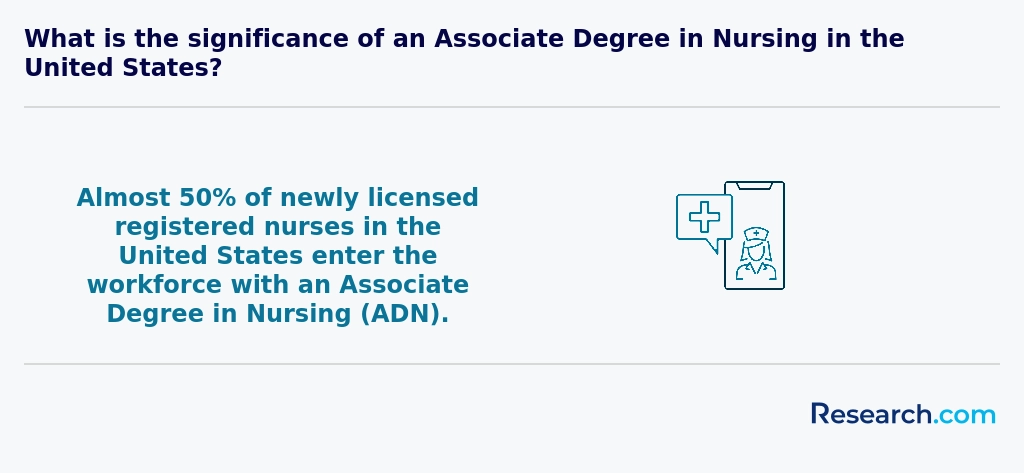
When considering online nursing programs in Michigan, one of the most crucial factors is the cost. Prospective students need to weigh the expenses associated with tuition, fees, and other requirements against the potential benefits and career outcomes. The average cost of an online nursing degree in Michigan can vary significantly, ranging from approximately $23,900 for an Associate Degree in Nursing (ADN) to over $211,392 for a Bachelor of Science in Nursing (BSN). To offset these costs, many institutions and organizations offer financial aid options, including scholarships, grants, and loans. For instance, the cheapest nursing programs in Michigan can be explored to find more affordable options. Additionally, some employers offer tuition reimbursement programs for nursing students, which can help alleviate financial burdens. It's essential for prospective students to research and understand the available financial aid options and to plan carefully to manage the costs associated with pursuing an online nursing degree in Michigan.
What courses are typically in online nursing degree programs in Michigan?
Diving into an online nursing degree in Michigan means exploring a vibrant mix of courses that shape you into a confident healthcare professional. Graduates from popular institutions like the University of Michigan-Flint often recall starting with foundational science courses-anatomy, physiology, microbiology, and chemistry-which ground them in understanding the human body's secrets. Imagining yourself mastering these subjects online, yet applying them hands-on during local clinical hours, feels both exciting and empowering.
The journey also includes nursing fundamentals-health assessment techniques, pharmacology, pathophysiology, and care for adults and children. Graduates enthusiastically share how courses in mental health or community nursing opened their eyes to diverse patient needs across Michigan's communities.
Moreover, leadership and management classes prepare students to step into roles where they influence healthcare teams and policy, bridging theory and real-world challenges. Many speak of the thrill in using virtual simulation labs and local practicums, blending flexibility with meaningful, tangible experience.
What types of specializations are available in online nursing degree programs in Michigan?
Exploring online nursing degree specializations in Michigan sparks excitement for many aspiring nurses ready to carve their unique paths. Graduates from leading institutions like the University of Michigan and Michigan State University often share how the Family Nurse Practitioner (FNP) track allowed them to confidently provide primary care across diverse communities, especially in underserved areas.
Others describe the rewarding challenge of the Psychiatric-Mental Health Nurse Practitioner (PMHNP) specialization, where they learned to support mental health in a state facing critical provider shortages. Nursing programs in Michigan are also rich with options like Healthcare Leadership and Management, perfect for those aiming to lead hospital teams or public health projects, or Public Health Nursing, which connects nurses directly to impactful community health initiatives.
Pediatric Nursing graduates recount how their online studies prepared them to care for children across Michigan's varied healthcare environments. For students excited about advancing in the field, exploring online dnp programs available locally can be the next adventurous step toward specialized nursing careers.
How do you choose the best online nursing degree in Michigan?
Finding the best online nursing degree in Michigan feels like embarking on a rewarding journey. Graduates from well-known Michigan universities often share how accreditation from bodies like the CCNE or ACEN gave them confidence that their education met high standards. Imagine yourself balancing life and study, knowing that clinical placements happen locally at approved hospitals, just like these students who appreciated support securing sites near Detroit or Grand Rapids.
Tuition is another exciting puzzle to solve. With the average in-state costs around $11,000 per year, many students celebrate discovering affordable online nursing degrees Michigan institutions offer, along with scholarships or employer reimbursement that made their dreams possible. Flexibility through part-time or full-time tracks lets you chart your own course, similar to peers whose program lengths varied from two to four years based on previous credits.
Your adventure continues by exploring student support - tutoring, advising, and even virtual libraries become your trusted companions. Some graduates highlight how excellent NCLEX-RN pass rates, published by the Michigan Board of Nursing, boosted their confidence stepping into their careers. If you're looking for accelerated options, consider online accelerated nursing programs for non nurses that open doors faster.
What career paths are available for online nursing degree students in Michigan?
Earning an online nursing degree in Michigan opens a world of career opportunities that spark both curiosity and passion. Graduates from popular universities find themselves stepping confidently into roles as Registered Nurses (RN), where the median wage hovers around $68,000, providing hands-on care in vibrant hospital settings or cozy community clinics. The thrill of advancing clinical skills entices many toward becoming Nurse Practitioners or Clinical Nurse Specialists, roles supported by Michigan's welcoming licensing environment and growing need across urban and rural areas.
Michigan nursing degree job prospects also include exciting paths like healthcare administration and nursing education, where analytical skills sharpened through study become leadership tools for shaping the future of healthcare. Graduates share stories of embracing these roles with a sense of fulfillment, managing teams or inspiring new nurses at well-known Michigan colleges.
For students curious about affordability, exploring options like state universities can ease tuition concerns. To find the best fit, consider checking the Cheapest Online Nursing Degree Programs Ranking in the Northeast to discover competitive choices.
Those eager about online nursing career opportunities in Michigan sense that each path offers a unique adventure in a stable, growing field full of promise and purpose.
What is the job market for online nursing degree in Michigan?
Graduates with an online nursing degree quickly discover Michigan's job market is rich with opportunity. The state's robust healthcare sector is actively seeking skilled nurses, especially those educated at well-known institutions like the University of Michigan or Michigan State University. Alumni often share how their online BSN programs not only equipped them with essential skills but also opened doors to positions in hospitals, outpatient care centers, and home healthcare services. This dynamic aligns perfectly with the broad growth in registered nursing jobs across Michigan, offering hopeful nurses a encouraging career path.
For those curious about online nursing job opportunities Michigan truly offers, wages hover around a competitive $75,000 annually, with urban hubs like Detroit providing even higher pay due to demand. The state's focus on BSN-prepared nurses means graduates feel confident stepping into roles praised for improving patient outcomes. Nursing students at popular Michigan colleges often remark on the balance between affordable education costs and rewarding job prospects, making it easier to focus on thriving in their careers rather than financial stress.
Exploring nursing in Michigan also invites a look into programs that fit your lifestyle; for some, discovering what is the easiest masters degree to get online can be a helpful next step towards advancing their skills and standing out in this competitive market.
Frequently Asked Questions About nursing
Online nursing degree students in Michigan can maximize their learning by actively engaging with coursework and clinical opportunities. The Michigan Board of Nursing requires practical clinical experience, which students should seek through approved local healthcare facilities. Combining online theory with hands-on practice strengthens skills and meets state licensure standards.
Utilizing academic support such as tutoring, study groups, and faculty office hours is essential. Many Michigan nursing programs offer these resources remotely, aiding comprehension and retention.
Staying informed on Michigan's nursing industry trends and employment data from sources like the Michigan Department of Licensing and Regulatory Affairs can guide career-focused learning.
The nursing field in Michigan is expanding into several emerging niches that offer promising career paths for graduates with online nursing degrees. One growing area is gerontological nursing, responding to the state's increasing elderly population. According to the Michigan Center for Nursing, the demand for nurses specializing in elder care is expected to rise by over 15% through 2028.
Another notable niche is telehealth nursing, which has surged due to advances in digital healthcare and remote patient monitoring technologies. Nurses in this specialty provide care and education via virtual platforms, addressing Michigan's rural healthcare access challenges.
Additionally, informatics nursing is gaining traction as healthcare systems implement electronic health records statewide. This role combines clinical expertise with data management to improve patient outcomes.
These specialties reflect Michigan's evolving healthcare landscape and present valuable opportunities for nursing students pursuing flexible online degrees.
After completing an online nursing degree in Michigan, preparing for the job market is crucial. Start by obtaining licensure through the Michigan Board of Nursing by passing the NCLEX-RN exam. This step is mandatory for all registered nurses in the state.
Networking with local healthcare providers can open doors. Michigan's healthcare sector is growing, with the Bureau of Labor Statistics projecting a 10% increase in RN jobs by 2032. Joining professional organizations like the Michigan Nurses Association provides valuable connections and resources.
Consider gaining additional certifications in specialties such as gerontology or pediatrics to increase employability. Many employers value clinical experience, so look for internships or volunteer opportunities locally while studying.
Employers in Michigan prioritize a blend of clinical expertise and interpersonal skills when hiring nursing degree graduates. According to the Michigan Nurses Association, strong critical thinking and patient assessment abilities are essential. These skills ensure nurses can make quick, informed decisions in fast-paced healthcare settings.
Communication skills rank highly, as nurses must effectively collaborate with patients, families, and medical teams. Additionally, proficiency in electronic health records (EHR) is increasingly vital, given the state's move toward digital healthcare systems.
Health care employers also value adaptability and continuous learning to keep pace with evolving medical practices and technologies in Michigan's diverse healthcare environment.
Finding internships in Michigan relevant to a nursing degree involves exploring partnerships between online programs and local healthcare facilities. Many Michigan nursing schools collaborate with hospitals, clinics, and long-term care centers to provide practical experience. The Michigan Department of Licensing and Regulatory Affairs offers resources on approved clinical sites and internship options. Students can also connect with the Michigan Nurses Association, which regularly shares internship opportunities and networking events. Additionally, securing internships in Michigan often requires proactive outreach to hospitals such as Beaumont Health or Henry Ford Health System, both major employers in the state's healthcare sector. Early application is advised due to high demand.
Obtaining an online nursing degree in Michigan significantly enhances career mobility and advancement opportunities. The state's healthcare sector is growing rapidly, with a projected 15% increase in registered nurse employment through 2030, according to the Michigan Department of Labor and Economic Opportunity.
Online programs offer flexibility, allowing working nurses to earn a Bachelor of Science in Nursing (BSN) without interrupting their careers. This degree is increasingly required for leadership roles, specialized nursing positions, and higher salaries in Michigan's hospitals and clinics.
Employers such as the Michigan Medicine Health System and Henry Ford Health System often prioritize BSN-prepared candidates, reflecting national trends recognized by the American Nurses Association.
Studying for a nursing degree in Michigan offers strong preparation for interdisciplinary roles through curricula that emphasize collaboration across healthcare fields. Many online nursing programs align with Michigan's healthcare priorities, integrating courses on communication, teamwork, and leadership.
Programs often include training on working alongside physicians, social workers, and therapists, reflecting real-world clinical settings. According to the Michigan Center for Nursing, about 27% of registered nurses in the state work in team-based environments requiring broad coordination skills.
The emphasis on evidence-based care alongside diverse healthcare roles ensures graduates are ready to contribute effectively in hospitals and community health settings. Online formats incorporate simulations and case studies to build these competencies.
When choosing between a thesis and a non-thesis nursing degree program in Michigan, consider your career goals carefully. Thesis programs typically suit students interested in research, academia, or advanced clinical roles. Completing a thesis involves extensive research and writing, which can deepen your expertise in a specific nursing topic. According to the Michigan Board of Nursing, research skills are increasingly valuable for leadership positions in health systems.
Non-thesis programs often focus more on practical skills and clinical application, appealing to those planning to enter or advance in direct patient care or administration. These programs usually require fewer credits and may offer a faster route to graduation.
Review the curriculum details of each option at accredited Michigan schools and consider how they align with your professional plans.
Students based in Michigan who wish to study nursing abroad have several online options linked to international institutions partnered with U.S. universities. Many online nursing programs offer global clinical placements or study-abroad opportunities that comply with U.S. nursing accreditation standards. Michigan residents must ensure the program meets the Michigan Board of Nursing requirements, which emphasize accredited curricula and clinical experience.
According to the Michigan Center for Nursing, the state is experiencing a nursing shortage, which has encouraged schools to expand flexible, internationally connected programs. Online degrees often provide virtual classrooms combined with local clinical rotations, allowing students to benefit from global perspectives while fulfilling Michigan's licensing requirements.
Programs such as those affiliated with ACEN or CCNE accreditation are favored, ensuring courses meet quality standards recognized both domestically and internationally. Students should confirm transfer credits and clinical placement options before enrolling, to maintain eligibility for the NCLEX-RN exam in Michigan.
Part-time jobs in Michigan that complement online nursing degrees often include roles in healthcare settings such as medical assistants, patient care technicians, or certified nursing assistants (CNAs). These positions provide practical experience and help build essential clinical skills. According to the Michigan Department of Labor and Economic Opportunity, healthcare support occupations are expected to grow by 15% through 2030, reflecting strong demand.
Working in local hospitals, clinics, or long-term care facilities can offer flexible schedules suited for students. Similarly, jobs in telehealth services are increasingly available, allowing students to gain experience remotely. These opportunities not only enhance resumes but also improve understanding of patient care in real-world settings.
Online nursing students in Michigan benefit from several networking opportunities designed to enhance their professional growth. Many programs offer virtual events, including webinars and career fairs, allowing students to connect with faculty, healthcare employers, and peers statewide. The Michigan Nurses Association (MNA) provides both online and in-person networking events, supporting students entering the nursing workforce.
Additionally, local hospital systems often collaborate with nursing schools, giving online students access to clinical placements and mentorship programs. According to the Michigan Center for Nursing, over 100,000 Registered Nurses work in Michigan, creating a broad professional network within the state's healthcare community.
Alumni networks provide valuable benefits for online nursing degree students in Michigan. These networks connect current students with graduates who have experience in Michigan's healthcare system. This connection helps students access mentorship, career advice, and job opportunities after graduation.
In Michigan, where the demand for registered nurses is expected to grow by 9% through 2030 (Bureau of Labor Statistics), alumni networks can offer crucial local job leads. Many nursing employers in Michigan prefer candidates recommended through known professional connections.
Additionally, alumni networks often share resources such as continuing education and industry updates, which help nurses maintain licensure and stay competitive in the job market.
Customizing your online nursing degree in Michigan allows you to align your education with your specific career goals. Many Michigan nursing programs offer elective courses and specialization options, such as pediatrics, geriatrics, or community health. You can often choose part-time or full-time pacing to fit work and personal commitments.
Additionally, some programs provide clinical placement opportunities in local healthcare settings, enhancing practical experience tailored to your interests. The Michigan Board of Nursing supports varied certifications, so selecting coursework that prepares you for certifications relevant to your desired role can be strategic.
Using resources like the Michigan Nurses Association and state university advisement helps ensure your degree meets licensure and career requirements.
Online nursing students in Michigan often face challenges balancing clinical practice requirements with remote coursework. Michigan's nursing licensure demands hands-on clinical hours, which can be difficult to schedule alongside full-time jobs or family commitments. According to the Michigan Board of Nursing, students must complete a minimum number of practical hours, posing logistical hurdles. Another challenge is limited access to in-person mentorship, which many students find crucial for developing technical skills and confidence.
Technological barriers also affect some learners, especially those in rural regions with unstable internet. According to the Federal Communications Commission, approximately 10% of Michigan households lack broadband access. Lastly, navigating the state's specific licensure verification and exam preparation processes adds complexity for online learners.
With an online nursing degree in Michigan, graduates can pursue several professional certifications to enhance their credentials. Many start with the Registered Nurse (RN) license, granted by the Michigan Board of Nursing, required for practicing clinical nursing in the state.
Beyond RN licensure, nurses may seek certifications such as Certified Nurse Practitioner (CNP) or Certified Clinical Nurse Specialist (CNS). These require additional education but are accessible to those with a Bachelor of Science in Nursing (BSN).
Nationally recognized certifications include the American Nurses Credentialing Center (ANCC) certifications, which cover specialties like medical-surgical nursing, pediatric nursing, and psychiatric nursing. Pursuing these can improve job prospects in Michigan's growing healthcare market, which the Michigan Center for Nursing notes has an increasing demand for specialized nursing roles.
Applicants aiming for an online nursing program in Michigan should focus on showcasing their academic readiness and professional commitment. Start by highlighting your GPA and relevant coursework, as Michigan nursing programs often require a minimum GPA of 3.0 for competitive admission, according to the Michigan Board of Nursing.
Emphasize any healthcare experience, such as work as a Certified Nursing Assistant, which strengthens your practical skills and understanding of patient care. Many programs value hands-on experience alongside academic achievement.
Craft a clear personal statement that explains your motivation for nursing and why you prefer an online format. Use specific examples to demonstrate your communication skills and ability to manage time effectively, traits essential for success in online education.
Strong letters of recommendation, ideally from healthcare professionals or instructors familiar with your abilities, also improve your application's impact. Finally, ensure all application materials are submitted before program deadlines, which commonly fall in late spring or summer for fall enrollment.
Globally, nursing is recognized as a vital profession essential to healthcare systems. In the United States, including Michigan, nursing offers strong career stability and growth. According to the U.S. Bureau of Labor Statistics, registered nursing jobs are projected to grow 7% from 2021 to 2031, faster than the average for all occupations. Michigan is part of this trend, with its aging population increasing demand for qualified nurses.
The global nursing community emphasizes cultural competence and adaptable skills, which align well with online nursing programs. These programs allow students from Michigan to gain education tailored to U.S. healthcare standards while preparing for diverse, international settings.
Furthermore, as healthcare becomes more interconnected, nursing professionals benefit from technology integration and evidence-based practices. Online degrees in nursing support this by offering flexible access to current research and clinical techniques important worldwide. Thus, nursing in Michigan connects learners to a worldwide network of health innovation and patient care excellence.
When pursuing an online nursing degree in Michigan, gaining practical experience is essential for licensure and career readiness. Most programs require clinical hours, which students complete at approved healthcare facilities near their homes. Michigan's numerous hospitals and clinics partner with universities to offer local placements for hands-on training.
The Michigan Board of Nursing mandates specific clinical practice hours for nursing candidates, ensuring students engage in real-world patient care. Many schools also facilitate simulation labs and virtual clinical experiences to supplement in-person training.
Prospective students should contact program advisors early to arrange clinical sites and confirm placement availability. Local healthcare providers in Michigan employ thousands of nurses, reflecting strong opportunities for internships and externships. According to the Michigan Center for Nursing, about 150,000 RNs are employed statewide, highlighting vibrant clinical settings for student practice.
Choosing the right concentration within an online nursing degree in Michigan involves considering your career goals and the state's healthcare demands. Michigan's nursing workforce is growing, especially in areas like gerontology, psychiatric nursing, and community health, reflecting the state's aging population and mental health needs (source: Michigan Center for Nursing, 2023).
Research the specialties each program offers, such as pediatric or acute care nursing, and evaluate how those align with job opportunities in Michigan hospitals and clinics. Accreditation and NCLEX pass rates are also important indicators of program quality and career readiness.
Additionally, consider your clinical placement options and whether the school supports sites near your location to satisfy Michigan licensing requirements effectively.
Related Nursing Rankings for Nearby States
- 2027 Best Online Bachelor's in Nursing Degree Programs Ranking in Ohio
- 2027 Best Online Bachelor's in Nursing Degree Programs Ranking in Indiana
- 2027 Best Online Bachelor's in Nursing Degree Programs Ranking in Wisconsin
- 2027 Best Online Bachelor's in Nursing Degree Programs Ranking in Illinois
- 2027 Best Online Bachelor's in Nursing Degree Programs Ranking in Pennsylvania
- 2027 Best Online Bachelor's in Nursing Degree Programs Ranking in Kentucky
- 2027 Best Online Bachelor's in Nursing Degree Programs Ranking in Iowa
- 2027 Best Online Bachelor's in Nursing Degree Programs Ranking in Missouri
- 2027 Best Online Bachelor's in Nursing Degree Programs Ranking in New York
- 2027 Best Online Bachelor's in Nursing Degree Programs Ranking in Tennessee
Top Trending Nursing Rankings
See What Experts Have To Say About Studying Nursing
Read our interview with Nursing experts

Lisa Grubb
Nursing Expert
Assistant Professor
Johns Hopkins School of Nursing

References
- How a BSN Prepares You for Graduate Nursing Degrees (MSN, DNP) https://blog.methodistcollege.edu/bsn-prepares-you-graduate-nursing-degrees
- Client Challenge https://www.springerpflege.de/nursing-graduates-perceived-future-career-pathway-and-career-shi/50653658
- How to Choose a Nursing Program: A Comprehensive Guide - Madonna ABSN https://absn.madonna.edu/blog/how-to-choose-a-nursing-program/
- Exploring Diverse Nursing Career Horizons - N2S Healthcare Blog https://n2shealthcare.com/blog/exploring-diverse-nursing-career-horizons-n2s-healthcare-blog
- Nursing School Partnerships & Alumni Engagement https://www.nurseslounge.com/partners/nursing-schools/
- School of Nursing Alumni Resources https://nursing.utmb.edu/About/Alumni
- Top Nursing Skills U.S. Employers Want to See on Your Resume | O'Grady Peyton https://www.ogradypeyton.com/blog/job-seeker-resources/top-nursing-skills-u.s.-employers-want-to-see-on-your-resume
- Pros And Cons Of Online Nursing In 2025 | Davis & Elkins https://www.dewv.edu/the-pros-and-cons-of-online-nusing-in-2025-is-it-right-for-you/
- Know more about thesis vs non- thesis: what is the difference? https://studyfans.com/en/blogs/816
- | NRR | Dove Medical Press https://www.dovepress.com/internship-challenges-encountered-by-nursing-students-a-qualitative-st-peer-reviewed-fulltext-article-NRR


