
2027 Fastest Online Bachelor's in Nursing Degree Programs Ranking in Michigan

Co-Founder and Chief Data Scientist
Choosing the right nursing degree program is an exciting step toward a rewarding career in healthcare. If you're in Michigan and eager to advance your education, this article is here to guide you.
We present the 2027 Fastest Online Bachelor's in Nursing Degree Programs Ranking in Michigan, developed by the Research.com team of data scientists. This ranking helps you quickly identify programs that fit your lifestyle and goals.
Discover options that combine quality education with flexibility, making your journey to becoming a nurse smoother and more achievable.
Key benefits of getting online nursing degree in Michigan
- Graduates with nursing degrees in Michigan can expect competitive salaries, with Registered Nurses earning around $94,480 annually and Operating Room Nurses earning up to $128,490, offering financial stability and growth potential.
- Career paths include roles like Registered Nurse, Clinical Nurse Educator, and Public Health Nurse, similar to graduates from institutions such as the University of Michigan, providing diverse opportunities in healthcare.
- Online nursing degrees offer flexibility and convenience, allowing graduates from programs like those at Michigan State University to balance work and study while earning a respected qualification.
- Key benefits of getting online nursing degree in Michigan
- What can I expect from online nursing degree in Michigan?
- Where can I work with online nursing degree in Michigan?
- How much can I make with online nursing degree in Michigan?
- 2027 Fastest Online Bachelor's in Nursing Degree Programs Ranking in Michigan
- Key Findings
- How long does it take to complete online nursing degree in Michigan?
- Key Features of Fast-Track Online BSN Programs
- What's the difference between online and on-campus nursing degree?
- NCLEX Pass Rates and Licensure Success
- What is the average cost of online nursing degree in Michigan?
- Licensure and Certification Requirements
- What financial aid is available to online nursing degree students in Michigan?
- NCLEX-RN Exam and Licensure Requirements in Michigan
- What are the prerequisites for enrolling in online nursing degree program in Michigan?
- Most Affordable Options for Online Nursing Degrees in Michigan
- What courses are typically in online nursing degree programs in Michigan?
- What types of specializations are available in online nursing degree programs in Michigan?
- How do you choose the best online nursing degree in Michigan?
- What career paths are available for online nursing degree students in Michigan?
- What is the job market for online nursing degree in Michigan?
- Related Nursing Rankings for Nearby States
- Top Trending Nursing Rankings
- See What Experts Have To Say About Studying Nursing
What can I expect from online nursing degree in Michigan?
The average cost of an online nursing degree in Michigan typically ranges from $25,000 to $60,000, depending on the institution and program format. For example, hybrid BSN programs offered by universities like Wayne State or Grand Valley State blend online coursework with in-person clinicals, which can influence tuition costs. Many graduates share how investing in these programs was a meaningful step toward balancing work, family, and education without sacrificing quality. The flexibility allowed them to study on their own schedule while gaining essential hands-on experience in local healthcare settings.
It's important to remember that while tuition is a major factor, you should also consider expenses like clinical placement fees, textbooks, and licensing exam preparation. Some students found financial aid and scholarships available through schools like Ferris State University helped ease the financial commitment.
In Michigan, the return on investment often feels rewarding: graduates describe the pride of preparing for the NCLEX-RN exam knowing their education met rigorous state standards and that their clinical hours were completed in trusted facilities. This combination of academic rigor and practical experience builds confidence essential for a nursing career.
Where can I work with online nursing degree in Michigan?
With an online nursing degree from a respected Michigan school like the University of Michigan or Ferris State University, you open doors to varied and rewarding career paths across the state. Graduates often begin their journeys in bustling acute care hospitals, gaining hands-on experience in fast-paced units like emergency rooms or intensive care. This exposure not only builds confidence but also deepens clinical skills in real settings.
Many graduates find fulfilling roles in outpatient clinics or physician offices, where patient relationships grow over time, creating a lasting impact on community health. Others choose long-term care or home health environments, providing compassionate care that truly changes lives, especially for Michigan's aging population.
Some alumni lean into public health roles within local health departments, tackling challenges unique to Michigan's diverse urban and rural communities. Here, they educate and empower patients, supporting wellness beyond hospital walls.
Whether working in schools, correctional facilities, or hospice care, graduates consistently report a strong sense of purpose and the joy that comes from making a difference every day.
How much can I make with online nursing degree in Michigan?
Graduates holding an online nursing degree from leading Michigan institutions often step into rewarding roles with strong earning potential. For example, registered nurses can anticipate an average annual wage near $94,480, reflecting data from several skilled nursing positions in the state. Many graduates from programs at universities like the University of Michigan or Michigan State University have found this salary a solid foundation as they launch their careers.
Clinical nurse educators and public health nurses share similar salary prospects, both averaging around $94,480 annually, which showcases the value of versatile nursing degrees earned online. Emergency room nurses also draw from this competitive wage band, positioning themselves well for dynamic, high-impact careers in fast-paced environments.
For those aiming higher, operating room nurses can earn significantly more, with mean salaries reaching approximately $128,490 per year. Graduates who pursue specialized certifications often find this path empowering, coupling advanced skills with strong compensation.
These figures underscore the tangible rewards waiting for Michigan online nursing graduates, encouraging you to embrace both educational opportunities and the vibrant healthcare job market throughout the state.
2027 Fastest Online Bachelor's in Nursing Degree Programs Ranking in Michigan
How do we rank schools?
Investing in your education is a significant decision that can shape your future, and the Research.com team understands the importance of making informed choices. To assist prospective students in Michigan, we have meticulously crafted the "2027 Fastest Online Bachelor's in Nursing Degree Programs Ranking in Michigan." Our commitment to quality, credibility, and accuracy is reflected in the extensive research and analysis conducted to compile this ranking.
We utilized the following reputable data sources to ensure a comprehensive evaluation of nursing programs:
By exploring this ranking, readers will gain valuable insights into the fastest online nursing degree programs in Michigan, empowering them to make informed decisions about their educational and career goals. For more details on our methodology, please visit our Research.com methodology page.


Key Findings
- Michigan projects about 10% job growth for registered nurses through 2031, which is faster than the national average.
- In-state tuition for online nursing degrees at public universities ranges from $9,000 to $15,000 annually, while private institutions may charge over $20,000 per year.
- Starting salaries for newly licensed RNs typically range between $60,000 and $70,000 annually, with experienced nurses earning $80,000 to $90,000 or more.
- Accredited programs recognized by bodies like the CCNE are important for eligibility to take the NCLEX-RN licensure exam.
- Clinical placements in Michigan are required and coordinated with local hospitals and healthcare facilities to meet state licensing requirements.
How long does it take to complete online nursing degree in Michigan?
If you're starting from scratch with no prior nursing credits, expect a full online Bachelor of Science in Nursing (BSN) degree in Michigan to take about four years. Many graduates from schools like the University of Michigan-Flint or Wayne State University found this timeline manageable by balancing work and family alongside their studies.
For those already licensed as RNs with an associate degree, the path can be shorter. RN-to-BSN programs offered by institutions such as Grand Valley State University often take between 12 and 24 months. Graduates describe feeling motivated by how quickly they can advance their careers while continuing to work.
If you have a bachelor's degree in another field, accelerated BSN programs at places like Madonna University allow completion in about 12 to 18 months full-time online. These students often embrace the challenge of intense clinical hours locally while enjoying the flexibility of online coursework.
Remember, even fully online programs in Michigan require clinical practice done in-person, often arranged near your home, ensuring you gain hands-on experience critical to nursing. This practical balance keeps learning grounded and exciting.
Key Features of Fast-Track Online BSN Programs
Accelerated online BSN degrees in Michigan integrate specific design elements to help students finish quickly while meeting accreditation and licensure standards.
- Year-round start dates to eliminate long breaks
- Condensed term lengths (6–8 weeks) for focused study
- Generous transfer credit policies for prior college or nursing experience
- Cohort-based models that foster accountability and peer support
- Dedicated clinical placement coordination with Michigan healthcare partners
- Robust online labs and simulation tools to develop hands-on skills remotely
These features streamline the path to graduation, NCLEX-RN readiness, and early entry into the nursing workforce. For additional entry-focused options, see our easiest nursing schools to get into.
What's the difference between online and on-campus nursing degree?
Choosing between online and on-campus nursing degrees in Michigan depends on your lifestyle and learning preferences. Graduates from the University of Michigan often share how the on-campus experience enriched their skills through hands-on labs and face-to-face guidance, making complex nursing concepts feel more tangible. In contrast, graduates from online programs such as those offered by Grand Valley State University praise the flexibility to balance studies with work or family, completing coursework from home on their own schedule. Both paths require clinical hours that must be completed locally in Michigan hospitals, ensuring essential real-world experience.
Imagine juggling work shifts and family while diving into virtual simulations and interactive discussions - this flexibility is a lifeline for many online students. However, if you crave direct interaction and immediate feedback, Detroit Mercy's traditional setup offers a structured environment with ample campus resources. Tuition can be similar, but online learners often save on commuting and housing, easing financial burdens. Ultimately, Michigan's nursing education empowers you to thrive, whether online or on campus.
NCLEX Pass Rates and Licensure Success
One of the most critical indicators of an online nursing program’s quality is its NCLEX-RN pass rate. In Michigan, the state average for first-time NCLEX-RN test takers hovers around 85%, but top online programs often exceed 90%, demonstrating thorough preparation for licensure. High pass rates signal strong curriculum alignment with exam content, robust faculty support, and effective test-prep resources such as virtual question banks and simulated exams. Prospective students should review each school’s published NCLEX outcomes-many institutions post annual statistics on their websites or in program brochures. Additionally, understanding long-term career trajectories can be aided by exploring cost-effective pathways to advanced practice; for example, the best affordable nurse practitioner degree programs online offer accelerated tracks that build upon a solid BSN foundation. By choosing a program with stellar NCLEX performance and clear licensure success metrics, aspiring nurses can boost confidence, satisfy state board requirements, and enter the workforce fully equipped to deliver high-quality patient care.
What is the average cost of online nursing degree in Michigan?
The average cost of an online nursing degree in Michigan typically centers around $28,825 for in-state students, making it more affordable than many might expect. Graduates from well-known Michigan public universities, such as those in Ann Arbor or East Lansing, often share how they managed their education costs wisely by choosing programs that balanced quality with reasonable tuition. These programs tend to mirror the cost of traditional on-campus degrees, allowing students to pursue their careers flexibly without sacrificing financial practicality. Understanding this baseline can empower you to plan your education budget confidently.
In terms of the cost of online bachelor nursing programs Michigan offers, students should also anticipate additional expenses beyond tuition, such as fees for clinical placements and technology. These costs often add a few thousand dollars more annually. However, many graduates feel these investments are well worth it, considering the hands-on experience and up-to-date tools that prepare them for the nursing field.
Those aiming for private institutions may encounter costs closer to $31,630 or higher, but financial aid and scholarships can make a difference. If you're looking to explore options, including the most affordable pathways available, consider checking the most affordable nursing schools in Michigan, where you'll find programs tailored to meet a variety of budgets and learning styles.
Licensure and Certification Requirements
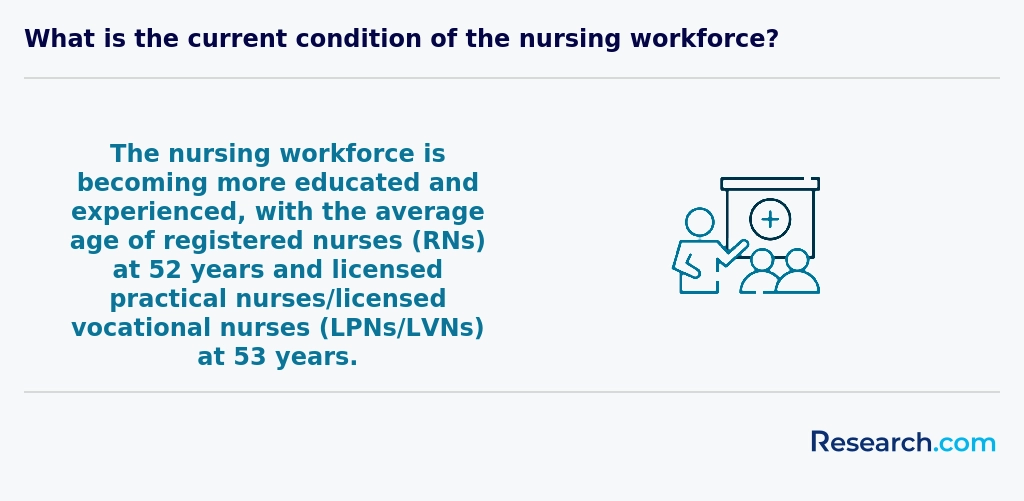
After completing an online Bachelor’s in Nursing program in Michigan, the critical next step is earning your Registered Nurse (RN) license by passing the National Council Licensure Examination for Registered Nurses (NCLEX-RN). This standardized exam evaluates your ability to apply nursing knowledge in real-world scenarios, covering domains such as pharmacology, patient safety, and clinical decision-making. Most graduates schedule their NCLEX-RN through the Michigan Board of Nursing, ensuring they meet eligibility requirements, submit official transcripts, and complete a background check. To apply for licensure in Michigan, candidates must:
- Submit an application and fee to the Michigan Department of Licensing and Regulatory Affairs.
- Provide evidence of graduation from a Commission on Collegiate Nursing Education (CCNE) or Accreditation Commission for Education in Nursing (ACEN)–accredited program.
- Complete fingerprinting and a criminal history review. Once you’ve passed the NCLEX-RN and obtained your initial license, maintaining active status requires fulfilling continuing education (CE) credits. Michigan mandates 25 contact hours of approved CE every two years, with specific topics such as pain management or mental health. Additionally, consider joining the Nurse Licensure Compact (NLC) to gain multistate practice privileges-a valuable option if you anticipate working across state lines. For students weighing financial considerations, exploring cost-effective pathways can help offset expenses associated with exam fees and CE. If you’re researching budget-friendly programs, our Inexpensive Online Nursing Degree Programs Ranking in Pittsburgh, PA offers insights into affordable curricula that align with robust licensure preparation. Understanding certification requirements early will empower you to navigate the transition from student to licensed professional smoothly.
What financial aid is available to online nursing degree students in Michigan?
Many nursing students in Michigan find financial aid to be a lifeline as they pursue their degrees online through institutions like the University of Michigan-Flint or Grand Valley State University. Federal aid, accessed by completing the FAFSA, often opens doors to grants like the Pell Grant, which can provide up to $7,395 annually without repayment, easing the pressure of tuition costs.
State programs such as the Michigan Competitive Scholarship and the Tuition Incentive Program (TIP) further support students by helping cover tuition and mandatory fees, especially at community colleges and select four-year schools. Graduates often recall how TIP made attending their local college financially feasible, allowing them to focus on their studies rather than mounting debt.
Scholarships geared toward nursing, offered by groups like the Michigan Nurses Foundation, reward both dedication and academic success, giving hope to many striving to make a difference in healthcare. For working nurses advancing their education, employer tuition assistance programs add another layer of support, turning career growth dreams into reality.
Loans remain an option, but many nursing grads find that programs like Public Service Loan Forgiveness provide reassurance and motivation to serve their communities after graduation. Early application and exploring every option are key steps that current students recommend wholeheartedly.
NCLEX-RN Exam and Licensure Requirements in Michigan
Preparing for licensure is the critical bridge between graduation and professional practice. In Michigan, all Bachelor of Science in Nursing graduates must pass the National Council Licensure Examination for Registered Nurses (NCLEX-RN) and meet state board requirements. Here’s what you need to know: 1. Eligibility and Application • Degree Verification: Ensure your online program is CCNE or ACEN accredited. • Fingerprinting and Background Check: Submit to the Michigan Board of Nursing for review. • Application Timeline: Apply at least 90 days before your desired test date to avoid delays. 2. NCLEX-RN Exam Overview • Exam Length: 75–145 questions, up to 5 hours. • Content Areas: Safe and effective care environments (17%), health promotion (9%), psychosocial integrity (9%), and physiological integrity (65%). • Passing Rate: Michigan’s first-time taker pass rate averages around 88%, above the national mean of 86%. 3. Study Strategies • Use Question Banks: Practice with standardized NCLEX simulators. • Blueprint Alignment: Focus study efforts on high-weighted content areas, especially pharmacology and critical care. • Peer Study Groups: Collaborate virtually to discuss challenging scenarios and share resources. 4. Maintenance of Licensure • Renewal Cycle: Every two years, complete 25 contact hours of continuing education. • Advanced Preparation: Graduates eyeing a Nurse Practitioner role should review our ranking of the ranking of the best 12 month fnp programs to strategically plan their next steps. By understanding Michigan’s NCLEX-RN process and leveraging evidence-based study methods, you’ll transition smoothly from student to confident, licensed RN-ready to deliver high-quality care.
What are the prerequisites for enrolling in online nursing degree program in Michigan?
To enroll in an online nursing degree in Michigan, you must first demonstrate a solid academic foundation. Graduates from programs at institutions like Central Michigan University often recall that holding a high school diploma or GED with at least a 2.5 GPA was a key step to qualify. This ensures you're prepared to tackle the rigorous nursing coursework ahead.
Completing prerequisite classes such as biology, anatomy, microbiology, chemistry, and English composition is crucial. These courses build the scientific and communication skills vital for nursing success, as many Michigan State University students can attest from their early studies.
If you're pursuing an accelerated or RN-to-BSN pathway, you'll need a valid Michigan RN license and an accredited ADN or diploma. Clinical experience is frequently requested, embodying the hands-on skills nursing truly demands.
Finally, remember that even in an online program, you'll need to complete clinical hours at approved Michigan sites. This real-world practice cements your knowledge and readies you for a fulfilling nursing career right here at home.
Most Affordable Options for Online Nursing Degrees in Michigan
When considering online nursing degree programs in Michigan, one crucial factor to explore is the affordability of these programs. Many prospective students face financial constraints that can limit their educational choices. To address this concern, researching the most affordable nursing schools in Michigan is essential. For instance, students can look into the most affordable nursing schools in Michigan to find programs that fit their budget. Understanding the cost of tuition, fees, and other expenses associated with online nursing programs can help students make informed decisions. Additionally, exploring financial aid options, scholarships, and grants can further assist in making online nursing education more accessible. By prioritizing affordability and financial planning, aspiring nurses can pave their way to a successful and rewarding career in healthcare without being overwhelmed by financial burdens.
What courses are typically in online nursing degree programs in Michigan?
In Michigan's online nursing degree programs, you'll dive into essential courses that build a strong foundation for your nursing career. Graduates from well-regarded institutions like the University of Michigan-Flint and Oakland University often recall starting with anatomy, physiology, microbiology, and chemistry-courses that unlock the mysteries of the human body and disease. This knowledge becomes your toolkit for understanding patient care.
As you advance, expect to engage deeply with specialized subjects such as medical-surgical nursing, which prepares you to handle adult patients facing complex illnesses, and pediatric nursing, which teaches care tailored to children and adolescents. Maternal and newborn nursing courses guide you through pregnancy and childbirth scenarios, while mental health nursing equips you to support patients through psychological challenges. Pharmacology is another vital area, where you learn the safe administration of medications-critical knowledge for any nurse.
Many students appreciate that Michigan's online programs also emphasize leadership and ethics, empowering you to become a confident advocate for patients and a respected team leader. Clinical rotations, arranged locally, ensure you translate what you learn into real-world skills under trusted supervision, meeting Michigan's licensing standards.
What types of specializations are available in online nursing degree programs in Michigan?
Online nursing specializations in Michigan offer exciting pathways to develop skills that truly make a difference in healthcare. Graduates from respected institutions like the University of Michigan and Wayne State University frequently highlight the Family Nurse Practitioner (FNP) track, which equips nurses to provide comprehensive primary care-a crucial need in both urban Detroit and rural communities. For those drawn to mental health, the Psychiatric-Mental Health Nursing specialization prepares nurses to compassionately address growing behavioral health challenges in the state.
Michigan nursing degree concentrations online also include Gerontological Nursing, reflecting the state's significant senior population. Graduates often share how this focus helped them confidently manage chronic conditions and improve lives in local senior centers. Other popular specializations such as Healthcare Administration, Pediatric, Emergency, and Public Health Nursing prepare students for leadership and frontline roles that impact community health.
For nurses eager to advance quickly, exploring options like a ranking of the best 12 month fnp programs can be a practical next step toward achieving their goals with efficient timelines and focused expertise.
How do you choose the best online nursing degree in Michigan?
Choosing the best online nursing degree in Michigan means focusing on programs that balance flexibility with hands-on experience. Graduates from well-known universities in Michigan often share how crucial it was to find schools that not only offer accredited online courses but also have strong local clinical partnerships. For example, programs requiring clinical hours within Michigan help students gain real-world skills and meet state licensure demands, turning theory into confident practice.
Think about how busy life can be-some successful students appreciated schools offering evening or weekend classes, allowing them to work while advancing their education. Cost is another important piece; many found that affordable online BSN degrees Michigan options helped manage tuition without sacrificing quality. At the same time, checking NCLEX pass rates gave them peace of mind about their future. If you want guidance on balancing expenses with quality, explore the best affordable nurse practitioner degree programs online.
Lastly, support from faculty and career services made a big difference. Students thriving in top Michigan programs often highlight mentors who provided encouragement and helped navigate challenges. When looking for the best online nursing programs Michigan has to offer, remember these practical details-they turn your ambition into achievement.

What career paths are available for online nursing degree students in Michigan?
Graduates with an online nursing degree in Michigan discover a variety of fulfilling career paths that tap into both clinical skills and community impact. Many find rewarding positions as Registered Nurses (RNs) in hospitals or long-term care facilities, where they make a real difference in patient recovery. Graduates from respected programs at universities like the University of Michigan or Wayne State often share how their education prepared them to confidently pass the NCLEX-RN and thrive in these settings. Exploring online nursing career opportunities in Michigan can also lead to specialized roles: becoming Licensed Practical Nurses (LPNs), public health nurses promoting wellness in Detroit's neighborhoods, or school nurses supporting students' health across Michigan's diverse school districts.
Others advance by becoming case managers who coordinate care with compassion, or nurse educators shaping future professionals, reflecting the growing demand across the state. For those aiming higher, online nursing degrees serve as launchpads into advanced practice roles like nurse practitioners. If you want to explore affordable options to kickstart this journey, consider reviewing the Inexpensive Online Nursing Degree Programs Ranking in Pittsburgh, PA - many Michigan students find these pathways hopeful and accessible for continuing their mission.
What is the job market for online nursing degree in Michigan?
The job market for online nursing degree graduates in Michigan is robust and full of promise. Graduates from respected institutions like the University of Michigan and Michigan State University often share how quickly they find roles in hospitals, long-term care facilities, and community health organizations. These settings offer diverse experiences that build confidence and expertise, especially for nurses transitioning from associate degrees to BSNs.
Many aspiring nurses appreciate how a nursing degree employment Michigan scenario allows them to work in public health departments or home healthcare agencies, meeting the growing need for skilled professionals statewide. Salaries hover around $73,000 annually, reflecting steady demand and competitive compensation. Graduates consistently report a rewarding sense of accomplishment when they see their advanced education opening doors to leadership and specialized positions.
For those balancing work and study, Michigan's universities often provide fast online degree completion programs for working adults, making the path even more feasible. Embracing an online nursing degree here means joining a community dedicated to healthcare's future.
Frequently Asked Questions About nursing
Online nursing degree students in Michigan can enhance their learning by actively engaging in virtual simulations and clinical practice opportunities. Many Michigan nursing programs partner with local healthcare facilities to provide in-person clinical hours essential for licensure. According to the Michigan Board of Nursing, completing these practical hours is mandatory for all nursing graduates.
Students should also leverage Michigan's extensive library resources and online academic support offered by their institutions. Time management is crucial; setting a consistent study schedule helps balance coursework with clinical responsibilities.
Additionally, staying informed about Michigan's nursing workforce trends can guide students in specializing in high-demand areas such as gerontology or community health.
Emerging niches in nursing are shaping the future of healthcare, especially in Michigan. One notable area is geriatric nursing, responding to the state's growing elderly population; Michigan's senior demographic is expected to increase by 20% by 2030, according to the Michigan Department of Health and Human Services.
Another expanding field is telehealth nursing, which has surged after the COVID-19 pandemic. Nurses in this niche provide remote patient care using digital tools. Michigan's healthcare systems are investing heavily in telehealth infrastructure, creating more job opportunities.
Additionally, psychiatric and mental health nursing is in high demand due to rising awareness of mental health issues in Michigan communities. Specialized training is often integrated into online nursing degrees, making these niches accessible to students.
After completing an online nursing degree in Michigan, preparing for the job market involves several key steps. First, obtaining licensure by passing the NCLEX-RN exam is crucial; Michigan's Board of Nursing provides resources to help applicants navigate this process.
Networking through local nursing associations, such as the Michigan Nurses Association, can connect graduates with job opportunities and mentorship. It's also beneficial to research healthcare employers in Michigan, where nursing demand is projected to grow by 15% through 2030, according to the U.S. Bureau of Labor Statistics.
Building strong clinical skills and gaining experience through internships or volunteering at Michigan hospitals improves employability. Tailoring resumes to highlight both online education and practical experience can also enhance job prospects in the competitive nursing market.
Employers in Michigan seek nursing graduates with a strong combination of clinical expertise and interpersonal skills. According to the Michigan Department of Health and Human Services, practical knowledge in patient care, medication administration, and critical thinking ranks highly. Additionally, effective communication is essential, enabling nurses to collaborate with healthcare teams and support patients effectively.
Technological competency is increasingly important as online nursing programs integrate training on electronic health records and telehealth platforms. Local healthcare employers also value adaptability and time management, reflecting the demanding nature of Michigan's healthcare settings. These skills prepare graduates to meet the state's projected nursing employment growth of 15% through 2030, as reported by the U.S. Bureau of Labor Statistics.
Finding internships in Michigan relevant to a nursing degree involves several strategic steps. Start by exploring clinical placement opportunities offered through your online nursing program, as many schools have partnerships with local healthcare facilities. The Michigan Center for Nursing reports that hospitals and clinics in regions like Detroit and Grand Rapids frequently seek nursing interns. Additionally, use state resources such as the Michigan Works! Agency, which connects students with healthcare internships.
Contacting professional organizations like the Michigan Nurses Association can also help locate internship opportunities. Many local hospitals, including the University of Michigan Health System, offer structured internships specifically for nursing students. Early application is crucial, as these positions are competitive due to increasing demand in the healthcare sector. Networking with nursing faculty and attending local healthcare job fairs can further enhance your chances.
Obtaining an online nursing degree in Michigan can significantly enhance career mobility and advancement opportunities. The demand for registered nurses (RNs) in Michigan is expected to grow by 7% from 2021 to 2031, according to the U.S. Bureau of Labor Statistics. This growth promotes openings for higher-level roles, such as nurse managers and clinical nurse specialists.
Online degrees offer flexible access to accredited programs, allowing working nurses to advance without interrupting their careers. Advanced credentials often lead to higher salaries; the Michigan Nurses Association reports that BSN-prepared nurses earn on average 15% more than their ADN counterparts.
Additionally, higher education meets employer preferences in Michigan hospitals, which increasingly require or prefer nurses with bachelor's degrees for leadership and specialized roles, improving promotion potential.
Studying for a nursing degree online in Michigan equips students with skills essential for interdisciplinary roles in healthcare. Michigan's nursing programs emphasize collaborative training, blending clinical knowledge with communication and teamwork strategies. This approach aligns with recommendations from the Michigan Center for Nursing, highlighting the need for nurses to work effectively with physicians, social workers, and other health professionals.
The curriculum typically integrates courses on healthcare policy, ethics, and leadership, preparing graduates to coordinate patient care across various disciplines. According to the Michigan Department of Health and Human Services, interdisciplinary collaboration reduces hospital readmission rates and improves patient outcomes, underscoring the importance of such education.
Online programs also offer flexible clinical placements in diverse healthcare settings, further broadening interdisciplinary experience for students.
When choosing between a thesis and a non-thesis nursing degree program in Michigan, students should consider their career goals and learning preferences. Thesis programs typically require original research and are ideal for those planning to pursue advanced academic roles or graduate study. Non-thesis programs often focus more on practical skills and clinical experience, which suits students aiming for immediate employment in healthcare settings.
Michigan's nursing workforce demand is growing, with the Bureau of Labor Statistics projecting a 15% increase in registered nurse jobs by 2031. Selecting a program aligned with these trends is essential. The Michigan Board of Nursing emphasizes clinical competency, which is strong in both program types but achieved through different curricula.
Additionally, students should evaluate the time commitment and availability of faculty support, as thesis work requires more self-directed study. Online programs in Michigan may offer flexible options for both, but outcomes vary. Checking accreditation and program completion rates helps make an informed decision.
Michigan students seeking to study nursing abroad face limited options through traditional online nursing degree programs. Most accredited U.S. nursing programs, including those in Michigan, require clinical hours to be completed in approved U.S. healthcare settings. This requirement restricts the possibility of fully remote international study. However, some universities offer study abroad opportunities or clinical internships in partnership with foreign institutions, allowing students to gain global experience while enrolled primarily in a Michigan-based program.
According to the Michigan Center for Nursing, over 30% of the state's nursing workforce holds a bachelor's degree, underscoring the importance of accredited U.S. programs for licensure.
Students interested in international exposure should consult with their advisors about institutions offering hybrid models combining domestic clinical requirements with global study components.
Part-time jobs can provide valuable experience for nursing students in Michigan pursuing online degrees. Many students find work as nursing assistants or home health aides, roles that offer hands-on patient care exposure. According to the Michigan Department of Health and Human Services, these positions often require certification but offer flexible hours compatible with academic schedules.
Phlebotomy technician roles also complement nursing studies, as they teach essential skills like blood collection. Additionally, medical receptionist or patient transport jobs at local hospitals and clinics can improve communication and organizational abilities crucial for nursing careers.
These opportunities help students build resumes and networks within Michigan's healthcare system while managing their coursework.
Online nursing students in Michigan benefit from a variety of networking opportunities designed to connect them with professionals and peers across the state. Many programs encourage participation in local chapters of national organizations, such as the Michigan Nurses Association and the American Nurses Association, which offer virtual meetings, webinars, and conferences. These platforms allow students to build professional relationships that can lead to mentorship and job opportunities.
Additionally, several Michigan nursing schools provide exclusive online forums and social media groups for enrolled students. Clinical placements throughout Michigan hospitals and healthcare facilities further enhance real-world networking. According to the Michigan Center for Nursing, approximately 75% of nurses in the state find employment through connections made during their education or clinical experiences.
Alumni networks provide valuable support to online nursing degree students in Michigan by connecting them with professionals who have firsthand experience in the state's healthcare environment. These networks offer mentorship opportunities, guidance on licensure requirements, and access to job openings within Michigan's expanding nursing market. According to the Michigan Center for Nursing, the demand for registered nurses is expected to grow by 9% through 2030, making connections through alumni networks especially beneficial for career placement.
Additionally, alumni networks facilitate continuing education and professional development. Members often share information about local workshops, certifications, and conferences relevant to Michigan's nursing standards. This collaborative environment helps graduates stay updated with evolving best practices and state regulations, enhancing their long-term career success.
Michigan offers numerous online nursing degree options that can be tailored to fit your specific career goals. Many programs allow students to choose electives or specialty tracks such as pediatrics, geriatrics, or healthcare administration. This flexibility helps align your education with the area of nursing you wish to pursue.
Some universities in Michigan also provide clinical placement assistance within local healthcare systems, enabling hands-on experience in your preferred setting. The Michigan Nursing Workforce Supply Report (2023) highlights a growing demand for nurse practitioners and specialized nurses, which online programs often address through advanced certifications.
Furthermore, accelerated formats and part-time study options accommodate working professionals, making it easier to balance education and career advancement.
Online nursing students in Michigan often face challenges related to clinical placement availability. Because nursing programs require hands-on experience, securing local clinical sites can be difficult, especially in rural areas. According to the Michigan Center for Nursing, limited clinical spots delay program completion for many students.
Another common challenge is balancing demanding coursework with personal and professional responsibilities. Many online nursing students are working nurses or have families, making time management critical. The asynchronous nature of courses helps, but students still report stress from heavy course loads and exam preparation.
Connectivity and technology issues also affect some students, particularly those in areas with limited broadband access. Reliable internet is essential for accessing lectures, submitting assignments, and participating in virtual labs.
Finally, students sometimes experience limited in-person interaction with faculty and peers. This can impact networking opportunities and support systems that on-campus students often rely on for motivation and guidance.
With an online nursing degree in Michigan, graduates can pursue several professional certifications to enhance their careers. Common certifications include the Certified Nurse Assistant (CNA), Licensed Practical Nurse (LPN), and Registered Nurse (RN) credentials, depending on the degree level attained.
For those advancing to specialty roles, certifications such as the Certified Nurse Educator (CNE), Critical Care Registered Nurse (CCRN), and Pediatric Nursing Certification Board (PNCB) are popular options. These certifications typically require passing exams administered by recognized national bodies.
Michigan's Bureau of Professional Licensing oversees nursing credentials, ensuring compliance with state regulations. According to the Michigan Center for Nursing, about 70% of registered nurses in Michigan hold at least one specialty certification, reflecting a strong professional standard in the state.
To write a winning application for an online nursing program in Michigan, start with a clear and concise personal statement highlighting your passion for nursing. Emphasize relevant work experience and any certifications such as CNA or LPN if applicable. Michigan's Board of Nursing notes the importance of meeting all prerequisite coursework, including anatomy and physiology, with competitive GPAs, often above 3.0.
Gather strong letters of recommendation, ideally from healthcare professionals or academic instructors who can vouch for your skills and character. Ensure your application is complete with updated transcripts and proof of any clinical experience.
Finally, tailor your application to mention your commitment to serving Michigan's healthcare needs, considering the state's growing demand for registered nurses, which is expected to increase by 7% through 2030 according to the Michigan Department of Technology, Management & Budget.
The nursing profession holds a vital role worldwide, recognized for its essential contribution to healthcare systems. In the United States, including Michigan, nursing is among the fastest-growing careers, driven by an aging population and increased healthcare needs. According to the Michigan Department of Licensing and Regulatory Affairs, registered nurses (RNs) in the state numbered over 130,000 in 2023, reflecting steady growth.
Globally, nurses are valued for their ability to provide patient care, advocate for health promotion, and support complex medical technologies. The demand for nurses with advanced skills continues to rise, encouraging many to pursue online nursing degrees for flexibility and access.
Internationally, nursing education varies but shares common standards, with the U.S. model emphasizing evidence-based practice and clinical competence. For Michigan students, an online nursing degree offers pathways to join a respected and expanding profession with global relevance.
When pursuing an online nursing degree in Michigan, gaining practical experience is essential for licensure and career readiness. Most accredited programs require clinical hours, which students complete locally at hospitals, clinics, or other healthcare settings. This allows students to apply theoretical knowledge in real-world environments, supervised by licensed professionals.
The Michigan Board of Nursing mandates at least 500 clinical hours for registered nurse licensure, ensuring comprehensive hands-on training. Students often secure these placements through partnerships their schools maintain with healthcare providers across the state.
Additionally, some programs offer simulation labs or virtual clinical experiences to supplement in-person practice, particularly when access to facilities is limited.
Resources such as the Michigan Nurses Association provide guidance and support throughout clinical placements.
Choosing the right concentration within an online nursing degree program in Michigan depends on your career goals and the healthcare needs of the state. Popular specializations include family nursing, psychiatric nursing, and nurse management. Michigan's nursing workforce report from 2023 highlights a growing demand for nurses specializing in gerontology due to the aging population.
Consider your preferred work setting, such as hospitals, community clinics, or long-term care facilities, as different concentrations prepare you for distinct environments. Research state licensing requirements and consult resources like the Michigan Board of Nursing to ensure your chosen track aligns with licensure criteria.
Lastly, look for programs with strong clinical partnerships in Michigan to enhance practical learning opportunities and improve job placement rates after graduation.
Related Nursing Rankings for Nearby States
- 2027 Fastest Online Bachelor's in Nursing Degree Programs Ranking in Ohio
- 2027 Fastest Online Bachelor's in Nursing Degree Programs Ranking in Indiana
- 2027 Fastest Online Bachelor's in Nursing Degree Programs Ranking in Wisconsin
- 2027 Fastest Online Bachelor's in Nursing Degree Programs Ranking in Illinois
- 2027 Fastest Online Bachelor's in Nursing Degree Programs Ranking in Pennsylvania
- 2027 Fastest Online Bachelor's in Nursing Degree Programs Ranking in Kentucky
- 2027 Fastest Online Bachelor's in Nursing Degree Programs Ranking in Missouri
- 2027 Fastest Online Bachelor's in Nursing Degree Programs Ranking in New York
- 2027 Fastest Online Bachelor's in Nursing Degree Programs Ranking in Tennessee
- 2027 Fastest Online Bachelor's in Nursing Degree Programs Ranking in Virginia
Top Trending Nursing Rankings
See What Experts Have To Say About Studying Nursing
Read our interview with Nursing experts

Lisa Grubb
Nursing Expert
Assistant Professor
Johns Hopkins School of Nursing

References
- Getting RN Experience After Graduation | All Nursing Schools https://www.allnursingschools.com/articles/getting-rn-experience/
- Working While in Nursing School: 25 Ways to Make Money as a Nursing Student https://credenzahealth.com/career-advice/working-while-in-nursing-school-25-ways-to-make-money-as-a-nursing-student
- Essential Tips for Nursing Students to Advance Their Careers https://almanaltraining.com/essential-tips-for-nursing-students-to-advance-their-careers/
- Study Nursing Abroad | Boomerang International Educational Services https://boomerangedu.com/study-nursing-abroad/
- Top Skills Employers Want in Practical Nursing Graduates https://vervecollege.edu/what-employers-look-for-in-practical-nursing-graduates/
- Complete Guide to Mastering Michigan Nursing Prerequisites https://www.prereqcourses.com/mastering-michigan-nursing-prerequisites/
- How to Write https://esign.com/letter-of-intent/school/nursing/
- Online Nursing Prerequisites | Sophia Nursing Pathway https://www.sophia.org/online-courses/course-pathways/nursing-pathway/
- Career Advancement Pathways for Nurses : Expert RN shares 10+ Professional growth opportunities - MuminMed https://blog.muminmed.com/career-advancement-pathways-for-nurses/
- From our readers…Strengthening nursing networks https://www.myamericannurse.com/from-our-readersstrengthening-nursing-networks/


