
2027 Fastest Online Nursing Degree Programs Ranking in Missouri

Co-Founder and Chief Data Scientist
Are you considering a nursing degree but unsure which program suits you best in Missouri? This article introduces the 2027 Fastest Online Nursing Degree Programs Ranking in Missouri, carefully crafted by the Research.com team of data scientists. It's designed to guide you through the top options so you can confidently choose a program that fits your goals and lifestyle.
Discover programs that combine quality education with flexibility, helping you advance your career while balancing other commitments. Pursuing a nursing degree opens many doors and offers rewarding possibilities to make a real difference. Reading this guide will empower you to take the next step with clarity and excitement.
Key benefits of getting online nursing degree in Missouri
- Graduates with a nursing degree in Missouri can expect strong earning potential, with Registered Nurses, Clinical Nurse Educators, Public Health Nurses, and Emergency Room Nurses making around $94,480 annually, while Operating Room Nurses earn up to $128,490 per year.
- A popular nursing graduate from the University of Missouri often finds diverse career paths, including roles in hospitals, community health, education, and emergency care, offering rewarding and stable job opportunities.
- Online nursing degrees from Missouri schools offer flexible schedules and the ability to balance work and study, allowing students to gain valuable experience and complete their education efficiently without relocating.
- Key benefits of getting online nursing degree in Missouri
- What can I expect from online nursing degree in Missouri?
- Where can I work with online nursing degree in Missouri?
- How much can I make with online nursing degree in Missouri?
- 2027 Fastest Online Nursing Degree Programs Ranking in Missouri
- Key Findings
- How long does it take to complete online nursing degree in Missouri?
- NCLEX Pass Rates and Graduate Outcomes
- What's the difference between online and on-campus nursing degree?
- Accreditation and NCLEX Eligibility
- What is the average cost of online nursing degree in Missouri?
- Cost Savings and Financial Considerations for Online Nursing Students in Missouri
- What financial aid is available to online nursing degree students in Missouri?
- What are the prerequisites for enrolling in online nursing degree program in Missouri?
- NCLEX Pass Rates and Accreditation
- What courses are typically in online nursing degree programs in Missouri?
- What types of specializations are available in online nursing degree programs in Missouri?
- How do you choose the best online nursing degree in Missouri?
- What career paths are available for online nursing degree students in Missouri?
- What is the job market for online nursing degree in Missouri?
- Related Nursing Rankings for Nearby States
- Top Trending Nursing Rankings
- See What Experts Have To Say About Studying Nursing
What can I expect from online nursing degree in Missouri?
When diving into the adventure of earning an online nursing degree in Missouri, the cost can be surprisingly approachable for many. Graduates from popular institutions like the University of Missouri and Saint Louis Community College often recall feeling relief at affordable tuition rates, especially if they qualified as in-state residents. Typically, public universities offer online nursing programs with tuition ranging from around $8,000 to $20,000 for a full bachelor's degree track. This range can vary depending on the program's length and whether it's an accelerated path for licensed RNs.
Students frequently mention how access to federal financial aid, scholarships, and employer tuition reimbursement programs transformed their educational journey, making the price tag feel less daunting. Imagine juggling work and family while attending synchronous virtual classes, eagerly awaiting the hands-on clinical placements coordinated near your hometown-this balance of flexibility and affordability is a common experience that energizes many Missouri nursing students.
Where can I work with online nursing degree in Missouri?
Graduates with an online nursing degree from Missouri schools like the University of Missouri or Saint Louis University find themselves stepping into vibrant roles across the state's healthcare landscape. Imagine working in bustling hospitals in Kansas City or Springfield, joining intensive care units or emergency rooms where every shift brings new challenges and rewards. Many alumni share how their BSN programs prepared them not just for bedside care but for specialized departments that ignite their passion.
Others embrace the slower pace of rural clinics or telehealth settings, delivering primary care where technology bridges distance, especially in communities where nurses become lifelines. Picture a graduate balancing home health visits supported by Medicaid funding, bringing comfort and personalized care to elderly patients. This flexibility often sparks joy and fulfillment.
Beyond hands-on nursing, some explore leadership and education roles inspired by courses at institutions like Missouri State University. These nurses lead public health projects or teach future caregivers, expanding their impact. The possibilities in Missouri's healthcare system are as diverse as the hearts behind them, inviting you to explore your unique path.
How much can I make with online nursing degree in Missouri?
Imagine graduating from a respected nursing program like the University of Missouri's Sinclair School of Nursing and stepping confidently into the vibrant healthcare scene of Kansas City or St. Louis. With an online nursing degree, a Registered Nurse can expect to earn around $94,480 annually, offering a rewarding start for those entering the field.
Graduates often share the excitement of advancing to specialized roles, such as Clinical Nurse Educator or Public Health Nurse, which share a similar mean annual wage near $94,480. These roles allow nurses to impact community health or mentor new professionals while enjoying competitive pay.
For those ready to dive deeper into high-intensity environments, becoming an Operating Room Nurse can elevate earnings significantly, reaching approximately $128,490 per year. Many graduates from Missouri's trusted online programs describe the thrill and pride of mastering skills that save lives in critical moments.
Exploring nursing in Missouri through online degrees not only opens doors to diverse career paths but also to salaries that reflect your dedication and expertise in this fulfilling profession.
2027 Fastest Online Nursing Degree Programs Ranking in Missouri
How do we rank schools?
Investing in your education is a significant decision that can shape your future, and the Research.com team understands the importance of making informed choices. To assist prospective students in Missouri, we have meticulously crafted the "2027 Fastest Online Nursing Degree Programs Ranking in Missouri." Our commitment to quality, credibility, and accuracy is reflected in the extensive research and analysis conducted to compile this ranking.
We utilized the following reputable data sources to ensure a comprehensive evaluation of nursing programs:
By exploring this ranking, readers will gain valuable insights into the fastest online nursing degree programs available in Missouri, enabling them to make well-informed decisions about their educational journeys. For more details on our methodology, please visit our Research.com methodology page.


# 4 position
Research College of Nursing
Master of Executive Practice & Healthcare Leadership

# 5 position
Maryville University of Saint Louis
Doctor of Adult-Gerontology Primary Care Nurse Practitioner


# 12 position
Chamberlain University - St. Louis
Nursing, RN to BSN degree completion program

# 14 position
Chamberlain University - St. Louis
Master of Nursing
# 15 position
Chamberlain University - St. Louis
Doctor of Nursing Practice

# 19 position
A.T. Still University
Doctor of Nursing Practice


Key Findings
- Missouri offers accredited online nursing programs including ADN, BSN, and MSN degrees at public and private universities.
- Tuition for ADN and BSN programs at public universities ranges from $7,000 to $15,000 per year for in-state students, while private and graduate degrees can cost $15,000 to $30,000 annually.
- There are over 15,000 RN job openings expected annually in Missouri through 2030, with strong demand for BSN-prepared nurses.
- Entry-level registered nurses earn about $58,000 per year, mid-career nurses around $70,000, and specialists or those with graduate degrees can make upwards of $90,000.
- Online programs require local clinical experience to qualify for the Missouri NCLEX-RN licensing exam, emphasizing the need for self-discipline and time management.
How long does it take to complete online nursing degree in Missouri?
Diving into an online nursing degree in Missouri often feels like embarking on a personal quest, with completion times shaped by your path and pace. Graduates from well-known institutions such as the University of Missouri or St. Louis Community College share how the typical Associate Degree in Nursing (ADN) takes about two to three years, blending online study with hands-on clinical hours near home. This route offers a rewarding blend of speed and real-world practice, perfect for those eager to jump into nursing quickly.
For adventurers starting fresh, a Bachelor of Science in Nursing (BSN) usually spans around four years fully online. Imagine balancing hours of study with clinical experiences arranged locally, all while feeling the steady confidence that comes from meeting Missouri's licensing requirements. Graduates often describe this journey as challenging yet deeply fulfilling, unlocking more opportunities in their nursing careers.
Then there are the career changers who enroll in accelerated BSN programs. These intensive courses condense the adventure into 12 to 24 months, letting students with prior degrees dive headfirst into nursing. Alumni from Missouri's popular colleges speak of the excitement and fast pace, fueled by their determination to transform their lives swiftly and meaningfully.
NCLEX Pass Rates and Graduate Outcomes
Understanding NCLEX pass rates and graduate outcomes is crucial when evaluating online nursing degree programs in Missouri. High pass rates on the National Council Licensure Examination (NCLEX-RN) reflect a program’s ability to prepare students for real-world nursing practice and licensure. According to recent data from the Missouri Board of Nursing, top-ranked online programs achieve NCLEX pass rates between 85% and 95%, exceeding the national average of 88%. Prospective students should prioritize schools that not only maintain accreditation but also report consistent licensure success. Graduation rates and job placement figures further illustrate program effectiveness. Leading Missouri institutions report graduation rates above 80%, with 90% of graduates securing nursing positions within six months of program completion. Many programs partner with regional healthcare systems to guarantee clinical placements and employment pipelines. For example, graduates from the University of Missouri-St. Louis online BSN program have a 92% employment rate in local hospitals and community health centers. Beyond initial licensure, long-term career outcomes matter. Alumni surveys reveal that 70% of online BSN graduates pursue advanced practice roles-such as nurse practitioner or clinical nurse specialist-within five years. For students targeting graduate-level credentials, exploring low cost nurse practitioner programs online can help minimize debt while maximizing return on investment. When comparing programs, look for transparent reporting on: – NCLEX-RN first-time pass rates – On-time graduation percentages – Six-month employment rates in healthcare settings – Alumni satisfaction and career progression By analyzing these outcome metrics, you can confidently select an online nursing program in Missouri that aligns with your professional goals and delivers measurable success.
What's the difference between online and on-campus nursing degree?
Choosing between online and on-campus nursing degrees in Missouri opens a world of different experiences. Imagine a graduate from the University of Missouri, balancing work and family while attending lectures online at their own pace. They cherish the flexibility, tackling courses whenever life allows and completing clinical hours locally, thanks to Missouri's network of healthcare facilities. On the flip side, a graduate from Saint Louis University recalls vibrant days immersed in campus life, engaging face-to-face with instructors and peers, thriving in simulation labs that make practice feel immediate and real.
Online learners dive into digital platforms and remote collaborations, perfect for those who crave freedom but remain committed to hands-on clinical work mandated by Missouri's nursing board. Meanwhile, traditional students enjoy the buzz of campus resources and spontaneous mentorship moments, although tied to fixed schedules and commutes. Each path sparks different joys, shaped by personal rhythms and Missouri's rich healthcare environment.
Accreditation and NCLEX Eligibility
Ensuring your nursing program is properly accredited is a critical step for licensure, financial aid and employer recognition.
- Commission on Collegiate Nursing Education (CCNE) or Accreditation Commission for Education in Nursing (ACEN) approval
- Missouri Board of Nursing authorization for online enrollment
- Eligibility to sit for the NCLEX-RN exam and access federal financial aid
Graduates from accredited programs enjoy streamlined licensure applications and stronger hiring prospects. To advance your practice after earning your BSN, explore the easiest dnp program online.
What is the average cost of online nursing degree in Missouri?
Dreaming of an online nursing degree in Missouri? The average cost often hovers around $31,080, though this number can shift depending on where you study and your residency. Graduates from public universities in Missouri recall being pleasantly surprised by their in-state tuition, which typically totals near $42,720 for the entire program, making it a practical investment in their futures. Out-of-state students usually face steeper fees, with overall costs averaging about $47,700, yet many find the experience and flexibility worth every penny.
Take, for example, those who pursued an online nursing program at a well-known Missouri college. They often describe the joy of managing their studies without giving up a day job. This blend of convenience and quality is what attracts adventurous learners curious about the average cost of online nursing degree Missouri and eager to balance savings with flexibility.
While tuition is a key factor, it's essential to consider additional expenses like textbooks and licensing fees, which students sometimes discover only after they dive in. Fortunately, many schools in the region understand the challenge and provide scholarships and financial aid tailored for nursing hopefuls. To find the cheapest nursing school in Missouri or explore cost-saving options, aspiring nurses are encouraged to research thoroughly.

Cost Savings and Financial Considerations for Online Nursing Students in Missouri
When considering an online nursing degree in Missouri, one crucial aspect to explore is the cost savings and financial considerations. Pursuing an online nursing degree can be more affordable than traditional on-campus programs, with potential savings on tuition, room, and board. To find the cheapest nursing school in Missouri, students should research and compare the tuition fees of various institutions. Many online nursing programs in Missouri offer financial aid, scholarships, and grants to help students manage their expenses. Additionally, online students can often continue working while studying, which can help offset the cost of tuition. By understanding the financial implications and options available, prospective students can make informed decisions about their online nursing education and career goals.
What financial aid is available to online nursing degree students in Missouri?
Imagine starting your online nursing degree at a well-known Missouri college and discovering the financial support that lightens the load. Many graduates feel a wave of relief when they tap into federal aid like Pell Grants, which don't require repayment, easing tuition worries from the get-go. Then there are Direct Subsidized and Unsubsidized Loans, a common lifeline for students aiming to invest in their future.
Picture attending a public university in Missouri and benefiting from the Access Missouri Financial Assistance Program. This state-specific grant can significantly reduce tuition, making your dream of becoming a nurse more achievable.
Nursing students sometimes share how scholarships exclusive to their programs-offered by their colleges or national bodies like the National Student Nurses' Association-have transformed their college experience. One graduate recalled how the Missouri State Loan Repayment Program motivated them to serve underserved communities, earning loan forgiveness in return.
Many current nurses also take advantage of employer tuition reimbursement, a practical perk that feels like a financial hug from their hospital or clinic as they grow their careers online.
What are the prerequisites for enrolling in online nursing degree program in Missouri?
Diving into an online nursing degree in Missouri often starts with a solid foundation-most programs ask for a high school diploma or GED, setting the stage for your journey. Imagine a graduate from the University of Missouri recalling how mastering biology with a lab was key to feeling confident in later clinical courses.
Many learners also encountered prerequisites like chemistry, human anatomy, microbiology, English composition, and even math with statistics. These requirements aren't just hurdles; they're stepping stones designed to build your science and communication skills, essentials for nursing success.
At institutions like Saint Louis University, students shared how meeting minimum grade thresholds, usually a "C" or higher, motivated them to truly grasp foundational concepts before advancing.
If you're considering an RN-to-BSN route, Missouri's regulations require you hold an active nurse license. Meanwhile, bridge programs for LPNs demand current licensure, making your experience a valued asset.
And just like many classmates from Missouri State University experienced, submitting a personal statement, letters of recommendation, and proof of immunizations became a meaningful ritual-preparing not just paperwork, but themselves for a career dedicated to care.
NCLEX Pass Rates and Accreditation
Ensuring your online nursing program in Missouri maintains strong NCLEX-RN pass rates and proper accreditation is essential for both licensure and employment prospects. Accredited programs-recognized by agencies like the Commission on Collegiate Nursing Education (CCNE) or the Accreditation Commission for Education in Nursing (ACEN)-not only meet rigorous educational standards but also guarantee eligibility to sit for the NCLEX exam. For example, top-ranked institutions in Missouri report first-time NCLEX-RN pass rates consistently above 90%, reflecting high-quality instruction and effective clinical preparation. Before enrolling, review each school’s published NCLEX pass statistics and accreditation status. Accredited programs often partner with local hospitals and clinics to provide hands-on clinical experiences, boosting your readiness for real-world patient care. While the question “is nursing school easy?” may cross your mind, rigorous accreditation standards and strong NCLEX outcomes demonstrate that these programs are designed to support student success without compromising on quality. Prioritizing programs with transparent accreditation and pass rate data will give you confidence in your education and future career as a registered nurse.
What courses are typically in online nursing degree programs in Missouri?
Diving into an online nursing degree in Missouri means immersing yourself in a rich mix of courses that build both your knowledge and skills. Imagine exploring human anatomy, physiology, and microbiology while balancing work or family life-graduates from Missouri's top colleges often share how eye-opening it feels to connect theoretical science directly to real patient stories.
Classes like pharmacology and pathophysiology add layers to understanding how medicines impact the body, making every online lecture feel personally relevant. Many students say tackling health assessment and physical exam techniques virtually, then applying them hands-on during clinical hours at local hospitals, truly bridges the gap between theory and practice.
- Adult and pediatric nursing care
- Mental health nursing
- Community and public health nursing
- Maternal and newborn nursing
Courses in leadership, ethics, and nursing informatics invite you to explore healthcare beyond bedside care. Missouri students often describe a sense of excitement mastering these areas, especially as technology reshapes patient care. Studying in Missouri means your education is grounded in local healthcare realities, with clinical placements providing that rewarding "aha" moment when textbook knowledge saves lives.
What types of specializations are available in online nursing degree programs in Missouri?
Exploring online nursing specializations Missouri offers unveils an exciting array of focused paths that empower students to tailor their education around real-world healthcare needs. Graduates from popular Missouri colleges often share how specializing as a Family Nurse Practitioner feels rewarding, especially when they serve rural communities where primary care is in high demand. Others delight in the challenge of Psychiatric-Mental Health Nurse Practitioner roles, driven by the growing awareness and support for mental well-being across the state.
Many students find the Registered Nurse to BSN track a practical stepping stone, enhancing their clinical and leadership skills while fitting their busy schedules. Those with a passion for eldercare tap into Gerontological Nursing, preparing to compassionately manage chronic illnesses among Missouri's aging population. Critical Care Nursing also attracts adventurous learners, ready to jump into intense hospital environments with confidence. For anyone curious about online paths, some even explore whether is nursing school easy, helping them find the best fit in Missouri's diverse nursing degree focus areas.
How do you choose the best online nursing degree in Missouri?
Choosing the best online nursing degree in Missouri means diving into programs accredited by ACEN or CCNE, just like many graduates from popular universities in the state have experienced. These accreditations aren't just labels-they unlock licensure opportunities like the NCLEX-RN and ensure your education holds weight. Imagine balancing classes while working a full-time job; asynchronous courses offered by several Missouri colleges give that freedom, letting you learn when it fits your schedule.
You'll want to think about the degree path that best fits your journey. Graduates who started with an ADN found the RN-to-BSN bridge programs a game-changer, while others felt the BSN unlocked higher earning potential-especially given Missouri's median RN salary around $58,000. Exploring affordable nursing degrees Missouri online makes this adventure easier on your wallet. If affordability is key, consider checking out low cost nurse practitioner programs online that many Missouri students have praised for quality and value.
What career paths are available for online nursing degree students in Missouri?
Others take adventurous leaps into specialized roles like Nurse Practitioners, embracing independent practice in rural areas where healthcare is scarce. Nursing graduates also find joy in teaching or becoming clinical nurse specialists, shaping future professionals with skills sharpened by their online nursing degree career options Missouri programs. Not everyone seeks bedside care; some thrive in public health nursing, working on vital prevention projects in underserved communities.
For creative minds, roles in healthcare informatics or administration combine tech skills with healthcare, expanding the job market beyond typical clinical environments. Missouri nursing degree job opportunities are vast, and for many, the journey starts with exploring affordability through resources like the Low Cost Nursing Degree Programs Ranking in Birmingham, AL, making each step a confident investment in a brighter future.
What is the job market for online nursing degree in Missouri?
The job market for online nursing degree graduates in Missouri is vibrant and filled with opportunity, reflecting a healthcare landscape eager for skilled professionals. Graduates from renowned institutions like the University of Missouri or Missouri State University often share stories of seamless transitions into roles at hospitals and clinics across the state. These roles come to life vividly for those balancing family and studies, as the flexibility of online programs fits perfectly into busy schedules.
Many find that the nursing employment opportunities in Missouri 2027 are powered by factors like an aging population and expanding healthcare facilities, giving graduates a real sense of purpose and security in their careers. Employers increasingly prefer candidates with a Bachelor of Science in Nursing (BSN), valuing the preparedness this degree provides for complex patient care situations.
For those curious about further advancing their credentials, options extend to most affordable doctoral programs available online, opening new doors in leadership and specialization. The combination of steady demand and accessible education makes pursuing an online nursing degree in Missouri an exciting and promising venture.
Frequently Asked Questions About nursing
Online nursing degree students in Missouri can maximize their learning experience by actively engaging with both virtual and local resources. Missouri supports clinical placements at numerous accredited healthcare facilities, which are essential for hands-on training required for nursing licensure. Students should seek programs with strong partnerships in the state to secure these opportunities.
Time management is crucial, as balancing coursework with clinical hours can be demanding. Utilizing Missouri's nursing boards and professional organizations, such as the Missouri State Nurses Association, offers valuable networking and continuing education.
Research from the Missouri Department of Higher Education highlights the importance of choosing accredited programs to ensure eligibility for the NCLEX-RN exam and state licensure.
The nursing field in Missouri is evolving with new specialized areas gaining attention. One emerging niche is telehealth nursing, which has expanded due to increased demand for remote patient care. According to the Missouri Center for Nursing, telehealth roles are expected to grow by over 25% by 2030.
Another developing area is gerontological nursing, addressing the state's aging population. Missouri's senior demographic is projected to increase by 15% in the next decade, requiring more nurses skilled in elderly care.
Additionally, informatics nursing is becoming vital, combining nursing with data management to improve patient outcomes. The Missouri Department of Health supports expanding this niche to enhance healthcare technology integration.
After completing an online nursing degree in Missouri, preparing for the job market involves several key steps. First, graduates must pass the NCLEX-RN exam, which is essential to become a licensed registered nurse in the state. Missouri's Board of Nursing provides detailed requirements and application guidelines.
Networking is also crucial; joining local nursing organizations like the Missouri Nurses Association can connect new nurses with job opportunities and mentorship. Missouri's healthcare industry is growing, with the Bureau of Labor Statistics projecting a 12% increase in registered nurse employment statewide through 2031.
Gaining clinical experience through internships or volunteer work further strengthens resumes and skills. Tailoring your resume for Missouri employers and preparing for behavioral interviews will improve chances of securing a position in hospitals, clinics, or long-term care facilities.
Employers in Missouri highly value critical skills when hiring nursing degree graduates. Strong clinical competence is essential, as nurses must provide safe and effective patient care. Communication skills are also crucial; nurses need to clearly convey information to patients and collaborate with healthcare teams.
According to the Missouri Center for Nursing, approximately 75% of employers emphasize adaptability and problem-solving abilities due to the dynamic healthcare environment. Additionally, proficiency in electronic health records (EHR) systems is increasingly sought after, reflecting the state's digital transformation in healthcare.
Compassion and patient advocacy remain foundational qualities nurses must demonstrate to meet employer expectations.
Finding nursing internships in Missouri begins with exploring partnerships that online nursing programs have with local healthcare facilities. Many Missouri universities, such as the University of Missouri and Missouri State University, maintain strong clinical ties, which facilitate internship placements for students.
Students should also consult the Missouri State Board of Nursing website, as it lists approved clinical sites and guidance relevant to nursing education requirements in the state.
Networking with local hospitals like Barnes-Jewish Hospital and St. Louis Children's Hospital can open opportunities, since these institutions frequently offer internships for nursing students, helping them meet clinical hour requirements.
Additionally, checking job boards tailored to healthcare internships, such as those on the Missouri Nurses Association website, can connect students with current openings.
Being proactive and engaging with faculty advisors for tailored advice is crucial for securing valuable internships.
Obtaining an online nursing degree in Missouri can significantly enhance career mobility and advancement opportunities. The Missouri Department of Health and Senior Services reports a consistent demand for registered nurses, making advanced qualifications increasingly valuable.
Online nursing programs offer flexibility for working professionals to earn higher degrees such as BSN or MSN, which employers in Missouri prioritize for leadership roles and specialized positions.
According to the Missouri Economic Research and Information Center, nurses with bachelor's and master's degrees earn notably higher wages, often by 15% to 30%, compared to those with an associate degree. This degree can open pathways to advanced practice roles, education, and administration.
Further, accredited online programs ensure graduates meet Missouri Board of Nursing licensure requirements, easing transitions into new roles or facilities within the state.
Studying for a nursing degree in Missouri equips students with essential skills to work collaboratively in interdisciplinary healthcare teams. Many Missouri nursing programs emphasize communication, teamwork, and leadership, which are critical for coordinating patient care across different specialties. According to the Missouri State Board of Nursing, accredited programs include coursework on collaboration with professionals like physicians, pharmacists, and social workers.
Missouri's healthcare landscape benefits from nurses trained to understand diverse clinical roles, improving patient outcomes. The Missouri Department of Health and Senior Services notes that nurses constitute a significant portion of the healthcare workforce, making effective interdisciplinary cooperation vital in the state's hospitals and clinics.
When choosing between a thesis and a non-thesis nursing degree program in Missouri, consider your career goals. Thesis programs require conducting original research, ideal for students planning to pursue doctoral studies or roles in academia and research. These programs often take longer to complete.
Non-thesis programs focus more on practical skills and clinical training. They suit nurses aiming for leadership roles or advanced practice without extensive research involvement.
The Missouri Department of Higher Education reports that about 40% of nursing graduate students choose non-thesis options, valuing quicker completion and workplace readiness. Verify if your target school offers flexible online formats tailored for working nurses.
Students in Missouri interested in studying nursing abroad through online programs have limited options due to accreditation and licensing challenges. Most registered nursing programs targeting Missouri residents are offered by U.S.-based schools because passing the NCLEX-RN exam is required for licensure in Missouri, and foreign programs may not align with Missouri's nursing board standards.
However, Missouri students can explore partnerships between local institutions and international universities providing hybrid experiences or online coursework supplemented with on-site clinicals in the U.S. These pathways ensure compliance with Missouri's Board of Nursing requirements.
According to the Missouri State Board of Nursing, degree programs must meet strict accreditation to qualify graduates for licensure. Therefore, online options abroad are rare and often require verification that coursework meets U.S. standards before enrollment.
Part-time jobs that align well with nursing degree studies in Missouri include roles such as certified nursing assistant (CNA), medical scribe, and pharmacy technician. These positions provide valuable clinical experience and help develop patient-care skills critical for aspiring nurses. According to the Missouri Economic Research and Information Center, CNAs earn an average of $13 to $15 per hour, allowing students to support themselves while gaining relevant work exposure.
Additionally, working in home health aide positions or outpatient care centers offers flexible scheduling suited for online students. These jobs enhance understanding of patient interactions in real healthcare settings, complementing academic training effectively.
Students may also consider volunteering in hospitals or community health programs, which despite being unpaid, provide essential networking and experience benefits aligned with Missouri nursing regulations and workforce demands.
Online nursing students in Missouri have various networking opportunities to build professional connections. Many universities offering online programs include virtual events and discussion boards where students interact with peers and faculty. For instance, Missouri State University and the University of Missouri system provide online platforms for collaboration and mentorship.
Additionally, organizations like the Missouri Nurses Association (MONA) host conferences and webinars accessible to online learners. MONA represents over 11,000 nurses statewide and offers valuable networking through local chapters and statewide events.
Clinical placements also facilitate in-person networking with healthcare professionals, which is essential for career growth in nursing.
Alumni networks play a crucial role for online nursing degree students in Missouri by providing valuable professional connections. These networks connect current students with graduates working in diverse healthcare settings across the state, increasing access to mentorship and career guidance.
Engagement in an alumni community often leads to job opportunities, as many positions in Missouri's nursing sector are filled through referrals. According to the Missouri State Board of Nursing, networking contributes significantly to employment outcomes for new nurses.
Moreover, alumni networks facilitate continuing education and information sharing on industry trends, helping graduates stay competitive in Missouri's evolving healthcare landscape.
In Missouri, online nursing programs offer flexible options that allow students to tailor their studies to specific career goals. Many schools provide customizable tracks, such as family nurse practitioner, nurse educator, or nurse administrator specialties, enabling focused skill development.
Students can often choose elective courses that align with desired roles or settings. For example, if interested in pediatrics or gerontology, selecting related coursework supports that path. Clinical placements may also be arranged locally to match professional interests.
Accreditation by organizations like CCNE ensures programs meet regional workforce needs, reflecting Missouri's demand for approximately 3,000 new registered nurses annually, according to the Bureau of Labor Statistics.
This adaptability helps graduates enter Missouri's healthcare market well-prepared for nursing roles in various environments, from urban hospitals to rural clinics.
Online nursing students in Missouri often face unique challenges that can impact their success. One major difficulty is securing clinical placement hours. Because each program requires local hospital or healthcare facility experience, students must often compete for limited spots, especially in rural areas of Missouri where healthcare institutions are fewer.
Additionally, balancing coursework with personal and professional responsibilities can be demanding. Many nursing students are working professionals or caregivers, which makes managing time for online classes and clinical rotations complex.
Technology access and proficiency also present barriers. Reliable internet and familiarity with online learning platforms are crucial, yet some students may struggle due to varying resources.
With an online nursing degree in Missouri, graduates can pursue several professional certifications to advance their careers. The most common certification is the Registered Nurse (RN) license, which is mandatory for clinical practice and regulated by the Missouri State Board of Nursing. After becoming an RN, nurses can specialize by obtaining certifications such as Certified Nurse Practitioner (CNP), Certified Nurse Midwife (CNM), or Certified Clinical Nurse Specialist (CNS).
Additionally, certifications like the Certified Emergency Nurse (CEN) or the Oncology Nursing Certification (OCN) may be pursued through national organizations like the American Nurses Credentialing Center (ANCC). These credentials often require passing exams and maintaining continuing education credits.
Missouri has seen a steady demand for nurses with advanced certifications, reflecting national trends that indicate stronger job prospects and higher salaries for certified nurses (Missouri Economic Research and Information Center, 2024).
To write a winning application for an online nursing program in Missouri, start by carefully researching each school's admission requirements and deadlines. Highlight your academic achievements, especially in science and healthcare-related courses. Missouri nursing programs typically value a strong GPA and relevant experience. Including volunteer work or employment in medical settings can strengthen your application.
Craft a clear, focused personal statement that explains your motivation for nursing and why you prefer an online program. Missouri employers seek candidates with commitment and adaptability, traits your essay should emphasize.
Ensure your application documents, such as transcripts and letters of recommendation, are submitted on time and meet program guidelines.
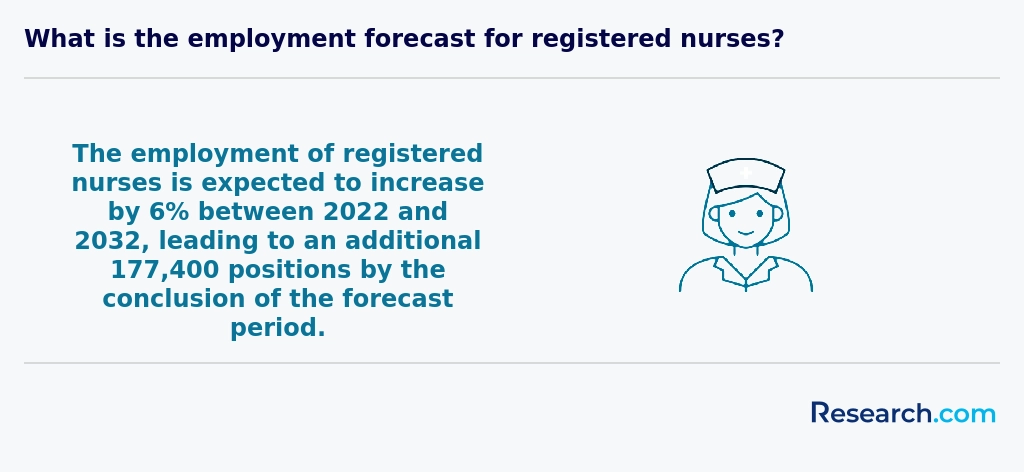
Nursing is recognized as a vital profession worldwide, offering diverse opportunities for employment and advancement. In the United States, including Missouri, the demand for registered nurses is expected to grow by 9% from 2020 to 2030, according to the U.S. Bureau of Labor Statistics. This growth highlights the essential role nurses play in healthcare systems globally.
Missouri's nursing workforce reflects this trend, with many professionals pursuing online degrees to meet the state's healthcare needs. Globally, nurses often work in interdisciplinary teams, adapting to various healthcare environments, which enhances their career flexibility and mobility. This global demand underscores nursing as a stable and respected career choice.
When pursuing an online nursing degree in Missouri, gaining practical experience is essential for licensure and skill development. Most accredited Missouri nursing programs require clinical hours that cannot be completed online. These hours are typically arranged in healthcare facilities near your location, such as hospitals, clinics, or long-term care centers.
Missouri has a strong network of healthcare providers partnering with nursing schools to offer clinical placements. According to the Missouri State Board of Nursing, students must complete supervised clinical training to qualify for the NCLEX-RN exam.
Additionally, simulation labs and virtual clinical experiences are increasingly used to supplement hands-on training. However, direct patient care remains a mandatory component, with programs offering guidance on how to find approved local sites for these experiences.
Choosing the right concentration within an online nursing degree program in Missouri depends on your career goals and interests. Popular options include family nurse practitioner, psychiatric mental health, and nurse educator tracks. Each specializes in different patient care areas or professional roles.
Research Missouri workforce demands; for example, the Missouri Department of Health reports a growing need for primary care providers, making family nurse practitioner concentrations highly practical. Consider certification requirements as well-some concentrations prepare you for specific exams recognized by Missouri's nursing board.
Online programs often provide detailed course outlines and practicum options to help match learning with career paths. Align your choice with your preferred work setting, whether it's hospitals, schools, or community clinics.
Related Nursing Rankings for Nearby States
- 2027 Fastest Online Nursing Degree Programs Ranking in Kansas
- 2027 Fastest Online Nursing Degree Programs Ranking in Iowa
- 2027 Fastest Online Nursing Degree Programs Ranking in Arkansas
- 2027 Fastest Online Nursing Degree Programs Ranking in Tennessee
- 2027 Fastest Online Nursing Degree Programs Ranking in Indiana
- 2027 Fastest Online Nursing Degree Programs Ranking in Wisconsin
- 2027 Fastest Online Nursing Degree Programs Ranking in Colorado
- 2027 Fastest Online Nursing Degree Programs Ranking in Mississippi
- 2027 Fastest Online Nursing Degree Programs Ranking in Louisiana
- 2027 Fastest Online Nursing Degree Programs Ranking in Ohio
Top Trending Nursing Rankings
See What Experts Have To Say About Studying Nursing
Read our interview with Nursing experts


References
- How Do Nurses Prepare to Work in a Multidisciplinary Team? | NursingEducation https://nursingeducation.org/insights/multidisciplinary-team/
- Online versus Face-to-Face Nursing Degrees: A Study of Recruiters’ Perceptions - OJDLA https://ojdla.com/articles/online-versus-face-to-face-nursing-degrees-a-study-of-recruiters-perceptions
- Find Online Nursing Programs with Financial Aid https://www.edumed.org/online-schools/nursing-rn-programs/financial-aid/
- Associate of Science in Pre-Nursing | MBU Online https://s49460.p1509.sites.pressdns.com/program/associate/pre-nursing/
- How to Write https://esign.com/letter-of-intent/school/nursing/
- What Are the Best Jobs to Work While in Nursing School? https://www.dewv.edu/what-are-the-best-jobs-to-work-while-in-nursing-school/
- 7 Nursing School Tips for Studying https://www.denvercollegeofnursing.edu/blog/nursing/7-Nursing-School-Tips-for-Studying.html
- 2025 Best Online Nursing Programs in Missouri https://www.onlineu.com/degrees/nursing/missouri
- Nursing Internship and Externship Programs https://jobs.mayoclinic.org/nursinginternexternprograms
- 10 Nursing Fields That Are Growing in Demand https://promedcert.com/blog/10-nursing-fields-that-are-growing-in-demand


