
2027 Most Affordable Nursing Degree Programs Ranking in Connecticut

Co-Founder and Chief Data Scientist
Exploring nursing degree options in Connecticut can feel overwhelming, but choosing an affordable program is a smart step toward a rewarding career. This article presents the 2027 Most Affordable Nursing Degree Programs Ranking in Connecticut, developed by the Research.com team of data scientists to help you make an informed decision.
By reviewing this ranking, you'll discover quality programs that fit your budget and career goals. Pursuing a nursing degree opens doors to meaningful work, job stability, and personal growth. This guide aims to support your journey with clear, reliable information.
Key benefits of getting nursing degree in Connecticut
Getting a nursing degree in Connecticut offers several key benefits:
- Graduates can expect competitive salaries, with Registered Nurses and Public Health Nurses earning a mean annual wage of $94,480 and Operating Room Nurses earning up to $128,490, reflecting strong financial rewards.
- Nursing degree holders from universities like the University of Connecticut enjoy diverse career paths, including clinical nursing, education, public health, and emergency care, providing exciting opportunities for growth.
- Completing a nursing degree online from schools like Southern Connecticut State University offers flexibility for working students and allows balancing studies with personal commitments while achieving the same respected credentials.
- Key benefits of getting nursing degree in Connecticut
- What can I expect from nursing degree in Connecticut?
- Where can I work with nursing degree in Connecticut?
- How much can I make with nursing degree in Connecticut?
- 2027 Most Affordable Nursing Degree Programs Ranking in Connecticut
- Key Findings
- How long does it take to complete nursing degree in Connecticut?
- Estimated Return on Investment for Nursing Degrees in Connecticut
- What's the difference between online and on-campus nursing degree?
- Clinical Partnerships & Internship Opportunities
- What is the average cost of nursing degree in Connecticut?
- NCLEX Pass Rates and Licensure Success
- What financial aid is available to nursing degree students in Connecticut?
- Finding the Most Affordable Nursing Programs in Connecticut
- What are the prerequisites for enrolling in nursing degree program in Connecticut?
- Return on Investment: Balancing Cost and Career Earnings
- What courses are typically in nursing degree programs in Connecticut?
- What types of specializations are available in nursing degree programs in Connecticut?
- How do you choose the best nursing degree in Connecticut?
- What career paths are available for nursing degree students in Connecticut?
- What is the job market for nursing degree in Connecticut?
- Related Nursing Rankings for Nearby States
- Top Trending Nursing Rankings
- See What Experts Have To Say About Studying Nursing
What can I expect from nursing degree in Connecticut?
The average cost of obtaining a nursing degree in Connecticut varies depending on the type of program and institution. Graduates from public institutions like the University of Connecticut typically report tuition costs ranging from $10,000 to $20,000 per year for in-state students pursuing a Bachelor of Science in Nursing (BSN). Community colleges such as Manchester Community College offer more affordable options for Associate Degree in Nursing (ADN) programs, often costing between $5,000 and $10,000 annually.
Many students appreciate how the investment in these programs reflects quality education combined with hands-on clinical experience. Graduates frequently recall valuable clinical rotations at local hospitals and clinics, which enhance their learning and build confidence in real-world settings. The affordability of Connecticut's nursing schools, paired with solid licensure preparation, fosters a positive sense of achievement and readiness for the nursing workforce.
Private colleges may have higher tuition fees, sometimes reaching $30,000 annually, but students often value the smaller class sizes and personalized attention received. Overall, Connecticut nursing programs balance cost with strong academic standards and professional opportunities.
Where can I work with nursing degree in Connecticut?
Graduates with nursing degrees from institutions like the University of Connecticut and Southern Connecticut State University find themselves well-positioned within a vibrant healthcare job market. Many begin their careers in major hospitals such as Yale New Haven Hospital or Hartford Hospital, where they apply skills learned in intensive clinical rotations to critical care and emergency units. The hands-on experience gained during studies enables these graduates to confidently manage fast-paced environments while providing compassionate patient care.
Others choose community health settings, working in federally qualified health centers or local health departments. Here, nurses engage directly with diverse populations, delivering preventive care and health education-roles that many alumni describe as deeply rewarding due to the positive impacts on vulnerable communities.
Additionally, long-term care facilities and home healthcare services offer pathways for graduates passionate about elder care and rehabilitation. The autonomy required in home healthcare allows nurses to build strong patient relationships while utilizing advanced clinical skills.
Graduates pursuing higher degrees often advance into education or healthcare administration, contributing to the state's nursing workforce through teaching or policy development, reinforcing Connecticut's commitment to quality nursing care.
How much can I make with nursing degree in Connecticut?
Graduates with a nursing degree from institutions such as the University of Connecticut or Southern Connecticut State University can anticipate a strong earning potential in the state. For example, registered nurses typically earn a mean annual wage of $94,480 in Connecticut, according to recent Bureau of Labor Statistics data. This reflects stable demand and the region's competitive healthcare market.
Specialized roles offer even greater financial rewards. Operating room nurses, a path available to many nursing graduates pursuing clinical specializations, earn mean salaries around $128,490 annually, highlighting the value of advanced skills. Other roles like clinical nurse educators, public health nurses, and emergency room nurses also earn approximately $94,480 per year, showcasing consistent compensation across these in-demand careers.
Graduates recall how these salary figures enable them to comfortably manage living expenses in cities like Hartford or New Haven, while benefiting from the rewarding nature of healthcare professions. This financial stability, coupled with professional growth opportunities, makes earning a nursing degree in Connecticut an encouraging investment in one's future.
2027 Most Affordable Nursing Degree Programs Ranking in Connecticut
How do we rank schools?
Investing in your education is a significant decision that can shape your professional future, and the Research.com team recognizes the importance of making well-informed choices. To support prospective students in Connecticut, we have carefully developed the "2027 Most Affordable Nursing Degree Programs Ranking in Connecticut." Our dedication to quality, credibility, and accuracy is demonstrated through rigorous research and thorough analysis employed in creating this ranking.
We utilized the following reputable data sources to ensure a comprehensive evaluation of affordable nursing programs:
By consulting this ranking, readers will receive critical insights into affordable nursing degree options in Connecticut, empowering them to make prudent educational investments. For a detailed explanation of our ranking process, please visit our Research.com methodology page.


# 3 position
Charter Oak State College
Bachelor of Science in Nursing

# 8 position
Post University
Bachelor of Science in Nursing

# 9 position
Post University
Master of Science in Nursing


Key Findings
- Nursing degrees in Connecticut include ADN, BSN, and advanced degrees like MSN, offered at community colleges and state universities.
- Tuition for ADN programs at community colleges ranges from $6,000 to $12,000 for in-state students, while BSN programs at public universities cost about $15,000 to $25,000.
- Private colleges often charge more than $30,000 per year for nursing degrees, excluding extra costs like textbooks and licensing fees.
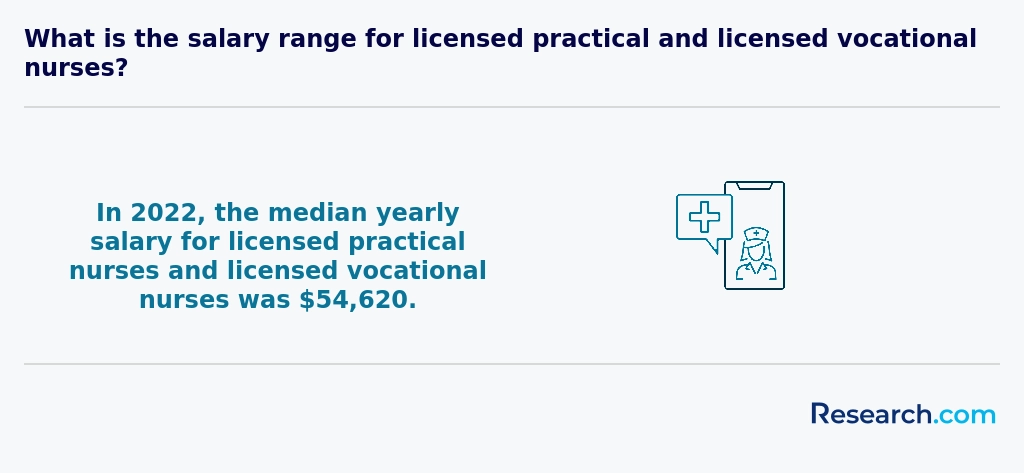
- Entry-level nurses in Connecticut earn between $60,000 and $70,000 annually, with median salaries rising to around $85,000 with experience or specialization.
- Registered nurse employment in Connecticut is expected to grow by 6% through 2030 due to demand from an aging population.
- All nurses must pass the NCLEX-RN exam and get licensed by the Connecticut Department of Public Health, so attending an accredited program is essential.
How long does it take to complete nursing degree in Connecticut?
The typical nursing degree in Connecticut varies in completion time based on the program chosen. Most students pursuing an Associate Degree in Nursing (ADN) complete their studies in about two years. These ADN programs, commonly found at community colleges, blend classroom learning with clinical practice, enabling graduates to sit for the NCLEX-RN exam and enter the workforce efficiently. Graduates from such programs often remark on the balance between rigorous academics and rewarding hands-on experience that prepares them well for entry-level nursing roles.
A Bachelor of Science in Nursing (BSN) generally requires four years of full-time study at institutions like the University of Connecticut or Southern Connecticut State University. BSN students frequently highlight the comprehensive curriculum, which includes leadership and public health, fostering a sense of professional growth and readiness for diverse healthcare environments.
For working registered nurses holding an ADN, RN-to-BSN bridge programs offer flexible options typically completed within 12 to 24 months. These programs accommodate busy schedules without sacrificing depth, allowing many to feel empowered as they advance their careers while managing personal commitments.
Estimated Return on Investment for Nursing Degrees in Connecticut
Return on investment for a Connecticut nursing degree depends on three main variables: what you pay, how much you borrow, and how quickly your credential leads to stable RN or advanced nursing employment. On average, Connecticut BSN graduates incur total program costs between $89,556 and $211,392, with an estimated median student debt of $31,000. The mean annual RN salary is $89,010, or about $42.80 per hour, which means many graduates can begin recovering their educational investment soon after entering full-time practice.
Specialized nursing roles can improve the payback timeline. Operating Room Nurses earning approximately $124,680 annually may recoup costs faster than graduates who remain in lower-paying entry-level roles. For students who plan to continue into advanced practice, selecting the easiest nurse practitioner specialty can sometimes reduce admissions friction and help clarify a path toward higher earnings, though specialty choice should also reflect patient population, licensure rules, clinical interests, and local demand.
Over a 10-year career span, a nurse who transitions from an RN to a Nurse Practitioner may see cumulative earnings exceed $1.2 million, compared to $890,000 for RNs, yielding an ROI increase of over 25%. Those figures make advanced education attractive, but only if the student plans carefully around debt, time out of the workforce, and the cost of graduate study.
How to estimate your own ROI
- Calculate total estimated tuition plus fees, books, transportation, clinical costs, and living expenses.
- Compare expected debt at graduation with likely first-year earnings.
- Ask whether the program allows part-time work or offers flexible scheduling.
- Review starting salaries separately from specialized or advanced-practice salaries.
- Consider employer tuition assistance, scholarships, loan repayment programs, and bridge pathways.
What's the difference between online and on-campus nursing degree?
Online nursing degree programs in Connecticut, such as those offered by the University of Connecticut's online division, provide flexibility for students balancing work and family commitments. Graduates often appreciate the convenience of studying from home while still gaining clinical experience through partnerships with local hospitals, ensuring hands-on practice is completed in person. This structure demands strong self-discipline and effective time management, as coursework is asynchronous and remote.
Conversely, on-campus programs like those at Yale University or Southern Connecticut State University immerse students in face-to-face learning environments. Graduates recall the benefits of immediate access to campus labs, libraries, and faculty, fostering collaboration and networking that enrich skill development. The routine schedule and interactive group projects are ideal for those who thrive on direct engagement and community support.
In Connecticut, both formats require accreditation and clinical hours to meet state licensure criteria, but personal preference often dictates the choice between the adaptable online model and the structured, communal on-campus experience.
Clinical Partnerships & Internship Opportunities
Clinical training is where nursing students turn classroom knowledge into patient-care judgment. In Connecticut, affordability should be evaluated alongside access to strong clinical placements, because required hands-on experiences are central to licensure preparation and job readiness.
Many Connecticut nursing programs work with healthcare systems such as Yale New Haven Health, Hartford HealthCare, and Stamford Health. These partnerships may give students exposure to emergency care, pediatrics, long-term care, medical-surgical units, and other settings where they can practice communication, assessment, documentation, medication safety, and team-based care under supervision.
Clinical opportunities are not limited to hospitals. Students may also complete experiences in community health agencies, local health departments, nonprofit clinics, vaccination clinics, school-based health programs, and home or long-term care environments. These settings help future nurses understand prevention, health equity, chronic disease management, and care coordination outside acute-care units.
Students who want long-term mobility should also ask whether the school supports bridge planning after graduation. Some programs advise students on accelerated rn to np pathways that connect entry-level preparation with future graduate study. Strong advising can help students avoid duplicate coursework, missed prerequisites, and unnecessary delays.
Questions to ask about clinical placements
- Who arranges clinical placements: the school or the student?
- Which hospitals, clinics, and community agencies are current partners?
- Are evening, weekend, or part-time clinical options available?
- How many simulation hours are used, and how do they support direct patient-care learning?
- Do clinical partners commonly hire graduates from the program?
What is the average cost of nursing degree in Connecticut?
The average cost of obtaining a nursing degree in Connecticut varies significantly depending on the type of institution and program pursued. Median total costs show that in-state students usually spend around $21,198, while out-of-state students face a median total expense near $44,536. These figures reflect tuition, fees, and additional expenses necessary to complete nursing training.
Graduates from public community colleges in Connecticut, such as Gateway Community College or Manchester Community College, often appreciate the affordability of their associate degree nursing programs. Their tuition typically remains within the lower end of the cost spectrum, making them popular choices for students seeking affordable nursing schools tuition fees Connecticut offers. These programs provide a practical path to becoming a registered nurse without incurring overwhelming debt.
For students enrolled in Bachelor of Science in Nursing (BSN) programs at universities like the University of Connecticut, the overall cost increases due to higher tuition and associated fees. Private institutions, including Yale University and Quinnipiac University, represent some of the most costly options, with tuition often exceeding $40,000 annually. Many nursing graduates reflect positively on their investment, emphasizing the comprehensive education and clinical experiences that prepare them well for their careers.
Prospective nursing students should also explore financial aid, scholarships, and tuition reimbursement programs available through healthcare partnerships. It's worthwhile to research pathways in affordable online nursing schools in Connecticut for additional cost savings without compromising educational quality.
NCLEX Pass Rates and Licensure Success
NCLEX performance is one of the clearest indicators of whether a nursing program is preparing students for entry-level practice. A low-cost program is not a good value if graduates struggle to pass the licensure exam or meet state requirements.
- Connecticut state average NCLEX-RN first-time pass rate: approximately 90%.
- Leading affordable programs often report pass rates above 95%, reflecting strong curriculum alignment with exam content.
- High pass rates can suggest effective preparation in pharmacology, clinical judgment, patient care, and test readiness.
When comparing schools, ask for the most recent NCLEX-RN first-time pass rate, how many students were included, whether the rate is improving or declining, and what academic support is available before and after the exam. Also confirm that the program is approved for the licensure pathway you intend to pursue.
For students seeking cost-effective online pathways that still prepare students for licensure, Research.com’s guide to the cheapest online nursing programs can provide additional context. Remember that online nursing programs still require supervised clinical experiences and must satisfy state licensure expectations.
What financial aid is available to nursing degree students in Connecticut?
Nursing students in Connecticut, whether attending the University of Connecticut or Fairfield University, benefit from diverse financial aid options that ease their educational expenses. Federal assistance through FAFSA remains a cornerstone, with Pell Grants offering up to $7,395 annually and low-interest federal loans available to bridge funding gaps. Many nursing graduates recount relief from the Federal Nursing Loan Repayment Program, enabling them to reduce debt by serving underserved communities in the state.
State resources, such as the Connecticut Nursing Education Loan Repayment Program, provide targeted loan forgiveness for those committed to practicing in healthcare shortage areas, a pathway embraced by students from institutions like Southern Connecticut State University. Additionally, institutional scholarships and grants frequently reward academic merit or financial need, helping students manage costs at private colleges where tuition often exceeds $40,000.
Supplemental support comes from work-study programs and employer tuition reimbursement, particularly valuable to registered nurses advancing their degrees. These options have empowered many Connecticut nursing students to mitigate debt and focus confidently on their careers.
Finding the Most Affordable Nursing Programs in Connecticut
The most affordable nursing program is the one that helps you qualify for licensure, complete required clinical training, and graduate with manageable debt. In Connecticut, that often means comparing community college ADN programs, public university BSN programs, private university nursing degrees, and online or hybrid options that still require in-person clinical experiences.
A good starting point is Research.com’s ranking of affordable online nursing schools in Connecticut, which focuses on programs that balance cost and quality. Use that list alongside each school’s official tuition page, nursing accreditation status, NCLEX pass-rate information, and clinical placement details.
What to compare before applying
- Total cost, not just tuition: Include fees, uniforms, health screenings, background checks, testing fees, books, transportation, and living expenses.
- Program pathway: ADN programs may offer a faster route to RN licensure, while BSN programs can support broader career mobility.
- Clinical placement support: Affordable tuition is less valuable if the program has limited clinical slots or weak local healthcare partnerships.
- NCLEX preparation: Ask how the school tracks pass rates, remediation, simulation training, and exam readiness.
- Transfer and bridge options: Students who begin with an ADN should confirm whether credits transfer smoothly into RN-to-BSN or graduate nursing pathways.
What are the prerequisites for enrolling in nursing degree program in Connecticut?
To enroll in nursing degree programs in Connecticut, applicants must first complete a high school diploma or GED with strong foundational coursework in biology, chemistry, and mathematics. Graduates from programs at well-regarded institutions like Central Connecticut State University often recall how their solid grounding in algebra and biology eased their transition into rigorous nursing science courses.
Language proficiency is another key prerequisite, especially for non-native English speakers, who need to submit TOEFL or IELTS scores. For instance, many students at the University of Connecticut found that preparing for the Test of Essential Academic Skills (TEAS) boosted their confidence and readiness for nursing curricula.
Applicants also typically complete prerequisite college courses such as anatomy, physiology, and microbiology, maintaining at least a C grade. In addition, background checks, immunization records, letters of recommendation, and personal statements are required to demonstrate suitability for clinical practice.
These requirements reflect the competitive nature of Connecticut nursing programs, where meeting prerequisites can open doors to a fulfilling and impactful career in healthcare.
Return on Investment: Balancing Cost and Career Earnings
Tuition is only one part of nursing ROI. Students should also weigh time to completion, licensing outcomes, salary growth, debt repayment, and the likelihood of staying employed in Connecticut’s healthcare market. In Connecticut, the average BSN graduate invests between $89,556 and $211,392 in tuition, while the starting RN salary is approximately $89,010 per year.
Payback period
- ADN graduates, with costs of $23,900–$66,320, typically recoup tuition within 2–3 years.
- BSN graduates, with costs of $89,556–$211,392, can expect a 4–6 year break-even point when living expenses and part-time work are considered.
Salary trajectory
- Year 1–3: Entry-level RNs earn $60,000–$85,000, with potential increases through overtime and specialty certifications.
- Year 4–6: Advanced roles, including Operating Room Nurse positions, can exceed $124,680 annually.
- Year 7+: Leadership positions or Nurse Practitioner roles often command $115,000–$140,000.
Advancement and specialization
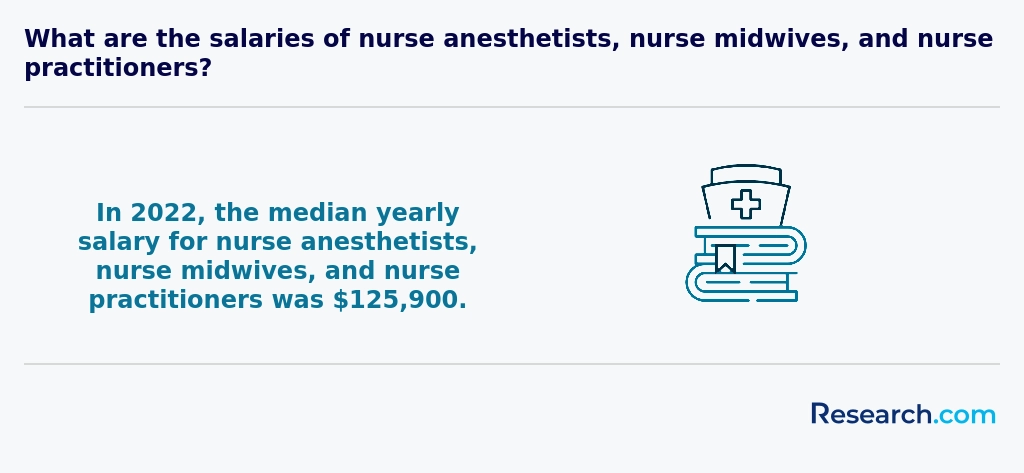
Postgraduate certificates, MSN programs, and advanced practice credentials can increase earnings, but they also add tuition, clinical requirements, and time commitments. Nurse Practitioners in Connecticut report mean salaries of $105,000–$130,000, which can offset additional education costs within 2–3 years post-graduation when graduates secure appropriate roles.
Students comparing regional costs may also review Research.com’s Low Cost Nursing Degree Programs Ranking in Arizona to see how tuition and ROI considerations can differ by state. However, anyone planning to practice in Connecticut should prioritize Connecticut licensure requirements, local clinical access, and employer demand.
What courses are typically in nursing degree programs in Connecticut?
Nursing degree programs in Connecticut typically include a robust mix of science and specialized nursing courses designed to equip students with comprehensive clinical knowledge. Graduates from well-known institutions such as the University of Connecticut and Quinnipiac University often highlight courses in anatomy and physiology as fundamental, providing them with a clear understanding of the human body's complex systems essential for effective patient care.
Microbiology is another critical course, where students learn about pathogens and infection control-knowledge that proves invaluable during clinical rotations in Connecticut's healthcare facilities. Nutrition and pharmacology classes further prepare students to manage patient diets and medications responsibly, skills frequently praised by graduates who have transitioned smoothly into professional roles.
Clinical nursing courses commonly include health assessment, medical-surgical nursing, maternal and child health, mental health nursing, and community health. Many graduates recall how courses like health assessment directly improved their confidence in evaluating patients accurately during hands-on experiences at hospitals across the state. These immersive courses and clinical opportunities create a rewarding educational environment, helping students feel ready and empowered to enter Connecticut's dynamic nursing workforce.
What types of specializations are available in nursing degree programs in Connecticut?
Nursing degree specializations in Connecticut encompass diverse fields that cater to the state's healthcare demands. Graduates from prominent universities often praise programs like Registered Nurse (RN) to Bachelor of Science in Nursing (BSN), which provide clinical focuses in pediatrics, gerontology, or psychiatric nursing, allowing students to gain hands-on experience with targeted patient populations. Many students appreciate the Family Nurse Practitioner (FNP) specialization, which prepares them to deliver primary care across the lifespan, a crucial skill in Connecticut's community health landscape.
Advanced nursing programs Connecticut frequently include Adult-Gerontology Acute Care Nurse Practitioner (AG-ACNP) and Psychiatric-Mental Health Nursing, reflecting the growing need for care in acute hospital settings and mental health support. Nursing Education and Public Health Nursing tracks also attract students motivated to teach or promote wellness at the community level. Graduates often share how these specializations enable meaningful patient interaction and professional fulfillment. Prospective students can explore easiest nurse practitioner specialty avenues to identify the best fit for their career goals.
How do you choose the best nursing degree in Connecticut?
Choosing the best nursing degree in Connecticut hinges on your career goals and available resources. Many students find affordable nursing programs in Connecticut appealing, especially ADN programs at community colleges, which typically take two years and offer a practical entry point into nursing. Graduates from these programs often appreciate the hands-on clinical experience gained through partnerships with local hospitals like Yale New Haven Health, enriching their learning and preparing them well for real-world nursing challenges.
For those aiming for broader opportunities and better patient outcomes, pursuing a BSN at institutions such as the University of Connecticut or Quinnipiac University is highly recommended despite the higher costs. These programs emphasize advanced skills, and graduates frequently highlight the value of flexible schedules and strong NCLEX-RN pass rates, which exceed 85% statewide. Additionally, students considering continued education can explore pathways like the rn to np bridge programs to advance seamlessly.

What career paths are available for nursing degree students in Connecticut?
Graduates with a nursing degree in Connecticut have diverse and rewarding career paths available to them, reflecting the state's robust healthcare infrastructure. Many start as registered nurses in hospitals, clinics, or long-term care facilities, gaining hands-on experience in patient care, medication administration, and collaborating with healthcare teams. Nursing graduates from the University of Connecticut often share how their clinical rotations in Yale New Haven Health provided invaluable real-world skills and confidence.
The job outlook for nursing graduates Connecticut supports advancement into advanced practice roles with further education, such as becoming a Nurse Practitioner, Clinical Nurse Specialist, Certified Nurse Midwife, or Certified Registered Nurse Anesthetist. These positions allow for greater autonomy and responsibility, often leading to significant personal and professional satisfaction. Additionally, graduates find opportunities in education and healthcare administration, frequently citing their transition into leadership or teaching roles at prominent institutions as fulfilling next steps.
Prospective students should also consider program affordability when planning their education. Detailed information about cost-effective options is available in the Low Cost Nursing Degree Programs Ranking in Arizona.
What is the job market for nursing degree in Connecticut?
The nursing job opportunities in Connecticut remain robust, supported by a sustained increase in demand driven by the state's aging population and advancements in healthcare. Graduates from well-regarded institutions such as the University of Connecticut and Quinnipiac University frequently report positive outcomes entering a market where registered nurse positions are projected to grow faster than average through 2030. Many graduates find rewarding roles in major hospital systems and community health settings, where their education directly translates to impactful care delivery.
Connecticut nursing degree employment outlook is further strengthened by competitive salaries, with mean wages exceeding the national average, which helps offset tuition costs at public universities. Students often share that despite the investment, the career prospects and personal gratification of nursing make the pursuit worthwhile. Additionally, students interested in less traditional pathways may explore easy majors that complement their nursing education, broadening employment options.
Frequently Asked Questions About nursing
Students pursuing nursing degrees in Connecticut can enhance their learning by engaging in hands-on clinical experiences early in their programs. The Connecticut Board of Examiners for Nursing emphasizes clinical hours as essential for licensure and skill development.
Additionally, connecting with local healthcare facilities in Hartford, New Haven, and Stamford offers diverse patient care exposure. According to the Connecticut Department of Public Health, partnerships between colleges and hospitals help bridge academic knowledge with real-world practice.
Students should also utilize academic resources such as simulation labs and tutoring services, which are widely available in the state's nursing schools. Networking with professional organizations like the Connecticut Nurses Association provides opportunities for mentorship and career guidance.
Nursing in Connecticut is evolving, with several emerging niches responding to the state's healthcare needs. One notable area is geriatric nursing, as Connecticut has a growing elderly population; nearly 15% of residents are aged 65 or older according to the U.S. Census Bureau. Nurses specializing in elder care focus on managing chronic conditions and enhancing quality of life for older adults.
Another expanding field is psychiatric and mental health nursing, driven by rising awareness of mental health issues. The Connecticut Department of Public Health highlights a significant demand for mental health professionals in both urban and rural areas.
Additionally, informatics nursing is gaining traction. This niche integrates healthcare with information technology, helping streamline patient data management, a critical function in modern hospitals and clinics.
After completing a nursing degree in Connecticut, preparing for the job market involves several key steps. First, graduates must pass the NCLEX-RN exam to become licensed registered nurses, as required by the Connecticut Board of Examiners for Nursing. According to the Connecticut Department of Labor, the demand for Registered Nurses is projected to grow by about 5% through 2030, reflecting steady job opportunities statewide.
Networking through clinical rotations, internships, and local nursing associations such as the Connecticut Nurses Association can provide valuable connections. Additionally, developing skills in electronic health records and gaining certifications like Basic Life Support (BLS) improve employability. Tailoring resumes to highlight hands-on clinical experience and specialized skills is essential for standing out in a competitive market.
Employers in Connecticut seeking nursing degree graduates prioritize a blend of clinical expertise and interpersonal skills. According to the Connecticut Nurses Association, critical skills include strong patient assessment abilities and proficiency in evidence-based clinical procedures. Graduates must demonstrate excellent communication skills, as effective collaboration with healthcare teams and patients is vital in diverse clinical settings.
Adaptability is also crucial due to the evolving healthcare landscape, including the adoption of new technologies and electronic health records. Additionally, Connecticut's healthcare employers value cultural competence to serve its varied population effectively. Problem-solving skills and emotional resilience help nurses manage high-stress environments, enhancing patient care quality.
Finding nursing internships in Connecticut involves leveraging resources offered by state universities and healthcare facilities. Many nursing programs at Connecticut institutions such as the University of Connecticut and Yale School of Nursing have partnerships with nearby hospitals and clinics to provide internship placements. Students should consult their school's career services or internship coordinators early in their studies.
Connecticut hosts several major healthcare providers, including Yale New Haven Health and Hartford Healthcare, which regularly offer clinical internship opportunities for nursing students. The Connecticut Nurses Association also provides guidance on local placements.
Utilizing platforms like the Connecticut Department of Labor's job bank can help identify additional internships. It is important to verify that internships fulfill requirements set by the Connecticut Board of Nursing for clinical practice hours.
Obtaining a nursing degree in Connecticut significantly enhances career mobility and advancement opportunities. The state's healthcare system values formal education, and advanced degrees often lead to higher-paying roles, such as nurse practitioner or nurse educator.
According to the Connecticut Department of Public Health, registered nurses with a bachelor's degree (BSN) earn a median annual wage of approximately $76,000, compared to $65,000 for those with an associate degree. This wage gap reflects the increased responsibilities and leadership potential tied to higher education.
Connecticut's push toward Magnet hospital recognition encourages employers to prefer nurses with BSN or higher degrees, improving promotion prospects. Additionally, advanced degrees open doors to specialized fields like gerontology or pediatrics, supporting greater professional growth.
Studying for a nursing degree in Connecticut equips students with skills essential for interdisciplinary roles in healthcare. Programs emphasize collaboration among nursing, medicine, social work, and allied health fields, reflecting Connecticut's integrated care approach. According to the Connecticut Board of Nursing, curriculums include courses in communication, leadership, and team-based patient care.
Clinical experiences occur in diverse settings such as hospitals, community clinics, and long-term care facilities, fostering real-world teamwork. Many institutions also partner with institutions like Yale New Haven Health to expose students to complex care environments.
This training prepares graduates to work effectively within multidisciplinary teams, addressing holistic patient needs while improving healthcare outcomes statewide.
When choosing between a thesis and a non-thesis nursing degree program in Connecticut, consider your career goals first. Thesis programs typically involve original research and are suited for students aiming for advanced roles in research or academia. Non-thesis options focus more on clinical practice and coursework, ideal for those pursuing direct patient care or administrative roles.
In Connecticut, nursing programs accredited by organizations like CCNE offer both types. According to the Connecticut State Department of Education, nursing jobs are expected to grow 7% through 2031, boosting demand for practice-focused graduates.
Thesis programs often take longer but provide a strong foundation for doctoral studies, while non-thesis tracks may be completed faster and emphasize practical skills. Evaluate program requirements, faculty expertise, and available resources when deciding.
Students based in Connecticut who wish to study nursing abroad have several pathways available through their home institutions and international programs. Many Connecticut colleges offering nursing degrees participate in exchange programs with universities in countries like Canada, the United Kingdom, and Australia. These partnerships enable students to gain clinical experience while meeting U.S. accreditation standards. According to the Connecticut Center for Nursing Workforce, nearly 60% of nursing students express interest in global healthcare exposure, which programs abroad can provide.
Additionally, students can enroll in accredited online nursing programs that include international practicum options. These opportunities allow for global experience without compromising eligibility for Connecticut nursing licensure.
Part-time jobs in Connecticut that complement nursing degree education often involve healthcare support roles. Positions such as Certified Nursing Assistant (CNA), medical scribe, or patient care technician provide valuable hands-on experience. According to the Connecticut Department of Labor, CNAs earn an average hourly wage of around $15, making this a practical option for students.
Working in long-term care facilities or hospitals part-time helps students apply theoretical knowledge while familiarizing themselves with clinical environments. Additionally, roles in outpatient clinics or public health organizations allow exposure to community health, a key element in nursing education.
These opportunities enhance resumes and build essential skills before entering full-time nursing roles.
Nursing students in Connecticut have multiple networking opportunities that support career development. Many colleges offer access to local chapters of national organizations like the National Student Nurses' Association (NSNA). These groups provide valuable chances to connect with peers and nursing professionals statewide.
Additionally, Connecticut's healthcare system includes prominent hospitals and clinics, offering clinical placements and internships where students can build professional relationships. Events such as regional nursing conferences and workshops hosted by the Connecticut Nurses Association also foster engagement with practicing nurses and educators.
According to the Connecticut Department of Public Health, these interactions often lead to job referrals and mentorships, critical for early career success in nursing.
Alumni networks play a crucial role for nursing degree students in Connecticut by providing valuable connections within the healthcare industry. Graduates from local nursing programs often share job openings, mentorship opportunities, and practical advice through these networks, increasing the chances of employment after graduation.
Connecticut has a robust nursing community, with approximately 30,000 registered nurses as of recent state workforce reports. Alumni groups help current students tap into this established network.
Participation in alumni events can improve professional skills and foster relationships with experienced nurses and faculty, which is beneficial for career advancement and continuing education.
Customizing a nursing degree program in Connecticut allows students to align their education with specific career goals. Many state colleges and universities offer flexible options such as choosing between associate, bachelor's, or accelerated nursing programs. Students can select elective courses or specializations in areas like geriatrics, pediatrics, or critical care to tailor their skills.
Clinical placements are often available in diverse healthcare settings across Connecticut, enabling hands-on experience in desired fields. Additionally, some programs incorporate online or hybrid classes, which support working professionals.
According to the Connecticut Board of Nursing, graduates with specialized training see improved job placement rates, reflecting a demand for nurses with focused expertise.
Nursing students in Connecticut often face significant challenges related to rigorous academic demands and clinical requirements. The state's nursing programs emphasize both theoretical knowledge and hands-on practice, which can be intense and time-consuming. Balancing coursework with clinical rotations frequently leads to high stress levels among students. According to the Connecticut Board of Examiners for Nursing, clinical placement availability can be limited, causing scheduling difficulties.
Financial concerns also impact many students, as tuition and living expenses can be substantial. Additionally, the COVID-19 pandemic heightened pressures by changing clinical environments and increasing health risks. These factors combine to make nursing education in Connecticut a demanding but rewarding path.
With a nursing degree in Connecticut, graduates can pursue several professional certifications to enhance their career prospects. Common certifications include the Certified Nurse Assistant (CNA), Registered Nurse (RN) license, and advanced options like Certified Nurse Midwife (CNM) or Certified Nurse Practitioner (CNP). These certifications require passing national exams and meeting state-specific requirements set by the Connecticut Board of Examiners for Nursing.
Specialized certifications such as Cardiac Care Nursing or Pediatric Nursing Certification are often available for those seeking niche roles. According to the Connecticut Department of Public Health, more than 40,000 RNs hold active licenses, reflecting strong demand across healthcare facilities.
Certifications can significantly increase earning potential and employment stability within the state's growing healthcare sector.
To write a winning application for a nursing program in Connecticut, start by carefully reviewing the specific requirements of each school. Most programs require a completed application form, official transcripts, and proof of prerequisite courses such as anatomy and physiology. Connecticut nursing schools often look for an overall GPA of at least 3.0, reflecting strong academic performance.
Highlight your clinical experience or volunteer work in healthcare settings, as this demonstrates commitment and practical understanding. Many programs also require a personal statement; use this to clearly explain your motivation for nursing and how you plan to contribute to the community.
Standardized test scores like the TEAS (Test of Essential Academic Skills) may be required. Prepare thoroughly, as Connecticut nursing programs are competitive, with acceptance rates sometimes below 30%, according to the Connecticut Board of Regents for Higher Education.
Finally, obtain strong letters of recommendation from instructors or healthcare professionals who can attest to your abilities and character. Follow deadlines closely and ensure your application is complete to increase your chances of admission.
Nursing is a globally respected profession, valued for its critical role in health care systems worldwide. In the United States, including Connecticut, nursing careers offer diverse opportunities and a strong outlook. According to the U.S. Bureau of Labor Statistics, registered nursing jobs are projected to grow 9% from 2022 to 2032, faster than the average for all occupations.
Connecticut reflects national trends, with healthcare demands rising due to an aging population. The Connecticut Department of Labor reports a steady increase in nursing vacancies, highlighting ongoing demand.
Globally, nurses collaborate across borders to improve care, emphasizing cultural competence and continuous education. A nursing degree equips graduates with skills to meet both local and international healthcare challenges.
Gaining practical experience while studying for a nursing degree in Connecticut is essential to build clinical skills. Most nursing programs in the state include supervised clinical rotations at hospitals, clinics, and community health centers. These placements allow students to apply classroom knowledge in real healthcare settings under professional supervision.
Connecticut has a robust healthcare sector, including major hospitals like Yale New Haven and Hartford Hospital, offering diverse clinical opportunities. Additionally, students can seek internships, volunteer positions, or part-time roles in healthcare facilities to enhance hands-on learning.
State requirements mandate a minimum number of clinical hours, typically ranging from 500 to 700 hours, depending on the program type. Accredited schools ensure students meet these standards before graduation. The Connecticut Board of Nursing provides further guidance on clinical practice standards, helping students prepare effectively for licensing exams.
Choosing the right concentration within a nursing degree program in Connecticut requires understanding career goals and local healthcare demands. Connecticut's job market, according to the U.S. Bureau of Labor Statistics, shows growing needs for specialties like geriatric and mental health nursing due to its aging population and statewide initiatives supporting behavioral health.
Students should consider program offerings at Connecticut schools, which often include concentrations such as family nurse practitioner, pediatrics, or acute care. Researching each concentration's curriculum and certification requirements helps align education with professional licensing expectations in the state.
Additionally, clinical placement opportunities within Connecticut hospitals and community health centers vary by concentration, impacting hands-on experience. Engaging with academic advisors and reviewing Connecticut Department of Public Health data on nursing workforce trends aids informed decision-making.
Related Nursing Rankings for Nearby States
- 2027 Most Affordable Online Nursing Degree Programs Ranking in New York
- 2027 Most Affordable Online Nursing Degree Programs Ranking in Massachusetts
- 2027 Most Affordable Online Nursing Degree Programs Ranking in New Jersey
- 2027 Most Affordable Online Nursing Degree Programs Ranking in Pennsylvania
- 2027 Most Affordable Online Nursing Degree Programs Ranking in Virginia
- 2027 Most Affordable Online Nursing Degree Programs Ranking in Ohio
- 2027 Most Affordable Online Nursing Degree Programs Ranking in Kentucky
- 2027 Most Affordable Online Nursing Degree Programs Ranking in North Carolina
- 2027 Most Affordable Online Nursing Degree Programs Ranking in South Carolina
- 2027 Most Affordable Online Nursing Degree Programs Ranking in Tennessee
Top Trending Nursing Rankings
See What Experts Have To Say About Studying Nursing
Read our interview with Nursing experts

Lisa Grubb
Nursing Expert
Assistant Professor
Johns Hopkins School of Nursing

References
- Top Skills Employers Want in Practical Nursing Graduates https://vervecollege.edu/what-employers-look-for-in-practical-nursing-graduates/
- Do I Have to Write a Thesis to Complete a Master’s Degree in Nursing? https://www.bestmasterofscienceinnursing.com/faq/write-thesis-complete-masters-degree-nursing/
- How Much Can I Earn With a BSN? https://www.allnursingschools.com/bsn/salary/
- Exploring Diverse Nursing Career Horizons - N2S Healthcare Blog https://n2shealthcare.com/blog/exploring-diverse-nursing-career-horizons-n2s-healthcare-blog
- What Are the Best Jobs to Work While in Nursing School? https://www.dewv.edu/what-are-the-best-jobs-to-work-while-in-nursing-school/
- THE FIELD OF NURSING - FIRST-DEGREE OF STUDIES https://wnoz.wum.edu.pl/pl/content/field-nursing-first-degree-studies
- Nursing Program Fees and Costs https://www.easternct.edu/health-sciences/resources/nursing-program-fees-and-costs.html
- THE CONNECTICUT CENTER FOR NURSING WORKFORCE, INC. (CCNW) https://www.ctcenterfornursingworkforce.com/
- Nursing Jobs - Connecticut Nurses' Association Career Center https://careercenter.ctnurses.org/
- Nursing - SUM Admission https://admission.sum.edu.pl/nursing/


