
2027 Most Affordable Nursing Degree Programs Ranking in Mississippi

Co-Founder and Chief Data Scientist
Considering a nursing degree in Mississippi? Finding an affordable and high-quality program can feel overwhelming. This article features the 2027 Most Affordable Nursing Degree Programs Ranking in Mississippi, created by the Research.com team of data scientists to help students like you make informed decisions.
By exploring this ranking, you'll discover nursing programs that balance cost and quality, giving you confidence in your choice. Pursuing a nursing degree opens doors to meaningful careers, stability, and the chance to make a positive impact in healthcare. Your future starts here.
Key benefits of getting nursing degree in Mississippi
- Nursing degree graduates in Mississippi can expect strong earning potential, with Registered Nurses, Clinical Nurse Educators, and Public Health Nurses earning around $94,480 annually, and Operating Room Nurses earning up to $128,490 per year.
- Career paths for nursing graduates from schools like the University of Mississippi include hospital nursing, community health, or specialized roles, offering diverse and rewarding opportunities to make a real difference.
- Online nursing degrees from institutions such as Mississippi University for Women provide flexible schedules and allow students to balance work and study while gaining the same valuable skills as traditional programs.
- Key benefits of getting nursing degree in Mississippi
- What can I expect from nursing degree in Mississippi?
- Where can I work with nursing degree in Mississippi?
- How much can I make with nursing degree in Mississippi?
- 2027 Most Affordable Nursing Degree Programs Ranking in Mississippi
- Key Findings
- How long does it take to complete nursing degree in Mississippi?
- Advanced Nursing Degree Pathways: ADN to MSN Bridge Programs
- What's the difference between online and on-campus nursing degree?
- Accreditation and Licensure Requirements
- What is the average cost of nursing degree in Mississippi?
- Exploring Affordable Nursing Education Options
- What financial aid is available to nursing degree students in Mississippi?
- Program Outcomes and Student Success Metrics
- What are the prerequisites for enrolling in nursing degree program in Mississippi?
- Accreditation and Licensing: Ensuring Program Quality and Your Professional Future
- What courses are typically in nursing degree programs in Mississippi?
- What types of specializations are available in nursing degree programs in Mississippi?
- How do you choose the best nursing degree in Mississippi?
- What career paths are available for nursing degree students in Mississippi?
- What is the job market for nursing degree in Mississippi?
- Related Nursing Rankings for Nearby States
- Top Trending Nursing Rankings
- See What Experts Have To Say About Studying Nursing
What can I expect from nursing degree in Mississippi?
The average cost of pursuing a nursing degree in Mississippi is notably affordable, making it an attractive option for many aspiring nurses. Graduates from community colleges offering practical nursing or associate degrees often share how their tuition, typically under $5,000 per year, allowed them to focus more on learning rather than financial stress. Meanwhile, those attending four-year universities for a Bachelor of Science in Nursing (BSN), such as the University of Mississippi or Mississippi State University, usually face annual tuition fees ranging from $7,000 to $10,000 for in-state students.
One graduate from a well-known Mississippi university recalls balancing part-time work and studies without overwhelming debt, thanks to the manageable tuition and available scholarships. This financial accessibility fosters a reassuring environment that encourages students to fully engage in the intense clinical training integral to nursing programs here.
For many, the combination of reasonable costs and comprehensive hands-on experience creates a rewarding educational journey, emphasizing both skill development and peace of mind.
Where can I work with nursing degree in Mississippi?
Graduates from nursing programs at institutions like the University of Mississippi and Mississippi College often find themselves well-prepared to enter a wide range of healthcare environments across the state. Many begin their careers in large hospitals such as the University of Mississippi Medical Center, where they gain confidence working in dynamic areas like emergency rooms or pediatrics. The high-energy hospital setting helps build critical skills while offering a strong sense of accomplishment through hands-on patient care.
Others appreciate the balance offered by outpatient clinics, where routine care and chronic disease management allow for more predictable schedules and meaningful patient interactions. Nursing graduates have shared how working in these centers fosters deep connections with the community, enriching their professional and personal lives.
There is also a rewarding path in long-term care and nursing homes, especially as Mississippi's older population grows. Nurses here provide compassionate support daily, often becoming trusted allies to residents and their families, which graduates say brings profound job satisfaction.
Community health roles within county health departments appeal to those passionate about education and prevention. Graduates recall the fulfillment of leading vaccination campaigns and maternal health programs, directly impacting public well-being.
Finally, some find opportunities in home healthcare and even school or correctional facility nursing, where independence and adaptability come into play. Each setting offers unique challenges but also the chance to make a genuine difference, guiding new nurses toward a meaningful and diverse career path in Mississippi.
How much can I make with nursing degree in Mississippi?
Graduates from nursing programs at institutions like the University of Mississippi Medical Center often find that their efforts pay off with solid earnings. Registered Nurses in Mississippi typically earn around $94,480 annually, according to recent data. This salary reflects a rewarding balance for those starting their careers, especially when compared to their peers in other regions.
Many graduates who focused on specialized roles, such as Emergency Room or Public Health Nursing, report a similar mean wage of about $94,480. This consistency across various fields within nursing offers reassurance when choosing a program or specialty at colleges across Mississippi.
For those who push further into advanced roles like Operating Room Nursing, the financial benefits become even clearer. Salaries here can reach up to $128,490 per year, illustrating the tangible rewards of advanced skills and dedication.
Graduates often express a strong sense of fulfillment, not just from their earnings but from knowing their knowledge is valued in diverse healthcare settings across the state. Nursing degrees from respected Mississippi schools open doors to stable and meaningful careers with promising remuneration.
2027 Most Affordable Nursing Degree Programs Ranking in Mississippi
How do we rank schools?
Investing in your education is a significant decision that can shape your future, and the Research.com team understands the importance of making well-informed choices. To support prospective students in Mississippi, we have carefully developed the "2027 Most Affordable Nursing Degree Programs Ranking in Mississippi." Our dedication to quality, credibility, and accuracy is demonstrated by the thorough research and analysis behind this ranking.
We utilized the following reputable data sources to ensure a comprehensive evaluation of nursing programs:
By reviewing this ranking, readers will gain valuable insights into affordable nursing degree options in Mississippi, empowering them to make confident decisions about their educational journey. For more information about how the ranking was created, please visit our Research.com methodology page.


Key Findings
- Tuition for nursing programs in Mississippi typically ranges from $6,000 to $12,000 annually for in-state students at public institutions.
- Starting salaries for new nursing graduates in Mississippi usually fall between $45,000 and $55,000 per year.
- With experience and certifications, registered nurses can earn median wages of $65,000 to $70,000 annually.
- Mississippi has a high demand for nurses, especially in rural areas, with job growth rates expected to exceed national averages.
- Common nursing degrees include ADN, BSN, and MSN, and licensure requires passing the NCLEX-RN exam.
How long does it take to complete nursing degree in Mississippi?
Completing a nursing degree in Mississippi varies by the path you choose, shaped by your goals and prior experience. Graduates from community colleges often reflect on their Associate Degree in Nursing (ADN) journey as a focused, two-year commitment that quickly launched them into the workforce. This route offers a practical, accessible start, especially appreciated by those balancing work or family.
At universities like the University of Mississippi or Mississippi College, many recall the four-year Bachelor of Science in Nursing (BSN) program as both challenging and rewarding, providing broad training that employers value. For those who already hold a bachelor's degree in another field, accelerated BSN programs offered by these institutions deliver an intense 12 to 18 months of study, a fast yet rewarding experience that suits driven, career-switching students.
Registered nurses returning for a BSN via RN-to-BSN programs appreciate the flexibility of part-time or online options that span one to two years, allowing them to advance without putting life on hold. Additional graduate study, such as an MSN, often requires about two years beyond the BSN, opening doors to leadership and specialized roles.
Advanced Nursing Degree Pathways: ADN to MSN Bridge Programs
Transitioning from an Associate Degree in Nursing (ADN) to a Master of Science in Nursing (MSN) is a strategic move for nurses seeking leadership roles, specialized clinical practice, or academic positions. Bridge programs streamline this journey by recognizing prior ADN coursework and clinical experience, allowing you to earn your MSN in as little as two to three years. Many bridge curricula emphasize core MSN competencies-advanced pathophysiology, pharmacology, and health assessment-while offering specialized tracks such as Family Nurse Practitioner or Nurse Educator. Clinical rotations are tailored to your chosen specialty, ensuring you gain hands-on expertise in settings ranging from primary care clinics to hospital intensive care units. Employers value the combination of practical ADN experience and advanced MSN credentials, often linking higher salaries and management opportunities to these qualifications. Financial considerations are key: tuition for bridge programs varies widely, but scholarships, employer tuition reimbursement, and federal aid can offset costs. It’s also important to factor in program delivery-online, hybrid, or on-campus-to balance work and study. Nurses researching pathways often ask “can i go from adn to msn,” and finding accredited bridge options with strong NCLEX-RN pass rates and positive graduate outcomes is crucial. Before enrolling, verify program accreditation (CCNE or ACEN) and review admission requirements, which typically include an active RN license, a minimum GPA, and letters of recommendation. By choosing the right bridge program, you’ll expand your clinical scope, increase your earning potential, and position yourself for roles in administration, policy, or advanced practice nursing.
What's the difference between online and on-campus nursing degree?
Graduates from nursing programs at institutions like the University of Mississippi Medical Center often reflect on the clear distinction between online and on-campus learning. Online programs offer unmatched flexibility, allowing students juggling jobs or family care to study on their own schedule, completing lectures and assignments through digital platforms. This flexibility is a lifesaver for many, especially those in rural parts of Mississippi where commuting to Jackson or other cities can be a significant burden.
However, the immersive environment of on-campus programs at places like Mississippi College provides more than just education-it fosters direct interaction with faculty and peers, creating a supportive learning community. Students appreciate immediate feedback during lab sessions and enjoy networking opportunities that help them feel connected and confident entering clinical settings.
Regardless of the mode, all students must fulfill in-person clinical hours localized to their area, as mandated by the Mississippi Board of Nursing. This hands-on training cements real-world skills, blending theory with patient care. Many graduates emphasize that while online studies hone self-discipline, on-campus experiences enrich practical competence and social engagement.
Accreditation and Licensure Requirements
Accreditation ensures program quality and eligibility for licensure. Follow these key steps:
- Graduate from a nursing program accredited by ACEN or CCNE and approved by the Mississippi Board of Nursing.
- Review recent NCLEX-RN pass rates, aiming for programs above the 87% national average.
- Submit your application, official transcripts, and fees to the Mississippi Board of Nursing.
- Register with Pearson VUE, schedule the NCLEX-RN exam, and pass to obtain your RN license.
If you plan to advance into nurse practitioner roles, explore affordable np programs for accredited options.
What is the average cost of nursing degree in Mississippi?
The average nursing degree cost in Mississippi presents a more accessible path for many aspiring nurses compared to other states. Graduates from schools like the University of Mississippi Medical Center often reflect warmly on their experience, emphasizing how the comparatively affordable tuition alleviated financial stress and allowed them to focus on their studies. For in-state students, median total costs hover around $9,772, while the broader typical total cost is about $23,673. These figures highlight the state's commitment to making nursing education attainable without sacrificing quality.
Community colleges such as Hinds Community College offer Associate Degree in Nursing programs with tuition significantly lower than four-year universities. Many students appreciate this option as a practical first step that keeps their total cost nursing programs Mississippi manageable while still setting a strong foundation for their nursing careers. Those pursuing a Bachelor of Science in Nursing through public universities will encounter higher fees, yet these remain reasonable compared to national averages and often include comprehensive resources that enhance learning.
Private nursing schools in Mississippi can have steeper tuition, but their specialized or accelerated programs often justify the investment for students eager to advance their careers quickly. Prospective students should also consider additional expenses like textbooks and clinical supplies, which may add to the overall expenditure.
It's also encouraging to know that financial aid and scholarships are widely accessible in Mississippi, supporting students in managing these costs. For those weighing options, looking into the most affordable online nursing schools in Mississippi can be an excellent way to find flexible, budget-conscious alternatives that fit individual needs.
Exploring Affordable Nursing Education Options
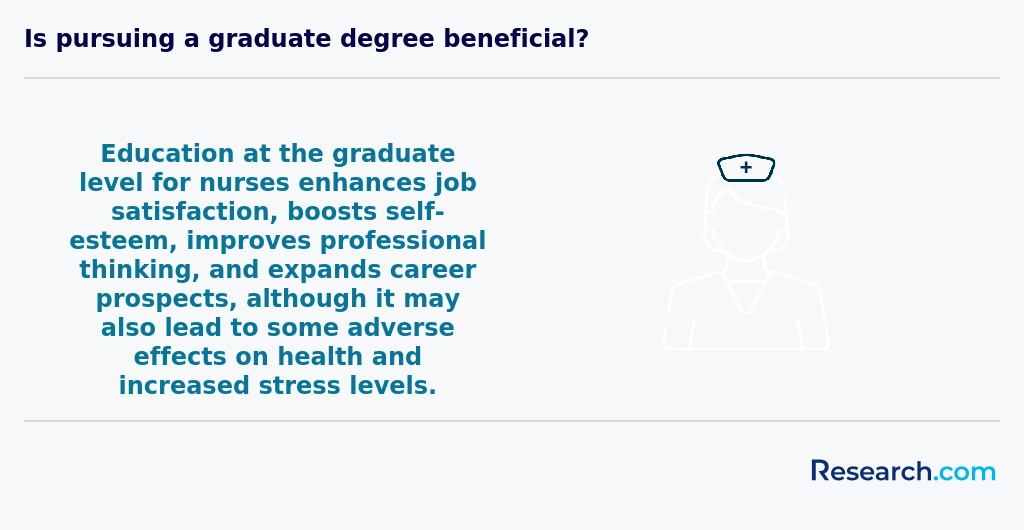
To explore affordable nursing education options in Mississippi, it's essential to research and compare the costs of different nursing programs. Prospective students can start by looking into the most affordable online nursing schools in Mississippi, which can provide a more flexible and budget-friendly path to a nursing degree. Additionally, considering factors such as program length, accreditation, and graduation rates can help students make informed decisions about their nursing education. By weighing these factors and exploring available financial aid options, aspiring nurses can find affordable and high-quality nursing programs that align with their career goals and financial situation.
What financial aid is available to nursing degree students in Mississippi?
Many nursing students at institutions like the University of Mississippi Medical Center and Mississippi College find financial aid essential in managing tuition costs, which range from about $6,000 to $10,000 yearly for in-state public programs. Federal support often starts with completing the FAFSA, opening doors to Pell Grants that do not require repayment-some students share how a Pell Grant award up to $7,395 made a real difference in easing their financial burden.
Loans, such as Direct Subsidized or Unsubsidized Loans, also play a part, offering more flexible repayment options than private lenders, which many graduates appreciated when budgeting post-graduation. State-specific aid like scholarships from the Mississippi Nurses Foundation or merit-based funding from the Institutions of Higher Learning adds another layer of support, especially for those committed to serving underserved areas.
Employer-sponsored tuition reimbursement in rural hospitals often encourages graduates to work locally, creating meaningful career paths while offsetting educational expenses. Work-study programs and scholarships from groups like the Mississippi Nurses Association provide additional, practical ways students have funded their nursing education.
Program Outcomes and Student Success Metrics
Understanding how nursing programs perform after graduation is critical for making an informed decision. In Mississippi, top-ranked affordable nursing degree programs report strong success metrics: • NCLEX-RN Pass Rates: Most schools in our 2024 ranking boast first-time NCLEX pass rates above 88%, with several exceeding 95%. High pass rates reflect rigorous exam preparation and curriculum alignment with licensure requirements. • Graduation Rates: Leading programs maintain graduation rates of 75–90%, demonstrating effective student support services, academic advising, and tutoring. • Job Placement: Within six months of graduation, 80–92% of alumni secure positions in hospitals, clinics, or long-term care facilities. Partnerships with healthcare systems-often through clinical rotations-drive these high placement rates. • Clinical Hours and Simulation: Accredited schools require 600–800 clinical practicum hours complemented by 50+ hours in simulation labs, ensuring that students gain hands-on experience before entering the workforce. • Student-Faculty Ratio: A lower ratio (often 8:1 to 12:1) fosters personalized mentoring, boosting both confidence and skill mastery. • Alumni Satisfaction: Surveys indicate that over 85% of graduates feel well-prepared for patient care and teamwork, citing strong faculty engagement and real-world exposure. Prospective students should request each program’s most recent outcome data and compare metrics. For those exploring online alternatives with similar success measures, review the Low Cost Online Nursing Degree Programs Ranking in Pittsburgh, PA to see how digital formats stack up in NCLEX outcomes and job readiness.
What are the prerequisites for enrolling in nursing degree program in Mississippi?
Enrolling in a nursing degree in Mississippi starts with meeting key academic prerequisites that ensure readiness for this rewarding yet challenging path. Graduates from universities like the University of Mississippi Medical Center often reflect on how their strong foundation in biology, chemistry, microbiology, and college-level math gave them the confidence to excel in clinical settings. These courses do more than check a box-they build essential knowledge that will shape your daily work as a nurse.
Beyond academics, many programs require passing the TEAS exam, which tests skills in math, science, reading, and English. Aspiring nurses from institutions such as Mississippi College recall how preparing for this exam helped sharpen their critical thinking before diving into patient care. It's a moment of growth that many find rewarding.
Additionally, health prerequisites like immunizations and background checks protect both students and patients, a point often emphasized at practical training sites. Some programs also appreciate prior healthcare experience, be it volunteer work or employment, which deepens understanding and passion for nursing from day one.
Accreditation and Licensing: Ensuring Program Quality and Your Professional Future
Choosing an accredited nursing program in Mississippi is critical to ensuring you receive a high-quality education and qualify for licensure. Look for programs approved by the Mississippi Board of Nursing and accredited by agencies such as the Commission on Collegiate Nursing Education (CCNE) or the Accreditation Commission for Education in Nursing (ACEN). Accreditation guarantees that your curriculum meets national standards, prepares you for the NCLEX-RN exam, and is recognized by employers nationwide. Before enrolling, verify that your school maintains good standing with the Mississippi Board of Nursing-this approval not only affects your eligibility to sit for licensure but also impacts financial aid and credit transfers. Many graduates recommend confirming accreditation early, as transferring between institutions can be smoother when credits originate from recognized programs. Additionally, accredited schools often offer dedicated NCLEX prep workshops, hands-on simulation labs, and faculty mentors who specialize in exam strategies. If you plan to advance to an advanced practice role, such as a nurse practitioner, ensure your master’s program holds the proper accreditation and state authorization. For a streamlined path into graduate study, consider exploring our curated list of nurse practitioner programs ontario-these options showcase accelerated specialty tracks that align with recognized accreditation standards. By prioritizing accredited and Board-approved nursing programs, you safeguard your investment in education, maximize career mobility, and secure the credentials necessary for long-term professional success.
What courses are typically in nursing degree programs in Mississippi?
In Mississippi, nursing degree programs offer a thoughtfully structured curriculum that truly prepares students for the realities of healthcare. Graduates from institutions like the University of Mississippi Medical Center often reflect on the solid foundation they gained through courses in anatomy, physiology, microbiology, chemistry, and nutrition-these essentials unlock a deep understanding of the human body and its functions, which proves vital when caring for patients.
Core nursing courses such as Fundamentals of Nursing, Health Assessment, and Pharmacology immerse students in skills crucial for patient care. For example, learners at Mississippi College praise how Adult and Pediatric Nursing classes challenged them to adapt quickly to different patient needs, while Mental Health and Maternal-Newborn Nursing courses helped foster empathy and comprehensive care strategies.
The experience of community and public health nursing stands out as especially transformative. Hands-on clinical practicums across Mississippi's hospitals and clinics give students insight into diverse environments, from bustling urban centers to rural outreach programs, nurturing confidence and a real sense of purpose in their roles.
What types of specializations are available in nursing degree programs in Mississippi?
Nursing degree specializations in Mississippi offer a rich variety of paths tailored to meet the state's unique healthcare demands. Graduates from prominent universities in Jackson or Hattiesburg often share how specializing in Registered Nurse (RN) to Bachelor of Science in Nursing (BSN) programs gave them a deeper connection to community health or leadership roles, enhancing their career satisfaction in local clinics and hospitals.
Others find that focusing on pediatric nursing brings fulfillment in supporting families and children, especially in pediatric units of regional medical centers. Geriatric nursing has become increasingly meaningful for students witnessing Mississippi's aging population firsthand, preparing them to provide compassionate care for chronic conditions common in rural areas.
Specializations like psychiatric mental health nursing resonate deeply with those drawn to behavioral health challenges. Meanwhile, advanced degrees, including nurse anesthetist or nurse practitioner programs, often pursued after initial studies, open doors to higher responsibility and autonomy. For those curious about advanced education, exploring nurse practitioner programs ontario can provide valuable comparative insights into next steps beyond undergraduate study.
Mississippi nursing program specialization options reflect a balance between practical skills and meaningful patient impact, helping new nurses feel equipped and confident to serve in diverse healthcare environments.
How do you choose the best nursing degree in Mississippi?
Choosing the best nursing degree in Mississippi means balancing affordability, program quality, and your personal goals. Graduates from popular institutions like the University of Mississippi Medical Center often emphasize the impact of accredited programs with strong clinical placements on their confidence and preparedness. Many find that ADN programs at community colleges offer the most affordable nursing degrees in Mississippi, with tuition costs much lower than larger universities, making them ideal for students managing tight budgets.
Others aiming for broader opportunities prefer BSN programs available at state universities, appreciating the balance of rigorous academics and supportive faculty. These programs typically have higher tuition-between $7,000 and $15,000 annually-but offer exposure to a wider range of nursing specialties and research options. Reflecting on feedback from recent graduates, selecting a school with high NCLEX-RN pass rates helps set realistic expectations and eases stress during licensure exams.
For those wondering about career progression, some nurses successfully advance by exploring how can i go from adn to msn, enabling flexibility in earning advanced degrees while working. Overall, consider your lifestyle and choose programs with formats, locations, and financial commitments that align with your vision for nursing in Mississippi's healthcare landscape.

What career paths are available for nursing degree students in Mississippi?
Graduates of nursing programs in Mississippi often find a variety of career paths open to them, shaped by the state's unique healthcare landscape. Those from universities such as the University of Mississippi Medical Center frequently begin as Registered Nurses, working in diverse settings like hospitals, clinics, or community health centers. Many pursue specialized roles, including Nurse Practitioner or Clinical Nurse Specialist, which demand further graduate education but provide rewarding opportunities to make a deeper impact. The hands-on experience gained in local facilities, combined with strong support networks among Mississippi nursing graduates, fosters confidence and professional growth. Exploring nursing career opportunities in Mississippi reveals how roles like Licensed Practical Nurse or advanced positions such as Nurse Anesthetist respond to both regional healthcare needs and personal aspirations, offering fulfilling and stable employment.
Many students reflect warmly on their time studying nursing here, appreciating affordable programs and practical training that connects classroom concepts with real patient care. For those considering nursing education affordability, it's worth exploring Low Cost Online Nursing Degree Programs Ranking in Pittsburgh, PA to compare options and plan your educational journey smartly.
What is the job market for nursing degree in Mississippi?
The nursing job outlook in Mississippi reflects a promising landscape for graduates from local universities and community colleges. Many who earn their degrees from institutions such as the University of Mississippi Medical Center or Jackson State University find numerous employment opportunities, especially in rural areas where healthcare access challenges create high demand for nurses. Graduates often share how rewarding it is to serve communities that truly need their expertise, making the profession feel fulfilling beyond just the paycheck.
Mississippi nursing employment opportunities are bolstered by affordable educational programs, with tuition ranging from $5,000 to $15,000 annually at public schools, helping ease financial burdens for students. Nurses specializing in critical care or geriatrics report a smooth transition into the workforce, aided by a growing need for skilled practitioners. For those eager to advance quickly, many also consider accelerated options, like the quickest online bachelor degree programs for working adults, to fast-track their careers while balancing life commitments.
Frequently Asked Questions About nursing
Nursing degree students in Mississippi can enhance their learning by actively engaging in both classroom and clinical experiences. According to the Mississippi Board of Nursing, students benefit greatly from hands-on practice in diverse healthcare settings, which builds critical skills and confidence. Participating in simulation labs offered by many nursing programs also allows for safe practice of complex procedures.
Students should seek opportunities for internships or volunteer work in local hospitals or community clinics to gain real-world exposure. Utilizing academic support services and joining nursing student organizations can foster peer learning and networking.
Additionally, staying informed about Mississippi's healthcare challenges, such as rural health disparities, prepares students for impactful careers. The U.S. Bureau of Labor Statistics projects a 12% growth in registered nurse employment in Mississippi by 2030, highlighting career demand.
The nursing field in Mississippi is expanding beyond traditional roles, offering new specialized opportunities for students. Among the emerging niches are **gerontological nursing**, driven by the state's aging population. Nurses focusing on elderly care are increasingly in demand to address chronic conditions and improve quality of life. Another fast-growing area is **telehealth nursing**, which leverages technology to provide remote patient care, especially vital in rural parts of Mississippi.
Additionally, **psychiatric-mental health nursing** is gaining importance due to rising awareness of mental health challenges. According to the Mississippi Board of Nursing, these specialties offer promising career growth and competitive salaries, reflecting national trends reported by the U.S. Bureau of Labor Statistics.
After completing a nursing degree in Mississippi, preparing for the job market involves several key steps. Graduates should first pass the National Council Licensure Examination (NCLEX-RN) to become licensed registered nurses in the state. Mississippi's Board of Nursing provides licensing support and information on application timelines.
Networking through clinical rotations and joining local organizations such as the Mississippi Nurses Association can enhance job prospects. The state's healthcare sector is growing, with a 15% projected increase in registered nurse employment by 2030, according to the U.S. Bureau of Labor Statistics. This growth emphasizes the importance of gaining experience in diverse clinical settings.
Continuing education and certifications in specialized areas like gerontology or pediatrics can further improve employment chances. Additionally, using Mississippi's workforce resources and job boards helps graduates connect with hospitals, clinics, and rural health providers seeking qualified nurses.
Employers in Mississippi seek nursing graduates with strong clinical skills and sound knowledge of patient care. According to the Mississippi Board of Nursing, proficiency in medication administration and patient assessment remains essential for entry-level positions. Communication skills are also highly valued, as nurses must effectively coordinate with healthcare teams and provide clear instructions to patients.
Adaptability is important due to the evolving healthcare environment, especially in rural areas where nurses often manage diverse cases. Emotional resilience and critical thinking help graduates handle stressful situations. The Mississippi Hospital Association emphasizes that familiarity with electronic health records (EHR) software is increasingly required, reflecting the growing digitization of healthcare documentation.
Finding internships in Mississippi relevant to a nursing degree involves exploring opportunities offered through accredited nursing programs and local healthcare facilities. Many nursing schools in Mississippi, such as the University of Mississippi Medical Center, have partnerships with hospitals and clinics to provide clinical placements. Students should also check with the Mississippi Nurses Association, which offers resources and networking events for nursing professionals and students.
Hospitals like Baptist Memorial and Merit Health frequently offer internships or clinical rotations. According to the Mississippi Board of Nursing, clinical experience is a required component of licensure, making these internships essential.
Online platforms and campus career centers can further assist in locating available internships tailored to nursing students.
A nursing degree significantly enhances career mobility and advancement opportunities within Mississippi's healthcare sector. According to the Mississippi Nurses Association, registered nurses (RNs) holding a Bachelor of Science in Nursing (BSN) or higher are more likely to secure leadership roles and specialized clinical positions.
Mississippi's healthcare employers increasingly prefer candidates with advanced degrees due to the growing complexity of patient care. Nurses with degrees can access higher salaries; for example, the Mississippi Department of Employment Security reports BSN-prepared nurses earn roughly 15% more than those with an associate degree.
Furthermore, a nursing degree is often required for roles such as nurse educator, case manager, or nurse practitioner. For those seeking long-term career growth or relocation within Mississippi, degree credentials support easier licensure transfer and credential recognition by the Mississippi Board of Nursing.
Studying for a nursing degree in Mississippi provides students with foundational skills vital for interdisciplinary healthcare roles. Programs often emphasize collaboration across various medical professions, including physicians, therapists, and social workers. This approach aligns with Mississippi's growing emphasis on team-based care to improve patient outcomes, as highlighted by the Mississippi State Department of Health.
Many nursing curricula in Mississippi incorporate clinical experiences in diverse healthcare settings, promoting communication and coordination skills. For example, registered nurse programs accredited by the Accreditation Commission for Education in Nursing (ACEN) require interdisciplinary training components.
Additionally, Mississippi nursing students benefit from training in cultural competence and public health, preparing them to work efficiently within varied healthcare teams addressing the state's specific health challenges, such as chronic disease management.
When choosing between a thesis and a non-thesis nursing degree program in Mississippi, consider your career goals and learning preferences. Thesis programs typically require original research, which is ideal if you plan to pursue a PhD or work in academic nursing. Non-thesis programs focus more on practical skills and clinical experience, suitable for those aiming to advance in nursing practice or administration.
Mississippi nursing programs, like those at the University of Mississippi Medical Center, offer both options. According to the Mississippi Board of Nursing, the state values advanced clinical expertise, making non-thesis routes appealing for most professionals.
Consider the time commitment: thesis programs usually take longer due to research demands. Also, assess faculty support and resources, as well as program accreditation and licensure preparation. Reviewing these factors helps align your choice with your professional path and Mississippi's nursing workforce needs.
Students based in Mississippi who wish to study nursing abroad have several options, often through partnerships between Mississippi institutions and foreign universities. While Mississippi itself does not offer direct overseas nursing degrees, some local universities with nursing programs participate in exchange programs or study-abroad initiatives, allowing students to gain international experience.
Many nursing students consider programs in Canada, the United Kingdom, or Australia-countries with nursing education systems recognized by U.S. licensing authorities. However, students must ensure these foreign programs align with the Mississippi State Board of Nursing requirements for licensure.
According to the Mississippi Nurses Association, international study can enhance clinical skills and cultural competence, valuable in Mississippi's diverse healthcare settings. Students should carefully research program accreditation and state licensure compatibility before deciding.
In Mississippi, students pursuing nursing degrees often seek part-time jobs that enhance their education and provide practical experience. Common roles include Certified Nursing Assistant (CNA) positions, which offer hands-on patient care experience essential for nursing students. According to the Mississippi Department of Health, CNAs earn an average hourly wage of around $11 to $13, making it a viable option for students balancing work and study.
Other part-time opportunities include medical receptionist jobs, home health aide roles, and positions in local hospitals or clinics offering support services. These roles help develop communication and organizational skills crucial for nursing careers.
Gaining experience through part-time work in Mississippi's healthcare facilities can strengthen resumes and improve job prospects after graduation.
Nursing students in Mississippi benefit from various networking opportunities that support career growth. Many universities, such as the University of Mississippi Medical Center, host nursing student organizations and local chapters of national groups like the American Nurses Association. These groups provide events, workshops, and conferences to connect students with professionals. Clinical placements in hospitals and community health settings across Mississippi allow students to build relationships with practicing nurses and healthcare leaders. According to the Mississippi Nursing Workforce Center, these connections can be vital for job placement after graduation. Additionally, state nursing conferences offer platforms for learning and networking within the local healthcare community.
Alumni networks offer valuable support for nursing degree students in Mississippi by connecting them with experienced professionals and recent graduates. These networks often provide mentorship, career advice, and job placement assistance, which can be crucial in a competitive healthcare job market. According to the Mississippi Institutions of Higher Learning, strong alumni connections can improve employment outcomes for nursing graduates by nearly 20% compared to those without such networks.
Networking through alumni groups also gives students access to local healthcare providers, facilitating clinical placement opportunities that meet Mississippi's nursing program standards. Additionally, alumni events promote lifelong learning and professional development, helping students stay updated with state healthcare regulations and trends.
Mississippi offers various ways to customize nursing degree programs to align with your career goals. Many public and private institutions provide specializations such as pediatric nursing, gerontology, or nurse leadership. You can select elective courses that match your interests or pursue dual certifications alongside your degree.
The Mississippi Board of Nursing supports flexible program formats, including online or hybrid classes, which allow working professionals to balance study and employment. Additionally, clinical placements can be tailored to specific healthcare settings, from hospitals to community clinics, providing practical experience relevant to your desired field.
According to the U.S. Bureau of Labor Statistics, Mississippi has a growing demand for advanced nursing roles, so considering advanced practice registered nurse (APRN) tracks may enhance your career prospects. Institutions like the University of Mississippi Medical Center provide approved curriculum pathways specifically designed for specialization.
Nursing students in Mississippi face several notable challenges during their education. One major difficulty is balancing rigorous coursework with clinical hours, which often require long, unpredictable shifts in healthcare settings. The Mississippi Center for Nursing reports that only about 40% of applicants to nursing programs are admitted due to limited slots, increasing competition and stress.
Financial constraints also affect many students. With tuition and fees rising nationally, some Mississippi students struggle to afford education without significant debt or additional work hours.
Additionally, there is a shortage of qualified nursing faculty in the state, which can limit mentorship opportunities and access to personalized instruction.
With a nursing degree in Mississippi, graduates can pursue several professional certifications to advance their careers. Common certifications include the Registered Nurse (RN) license, which is essential for clinical practice and governed by the Mississippi Board of Nursing. Beyond this, nurses can earn advanced credentials such as Certified Nurse Practitioner (CNP), Certified Nurse Midwife (CNM), and Clinical Nurse Specialist (CNS).
Specialty certifications like Critical Care Registered Nurse (CCRN) and Emergency Nurse Certification (CEN) are also available for those seeking focused practice areas. According to the Mississippi Nurses Foundation, these certifications can improve job prospects and earning potential locally. Many of these credentials require passing national exams and maintaining licensure through continuing education.
Writing a winning application for a nursing program in Mississippi starts with thorough preparation. Applicants should highlight academic strengths, especially in science and math, as these subjects form the foundation of nursing studies. Admission committees often consider GPA and prerequisite coursework completion carefully.
Including relevant clinical or volunteer experience in healthcare settings strengthens the application by demonstrating commitment to the profession. According to the Mississippi Board of Nursing, practical experience can significantly boost chances of acceptance.
Personal statements should clearly explain motivation to become a nurse and align with Mississippi's community health needs. Tailoring essays to reflect knowledge of local healthcare challenges can make an application stand out.
Lastly, strong letters of recommendation from educators or healthcare professionals familiar with the applicant's abilities provide valuable support. Checking each nursing school's specific criteria is essential for meeting all requirements.
The nursing profession offers diverse opportunities shaped by global health trends and demands. In Mississippi, nursing education aligns with national standards, preparing graduates for both local and international healthcare roles. Globally, nurses face evolving challenges, including aging populations and rising chronic diseases, which increase the need for skilled professionals.
According to the Mississippi Board of Nursing, the state supports multiple pathways to become a registered nurse, including ADN and BSN programs, reflecting a nationwide push for higher education levels in nursing. The U.S. Bureau of Labor Statistics projects a 9% growth for registered nurses through 2032, mirroring global demand.
This growth underlines the importance of cultural competence and adaptability, essential in diverse healthcare systems worldwide. For Mississippi students, these global trends highlight nursing as a stable and impactful career choice.
Gaining practical experience while studying for a nursing degree in Mississippi is essential for career readiness. Most accredited nursing programs include clinical rotations at local hospitals, community clinics, and long-term care facilities. These supervised experiences allow students to apply classroom knowledge in real healthcare settings.
Additionally, the Mississippi Nurses Association promotes internships and externships that students can join. Programs often partner with major healthcare providers like the University of Mississippi Medical Center, which serves as a key clinical site.
According to the Mississippi Board of Nursing, clinical experience hours vary, but students typically complete at least 500 direct patient care hours prior to graduation.
When choosing a concentration within a nursing degree program in Mississippi, consider your career goals and interests carefully. Mississippi offers diverse nursing pathways, including family nurse practitioner, pediatric nursing, and psychiatric nursing. Research from the Mississippi Board of Nursing highlights that specialties like geriatrics and primary care have growing demand due to the state's aging population.
Look at program accreditation and state licensure requirements to ensure your education meets Mississippi standards. Check employment outcomes for each concentration, as areas like acute care often provide more hospital-based opportunities.
Additionally, explore clinical placement options, since hands-on experience in Mississippi healthcare settings is vital to building skills and professional networks.
Related Nursing Rankings for Nearby States
- 2027 Most Affordable Online Nursing Degree Programs Ranking in Louisiana
- 2027 Most Affordable Online Nursing Degree Programs Ranking in Tennessee
- 2027 Most Affordable Online Nursing Degree Programs Ranking in Florida
- 2027 Most Affordable Online Nursing Degree Programs Ranking in Missouri
- 2027 Most Affordable Online Nursing Degree Programs Ranking in Georgia
- 2027 Most Affordable Online Nursing Degree Programs Ranking in Kentucky
- 2027 Most Affordable Online Nursing Degree Programs Ranking in Texas
- 2027 Most Affordable Online Nursing Degree Programs Ranking in Indiana
- 2027 Most Affordable Online Nursing Degree Programs Ranking in Illinois
- 2027 Most Affordable Online Nursing Degree Programs Ranking in South Carolina
Top Trending Nursing Rankings
See What Experts Have To Say About Studying Nursing
Read our interview with Nursing experts


References
- Study Nursing Abroad | Boomerang International Educational Services https://boomerangedu.com/study-nursing-abroad/
- Top Skills Employers Want in Practical Nursing Graduates https://vervecollege.edu/what-employers-look-for-in-practical-nursing-graduates/
- How Do Nurses Navigate Career Advancement? | NursingEducation https://nursingeducation.org/insights/career-advancement/
- Client Challenge https://www.springerpflege.de/nursing-graduates-perceived-future-career-pathway-and-career-shi/50653658
- How to Choose a Nursing Program: A Comprehensive Guide - Madonna ABSN https://absn.madonna.edu/blog/how-to-choose-a-nursing-program/
- Interdisciplinary Education and Practice https://www.aacnnursing.org/news-data/position-statements-white-papers/interdisciplinary-education-and-practice
- What Are the Best RN Certifications for Your Career? https://credenzahealth.com/career-advice/what-are-the-best-rn-certifications-for-your-career
- Client Challenge https://www.slideshare.net/slideshow/nursing-perspectivepdf/257210042
- B.S.N. Program https://nursing.mc.edu/degrees/bsn-program
- Medical University of GdaÅsk https://admission.mug.edu.pl/29318.html


