
2027 Most Valuable Nursing Degree Programs Ranking in Memphis

Co-Founder and Chief Data Scientist
Choosing the right nursing degree program is an important step toward a rewarding healthcare career in Memphis. This article presents the 2027 Most Valuable Nursing Degree Programs Ranking in Memphis, developed by the Research.com team of data scientists to guide you in making well-informed decisions.
By exploring this ranking, you'll discover programs that offer strong value, quality education, and positive career prospects. Nursing is a fulfilling profession that makes a real difference, and finding the right program can set you on a confident path toward success and personal growth.
Key benefits of getting nursing degree in Memphis
- Nursing degree graduates in Memphis can expect strong earning potential, with Registered Nurses and Clinical Nurse Educators earning a mean annual wage of $94,480, while Operating Room Nurses can earn up to $128,490, offering financial stability and rewarding career opportunities.
- Graduates from local universities like the University of Memphis enjoy diverse career paths including Public Health Nurse, Emergency Room Nurse, and Clinical Educator roles that allow them to make a meaningful impact in various healthcare settings.
- Choosing an online nursing degree, such as programs offered by the University of Memphis, provides flexibility for working adults and quicker access to certification, helping students balance life while advancing their healthcare careers efficiently.
- Key benefits of getting nursing degree in Memphis
- What can I expect from nursing degree in Memphis?
- Where can I work with nursing degree in Memphis?
- How much can I make with nursing degree in Memphis?
- 2027 Most Valuable Nursing Degree Programs Ranking in Memphis
- Key Findings
- How long does it take to complete nursing degree in Memphis?
- NCLEX Pass Rates and Program Outcomes
- What's the difference between online and on-campus nursing degree?
- Return on Investment for Nursing Degrees in Memphis, TN
- What is the average cost of nursing degree in Memphis?
- Licensure and Certification Process for Memphis Nursing Graduates
- What financial aid is available to nursing degree students in Memphis?
- Advance Your Career with a Doctor of Nursing Practice (DNP)
- What are the prerequisites for enrolling in nursing degree program in Memphis?
- Importance of Specialized Nursing Programs in Memphis, TN
- What courses are typically in nursing degree programs in Memphis?
- What types of specializations are available in nursing degree programs in Memphis?
- How do you choose the best nursing degree in Memphis?
- What career paths are available for nursing degree students in Memphis?
- What is the job market for nursing degree in Memphis?
- Top Trending Nursing Rankings
- See What Experts Have To Say About Studying Nursing
What can I expect from nursing degree in Memphis?
The average cost of pursuing a nursing degree in Memphis is notably affordable for in-state students, with public institutions such as the University of Memphis offering undergraduate tuition around $10,000 per year. This cost efficiency allows many students to focus on their studies without overwhelming financial strain, an experience often shared by graduates who appreciate the balance between quality education and manageable expenses.
Beyond tuition, nursing students benefit from access to scholarships and financial aid targeted specifically at nursing programs, which further eases the economic burden. For instance, students attending Remington College Memphis campus frequently describe feeling supported through financial resources designed to keep education accessible.
Graduates recount how this affordability, combined with accredited programs approved by the Tennessee Board of Nursing and clinical experiences at prominent local healthcare facilities like Methodist Le Bonheur Healthcare, creates a learning environment that is both practical and inspiring. These realistic clinical placements reinforce their passion and readiness for nursing careers within the Memphis community.
Where can I work with nursing degree in Memphis?
Graduates with a nursing degree in Memphis can expect diverse employment opportunities across the city's extensive healthcare network. Many alumni from the University of Tennessee Health Science Center find rewarding roles in major hospitals such as Methodist Le Bonheur Healthcare and Baptist Memorial Health Care Corporation, working in high-demand areas like emergency rooms, surgical units, and maternity wards. These experiences often involve hands-on patient care, fostering a strong sense of professional accomplishment.
Nursing graduates also thrive in outpatient clinics and community health centers, where they engage in routine care and chronic disease management. Those who trained at local colleges appreciate how these settings allow them to build close patient relationships in neighborhoods throughout Memphis.
Others pursue careers in long-term care facilities, including places like Covenant Place at Celebration, where nurses provide compassionate elder care and rehabilitation services. The growing home healthcare sector offers flexible opportunities for graduates seeking to support patients in their own homes, reflecting broad career adaptability and personal fulfillment.
Additionally, graduates with advanced education often transition into nursing education and research roles, contributing to the city's evolving healthcare landscape and inspiring future nurses.
How much can I make with nursing degree in Memphis?
Nursing degree graduates in Memphis can anticipate competitive earnings that reflect their qualifications and specialization. Registered Nurses (RNs), Clinical Nurse Educators, Public Health Nurses, and Emergency Room Nurses typically earn an average annual wage of around $94,480, with an hourly rate near $45.42, as reported by the U.S. Bureau of Labor Statistics. This aligns with the experiences of graduates from local institutions such as the University of Memphis and Baptist College of Health Sciences, who often step confidently into these roles with strong starting salaries.
Those pursuing more specialized pathways, like Operating Room Nurses, can expect higher compensation levels, averaging $128,490 annually or about $61.78 per hour. Graduates who have completed advanced training feel reassured by this earning potential, particularly in Memphis hospitals known for robust surgical programs.
Memphis nursing graduates appreciate not only the financial rewards but also the opportunity to impact their community's health. The practical training offered by prominent local colleges enables new nurses to thrive immediately in diverse clinical environments, from emergency departments to public health clinics, creating a fulfilling career while enjoying salary growth.
2027 Most Valuable Nursing Degree Programs Ranking in Memphis
How do we rank schools?
Investing in your education is a significant decision that can shape your future, and the Research.com team understands the importance of making informed choices. To assist prospective students in Memphis, we have meticulously developed the "2027 Most Valuable Nursing Degree Programs Ranking in Memphis." Our dedication to quality, credibility, and accuracy is demonstrated through the thorough research and analysis carried out to create this ranking.
We utilized the following reputable data sources to ensure a comprehensive evaluation of nursing programs:
By consulting this ranking, readers will gain valuable insights into the most valuable nursing degree programs in Memphis, empowering them to make well-informed decisions about their educational and career paths. For more information on how this ranking was constructed, please visit our Research.com methodology page.


# 5 position
The University of Tennessee Health Science Center
Bachelor of Science in Nursing

Key Findings
- The average tuition for a BSN program in Memphis ranges from $25,000 to $45,000 depending on the school type, while ADN programs generally cost between $10,000 and $20,000.
- Entry-level registered nurses earn about $55,000 annually, with salaries increasing to over $70,000 after five to ten years of experience.
- Nursing jobs in Memphis are expected to grow by approximately 15% through 2030, faster than the national average for all occupations.
- Local healthcare institutions such as Methodist Le Bonheur Healthcare and St. Jude Children's Research Hospital support the strong nursing job market.
- Memphis nursing programs include clinical training opportunities, providing hands-on experience in diverse medical settings.
- Graduates of accredited nursing programs in Memphis can take the NCLEX-RN exam, a required step for nursing licensure in Tennessee.
How long does it take to complete nursing degree in Memphis?
Completing a nursing degree in Memphis typically spans from two to four years, shaped by the chosen program and prior education. Graduates from local community colleges often share how their two-year Associate Degree in Nursing (ADN) prepared them effectively for immediate employment as registered nurses, balancing foundational skills with hands-on clinical experience.
At universities offering Bachelor of Science in Nursing (BSN) programs in Memphis, students describe a comprehensive four-year journey that combines leadership training and public health education. Many appreciate how this extended curriculum opens doors to diverse nursing roles and advanced career opportunities.
For those with existing nursing credentials, Memphis universities provide BSN completion tracks or accelerated programs lasting about 12 to 18 months, offering flexibility and faster advancement. Graduates from these pathways often express satisfaction with the efficient format tailored for working adults.
Factors such as part-time enrollment and clinical placement availability can influence duration, but overall, Memphis nursing programs align with national standards, ensuring graduates are both competitive and confident entering the healthcare field.
NCLEX Pass Rates and Program Outcomes
Most Memphis nursing programs report first-time NCLEX-RN pass rates that surpass state and national averages, reflecting comprehensive curricula and strong clinical partnerships.
- Southwest Tennessee Community College ADN: 89% first-time pass rate (Tennessee average: 84%)
- University of Memphis BSN: 94% first-time pass rate (National average: 88%)
- Baptist Memorial College ADN/BSN Bridge: 92% first-time pass rate
Graduates often secure employment quickly, with 85% reporting a full-time nursing position within six months and 75% retained in their initial roles after one year.
To advance into leadership or clinical specialties, consider exploring online dnp programs.
What's the difference between online and on-campus nursing degree?
Online nursing programs in Memphis, such as those offered by University of Memphis, provide flexibility that appeals to students juggling work and family responsibilities. Graduates from these programs often appreciate being able to complete coursework remotely while managing their personal schedules. However, online students must independently secure local clinical placements, which can sometimes require extra effort but also create valuable connections within Memphis healthcare facilities.
Conversely, traditional on-campus programs at institutions like Baptist College of Health Sciences offer a more immersive environment. Students benefit from direct access to faculty, hands-on labs, and established partnerships with leading Memphis hospitals such as Methodist Le Bonheur Healthcare. Graduates frequently speak of the confidence gained through face-to-face instruction and real-time clinical experiences, fostering strong professional networks before graduation.
While both formats fulfill essential clinical hour requirements for licensure, on-campus study typically offers streamlined access to clinical sites. Ultimately, the choice depends on a student's learning style and life circumstances, balancing Memphis-area resources with the convenience of online flexibility.
Return on Investment for Nursing Degrees in Memphis, TN
Assessing the return on investment (ROI) for a nursing degree in Memphis, TN, helps you make financially sound education choices. On average, an Associate Degree in Nursing (ADN) in Memphis costs between $23,900 and $66,320, while a Bachelor of Science in Nursing (BSN) ranges from $89,556 to $211,392. Given that Registered Nurses in Memphis earn an average annual salary of $89,010, ADN graduates can expect to recoup their tuition within 2–3 years, whereas BSN graduates typically break even in 3–4 years due to higher upfront costs but increased advancement potential. Key ROI considerations: • Time to Workforce: ADN programs take about two years, enabling faster entry and earlier salary accrual. • Long-Term Earnings: BSN and MSN holders command higher salaries-up to $124,680 for Operating Room Nurses-boosting lifetime ROI despite longer program lengths. • Advancement Opportunities: Graduates who pursue advanced certifications or specialties often see salary increases of 10–20% within 5 years of practice. Comparison of Program Types: – ADN vs. BSN: ADN’s lower cost and shorter duration provide a quick break-even point; BSN’s broader curriculum and higher starting salaries yield greater ROI over a 10–year horizon. – BSN vs. MSN: The additional two years for an MSN can lead to roles such as Clinical Nurse Educator or Nurse Practitioner, with median salaries exceeding $110,000, significantly enhancing long-term ROI. Alternative Pathways: Starting as a Licensed Practical Nurse (LPN) can offer a swift return-LPN programs often cost under $15,000 and take 12–18 months to complete. For those exploring practical nursing as a cost-efficient step, consider the best rated lpn program in pennsylvania model to benchmark tuition, completion time, and salary outcomes.
What is the average cost of nursing degree in Memphis?
The average cost of a nursing degree in Memphis is approximately $27,646, reflecting the total median expense for completing the program. In-state students typically incur lower costs, with a median around $12,262, making local enrollment a financially viable option. Graduates from institutions like Southwest Tennessee Community College and the University of Memphis often highlight how affordable tuition paired with dedicated faculty helped them gain expertise without excessive financial strain. Many students pursuing nursing degrees in Memphis appreciate that these programs balance quality education with reasonable pricing.
Students pursuing nursing degree tuition fees Memphis 2027 will find a variety of options depending on the type of institution. Public community colleges offer the most affordable path, especially for residents, whereas private colleges tend to have higher tuition but often provide enhanced clinical experiences and smaller class sizes that students find invaluable for hands-on learning. For example, some graduates mention the supportive learning environment at private institutions as crucial to their success and confidence entering the healthcare field.
Beyond tuition, it is important to consider ancillary costs such as textbooks, uniforms, licensure exam prep, and clinical supplies, which can add $2,000 to $4,000 annually. Many nursing students benefit from scholarships, grants, and federal student loans, which help alleviate financial burdens. Prospective students are encouraged to explore these financial aid options through their school offices and local resources. Those interested in exploring the most valuable nursing programs in Tennessee can find programs in Memphis that balance cost and educational quality effectively, making the investment in a nursing degree more accessible and rewarding.

Licensure and Certification Process for Memphis Nursing Graduates
Upon completing an accredited nursing program in Memphis, aspiring Registered Nurses must successfully pass the NCLEX-RN and obtain state licensure through the Tennessee Board of Nursing. Here’s what you need to know: 1. NCLEX-RN Registration and Preparation - Register with Pearson VUE and submit your application to the Tennessee Board of Nursing at least 45 days before your anticipated exam date. - Leverage program-specific review courses and question banks provided by your school. Local graduates report NCLEX pass rates above 90% when they engage in structured study groups and simulation labs. 2. Tennessee Board of Nursing Requirements - Submit official transcripts, a background check, and proof of English proficiency (if applicable). - Pay the licensure fee and complete the jurisprudence exam covering Tennessee nursing statutes. 3. Timeline and Next Steps - Authorization to Test (ATT) is typically issued within 2–3 weeks of application approval. Candidates then schedule the NCLEX-RN within the 90-day validity of the ATT. - Once you pass, you’ll receive your license by mail and can legally practice in Tennessee. For those considering flexible learning paths before licensure, explore our Affordable Online Nursing Degree Programs Ranking in South Carolina to compare program costs and delivery methods.
What financial aid is available to nursing degree students in Memphis?
Financial aid for nursing students in Memphis is diverse and tailored to ease the burden of tuition costs, which typically range from $6,000 to $12,000 annually at public institutions for in-state residents. Many graduates from the University of Memphis and LeMoyne-Owen College report that federal aid accessed through FAFSA forms the backbone of their funding, with Pell Grants offering up to $7,395 annually to eligible students-providing substantial relief for those with financial need.
Local scholarships from healthcare employers like Baptist Memorial Health Care and Methodist Le Bonheur Healthcare often reward nursing students committed to careers within their systems. These opportunities not only reduce expenses but also create clear employment pathways post-graduation, which many Memphis nursing graduates find motivating and secure.
State grants like the HOPE Scholarship provide additional merit- and need-based support, reinforcing the affordability of nursing programs in Tennessee. Institutional awards further supplement aid, allowing students to focus on their studies with less financial stress.
Moreover, loan forgiveness programs such as Public Service Loan Forgiveness encourage graduates to serve in local public health roles, rewarding dedication with debt relief after ten years. This combination of aid supports Memphis nursing students in pursuing their careers confidently and with optimism.
Advance Your Career with a Doctor of Nursing Practice (DNP)
Pursuing a Doctor of Nursing Practice (DNP) represents the pinnacle of clinical nursing education, equipping graduates with leadership skills, advanced clinical competencies, and the ability to translate evidence into practice. In Memphis, TN, local institutions such as the University of Tennessee Health Science Center offer DNP tracks in areas like nurse anesthesia, family practice, and psychiatric-mental health, often combining online coursework with immersive clinical residencies. For nurses seeking an accelerated path, exploring the fastest dnp program can reduce time to degree completion while maintaining rigorous academic standards. Most DNP programs require a Master of Science in Nursing (MSN) or a BSN with a strong GPA (typically 3.0 or higher), alongside professional RN licensure and clinical hours. Full-time DNP candidates usually complete 30–40 credit hours over two to three years, whereas part-time formats span three to five years, offering flexibility for working professionals. Core coursework covers advanced health policy, organizational leadership, quality improvement, and biostatistics, culminating in a practice-focused project that addresses systems-level challenges in healthcare delivery. Graduates with a DNP can expect to advance into high-impact roles: executive leadership positions in hospitals and health systems, policy-making roles in state and federal agencies, clinical faculty appointments, or specialized practice areas such as nurse anesthesia and acute care. According to the American Association of Colleges of Nursing, DNP-prepared nurses command median salaries exceeding $120,000 annually, reflecting their expertise in improving patient outcomes, spearheading clinical innovations, and guiding interdisciplinary teams. By choosing a well-accredited DNP program in Memphis or online, nurses can achieve both professional fulfillment and a significant return on investment.
What are the prerequisites for enrolling in nursing degree program in Memphis?
To enroll in a nursing degree program in Memphis, applicants must first hold a high school diploma or GED, establishing a key academic foundation. Graduates from the University of Memphis and Southwest Tennessee Community College often recall how completing prerequisite courses like biology with lab, general chemistry, anatomy and physiology, microbiology, English composition, and psychology or sociology laid the groundwork for their nursing studies and helped them feel confident entering the rigorous curriculum.
Many nursing hopefuls describe the TEAS exam as a critical step, with its focus on reading, math, science, and English skills. Those who prepared thoroughly found that surpassing the minimum score opened doors to their preferred programs.
Beyond academics, letters of recommendation and personal statements play a vital role. Graduates reflect on how these components allowed them to showcase passion and dedication, reassuring admissions committees of their commitment to nursing.
Additionally, meeting health and legal requirements such as background checks and immunization records ensures students are ready for clinical rotations within Memphis healthcare settings.
Importance of Specialized Nursing Programs in Memphis, TN
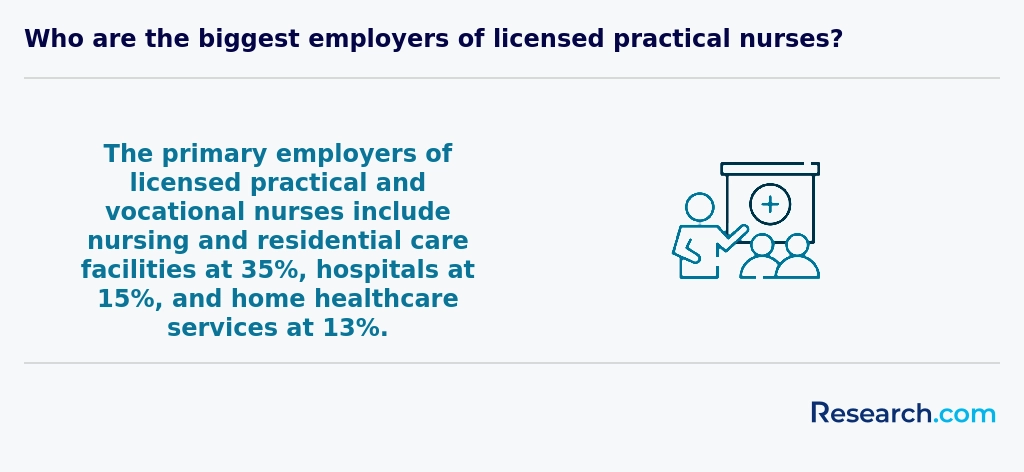
For nursing students looking to enhance their employability and specialization, considering programs that offer specialized tracks can be highly beneficial. Many institutions in Memphis, such as the University of Memphis, provide opportunities for students to focus on areas like pediatrics, gerontology, or critical care, which can lead to more targeted career opportunities. By exploring valuable nursing programs in Tennessee, prospective students can find programs that align with their interests and career aspirations, ultimately leading to a more fulfilling and successful nursing career. This alignment is crucial as it not only enhances job satisfaction but also prepares graduates to meet the specific healthcare needs of the Memphis community.
What courses are typically in nursing degree programs in Memphis?
Nursing degree programs in Memphis typically encompass a comprehensive curriculum designed to prepare students for diverse clinical environments. Graduates from prominent Memphis colleges often describe their courses as both challenging and rewarding, emphasizing foundational subjects such as human anatomy and physiology, which build essential knowledge of the body's structure and function. Clinical students recall how microbiology and infection control coursework directly informed their daily hospital rotations, reinforcing critical hygiene and safety protocols.
Pharmacology receives strong focus, equipping students with a deep understanding of medication administration and patient safety. Pathophysiology classes enable learners to grasp the impact of diseases on normal body processes, often relating lessons to local health challenges like diabetes and hypertension prevalent in Memphis communities.
Ethics and healthcare law courses prepare students to navigate complex patient care situations with professionalism and respect for privacy. Practical clinical experiences include adult, pediatric, maternal, and mental health nursing rotations, helping students confidently apply classroom knowledge in real-world settings at trusted Memphis healthcare facilities.
Community health nursing courses further ground students in public health principles, reflecting Memphis's emphasis on outreach and education in addressing regional health disparities.
What types of specializations are available in nursing degree programs in Memphis?
Students pursuing nursing degree specializations in Memphis typically engage in programs tailored to meet local healthcare demands. Common tracks include Family Nurse Practitioner (FNP), which graduates find rewarding as they deliver primary care to the city's diverse populations. Geriatric Nursing is particularly relevant due to Memphis's aging demographics, with students often sharing that their clinical rotations offered meaningful experiences in elder care facilities. Pediatric Nursing is another popular specialization, benefiting those interested in working at Memphis's renowned children's hospitals where graduates feel a strong sense of purpose.
Memphis nursing program specialization options also feature Psychiatric/Mental Health Nursing, addressing the growing need for behavioral health expertise, and Critical Care or Emergency Nursing, favored by students attracted to the fast-paced environment of local trauma centers. Many graduates from the University of Tennessee Health Science Center emphasize how these specializations prepare them for leadership roles in high-demand fields.
Advanced certifications such as Nurse Anesthetist and Nurse Midwifery require postgraduate study and clinical experience. Prospective students evaluate these pathways alongside tuition costs, often comparing them with options like the best rated lpn program in pennsylvania for broader career planning.
How do you choose the best nursing degree in Memphis?
Choosing the best nursing degree in Memphis involves evaluating the program's accreditation, clinical partnerships, and cost. Graduates from popular institutions in Memphis often emphasize the value of programs accredited by the Commission on Collegiate Nursing Education (CCNE) or the Accreditation Commission for Education in Nursing (ACEN), as these accreditations ensure eligibility for licensure and recognition by employers. Programs offering strong clinical experiences with local healthcare leaders like Methodist Le Bonheur Healthcare and St. Jude Children's Research Hospital provide practical skills that students find highly rewarding.
Cost is important too; affordable nursing schools Memphis TN offer competitive tuition rates, typically around $8,000 for in-state students, which makes quality education accessible. Students at the University of Memphis report positive experiences balancing rigorous academics with real-world training.
Lastly, consider program flexibility and outcomes such as NCLEX-RN pass rates above the national average. For advanced studies, exploring options like the fastest dnp program can accelerate career goals efficiently.
What career paths are available for nursing degree students in Memphis?
Nursing degree holders in Memphis have access to diverse and rewarding career paths that align with their skills and interests. Graduates commonly find opportunities in clinical nursing roles at Memphis's major healthcare centers like Methodist Le Bonheur Healthcare, delivering compassionate, hands-on patient care. Others pursue specialized fields such as pediatrics or oncology, leveraging the city's renowned hospitals including St. Jude Children's Research Hospital.
For those drawn to advanced practice, roles like nurse practitioners or nurse anesthetists offer elevated responsibilities and competitive salaries, often requiring further education from popular local programs. Many Memphis nursing graduates also find fulfilling careers in public health nursing, promoting wellness at the community level, which resonates with their desire to make broad societal impacts. Additionally, healthcare administration and education positions attract nurses eager to lead and shape future professionals.
Students exploring nursing career opportunities in Memphis can benefit from resources like the Affordable Online Nursing Degree Programs Ranking in South Carolina to compare educational options and prepare for versatile roles in this growing job market.
What is the job market for nursing degree in Memphis?
The job market for nursing degree holders in Memphis is notably strong, offering promising employment prospects for recent graduates. Memphis nursing degree employment outlook remains favorable due to several factors, including population growth and an aging community in Shelby County, which increase demand for healthcare services. Nursing graduates from local institutions often find roles in major hospitals and specialized care facilities, where skills in pediatrics, critical care, and surgical nursing are highly valued.
Graduates of nursing programs in Memphis frequently share success stories about securing employment quickly, citing the region's ongoing nursing shortages as a key factor driving nursing job opportunities in Memphis. The supportive employment environment and competitive wages, averaging around $67,000 annually, provide motivation and reassurance to new nurses entering the workforce. Additionally, advanced practice roles such as Nurse Practitioners are expanding, reflecting a broader growth in healthcare.
Many students attending Memphis-based colleges appreciate the balance of affordable tuition and strong job placement rates. Those interested in maximizing their earning potential often explore high paying certifications to complement their degrees, enhancing career flexibility and advancement in this thriving job market.
Frequently Asked Questions About nursing
Nursing degree students in Memphis can maximize their learning experience by engaging actively in both classroom and clinical settings. Memphis offers access to high-quality clinical sites, including the renowned Methodist Le Bonheur Healthcare system, providing valuable hands-on experience. According to the Tennessee Board of Nursing, practical training is essential to prepare for the NCLEX-RN licensing exam. Students should take advantage of local simulation labs and participate in study groups to improve critical thinking and practical skills. Additionally, building connections through Memphis-based nursing organizations can support networking and professional growth within the local healthcare community.
Emerging niches in the nursing field reflect shifts in healthcare needs and technology advancements. In Memphis, one growing area is telehealth nursing, where professionals provide remote care and patient monitoring. This niche has expanded significantly during the COVID-19 pandemic, with the Tennessee Department of Health reporting a rise in telemedicine usage by over 50% since 2020.
Another emerging specialty is geriatric nursing, critical for Memphis's aging population. The city's senior demographic is expected to grow by nearly 15% in the next decade, increasing demand for nurses skilled in elderly care and chronic disease management. Additionally, psychiatric nursing is gaining attention due to heightened awareness of mental health, supported by local initiatives in Memphis to improve behavioral health services.
Lastly, informatics nursing combines clinical expertise with data management, helping healthcare organizations improve patient outcomes through technology. Memphis hospitals have begun investing in informatics to streamline care, creating new roles for nurses with this technical skill set.
After completing a nursing degree in Memphis, preparing for the job market involves strategic planning and practical steps. First, obtaining and passing the NCLEX-RN exam is essential to become a licensed Registered Nurse in Tennessee. Employers in Memphis often prioritize candidates with clinical experience, so participation in internships or externships during school improves employment prospects. Networking with local healthcare facilities such as Methodist Le Bonheur Healthcare and St. Jude Children's Research Hospital can provide valuable connections.
According to the Tennessee Department of Labor, registered nursing jobs in Memphis grew by 6% between 2021 and 2023, reflecting positive demand.
Continuing education and certifications in specialized fields like geriatrics or critical care also enhance competitiveness. Job seekers should use resources like the Tennessee Nurses Association and Memphis job boards to find openings.
Employers in Memphis highly value nursing graduates who demonstrate strong clinical skills combined with effective communication. According to the Tennessee Nurses Association, technical proficiency in patient care remains essential, especially in settings such as the Methodist Le Bonheur Healthcare system, which serves much of Memphis.
In addition to hands-on abilities, critical thinking and problem-solving are crucial. Nurses must quickly assess patient needs and respond appropriately in fast-paced environments.
Interpersonal skills also rank highly, as collaboration with multidisciplinary teams improves patient outcomes. Cultural competence is important too, given Memphis's diverse population.
Finally, familiarity with electronic health records and basic healthcare technology is increasingly expected by local employers to enhance accuracy and efficiency in care delivery.
Finding nursing internships in Memphis involves leveraging the city's strong healthcare network. Major hospitals like Methodist Le Bonheur Healthcare and Regional One Health offer clinical internship opportunities for nursing students. These institutions often partner with local colleges such as the University of Memphis and Southwest Tennessee Community College, which have dedicated career services to help connect students with placements.
Students should also explore the Tennessee Board of Nursing's resources, which provide guidelines on approved clinical experiences essential for licensure. Networking through local nursing associations, such as the Tennessee Nurses Association, can open doors to internships not widely advertised.
Early application is crucial as competitive programs fill quickly. Many internships offer hands-on experience in critical care, pediatrics, and emergency nursing, preparing students for the demanding Memphis healthcare environment.
Obtaining a nursing degree in Memphis significantly enhances career mobility and advancement opportunities. Registered nurses (RNs) with an accredited nursing degree can pursue specialized roles such as nurse practitioners or nurse educators, which command higher salaries and greater responsibilities. According to the Tennessee Department of Labor, the healthcare sector in Memphis is growing steadily, with a projected 15% increase in nursing positions through 2028.
Higher education credentials like a Bachelor of Science in Nursing (BSN) are increasingly preferred by Memphis employers, especially in hospitals and outpatient centers. Nurses with advanced degrees often qualify for leadership roles, clinical specialties, and better job security. The greater Memphis area also benefits from numerous healthcare facilities offering diverse career pathways, supporting continuous advancement for degree holders.
Studying for a nursing degree in Memphis offers strong preparation for interdisciplinary roles by emphasizing collaboration and holistic patient care. Local programs integrate coursework that exposes students to teamwork with professionals such as physicians, social workers, and pharmacists. This approach aligns with Memphis's healthcare environment, where hospitals like Methodist Le Bonheur actively promote collaborative practice models.
In addition, many nursing programs in Memphis include clinical rotations in diverse settings, from urban hospitals to community clinics. This experience helps students develop communication skills essential for coordinating across disciplines. According to the Tennessee Board of Nursing, graduates from Memphis programs consistently demonstrate readiness for complex healthcare teams.
Choosing between a thesis and a non-thesis nursing degree program in Memphis depends largely on your career goals. Thesis programs typically appeal to those interested in research or pursuing doctoral studies, as they require writing and defending original research. Non-thesis options often focus more on clinical practice and coursework, ideal for students aiming to enter or advance in nursing roles quickly.
In Memphis, several nursing schools offer both paths, reflecting trends in U.S. nursing education. According to the Tennessee Board of Nursing, Memphis has seen steady growth in nursing employment, emphasizing practical skills. This suggests non-thesis degrees may suit many local students.
However, if you plan on contributing to nursing research or teaching, a thesis program prepares you better for these academic fields. Evaluate your professional needs, time commitment, and interest in research before deciding.
Students in Memphis interested in studying nursing abroad have several avenues to explore. Many local universities, such as the University of Memphis, offer study abroad partnerships with institutions in countries like Ireland and Australia, where nursing programs emphasize clinical skills and global health perspectives. According to the Institute of International Education, about 20% of U.S. nursing students participate in some form of international study during their degree. These programs typically last a semester or summer, providing opportunities for hands-on experience in diverse healthcare settings. Memphis-based students should also consider global nursing certifications and exchange programs accredited by U.S. nursing boards.
Students pursuing nursing degrees in Memphis often seek part-time jobs that enhance their clinical skills and complement their education. Common opportunities include roles as certified nursing assistants (CNAs), medical scribes, or patient care technicians. These positions provide hands-on experience within healthcare settings, helping students apply classroom knowledge. Memphis hospitals like Methodist Le Bonheur Healthcare and St. Jude Children's Research Hospital frequently hire part-time workers, offering flexible schedules suited for students.
According to the U.S. Bureau of Labor Statistics, Tennessee's healthcare sector is growing faster than the national average, increasing part-time job availability for nursing students. Such roles also improve understanding of patient care workflows, strengthening students' resumes for future RN licensure.
Nursing students in Memphis benefit from a variety of networking opportunities that connect them with local healthcare professionals. The city hosts active chapters of national organizations like the American Nurses Association and the Tennessee Nurses Association, which regularly organize events and seminars.
Local hospitals such as Methodist Le Bonheur Healthcare and St. Jude Children's Research Hospital often offer clinical placements and networking events for students. These opportunities foster relationships with experienced nurses and potential employers.
Additionally, Memphis nursing programs collaborate with community health centers to provide real-world experience and professional connections. According to the Tennessee Higher Education Commission, such partnerships significantly enhance career prospects for nursing graduates.
Alumni networks offer significant advantages to nursing degree students in Memphis by connecting them with experienced professionals. These networks often provide mentorship, helping students navigate clinical placements and job searches in a competitive healthcare market. According to the Tennessee Board of Nursing, Memphis has a growing demand for registered nurses, making alumni connections crucial for entering the field.
Through events and online communities, students gain access to insider knowledge about local hospitals and clinics such as Methodist Le Bonheur and St. Francis Healthcare. Networking increases chances of securing internships and employment after graduation, often before job openings are publicly posted.
Furthermore, alumni can guide students on continuing education and certification options to enhance their nursing careers, supporting long-term professional growth within Memphis's healthcare system.
Customizing a nursing degree program in Memphis involves selecting specialties, course formats, and clinical experiences that align with your career goals. Many programs in Memphis offer concentrations like pediatrics, gerontology, or emergency nursing, enabling students to focus on areas of interest.
Flexible scheduling options, including online and hybrid formats, help working professionals balance studies and employment. Clinical placements within Memphis-area hospitals and clinics provide hands-on experience specific to local healthcare needs.
Additionally, some programs allow elective courses in healthcare management or community health to broaden skills. Prospective students should consult resources such as the Tennessee Board of Nursing and individual universities to explore program customization options.
Nursing students in Memphis face several common challenges throughout their education. One significant issue is managing the rigorous curriculum alongside clinical rotations, which often require long hours and travel between facilities. According to the Tennessee Board of Nursing, the demand for clinical placement sites in Memphis has increased, creating competition and scheduling difficulties for students.
Another challenge is financial strain. Many students balance work and study due to the high costs of nursing programs and living expenses in Memphis. Additionally, the stress of mastering complex medical knowledge and passing the NCLEX-RN exam weighs heavily on many.
Support services vary by school, but mental health resources remain crucial for student success in this demanding field.
With a nursing degree in Memphis, graduates can pursue several professional certifications to enhance their careers. Common options include becoming a Certified Registered Nurse Anesthetist (CRNA), Certified Nurse Midwife (CNM), or Clinical Nurse Specialist (CNS). These certifications require additional education and passing national exams. Additionally, Registered Nurses (RNs) often seek the Certified Nurse Practitioner (CNP) credential to provide advanced care.
Memphis nurses benefit from Tennessee's strong healthcare network, with many local hospitals supporting professional development. According to the Tennessee Board of Nursing, over 10,000 RNs hold active licenses statewide, indicating a competitive certification environment. Earning certifications can lead to higher salaries and more job opportunities in the Memphis region.
When applying to nursing programs in Memphis, a clear and well-structured application is essential to stand out. Start by highlighting your academic achievements, especially science and math coursework, as these are critical for nursing studies. Many Memphis programs, such as those at the University of Memphis and Baptist College of Health Sciences, require a minimum GPA of around 3.0 for competitive applicants.
Clinical experience or volunteering in healthcare settings improves your application. Local hospitals like Methodist Le Bonheur offer volunteer opportunities that demonstrate commitment to nursing. Additionally, prepare a strong personal statement explaining your motivation for nursing and how your background fits the program's goals.
Letters of recommendation from instructors or healthcare supervisors can provide valuable support. Finally, ensure you meet all deadlines early, as nursing programs in Memphis often have limited seats and high competition, with acceptance rates near 30% according to Tennessee Higher Education Commission data.
The nursing profession is increasingly viewed through a global lens, reflecting trends in healthcare demands and workforce mobility. In the United States, including Memphis, nursing degrees are designed to meet high standards that align with international competencies. According to the U.S. Bureau of Labor Statistics, registered nurses are expected to grow 6% nationwide from 2021 to 2031, pointing to a sustained global need for qualified nurses.
Memphis specifically benefits from diverse healthcare settings where cultural competence is critical. Many nursing programs in Memphis incorporate global health concepts, preparing graduates to work effectively both domestically and abroad. The city's proximity to major healthcare organizations aids students in gaining experience relevant worldwide.
Global demand encourages U.S.-trained nurses to pursue licensure in multiple countries, enhancing career opportunities. International nursing exchange programs and certifications show rising interest among Memphis students, reflecting this global perspective.
Gaining practical experience while studying for a nursing degree in Memphis is essential for developing clinical skills. Many nursing programs in the area partner with local hospitals, clinics, and long-term care facilities to provide supervised clinical rotations. These placements allow students to work directly with patients under professional guidance.
Memphis is home to major healthcare institutions such as Methodist Le Bonheur Healthcare and Regional One Health, which frequently collaborate with nursing schools. This gives students access to diverse clinical settings, from urban hospitals to community health centers. According to the Tennessee Board of Nursing, clinical requirements typically involve at least 500 hours of hands-on experience.
Additionally, some Memphis nursing programs offer simulation labs, where students practice procedures in a controlled environment. Volunteering and internships are also common options to build practical skills while studying. These opportunities are integral for licensure and employment readiness.
Choosing the right concentration within a nursing degree program in Memphis requires understanding local healthcare needs and career opportunities. Memphis has a diverse patient population with high demand for specialties like geriatric care, pediatrics, and critical care. According to the Tennessee Department of Health, the Memphis metropolitan area expects a 15% growth in registered nurse jobs by 2030, highlighting areas needing more specialists.
Students should consider concentrations that align with both their interests and Memphis's healthcare priorities. Researching hospitals and clinics in the region can reveal which specialties are most sought-after. For example, cancer and trauma centers in Memphis often require nurses trained in oncology and emergency care.
Accreditation and clinical placement opportunities are also crucial. Programs offering strong partnerships with local healthcare providers can improve hands-on experience and job prospects. Additionally, licensing boards require certain competencies that may vary by concentration, so verifying state requirements is important.
Related Nursing Rankings for Nearby Cities
- 2027 Most Valuable Nursing Degree Programs Ranking in Nashville
- 2027 Most Valuable Nursing Degree Programs Ranking in Birmingham
- 2027 Most Valuable Nursing Degree Programs Ranking in Saint Louis
- 2027 Most Valuable Nursing Degree Programs Ranking in Hattiesburg
- 2027 Most Valuable Nursing Degree Programs Ranking in Louisville
- 2027 Most Valuable Nursing Degree Programs Ranking in Mobile
- 2027 Most Valuable Nursing Degree Programs Ranking in Atlanta
- 2027 Most Valuable Nursing Degree Programs Ranking in Kansas City
- 2027 Most Valuable Nursing Degree Programs Ranking in Indianapolis
- 2027 Most Valuable Nursing Degree Programs Ranking in Peoria
Top Trending Nursing Rankings
See What Experts Have To Say About Studying Nursing
Read our interview with Nursing experts

Lisa Grubb
Nursing Expert
Assistant Professor
Johns Hopkins School of Nursing

References
- How Do Nurses Navigate Career Advancement? | NursingEducation https://nursingeducation.org/insights/career-advancement/
- BSN Nursing Program | Traditional BSN Degree in Memphis https://www.cbu.edu/academics/undergraduate-programs/traditional-bsn-nursing-program/
- Career Advancement Pathways for Nurses : Expert RN shares 10+ Professional growth opportunities - MuminMed https://blog.muminmed.com/career-advancement-pathways-for-nurses/
- Top Skills Employers Want in Practical Nursing Graduates https://vervecollege.edu/what-employers-look-for-in-practical-nursing-graduates/
- How to Choose the Right Nursing School for Your Career Goals | Archer Review https://www.archerreview.com/blog/how-to-choose-the-right-nursing-school-for-your-career-goals
- Interdisciplinary Education and Practice https://www.aacnnursing.org/news-data/position-statements-white-papers/interdisciplinary-education-and-practice
- Guide to Making a Career Change to Nursing https://teach.com/online-ed/healthcare-degrees/online-msn-programs/career-change-to-nursing/
- Graduate Nurse Residency Program Memphis Job in Memphis at Tenet https://jobs.tenethealth.com/job/memphis/graduate-nurse-residency-program-memphis/1127/97902746336
- Nursing Degree You Need to Become an RN https://www.allnursingschools.com/registered-nursing/degrees/
- BSN Admission Requirements https://www.uthsc.edu/nursing/bsn-admission-requirements.php


