
2027 Most Valuable Nursing Degree Programs Ranking in Michigan

Co-Founder and Chief Data Scientist
Choosing the right nursing degree program in Michigan can shape your future career and personal growth. This article introduces the 2027 Most Valuable Nursing Degree Programs Ranking in Michigan, thoughtfully developed by the Research.com team of data scientists.
By exploring this ranking, you'll gain clear insights to help you pick programs that offer real value. Nursing is a rewarding path with opportunities to make a difference, and finding the right program is a key first step. We're here to guide you toward an informed and confident decision.
Key benefits of getting nursing degree in Michigan
- Salary for nursing degree graduates: Michigan nursing graduates can expect competitive wages, with Registered Nurses earning a mean annual salary of $94,480 and Operating Room Nurses earning up to $128,490, reflecting rewarding financial opportunities in this field.
- Career paths: Graduates from Michigan State University's nursing program often find diverse roles like Public Health Nurse or Emergency Room Nurse, highlighting the flexibility and variety available in nursing careers within the state.
- Online degree benefits: Earning a nursing degree online from the University of Michigan offers greater schedule flexibility and accessibility, helping busy students balance studies with work and personal commitments while still achieving strong career prospects.
- Key benefits of getting nursing degree in Michigan
- What can I expect from nursing degree in Michigan?
- Where can I work with nursing degree in Michigan?
- How much can I make with nursing degree in Michigan?
- 2027 Most Valuable Nursing Degree Programs Ranking in Michigan
- Key Findings
- How long does it take to complete nursing degree in Michigan?
- Program Outcomes and Licensure Success
- What's the difference between online and on-campus nursing degree?
- Residency and Mode of Delivery: Comparing In-State, Out-of-State, and Online Tuition
- What is the average cost of nursing degree in Michigan?
- Most Crucial Missing Section: Budgeting and Financial Planning for Nursing Students
- What financial aid is available to nursing degree students in Michigan?
- NCLEX Pass Rates and Licensing Success
- What are the prerequisites for enrolling in nursing degree program in Michigan?
- Advancing to a Doctor of Nursing Practice (DNP)
- What courses are typically in nursing degree programs in Michigan?
- What types of specializations are available in nursing degree programs in Michigan?
- How do you choose the best nursing degree in Michigan?
- What career paths are available for nursing degree students in Michigan?
- What is the job market for nursing degree in Michigan?
- Related Nursing Rankings for Nearby States
- Top Trending Nursing Rankings
- See What Experts Have To Say About Studying Nursing
What can I expect from nursing degree in Michigan?
The average cost of pursuing a nursing degree in Michigan varies significantly depending on the type of program and institution. For example, graduates from community colleges offering Associate Degree in Nursing (ADN) programs typically report tuition expenses ranging from $8,000 to $15,000 for the entire course. In contrast, Bachelor of Science in Nursing (BSN) students at well-known universities such as the University of Michigan or Wayne State University often face higher costs, with tuition running between $30,000 and $50,000 for the four-year program. These figures exclude additional expenses like textbooks, uniforms, and clinical placement fees.
Many nursing students appreciate the availability of financial aid, which can substantially ease the burden. Some share that state grants and scholarships targeted specifically at nursing students at institutions like Michigan State University can make a decisive difference in managing costs. However, prospective students should weigh these tuition fees against the potential return on investment considering Michigan's growing demand for nurses and opportunities for advanced education.
Where can I work with nursing degree in Michigan?
Graduates with a nursing degree in Michigan frequently find themselves employed in diverse healthcare environments, from bustling hospitals in Detroit to community clinics near Grand Rapids. Those who studied at well-known institutions like the University of Michigan or Wayne State University often start as registered nurses in acute care settings, where the fast-paced atmosphere sharpens their clinical skills and builds confidence. One graduate shared how working in a surgical center allowed them to experience teamwork and real-time problem-solving, highlighting the rewarding challenge of supporting patients through critical moments.
Beyond hospitals, nursing graduates from Michigan State University or Ferris State University often explore roles in outpatient and specialty clinics, such as pediatrics or oncology, where patient relationships deepen over time. With Michigan's aging population, many alumni also engage in home health care, noting the fulfillment gained from improving quality of life in patients' own homes. Others find passion in community health nursing, contributing to vaccination drives or school health programs, feeling they're making a tangible difference in public well-being.
Advanced degree holders, including nurse practitioners, appreciate Michigan's evolving regulations enabling greater independence, especially in rural areas where healthcare access is limited. This freedom opens doors to leadership roles in primary care and mental health, making the career path both dynamic and impactful.
How much can I make with nursing degree in Michigan?
Graduates with a nursing degree from institutions like the University of Michigan or Michigan State University can anticipate competitive salaries in the state's healthcare sector. According to recent data, registered nurses, including clinical nurse educators and public health nurses, often earn a mean annual wage of about $94,480 in Michigan. This figure stands above the average salary mentioned in some reports, reflecting the robust demand for skilled professionals in urban centers such as Ann Arbor and Detroit.
For those specializing further, such as emergency room nurses, the pay remains similar, also averaging $94,480 annually, offering graduates opportunities in fast-paced, critical care environments. Notably, operating room nurses represent a higher earning bracket, with mean salaries reaching approximately $128,490 per year, showing the financial benefits of advanced specialization.
Graduates often share that the rewarding patient interactions and career stability in Michigan's healthcare settings outweigh concerns about starting salaries. With tuition support and growing healthcare needs, earning potential soon improves for those committed to advancing their credentials after initial employment.
2027 Most Valuable Nursing Degree Programs Ranking in Michigan
How do we rank schools?
Investing in your education is a significant decision that can shape your future, and the Research.com team understands the importance of making informed choices. To assist prospective students, we have meticulously crafted the "2027 Most Valuable Nursing Degree Programs Ranking in Michigan." Our commitment to quality, credibility, and accuracy is reflected in the extensive research and analysis conducted to compile this ranking.
We utilized the following reputable data sources to ensure a comprehensive evaluation of nursing programs:
By exploring this ranking, readers will gain valuable insights into the most valuable nursing degree programs in Michigan, enabling them to make well-informed decisions about their educational investment. For a detailed explanation of our methodology, please visit our Research.com methodology page.


# 12 position
Chamberlain University-Michigan
Bachelor of Science in Nursing


Key Findings
- Michigan offers nursing programs including ADN, BSN, and advanced NP degrees with strict quality standards.
- BSN tuition at public universities ranges from $12,000 to $15,000 per year for in-state students; community colleges charge $4,000 to $6,000 for ADN programs.
- Private nursing schools may charge over $25,000 annually, not including books, uniforms, and exam fees.
- Registered nurse salaries start around $55,000 to $65,000, increasing to $75,000 to $90,000 with experience and advanced degrees.
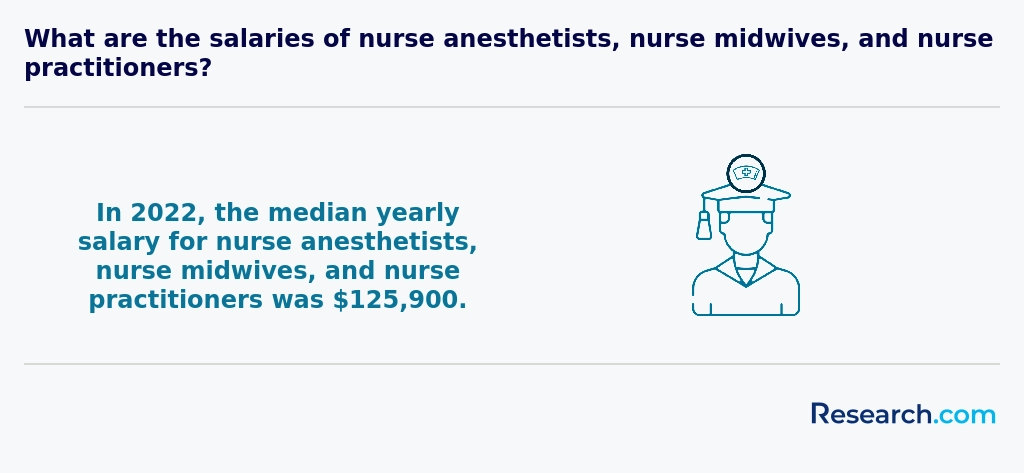
- Nurse Practitioners can earn median wages above $100,000 annually in Michigan.
- Licensure requires passing the NCLEX-RN exam and ongoing continuing education regulated by the Michigan Board of Nursing.
How long does it take to complete nursing degree in Michigan?
Completing a nursing degree in Michigan typically spans from 2 to 4 years, but this varies widely depending on the program chosen. For example, students at community colleges like Wayne County Community College often complete their Associate Degree in Nursing (ADN) within 2 to 3 years. Graduates appreciate the faster route to their Registered Nurse license, enabling them to start working and gaining experience sooner while keeping options open for further education.
On the other hand, those attending universities such as the University of Michigan or Grand Valley State University pursuing a Bachelor of Science in Nursing (BSN) usually spend about 4 years studying full-time. Many BSN graduates recall the richly diverse coursework and leadership training that prepared them for more advanced roles, justifying the longer commitment despite the heavier workload.
Some who aspire to advanced practice roles often undertake additional 2 to 4 years of Master's or Doctoral study after the BSN. Balancing clinical hours, course availability, and sometimes part-time attendance, these students share how planning and support from Michigan nursing schools shape their educational journey positively.
Program Outcomes and Licensure Success
Michigan’s nursing programs are distinguished not only by their rigorous curricula but also by strong outcomes that demonstrate real-world value. Key metrics to consider include:
- NCLEX-RN Pass Rates: Top-ranked BSN programs in Michigan report first-time NCLEX-RN pass rates exceeding 90%, often outpacing the national average of 85%. High pass rates indicate that coursework, simulation labs, and clinical rotations are effectively preparing students for licensure.
- Graduation Rates: Leading institutions boast graduation rates between 75% and 90%, reflecting robust academic support services and faculty mentorship. Programs with higher completion rates tend to offer dedicated tutoring, early alert systems, and peer-led study groups.
- Job Placement Rates: Within six months of graduation, 85%–95% of nursing alumni secure positions in hospitals, clinics, or community health settings. Many students report receiving job offers before walking the stage, thanks to strong partnerships between colleges and local healthcare providers.
- LPN-to-RN Transition Success: For students beginning with practical nursing credentials, bridge programs facilitate a smooth progression to RN licensure. Those interested in accelerating their entry into the workforce can explore lpn online programs, which often feature flexible scheduling and dedicated NCLEX-PN prep. These outcome metrics not only validate program quality but also serve as reliable predictors of your own success. When comparing nursing schools in Michigan, prioritize those with transparent reporting on NCLEX pass percentages, graduation timelines, and post-graduation employment rates to ensure you choose a program that delivers both academic excellence and career-readiness.
What's the difference between online and on-campus nursing degree?
Choosing between online and on-campus nursing degrees in Michigan often comes down to personal circumstances and learning preferences. Graduates from the University of Michigan's traditional program often emphasize the value of face-to-face interactions, where hands-on clinicals in nearby hospitals provide immediate feedback and a supportive peer environment. These in-person experiences can build confidence, especially during challenging procedures, fostering a sense of camaraderie among classmates.
Conversely, students from online programs-such as those offered by Western Michigan University-highlight flexibility as a major benefit. Balancing family or work commitments becomes more manageable when lectures and assignments are accessible anytime. However, these students still must complete clinical hours locally, which universities help coordinate to meet Michigan's licensure requirements.
Both pathways require passing the NCLEX-RN and fulfilling state-mandated clinical hours. While tuition rates may be similar, online learners typically save on commuting and housing, making this route financially appealing without sacrificing quality. Individual experiences vary, yet Michigan's accreditation standards ensure both formats prepare students thoroughly for nursing careers.
Residency and Mode of Delivery: Comparing In-State, Out-of-State, and Online Tuition
Tuition costs for a nursing degree in Michigan vary significantly based on residency status and program format. In-state residents typically benefit from the lowest rates, averaging between $11,950 and $22,389 per year for ADN and BSN programs at public institutions. Out-of-state students, however, may face premiums of 1.5× to 2× those rates, pushing annual costs for a four-year BSN program well above $40,000 at state universities. Online nursing programs offer a compelling alternative for non-residents and working professionals. Many Michigan institutions have adopted hybrid models, but fully online BSN programs can reduce overall tuition by 20% to 35% compared to on-campus equivalents. When evaluating online options, consider fees for clinical placements, technology, and proctoring, which can add $1,000 to $3,000 annually. Residency-based tuition reciprocity agreements-such as those under the Academic Common Market-may allow students from neighboring states to enroll at in-state rates. Additionally, accelerated BSN tracks often include flat-tuition plans, enabling students to estimate total costs more precisely. For students seeking the most budget-friendly pathways beyond Michigan, our analysis of regional programs highlights additional savings. Be sure to explore our Low Cost Online Bachelor's in Nursing Degree Programs Ranking in the West for comparative insights on affordable online nursing degrees and further opportunities to maximize return on investment.
What is the average cost of nursing degree in Michigan?
The average nursing degree cost in Michigan varies significantly depending on the type of program and institution. Data indicate that for many students, the median total cost for obtaining a degree is around $41,952, with in-state tuition costs averaging closer to $16,458. Graduates from public universities like the University of Michigan and Michigan State University often share how the investment, while substantial, feels justified by the quality of education and clinical training they received. For instance, students attending community colleges appreciate the affordability of Associate Degree in Nursing (ADN) programs, which typically cost far less than traditional four-year Bachelor of Science in Nursing (BSN) degrees.
Understanding Michigan nursing program tuition fees means recognizing that private colleges can push the total cost well beyond the median, sometimes surpassing $100,000. This can be challenging but also reflects access to specialized resources and smaller class sizes, factors many students find motivating in their pursuit of nursing. Prospective nursing students often balance these costs with financial aid options, scholarships, and grants designed to ease the burden, which many Michigan nursing graduates have found invaluable during their studies.
For those exploring the most economical routes, looking into affordable nursing programs in michigan can provide practical guidance. Students recount that choosing the right program not only affects finances but also impacts lifestyle and learning environments. It's important to factor in additional expenses such as textbooks, uniforms, licensing fees, and living costs to develop a realistic budget. This comprehensive approach equips students to make thoughtful decisions aligned with their goals and financial realities.
Most Crucial Missing Section: Budgeting and Financial Planning for Nursing Students
When considering a nursing degree in Michigan, budgeting and financial planning are essential components of the educational journey. Prospective students should not only explore the costs associated with tuition, books, and living expenses but also delve into the realm of financial aid, scholarships, and budget management strategies. For instance, understanding the average cost of a nursing degree in Michigan, which can range from $23,900 for an Associate Degree in Nursing (ADN) to over $211,392 for a Bachelor of Science in Nursing (BSN), is crucial for planning. Additionally, nurses should be aware of the affordable nursing programs in michigan, which can significantly reduce the financial burden. By creating a comprehensive financial plan, students can ensure they are prepared to cover expenses while focusing on their studies, ultimately setting themselves up for success in their nursing careers. Effective financial planning involves considering not just the immediate costs of education but also the long-term financial benefits of a nursing career, including potential salaries, job security, and opportunities for advancement. This forward-thinking approach allows students to make informed decisions about their educational investments and to navigate the process of becoming a nurse in Michigan with clarity and confidence.
What financial aid is available to nursing degree students in Michigan?
Nursing students in Michigan often rely on a mix of federal and state financial aid to manage tuition costs, which range widely between community colleges and private universities. For instance, a nursing graduate from the University of Michigan recalls how Pell Grants, accessed through FAFSA, significantly reduced the financial pressure during her studies, covering thousands of dollars in tuition and living costs. These federal grants do not require repayment, making them a vital resource for many.
State programs add another layer of support. Graduates from Michigan State University highlight the Michigan Nursing Scholarship Program, which helps students who commit to serving in underserved areas, offering substantial tuition relief. This option not only eases debt but also creates a meaningful career path tied to community needs.
Additionally, some graduates appreciate loan forgiveness programs like the National Health Service Corps Loan Repayment, especially those working in Health Professional Shortage Areas within the state. Institutional scholarships from schools such as Wayne State University and private scholarships from nursing foundations offer further personalized assistance, although navigating eligibility can be complex.
NCLEX Pass Rates and Licensing Success
Michigan nursing programs typically report NCLEX-RN first-time pass rates between 85% and 95%, reflecting strong curriculum and student support.
- Review each program’s accreditation and most recent pass rate data on their website
- Target schools with first-time pass rates of 90% or higher for better licensure outcomes
- Confirm availability of NCLEX prep resources, such as review courses, practice exams, and tutoring
- Check the Michigan Board of Nursing for official statistics before submitting applications
For insights into affordable doctoral pathways after licensure, consider cheapest dnp programs online
What are the prerequisites for enrolling in nursing degree program in Michigan?
To enroll in a nursing degree program in Michigan, students must first hold a high school diploma or GED, a baseline that assures readiness for college-level work. For example, graduates from nursing programs at the University of Michigan often highlight how mastering this foundation helped ease their transition into demanding coursework. Many programs, including those at Michigan State University, expect completion of prerequisite college courses such as Anatomy and Physiology, Chemistry, and English Composition, which build essential knowledge critical for success in nursing.
Standardized entrance exams like the TEAS are commonly required across Michigan schools to assess core skills. These exams can seem daunting initially, but graduates recall how passing them boosted their confidence in handling the academic challenges ahead. Additionally, some programs emphasize healthcare experience-whether volunteering or CNA certification-which enriches practical understanding and strengthens applications.
Clinical readiness is another key component; background checks and immunization verification protect patient safety during rotations. Such thorough preparation is appreciated by many students at Wayne State University, who feel it instills a professional mindset early on.
Advancing to a Doctor of Nursing Practice (DNP)
Pursuing a Doctor of Nursing Practice (DNP) elevates your clinical expertise and leadership skills, positioning you for top-tier roles in healthcare administration, policy advocacy, and advanced patient care. In Michigan, DNP programs typically require 1.5 to 3 years of post-master’s study, blending rigorous coursework in evidence-based practice, quality improvement, and healthcare systems with immersive clinical residencies. Many institutions now offer flexible formats-full-time, part-time, and fully online-enabling working nurses to balance professional commitments with doctoral training. Key benefits of a DNP include: • Enhanced leadership opportunities: Graduates often lead interdisciplinary teams, develop clinical protocols, and spearhead organizational change. • Expanded scope of practice: DNP-prepared nurses can implement advanced assessment techniques, prescribe medications in specialized settings, and influence care delivery models. • Competitive salary growth: According to recent data, DNP holders in Michigan command premiums of 15–25% over master’s-level nurses, reflecting the high value of doctoral credentials. When selecting a DNP program, consider accreditation by CCNE or ACEN, clinical practicum partnerships with Michigan health systems, and faculty research expertise. Online learners should verify virtual simulation offerings and residency placement support. For nurses seeking the shortest pathway to practice-focused doctoral credentials, explore this short dnp online program that balances accelerated timelines with robust mentorship and professional networking. With healthcare complexity on the rise, a DNP not only future-proofs your career but also amplifies your ability to deliver transformative patient outcomes and shape the next generation of nursing practice.
What courses are typically in nursing degree programs in Michigan?
Nursing degree programs in Michigan typically include a blend of foundational sciences and specialized nursing courses. Graduates from well-known institutions like the University of Michigan and Michigan State University often recall their coursework in anatomy, physiology, microbiology, and chemistry as essential for understanding the human body and disease mechanisms. These scientific basics are crucial, yet students also engage deeply with nutrition and pharmacology, which directly impact how they manage patient care.
Core nursing subjects commonly cover fundamentals of nursing practice alongside focused areas such as adult health, mental health, pediatric, maternity, and community nursing. For example, graduates describe clinical scenarios where skills learned in maternity nursing helped them confidently assist with newborn care during rotations.
Many students find courses in nursing leadership and healthcare technology particularly rewarding, as these prepare them for the evolving demands of healthcare environments across Michigan. Practical application through supervised clinical hours in hospitals or health centers connects classroom theory to real-world challenges, fostering a strong sense of readiness and professional satisfaction.
What types of specializations are available in nursing degree programs in Michigan?
Nursing degree specializations in Michigan offer diverse pathways that meet varied healthcare needs, allowing students to tailor their education to personal and professional interests. Popular options include Family Nurse Practitioner (FNP), Mental Health Nursing, Pediatric Nursing, and Gerontological Nursing. Graduates from prominent Michigan universities, such as those in Detroit or Ann Arbor, often express enthusiasm for Clinical Nurse Specialist and Midwifery tracks, especially as these prepare them for advanced roles that impact patient care deeply. These specializations are not just theoretical; students frequently share stories of clinical experiences where their focused training made a meaningful difference, such as supporting elderly patients or providing mental health counseling during community health initiatives.
Considering Michigan nursing program specialization options, some students highlight the demanding yet rewarding nature of programs in Emergency Nursing or Public Health Nursing. Such tracks require additional clinical hours but often lead to strong job satisfaction due to the direct community impact. For those balancing education with other commitments, there is also the option to explore related fields through lpn online programs, which some find more flexible. These varied specializations reflect Michigan's commitment to preparing nurses for the state's evolving healthcare demands.
How do you choose the best nursing degree in Michigan?
Choosing the best nursing degree in Michigan requires balancing several critical factors. Graduates from popular colleges often emphasize the importance of program accreditation by bodies like the CCNE, which ensures licensure eligibility and employer recognition. For example, many students find that programs offering the Bachelor of Science in Nursing (BSN) provide stronger clinical opportunities and leadership preparation compared to associate degrees, making them a preferred choice despite higher costs. However, affordable nursing schools Michigan, such as community colleges with ADN programs, offer viable pathways to enter the profession without overwhelming debt.
Practical experience matters deeply; students who thrive often point to Michigan nursing programs with diverse clinical partnerships, exposing them to varied healthcare settings which strengthen confidence and skills. The Michigan Board of Nursing's NCLEX pass rates highlight program quality and can guide your choice. Additionally, exploring financial support like the Michigan Nursing Scholarship Program is vital.
Some graduates looking beyond traditional paths find that enrolling in a short dnp online program fits their need for flexibility and career advancement while balancing work and family.
What career paths are available for nursing degree students in Michigan?
Nursing graduates in Michigan find diverse and rewarding career paths rooted in the state's well-established healthcare system. Many begin as Registered Nurses (RNs) in hospitals or emergency rooms, where hands-on patient care and team collaboration form the core of their work. For instance, graduates from the University of Michigan often share how acute care roles challenge them while offering a fulfilling sense of purpose. Exploring nursing career opportunities in Michigan also reveals advanced practice roles-such as Nurse Practitioners and Nurse Anesthetists-available to those pursuing further specialization, often at institutions like Wayne State University. These paths not only provide higher earnings but also greater autonomy in patient care.
Beyond clinical roles, some graduates choose fields like public health or healthcare administration, impacting patient welfare on a broader scale. Schools such as Michigan State University encourage exploration of unique positions, including school or occupational health nursing. For prospective students weighing costs and opportunities, resources like the Low Cost Online Bachelor's in Nursing Degree Programs Ranking in the West can help identify affordable educational routes. Considering nursing degree job prospects Michigan-wide allows for informed decisions aligned with both professional goals and personal circumstances.
What is the job market for nursing degree in Michigan?
The nursing job outlook in Michigan remains optimistic, especially for graduates from well-known institutions such as the University of Michigan and Michigan State University. These programs prepare students to meet the increasing demand driven by an aging population and expanding healthcare services. Graduates often find employment quickly, especially in rural areas where skilled nurses are scarce, making relocation a viable option for better opportunities. Many nursing students describe their experience as challenging yet rewarding, feeling a strong sense of purpose when stepping into hospitals and clinics across the state.
Employment opportunities for nursing degree holders are supported by average wages around $74,000 annually, which, while slightly below the national average, align well with Michigan's cost of living. These wages tend to grow with advanced degrees or specialized training, giving graduates a clear path for career advancement. Some students weigh tuition costs carefully and explore options like accelerated associate degrees, which can offer a quicker entry into the workforce with less financial burden.
Frequently Asked Questions About nursing
Nursing degree students in Michigan can maximize their learning experience by actively engaging in clinical rotations, which are a critical part of nursing education. These opportunities provide hands-on care experience in diverse healthcare settings, helping students build practical skills. According to the Michigan Board of Nursing, students typically complete 500 to 700 clinical hours during their program. Participating in local healthcare facilities, including major systems like Spectrum Health or Henry Ford Health, can expose students to varied patient populations and specialties.
Additionally, joining professional nursing organizations such as the Michigan Nurses Association offers networking, mentorship, and continuing education resources.
Leveraging state-funded scholarships and internships can alleviate financial burdens and enhance professional development. Utilizing campus resources like simulation labs and tutoring services further strengthens knowledge and skills before entering real-world practice.
The nursing field in Michigan is expanding into several emerging niches that reflect changing healthcare needs. One growing area is gerontological nursing, focused on caring for Michigan's aging population, which the U.S. Census Bureau estimates will increase by 25% over the next decade. Nurses trained in geriatrics help manage chronic illnesses and improve quality of life for seniors.
Another expanding niche is psychiatric-mental health nursing. Mental health awareness is rising in Michigan, driving demand for specialized nurses who can provide therapy and medication management in both hospitals and community settings.
Additionally, there is growth in informatics nursing, which integrates nursing knowledge with data management to improve patient care through technology.
According to the Michigan Center for Nursing, these specialized roles offer strong job prospects and competitive salaries, highlighting important opportunities for new nursing graduates.
After completing a nursing degree in Michigan, preparing for the job market involves several key steps. First, obtaining licensure by passing the NCLEX-RN exam is essential to practice as a registered nurse in Michigan, as regulated by the Michigan Board of Nursing. According to the Michigan Center for Nursing, about 85% of new nursing graduates find employment within six months of graduation.
Building a strong resume with clinical experience gained during education is vital. Networking through local healthcare facilities and joining professional organizations, such as the Michigan Nurses Association, can increase job opportunities. Additionally, continuing education and certifications in specialized areas can improve competitiveness in Michigan's growing healthcare market.
Employers in Michigan highly value nursing graduates who demonstrate strong clinical skills, effective communication, and critical thinking abilities. According to the Michigan Center for Nursing, practical experience with patient care and familiarity with electronic health records are essential. Nursing professionals must also show adaptability, as healthcare environments evolve rapidly.
Interpersonal skills are crucial since nurses collaborate with diverse teams and support patient needs compassionately. Additionally, Michigan employers prioritize graduates with knowledge of state healthcare regulations and patient safety protocols.
Data from the Michigan Association of Registered Nurses highlights that leadership and time management skills greatly improve job prospects in this competitive market.
Finding nursing internships in Michigan involves exploring opportunities through both academic institutions and healthcare facilities. Many Michigan nursing programs, such as those at the University of Michigan and Michigan State University, have established partnerships with local hospitals to provide clinical placements. According to the Michigan Board of Nursing, over 70% of nursing students secure internships through their schools' affiliations.
Additionally, prospective interns can search for openings at major healthcare providers like Henry Ford Health System or Beaumont Health, which offer structured internship programs statewide. Utilizing online job boards specific to healthcare, such as the Michigan Health Council's career portal, also helps in locating relevant positions.
In Michigan, earning a nursing degree significantly enhances career mobility and advancement opportunities. According to the Michigan Center for Nursing, registered nurses with a Bachelor of Science in Nursing (BSN) have access to a wider range of roles, including leadership, specialized clinical positions, and public health. Hospitals in Michigan increasingly prefer or require BSN-prepared nurses, aligning with national trends toward higher education standards.
The Michigan Department of Labor and Economic Opportunity reports that RNs with advanced degrees, such as a Master of Science in Nursing (MSN), often move into management or advanced practice roles like nurse practitioners, where salaries and responsibilities increase substantially.
Nurses holding degrees in Michigan benefit from reciprocity agreements allowing them to practice in other states, expanding career options beyond regional borders. Educational advancement correlates with higher earning potential and greater job security in Michigan's competitive healthcare market.
Studying for a nursing degree in Michigan equips students with skills crucial for interdisciplinary healthcare roles. Many Michigan nursing programs emphasize collaboration with professionals in medicine, social work, and public health, reflecting the integrated nature of patient care.
According to the Michigan Center for Nursing, nurses in the state often participate in team-based environments, making communication and coordination skills essential. Educational curricula typically include simulation labs and clinical experiences in diverse settings, fostering teamwork with various health specialists.
This approach prepares graduates to contribute effectively to complex care planning, improving outcomes in Michigan's evolving healthcare landscape.
When choosing between a thesis and a non-thesis nursing degree program in Michigan, consider your career goals carefully. Thesis programs emphasize research and prepare students for roles in academia or advanced clinical research. They often require completing original research and writing a formal thesis.
Non-thesis programs focus more on practical skills and clinical practice, suiting students aiming to advance quickly in nursing roles or leadership positions without research.
According to the Michigan Center for Nursing, 54% of nurses with graduate degrees pursue advanced practice or administrative roles, which may favor non-thesis paths. Research-intensive careers, however, benefit from thesis experience.
Students in Michigan who are interested in studying nursing abroad have several options through established international exchange programs and partnerships. Many Michigan universities offering nursing degrees, such as the University of Michigan and Michigan State University, have collaborations with institutions worldwide, enabling students to gain clinical experience overseas.
According to the Michigan Board of Nursing, students must ensure their international coursework meets U.S. licensing requirements. Programs often focus on countries with comparable healthcare systems, including Canada, the United Kingdom, and Australia.
Participating in study abroad programs can enhance cultural competence, an important skill given Michigan's diverse population, where over 13% identify as foreign-born (U.S. Census Bureau, 2020).
Financial aid and scholarships for studying nursing abroad may be available but vary by institution.
Michigan offers several part-time job opportunities that can complement nursing degree education, helping students gain practical experience while studying. Common roles include certified nursing assistant (CNA) positions, which allow students to develop hands-on patient care skills. According to the Michigan Department of Licensing and Regulatory Affairs, CNAs earn an average hourly wage of about $14, making this a viable option for many.
Other opportunities include medical scribing, pharmacy technician roles, and patient care technician jobs. These positions provide exposure to clinical environments and medical terminology. Additionally, healthcare support roles in outpatient clinics or nursing homes offer flexible hours and valuable experience.
Many hospitals in Michigan also offer part-time internships or externships for nursing students, bridging academic knowledge with real-world applications.
Nursing students in Michigan have access to numerous networking opportunities essential for professional growth. The Michigan Nurses Association (MNA) offers student memberships that provide access to regional events, workshops, and mentorship programs. These connections help students engage with experienced nurses across the state.
The state also hosts local chapters of national organizations like the American Nurses Association and Sigma Theta Tau International, where students can join forums, conferences, and leadership development sessions. According to the Michigan Department of Labor, in 2023, over 100 healthcare networking events were held statewide, many welcoming nursing students.
Additionally, many Michigan nursing schools collaborate with hospitals and clinics to facilitate clinical placements, fostering direct networking with healthcare providers and peers.
Nursing degree students in Michigan benefit significantly from active alumni networks. These networks provide access to professional mentors who share valuable insights about the nursing job market in the state. According to the Michigan Nurses Association, connections made through alumni groups often lead to increased job opportunities and internships.
Alumni can offer guidance on local licensing requirements and continuing education, which are important given Michigan's evolving healthcare regulations. Additionally, networking events and online platforms help students build relationships that enhance career advancement.
Such connections also foster a supportive community that encourages knowledge exchange and professional growth among nursing professionals throughout Michigan.
In Michigan, nursing students can tailor their degree programs to match specific career goals through elective courses, clinical placements, and specialty tracks available at many institutions. For example, students may choose to focus on pediatrics, gerontology, or emergency care by selecting related clinical rotations. According to the Michigan Center for Nursing, over 70% of nursing programs in the state offer flexible options that address diverse healthcare fields.
Many universities also provide accelerated programs or bridge options such as RN-to-BSN pathways, enabling working nurses to advance their education and specialize further. Customizing coursework and gaining relevant hands-on experience increases job readiness in Michigan's evolving healthcare market.
Nursing students in Michigan often face several significant challenges during their education. One common issue is the high level of academic rigor, as nursing programs require mastery of both theory and clinical practices. According to the Michigan Center for Nursing, nearly 30% of nursing students report stress linked to balancing coursework with clinical hours.
Another challenge involves securing clinical placements, which have become increasingly competitive due to limited availability at hospitals statewide. This can delay graduation timelines and add to student anxiety.
Financial concerns also persist; the average tuition for nursing degrees in Michigan ranges widely, and many students must juggle work alongside studies. Additionally, keeping up with evolving healthcare technologies requires continuous learning and adaptability.
With a nursing degree in Michigan, graduates can pursue various professional certifications that enhance career opportunities and demonstrate expertise. Common certifications include the Registered Nurse (RN) license, obtained by passing the NCLEX-RN exam, which is required to practice nursing in the state.
Nurses may also specialize by obtaining credentials such as the Certified Nurse Practitioner (CNP), Critical Care Registered Nurse (CCRN), or Certified Pediatric Nurse (CPN). These certifications often require additional clinical experience and passing specialty exams.
According to the Michigan Board of Nursing, over 120,000 nurses are licensed in the state, with growing demand for advanced practice certified nurses.
Pursuing certifications can increase job flexibility and earning potential, important for long-term career growth in Michigan's healthcare sector.
Writing a winning application for a nursing program in Michigan requires careful preparation and attention to detail. Start by researching the program's prerequisites, which often include courses in anatomy, physiology, and microbiology. Michigan nursing schools typically expect applicants to have completed the TEAS (Test of Essential Academic Skills) with a competitive score. According to the Michigan Center for Nursing, strong academic performance is crucial, as many programs admit only the top 10-20% of applicants.
Focus your personal statement on your commitment to patient care and specific reasons for choosing nursing in Michigan. Highlight any healthcare experience, such as volunteering or working as a certified nursing assistant, as this sets you apart. Additionally, secure strong letters of recommendation from educators or healthcare professionals familiar with your abilities.
Nursing is recognized globally as a vital profession with strong demand across countries, including the United States. In Michigan, the nursing field reflects this trend, with the Bureau of Labor Statistics reporting a 12% job growth for registered nurses through 2031, which aligns with the national average.
Worldwide, nurses often have opportunities for diverse work environments, including hospitals, community health, and research. The U.S. nursing education system, especially in Michigan, emphasizes practical skills and evidence-based care, preparing graduates to compete internationally.
Global health challenges have increased the need for culturally competent nurses, a focus in many Michigan nursing programs, enhancing graduates' versatility.
Gaining practical experience while studying for a nursing degree in Michigan is essential for developing clinical skills and improving job prospects. Most accredited nursing programs in the state include clinical placements, allowing students to work in hospitals, long-term care facilities, and community health centers under supervision. The Michigan Nursing Education Centers collaborate with healthcare providers to arrange these hands-on experiences. According to the Michigan Board of Nursing, students typically complete between 500 and 1,000 clinical hours depending on the degree level.
Additionally, some Michigan schools offer simulation labs equipped with modern technology that mimics real patient care scenarios. This helps students practice procedures safely before entering clinical settings.
Choosing the right concentration within a nursing degree program in Michigan depends on your career goals and interests. Michigan offers varied specialties including family nurse practitioner, psychiatric nursing, and pediatric care. According to the Michigan Center for Nursing, family nurse practitioners are in high demand, reflecting a statewide shortage of primary care providers.
Research clinical requirements and licensure pathways for each specialization, as some areas require additional certification. Consider job placement rates at Michigan nursing schools, since programs tied to healthcare systems may enhance employment opportunities.
Review labor market data from the Michigan Bureau of Labor Market Information, which highlights faster employment growth in nurse practitioners and nurse anesthetists. This can guide your decision toward concentrations with strong future demand.
Related Nursing Rankings for Nearby States
- 2027 Most Valuable Online Nursing Degree Programs Ranking in Ohio
- 2027 Most Valuable Online Nursing Degree Programs Ranking in Indiana
- 2027 Most Valuable Online Nursing Degree Programs Ranking in Wisconsin
- 2027 Most Valuable Online Nursing Degree Programs Ranking in Illinois
- 2027 Most Valuable Online Nursing Degree Programs Ranking in Pennsylvania
- 2027 Most Valuable Online Nursing Degree Programs Ranking in Kentucky
- 2027 Most Valuable Online Nursing Degree Programs Ranking in Iowa
- 2027 Most Valuable Online Nursing Degree Programs Ranking in Missouri
- 2027 Most Valuable Online Nursing Degree Programs Ranking in New York
- 2027 Most Valuable Online Nursing Degree Programs Ranking in Tennessee
Top Trending Nursing Rankings
See What Experts Have To Say About Studying Nursing
Read our interview with Nursing experts

Lisa Grubb
Nursing Expert
Assistant Professor
Johns Hopkins School of Nursing

References
- How Much Can I Earn With a BSN? https://www.allnursingschools.com/bsn/salary/
- How to Write https://esign.com/letter-of-intent/school/nursing/
- How to Choose a Nursing Program: A Comprehensive Guide - Madonna ABSN https://absn.madonna.edu/blog/how-to-choose-a-nursing-program/
- Nursing Internships Abroad: An Introduction - RealStep https://www.real-step.com/en/articles/nursing-internships-abroad/
- What Nursing Concentration Is Right for Me? | Maryville Nursing https://nursing.maryville.edu/blog/what-nursing-concentration-is-right-for-me
- Do I Have to Write a Thesis to Complete a Master’s Degree in Nursing? https://www.bestmasterofscienceinnursing.com/faq/write-thesis-complete-masters-degree-nursing/
- Types of Nursing Careers & Specialties https://nursinglicensemap.com/nursing-specialties/
- Pros And Cons Of Online Nursing In 2025 | Davis & Elkins https://www.dewv.edu/the-pros-and-cons-of-online-nusing-in-2025-is-it-right-for-you/
- | NRR | Dove Medical Press https://www.dovepress.com/internship-challenges-encountered-by-nursing-students-a-qualitative-st-peer-reviewed-fulltext-article-NRR
- Work-life balance | Careers Crossroads | RCN Careers Resources | Royal College of Nursing https://www.rcn.org.uk/Professional-Development/Your-career/Nurse/Career-Crossroads/Career-Ideas-and-Inspiration/work-life-balance


