
2027 Most Valuable Nursing Degree Programs Ranking in the South

Co-Founder and Chief Data Scientist
Choosing the right nursing degree program can shape your future in meaningful ways. This article presents the 2027 Most Valuable Nursing Degree Programs Ranking in the South, created by the Research.com team of data scientists to guide you toward informed decisions.
By exploring this ranking, you'll discover programs that offer strong career prospects and valuable skills, helping you invest in your passion for healthcare. Whether you're starting or advancing your journey, this guide supports your goal of making a positive impact through nursing.
Key benefits of getting nursing degree in the South
- Nursing degree graduates in the South can expect strong salaries, with Registered Nurses earning around $94,480 annually and Operating Room Nurses earning up to $128,490 per year, reflecting rewarding financial benefits.
- Graduates from popular Southern universities often find diverse career paths, including roles as Clinical Nurse Educators, Public Health Nurses, and Emergency Room Nurses, providing exciting options for growth and specialization.
- Online nursing degrees offer flexibility and convenience, allowing working students from Southern states to balance life commitments while earning credentials that open doors to competitive nursing careers.
- Key benefits of getting nursing degree in the South
- What can I expect from nursing degree in the South?
- Where can I work with nursing degree in the South?
- How much can I make with nursing degree in the South?
- 2027 Most Valuable Nursing Degree Programs Ranking in the South
- Key Findings
- How long does it take to complete nursing degree in the South?
- Tips for NCLEX-RN Exam Preparation
- What's the difference between online and on-campus nursing degree?
- Return on Investment for Nursing Degrees in the South
- What is the average cost of nursing degree in the South?
- Nursing Licensure and Certification
- What financial aid is available to nursing degree students in the South?
- NCLEX Pass Rates and Licensure Success
- What are the prerequisites for enrolling in nursing degree program in the South?
- Why Choose an RN-to-BSN Program in the South?
- What courses are typically in nursing degree programs in the South?
- What types of specializations are available in nursing degree programs in the South?
- How do you choose the best nursing degree in the South?
- What career paths are available for nursing degree students in the South?
- What is the job market for nursing degree in the South?
- Top Trending Nursing Rankings
- See What Experts Have To Say About Studying Nursing
What can I expect from nursing degree in the South?
The average cost of a nursing degree in the South tends to be more affordable than the national average, especially at public institutions in states like Texas, Florida, and North Carolina. Graduates from universities such as the University of Florida or Texas Tech often recall feeling relieved by the manageable tuition, which allowed them to focus more on clinical practice than financial stress. These lower in-state tuition rates make pursuing a Bachelor of Science in Nursing or an Associate Degree in Nursing achievable without overwhelming debt.
Many students appreciate the available financial aid and scholarships targeted specifically at nursing majors, often backed by state initiatives aimed at growing the healthcare workforce. Imagine a nursing student attending a well-known Southern college who receives state-funded support, enabling them to complete their degree while gaining hands-on experience in nearby hospitals with robust clinical partnerships.
Looking forward, emerging hybrid and online programs from schools like Duke University and the University of North Carolina promise even greater flexibility and potential cost savings. This evolving educational landscape encourages more aspiring nurses to enter the profession with confidence in both their skills and their finances.
Where can I work with nursing degree in the South?
Graduates with nursing degrees from Southern universities like the University of Alabama or the University of Florida often find themselves stepping confidently into diverse healthcare roles across the region. Many land positions in bustling hospitals, where they manage everything from emergency room chaos to specialized maternity care, gaining hands-on experience that feels both challenging and deeply rewarding. The South's growing population means nurses are increasingly needed in outpatient clinics focused on chronic illness management, such as diabetes or heart disease, allowing them to build long-term patient relationships that inspire a strong sense of purpose.
Others discover fulfilling careers in nursing homes and long-term care facilities, where they support an aging community and develop expertise in geriatric nursing-a field set to expand sharply. Graduates also explore community health roles, working in rural public health departments or telehealth programs, enabling remote care that breaks down barriers to access. This evolving landscape offers nursing students at Southern colleges exciting, meaningful career paths full of growth and connection.
How much can I make with nursing degree in the South?
Graduates from nursing programs at popular Southern institutions often find promising salary opportunities despite regional pay variations. For instance, Registered Nurses typically earn around $94,480 annually according to recent data, which provides a solid foundation early in their careers. Imagine a new graduate from a well-known nursing college in Texas starting at this competitive rate, feeling rewarded for their hard work and ready to build momentum in healthcare.
Those who specialize, such as Emergency Room Nurses or Clinical Nurse Educators, enjoy similar average annual wages of about $94,480, reinforcing the value of advanced skills in high-stress environments. For Operating Room Nurses in the South, salaries rise notably to $128,490, highlighting the benefits of focused expertise and reflecting a future where demand for such roles is expected to grow steadily.
Graduates appreciate that gaining experience and certifications can quickly boost earnings, while the lower living costs in Southern states help augment their financial comfort. This balance fuels enthusiasm among Southern nursing students envisioning a career with both fulfilling work and financial stability.
2027 Most Valuable Nursing Degree Programs Ranking in the South
How do we rank schools?
Investing in your education is a significant decision that can shape your future, and the Research.com team understands the importance of making informed choices. To assist prospective students, we have meticulously crafted the "2027 Most Valuable Nursing Degree Programs Ranking in the South." Our commitment to quality, credibility, and accuracy is reflected in the extensive research and analysis conducted to compile this ranking.
We utilized the following reputable data sources to ensure a comprehensive evaluation of nursing programs:
By exploring this ranking, readers will gain valuable insights into the most valuable nursing degree programs available in the South, helping them make informed decisions about their educational paths. For more details on our methodology, please visit our Research.com methodology page.

# 2 position
University of Arkansas Grantham
Master of Science in Nursing


# 7 position
Wilmington University
Master of Science in Nursing


# 14 position
South University-Savannah Online
Master of Science in Nursing

# 15 position
West Coast University-Texas
Master of Science in Nursing
# 16 position
Oklahoma Panhandle State University
Bachelor of Science in Nursing

# 17 position
Wilmington University
Bachelor of Science in Nursing

# 19 position
Santa Fe College
Bachelor of Science in Nursing


Key Findings
- Nursing programs in the Southern U.S., including states like Texas and Florida, often cost between $6,000 and $15,000 per year at public universities for in-state students.
- Entry-level nursing salaries range from $55,000 to $65,000 annually, with higher pay typically found in larger healthcare markets such as Texas and Florida.
- Experienced registered nurses in the South can earn median salaries of $75,000 or more per year.
- The demand for nurses in the South is growing rapidly, with projected employment growth of about 15% over the next decade, above the national average.
- Many Southern nursing programs offer clinical placements with local hospitals and pathways for career advancement, like LPN to RN or RN to BSN transitions.
- Licensure in the South follows the NCLEX-RN exam standards, ensuring consistent professional requirements across states.
How long does it take to complete nursing degree in the South?
Nursing students in the South typically spend about 2 to 4 years completing their degrees, but the future promises even more flexible timelines. Graduates from community colleges offering ADN programs often share how finishing in 2 to 3 years opened doors rapidly, allowing them to begin hands-on nursing careers sooner than expected. Meanwhile, those at universities known across the region for their BSN programs, like ones in North Carolina or Florida, describe their 4-year journey as both challenging and deeply rewarding, highlighting courses that merge classroom learning with real-world clinical experience.
Looking ahead, accelerated and bridge programs growing in popularity at Southern schools may reduce these timelines further, especially for licensed practical nurses advancing to RN status. Imagine completing a BSN in under 3 years while balancing work and family-this scenario is increasingly becoming reality. Southern nursing education is evolving with student needs, aiming to combine quality and speed so future nurses can confidently meet healthcare demands without feeling overwhelmed.
Tips for NCLEX-RN Exam Preparation
Preparing effectively for the NCLEX-RN exam is critical to launching your nursing career in the South. Begin by developing a structured study schedule that allocates daily review blocks for high-yield topics like pharmacology, fluid and electrolytes, and patient safety. Utilize practice question banks and simulate exam conditions by timing yourself and minimizing distractions. Focus on analyzing rationales for both correct and incorrect answers to deepen clinical reasoning skills. Leverage reputable review courses and multimedia resources-videos, flashcards, and mobile apps-to reinforce complex concepts. Join study groups or online forums to discuss challenging questions and share test-taking strategies. Many students find that teaching peers or creating mock quizzes solidifies their understanding and uncovers knowledge gaps. Integrating bridge programs can also bolster your preparation. For example, accelerated pathways such as rn to bsn to np online programs incorporate NCLEX-focused content while earning advanced credentials, streamlining your educational journey and reinforcing exam readiness. Practice self-care with regular breaks, sleep hygiene, and stress-management techniques like mindfulness or light exercise. Before exam day, complete at least two full-length practice tests to build stamina and confidence. Review any remaining weak areas, trust your preparation, and approach the NCLEX with a calm, focused mindset. With disciplined study habits and strategic use of resources, you’ll maximize your chances of passing on your first attempt.
What's the difference between online and on-campus nursing degree?
Graduates from nursing programs at popular Southern universities often reflect on how the choice between online and on-campus degrees shaped their journeys. Those pursuing online nursing degrees appreciated the flexibility to manage family and work alongside their studies, especially when enrolled in programs affiliated with local hospitals in Texas or Florida where clinicals are arranged nearby. This format allowed them to tailor learning around their lives while still gaining essential hands-on experience.
Conversely, graduates from traditional on-campus programs at Southern colleges describe the energizing atmosphere of face-to-face interactions with instructors and peers. The on-site labs and simulations foster immediate feedback and build strong professional networks, which many felt accelerated their confidence and skill development throughout their studies.
Looking forward, the blending of virtual and physical learning may grow, as technology enhances online labs and Southern nursing schools explore hybrid models to maximize both flexibility and engagement. This evolution could open doors for even more students across the South to thrive in nursing careers while balancing their personal commitments.
Return on Investment for Nursing Degrees in the South
Evaluating the return on investment (ROI) of a nursing degree is critical for South-bound students balancing tuition costs, living expenses, and long-term career earnings. On average, a Bachelor of Science in Nursing (BSN) in the South costs between $89,556 and $211,392, while graduates report entry-level salaries around $68,000–$75,000. Factoring in scholarship awards and federal aid, many students recoup their BSN investment within 4–6 years of practice. Key ROI drivers include program length, NCLEX pass rates, and specialty choice. Accelerated BSN or bridge programs shorten time-to-degree, enabling earlier workforce entry. High NCLEX first-time pass rates (85%–95% at top Southern schools) correlate with faster licensure and higher starting salaries. Specializations, such as Operating Room Nursing or Nurse Practitioner tracks, can boost median annual earnings to $124,000 and $119,000 respectively, further enhancing ROI. Geographic cost variations also play a role. While urban centers like Atlanta and Houston offer higher wages, tuition and living costs may rise accordingly. Conversely, rural campus programs often provide lower fees and strong clinical partnerships with local hospitals, translating into reduced debt and reliable job placement. Prospective students should weigh these trade-offs when projecting ROI. For those prioritizing affordability without sacrificing quality, exploring online master’s options can be particularly lucrative. To identify low-cost, high-value pathways, review our Cheapest Online Nursing Degree Programs Ranking in Mississippi, which highlights programs with the optimal blend of accreditation, cost, and graduate outcomes.
What is the average cost of nursing degree in the South?
The average cost of a nursing degree in the South is approximately $36,424 in total tuition, though in-state students often pay closer to $12,630. Many graduates from well-known universities or colleges in the South share how this investment felt manageable when compared to other regions, making their pursuit of a nursing degree more accessible and encouraging. Considering the total tuition and fees for Southern nursing degrees, students often balance cost with the quality of education and hands-on clinical experience available locally, which boosts their confidence moving into the workforce.
For example, graduates from public universities report feeling supported by state-specific financial aid and scholarships, which ease the financial burden as they work through demanding nursing programs. This financial reality is vital for those weighing options, alongside the vibrant healthcare communities in Southern states that often offer practical opportunities. These experiences make the overall challenge feel worthwhile and exciting for future nurses ready to step into clinical roles.
Furthermore, with advances in technology and more flexible learning options, students are increasingly exploring affordable pathways such as an affordable online rn to bsn program to reduce costs while still gaining a solid foundation. This trend may shape how the average cost of nursing degree programs in the South evolves, potentially providing even more accessible routes to attain nursing credentials in the near future.

Nursing Licensure and Certification
Nursing licensure and certification are crucial steps for nursing graduates in the South to legally practice and demonstrate their expertise. The process typically begins with the National Council Licensure Examination (NCLEX) for registered nurses (RNs) or the NCLEX-PN for licensed practical nurses (LPNs). Passing this exam is essential for obtaining a nursing license. Many Southern states also offer certification programs for specialized fields such as pediatrics, gerontology, or critical care nursing. Certification not only enhances job prospects but also signifies a level of competence and commitment to the profession. Employers often view certifications as a significant factor in hiring decisions, as they indicate that a nurse has acquired advanced knowledge and skills. For instance, a nurse practitioner (NP) must complete a master's degree program and pass a certification exam from a recognized accrediting organization, such as the American Association of Nurse Practitioners (AANP) or the American Nurses Credentialing Center (ANCC). The requirements for licensure and certification can vary by state, so it's vital for nursing students to familiarize themselves with the specific regulations in their intended practice location. Additionally, some states participate in the Nurse Licensure Compact (NLC), which allows licensed nurses to practice in other NLC states without needing an additional license, thus facilitating mobility and job flexibility across state lines. Overall, obtaining the appropriate licenses and certifications is fundamental for nursing graduates in the South to embark on successful and fulfilling careers in healthcare.
What financial aid is available to nursing degree students in the South?
Many nursing students in the South rely on a combination of federal and state financial aid programs to make their education affordable. Graduates from universities like the University of Florida or University of Texas often recall how Federal Pell Grants and the Federal Work-Study program helped ease their financial stress during clinical rotations or late-night study sessions.
Loans such as Direct Subsidized and Unsubsidized Loans remain common, with some Southern graduates appreciating the Nurse Corps Loan Repayment Program's unique benefit of loan forgiveness when committing to serve underserved communities in places like rural Georgia or Texas.
State-specific scholarships are particularly significant. For example, nursing students in Florida frequently mention how targeted funding helped them enroll at Florida State University with less economic worry while maintaining a competitive GPA. Institutional scholarships at schools like Emory University also reward dedication to academics and community service, fueling motivation and pride.
Looking ahead, the expansion of professional organization scholarships and innovative partnerships could further transform the financial aid landscape for Southern nursing students, enabling more to pursue their passion without overwhelming debt.
NCLEX Pass Rates and Licensure Success
Monitoring NCLEX pass rates gives insight into a program’s ability to prepare graduates for licensure. In the South, leading nursing schools report first-time RN pass rates between 90% and 98%, well above the national average.
- Look for programs with a three-year average pass rate of 90% or higher.
- Check state board of nursing websites and school fact sheets for up-to-date data.
- Evaluate NCLEX prep offerings like simulation labs, review workshops and tutoring.
- Compare program quality and cost by exploring cheapest online bsn programs that deliver strong licensure outcomes.
What are the prerequisites for enrolling in nursing degree program in the South?
Enrolling in a nursing degree program in the South typically requires a high school diploma or GED, alongside completion of key science courses like biology and anatomy. Graduates from universities such as the University of Florida often recall how mastering these prerequisites built their confidence for advanced nursing studies. Many programs now emphasize entrance exams like the TEAS, designed to gauge essential academic skills and readiness for the rigorous coursework ahead.
Health clearances and background checks remain critical, ensuring a safe environment for clinical practice. For example, nursing students at Texas A&M share stories of feeling reassured after completing immunization and TB testing, knowing they are protected and prepared to care for patients.
Looking ahead, there is growing interest in integrating practical healthcare experience into admissions. Graduates often reflect on how volunteer hours at local clinics enhanced their passion and understanding of nursing's demands. As Southern nursing programs adapt, these evolving prerequisites may better prepare students for success and fulfillment in their nursing careers.
Why Choose an RN-to-BSN Program in the South?
Registered Nurses holding an ADN credential often reach a plateau in clinical responsibilities and salary without a baccalaureate degree. Pursuing an RN-to-BSN completion pathway not only enhances critical thinking and leadership skills, but also broadens career prospects in administration, public health, and specialty units. Many Southern institutions now offer flexible online options, making it easier for working professionals to balance shifts and study. One popular choice is an affordable online rn to bsn program that meets accreditation standards while minimizing out-of-pocket costs. Key advantages of an RN-to-BSN program in the South include:
- Accelerated timelines: Bridge programs can be completed in as little as 12–18 months, depending on credits transferred.
- Enhanced clinical competencies: Coursework often emphasizes evidence-based practice, community outreach, and care coordination-skills that are increasingly valued by top healthcare systems in Atlanta, Dallas, and Miami.
- Higher earning potential: BSN-prepared nurses earn on average 10–15% more than ADN counterparts, with leadership and specialty roles commanding even greater premiums.
- Employer preference: Magnet® hospitals and health networks in the South frequently list a BSN as a hiring prerequisite for staff nurse positions. Admission typically requires an active RN license, a minimum GPA, and proof of completed general education credits. Financial aid, employer tuition reimbursement, and scholarship opportunities further reduce the investment required. By choosing a reputable RN-to-BSN track, Southern nurses can future-proof their careers, meet evolving regulatory standards, and position themselves for advanced practice or administrative roles in today’s dynamic healthcare landscape.
What courses are typically in nursing degree programs in the South?
Nursing degrees in the South typically include courses that blend rigorous science with practical skills to prepare students for real-world healthcare challenges. Graduates from well-known Southern schools often recall intensive study in Human Anatomy and Physiology and Microbiology, where understanding the human body and infectious agents feels vital as they step into bustling hospital wards in states like Texas or Florida.
Courses like Pharmacology and Pathophysiology help students master drug interactions and disease processes, which pave the way for confident patient care during clinical rotations at community hospitals. Many Southern nursing programs emphasize Health Assessment and Clinical Nursing Practice, giving students hands-on experience that turns theory into action.
Graduates often reflect on the benefits of specialized classes such as Mental Health Nursing and Nursing Leadership and Management, which prepare them to meet the evolving demands of Southern healthcare systems. As these programs evolve, expect technology integration and interdisciplinary approaches to become more prominent, helping students stay ahead in a rapidly changing medical landscape.
What types of specializations are available in nursing degree programs in the South?
Nursing degree specializations in the South include traditional paths like Pediatric Nursing, Geriatric Nursing, and Family Nurse Practitioner (FNP), with many Southern graduates from universities in Texas and Georgia finding success in these fields. As healthcare needs evolve, Southern nursing program specialization options are also expanding to meet demands in acute care and psychiatric-mental health nursing, reflecting the region's unique challenges such as rural healthcare shortages and rising behavioral health concerns.
Graduates often share how specializing as an FNP in rural Southern communities allowed them to provide essential primary care, while those focusing on Acute Care Nursing found fulfilling roles in bustling metro hospitals like those in Houston or Atlanta. Emerging trends suggest nursing students may increasingly pursue interdisciplinary specialties or advanced practice degrees, supported by flexible pathways such as rn to bsn to np online programs, making it easier to adapt and thrive in dynamic clinical settings across the South.
How do you choose the best nursing degree in the South?
When choosing the best nursing degree in the South, graduates often highlight the importance of program accreditation by bodies like CCNE or ACEN. This ensures their education meets rigorous standards and boosts confidence when entering the workforce. For instance, nursing students at popular Southern universities appreciate knowing their programs consistently achieve high NCLEX-RN pass rates, reflecting strong preparation for clinical practice.
Many students find that access to diverse clinical placements in local hospitals and community health centers enriches their hands-on experience, making their transition to professional roles smoother and more rewarding. Flexibility in program formats, including hybrid or online options, increasingly caters to students balancing family or work commitments without sacrificing quality.
Cost-conscious students often research affordable nursing schools Southern states offer, mindful of tuition ranges while exploring financial aid. For those interested in online programs, Cheapest Online Nursing Degree Programs Ranking in Mississippi provides useful guidance for budget-friendly choices.
What career paths are available for nursing degree students in the South?
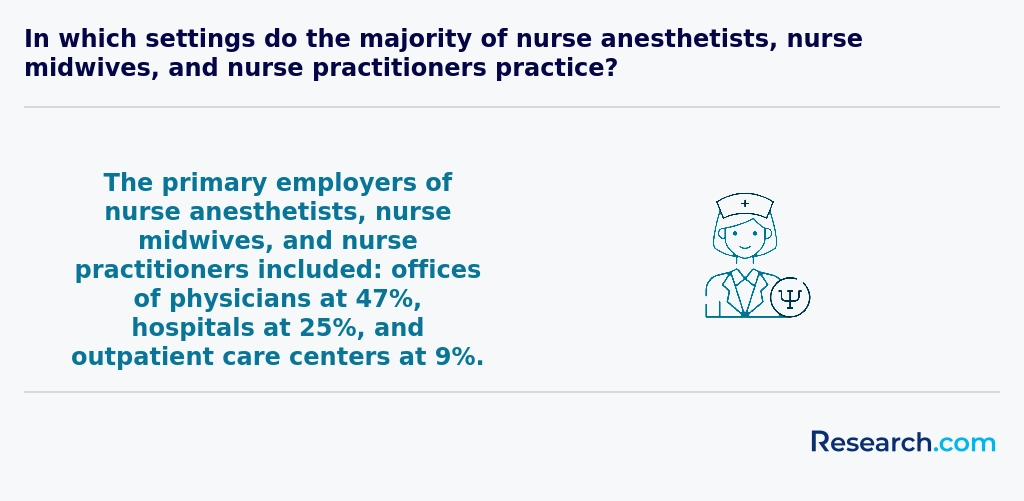
Nursing graduates in the South find a range of dynamic career paths as healthcare needs evolve. Many start as Licensed Practical Nurses (LPNs) or Licensed Vocational Nurses (LVNs), gaining hands-on experience in bustling hospitals and clinics across Texas and Florida. Graduates from prominent nursing programs at regional universities often progress to becoming Registered Nurses (RNs), working in specialties like emergency care or oncology, where the demand for high-quality care continues to rise. The high demand nursing jobs Southern states offer include advanced roles such as Nurse Practitioners and Clinical Nurse Specialists, which allow nurses to take leadership positions in community health.
Graduates often share inspiring stories of working in underserved rural areas in Georgia or North Carolina, where Public Health Nurses focus on disease prevention and education. Some choose to transition into education, addressing the shortage of nursing faculty by training future nurses at respected Southern institutions. Furthermore, many students complement their degrees with certificates that make good money, enhancing their skills and career opportunities in this flourishing field.
What is the job market for nursing degree in the South?
The nursing job outlook in the South is robust, characterized by steady growth and expanding opportunities in a variety of healthcare settings. Graduates from well-known Southern universities often find rewarding employment in both urban hospitals and rural clinics, where demand remains especially high. These environments allow new nurses to gain hands-on experience and build confidence quickly, fueling enthusiasm for their careers. For many students, balancing practical training with affordable education options across Southern states makes pursuing nursing degrees particularly appealing.
Employment opportunities in South nursing degree programs continue to diversify, with roles extending beyond traditional bedside care to advanced practice and specialties such as pediatrics and geriatrics. Graduates frequently share stories of meaningful patient interactions and job stability, reinforcing the sector's positive outlook. The relatively reasonable tuition at many public institutions helps reduce financial stress, while scholarships further brighten the path forward for aspiring nurses. Students interested in exploring accessible options might consider an easiest master degree as a stepping stone to specialized nursing roles.
Frequently Asked Questions About nursing
Nursing degree students in the South can maximize their learning experience by engaging deeply with clinical placements, which represent up to 50% of many nursing programs. The Southern Regional Education Board emphasizes the importance of partnerships between schools and local healthcare facilities to provide hands-on training.
Participating in simulation labs enhances practical skills and decision-making, reflecting real-world challenges. Students should also consider joining professional nursing organizations such as the Southern Nursing Research Society to network and access continuing education.
Many Southern states, like Texas and Florida, offer incentives for nursing students who commit to serving in rural or underserved areas, creating valuable opportunities for diverse clinical experience.
The nursing field is rapidly evolving, and several emerging niches are particularly prominent in the Southern United States. One growing specialty is telehealth nursing, where nurses provide care remotely, a trend accelerated by the COVID-19 pandemic. According to the American Nurses Association, telehealth roles are expected to increase by over 30% by 2030.
Another area gaining traction is gerontological nursing, vital in the South due to its aging population. The region has one of the highest percentages of adults over 65, creating strong demand for nurses specializing in elder care.
Addiction and behavioral health nursing are also expanding niches, responding to rising mental health and substance use challenges in Southern states, with the Substance Abuse and Mental Health Services Administration reporting increased needs in these areas.
Preparing for the job market after earning a nursing degree in the South involves several strategic steps. Graduates should first obtain licensure by passing the NCLEX-RN exam, which is mandatory across all Southern states. Building clinical experience through internships or residencies enhances employability, as the Southern healthcare sector prioritizes hands-on skills.
Networking is also crucial; joining regional nursing associations like the Texas Nurses Association or the Georgia Nurses Association can provide valuable connections. According to the Bureau of Labor Statistics, Southern states such as Florida and North Carolina are projected to see over 15% growth in nursing jobs through 2031, indicating strong demand.
Additionally, continuing education and certifications in specialties like gerontology or critical care can differentiate candidates in competitive markets.
Employers in the Southern United States prioritize several key skills when hiring nursing degree graduates. Clinical competence remains essential, with nursing programs in the South focusing on hands-on experience to meet workforce demands. According to the National Council of State Boards of Nursing (NCSBN), critical thinking and decision-making skills are highly valued to handle diverse patient populations. Communication skills are vital, especially given the region's cultural diversity and rural healthcare challenges.
Additionally, proficiency in electronic health records (EHR) systems is increasingly important due to widespread digitization. The Southern Regional Education Board highlights teamwork and adaptability as crucial, reflecting the dynamic nature of healthcare settings. Overall, graduates who combine technical knowledge with interpersonal skills are most competitive in the Southern nursing job market.
Finding nursing internships in the South begins with leveraging resources at nursing schools. Many Southern universities offer established partnerships with local hospitals and clinics, providing students access to clinical placements. For example, the Southern Regional Education Board highlights programs in states like Georgia and North Carolina that connect students with medical centers for hands-on experience.
Online platforms such as the American Association of Colleges of Nursing (AACN) list internship opportunities relevant to nursing students. Networking through faculty and attending regional nursing conferences can also uncover local internship availability. In states like Texas, where nearly 12% of the nation's RN employment exists, the demand for internships is high, making early application crucial.
Additionally, state health departments often run internship programs focused on public health nursing, particularly targeting underserved rural areas in the South. Utilizing these resources enhances practical experience and increases chances of employment after graduation.
A nursing degree significantly enhances career mobility and advancement opportunities in the South. The region's healthcare industry is growing rapidly, driven by an aging population and increased demand for quality care. According to the U.S. Bureau of Labor Statistics, registered nurse jobs in Southern states like Texas, Florida, and Georgia are projected to grow by 15% or more through 2031, which is faster than the national average.
Holding a degree, especially a Bachelor of Science in Nursing (BSN) or higher, is increasingly preferred by employers and linked to higher earning potential and leadership roles. The American Association of Colleges of Nursing reports that 80% of hospitals in the South seek BSN-prepared nurses for advanced clinical and administrative positions.
Overall, earning a nursing degree in the South opens doors to diverse settings, including hospitals, outpatient clinics, and public health organizations, with clear pathways for promotions and specialization.
Studying for a nursing degree in the South equips students with vital interdisciplinary skills through comprehensive coursework and clinical experiences. Many Southern nursing programs emphasize collaboration with fields such as public health, social work, and healthcare administration. According to the Southern Regional Education Board, over 60% of nursing programs in the region incorporate interdisciplinary simulations and team-based care projects.
This approach reflects the complex healthcare environments nurses face, requiring communication and coordination with multiple professionals. For example, programs at universities like the University of North Carolina and Texas A&M integrate community health and behavioral sciences, preparing students to work effectively across disciplines.
When choosing between a thesis and a non-thesis nursing degree program in the South, consider your career goals and time commitment. Thesis programs focus on original research and are ideal for students aiming for advanced roles in academia, leadership, or doctoral studies. Non-thesis options often emphasize clinical practice and may be completed faster, fitting those targeting immediate advancement in healthcare settings.
According to the Southern Regional Education Board, nursing programs in states like Texas and Georgia offer both formats, with thesis students dedicating up to 6 months for research. Non-thesis students typically complete additional coursework or practicum hours instead.
Consider your interest in research and long-term plans when making this decision.
Students based in the South seeking to study nursing abroad have several options through US university partnerships and exchange programs. Many Southern institutions, such as the University of North Carolina and Emory University, offer study abroad opportunities in countries like the United Kingdom, Australia, and Canada, where nursing accreditation and clinical practices align closely with US standards.
These programs often include clinical placements, allowing students to gain international healthcare experience while earning credits toward their nursing degree. According to the Southern Regional Education Board, nearly 25% of nursing students from Southern states participate in some type of study abroad or global clinical experience before graduation.
Such experiences can enhance cultural competence, critical for nursing careers in diverse communities across the South.
Part-time job opportunities in the Southern United States that complement nursing degree education include roles such as certified nursing assistant (CNA), medical scribe, and home health aide. CNAs provide essential hands-on patient care and often serve as entry points into nursing careers. According to the U.S. Bureau of Labor Statistics (BLS), the South has a higher demand for CNAs due to its aging population.
Medical scribe positions offer valuable clinical experience by assisting healthcare providers with documentation, enhancing understanding of medical terminology and patient care workflows.
Home health aide jobs provide exposure to patient interactions outside clinical settings, beneficial for nursing students balancing studies with practical work.
Nursing students in the South benefit from numerous networking opportunities integral to their education and career development. Many universities host nursing student associations and honor societies, such as the Southern Nursing Research Society, providing platforms for collaboration and mentorship.
Clinical rotations and internships in regional hospitals also offer hands-on networking with practicing nurses and healthcare leaders. According to the Southern Regional Education Board, institutions in states like Texas and Georgia maintain strong ties with local healthcare providers, enhancing these connections.
Professional conferences, often held in southern cities, bring together students and experts to discuss innovations and career paths in nursing.
Alumni networks provide valuable support for nursing degree students in the South by offering mentorship and career connections. Many Southern nursing programs, such as those at the University of North Carolina and Emory University, maintain strong alumni communities that help graduates find employment in local healthcare systems.
These networks often share job openings exclusive to members, increasing students' chances of employment after graduation. According to the Southern Regional Education Board, networking through alumni groups can improve job placement rates by up to 15% for nursing graduates in the region.
Additionally, alumni offer guidance on best practices and continuing education opportunities, helping students stay current in a rapidly evolving healthcare environment. This professional support enhances students' clinical skills and professional development.
Customizing a nursing degree program in the South involves selecting concentrations, clinical experiences, and elective courses that align with your career goals. Many Southern universities offer specializations such as pediatrics, gerontology, or nurse anesthesia, allowing students to develop expertise in high-demand fields.
Online and hybrid options also provide flexibility for working professionals to tailor their education around schedules. According to the Southern Regional Education Board, nearly 65% of nursing students in the South opt for programs with clinical placements at diverse healthcare settings, supporting varied practical experiences.
Engaging in internships or partnerships with local hospitals enhances job readiness and networking opportunities specific to regional healthcare needs.
Nursing students in the South face several notable challenges throughout their education. One key issue is clinical placement availability, as many southern states experience a shortage of healthcare facilities willing to host students for hands-on training. According to the American Association of Colleges of Nursing (AACN), this limits practical experience opportunities, which are essential for skill development.
Additionally, many students struggle with financial barriers. The Southern Education Foundation reports that states in the South have some of the lowest median household incomes in the U.S., making tuition and related costs more burdensome.
Academic rigor is another challenge. Nursing programs often have high attrition rates due to demanding coursework and clinical requirements, especially in states like Texas and Florida where enrollment rates are high.
With a nursing degree, graduates in the South can pursue several professional certifications to enhance their careers. Common certifications include the Certified Nurse Practitioner (CNP), Certified Nurse Educator (CNE), and Certified Nurse Midwife (CNM).
These certifications often require passing national exams and meeting clinical experience hours. For example, the American Nurses Credentialing Center (ANCC) offers a variety of specialty certifications recognized nationwide, including in Southern states.
Certified Registered Nurse Anesthetists (CRNAs) are in high demand in the South, where rural healthcare needs are growing. According to the Health Resources & Services Administration (HRSA), Southern states see significant advantages from specialty nursing certifications that improve patient outcomes.
Professional certifications can increase salary potential and open doors to advanced practice roles. It is important to check state board requirements, as each Southern state regulates nursing licenses and certifications individually.
Writing a winning application for a nursing program in the South requires clear focus and preparation. Start by carefully reviewing the program's specific admission requirements, as Southern states often include prerequisites like biology, chemistry, and anatomy courses. According to the Southern Regional Education Board, many programs value competitive GPAs, typically above 3.0.
Strong personal statements are essential. Highlight your motivation for nursing and experience in healthcare environments, whether paid or volunteer. Programs in the South also appreciate evidence of teamwork and communication skills, both critical in nursing.
Prepare for entrance exams such as the TEAS or HESI, used widely in Southern nursing schools, by practicing regularly to achieve scores well above the minimum threshold.
Letters of recommendation from healthcare professionals or educators can strengthen your application by offering external validation of your abilities and character.
The nursing profession holds strong global importance, and the United States, particularly the South, plays a key role in shaping this career path. According to the Bureau of Labor Statistics, nursing employment in Southern states like Texas, Florida, and North Carolina is growing faster than the national average, reflecting high demand. Globally, nurses are crucial to healthcare systems, often serving as primary care providers in many countries. For US-based students in the South, pursuing a nursing degree offers mobility potential, as American credentials are widely respected internationally. Additionally, Southern nursing programs increasingly incorporate global health perspectives to prepare graduates for diverse healthcare challenges.
In regions like the South, nurses benefit from competitive salaries and expanding job markets. The National Council of State Boards of Nursing highlights that Southern states often lead in innovative nursing education models, including simulation-based training and community health focus, which align with international best practices. This local global awareness ensures graduates are well-equipped to engage with worldwide healthcare trends while meeting regional needs.
Gaining practical experience while studying for a nursing degree in the South involves several key opportunities. Most accredited programs include clinical rotations, where students work in hospitals, clinics, or long-term care facilities under supervision. The Southern Regional Education Board highlights that students often complete 500 to 700 clinical hours, depending on their program.
Many Southern nursing schools partner with local healthcare providers to offer internships and externships. These experiences allow students to apply classroom knowledge in real-world settings. According to the National Student Nurses' Association, early hands-on practice improves confidence and job readiness.
Additionally, volunteer work in community health programs or participation in simulation labs enhances skills. Prospective students should check program accreditation and clinical affiliations to ensure valuable practical learning.
Choosing the right concentration within a nursing degree program in the South requires understanding regional healthcare needs and personal career goals. The Southern states often see high demand for specialties like geriatric nursing, due to an aging population, and rural health nursing, given extensive rural areas. According to the Health Resources and Services Administration, nearly 60% of Health Professional Shortage Areas in the South are rural communities, highlighting opportunities in community-based care. Prospective students should consider concentrations that align with these trends while also reflecting their interests in fields such as pediatrics, mental health, or emergency care.
Evaluating program offerings and certifications is essential. Many Southern universities provide specialized tracks accredited by the Commission on Collegiate Nursing Education (CCNE) or the Accreditation Commission for Education in Nursing (ACEN). These accreditations ensure curriculum quality and better job prospects. Also, reviewing licensure pass rates and graduate employment data can help gauge program effectiveness. Engaging with local healthcare providers or alumni can offer insights into how different concentrations meet regional demands and open pathways to rewarding nursing careers in the South.
Top Trending Nursing Rankings
See What Experts Have To Say About Studying Nursing
Read our interview with Nursing experts


References
- Career Advancement Pathways for Nurses : Expert RN shares 10+ Professional growth opportunities - MuminMed https://blog.muminmed.com/career-advancement-pathways-for-nurses/
- Nursing Workforce Fact Sheet https://www.aacnnursing.org/news-data/fact-sheets/nursing-workforce-fact-sheet
- Nursing Area of Study Programs and Degrees | South University https://www.southuniversity.edu/degree-programs/nursing
- How Long Is Nursing School in The USA? | Shiftmed Blog https://www.shiftmed.com/professionals/blog/how-long-is-nursing-school-in-the-usa/
- Working While in Nursing School: 25 Ways to Make Money as a Nursing Student https://credenzahealth.com/career-advice/working-while-in-nursing-school-25-ways-to-make-money-as-a-nursing-student
- Pros And Cons Of Online Nursing In 2025 | Davis & Elkins https://www.dewv.edu/the-pros-and-cons-of-online-nusing-in-2025-is-it-right-for-you/
- How to Choose a Nursing Program: A Comprehensive Guide - Madonna ABSN https://absn.madonna.edu/blog/how-to-choose-a-nursing-program/
- Types of Nursing Careers & Specialties https://nursinglicensemap.com/nursing-specialties/
- Do I Have to Write a Thesis to Complete a Master’s Degree in Nursing? https://www.bestmasterofscienceinnursing.com/faq/write-thesis-complete-masters-degree-nursing/
- Work-life balance | Careers Crossroads | RCN Careers Resources | Royal College of Nursing https://www.rcn.org.uk/Professional-Development/Your-career/Nurse/Career-Crossroads/Career-Ideas-and-Inspiration/work-life-balance


