
2027 Most Valuable Nursing Degree Programs Ranking in Virginia

Co-Founder and Chief Data Scientist
Choosing the right nursing degree program is an important step toward a rewarding career in healthcare. For students in Virginia, this article offers valuable insights through the 2027 Most Valuable Nursing Degree Programs Ranking in Virginia, carefully developed by the Research.com team of data scientists.
By exploring this ranking, you can make an informed decision about which programs align with your goals and offer strong career prospects. Nursing is a fulfilling field that makes a real difference, and finding the right education path brings you closer to that future.
Key benefits of getting nursing degree in Virginia
- Strong earning potential: Nursing degree graduates in Virginia can expect competitive salaries, with registered nurses and clinical nurse educators earning a mean annual wage of around $94,480, while operating room nurses can earn up to $128,490 per year, offering financial stability and growth.
- Diverse career paths: Graduates from popular Virginia colleges, like the University of Virginia, find exciting jobs in hospitals, public health, emergency care, and education, allowing them to build rewarding careers that fit their passions and strengths.
- Flexible online options: Earning a nursing degree online from respected Virginia schools, such as George Mason University, lets students balance work and life, save on commuting time, and access quality education with convenience and support, making career advancement more accessible.
- Key benefits of getting nursing degree in Virginia
- What can I expect from nursing degree in Virginia?
- Where can I work with nursing degree in Virginia?
- How much can I make with nursing degree in Virginia?
- 2027 Most Valuable Nursing Degree Programs Ranking in Virginia
- Key Findings
- How long does it take to complete nursing degree in Virginia?
- Licensure Requirements for RN Practice in Virginia
- What's the difference between online and on-campus nursing degree?
- State Licensing and NCLEX-RN Preparation
- What is the average cost of nursing degree in Virginia?
- Post-Graduation Pathways and Bridging Programs
- What financial aid is available to nursing degree students in Virginia?
- Affordability and Financial Considerations in Nursing Education
- What are the prerequisites for enrolling in nursing degree program in Virginia?
- Licensing and Certification in Virginia
- What courses are typically in nursing degree programs in Virginia?
- What types of specializations are available in nursing degree programs in Virginia?
- How do you choose the best nursing degree in Virginia?
- What career paths are available for nursing degree students in Virginia?
- What is the job market for nursing degree in Virginia?
- Related Nursing Rankings for Nearby States
- Top Trending Nursing Rankings
- See What Experts Have To Say About Studying Nursing
What can I expect from nursing degree in Virginia?
The average cost of pursuing a nursing degree in Virginia varies depending on the type of program and institution. Graduates from popular schools like Virginia Commonwealth University or Old Dominion University often share that ADN programs typically run between $8,000 and $15,000 for in-state students, making them a practical starting point for many. BSN degrees, especially at major public universities, tend to range from $20,000 to $40,000, reflecting the comprehensive education and clinical practice involved.
Private colleges in Virginia may have higher tuition, sometimes exceeding $50,000, but students often find strong support networks and valuable hands-on experiences that help them feel ready for the workforce. Many graduates recall the mix of classroom learning and clinical rotations as challenging yet deeply rewarding, especially when practicing skills in real hospital settings around Richmond or Norfolk.
Financial aid, scholarships, and flexible RN-to-BSN programs make these costs manageable for motivated students committed to entering a respected and vital profession within Virginia's healthcare community.
Where can I work with nursing degree in Virginia?
With a nursing degree from celebrated institutions like Virginia Commonwealth University or the University of Virginia, graduates step into a world full of meaningful career paths. Many find themselves in bustling hospitals, engaging directly with patients in critical care or specialized units such as pediatrics and oncology. These environments sharpen clinical skills while offering chances to lead and contribute to lifesaving research.
Others discover the rewarding pace of outpatient clinics, where they build lasting relationships through preventive care and health education. Graduates often share how working in local urgent care centers or specialty clinics makes their daily impact visible and deeply fulfilling.
Long-term care facilities and nursing homes across Virginia are another vital avenue, especially with the state's growing elderly population. Nurses here bring compassion and expertise, improving quality of life for residents. Home health agencies also offer intimate, patient-centered experiences-graduates cherish the trust they build while providing in-home care.
Government agencies and community health programs further expand opportunities, letting nurses influence public health policy and education. These roles are perfect for those passionate about making a broader social impact while staying connected to their Virginia roots.
How much can I make with nursing degree in Virginia?
Graduates from nursing programs in Virginia often enter the workforce with promising salary prospects. For example, a Registered Nurse (RN) fresh from a respected school like Virginia Commonwealth University can expect a mean annual wage around $94,480, reflecting the strong demand statewide. This salary allows many new nurses to support themselves comfortably as they build experience.
Those who pursue specialized roles, such as Emergency Room or Public Health Nursing, also enjoy similar earning potential with a mean annual wage of about $94,480. Nurses who advance into positions like Clinical Nurse Educator find rewarding careers at this same competitive level, offering both stability and professional growth.
Operating Room Nurses represent one of the highest-paid specialties, with salaries averaging $128,490 annually in Virginia. Graduates from well-known institutions such as Old Dominion University who focus on perioperative nursing can see this financial reward, matching the expertise and responsibility their roles demand.
Many find that continuous education, certifications, and gaining hands-on experience across Virginia's diverse healthcare settings-from bustling urban hospitals in Richmond to outpatient centers in Norfolk-greatly enhance earning potential and career satisfaction.
2027 Most Valuable Nursing Degree Programs Ranking in Virginia
How do we rank schools?
Investing in your education is a significant decision that can shape your future, and the Research.com team fully recognizes the importance of making well-informed choices. To support those seeking the best nursing education options in Virginia, we have carefully developed the "2027 Most Valuable Nursing Degree Programs Ranking in Virginia." Our dedication to quality, credibility, and accuracy is demonstrated through thorough research and detailed analysis behind this ranking.
We utilized the following reputable data sources to create a comprehensive and trustworthy evaluation:
By reviewing this ranking, readers will gain critical insights into the most valuable nursing degree programs available in Virginia, empowering them to make confident and informed educational decisions. For further information on how we constructed this ranking, please visit our Research.com methodology page.


# 6 position
Chamberlain University-Virginia
Bachelor of Science in Nursing


# 15 position
South University-Richmond
Bachelor of Science in Nursing

# 16 position
South University-Virginia Beach
Bachelor of Science in Nursing


Key Findings
- Virginia offers nursing degrees including LPN, ADN, and BSN programs through community colleges and universities.
- BSN programs typically take four years, while ADN programs take two to three years to complete.
- Tuition for in-state BSN students at public universities ranges from $10,000 to $18,000 per year; private schools may charge over $25,000 annually.
- ADN programs at community colleges usually cost between $5,000 and $10,000 per year, excluding additional fees and supplies.
- Registered nurses in Virginia had a median annual salary of about $73,000 in 2023, with entry-level salaries from $55,000 to $65,000.
- The demand for nurses is growing by 15% over the next decade, especially in Northern Virginia and Richmond areas.
How long does it take to complete nursing degree in Virginia?
Completing a nursing degree in Virginia can take as little as 12 months or up to four years, depending on your chosen path and pace. Many students who start with an LPN certificate finish in about 12 to 18 months, gaining vital hands-on skills quickly and stepping into the workforce at community colleges like Northern Virginia Community College. This route suits those eager to begin practicing sooner but still aim to advance later.
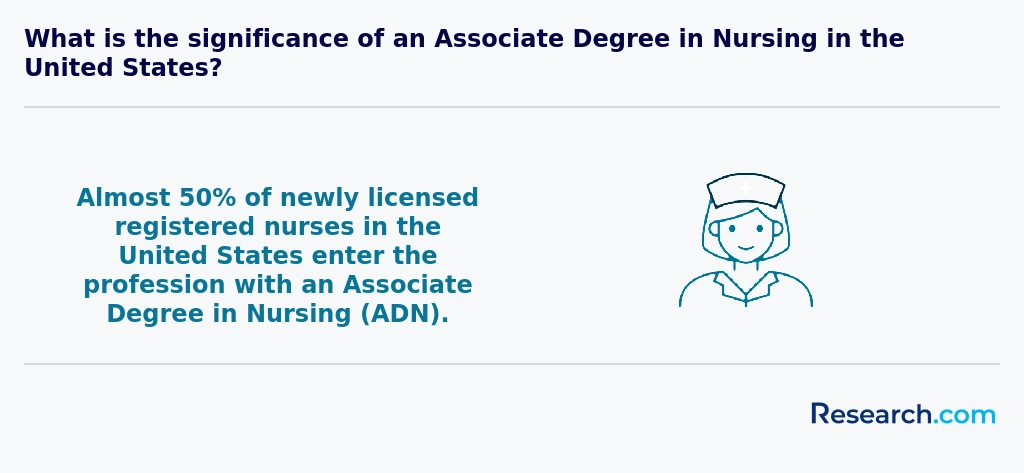
For those pursuing an Associate Degree in Nursing (ADN), expect about two years at institutions such as Tidewater Community College, where graduates appreciate the blend of classroom learning and clinical practice. ADN is popular for its balance of affordability and solid career entry.
On the other hand, earning a Bachelor of Science in Nursing (BSN) at universities like the University of Virginia requires a four-year commitment. Graduates often highlight the deeper knowledge and leadership skills they gain, preparing them for diverse roles.
Current RNs often choose accelerated RN-to-BSN programs lasting 12 to 24 months, fitting their busy lives while elevating qualifications. This flexibility helps nursing students in Virginia turn their goals into reality at their own pace, fueling confidence and success.
Licensure Requirements for RN Practice in Virginia
To practice as a registered nurse (RN) in Virginia, graduates must meet specific Board of Nursing criteria. Key steps include:
- Graduate from an ACEN- or CCNE-accredited nursing program
- Submit an application and background check to the Virginia Board of Nursing
- Register for and pass the NCLEX-RN exam within your eligibility period
- Provide official transcripts and pay state licensure fees
- Renew your license every two years with required continuing education
After licensure, many RNs expand roles and opportunities by pursuing an RN-to-BSN bridge; exploring cheapest bsn programs can be a cost-effective next step.
What's the difference between online and on-campus nursing degree?
Choosing between online and on-campus nursing degrees in Virginia hinges on your lifestyle and how you learn best. Online programs offer the freedom to balance family, work, or other commitments by letting you access lectures and assignments anytime. Graduates who pursued their degrees online often mention the satisfaction of managing their own pace while still meeting the rigorous standards of in-person clinical hours required by the Virginia Board of Nursing.
In contrast, studying on-campus at schools like Virginia Commonwealth University or the University of Virginia immerses you in a vibrant learning community. Many graduates cherish the face-to-face interactions with instructors and peers, which sparks deeper collaboration and instant feedback. Plus, access to campus simulation labs and local healthcare partnerships provides hands-on experience that feels truly invaluable.
Both paths hold promise, but understanding these differences can help you choose the program that inspires you and fits your journey toward becoming a confident nursing professional in Virginia's healthcare landscape.
State Licensing and NCLEX-RN Preparation
Before beginning professional practice in Virginia, graduates must secure licensure through the Virginia Board of Nursing by passing the NCLEX-RN exam. This exam evaluates critical thinking, clinical judgment, and foundational nursing skills across four major categories: Safe and Effective Care Environment, Health Promotion and Maintenance, Psychosocial Integrity, and Physiological Integrity. To apply, candidates submit official transcripts, a completed application form, and background check documentation to the Board, then register with Pearson VUE to schedule the exam. Effective NCLEX-RN preparation hinges on a structured study plan that includes: • Content Review: Focus on pharmacology, pathophysiology, and nursing fundamentals. • Practice Questions: Work through at least 2,000 NCLEX-style questions to build test‐taking stamina and identify knowledge gaps. • Simulation Exams: Use timed, computer-adaptive testing (CAT) simulators to mimic real exam conditions. Virginia’s average NCLEX‐RN pass rate hovers around 92%, reflecting strong program support and rigorous curricula. Should you need to retake the exam, you may reapply four times per testing year, allowing ample opportunity for mastery. For students considering alternative clinical pathways, such as practical nursing roles, exploring our ranking of the best lpn programs in north carolina in north carolina can provide valuable comparative insights and reinforce your understanding of licensure requirements across neighboring states.
What is the average cost of nursing degree in Virginia?
The average cost of a nursing degree in Virginia varies but typically centers around a median total cost of about $46,326, with in-state students paying roughly $20,785 on average. Many nursing graduates from well-known public institutions in Virginia, such as Old Dominion University or Virginia Commonwealth University, recall balancing tuition costs with financial aid and scholarships, making their journey feasible and rewarding. Those who chose community colleges often experienced a more affordable route while maintaining strong clinical training opportunities that prepared them for licensed practice.
Understanding Virginia nursing degree tuition and fees can help you plan realistically. For example, ADN programs at community colleges offer some of the most economical options, with costs ranging from $6,000 to $10,000 total tuition. Graduates from these programs often speak positively about the value they received relative to their investment and the quicker path to entering the workforce. On the other hand, BSN degrees at public universities may total between $48,000 and $60,000 for in-state students, representing a larger but worthwhile commitment given their expanded professional prospects.
Private universities in Virginia understandably charge more, with many students recalling total tuition surpassing $100,000. Though this figure might seem daunting initially, these institutions frequently provide numerous scholarships and aid packages. When considering your options, remember to look at affordable nursing programs in Virginia to find the best balance of cost and quality for your goals.
Post-Graduation Pathways and Bridging Programs
Upon earning your initial nursing credential, Virginia offers a variety of seamless bridge options to elevate your qualifications and expand your scope of practice. RN-to-BSN programs enable licensed nurses to complete a Bachelor of Science in Nursing in as little as 12–18 months, often through hybrid or fully online formats. After securing a BSN, many graduates pursue MSN pathways-such as nurse practitioner, clinical nurse leader, or nurse educator tracks-designed to build on foundational clinical skills and leadership competencies. For experienced BSN holders aiming for terminal practice roles, post-master’s DNP programs provide advanced training in evidence-based practice, healthcare policy, and organizational leadership. To shorten the timeline to doctoral practice, nurses can explore the quickest doctor of nursing practice programs, which often condense coursework into 18–24 months with intensive online modules and local clinical residencies. Bridge curricula typically emphasize:
- Credit for prior learning and clinical experience, reducing total credit requirements
- Flexible scheduling to accommodate working professionals
- Interprofessional collaboration projects that mirror today’s team-based care models By strategically selecting a bridge pathway aligned with your career goals-whether you aim to specialize in acute care, nurse leadership, or academic roles-you ensure a clear, efficient route toward greater autonomy, higher earning potential, and leadership impact in Virginia’s dynamic healthcare landscape.
What financial aid is available to nursing degree students in Virginia?
Many nursing students in Virginia find financial aid to be a critical support on their journey. Federal aid, such as the Pell Grant, offers up to $7,395 per year without the burden of repayment-an essential boost for those attending schools like the University of Virginia or Virginia Commonwealth University. These grants help turn dreams into reality without overwhelming debt.
State-specific programs add another layer of support. The Virginia Tuition Assistance Grant (VTAG) benefits students at private institutions, easing costs that can exceed $35,000 annually. Another remarkable opportunity is the Virginia Department of Health's Nursing Scholarship Program, which awards up to $12,000 yearly in exchange for service in Virginia's healthcare system-a path many graduates from James Madison University have embraced with pride.
Institutional scholarships and employer tuition assistance further soften the financial load, especially for those balancing work and study. Many nursing students share how these aids made them feel valued and motivated, turning their educational efforts into real stepping stones for successful careers.
Affordability and Financial Considerations in Nursing Education
When considering a nursing degree in Virginia, affordability is a crucial factor. Prospective students should explore various financial aid options, including scholarships, grants, and loans, to make their education more affordable. For instance, students can look into affordable nursing programs in Virginia, which can significantly reduce the financial burden of pursuing a nursing degree. Additionally, many institutions offer financial assistance, such as tuition reimbursement programs or employer-sponsored education benefits, which can help offset the costs of nursing education. By carefully evaluating these options and creating a personalized financial plan, aspiring nurses can make informed decisions about their educational investments and set themselves up for long-term success in their chosen career.
What are the prerequisites for enrolling in nursing degree program in Virginia?
To enroll in a nursing degree program in Virginia, you'll first need a high school diploma or GED, which forms the foundation for everything that follows. Graduates from schools like Virginia Commonwealth University often share how a solid background in science-biology, chemistry, anatomy-and a decent GPA, usually around 2.5 to 3.0, set them up for success right from the start.
Standardized tests such as the TEAS are another hurdle but think of them as your opportunity to showcase readiness. Many nursing hopefuls at Old Dominion University remember feeling challenged yet proud when they nailed these tests, knowing they were a crucial step toward their dreams.
Also, don't underestimate the value of healthcare experience. Volunteering or working as a CNA, for instance, not only strengthens your application but gives you real insight into patient care, something alumni from Radford University often say helped them thrive during clinical rotations.
Preparing immunization records and passing background checks is expected, ensuring safety for both you and your patients during hands-on training in Virginia's clinical settings.
Licensing and Certification in Virginia
After earning your nursing degree, securing licensure from the Virginia Board of Nursing is the gateway to professional practice. The process begins with submitting an online application, official transcripts, and a fingerprint‐based background check. Once approved, you’ll register for and sit the NCLEX-RN exam, which evaluates entry-level competency in pharmacology, patient care, and clinical judgment. To boost your chances of passing, consider forming study cohorts, using question banks with detailed rationales, and tracking your performance on practice exams. Beyond the initial RN license, Virginia nurses can pursue specialty certifications-such as Critical Care (CCRN), Pediatrics (CPN), or Emergency Nursing (CEN)-through national certifying bodies. Each certification typically requires a valid RN license, completion of a specified number of clinical hours in the specialty area, and passing a rigorous board exam. Maintaining both RN licensure and specialty credentials involves completing at least 30 contact hours of continuing education every two years, covering topics like evidence-based practice updates, patient safety protocols, and ethical standards. If you’re weighing program formats and affordability, explore our Most Affordable Online Nursing Degree Programs Ranking in Pennsylvania to compare tuition rates, course delivery styles, and support services. Armed with this information, you can chart a cost-effective path that aligns with Virginia’s certification requirements and positions you for success in a dynamic healthcare landscape.
What courses are typically in nursing degree programs in Virginia?
When you enroll in a nursing degree program in Virginia, you'll dive into a rich blend of courses designed to build both your confidence and competence. Schools like the University of Virginia and Virginia Commonwealth University offer programs where graduates recall how Human Anatomy and Physiology gave them a clear picture of the body's inner workings, essential for every nurse.
Expect to master Pharmacology to safely manage medications and deepen your understanding of Microbiology, which explains how tiny organisms affect health-knowledge that proved invaluable during clinical rotations at busy hospitals. Many graduates highlight how courses like Medical-Surgical Nursing and Maternal and Child Health Nursing prepared them to care for patients across all ages and conditions.
Mental Health Nursing and Community Health classes help you develop empathy and practical skills to support diverse populations. Leadership courses also empower you to step confidently into team roles, just like the graduates who have thrived in Richmond's healthcare system. Studying nursing in Virginia means you're not only learning theory but applying it in real-world healthcare settings, setting you up for success.
What types of specializations are available in nursing degree programs in Virginia?
Nursing degree specializations in Virginia offer exciting paths tailored to your passion and career goals. Graduates from well-known programs at institutions such as the University of Virginia and Old Dominion University often highlight specializations like Adult-Gerontology Nursing, which prepares you to care for Virginia's expanding elderly population. Others find their calling in Pediatric Nursing, focusing on infants and children, reflecting the hands-on clinical experiences favored by Virginia nursing programs with clinical focus.
Many students are drawn to Psychiatric-Mental Health Nursing, inspired by Virginia's initiatives improving behavioral health services statewide. Those with a strong desire to serve families and communities can pursue the Family Nurse Practitioner track, combining comprehensive care with leadership skills honed through immersive clinical placements.
If you thrive in fast-paced environments, emergency nursing and critical care specializations offer rewarding challenges in busy urban centers like Richmond and Northern Virginia. For those aiming higher, nursing administration and educator roles provide leadership and mentorship opportunities within hospitals or nursing schools, demonstrating the versatile career avenues possible with a Virginia nursing degree.
Exploring your options is essential; for example, many students review resources such as the ranking of the best lpn programs in north carolina in north carolina to understand trends and opportunities across states, which can inform your own educational journey.
How do you choose the best nursing degree in Virginia?
Choosing the best nursing degree in Virginia means focusing first on accreditation and program quality. Graduates from respected schools like the University of Virginia and Virginia Commonwealth University often share how their rigorous courses and strong clinical rotations at local hospitals built their confidence and ensured excellent NCLEX pass rates. These experiences open doors in Virginia's thriving healthcare market and align perfectly with your career goals.
Cost matters, especially when considering affordable nursing schools Virginia offers. Many students balance tuition expenses with scholarships and part-time options, allowing them to work while studying. ADN programs provide a quicker path into nursing, but BSN degrees often deliver greater long-term earning potential and job flexibility, as many graduates attest.
Look also for flexible formats suited to your lifestyle-several programs offer part-time or online courses, helping those with family commitments stay on track. For advanced specialization, explore quickest doctor of nursing practice programs that fit your timeline and ambitions.
What career paths are available for nursing degree students in Virginia?
Graduates with a nursing degree in Virginia find a wide range of career paths waiting for them. Many start as registered nurses in hospitals, outpatient clinics, or home health services, gaining hands-on experience in vibrant healthcare environments like those near the University of Virginia or Virginia Commonwealth University. These settings offer rich, real-world challenges where nurses develop critical skills and confidence.
For those seeking leadership, nursing programs in Virginia prepare students for roles in administration, case management, and education within top hospital networks such as Sentara Healthcare and Inova Health System. Graduates often share how taking on nurse manager or nurse educator positions empowers them to influence patient outcomes and mentor future nurses, reinforcing the rewarding nature of their career.
Advanced degrees open further doors - nurse practitioners and nurse anesthetists enjoy specialized clinical roles with higher earning potential. If you're considering expanding your expertise, exploring options in public health or healthcare informatics could be rewarding, especially as Virginia focuses on community and rural health development.
Balancing tuition costs and career benefits is key; Virginia's public nursing schools offer more affordable options, detailed in the Most Affordable Online Nursing Degree Programs Ranking in Pennsylvania, a useful resource even if you study within state lines.
Choosing nursing in Virginia means joining a dynamic field full of possibilities and personal growth - a choice that many graduates look back on with pride and excitement for the future.
What is the job market for nursing degree in Virginia?
The nursing job outlook in Virginia is bright, with steady growth driven by the state's diverse healthcare landscape. Graduates from popular nursing programs at universities such as Virginia Commonwealth University and Old Dominion University share how their education prepared them for various roles, from bustling hospital floors in Richmond to rural community clinics. The Virginia Employment Commission projects about 4,000 new RN job openings annually through 2028, giving new nurses confidence in job security and meaningful work.
Employment opportunities Virginia offers are wide-ranging, including critical care at large urban hospitals and specialized fields like pediatrics or geriatrics. Many graduates find the transition into roles rewarding, experiencing firsthand the deep impact they have on patient lives. Tuition at public schools remains approachable, and students often balance costs by exploring financial aid or employer-sponsored programs. Those seeking greater earning potential can explore the highest paid certificate programs as a complement to their degrees.
Frequently Asked Questions About nursing
Nursing degree students in Virginia can maximize their learning experience by engaging actively in clinical rotations, which are essential for hands-on practice. Virginia requires nursing programs to incorporate diverse clinical settings, from hospitals to community health centers, ensuring students gain broad exposure. According to the Virginia Board of Nursing, over 50% of Virginia's nursing graduates find employment within six months, highlighting the importance of practical skills. Students should also seek opportunities in simulation labs, as these provide safe environments to practice critical thinking and decision-making. Joining nursing organizations within Virginia can enhance networking and professional growth, supporting a successful career start.
The nursing field in Virginia is evolving with several emerging niches gaining prominence. One notable area is geriatric nursing, driven by the state's aging population, which is expected to grow by 20% over the next decade according to Virginia's Department of Health. Specialized care for older adults requires nurses with expertise in chronic disease management and palliative care.
Another growing niche is informatics nursing, where professionals combine clinical knowledge with data analytics to improve patient outcomes. This aligns with Virginia hospitals investing in healthcare technology upgrades.
Additionally, nurse practitioners focusing on mental health are in high demand, addressing gaps in behavioral health services statewide. These emerging specialties reflect the shifting healthcare needs within Virginia and present promising opportunities for nursing graduates.
After completing a nursing degree in Virginia, preparing for the job market involves several key steps. First, obtaining licensure by passing the NCLEX-RN exam is essential to practice as a registered nurse in the state. Virginia's Board of Nursing requires this for all graduates.
Next, gaining clinical experience through internships or residencies can improve employability. Virginia's healthcare sector is growing, with the Virginia Employment Commission forecasting a 16% increase in nursing jobs by 2030, making timely experience valuable.
Networking within local professional nursing organizations and attending job fairs in hospitals like UVA Health and Sentara can also aid job placement.
Employers in Virginia highly value nursing graduates who demonstrate strong clinical skills, including patient care and medication management. According to the Virginia Department of Health Professions, practical experience gained through clinical rotations is crucial.
Communication is another top skill. Nurses must effectively interact with patients, families, and healthcare teams to ensure safety and quality care.
Critical thinking and problem-solving are essential in fast-paced medical settings. The Virginia Nurses Association highlights these abilities as key for adapting to complex situations.
Finally, proficiency with healthcare technology is increasingly important. Familiarity with electronic health records (EHR) systems is often required by Virginia hospitals.
Finding nursing internships in Virginia involves a strategic approach combining research and networking. Many nursing programs in Virginia require clinical internships as part of their curriculum, ensuring students gain real-world experience. To locate these opportunities, start by consulting your college's nursing department or career services, as they often have established partnerships with local hospitals and health systems.
Virginia has over 100 hospitals, including renowned institutions like the University of Virginia Health System and Sentara Healthcare, which frequently offer internships for nursing students. Moreover, the Virginia Nurses Association provides resources and listings for clinical placements.
Online job boards such as those on the Virginia Department of Health website can also list internship openings specifically designed for nursing students. Aim to apply early, as competitive programs may fill quickly. Networking with faculty and attending Virginia nursing conferences can expand contacts in the field.
A nursing degree in Virginia significantly enhances career mobility and advancement opportunities. Holding an accredited Bachelor of Science in Nursing (BSN) or higher often positions graduates for better job prospects, including roles in management, specialty care, and advanced practice.
According to the Virginia Board of Nursing, employers increasingly prefer nurses with a BSN due to its focus on leadership and critical thinking. Registered Nurses (RNs) with BSN degrees earn approximately 10-15% higher salaries compared to those with associate degrees, according to the U.S. Bureau of Labor Statistics.
Furthermore, a nursing degree enables access to advanced certifications and graduate programs, which are essential for roles such as nurse practitioners or clinical nurse specialists. These positions offer greater responsibility and higher pay within Virginia's healthcare system.
Studying for a nursing degree in Virginia equips students with essential skills needed for interdisciplinary healthcare roles. Nursing programs emphasize collaboration with professionals such as physicians, pharmacists, and social workers. This approach reflects the growing trend of team-based patient care across the state.
Virginia's nursing curricula often include courses on communication, ethics, and health informatics to prepare students for integrated healthcare environments. According to the Virginia Board of Nursing, the state mandates competency in teamwork, enhancing graduates' readiness for diverse clinical settings.
Additionally, many Virginia nursing schools offer clinical rotations in hospitals and community centers, fostering real-world interdisciplinary experiences. This prepares students to navigate complex care systems effectively and to advocate for patients within multidisciplinary teams.
Choosing between a thesis and a non-thesis nursing degree program in Virginia depends on your career goals and learning preferences. Thesis programs typically focus on research and critical analysis, ideal for students planning to pursue doctoral studies or careers in academic nursing. Non-thesis options emphasize clinical practice and hands-on skills, suitable for those aiming to enter the workforce quickly.
The Virginia Board of Nursing reports that nearly 60% of graduate nursing students prefer non-thesis programs due to their faster completion times. However, thesis tracks may offer stronger preparation for evidence-based practice and leadership roles.
Consider your professional ambitions, time availability, and interest in research when making this decision.
Students in Virginia seeking to study nursing abroad have several pathways enabled by their home institutions and external programs. Many Virginia universities with accredited nursing programs offer study abroad opportunities through partnerships with international universities, allowing students to gain clinical experience in countries like Ireland, Australia, or the United Kingdom.
Additionally, the Global Nursing Initiative by the American Association of Colleges of Nursing (AACN) supports exchange programs that Virginia students can access. Such international exposure enhances cultural competence and practical skills vital for nursing careers.
It is important to verify that foreign coursework aligns with Virginia's Board of Nursing requirements to ensure eligibility for licensure upon return.
Students pursuing nursing degrees in Virginia can benefit from various part-time job opportunities that complement their education. Positions such as certified nursing assistants (CNAs) and patient care technicians offer practical experience working directly with patients under licensed nurses' supervision. These roles strengthen clinical skills and improve job readiness upon graduation.
Additionally, medical receptionist jobs in clinics or hospitals expose students to healthcare administration and patient interaction, enhancing communication abilities. According to the Virginia Employment Commission, healthcare support occupations are projected to grow by 18% through 2030, indicating strong demand for such part-time roles.
Volunteering or working in community health centers also provides valuable exposure to public health nursing issues prevalent in Virginia's diverse populations.
Nursing students in Virginia benefit from a variety of networking opportunities that enhance their education and career prospects. Many universities partner with local healthcare facilities, offering clinical placements that connect students with experienced nurses and healthcare professionals. According to the Virginia Nurses Association (VNA), attending their events can provide valuable contacts and advice from practicing nurses statewide.
Students also have access to professional organizations such as the Virginia Organization of Nurse Executives, which hosts conferences and workshops. These events foster mentorship and collaboration among students and healthcare leaders. Additionally, programs like the Virginia Health Catalyst support nursing students by providing resources and connections to healthcare employers.
Participation in student nursing associations on campus is common, helping students build peer networks and engage with nursing trends. The state's emphasis on hands-on experience ensures that networking begins early and continues through clinical work and community involvement.
Alumni networks play a crucial role in supporting nursing degree students in Virginia. These networks connect current students with graduates who have firsthand experience navigating the state's healthcare landscape.
Through mentorship programs, alumni provide guidance on clinical placements and job opportunities, helping students gain valuable insights. Virginia's nursing alumni often share information about local healthcare employers and trends, which is essential given the state's growing demand for nurses-projected to increase by 16% from 2020 to 2030 according to the Virginia Employment Commission.
Additionally, alumni events and online groups foster professional relationships that can lead to internships and full-time positions after graduation. This network support enhances career readiness and job placement rates for Virginia nursing students.
In Virginia, nursing degree programs offer flexibility to tailor your education to specific career goals. Many universities provide elective courses and clinical placements in specialties like pediatrics, geriatrics, or psychiatric nursing. This allows students to gain experience in areas aligned with their interests.
Additionally, some programs offer accelerated paths or bridge options, such as RN-to-BSN, for licensed nurses seeking advancement. According to the Virginia Nurses Association, over 70% of nursing programs include customizable clinical rotations, helping students build relevant skills.
Engaging in internships or research projects with local hospitals and healthcare providers also enhances practical knowledge. Thus, customizing your nursing education in Virginia is feasible through elective focus, clinical experiences, and advanced track choices.
Nursing students in Virginia face several common challenges throughout their education. One major hurdle is managing the demanding clinical hours alongside coursework. Virginia's nursing programs often require over 700 clinical hours, placing significant time pressures on students (Virginia Department of Health Professions, 2023).
Another difficulty is the high competition for limited clinical placements, especially in urban areas like Richmond and Northern Virginia. This can delay student progress and increase stress levels. Additionally, the rigorous licensure exam (NCLEX-RN) pass rates remain a concern, with Virginia's average first-time pass rate around 85%, slightly below the national average (National Council of State Boards of Nursing, 2023).
Financial burdens also affect many students, as tuition and associated costs in Virginia average $12,000 to $40,000 per year depending on the institution. Balancing work, family, and studies creates a challenging environment requiring strong time-management skills.
With a nursing degree in Virginia, graduates can pursue various professional certifications to enhance their careers and increase earning potential. Common certifications include the Certified Nursing Assistant (CNA), Licensed Practical Nurse (LPN), and Registered Nurse (RN), which are regulated by the Virginia Board of Nursing.
Advanced certifications are also available for nurses seeking specialization. These include certifications in Critical Care (CCRN), Pediatric Nursing (CPN), and Geriatric Nursing (CGRN), recognized nationally and valued within Virginia healthcare facilities.
According to the Virginia Nurses Association, certified nurses often report higher job satisfaction and better job security. Certifications improve clinical skills and allow nurses to work in diverse settings, from hospitals to community clinics.
To write a winning application for a nursing program in Virginia, start with a clear and concise personal statement that highlights your passion for nursing and commitment to patient care. Virginia schools often look for applicants with strong academic records, especially in sciences like biology and chemistry. Make sure to include any relevant healthcare experience, such as volunteering or certifications like CNA or EMT.
The Virginia Board of Nursing emphasizes the importance of meeting prerequisite coursework and providing official transcripts. Additionally, some programs require the TEAS (Test of Essential Academic Skills) exam with competitive scores.
Letters of recommendation from instructors or healthcare professionals can strengthen your application.
Nursing is a highly respected profession worldwide, and the demand for skilled nurses continues to grow. In the United States, including Virginia, the nursing workforce is expected to increase by 9% from 2020 to 2030, according to the U.S. Bureau of Labor Statistics. Globally, nurses play crucial roles in healthcare systems, and many countries face nursing shortages. This creates opportunities for internationally trained nurses to practice in the U.S., provided they meet licensing requirements.
Virginia itself offers accredited nursing programs that prepare students to work both locally and abroad. The Virginia Board of Nursing aligns its licensure standards closely with national and international guidelines, easing transition for nurses seeking global career options.
The global perspective highlights nursing as a versatile career path with strong job stability and competitive wages, especially in regions like Virginia that invest in healthcare infrastructure and education.
Gaining practical experience while studying for a nursing degree in Virginia is essential for building clinical skills and confidence. Most accredited nursing programs in the state require students to complete clinical rotations in hospitals, community health centers, or long-term care facilities. These hands-on experiences allow students to apply classroom knowledge to real patient care under supervision.
The Virginia Board of Nursing states that nursing students must complete a minimum number of clinical hours, typically ranging from 500 to 700, depending on the program level. Additionally, many schools encourage internships or externships during summer breaks to deepen exposure.
Students can also volunteer or work as Certified Nursing Assistants (CNAs) while enrolled. According to the Virginia Employment Commission, CNA roles offer valuable workplace experience and improved job prospects after graduation.
Choosing the right concentration within a nursing degree program in Virginia requires understanding your career goals and the state's healthcare landscape. Virginia offers various nursing specializations, including family nurse practitioner, psychiatric mental health, and pediatric nursing. It is important to consider local demand; for example, the Virginia Department of Health reports a growing need for geriatric and mental health nurses due to an aging population and increased focus on behavioral health.
Research each concentration's curriculum and clinical opportunities to ensure alignment with your interests. Additionally, consider the licensure requirements in Virginia, as some specialties may require specific certifications or advanced degrees. Nursing workforce data from the Virginia Center for Nursing can help you identify high-demand fields that offer better job prospects and salary potential within the state.
Related Nursing Rankings for Nearby States
- 2027 Most Valuable Online Nursing Degree Programs Ranking in North Carolina
- 2027 Most Valuable Online Nursing Degree Programs Ranking in Tennessee
- 2027 Most Valuable Online Nursing Degree Programs Ranking in Kentucky
- 2027 Most Valuable Online Nursing Degree Programs Ranking in Pennsylvania
- 2027 Most Valuable Online Nursing Degree Programs Ranking in South Carolina
- 2027 Most Valuable Online Nursing Degree Programs Ranking in Ohio
- 2027 Most Valuable Online Nursing Degree Programs Ranking in New Jersey
- 2027 Most Valuable Online Nursing Degree Programs Ranking in Georgia
- 2027 Most Valuable Online Nursing Degree Programs Ranking in Indiana
- 2027 Most Valuable Online Nursing Degree Programs Ranking in New York
Top Trending Nursing Rankings
See What Experts Have To Say About Studying Nursing
Read our interview with Nursing experts

Lisa Grubb
Nursing Expert
Assistant Professor
Johns Hopkins School of Nursing

References
- THE FIELD OF NURSING - FIRST-DEGREE OF STUDIES https://wnoz.wum.edu.pl/pl/content/field-nursing-first-degree-studies
- How Much Can I Earn With a BSN? https://www.allnursingschools.com/bsn/salary/
- What Are the Best Jobs to Work While in Nursing School? https://www.dewv.edu/what-are-the-best-jobs-to-work-while-in-nursing-school/
- Nursing School in Tysons Corner, Virginia https://www.chamberlain.edu/nursing-school/virginia/tysons-corner
- Nursing School Partnerships & Alumni Engagement https://www.nurseslounge.com/partners/nursing-schools/
- What Nursing Concentration Is Right for Me? | Maryville Nursing https://nursing.maryville.edu/blog/what-nursing-concentration-is-right-for-me
- Earn to Learn https://southside.edu/earn-learn
- Top Nursing Skills U.S. Employers Want to See on Your Resume | O'Grady Peyton https://www.ogradypeyton.com/blog/job-seeker-resources/top-nursing-skills-u.s.-employers-want-to-see-on-your-resume
- The Nurses' Alumni Association https://giving.mainlinehealth.org/get-involved/auxiliaries-and-womens-boards/lankenau-medical-center-womens-board/the-nurses-alumni-association
- Medical University of GdaÅsk https://admission.mug.edu.pl/29318.html


