
2027 Most Valuable Nursing Degree Programs Ranking in West Hartford

Co-Founder and Chief Data Scientist
Choosing the right nursing degree program can shape your future in meaningful ways. This article introduces the 2027 Most Valuable Nursing Degree Programs Ranking in West Hartford, created by the Research.com team of data scientists. It's designed to help you find programs that truly stand out in value and quality.
By exploring this ranking, you'll gain insights that make it easier to select a program aligned with your goals. Pursuing a nursing degree opens doors to rewarding careers, and this guide supports you every step of the way.
Key benefits of getting nursing degree in West Hartford
- Nursing degree graduates in West Hartford can expect strong earning potential, with roles like Registered Nurse and Public Health Nurse averaging $94,480 annually, while Operating Room Nurses earn around $128,490 per year.
- Graduates from popular local colleges in West Hartford often find diverse career paths available, including clinical nursing, education, and emergency care, offering rewarding and stable opportunities.
- Completing a nursing degree online from West Hartford universities provides flexible scheduling and accessibility, allowing students to balance work and study without sacrificing quality education.
- Key benefits of getting nursing degree in West Hartford
- What can I expect from nursing degree in West Hartford?
- Where can I work with nursing degree in West Hartford?
- How much can I make with nursing degree in West Hartford?
- 2027 Most Valuable Nursing Degree Programs Ranking in West Hartford
- Key Findings
- How long does it take to complete nursing degree in West Hartford?
- Return on Investment of Nursing Degrees in West Hartford, CT
- What's the difference between online and on-campus nursing degree?
- Licensure and Certification Requirements
- What is the average cost of nursing degree in West Hartford?
- Licensure and Certification Requirements in Connecticut
- What financial aid is available to nursing degree students in West Hartford?
- Accreditation and Licensure
- What are the prerequisites for enrolling in nursing degree program in West Hartford?
- Additional Resources for Nursing Students in West Hartford, CT
- What courses are typically in nursing degree programs in West Hartford?
- What types of specializations are available in nursing degree programs in West Hartford?
- How do you choose the best nursing degree in West Hartford?
- What career paths are available for nursing degree students in West Hartford?
- What is the job market for nursing degree in West Hartford?
- Top Trending Nursing Rankings
- See What Experts Have To Say About Studying Nursing
What can I expect from nursing degree in West Hartford?
The average cost of obtaining a nursing degree in West Hartford varies depending on the program and institution, but many graduates from popular local colleges recall manageable expenses paired with valuable financial aid options. For example, pursuing an Associate Degree in Nursing (ADN) typically involves about two years of study, with tuition costs often ranging in the lower tens of thousands, making it a practical choice for students balancing budgets. Graduates who aimed for a Bachelor of Science in Nursing (BSN) from well-regarded universities in West Hartford remember budgeting for a four-year commitment, which naturally involves higher tuition but also opens doors to broader career opportunities.
Many students appreciate the availability of scholarships and state grants, which significantly lighten the financial burden. One graduate shared how accessing these resources made it possible to focus on rigorous coursework and clinical experiences without overwhelming stress about tuition. Accelerated BSN programs, though more intensive, also often come with financial support tailored to adult learners returning to school.
In West Hartford, the investment in nursing education feels meaningful, especially when graduates reflect on the hands-on training received at nearby hospitals and healthcare centers. This practical experience enriches their learning, fostering confidence and preparation for the workforce that far outweighs cost concerns.
Where can I work with nursing degree in West Hartford?
Graduates from nursing programs in West Hartford often find themselves stepping into a vibrant healthcare community that values their skills deeply. Many alumni of nearby colleges recall beginning their careers within the Hartford HealthCare system, where the chance to work in hospitals like Hartford Hospital exposes them to fast-paced environments such as emergency rooms and intensive care units. This hands-on experience not only sharpens clinical expertise but also builds confidence in patient care.
Others share how outpatient clinics and physician offices became rewarding workplaces, allowing them to develop strong relationships with patients and hone communication skills. The local emphasis on long-term care-such as nursing homes and assisted living facilities-offers a meaningful path for those passionate about geriatric nursing and chronic disease management.
Public health organizations and community programs in West Hartford present exciting career avenues for graduates interested in health education and preventive care. Many who have trained here speak warmly of the support from community networks and the constant opportunity to advance through specialty certifications. For those inspired by academia or research, the proximity to major medical education centers enables nurses to pursue enriching roles beyond bedside care, weaving together practical experience with ongoing learning.
How much can I make with nursing degree in West Hartford?
Graduates of nursing programs in West Hartford, such as those from well-regarded local colleges, often find promising salary prospects awaiting them. For example, registered nurses typically earn a mean annual wage of about $94,480, reflecting both their expertise and the local healthcare demand. This figure aligns with data showing clinical nurse educators, public health nurses, and emergency room nurses sharing similar earning levels-around $94,480 yearly with approximately $45 per hour.
For those pursuing specialized roles like operating room nursing, salaries can rise significantly, with reported mean annual wages near $128,490 and hourly wages close to $62. Graduates often share stories of feeling both proud and financially secure as they begin their careers in facilities across Hartford, benefiting from competitive wages that respect their rigorous training.
The transition from student to professional in this region commonly inspires a sense of accomplishment. Many find that their nursing education here not only opens doors but also supports a rewarding lifestyle, balancing meaningful work with steady income in a community that values healthcare excellence.
2027 Most Valuable Nursing Degree Programs Ranking in West Hartford
How do we rank schools?
Investing in your education is a significant decision that can shape your future, and the Research.com team recognizes the importance of making informed choices. To support prospective students in West Hartford, we have carefully developed the "2027 Most Valuable Nursing Degree Programs Ranking in West Hartford." Our dedication to quality, credibility, and accuracy is evident through the comprehensive research and analysis undertaken to produce this ranking.
We utilized the following reputable data sources to ensure a thorough evaluation of nursing degree programs:
By exploring this ranking, readers will obtain valuable insights into the most valuable nursing degree programs in West Hartford, enabling them to make well-informed decisions about their educational journeys. For more information on how this ranking was created, please visit our Research.com methodology page.


Key Findings
- Nursing programs in West Hartford range from associate degrees (ADN) to Bachelor of Science in Nursing (BSN), combining classroom and clinical experience.
- The cost for an associate degree is around $10,000 to $15,000, while bachelor's programs typically cost between $25,000 and $40,000.
- New nursing graduates start with an average salary of about $65,000 annually, increasing to $85,000-$95,000 with experience and advanced qualifications.
- Major local employers include Hartford Healthcare and Saint Francis Hospital, which also partner with nursing programs for job opportunities.
- Passing the NCLEX-RN exam is required after completing an accredited program to become a licensed registered nurse in West Hartford.
How long does it take to complete nursing degree in West Hartford?
Completing a nursing degree in West Hartford generally depends on the type of program you choose and your personal circumstances. Many graduates from local community colleges share how their Associate Degree in Nursing (ADN) took about two to three years, balancing coursework with clinical experiences at nearby hospitals. This route offers a practical, swift path to entering the nursing field, especially appealing for those eager to start hands-on patient care quickly.
On the other hand, students pursuing a Bachelor of Science in Nursing (BSN) at universities in or near West Hartford often spend around four years, immersing themselves not only in clinical skills but also in leadership and public health studies, which opens doors to broader career opportunities. Graduates speak warmly of this comprehensive journey, emphasizing how the extra time invested enriched their confidence and readiness for diverse healthcare roles.
For current RNs aiming to advance, RN-to-BSN programs offer flexible options over one to two years, often online, letting working nurses continue their careers while upgrading their credentials. This adaptability reflects the supportive learning environment prominent in the West Hartford nursing education community.
Return on Investment of Nursing Degrees in West Hartford, CT
Understanding the return on investment (ROI) for nursing degrees in West Hartford, CT, helps students balance cost against long-term earning potential. By calculating payback periods and comparing average salaries to tuition expenses, prospective nurses can choose programs that maximize value. Average Tuition vs. Median Salary • ADN (2 years): $23,900–$66,320 total cost; starting RN salary $89,010/year – payback in under 1 year on average. • BSN (4 years): $89,556–$211,392 total cost; starting RN salary $89,010/year – payback in 2–3 years, with higher mid-career earnings. • MSN (2 years post-BSN): $28,060–$78,820 total cost; Nurse Practitioner median salary $120,680/year – payback in under 2 years. • DNP (3–4 years post-BSN): $111,000–$171,920 total cost; DNP roles can exceed $140,000/year – payback in 2–3 years, depending on specialization. Key Factors Influencing ROI 1. Program Length and Format: Accelerated BSN tracks may reduce living expenses. Online options can cut travel costs and offer flexible pacing. 2. Financial Aid and Scholarships: Leveraging grants and loan forgiveness programs, such as CT Health Horizons, can lower net cost significantly. 3. Specialty Demand: High-growth areas like nurse practitioners and nurse educators command premium salaries, improving ROI. To further minimize investment while maximizing earnings, students exploring advanced nursing degrees should also consult our Cheapest Online Doctorate in Nursing Degree Programs Ranking in Michigan for strategies on selecting cost-effective DNP pathways. By aligning program costs with career aspirations and local salary data, West Hartford nursing students can make data-driven decisions that fast-track their financial and professional success.
What's the difference between online and on-campus nursing degree?
Choosing between online and on-campus nursing degrees in West Hartford comes down to how you want to experience learning. Graduates from local colleges often recall the vibrant campus life-the hands-on labs and direct conversations with instructors that sharpen clinical skills. This face-to-face approach is invaluable, especially when practicing in nearby healthcare facilities, giving students real-time feedback and a sense of community.
On the other hand, alumni of online programs appreciate the flexibility these courses offer. Many juggling work or family responsibilities found relief in completing coursework on their own time while still arranging clinical hours locally, thanks to support from their schools. For example, a graduate from a well-known West Hartford institution shared how balancing a part-time job with studies became manageable without daily commutes.
Both paths demand disciplined commitment, but whether it's the structured environment or adaptive pace, students feel empowered knowing their training meets Connecticut's Board of Nursing standards and prepares them effectively for licensure.
Licensure and Certification Requirements
After earning your nursing degree in West Hartford, CT, the next critical step is obtaining licensure to practice. To become a Registered Nurse (RN) in Connecticut, graduates must: • Pass the NCLEX-RN exam: Eligibility is determined by the Connecticut Board of Examiners for Nursing (CBE). Applications require official transcripts, background check, and a non-refundable fee. • Apply for state licensure: Submit the NCLEX-RN results, proof of education, and any required health screenings. Processing typically takes 4–6 weeks. • Maintain licensure through continuing education: Connecticut requires RNs to complete 30 contact hours of approved continuing professional nursing education every two years. In addition to basic RN licensure, many nurses pursue specialty certifications to enhance their expertise and career prospects. Common credentials include BLS (Basic Life Support), ACLS (Advanced Cardiac Life Support), and PALS (Pediatric Advanced Life Support). Specialty certifications-such as Certified Emergency Nurse (CEN) or Certified Medical-Surgical Registered Nurse (CMSRN)-demonstrate advanced skills and can lead to higher salaries and leadership roles. For those interested in advanced practice nursing, such as becoming a midwife, additional graduate-level certification and clinical hours are required. To explore the pathway, discover what does it take to be a midwife and understand the salary, training, and licensure steps involved. Keeping your license active also means adhering to state regulations on renewal deadlines, fee payments, and documentation of ongoing education. By understanding and fulfilling these requirements, you’ll ensure a seamless transition from student to practicing professional in Connecticut’s dynamic healthcare environment.
What is the average cost of nursing degree in West Hartford?
The average cost of a nursing degree in West Hartford typically centers around $48,000 for in-state students attending public institutions. Graduates recalling their time at local community colleges or universities often emphasize how balancing finances with studies was challenging yet rewarding, especially knowing that the investment was manageable compared to private options. Out-of-state and private nursing programs may push costs upward, frequently reaching approximately $62,747 in total tuition and fees, reflecting a broader scope of resources and specialized training.
A common scenario among nursing students in West Hartford involves budgeting not only for tuition but also for additional expenses like textbooks, uniforms, and clinical materials. These are vital yet sometimes overlooked costs that contribute to the total financial picture. Many graduates appreciate that understanding these details early on helped them navigate their programs with less stress and greater confidence in their decisions.
In sharing their experiences, a number of nursing alumni from popular local campuses highlight the value of accessible financial aid options. Scholarships, grants, and loans can ease the burden notably, making the average cost of nursing degree in West Hartford feel more attainable. Some students have pursued accelerated programs, which concentrate tuition charges into shorter periods but require careful financial planning.
Prospective students should also explore the array of reputable nursing programs in the region, including those noted among the valuable nursing schools in Connecticut. Knowing the total tuition and fees for nursing programs West Hartford supports clear goal-setting and a positive outlook on achieving a nursing career while managing expenses thoughtfully.
Licensure and Certification Requirements in Connecticut
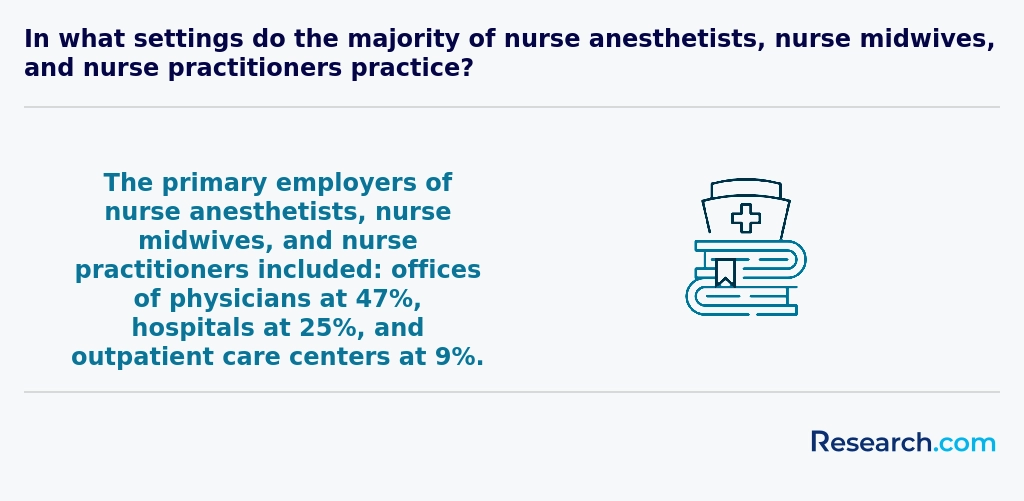
Before beginning clinical practice in West Hartford, CT, graduates must secure state licensure by passing the NCLEX-RN exam and meeting Connecticut Board of Examiners for Nursing requirements. To apply, candidates submit an application through Pearson VUE, pay the $200 exam fee, and undergo a criminal background check and fingerprinting. Most students receive their Authorization to Test within two to three weeks, allowing them to schedule the NCLEX-RN at a local testing center. Preparation for the NCLEX-RN often involves comprehensive review courses covering core content areas-such as safe patient care, pharmacology, and health promotion-aligned with the latest test blueprints. Graduates recommend dedicating at least six weeks of focused study, using practice questions and simulated exams to build confidence. Some programs also partner with licensed review providers to deliver on-campus workshops, reducing the need for external bootcamps. After passing the NCLEX-RN, new nurses must submit proof of licensure and complete a one-time $120 initial registration with the Connecticut Department of Public Health. Licenses must then be renewed every two years, requiring 30 hours of continuing education (CE) credits, with at least 10 hours in pharmacology or drug therapy. Many local nursing associations and online platforms host CE seminars on topics like pain management, geriatric care, and advanced assessment techniques, helping nurses stay compliant and clinically current. Aspiring LPNs and RNs alike benefit from understanding licensure trajectories. While RN candidates focus on the NCLEX-RN, those exploring the vocational track can learn best practices for exam readiness by reviewing programs such as the best lpn program in ohio, which details robust study plans and state-approved clinical placements. Integrating these proven strategies into your preparation can streamline your path to official licensure in Connecticut.
What financial aid is available to nursing degree students in West Hartford?
Students pursuing nursing degrees in West Hartford often find crucial support through federal financial aid programs like Pell Grants and Direct Loans. One graduate shared how receiving a Pell Grant through FAFSA alleviated much of the immediate financial stress, allowing them to concentrate fully on their studies at Asnuntuck Community College. Pell Grants can provide up to $7,395 annually, which is significant given that tuition at local public nursing programs averages around $15,000 per year.
Besides federal aid, Connecticut-specific scholarships such as the Roberta B. Willis Scholarship and the Connecticut Nursing Initiative stand out for their targeted focus. These programs particularly benefit students willing to serve in Connecticut's healthcare system post-graduation, creating a deeply motivating pathway for many nursing students.
Merit- and need-based scholarships at nearby universities further ease the burden. Graduates frequently recall work-study opportunities that not only offset costs but also built valuable clinical experience. Meanwhile, employer tuition reimbursement and loan forgiveness programs available within Hartford's healthcare sector offer ongoing financial encouragement for those already employed.
Accreditation and Licensure
Accreditation and state licensure are crucial safeguards of program quality and graduate eligibility.
- Programmatic accreditation by CCNE or ACEN ensures adherence to national nursing education standards.
- Approval by the Connecticut Board of Examiners for Nursing authorizes clinical training and state licensure.
- NCLEX-RN eligibility confirms you can sit for the national licensing exam upon graduation.
- Accredited programs support credit transfer, federal financial aid access, and continuing education.
Meeting both accreditation and licensure requirements gives confidence in your educational investment. For insights on accredited programs outside Connecticut, explore best nursing schools in california.
What are the prerequisites for enrolling in nursing degree program in West Hartford?
To enroll in a nursing degree program in West Hartford, students must first secure a high school diploma or GED, setting the foundation for success. Graduates from well-known local institutions often recall how crucial completing prerequisite courses in biology, chemistry, and math was for handling nursing coursework. Imagine sitting in a classroom at a community college, confidently applying your knowledge from high school sciences to real-world patient care scenarios-this preparation truly makes a difference.
English proficiency is another key element, commonly demonstrated by SAT or ACT scores, especially for bachelor's programs at universities around West Hartford. Many students reflect on how writing personal statements, sharing their passion for nursing, gave admissions teams a glimpse of their dedication and motivated them throughout the application process.
Equally important is the Test of Essential Academic Skills (TEAS). Those who passed it remember feeling a strong sense of accomplishment and readiness for the challenges ahead. Volunteer experience in healthcare settings often adds a meaningful layer to applications, showcasing a genuine commitment to helping others in the vibrant West Hartford community.
Additional Resources for Nursing Students in West Hartford, CT
For students looking to further their education or explore different aspects of nursing, there are numerous resources available. Those interested in finding the most valuable nursing schools can visit our page on valuable nursing schools in Connecticut to discover top-ranked programs. Additionally, students can explore various specializations within nursing, such as pediatrics or gerontology, to find the best fit for their career aspirations. By utilizing these resources and staying committed to their goals, nursing students in West Hartford, CT, can set themselves up for success in this rewarding and challenging field.
What courses are typically in nursing degree programs in West Hartford?
Courses in nursing degree programs in West Hartford are thoughtfully structured to build both knowledge and confidence. Graduates from popular colleges here often recall beginning with foundational sciences like anatomy, physiology, microbiology, and chemistry. These courses provide essential insight into how the human body functions and reacts to illness, grounding students in real-world healthcare challenges.
From there, students dive into nursing-specific subjects that quickly bring the classroom lessons to life. Many describe how classes in pharmacology illuminated medication management in clinical settings, while medical-surgical nursing taught them to care dynamically for adult patients facing complex health issues. Pediatrics and maternal-newborn nursing allowed them to see the vulnerable needs of children and mothers, which made the work both humbling and deeply rewarding.
Mental health nursing courses prepare students to approach psychological care with empathy and skill, reflecting West Hartford's commitment to holistic patient support. Hands-on clinical practicums, often hosted at local hospitals or community clinics, sharpen these skills in real time, leaving students feeling both challenged and proud of their progress.
What types of specializations are available in nursing degree programs in West Hartford?
Nursing degree specializations in West Hartford reflect the diverse needs of today's healthcare system and offer students a meaningful way to shape their careers. Graduates from popular local institutions often speak of the rewarding experience gained when focusing on fields like Family Nurse Practitioner (FNP), providing comprehensive care to all ages, or Gerontological Nursing, which addresses the growing demands of an aging population in Hartford County.
Many students find Pediatric Nursing especially gratifying, working closely with children and adolescents in community clinics. Others are drawn to the challenge of Critical Care Nursing or Psychiatric-Mental Health Nursing, where advanced skills meet urgent and complex patient needs. Programs at well-regarded colleges in the area offer clinical placements, deeply connecting theory to real-life scenarios and reinforcing students' confidence and empathy.
For those eager to explore further, the availability of specialized tracks after the BSN, such as through master's degrees or certificate programs, amplifies professional growth opportunities. West Hartford nursing students often compare choices, including looking beyond the local scope to find the best lpn program in ohio as part of their broader educational planning.
How do you choose the best nursing degree in West Hartford?
Choosing the best nursing degree in West Hartford means looking beyond just the name of the school. Graduates often share that programs with strong clinical placement ties to Hartford's medical centers provide invaluable hands-on experiences that build confidence and real-world skills. Many find that programs accredited by the CCNE or ACEN stand out for their consistent NCLEX pass rates and supportive faculty. When considering affordable nursing schools West Hartford residents trust, tuition aligned with Hartford County averages is a key factor-balanced with quality to avoid surprises in hidden fees or resource shortages.
Length and flexibility also matter deeply. Some graduates appreciate completing an ADN program in two years to quickly start working as RNs, while others value the comprehensive BSN, which can open doors to leadership roles or advanced study. Those juggling jobs benefit from part-time and online class options offered locally. To explore career pathways, it's wise to explore resources that explain what does it take to be a midwife, connecting related nursing fields.
What career paths are available for nursing degree students in West Hartford?
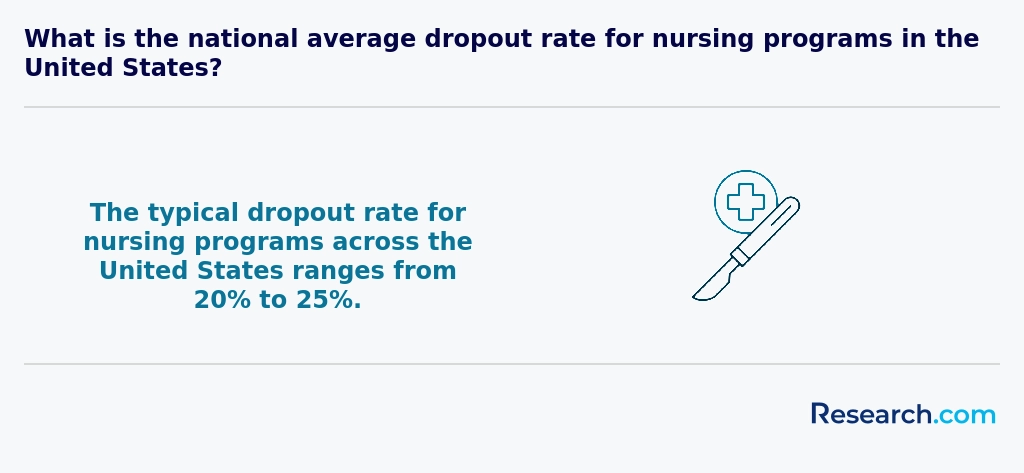
Graduates with a nursing degree in West Hartford find their skills in high demand across multiple career paths. Many begin as registered nurses (RNs), working in prominent local hospitals like Saint Francis Hospital, where they experience firsthand the rewarding challenge of direct patient care and collaboration with healthcare teams. Others discover fulfillment in Licensed Practical Nurse (LPN) roles at nursing homes or rehabilitation centers, offering compassionate support to vulnerable populations. These varied opportunities highlight strong nursing career opportunities in West Hartford, backed by the region's growing healthcare needs.
Some graduates pursue advanced roles, such as nurse practitioners or clinical nurse specialists, enjoying both autonomy and the chance to influence patient outcomes on a broader scale. Those drawn to education or administration often find meaningful careers training future nurses or managing healthcare operations, a path many alumni from local nursing programs speak highly of for its leadership experience.
For students worried about educational costs, community colleges in West Hartford provide solid ADN programs that balance affordability with quality, and those aiming higher can explore options like the Cheapest Online Doctorate in Nursing Degree Programs Ranking in Michigan to continue advancing their careers.
Finding your fit within West Hartford's healthcare landscape is both exciting and accessible, thanks to the region's diverse options and supportive educational environment focused on preparing graduates for success.
What is the job market for nursing degree in West Hartford?
The nursing job opportunities in West Hartford remain promising, supported by a strong healthcare network that includes institutions well-regarded for their nursing programs. Graduates from popular colleges in the area often share how their clinical placements at major hospitals like Hartford HealthCare gave them real-world confidence and opened doors to permanent positions. This practical experience, combined with Connecticut's competitive median wage for nurses, adds to a sense of optimism about securing employment soon after graduation.
West Hartford nursing degree employment outlook is particularly favorable due to the growing aging population increasing demand for skilled nurses in diverse settings such as outpatient care and long-term facilities. Nursing students frequently note that this demand aligns well with the affordable tuition at local public colleges, ranging from $10,000 to $25,000 annually, making the investment in education feel worthwhile.
For those considering their options, exploring the highest paying certificate programs related to nursing can further enhance job prospects and specialization opportunities. Many graduates express pride in the meaningful work they do in West Hartford's healthcare community and see well-defined pathways for career growth.
Frequently Asked Questions About nursing
Nursing degree students in West Hartford can enhance their learning by engaging actively in both classroom and clinical settings. Local institutions often provide access to diverse clinical rotations at nearby hospitals, such as Hartford Hospital, which is a regional leader in healthcare.
Students should also utilize available resources like tutoring, simulation labs, and academic advising. Networking with local nursing professionals can open opportunities for mentorship and career advice tailored to the Connecticut healthcare environment.
According to the Connecticut Board of Examiners for Nursing, students who participate in community health projects demonstrate higher retention rates and practical skills development.
Additionally, staying updated on state nursing regulations and licensing requirements is essential to align academic efforts with professional standards.
Nursing is evolving rapidly, with new specialties emerging that align closely with the healthcare needs in West Hartford and beyond. One growing niche is geriatric nursing, driven by an aging population. According to the U.S. Census Bureau, Connecticut's senior population is expected to increase by over 20% by 2030, increasing demand for nurses specialized in elder care.
Another expanding area is telehealth nursing. The pandemic accelerated telemedicine use nationwide, including in West Hartford, where healthcare providers now seek nurses adept at remote patient monitoring and virtual care technologies. This niche blends clinical skills with informatics.
Environmental health nursing is also gaining attention, focusing on community health impacts from local environmental issues. Nurses in West Hartford's public health system increasingly engage in preventive care related to pollution and climate change risks.
After completing a nursing degree in West Hartford, preparing for the job market involves several essential steps. First, obtaining licensure by passing the NCLEX-RN exam is crucial, as it is required to practice as a registered nurse in Connecticut. It is important to start this process early to avoid delays in employment.
West Hartford's proximity to Hartford's major healthcare facilities, like Hartford Hospital, offers various job opportunities. Graduates should leverage local job fairs and networking events hosted by these institutions.
Additionally, gaining clinical experience through internships during the degree can enhance employability. According to the Connecticut Department of Labor, registered nursing jobs are expected to grow by 12% between 2020 and 2030, signaling strong local demand.
Continuing education and certifications, such as in pediatric or geriatric nursing, can also improve job prospects in specialized fields.
Employers in West Hartford highly value nursing graduates who demonstrate strong clinical skills and critical thinking. According to recent data from the Connecticut Department of Public Health, practical experience in patient care and familiarity with electronic health records are essential for entry-level nurses. Communication skills are also crucial, as nurses must collaborate effectively with doctors and patients in diverse healthcare settings.
Adaptability and problem-solving are frequently cited by local healthcare employers, particularly due to the evolving needs caused by an aging population in Hartford County. Additionally, West Hartford hospitals prefer graduates licensed as Registered Nurses (RNs) with up-to-date certifications in CPR and infection control.
Finding nursing internships in West Hartford involves combining local healthcare opportunities with academic resources. Many nursing programs require clinical placements that serve as internships, often arranged through partnerships with hospitals and clinics in the Hartford metropolitan area.
Institutions like Hartford Hospital and Johnson Memorial Medical Center provide valuable training sites for nursing students. Checking a program's affiliations can highlight where you might intern.
The Connecticut Board of Examiners for Nursing also lists approved clinical sites, helping students identify legitimate institutions for hands-on experience.
Additionally, career services at West Hartford colleges may offer listings, workshops, and networking events tailored to nursing internships.
Early application is crucial, as these positions are competitive due to the region's strong healthcare presence.
Obtaining a nursing degree in West Hartford significantly enhances career mobility and advancement opportunities. Local healthcare facilities, including Hartford Hospital and Saint Francis Hospital, actively seek qualified nurses with degrees due to increasing demand for skilled professionals. According to the U.S. Bureau of Labor Statistics, registered nurses in Connecticut can expect a 9% job growth through 2031, slightly above the national average.
In West Hartford, earning a Bachelor of Science in Nursing (BSN) often opens doors to higher-paying roles, leadership positions, and specialized nursing fields such as pediatrics or geriatrics. Employers emphasize degree credentials, which influence promotions and salary increases.
Additionally, nursing degrees facilitate eligibility for advanced certifications, which are crucial in the competitive healthcare environment of West Hartford. Continuing education and higher degrees, such as a Master's in Nursing, also support long-term career advancement both locally and statewide.
Studying for a nursing degree in West Hartford prepares students for interdisciplinary roles by emphasizing collaborative healthcare approaches. Many local nursing programs integrate training alongside allied health fields, such as social work, pharmacy, and physical therapy. This helps students develop communication and teamwork skills crucial in modern clinical settings.
West Hartford's nursing students often participate in clinical rotations at nearby hospitals, including Trinity Health of New England. These experiences expose them to real-world environments where nurses work closely with diverse medical professionals to ensure comprehensive patient care.
According to the Connecticut Board of Nursing, interdisciplinary competencies are increasingly emphasized in curricula to meet evolving healthcare demands. This prepares graduates to adapt effectively within multidisciplinary teams, enhancing patient outcomes.
Choosing between a thesis and a non-thesis nursing degree program in West Hartford depends on your career goals and learning preferences. Thesis programs emphasize research and require students to develop and defend an original study, ideal for those seeking advanced roles in clinical research or planning to pursue doctoral studies.
Non-thesis options focus more on practical skills and coursework, allowing students to graduate faster and enter the workforce sooner. According to the Connecticut Board of Nursing, West Hartford has a growing demand for nurse practitioners and clinical nurses, making both paths relevant depending on your intended specialization.
Consider your interest in research, timeline, and whether you aim for academic or hands-on professional roles when deciding between these programs in West Hartford.
Students based in West Hartford interested in studying nursing abroad have several pathways to consider within the US higher education system. While most pursue nursing degrees locally, international study options typically involve partnerships between West Hartford institutions and foreign universities. Such programs often include clinical rotations or exchange semesters abroad to enhance global healthcare experience.
West Hartford students may explore study abroad programs through popular universities like the University of Connecticut, which partners with institutions in Europe and Australia. These programs generally last one semester and focus on nursing practices in diverse healthcare systems.
Financially, students should consider additional costs such as travel and insurance, not covered by standard tuition. Scholarships and grants specific to nursing education abroad are available but competitive. According to the Connecticut Board of Nursing, gaining international clinical experience can broaden professional competencies and improve licensure success in varied healthcare environments.
In West Hartford, part-time jobs that complement nursing degree education typically include roles such as certified nursing assistant (CNA), medical scribe, and patient care technician. These positions provide hands-on healthcare experience, crucial for nursing students. According to the U.S. Bureau of Labor Statistics, CNAs earn an average hourly wage of around $15.50 in Connecticut, which demonstrates viable income alongside studies.
Medical scribes assist healthcare professionals by documenting patient interactions, sharpening clinical knowledge and terminology. Patient care technician roles enhance skills in direct patient support and vital sign monitoring. Local hospitals and clinics often offer these opportunities, supporting the region's nursing workforce pipeline, as noted by Connecticut's Department of Public Health reports.
Nursing students in West Hartford benefit from diverse networking opportunities that support their professional growth. Local colleges often collaborate with Hartford-area hospitals and healthcare providers for internships and clinical placements, allowing students to build practical connections.
The Connecticut Nurses Association hosts regional events and workshops that nursing students can attend to engage with practicing professionals and industry leaders. These gatherings are pivotal for learning about emerging trends and job openings.
Additionally, community health initiatives in West Hartford provide volunteering opportunities, enhancing students' resumes while expanding their professional circles. According to the Connecticut Department of Public Health, these experiences significantly improve employment prospects after graduation.
Alumni networks play a vital role in supporting nursing degree students in West Hartford. These networks provide valuable mentorship opportunities, connecting current students with experienced graduates who offer career advice and guidance. This relationship often helps students gain insights into local healthcare settings, which is essential for navigating West Hartford's job market.
Additionally, alumni networks frequently share job openings, internships, and clinical placement opportunities specific to the region. According to the Connecticut Center for Nursing Workforce data, strong networking can increase employment chances by up to 30% after graduation.
Students also benefit from events and workshops organized by alumni groups, which enhance professional development and foster a sense of community among future nurses in the area.
Customizing a nursing degree program in West Hartford allows students to align their education with specific career goals. Many local institutions offer flexible course selections, including specialties like pediatric, geriatric, or psychiatric nursing. Students may also pursue elective courses in healthcare management or community health to broaden their expertise.
West Hartford benefits from its proximity to major medical centers, enabling valuable clinical experience in diverse environments. The Connecticut Department of Public Health reports a growing demand for nurses with specialized skills, making focused training an advantage. Additionally, some programs provide options for part-time study and accelerated pathways to accommodate working professionals.
Nursing students in West Hartford often face significant challenges related to clinical placement availability due to high local demand. The Connecticut Department of Public Health reports that clinical sites frequently reach capacity, causing scheduling conflicts and limited hands-on experience. Balancing rigorous coursework with practical training is another hurdle, as nursing programs require extensive study in anatomy, pharmacology, and patient care.
Financial strain is common; the cost of nursing education, including textbooks, uniforms, and certification exams, can be burdensome. Additionally, students may experience emotional stress managing the pressures of patient care simulations and real-world responsibilities.
Time management and maintaining mental health are also widely reported concerns among West Hartford nursing students, as noted in surveys by local academic institutions.
With a nursing degree in West Hartford, graduates can pursue a variety of professional certifications to enhance their careers. Common options include the Registered Nurse (RN) license, which is mandatory for most nursing roles and obtained by passing the NCLEX-RN exam. Beyond this, nurses may specialize with certifications such as Critical Care Registered Nurse (CCRN) or Certified Pediatric Nurse (CPN), recognized nationally and valued by local healthcare providers.
Additional certifications in areas like geriatrics or oncology reflect ongoing education and can increase job opportunities. According to the Connecticut Board of Nursing, certification supports professional growth and often leads to higher salaries in the state's expanding healthcare sector.
To write a winning application for a nursing program in West Hartford, start by carefully reviewing the admission requirements of each school. Many local programs, including those affiliated with community colleges like Tunxis Community College, expect strong academic records in science and math courses.
Highlight any healthcare experience you have, such as volunteering or working in medical settings. Admissions committees value practical exposure to nursing and patient care.
Craft a clear personal statement explaining why you want to pursue nursing and how you plan to contribute to the West Hartford healthcare community. Be specific about your goals and motivation.
Finally, prepare for standardized tests such as the TEAS, which many West Hartford nursing programs require. According to the National League for Nursing, scores above 70% generally improve admission chances.
Nursing is recognized globally as a vital and respected profession, with substantial demand across many countries. In the United States, including West Hartford, nursing offers stable employment opportunities due to ongoing healthcare needs and an aging population. According to the U.S. Bureau of Labor Statistics, registered nursing jobs are projected to grow 9% from 2022 to 2032, faster than average for all occupations.
West Hartford's nursing programs align with global trends emphasizing evidence-based practice, cultural competence, and technological skills. Many international nursing organizations stress these areas to ensure nurses can effectively contribute in diverse healthcare settings worldwide.
Additionally, nursing degrees obtained in the U.S. often provide pathways for global practice, thanks to stringent educational standards and accreditation recognized internationally. This makes West Hartford an advantageous location for students aiming for varied career opportunities in nursing both domestically and abroad.
Students pursuing nursing degrees in West Hartford can gain practical experience through clinical placements arranged by their academic programs. These placements typically occur in local hospitals, clinics, and long-term care facilities, allowing students to apply classroom learning in real healthcare settings.
West Hartford benefits from proximity to major medical centers like Hartford Hospital, which often collaborate with nursing programs to provide hands-on training. According to the Connecticut Center for Nursing Workforce, over 70% of nursing students in the area participate in clinical rotations before graduation.
Additionally, some schools encourage participation in simulation labs, offering realistic patient care scenarios. Volunteer work and internships at community health organizations also provide valuable exposure to nursing practice.
Choosing the right concentration within a nursing degree program in West Hartford involves understanding both your career goals and local healthcare needs. West Hartford and the surrounding Greater Hartford area have a growing demand for specialized nurses, particularly in gerontology, pediatrics, and emergency care, as reported by the Connecticut Department of Labor.
Prospective students should consider which patient populations interest them most and research concentrations offered by local institutions. For instance, many programs offer tracks in acute care or community health nursing-fields that align with area hospitals and clinics.
Additionally, think about licensure and certification requirements specific to your concentration. Some areas may require additional exams or clinical hours. Reviewing curricula and speaking with academic advisors at West Hartford schools can provide clarity on course content and clinical opportunities.
Ultimately, aligning your choice with both personal passion and regional job trends enhances career preparedness in this competitive field.
Related Nursing Rankings for Nearby Cities
- 2027 Most Valuable Nursing Degree Programs Ranking in Bronx
- 2027 Most Valuable Nursing Degree Programs Ranking in Boston
- 2027 Most Valuable Nursing Degree Programs Ranking in New York
- 2027 Most Valuable Nursing Degree Programs Ranking in Brooklyn
- 2027 Most Valuable Nursing Degree Programs Ranking in Baltimore
- 2027 Most Valuable Nursing Degree Programs Ranking in Rochester
- 2027 Most Valuable Nursing Degree Programs Ranking in Washington
- 2027 Most Valuable Nursing Degree Programs Ranking in Virginia Beach
- 2027 Most Valuable Nursing Degree Programs Ranking in Detroit
- 2027 Most Valuable Nursing Degree Programs Ranking in Columbus
Top Trending Nursing Rankings
See What Experts Have To Say About Studying Nursing
Read our interview with Nursing experts


References
- How Do Nurses Navigate Career Advancement? | NursingEducation https://nursingeducation.org/insights/career-advancement/
- School of Nursing Alumni Resources https://nursing.utmb.edu/About/Alumni
- Registered Nurse (RN) in West Hartford, CT, US at IntelyCare https://credenzahealth.com/jobs/41654653-registered-nurse-rn
- Interdisciplinary Education and Practice https://www.aacnnursing.org/news-data/position-statements-white-papers/interdisciplinary-education-and-practice
- Tips for Creating a Perfect Nursing School Application https://www.allnursingschools.com/articles/how-to-create-the-perfect-nursing-school-application/
- Types of Nursing Careers & Specialties https://nursinglicensemap.com/nursing-specialties/
- Curriculum, Instruction, and Assessment - West Hartford Public Schools https://www.whps.org/curriculum-instruction-and-assessment
- Medical University of GdaÅsk https://admission.mug.edu.pl/29318.html
- Nursing jobs | Nursing jobs at Hartford Healthcare https://www.hhccareers.org/us/en/c/nursing-jobs
- Top Nursing Skills U.S. Employers Want to See on Your Resume | O'Grady Peyton https://www.ogradypeyton.com/blog/job-seeker-resources/top-nursing-skills-u.s.-employers-want-to-see-on-your-resume


