
2027 Most Valuable Nursing Degree Programs Ranking in Wisconsin

Co-Founder and Chief Data Scientist
Choosing the right nursing degree program is a crucial step toward a rewarding career in healthcare. This article presents the 2027 Most Valuable Nursing Degree Programs Ranking in Wisconsin, thoughtfully created by the Research.com team of data scientists to help students like you make well-informed decisions.
By exploring this ranking, you'll discover programs that offer exceptional value and opportunities. Whether you're just starting out or considering a change, pursuing a nursing degree can open doors to meaningful work and growth. Let's explore your options together with confidence and clarity.
Key benefits of getting nursing degree in Wisconsin
- The average annual salary for nursing graduates in Wisconsin is promising, with Registered Nurses, Public Health Nurses, and Emergency Room Nurses earning around $94,480, while Operating Room Nurses can earn up to $128,490.
- Nursing graduates from the University of Wisconsin-Madison often explore diverse career paths, including clinical nursing, education, and public health, offering exciting opportunities to make a meaningful impact.
- Completing a nursing degree online from institutions like the University of Wisconsin Flexible Option allows you to balance work and study with flexibility, making it easier to advance your career without disrupting your lifestyle.
- Key benefits of getting nursing degree in Wisconsin
- What can I expect from nursing degree in Wisconsin?
- Where can I work with nursing degree in Wisconsin?
- How much can I make with nursing degree in Wisconsin?
- 2027 Most Valuable Nursing Degree Programs Ranking in Wisconsin
- Key Findings
- How long does it take to complete nursing degree in Wisconsin?
- Licensing and Certification Requirements in Wisconsin
- What's the difference between online and on-campus nursing degree?
- Return on Investment: Cost vs. Career Earnings
- What is the average cost of nursing degree in Wisconsin?
- Return on Investment for Nursing Degrees in Wisconsin
- What financial aid is available to nursing degree students in Wisconsin?
- Affordability of Nursing Schools in Wisconsin
- What are the prerequisites for enrolling in nursing degree program in Wisconsin?
- Accreditation and NCLEX Success
- What courses are typically in nursing degree programs in Wisconsin?
- What types of specializations are available in nursing degree programs in Wisconsin?
- How do you choose the best nursing degree in Wisconsin?
- What career paths are available for nursing degree students in Wisconsin?
- What is the job market for nursing degree in Wisconsin?
- Related Nursing Rankings for Nearby States
- Top Trending Nursing Rankings
- See What Experts Have To Say About Studying Nursing
What can I expect from nursing degree in Wisconsin?
The average cost of pursuing a nursing degree in Wisconsin varies depending on the program and school but typically ranges from affordable community college tuition to moderate university fees. Many graduates from popular schools like the University of Wisconsin-Madison or Madison College appreciate how scholarships and state grants helped ease their financial burden, making quality education accessible without overwhelming debt.
For example, a graduate from a local technical college often finds that their investment in an Associate Degree in Nursing (ADN) is balanced by strong clinical training and flexible class schedules. These options allow students to work part-time or manage family commitments while moving confidently toward their career goals. Another graduate pursuing a Bachelor of Science in Nursing (BSN) experiences the value of this degree firsthand as it opens doors to leadership roles and advanced clinical positions.
Many students feel encouraged knowing Wisconsin offers financial aid tailored to future nurses, making this critical healthcare path both achievable and rewarding.
Where can I work with nursing degree in Wisconsin?
Graduates with a nursing degree from renowned institutions like the University of Wisconsin or Marquette University find themselves welcomed into a variety of rewarding careers throughout Wisconsin. Imagine stepping into a bustling hospital ward at UW Health, confidently supporting patients in critical moments, or joining Aurora Health Care's specialized surgical teams to make a real difference every day.
Many graduates also thrive in outpatient clinics or physician offices where they build close relationships with patients managing chronic illnesses. Others embrace the compassionate world of long-term care at nursing homes, meeting the growing needs of Wisconsin's elderly population with skill and heart.
Public health roles offer the chance to educate communities, especially in rural areas, inspiring healthier lifestyles and fostering wellness. For those pursuing advanced degrees, becoming a nurse educator at one of Wisconsin's nursing schools is a fulfilling path, shaping the next generation of caregivers.
Home healthcare nursing is another vibrant career, allowing graduates to provide personalized care directly in patients' homes, offering comfort and support exactly where it's needed most.
How much can I make with nursing degree in Wisconsin?
Graduates from nursing programs at well-regarded Wisconsin institutions like the University of Wisconsin-Madison or Marquette University often find themselves stepping into roles with promising salaries. Registered nurses in Wisconsin enjoy a mean annual wage around $94,480, reflecting a strong demand for skilled professionals statewide.
Many graduates begin in hospitals, outpatient clinics, or community health settings, quickly advancing in their careers. For instance, clinical nurse educators and public health nurses earn similar salaries near $94,480, empowering them to make a meaningful impact while achieving financial stability.
Those who specialize further, such as operating room nurses, can expect even greater rewards, with salaries averaging $128,490 annually. Graduates often share stories of finding fulfilling work where their expertise is both respected and well-compensated, helping them support their families and grow their professional confidence.
The nursing career pathway in Wisconsin offers not only competitive pay but also a vibrant community of professionals passionate about care and innovation-making it an inspiring choice for those dedicating themselves to this rewarding field.
2027 Most Valuable Nursing Degree Programs Ranking in Wisconsin
How do we rank schools?
Investing in your education is a significant decision that can shape your future, and the Research.com team understands the importance of making informed choices. To assist prospective nursing students in Wisconsin, we have meticulously crafted the "2027 Most Valuable Nursing Degree Programs Ranking in Wisconsin." Our commitment to quality, credibility, and accuracy is reflected in the extensive research and analysis conducted to compile this ranking.
We utilized the following reputable data sources to ensure a comprehensive evaluation of nursing programs:
By exploring this ranking, readers will gain valuable insights into the most valuable nursing degree programs in Wisconsin, helping them make informed decisions about their educational and career paths. For more details on our methodology, please visit our Research.com methodology page.

# 2 position
Bryant & Stratton College-Wauwatosa
Bachelor of Science in Nursing


Key Findings
- Wisconsin offers ADN, BSN, and MSN nursing programs, with ADN typically lasting 2 years and BSN about 4 years.
- ADN tuition ranges from $6,000 to $15,000 for in-state students, while BSN programs cost between $25,000 and $45,000.
- The state expects a 12% growth in registered nursing jobs through 2032, faster than the national average.
- New nurses in Wisconsin earn about $60,000 to $65,000 per year, with experienced nurses making over $80,000 annually.
- Nurses must pass the NCLEX-RN exam to practice legally in Wisconsin, and most programs have high pass rates.
How long does it take to complete nursing degree in Wisconsin?
Completing a nursing degree in Wisconsin is an exciting journey that fits many lifestyles and ambitions. Graduates from community colleges often celebrate finishing their Associate Degree in Nursing (ADN) within two to three years, quickly stepping into rewarding nursing roles by passing the NCLEX-RN. This path offers the joy of joining the healthcare field without a long wait.
For those attending the University of Wisconsin or similar institutions, a Bachelor of Science in Nursing (BSN) typically takes about four years of vibrant learning and clinical practice. Many students find inspiration in the supportive campus communities and hands-on experiences that prepare them to make a real difference.
Working nurses pursuing RN-to-BSN options appreciate the flexibility of 1 to 2 years of part-time study, balancing career and education seamlessly. More advanced students may embrace the challenge of graduate degrees, investing 1.5 to 4 additional years to grow their expertise and impact.
Licensing and Certification Requirements in Wisconsin
Upon completing a nursing degree in Wisconsin, graduates must secure state licensure and national certification before entering practice. First, candidates apply to the Wisconsin Board of Nursing, submitting official transcripts, a background check, and the required application fee. Once approved, they register for and pass the NCLEX-RN exam, the standardized test that assesses competencies essential for safe and effective nursing practice. After passing NCLEX-RN, new nurses receive their Wisconsin RN license and must renew it biennially, maintaining a minimum of 30 hours of continuing education to uphold the latest standards of patient care. For nurses educated outside Wisconsin or holding licensure in another state, the endorsement process allows reciprocity; applicants provide verification of active licensure from their original jurisdiction and meet Wisconsin’s educational and exam criteria. Advanced practice registered nurses (APRNs) such as nurse practitioners and nurse anesthetists must also submit proof of graduate-level education, national certification in their specialty, and complete additional Board of Nursing requirements for advanced roles. While most aspiring nurses aim for RN licensure, some begin their careers through licensed practical nursing pathways-explore top lpn programs in north carolina for a focused, hands-on nursing alternative that can serve as a stepping stone to RN status. Understanding and fulfilling these licensing and certification steps ensures new graduates meet Wisconsin’s high standards for nursing excellence and patient safety.
What's the difference between online and on-campus nursing degree?
Choosing between an online and an on-campus nursing degree in Wisconsin opens exciting paths toward a rewarding career. On-campus programs, like those at the University of Wisconsin-Madison, offer enriching, hands-on experiences with direct faculty support and access to simulation labs. Graduates cherish the vibrant campus community that fosters collaboration and builds lasting professional connections through clinical placements at local healthcare facilities.
Online nursing degrees provide inspiring flexibility, perfect for those balancing work or family. Many students appreciate the freedom to learn at their own pace while still completing essential clinical hours arranged nearby. Wisconsin's growing healthcare network supports these vital experiences, ensuring all students gain critical real-world skills despite distance learning.
Both paths, whether in bustling classrooms or through your personal study space, empower you to become a confident nurse ready for licensure. The choice depends on your lifestyle and learning preferences, but either way, Wisconsin's nursing education offers a solid foundation for a meaningful career.
Return on Investment: Cost vs. Career Earnings
Understanding the return on investment (ROI) for nursing degrees in Wisconsin is critical for making informed educational decisions. By comparing program costs against potential earnings, students can gauge how quickly they’ll recover their tuition expenses and begin generating net income.
- ADN Program ROI • Average total cost: $23,900–$66,320 (approx. $12,300/year) • Mean RN salary: $89,010/year • Break-even point: ~4–9 months post-graduation
- BSN Program ROI • Average total cost: $89,556–$211,392 (approx. $30,884/year) • Mean RN salary: $89,010/year • Break-even point: ~1.1–2.4 years
- MSN Program ROI • Average total cost: $56,200 (approx. $28,100/year) • Nurse Practitioner salary: $110,000–$120,000/year • Break-even point: ~6–7 months
- DNP Program ROI • Average total cost: $91,860 (approx. $30,620/year for 3 years) • DNP salary: $120,000–$140,000/year • Break-even point: ~8–10 months Several factors can accelerate ROI: scholarships, employer tuition reimbursement, and accelerated pathways. For those seeking to minimize time in school while maximizing earnings, consider an expedited doctorate with a fast dnp program online. This approach not only shortens your academic timeline but also positions you for leadership roles and top-tier compensation sooner. Ultimately, by weighing tuition against projected salaries and time to payback, prospective nursing students in Wisconsin can select the program that best aligns with both their career aspirations and financial goals.
What is the average cost of nursing degree in Wisconsin?
The average cost of a nursing degree in Wisconsin offers hopeful students a realistic and encouraging picture. In general, the median total cost for completing a nursing degree is about $46,583. For those who are residents of Wisconsin, the expenses come down to approximately $33,396, making in-state options especially appealing. Graduates from prominent schools like the University of Wisconsin's nursing programs often share how the manageable costs, combined with high-quality education, made their journey achievable and rewarding.
Many students pursuing nursing degrees in Wisconsin discover that balancing tuition with practical experiences at universities or Wisconsin Technical Colleges enhances both their skills and confidence. While out-of-state students face higher costs-almost double or more-this investment is often regarded as a stepping stone toward fulfilling careers in healthcare. Practical, hands-on training and personalized support from these institutions inspire students to persevere and succeed.
Those looking into the affordable nursing schools in Wisconsin find a range of programs that offer excellent value and comprehensive curricula. The cost of nursing programs in Wisconsin is complemented by various financial aid opportunities, scholarships, and grants that lighten the financial load, helping students focus on their passion for nursing. Knowing the average nursing degree cost Wisconsin encourages students to take confident steps toward becoming vital healthcare professionals in their communities.
Return on Investment for Nursing Degrees in Wisconsin
Calculating the return on investment (ROI) of a nursing degree is essential for understanding long-term value. In Wisconsin, the average total cost for a BSN program at a public university is approximately $89,556, while graduates can expect a mean annual wage of $89,010 as Registered Nurses and up to $124,680 for Operating Room Nurses. Based on these figures, many graduates recoup their educational expenses within three to five years of professional practice, depending on specialization and geographic location. Key factors influencing ROI include:
- Tuition Versus Earnings: With ADN programs averaging $23,900–$66,320 and BSN programs $89,556–$211,392 in total costs, comparing these figures against starting salaries can help you project payback periods.
- Loan Repayment and Forgiveness: Participation in state-sponsored loan programs or federal forgiveness plans for nurses serving in underserved communities can dramatically reduce net debt.
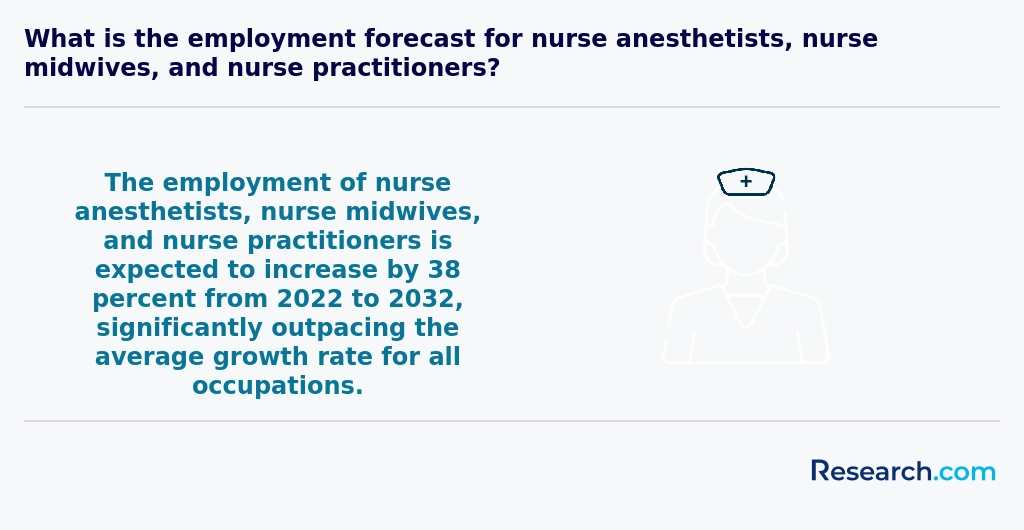
- Career Advancement Potential: Specializations such as Nurse Practitioner or Nurse Anesthetist not only command higher salaries but also open doors to leadership and academic positions, further improving ROI over a lifetime.
- Program Length and Opportunity Cost: Accelerated BSN tracks enable faster entry into the workforce, minimizing living expenses and lost income during study. Prospective students should also weigh out-of-state or online alternatives to balance cost and flexibility. For example, exploring Cheapest Online Nursing Degree Programs Ranking in New York may reveal lower-tuition pathways that still deliver strong accreditation and clinical experiences. By assessing total costs, projected earnings, and financial aid options, aspiring nurses can make informed choices that optimize both their education and future financial well-being.
What financial aid is available to nursing degree students in Wisconsin?
Many nursing students in Wisconsin discover that financial aid is not just a hope but a real, empowering resource. Graduates from the University of Wisconsin-Madison and Marquette University often share how Pell Grants helped ease their tuition burden, providing up to $7,395 each year without repayment. These foundational awards allow students to focus on mastering nursing skills instead of financial stress.
State-specific programs also make a significant difference. For example, the Wisconsin Higher Education Grant offers up to $2,400 annually, tailored to support those with financial need. Nursing students from colleges like the University of Wisconsin-Milwaukee celebrate how the Wisconsin Nurse Education Scholarship enabled them to fund studies while committing to serving local healthcare, creating fulfilling careers close to home.
Additionally, many enjoy scholarships from nursing associations and local hospital programs, often recognizing dedication and community service. Licensed practical nurses advancing their degrees find tuition reimbursement through employers, blending practical experience with financial support. These opportunities make nursing education in Wisconsin a reachable, exciting journey.
Affordability of Nursing Schools in Wisconsin
When considering nursing schools in Wisconsin, affordability is a crucial factor for many students. The cost of tuition, fees, and living expenses can vary significantly between institutions, making it essential to research and compare the financial aspects of different programs. For those looking for affordable nursing schools in Wisconsin, there are several options to explore. Many public universities and community colleges offer nursing programs at a lower cost than private institutions, while still providing a high-quality education. Additionally, some schools may offer scholarships, grants, or financial aid packages to help offset the costs. By weighing the costs and benefits of different nursing programs, students can make an informed decision about which school best fits their budget and career goals.
What are the prerequisites for enrolling in nursing degree program in Wisconsin?
To embark on a nursing degree in Wisconsin, you'll first need a high school diploma or GED-an important foundation that sets you up for success. Graduates from popular schools like the University of Wisconsin-Madison often recall how mastering core sciences and math felt empowering and readying. Completing prerequisite courses such as biology with labs, chemistry, anatomy, microbiology, English, and math is common, and these prepare you for the hands-on, real-world challenges you'll face during your studies.
Many nursing programs also require you to pass entrance exams like the TEAS or HESI A2. These tests, though challenging, become a motivational milestone for students dreaming of their nursing careers. Volunteers or those with healthcare experience report feeling more confident at the start, as Wisconsin colleges truly value this practical insight.
Safety steps like background checks and immunizations are standard-reflecting the profession's commitment to caring for others. Knowing these prerequisites early helps you prepare smoothly and join the ranks of proud Wisconsin nursing students ready to make a difference.
Accreditation and NCLEX Success
Accreditation verifies program quality and eligibility for licensure. Evaluate:
- CCNE or ACEN accreditation confirms the curriculum meets national standards.
- State Board of Nursing approval ensures graduates can sit for the NCLEX-RN exam.
- NCLEX-RN pass rates above 90% indicate strong academic preparation.
Wisconsin nursing schools average a 92% NCLEX pass rate, reflecting consistent student success. Working RNs can also advance credentials affordably through the cheapest online rn to bsn programs, boosting career prospects while maintaining licensure compliance.
What courses are typically in nursing degree programs in Wisconsin?
Nursing degrees in Wisconsin offer a rich blend of essential courses designed to equip you for a rewarding healthcare career. Students at popular schools like the University of Wisconsin-Madison often praise how foundational sciences such as Anatomy and Physiology, Microbiology, and Nutrition prepare them to understand patients deeply. Imagine confidently explaining body functions or medication impacts-these courses build that strong base.
Clinical nursing courses are equally inspiring and practical. Graduates from colleges across the state share how classes like Fundamentals of Nursing and Medical-Surgical Nursing helped them develop hands-on skills through simulations and real patient care. Pharmacology empowers you with knowledge about medications, while Maternal and Child Health Nursing opens doors to supporting families during life's most crucial moments.
Advanced programs add exciting specializations like mental health and gerontology to match Wisconsin's diverse communities. Many students recall how clinical rotations at local hospitals made them feel ready to step into their future roles with confidence and compassion.
What types of specializations are available in nursing degree programs in Wisconsin?
Nursing degree specializations in Wisconsin offer exciting pathways that empower students to make a real difference in their communities. From the compassionate focus of Pediatric Nursing to the advanced clinical expertise gained as a Family Nurse Practitioner, graduates from universities like the University of Wisconsin and Marquette University feel inspired by the hands-on experiences and strong community ties their programs provide. Many find joy in specializing in Geriatric Nursing, especially as they support Wisconsin's growing elderly population with heartfelt care and respect.
Students also embrace Psychiatric-Mental Health Nursing, responding to the increasing mental health needs across the state. Others pursue Clinical Nurse Specialist roles, diving deep into critical care or oncology to become true experts in challenging environments. Those who are passionate about broad-scale impact often turn to Public Health Nursing, driven by the desire to improve community health outcomes through education and prevention.
Wisconsin nursing program concentration options truly reflect the state's diverse healthcare needs, and for those seeking flexible paths, exploring lpn programs in north carolina can be a helpful comparison. This range of specializations lets students find their unique calling and fuels their ambition to thrive in rewarding nursing careers.
How do you choose the best nursing degree in Wisconsin?
Choosing the best nursing degree in Wisconsin means focusing on what aligns with your goals and lifestyle. Many graduates from well-known schools like those in the University of Wisconsin system share how affordable nursing degree programs Wisconsin helped them start their careers confidently without overwhelming debt. These programs often balance solid clinical experiences with strong academic foundations, preparing students for real-world nursing challenges.
Look for accredited programs with a proven track record of success, such as those recognized by CCNE or ACEN. Graduates often highlight the invaluable clinical placements they received at local hospitals, boosting their readiness and confidence on the job. Flexibility is key, too-whether you prefer a traditional path or want to explore options like a fast dnp program online, Wisconsin offers pathways that fit diverse needs.
Embrace the journey knowing your chosen nursing degree supports your passion and future. With a strong network of support services and career counseling from reputable colleges, your nursing path in Wisconsin is both promising and inspiring.
What career paths are available for nursing degree students in Wisconsin?
Graduates from nursing programs at Wisconsin universities like the University of Wisconsin-Madison and Marquette University find a wealth of nursing career opportunities in Wisconsin that cater to diverse talents and passions. Many begin as Registered Nurses (RNs), working in hospitals and community clinics, where they make a real difference in patient care. Others advance to roles like Nurse Practitioners, enjoying the autonomy of diagnosing and treating patients in both urban and rural settings across the state.
Some graduates choose to become Licensed Practical Nurses (LPNs), gaining hands-on experience with shorter programs that offer affordability and quick entry into the workforce. For those drawn to education or specialized care, becoming Nurse Educators or Clinical Nurse Specialists provides the rewarding chance to shape future nurses or improve health outcomes.
Exploring Wisconsin nursing degree job prospects, many also thrive in public health nursing or healthcare administration, contributing to community well-being and system improvements. Students often share inspiring stories of balancing rigorous studies while accessing scholarships, or finding guidance through resources like the Cheapest Online Nursing Degree Programs Ranking in New York, which demonstrates the availability of affordable pathways to nursing excellence.
What is the job market for nursing degree in Wisconsin?
The job market for nursing degree graduates in Wisconsin is vibrant and growing, offering abundant opportunities in diverse healthcare settings. Graduates from well-regarded nursing programs at universities such as the University of Wisconsin-Madison and Marquette University often find themselves in high demand across hospitals, outpatient clinics, and community care centers. These roles are particularly rewarding as they allow nurses to make a tangible difference in patients' lives, from newborn care to elder support.
Many nursing graduates share inspiring stories of quickly securing jobs due to Wisconsin's steady need for skilled nurses, especially in specialized areas like pediatric and mental health nursing. This strong demand reflects the excellent nursing degree job outlook Wisconsin students can expect. With salaries averaging around $72,000, combined with the rewarding hands-on experience, nursing careers here are both financially and personally fulfilling.
For students balancing education and work, institutions often support paths such as fast online degree completion programs for working adults, helping to enter the nursing field faster and meet the growing employment needs.
Frequently Asked Questions About nursing
Students pursuing nursing degrees in Wisconsin can enhance their learning by engaging in both classroom instruction and practical experiences. Wisconsin offers numerous clinical sites, including hospitals and community health centers, where students gain hands-on training. According to the Wisconsin Center for Nursing, clinical practice significantly improves competency and readiness for licensure exams.
Networking with local healthcare professionals through internships or nursing organizations like the Wisconsin Nurses Association also enriches understanding of the field. Additionally, students should utilize state resources such as the Wisconsin Board of Nursing for updated licensing requirements and continuing education opportunities.
Balancing academic coursework with simulation labs, which many Wisconsin nursing programs provide, allows students to develop critical decision-making skills in a controlled environment.
The nursing field in Wisconsin is expanding into several emerging niches driven by evolving healthcare needs. One fast-growing area is geriatric nursing, reflecting the state's aging population; Wisconsin saw a 15% increase in residents aged 65 and older between 2010 and 2020, according to the Wisconsin Department of Health Services.
Another critical niche is informatics nursing, where professionals manage healthcare data and technology to improve patient outcomes. This aligns with nationwide trends toward digital health records and telemedicine.
Additionally, psychiatric-mental health nursing is gaining prominence to address rising mental health issues. The Wisconsin Nurses Association reports increased demand for mental health services, leading to more job opportunities in this specialty.
These niches provide promising career paths for nursing students in Wisconsin.
After completing a nursing degree in Wisconsin, preparing for the job market involves several key steps. First, graduates must pass the NCLEX-RN exam to obtain licensure, enabling them to legally practice as registered nurses. According to the Wisconsin Board of Nursing, this licensure is mandatory across the state.
Next, gaining clinical experience through internships or residency programs improves employability. Wisconsin hospitals often value local experience, with many offering nurse residency programs that can increase retention rates and salary potential.
Networking within professional organizations like the Wisconsin Nurses Association can also open job opportunities and provide ongoing education.
Finally, keeping up with statewide demand is crucial; the Wisconsin Department of Workforce Development projects a 15% nursing job growth through 2030, indicating a positive employment outlook.
Employers in Wisconsin seeking nursing degree graduates prioritize strong clinical skills combined with effective communication. According to the Wisconsin Center for Nursing, proficiency in patient assessment and care planning ranks as essential. Nurses must also demonstrate critical thinking abilities, allowing them to respond to diverse healthcare scenarios efficiently.
Technical competency in electronic health records (EHR) is increasingly important, with many healthcare facilities in Wisconsin adopting advanced digital systems. Additionally, teamwork and collaboration skills matter significantly, as nurses often coordinate with multidisciplinary teams.
Empathy and cultural competence are also emphasized, ensuring nurses can provide inclusive care to Wisconsin's diverse population. These skills collectively prepare graduates to meet the state's growing healthcare demands effectively.
Finding nursing internships in Wisconsin involves leveraging local healthcare networks and educational resources. Many nursing programs in the state require or support clinical internships as part of their curriculum. Students should start by consulting their college's nursing department, which often partners with hospitals and clinics. Major healthcare employers in Wisconsin, such as Aurora Health Care and Froedtert Hospital, offer structured internships and externships.
The Wisconsin Center for Nursing reported that clinical placements are critical for nursing education, with over 80% of programs in the state including a hands-on internship component. Additionally, the Wisconsin Nurses Association and the Wisconsin Board of Nursing provide resources and listings for internship opportunities.
Registering with job boards focused on healthcare internships and attending career fairs at local universities can also expand options. Networking with faculty and joining professional nursing associations in Wisconsin are practical steps for securing a quality internship experience.
A nursing degree significantly enhances career mobility and advancement opportunities in Wisconsin's healthcare sector. Registered nurses (RNs) with a Bachelor of Science in Nursing (BSN) degree often experience higher employment rates and better salary prospects compared to those with an associate degree.
According to the Wisconsin Center for Nursing, the demand for BSN-prepared nurses is rising rapidly due to increasing complexity in patient care and employer preferences. Hospitals and clinics in Wisconsin increasingly require or prefer candidates with BSN credentials for leadership roles and specialized positions.
Advanced degrees like the Master of Science in Nursing (MSN) further open pathways to nursing management, nurse practitioner roles, and education, which are some of the fastest-growing occupations in the state.
This clear correlation between higher nursing education and enhanced career progression is supported by regional employment data from the Bureau of Labor Statistics and Wisconsin educational institutions.
Studying for a nursing degree in Wisconsin equips students with skills essential for interdisciplinary roles within healthcare teams. Wisconsin's nursing programs emphasize collaboration across professions such as medicine, social work, and pharmacy, preparing graduates to communicate effectively and coordinate patient care.
According to the Wisconsin Center for Nursing, many programs integrate clinical experiences in diverse settings, helping students understand the roles of different healthcare providers. This hands-on approach supports the development of problem-solving and critical thinking skills vital for team-based care.
Additionally, nursing curricula often include courses on healthcare policy, ethics, and leadership, fostering an understanding of system-wide health dynamics. This comprehensive education aligns with the increasing demand in Wisconsin for nurses who can manage complex patient needs in multidisciplinary environments.
Choosing between a thesis and a non-thesis nursing degree program in Wisconsin depends largely on your career goals and learning preferences. Thesis programs emphasize research and typically require original study, which is ideal if you plan to pursue a doctoral degree or a research-focused role. Non-thesis programs focus more on practical coursework and clinical skills, suitable for those aiming for direct patient care or administrative positions.
According to the Wisconsin Center for Nursing, about 65% of nurses in the state hold a bachelor's degree or higher, often with practical training prioritized. Consider how much time you can commit, as thesis tracks usually take longer to complete.
Review specific Wisconsin universities' curricula and speak with academic advisors to align your decision with local healthcare demands and personal aspirations.
Students in Wisconsin interested in studying nursing abroad have several pathways, though these opportunities often require careful planning. Many Wisconsin nursing programs partner with international universities to offer exchange or study-abroad options, allowing students to gain global healthcare experience while earning credits. According to the Wisconsin Center for Nursing, collaboration with countries like Canada, the United Kingdom, and Australia is common for nursing education.
Students should verify that foreign coursework meets U.S. nursing board requirements, particularly from the Wisconsin Board of Nursing. Additionally, some students choose to enroll in accelerated global nursing programs approved by the Commission on Collegiate Nursing Education (CCNE) or the Accreditation Commission for Education in Nursing (ACEN), which are recognized in Wisconsin.
Financial aid and scholarship availability vary, so consulting university international offices and nursing departments is crucial. Given the projected 10.1% job growth for registered nurses in Wisconsin by 2031 (BLS data), international experience can enhance competitive advantage.
Part-time job opportunities in Wisconsin that complement nursing degree education often include roles such as certified nursing assistants (CNAs), medical assistants, and pharmacy technicians. These positions provide valuable hands-on experience in patient care and healthcare settings.
According to the Wisconsin Department of Workforce Development, CNAs earn a median wage of around $15 per hour, while medical assistants earn about $17 per hour. These roles allow students to apply classroom knowledge in real-world scenarios.
Hospitals, clinics, and long-term care facilities throughout Wisconsin frequently offer flexible part-time shifts, accommodating nursing students' class schedules.
Gaining experience in these positions can enhance nursing skills, improve employability after graduation, and provide networking opportunities within the Wisconsin healthcare system.
Nursing students in Wisconsin have access to numerous networking opportunities that enhance their education and career prospects. Many universities, such as the University of Wisconsin system, host professional nursing organizations like the Wisconsin Nurses Association. These associations offer events, workshops, and conferences focused on skill-building and career development. Additionally, students can connect with healthcare professionals through clinical placements and internships at local hospitals and clinics across the state.
Wisconsin's healthcare sector employs over 120,000 nurses, creating a robust job market and broad networking potential (Wisconsin Department of Workforce Development, 2023). Joining student chapters of national groups like the American Nurses Association also helps students build contacts.
Alumni networks play a significant role in supporting nursing degree students in Wisconsin. These networks connect current students with experienced graduates who can offer mentorship, career advice, and professional guidance. According to the Wisconsin Nurses Association, strong alumni ties often lead to increased job placement rates after graduation, as members share job openings and recommend candidates.
Many Wisconsin nursing schools encourage students to engage with alumni through events and online platforms. This promotes networking opportunities vital in a competitive job market. Furthermore, alumni can provide insights into advanced certifications and continuing education relevant to Wisconsin's healthcare system.
Customizing a nursing degree program in Wisconsin involves selecting coursework and clinical experiences that align with your career goals. Many institutions offer specializations such as pediatric, geriatric, or psychiatric nursing, allowing students to focus on specific patient populations.
Students can also choose from different degree levels like ADN, BSN, or MSN, depending on their ambitions. Wisconsin's Department of Safety and Professional Services reports that tailored programs increase graduates' readiness for state licensure exams and improve employment outcomes.
Additionally, flexible scheduling options and online courses provide opportunities for working professionals to balance education with other commitments. Researching each school's partnerships with local healthcare providers can help you identify practical training opportunities relevant to your desired nursing field.
Nursing students in Wisconsin face several common challenges throughout their education. One major difficulty is balancing rigorous coursework with clinical practice hours, which are often demanding and time-consuming. According to the Wisconsin Board of Nursing, many students report stress related to the workload and pressure to master both theoretical knowledge and practical skills.
Another challenge is limited availability of clinical placements, which can delay program completion. Students in rural areas may experience fewer options for internships compared to urban peers. Financial strain is also significant, with tuition and associated costs increasing faster than state average incomes, impacting access and retention.
Lastly, adapting to technology used in modern nursing is critical but sometimes challenging, especially for older students or those with limited access to resources at home.
With a nursing degree in Wisconsin, graduates can pursue various professional certifications that enhance career opportunities and clinical specialization. Common certifications include the Certified Nurse Assistant (CNA), Licensed Practical Nurse (LPN), and Registered Nurse (RN) credentials, depending on the level of education completed.
Advanced certifications, such as the Nurse Practitioner (NP), Clinical Nurse Specialist (CNS), and Certified Nurse Midwife (CNM), require further graduate education. Wisconsin's Department of Safety and Professional Services provides licensing specific to these roles.
Additionally, national certifications like Basic Life Support (BLS), Advanced Cardiovascular Life Support (ACLS), and Pediatric Advanced Life Support (PALS) are highly valued in Wisconsin healthcare facilities.
The Wisconsin Center for Nursing reports a steadily growing demand for certified nursing professionals, reflecting expanding healthcare needs across the state.
To write a winning application for a nursing program in Wisconsin, start by carefully researching each school's specific admission requirements. Many Wisconsin programs require a minimum GPA of 3.0 in prerequisite courses such as biology and anatomy. Including relevant healthcare experience, such as volunteering or CNA work, enhances your application by demonstrating practical commitment.
Strong letters of recommendation from academic or healthcare professionals greatly support your candidacy. Writing a clear, focused personal statement that explains your motivation to pursue nursing in Wisconsin and your career goals also helps. Programs often value applicants who understand local healthcare challenges.
Applicants should highlight any experience with Wisconsin's population diversity or rural health issues. According to the Wisconsin Nurses Association, programs increasingly seek students prepared to meet community needs statewide.
The nursing profession holds significant global importance due to rising healthcare demands and an aging population. In the United States, including Wisconsin, Registered Nurses (RNs) are among the most in-demand healthcare workers. According to the Wisconsin Department of Health Services, nursing is expected to grow by 16% statewide between 2020 and 2030, faster than the average for all occupations.
Globally, nurses play vital roles in diverse healthcare systems, often adapting to various cultural and technological settings. Careers in nursing can offer opportunities for international work or collaboration, emphasizing strong clinical skills and cultural competence.
For Wisconsin residents, pursuing nursing degrees aligns with a stable and growing job market, supported by nationally recognized education and licensing standards. The global demand underscores the versatility and value of nursing degrees in this state.
Gaining practical experience while studying for a nursing degree in Wisconsin is essential for building skills and improving job prospects. Most nursing programs in the state include clinical rotations, where students work in healthcare settings under supervision. These rotations typically cover hospitals, clinics, and long-term care facilities, exposing students to real patient care. According to the Wisconsin Center for Nursing, clinical practice is required for both Licensed Practical Nurse (LPN) and Registered Nurse (RN) programs. Additionally, many schools encourage or partner with local hospitals to offer internships or externships, providing valuable hands-on experience before graduation.
Choosing the right concentration within a nursing degree program in Wisconsin depends on your career goals and interests. The state offers several common nursing focuses, such as gerontology, pediatrics, and psychiatric nursing, reflecting Wisconsin's diverse healthcare needs. According to the Wisconsin Department of Health Services, demand for registered nurses in specialized fields is expected to grow by 12% through 2030.
Consider which patient population or work setting appeals most. For example, gerontology is essential given Wisconsin's aging population, while pediatrics suits those interested in child healthcare. Reviewing course content and clinical opportunities in each concentration can clarify which fits your skills and aspirations.
Consult licensure requirements with the Wisconsin Board of Nursing, as some specialties may require further certification after your degree. Lastly, research job placement rates for programs with specific concentrations to ensure strong employment prospects in Wisconsin's healthcare market.
Related Nursing Rankings for Nearby States
- 2027 Most Valuable Online Nursing Degree Programs Ranking in Iowa
- 2027 Most Valuable Online Nursing Degree Programs Ranking in Illinois
- 2027 Most Valuable Online Nursing Degree Programs Ranking in Michigan
- 2027 Most Valuable Online Nursing Degree Programs Ranking in Indiana
- 2027 Most Valuable Online Nursing Degree Programs Ranking in Missouri
- 2027 Most Valuable Online Nursing Degree Programs Ranking in Ohio
- 2027 Most Valuable Online Nursing Degree Programs Ranking in Kentucky
- 2027 Most Valuable Online Nursing Degree Programs Ranking in North Dakota
- 2027 Most Valuable Online Nursing Degree Programs Ranking in Kansas
- 2027 Most Valuable Online Nursing Degree Programs Ranking in Tennessee
Top Trending Nursing Rankings
See What Experts Have To Say About Studying Nursing
Read our interview with Nursing experts

Lisa Grubb
Nursing Expert
Assistant Professor
Johns Hopkins School of Nursing

References
- The Nurses' Alumni Association https://giving.mainlinehealth.org/get-involved/auxiliaries-and-womens-boards/lankenau-medical-center-womens-board/the-nurses-alumni-association
- Nursing - WSEI University https://www.wsei.pl/en/admission/bachelors-degree/nursing-bachelor-degree/
- How to Choose the Right Nursing School for Your Career Goals | Archer Review https://www.archerreview.com/blog/how-to-choose-the-right-nursing-school-for-your-career-goals
- Nursing https://www.westerntc.edu/programs-possibilities/explore-programs/nursing
- Wisconsin Nursing School Scholarships - Wisconsin Center for Nursing https://wicenterfornursing.org/wisconsin-nursing-school-scholarships/
- What Are the Best Jobs to Work While in Nursing School? https://www.dewv.edu/what-are-the-best-jobs-to-work-while-in-nursing-school/
- Nursing School Requirements and Prerequisites: What to Know https://www.carerev.com/blog/nursing-school-requirements-and-prerequisites-a-guide-for-aspiring-nursing-students
- Medical University of GdaÅsk https://admission.mug.edu.pl/29318.html
- Associate Degree in Nursing (RN) Program | Madison College https://madisoncollege.edu/academics/programs/associate-degree-nursing
- Types of Nursing Degrees-Which One Is Yours? https://www.allnursingschools.com/how-to-get-into-nursing-school/degree-options/


