
2027 Most Valuable Online Bachelor's in Nursing Degree Programs Ranking in Texas

Co-Founder and Chief Data Scientist
Choosing the right nursing degree can feel overwhelming, especially with so many online options available. This article presents the 2027 Most Valuable Online Bachelor's in Nursing Degree Programs Ranking in Texas, thoughtfully created by the Research.com team of data scientists.
It's designed to help you make an informed decision by highlighting programs that offer real value and opportunities for your future. Pursuing a nursing degree opens doors to a rewarding career where you can make a difference in people's lives.
Explore the ranking and take a confident step towards your nursing goals.
Key benefits of getting online nursing degree in Texas
- Graduates with a nursing degree can earn competitive salaries, such as Registered Nurses making a mean annual wage of $94,480 and Operating Room Nurses earning up to $128,490 per year, ensuring strong financial stability.
- Career paths include roles like Clinical Nurse Educator, Public Health Nurse, and Emergency Room Nurse, offering diverse opportunities for growth and impact within Texas healthcare settings.
- Online nursing degrees provide flexibility, allowing students to balance work and study while accessing quality education from top Texas universities, making it easier to advance without disrupting personal life.
- Key benefits of getting online nursing degree in Texas
- What can I expect from online nursing degree in Texas?
- Where can I work with online nursing degree in Texas?
- How much can I make with online nursing degree in Texas?
- 2027 Most Valuable Online Bachelor's in Nursing Degree Programs Ranking in Texas
- Key Findings
- How long does it take to complete online nursing degree in Texas?
- Navigating Clinical Practicum Requirements in Texas
- What's the difference between online and on-campus nursing degree?
- ADN to MSN Bridge Programs: Accelerate Your Nursing Career
- What is the average cost of online nursing degree in Texas?
- Most Affordable Nursing Schools in Texas
- What financial aid is available to online nursing degree students in Texas?
- Accreditation and Licensing Requirements
- What are the prerequisites for enrolling in online nursing degree program in Texas?
- NCLEX-RN Pass Rates and Licensure Success
- What courses are typically in online nursing degree programs in Texas?
- What types of specializations are available in online nursing degree programs in Texas?
- How do you choose the best online nursing degree in Texas?
- What career paths are available for online nursing degree students in Texas?
- What is the job market for online nursing degree in Texas?
- Related Nursing Rankings for Nearby States
- Top Trending Nursing Rankings
- See What Experts Have To Say About Studying Nursing
What can I expect from online nursing degree in Texas?
The average cost of an online nursing degree in Texas can vary quite a bit depending on where you study, but generally, it's more affordable than traditional on-campus programs. Many students at big public universities noticed tuition tends to be friendlier if you're a Texas resident, which really helps keep those costs down. One graduate from a well-known Texas university shared how paying in-state tuition made their online BSN program manageable while juggling work and family life.
For example, some online nursing programs charge around $7,000 to $15,000 total for the degree, compared to much higher prices at private schools. It's cool that you often get the flexibility to learn from home while keeping hands-on clinical hours local, so you don't have to travel far. Plus, with the mix of video lectures and virtual assignments, many students find it easier to fit classes around their busy schedules.
Tuition savings combined with quality education make online nursing degrees a solid option if you're looking to start or boost your nursing career in Texas without breaking the bank.
Where can I work with online nursing degree in Texas?
With an online nursing degree from places like the University of Texas or Texas Woman's University, you can jump into a bunch of different jobs all over Texas. Graduates often find themselves working in big hospitals like Baylor Scott & White or Houston Methodist, where the fast pace keeps things exciting and they get hands-on with patient care every day.
Some grads share that working in rural clinics or home health services really lets them make a difference, especially in areas where nurses are in high demand. It's rewarding to know you're helping communities that might otherwise go without critical care.
Others take their skills into schools or public health departments, focusing on educating people and promoting wellness, which feels great when you see the impact on families and kids. Thanks to programs that meet Texas Board of Nursing standards, these grads are ready to take the NCLEX-RN exam and start confidently in diverse roles.
The best part? Whether it's a busy city hospital or a cozy rural clinic, your nursing degree opens lots of doors across Texas.
How much can I make with online nursing degree in Texas?
If you're wondering how much you can make with an online nursing degree in Texas, the numbers look pretty promising. Graduates from popular programs at schools like the University of Texas or Texas Tech often step into roles such as registered nurses, where the mean annual wage in Texas is about $94,480. That's a solid paycheck to start your career!
Many grads find work as clinical nurse educators, public health nurses, or emergency room nurses-all earning around the same average salary of $94,480 annually. It really shows how versatile an online nursing degree can be across different career paths.
Now, if you're aiming higher, maybe toward operating room nursing, you can expect a noticeable bump in pay. The mean annual wage for operating room nurses in Texas jumps up to about $128,490, which is a great incentive for those willing to specialize.
One grad shared how studying remotely while working part-time helped them land a $90k RN role in Houston, which made the balance between education and life feel totally doable. Texas offers lots of opportunities, especially around Dallas and Austin, where nursing jobs pay well and demand keeps growing.
2027 Most Valuable Online Bachelor's in Nursing Degree Programs Ranking in Texas
How do we rank schools?
Investing in your education is a significant decision that can shape your career, and the Research.com team is committed to helping you make informed choices with confidence. To provide prospective students in Texas with a reliable resource, we have carefully developed the "2027 Most Valuable Online Bachelor's in Nursing Degree Programs Ranking in Texas." Our dedication to quality, credibility, and accuracy is evident in the thorough research and analysis behind this ranking.
We utilized the following reputable data sources to ensure a comprehensive evaluation of nursing programs:
By consulting this ranking, readers will gain valuable insights into the most valuable online nursing degree programs in Texas, empowering them to choose the best path for their educational and professional goals. For more details on how we create our rankings, please visit our Research.com methodology page.


Key Findings
- Online nursing programs in Texas include RN-to-BSN completion and full bachelor's degrees designed for flexible scheduling.
- Tuition for a bachelor's degree ranges from $10,000 to $35,000, with public universities generally offering more affordable rates for in-state students.
- Newly graduated registered nurses start with salaries around $60,000 per year, and experienced nurses can earn over $80,000 annually.
- Employment for registered nurses in Texas is projected to grow about 15% through 2030, faster than the average for all jobs.
- Online nursing students must complete in-person clinical hours at approved Texas healthcare facilities to meet licensing requirements.
How long does it take to complete online nursing degree in Texas?
Finishing an online nursing degree in Texas usually depends on what type of program you pick and your previous schooling. For example, if you're starting fresh with a Bachelor of Science in Nursing (BSN), most folks at big schools like the University of Texas or Texas Tech wrap it up in about four years if they're studying full-time. It's a solid mix of classes and clinicals, but definitely doable with some focus.
On the other hand, lots of graduates who already have an Associate Degree in Nursing (ADN) go for RN-to-BSN programs online, which usually take just 1 to 2 years full-time. These are great for people juggling work and life because they're more flexible.
Then, there are accelerated BSN programs if you already earned a bachelor's in another field. These went pretty fast for some grads at Texas Woman's University-around 12 to 18 months-though they're intense, so you'll want to be ready to hit the ground running.
It really comes down to your own pace, whether you study full-time or part-time, and how your local Texas university structures clinical hours. Plenty of students find that breaking it down helps keep stress low and motivation high.
Navigating Clinical Practicum Requirements in Texas
Online nursing programs in Texas require 500–600 clinical hours to meet Texas Board of Nursing standards. Though lectures and assignments are virtual, hands-on experience is arranged with approved local sites. To streamline your practicum:
- Confirm your program’s total clinical hour expectations and submission deadlines.
- Submit health screenings, immunizations, and background checks well before placements begin.
- Identify an approved preceptor-typically an RN at your chosen facility.
- Coordinate with your school’s clinical coordinator to secure and schedule your site.
- Log and verify clinical hours accurately through your online learning platform.
If you’re already an RN and prefer to advance without additional clinical requirements, consider online rn to bsn programs without clinical requirements. Understanding these practicum steps ensures you fulfill essential hands-on training and stay on track for licensure.
What's the difference between online and on-campus nursing degree?
The main difference between online and on-campus nursing degrees in Texas really comes down to how and where you learn. If you're juggling work, family, or both, online programs at schools like the University of Texas or Texas Woman's University offer the flexibility to study from home, fitting classes around your busy life. Graduates often share how great it feels to watch lectures on their own time and avoid the daily commute.
On the flip side, on-campus programs at places like Texas Tech or Baylor University provide that in-person buzz-being in the same room as classmates, jumping into hands-on labs, and getting real-time support from instructors. Many students say this face-to-face vibe helps them stay motivated and connected.
Either way, Texas requires all nursing students to complete clinical hours locally, so whether you study online or in person, you'll get hands-on experience at nearby hospitals or clinics. It's all about making nursing fit your lifestyle while meeting Texas Board of Nursing standards.
ADN to MSN Bridge Programs: Accelerate Your Nursing Career
Registered Nurses holding an ADN can fast-track their education and expand their clinical scope by enrolling in online bridge pathways that lead directly to an MSN and nurse practitioner certification. These programs build on your foundational ADN skills-such as patient assessment, pharmacology, and evidence-based practice-while integrating advanced coursework in pathophysiology, advanced health assessment, and specialty NP modules. When evaluating bridge options, prioritize CCNE-accredited curricula that offer robust practicum placements in diverse clinical settings and faculty with active NP credentials. Admission requirements typically include an unencumbered RN license, completion of prerequisite courses (e.g., statistics, research methods), and a competitive GPA. Many bridge tracks also feature concentrations like family practice, pediatrics, or psychiatric-mental health, allowing you to tailor your expertise to high-demand areas. Program length varies-most span 24 to 36 months-depending on full-time or part-time enrollment and clinical hour requirements. Financial aid, scholarships, and employer tuition-assistance programs can help offset costs, making it feasible to advance without significant debt. Additionally, early planning for clinical site affiliations is crucial, as local health systems often fill practicum slots rapidly. For a curated comparison of top online bridge offerings, explore our detailed guide to adn to msn np programs. By selecting the right bridge pathway, Texas ADN-prepared nurses can seamlessly elevate their credentials, unlock higher earning potential, and assume expanded roles in today’s healthcare landscape.
What is the average cost of online nursing degree in Texas?
If you're thinking about an online nursing degree in Texas, the average cost usually falls around $56,880 in total. Texas students attending as in-state residents often pay closer to $38,280, which makes a big difference compared to the out-of-state total cost that can reach about $67,031. These numbers really help put budgeting into perspective-especially if you're comparing schools like the University of Texas system or Texas A&M, where many graduates mention the long-term value of the quality education despite the expenses.
One nursing graduate shared how careful planning made all the difference; by choosing an in-state program and applying for scholarships, they managed to keep their costs down while still getting a fully online experience. That's why when searching for the average cost of online nursing degree Texas students often find that exploring payment plans or financial aid options can really ease the load.
Costs generally include tuition and fees but don't forget textbooks, supplies, and licensing exam fees, which can add up quickly. Many students who've studied at popular colleges in Texas emphasize how important it is to look beyond tuition numbers and think about the overall value, including accreditation and support services.
If you're on a budget, it's smart to check out the cheapest nursing schools in Texas to find options that fit your financial plan and make your nursing dreams doable.
Understanding online nursing degree tuition and fees Texas-wide can save you surprises and help you focus on what counts: your future as a nurse.

Most Affordable Nursing Schools in Texas
To pursue a nursing degree in Texas without accumulating significant debt, it's essential to consider the cost of attendance. Many prospective students are concerned about the financial implications of their educational choices. When exploring options for affordable nursing education, students should research institutions that offer competitive tuition rates without compromising on the quality of education. For instance, understanding the distinction between affordable and cheapest nursing schools in Texas can significantly impact one's decision. By visiting https://research.com/rankings/nursing/most-affordable-nursing-tx, individuals can find more information on the cheapest nursing schools in Texas, helping them make informed decisions about their nursing education and career pathways.
What financial aid is available to online nursing degree students in Texas?
If you're studying nursing online in Texas, there's a solid handful of financial aid options to help ease the cost. Many grads from schools like Texas A&M and the University of Texas Health Science Center rave about federal aid, especially Pell Grants, which don't need to be paid back and can cover up to $7,395 per year-super helpful when tuition can hit $15,000 or more.
State-specific awards also come into play. For example, the Texas Nursing Scholarship Program offers money if you promise to work in underserved Texas areas after graduating-perfect if you're passionate about giving back to communities that really need nurses.
Institutional scholarships are another go-to. Plenty of Texas colleges, including online programs at Texas Woman's University, hand out merit-based or need-based scholarships tailored to online learners, making tuition a lot more manageable.
And don't forget about nursing groups like the Texas Nurses Association, which offer their own scholarships that celebrate academic excellence and dedication. Work-study gigs or employer tuition reimbursements can also help, especially if you're already in healthcare.
Accreditation and Licensing Requirements
Ensuring your online nursing program holds proper accreditation and meets Texas licensure standards is critical for both educational quality and eligibility to sit for the NCLEX-RN exam. In Texas, the two primary accrediting bodies are the Commission on Collegiate Nursing Education (CCNE) and the Accreditation Commission for Education in Nursing (ACEN). Attending a CCNE- or ACEN-accredited institution not only guarantees that your curriculum aligns with national nursing competencies but also fulfills the educational requirements set by the Texas Board of Nursing (TBON). Key accreditation and licensing considerations:
- Programmatic Accreditation: Verify that your chosen program is accredited by CCNE or ACEN. Accreditation ensures rigorous curriculum review, qualified faculty, and adequate clinical resources.
- State Board Approval: Confirm TBON approval for clinical placements and distance education. Programs lacking state board endorsement may leave graduates ineligible for licensure.
- NCLEX-RN Pass Rates: Review published pass rates-programs with first-time NCLEX pass rates above 85% indicate strong academic preparation and clinical support.
- Continuing Education: Accredited programs often include modules on maintaining licensure through continuing education units (CEUs), essential for career advancement and license renewal. Accreditation also impacts financial considerations. For cost-conscious students, comparing accredited programs against affordability rankings can reveal optimal value. To explore budget-friendly options with accredited status, see our Cheapest Online Bachelor's in Nursing Degree Programs Ranking in Ohio. By prioritizing both accreditation and licensure requirements, you lay a solid foundation for a seamless transition from graduation to practicing nurse.
What are the prerequisites for enrolling in online nursing degree program in Texas?
If you're thinking about enrolling in an online nursing degree program in Texas, you'll want to know what to have ready before you start. Most traditional BSN programs expect you to have a high school diploma or something equivalent. Graduates from popular schools like the University of Texas at Austin often mention how important it was for them to have solid foundations in science and math-courses like biology, chemistry, and statistics really set you up for success.
Before jumping into nursing classes, you'll usually need to complete some prerequisites, like anatomy and physiology, microbiology, nutrition, psychology, and even medical terminology. It's like building your toolkit before you get to the hands-on stuff.
If you're already an RN aiming for a BSN at a place like Texas Tech University, you'll need an active RN license from Texas. Many grads say having that real clinical experience makes moving forward feel way more manageable.
You'll often need at least a 2.5 to 3.0 GPA and might have to take tests like the TEAS. Some programs also ask for letters of recommendation or a personal statement-which can be a great chance to show your passion for nursing.
NCLEX-RN Pass Rates and Licensure Success
One of the most critical indicators of program quality is the NCLEX-RN first-time pass rate, which reflects how well an online nursing curriculum prepares students for licensure. In Texas, top online bachelor’s in nursing programs boast NCLEX-RN first-time pass rates ranging from 85% to 98%, consistently outperforming national averages. These outcomes are shaped by rigorous coursework, comprehensive review modules, and dedicated faculty mentorship. Key factors that contribute to high NCLEX success include:
- Structured Review Sessions: Weekly virtual workshops reinforce core concepts in pharmacology, medical-surgical nursing, and pediatric care.
- Simulated Exams: Practice tests modeled on the NCLEX framework help students identify knowledge gaps and build test-taking confidence.
- Faculty-Led Coaching: Personalized feedback from instructors guides remediation strategies and study plans.
- Peer Study Groups: Collaborative online study circles foster accountability and collective problem-solving. Beyond exam performance, strong licensure support services ensure a smooth transition to professional practice. Many programs partner with Texas boards of nursing to streamline application processes and offer licensure preparation workshops. Graduates often report that career advisors connected them with local healthcare employers immediately after passing the NCLEX. For those aiming to advance toward advanced practice roles, exploring affordable np programs can be the next step in leveraging licensure success into a specialized nursing career.
What courses are typically in online nursing degree programs in Texas?
If you're diving into an online nursing degree in Texas, you'll quickly notice the courses cover everything you need to feel confident in a real hospital or clinic. Graduates from top schools like the University of Texas or Texas Woman's University often mention how classes like Human Anatomy and Physiology helped them truly understand how the body works-super helpful when you're caring for patients.
Other courses you'll tackle include Microbiology, which gets you familiar with germs and infection control, and Pharmacology, where you'll learn all about medications and their effects-a must-know to avoid errors.
Many students say the Health Assessment class really stood out because it teaches how to do physical exams and talk to patients effectively. Plus, Leadership and Management courses prepare you to step up in your career, which some grads found exciting as they moved into supervisory roles.
What's cool is that these programs mix theory with real-life practice, often through clinical hours nearby, so you're not just stuck behind a screen.
What types of specializations are available in online nursing degree programs in Texas?
If you're diving into online nursing specializations Texas has plenty to offer that can really fit your style and career goals. Many students from top schools like the University of Texas and Texas Tech have found paths like RN to BSN super helpful-perfect if you're already an RN and want to step up your game with leadership and community health skills. Others love the Family Nurse Practitioner track because it teaches you how to provide care for patients of all ages, and once certified, you can often work independently around Texas.
Some grads also rave about Psychiatric-Mental Health Nurse Practitioner programs, especially as mental health care becomes more important here. Nursing Education is another popular pick, great if you're passionate about training the next wave of nurses, while Public Health Nursing attracts those wanting to impact communities directly. If you're curious about advanced options, check out these adn to msn np programs that fit well with Texas nursing degree focus areas.
How do you choose the best online nursing degree in Texas?
Picking the best online nursing degree in Texas mostly comes down to finding a program that's accredited, offers solid clinical experience, and fits your lifestyle. Many graduates from popular Texas schools share how crucial it was to choose programs accredited by the Commission on Collegiate Nursing Education (CCNE) or the Accreditation Commission for Education in Nursing (ACEN). This ensures you can sit for the NCLEX-RN and get hired easily in Texas hospitals. Plus, Texans studying online nursing appreciate programs that team up with local health facilities for real hands-on clinicals without the hassle of traveling far.
Flexibility is another biggie. Graduates juggling work and family have loved asynchronous classes that let them study whenever it works. And since tuition varies, looking into affordable nursing degree Texas online programs helps avoid sticker shock-keep in mind the total costs including books and tech fees. For those wanting options beyond bachelor's, check out affordable np programs to advance quicker in healthcare.
What career paths are available for online nursing degree students in Texas?
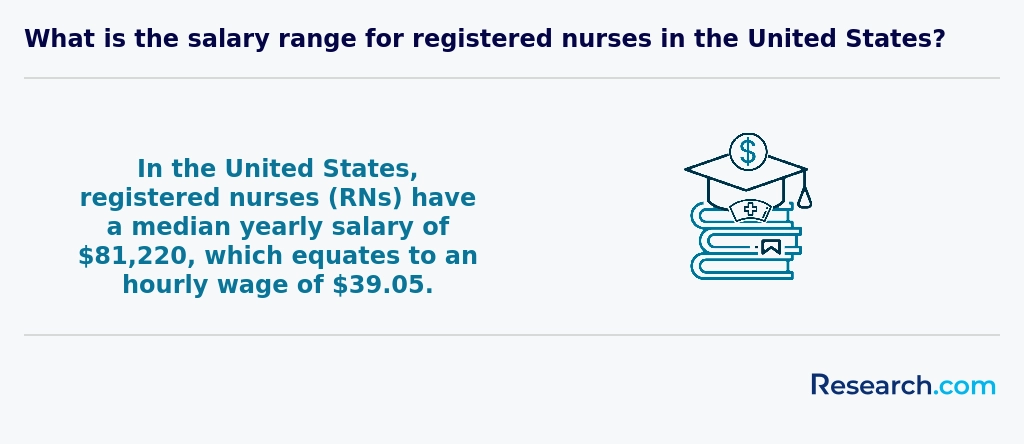
If you're eyeing an online nursing degree in Texas, you're stepping into a field bursting with opportunities. Graduates often start as Registered Nurses, working in everything from bustling Houston hospitals to community health clinics in Dallas. Many folks who've studied at popular Texas schools share how rewarding it is to pass the NCLEX-RN and land great-paying jobs- the median salary hovers around $79,400, so it's a solid career move. For those looking to branch out, becoming a Licensed Vocational Nurse or moving into specialized roles like Nurse Practitioner or Clinical Nurse Specialist is totally doable. Imagine yourself juggling your online classes while gearing up for advanced certifications that open doors to pediatrics or mental health nursing. Plus, there are paths into healthcare administration if leading teams excites you.
Students exploring the Cheapest Online Bachelor's in Nursing Degree Programs Ranking in Ohio often remark how affordable online BSN options in Texas make this dream accessible, tying nicely into the broad range of online nursing career opportunities in Texas. It's all about fitting your degree to your lifestyle and goals.
What is the job market for online nursing degree in Texas?
The job market for online nursing degree graduates in Texas is seriously booming. Graduates from big names like the University of Texas or Texas A&M often share how easy it was to land a solid nursing role soon after finishing their online programs. With Texas's huge healthcare needs-especially in cities like Houston and Dallas-and a growing demand for registered nurses, there's no shortage of opportunities. Many grads find themselves working in fast-paced hospitals or even telehealth roles, which is perfect for those who love technology and flexibility.
The nursing career opportunities Texas 2027 looks promising because the state expects RN jobs to grow by 15% over the next decade. And with nursing programs offered online at reasonable tuition prices, students feel confident investing in their future without breaking the bank. Plus, if you're exploring online cheap colleges in Texas, it's easier than ever to balance work, life, and school while prepping for a career that's in high demand.
Frequently Asked Questions About nursing
Online nursing degree students in Texas can maximize their learning experience by actively engaging with their coursework and clinical practice components. Given that Texas ranks among the top states for nursing job growth, with a projected 15% increase from 2020 to 2030 according to the Texas Center for Nursing Workforce Studies, gaining practical experience is crucial.
Students should utilize virtual simulations and digital resources offered by their programs to enhance clinical skills. Networking with local healthcare providers for in-person clinical hours can provide valuable real-world exposure.
Balancing study schedules and seeking support from faculty through virtual office hours also aids understanding and retention.
The nursing field in Texas is rapidly evolving, with several emerging niches gaining prominence. One key area is geriatric nursing, driven by Texas's growing elderly population. According to the Texas Department of State Health Services, adults aged 65 and older represent over 12% of the state's population and will increase in coming years.
Another growing niche is telehealth nursing, fueled by advances in technology and expanded access to care in rural Texas. Online nursing degrees increasingly include telehealth competencies to prepare students for this role.
Additionally, psychiatric-mental health nursing is expanding as Texas emphasizes mental health services. The Texas Board of Nursing notes demand for specialized nurses to address behavioral health challenges.
These niches offer unique opportunities for nurses seeking specialized, in-demand careers within Texas's healthcare system.
After completing an online nursing degree in Texas, preparing for the job market involves several key steps. First, graduates must pass the NCLEX-RN exam to become licensed registered nurses in Texas, as required by the Texas Board of Nursing. Texas employs over 300,000 registered nurses, with strong demand fueled by a growing population and expanding healthcare facilities (Texas Workforce Commission, 2023).
Building practical experience through clinical rotations or volunteer opportunities strengthens a resume. Networking with local healthcare employers and joining professional associations like the Texas Nurses Association can open job leads and mentorships.
Additionally, tailoring resumes for specific nursing roles and enhancing skills such as electronic health records management is vital. Staying updated on Texas healthcare regulations and continuing education supports long-term career growth in this competitive market.
Employers in Texas prioritize several key skills in nursing degree graduates, especially from online programs. Clinical competence is essential, ensuring graduates can provide safe, effective patient care. According to the Texas Board of Nursing, strong critical thinking and decision-making abilities rank highly among competencies needed in healthcare settings.
Communication skills are also crucial. Nurses must clearly convey information to patients, families, and healthcare teams. A 2023 report by the Texas Health and Human Services highlights teamwork and interpersonal skills as top priorities.
Additionally, proficiency with healthcare technology is increasingly important, given Texas hospitals' adoption of electronic health records (EHRs) and telehealth services. Time management and adaptability complete the list of skills employers seek to ensure quality care and professional growth.
Finding internships in Texas related to a nursing degree involves several strategic steps. Start by contacting your online nursing program's clinical coordinator, who can connect you with approved healthcare facilities across Texas. The Texas Board of Nursing requires clinical experience for licensure, so accredited programs often have partnerships with local hospitals and clinics.
You can also explore internships through the Texas Nurses Association, which offers resources and listings for nursing students seeking clinical placements. Additionally, major healthcare systems in Texas, like Baylor Scott & White and Houston Methodist, frequently offer internships for nursing students.
According to the Texas Workforce Commission, healthcare jobs are projected to grow 15% through 2030, increasing internship opportunities. Networking with registered nurses via professional events or online groups can also help secure placements.
Online nursing degrees in Texas significantly enhance career mobility by offering flexible learning options that accommodate working professionals. This flexibility allows nurses to advance their education without pausing their careers. According to the Texas Board of Nursing, nearly 70% of registered nurses in Texas pursue further education to improve their job prospects.
Higher education credentials, such as a Bachelor of Science in Nursing (BSN), are increasingly required for leadership and specialized roles. The Texas Workforce Commission reports that BSN-prepared nurses earn approximately 10-15% more than those with an associate degree. Online programs accredited by organizations like CCNE ensure graduates meet state licensing criteria, making them eligible for advanced positions.
Studying for a nursing degree in Texas equips students with skills crucial for interdisciplinary roles in healthcare. Texas nursing programs emphasize collaboration with professionals from fields such as medicine, social work, and pharmacy. This approach reflects state healthcare needs, where teamwork improves patient outcomes and efficiency. According to the Texas Board of Nursing, many programs incorporate simulation labs and case studies involving multiple healthcare disciplines to prepare students. Online degrees also stress communication skills and ethical decision-making, important for coordinating care among diverse teams. Graduates are thus well-prepared to work effectively in complex healthcare settings prevalent across Texas.
Choosing between a thesis and a non-thesis nursing degree program in Texas depends largely on your career goals. Thesis programs emphasize research, requiring students to complete original studies and a written dissertation. This route is ideal for those considering advanced degrees or research-focused roles.
The Texas Board of Nursing notes that clinical practice remains key, so non-thesis options often focus on practical skills and coursework, appealing to those aiming for direct patient care or administrative positions.
Online programs in Texas, accredited regionally, generally offer both tracks, allowing flexibility. Consider your workload capacity: thesis paths demand more time for research, while non-thesis programs usually complete faster.
Finally, review program details at Texas universities such as the University of Texas or Texas A&M to compare offerings and faculty expertise.
Students based in Texas who wish to study nursing abroad have limited options due to the need for U.S. nursing licensure. Most online nursing degree programs focus on providing education domestically while offering clinical placements within the U.S. However, some universities collaborate with international partners for exchange or clinical experience abroad.
Texas students interested in international exposure should ensure their chosen program is accredited by the Commission on Collegiate Nursing Education (CCNE) or Accreditation Commission for Education in Nursing (ACEN). These accreditations are important for meeting Texas Board of Nursing requirements.
Since Texas requires passing the NCLEX-RN exam, clinical hours completed abroad must align with U.S. standards to qualify for licensure.
Working part-time while pursuing an online nursing degree in Texas can provide valuable hands-on experience and financial support. Common roles include certified nursing assistant (CNA), medical scribe, or patient care technician. These positions enhance clinical skills and improve familiarity with healthcare environments.
Texas, with its growing healthcare industry, often demands CNAs, especially in long-term care facilities. According to the Texas Department of State Health Services, CNAs can earn around $13-$17 per hour, making the role accessible for students balancing studies.
Other options include working in outpatient clinics or telehealth support, where flexible hours accommodate academic commitments. Such jobs help students understand patient communication and healthcare protocols effectively.
Online nursing students in Texas have several networking opportunities to enhance their professional connections despite the remote nature of their studies. Many Texas universities offer virtual nursing student groups and online forums where peers and faculty regularly interact. These platforms help students exchange knowledge and job leads.
In addition, the Texas Nurses Association (TNA) provides events, webinars, and local chapter meetings that online students can attend, supporting statewide networking.
Clinical placements, often part of online programs, connect students with healthcare professionals in Texas hospitals and clinics, fostering valuable real-world contacts.
According to the Texas Board of Nursing, over 300,000 registered nurses work in the state, making these networks essential for job placement and career growth.
Alumni networks provide valuable support for online nursing degree students in Texas by offering professional connections essential for career growth. In a state with over 280,000 licensed nurses, these networks can connect students to job opportunities across diverse healthcare settings such as hospitals, clinics, and community health organizations.
They also facilitate mentoring relationships, allowing recent graduates to benefit from experienced nurses' insights on Texas-specific regulations and clinical practices. According to the Texas Board of Nursing, strong professional connections enhance employment rates post-graduation. Alumni groups often host workshops and share job leads, improving students' readiness for licensure exams like the NCLEX-RN.
Such networks foster a sense of community among remote learners, combating the isolation common in online education.
Customizing your online nursing degree program in Texas allows you to align education with specific career goals. Many Texas schools offer flexible electives, letting students focus on specialties like pediatrics, geriatrics, or community health. Accredited programs approved by the Texas Board of Nursing ensure your courses meet professional standards.
Additionally, some programs provide options for clinical placements in your local area, helping you gain experience relevant to your desired field. With Texas' growing healthcare industry, tailoring your studies can improve job opportunities. According to the Texas Center for Nursing Workforce Studies, nursing specialization can impact salary and employment stability, making customization valuable.
Online nursing students in Texas face several common challenges as they pursue their degrees. One major hurdle is balancing clinical practice requirements with their online coursework. Texas nursing programs often require in-person clinical hours that can be difficult to schedule around work and family obligations.
Another challenge is navigating state-specific licensure and accreditation standards. Texas has strict Board of Nursing regulations, so students must ensure their programs meet these requirements to qualify for the NCLEX-RN exam.
Technology barriers are also significant, as reliable internet access and familiarity with digital platforms are essential. According to the Texas Center for Nursing Workforce Studies, about 15% of students report difficulties with online learning tools.
Finally, online nursing learners may experience limited peer interaction, which can affect motivation and support during demanding coursework.
An online nursing degree in Texas prepares graduates to pursue several professional certifications that enhance career opportunities. Most graduates first seek licensure as a Registered Nurse (RN) by passing the NCLEX-RN exam, which Texas Board of Nursing requires.
With an RN license, nurses can pursue specialty certifications such as the Certified Medical-Surgical Registered Nurse (CMSRN) or the Pediatric Nursing Certification. These certifications demonstrate advanced knowledge and skills in specific nursing areas.
Advanced practice certifications, including the Nurse Practitioner (NP) or Clinical Nurse Specialist (CNS), typically require a master's degree but start with a bachelor's nursing foundation. According to the Texas Center for Nursing Workforce Studies, certified nurses in Texas earn higher salaries and have better job stability.
Writing a winning application for an online nursing program in Texas requires clear demonstration of your academic readiness and passion for nursing. Most Texas programs look for a minimum GPA of 3.0, along with prerequisite coursework in biology and anatomy. Highlighting any clinical or healthcare experience strengthens your case, as Texas employers value practical skills.
The Texas Board of Nursing reports a rising demand for nurses, with a projected 15% job growth by 2030. Including a well-crafted personal statement that explains your motivation and commitment can set you apart. Be sure to request strong recommendation letters from healthcare professionals or educators familiar with your work ethic.
Additionally, meet all application deadlines and submit all required documents, such as transcripts and proof of licensure if applicable. Programs accredited by the Commission on Collegiate Nursing Education (CCNE) ensure quality education recognized across Texas.
The nursing profession holds a respected place worldwide, with growing demand driven by aging populations and healthcare advancements. In the United States, including Texas, nursing is viewed as a stable and rewarding career with numerous opportunities for specialization and advancement. According to the Texas Board of Nursing, the state expects employment for registered nurses to grow by 15% through 2030, reflecting nationwide trends.
Globally, nurses are valued as essential healthcare providers. Many countries emphasize advanced education and training, similar to the U.S., where online nursing degrees offer flexible pathways for career growth. This international recognition supports global mobility for nurses trained in Texas, facilitating work abroad.
Moreover, nursing careers increasingly demand cultural competence, technology skills, and evidence-based practice, aligning with educational standards in Texas's online programs.
Gaining practical experience is essential when pursuing an online nursing degree in Texas. Most accredited programs require clinical hours to satisfy Texas Board of Nursing standards. Students typically complete these hours at local healthcare facilities such as hospitals, clinics, or community health centers near their residence.
Online nursing programs often assist in arranging clinical placements by partnering with healthcare providers across the state. This approach ensures students can fulfill hands-on requirements without relocating. According to the Texas Center for Nursing Workforce Studies, clinical experience improves graduates' readiness for Texas's nursing workforce, which is projected to grow by 15% through 2030.
Additionally, simulation labs and virtual clinical platforms may supplement real-life practice but cannot replace hands-on patient care mandatory for licensure.
Choosing the right concentration in an online nursing degree program in Texas depends on your career goals and interests. Common concentrations include family nurse practitioner, psychiatric mental health, and pediatric nursing. Each prepares you for different roles and work settings, so research job demand in Texas, where registered nursing is projected to grow 15% through 2030, according to the Texas Workforce Commission.
Consider program accreditation by the Commission on Collegiate Nursing Education (CCNE) or the Accreditation Commission for Education in Nursing (ACEN), which ensures quality education and eligibility for licensure.
Review curriculum details and clinical requirements to match your learning style and availability.
Related Nursing Rankings for Nearby States
- 2027 Most Valuable Online Bachelor's in Nursing Degree Programs Ranking in Louisiana
- 2027 Most Valuable Online Bachelor's in Nursing Degree Programs Ranking in Oklahoma
- 2027 Most Valuable Online Bachelor's in Nursing Degree Programs Ranking in Arkansas
- 2027 Most Valuable Online Bachelor's in Nursing Degree Programs Ranking in New Mexico
- 2027 Most Valuable Online Bachelor's in Nursing Degree Programs Ranking in Kansas
- 2027 Most Valuable Online Bachelor's in Nursing Degree Programs Ranking in Missouri
- 2027 Most Valuable Online Bachelor's in Nursing Degree Programs Ranking in Colorado
- 2027 Most Valuable Online Bachelor's in Nursing Degree Programs Ranking in Mississippi
- 2027 Most Valuable Online Bachelor's in Nursing Degree Programs Ranking in Tennessee
- 2027 Most Valuable Online Bachelor's in Nursing Degree Programs Ranking in Arizona
Top Trending Nursing Rankings
See What Experts Have To Say About Studying Nursing
Read our interview with Nursing experts

Lisa Grubb
Nursing Expert
Assistant Professor
Johns Hopkins School of Nursing

References
- College of Nursing Scholarship and Programmatic Funds - College of Nursing https://www.unthealth.edu/college-of-nursing/college-of-nursing-scholarship-and-programmatic-funds.html
- Nursing Internship and Externship Programs https://jobs.mayoclinic.org/nursinginternexternprograms
- Online ABSN Prerequisites - Concordia University Texas https://absn.concordia.edu/admissions/absn-prerequisites/
- Your Questions About Online Nursing School, Answered https://www.allnursingschools.com/how-to-get-into-nursing-school/online-programs/
- Essential Tips for Nursing Students to Advance Their Careers https://almanaltraining.com/essential-tips-for-nursing-students-to-advance-their-careers/
- How to choose the right online nursing program in Texas for your career - Dallas Voice https://dallasvoice.com/how-to-choose-the-right-online-nursing-program-in-texas-for-your-career/
- Know more about thesis vs non- thesis: what is the difference? https://studyfans.com/en/blogs/816
- How to Choose the Right Nursing Program for Your Career Goals - Maria College https://mariacollege.edu/blog/how-to-choose-the-right-nursing-program-for-your-career-goals
- 7 Things to Consider When Getting a Nursing Degree Online https://onlinedegrees.elmhurst.edu/blog/seven-things-consider-when-picking-online-nursing-program
- 2025 Most Affordable Online Nursing Programs https://www.onlineu.com/most-affordable-colleges/nursing-degrees


