
2027 Most Valuable Psychology Degree Programs Ranking in Mississippi

Co-Founder and Chief Data Scientist
Choosing the right psychology degree program in Mississippi can feel overwhelming. This article introduces the 2027 Most Valuable Psychology Degree Programs Ranking in Mississippi, thoughtfully created by the Research.com team of data scientists.
It's designed to help you make an informed decision by highlighting programs that offer strong value and opportunity. Whether you're starting fresh or planning your next step, exploring these rankings can guide you toward a rewarding educational path.
Discover how a psychology degree can open doors to meaningful careers and personal growth.
Key benefits of getting psychology degree in Mississippi
- Salary for psychology degree graduates: Jobs like Clinical Research Associate and Survey Researcher offer mean annual wages around $62,370, while Marketing Research Analysts can earn approximately $83,190, providing solid financial opportunities in Mississippi.
- Potential career paths: Graduates from popular Mississippi universities often pursue roles in research, human resources, or marketing analysis, giving them diverse and rewarding options in both public and private sectors.
- Benefits of online psychology degrees: Online graduates enjoy flexible study schedules and lower commuting costs, making it easier to balance work and life while gaining the same valuable skills as traditional programs.
- Key benefits of getting psychology degree in Mississippi
- What can I expect from psychology degree in Mississippi?
- Where can I work with psychology degree in Mississippi?
- How much can I make with psychology degree in Mississippi?
- 2027 Most Valuable Psychology Degree Programs Ranking in Mississippi
- Key Findings
- How long does it take to complete psychology degree in Mississippi?
- Licensure and Certification Requirements in Mississippi
- What's the difference between online and on-campus psychology degree?
- Enhancing Your Career with Advanced Psychology Degrees
- What is the average cost of psychology degree in Mississippi?
- Accelerated Degree Pathways in Mississippi
- What financial aid is available to psychology degree students in Mississippi?
- Accreditation and Licensure in Psychology in Mississippi
- What are the prerequisites for enrolling in psychology degree program in Mississippi?
- Most Affordable Psychology Schools in Mississippi: A Key Consideration for Prospective Students
- What courses are typically in psychology degree programs in Mississippi?
- What types of specializations are available in psychology degree programs in Mississippi?
- How do you choose the best psychology degree in Mississippi?
- What career paths are available for psychology degree students in Mississippi?
- What is the job market for psychology degree in Mississippi?
- Related Psychology Rankings for Nearby States
- Top Trending Psychology Rankings
- See What Experts Have To Say About Studying Psychology
What can I expect from psychology degree in Mississippi?
The average cost of pursuing a psychology degree in Mississippi offers an inviting balance between quality and affordability, making it an exciting option for many students. At public universities like the University of Mississippi or Mississippi State University, tuition typically ranges from $8,000 to $10,000 per year for in-state students, which helps graduates feel empowered to invest in their education without overwhelming debt.
Imagine walking through the campus of Belhaven University, where smaller class sizes mean you're not just a number, and the tuition-slightly higher at around $20,000 annually-reflects personalized attention and tailored mentorship. Many graduates recall feeling a strong sense of community and hands-on learning opportunities, like internships, which enrich their adventurous journey into psychology.
These varying price points allow Mississippi students to choose programs that fit their budget while still stepping into vibrant academic atmospheres, combining rigorous coursework with real-world practice in clinical or research settings that spark curiosity and professional growth.
Where can I work with psychology degree in Mississippi?
With a psychology degree in Mississippi, adventurous graduates often find themselves stepping into vibrant roles across hospitals, schools, and community mental health centers. Imagine joining a bustling mental health clinic in Jackson, where you support underserved populations and gain hands-on experience, just like many psychology grads from the University of Mississippi have shared. It's the kind of work that lights up your passion for helping others.
Many explore school-based roles in places like Mississippi State University's education system, thriving as school psychologists or counselors. The state's investment in mental health programs in K-12 schools means these paths are growing, offering a rewarding opportunity to touch young lives every day.
Mississippi's government agencies and nonprofit organizations beckon too. Graduates often discover fulfilling positions in program coordination, research, or policy advising, bringing psychological insight into shaping community services. Picture working for the Department of Mental Health, influencing real change.
Corporate roles in human resources or marketing research also appear on this exciting map, where psychology skills unravel human behavior in the workplace. Embarking on these career adventures energizes many graduates, eager to make a difference across the state.
How much can I make with psychology degree in Mississippi?
Graduates from psychology programs at the University of Mississippi or Mississippi State University embark on exciting career paths with varied earning potentials. Entry-level roles, such as childcare workers, often start around $32,000 annually, offering a hands-on way to grow in the field. Some adventurous graduates dive into clinical research, becoming clinical research associates or survey researchers, where they can earn close to $62,000 a year while contributing to impactful studies.
Others take a strategic twist, applying their psychology knowledge as marketing research analysts, where the mean salary reaches around $83,000 annually-an enticing jump for those interested in data-driven consumer insights. Human resources specialists, another common path, enjoy mean wages near $76,000, blending psychology with workplace wellbeing and organizational success.
Imagine tackling real challenges through internships around Jackson, gaining skills that translate into these diverse roles. It's a rewarding journey, where the Mississippi backdrop adds unique opportunities and a supportive community to help you thrive in your psychology career.
2027 Most Valuable Psychology Degree Programs Ranking in Mississippi
How do we rank schools?
Investing in your education is a significant decision that can shape your future, and the Research.com team understands the importance of making informed choices. To assist prospective students in Mississippi, we have meticulously crafted the "2027 Most Valuable Psychology Degree Programs Ranking in Mississippi." Our commitment to quality, credibility, and accuracy is reflected in the extensive research and analysis conducted to compile this ranking.
We utilized the following reputable data sources to ensure a comprehensive evaluation of psychology degree programs:
By exploring this ranking, readers will gain valuable insights into the most valuable psychology degree programs in Mississippi, enabling them to make well-informed decisions about their educational and professional futures. For more information on how our ranking was created, please visit our Research.com methodology page.


Key Findings
- Annual tuition for a bachelor's degree in psychology at public universities in Mississippi ranges from $8,000 to $12,000 for in-state students, while private schools can charge up to $25,000.
- Entry-level salaries for psychology graduates with a bachelor's degree in Mississippi average between $35,000 and $45,000 per year.
- Licensed psychologists with advanced degrees earn median salaries between $70,000 and $90,000 annually in Mississippi.
- The state requires at least 3,000 supervised hours after graduation and passing the Examination for Professional Practice in Psychology (EPPP) for licensure.
- Job growth for psychologists in Mississippi is projected to be moderate, with key employment sectors including healthcare, education, government, and private practice.
How long does it take to complete psychology degree in Mississippi?
Embarking on a journey to earn a psychology degree in Mississippi often means dedicating around four vibrant years for a bachelor's degree. Imagine walking the halls of the University of Mississippi or Mississippi State University, where students dive into 120 to 130 credit hours filled with intriguing psychology courses and general studies. Many graduates fondly remember the challenge and growth experienced during this immersive time.
For those eager to deepen their expertise, pursuing a master's degree typically adds two more adventurous years. These programs often attract students ready to blend clinical practice and research, gaining hands-on experience that feels both exciting and purposeful.
The path to a doctoral degree can take anywhere from four to seven years, a thrilling commitment for those passionate about exploring psychology's frontiers through intensive research or clinical residencies. While fewer schools offer this path, the University of Mississippi stands out as a beacon for future psychologists embracing this rewarding journey.
Whether studying full-time or part-time, the timeline invites students to engage deeply with their education, savoring each step toward becoming dedicated professionals in Mississippi's vibrant psychology community.
Licensure and Certification Requirements in Mississippi
Graduates of psychology programs in Mississippi must satisfy specific licensure and certification criteria governed by the Mississippi Board of Psychology to practice independently. To become a Licensed Psychological Practitioner (LPP), candidates must: • Education and Accreditation: Hold a doctorate (Ph.D. or Psy.D.) from an APA‐accredited program or an equivalent institution recognized by the Board. Prospective doctoral candidates should compare institutions, including cost and accreditation, such as the least expensive psyd programs that maintain APA standards. • Supervised Experience: Complete at least 2,000 hours of supervised post-doctoral experience under a Board-approved supervisor. Documentation must include detailed logs of clinical activities and supervisor evaluations. • Examinations: Pass the Examination for Professional Practice in Psychology (EPPP) with a minimum scaled score as defined by the Association of State and Provincial Psychology Boards (ASPPB). In addition, candidates must pass the Mississippi Jurisprudence and Ethics Exam, which tests state statutes and ethical guidelines. • Application and Fees: Submit a licensure application form along with official transcripts, supervision verification, exam scores, and applicable fees to the Mississippi Board of Psychology. Incomplete applications may result in processing delays. • Continuing Education: Once licensed, maintain certification through 40 hours of approved continuing education every two years, including ethics, cultural competence, and practice‐specific coursework. For those seeking to practice as a Licensed Specialist in School Psychology (LSSP), requirements differ slightly, emphasizing school‐based fieldwork and collaboration with educational stakeholders. Understanding these pathways ensures that graduates can transition smoothly from academia to professional practice, safeguarding both career success and public welfare.
What's the difference between online and on-campus psychology degree?
Choosing between online and on-campus psychology degrees in Mississippi feels like picking your own adventure. Imagine studying at the University of Southern Mississippi from your favorite cozy spot, setting your own pace with asynchronous courses that fit around work or family life. Graduates often share how this flexibility helped them balance demanding schedules while still diving deep into fascinating psychology topics.
By contrast, attending Delta State University on campus offers the buzz of real-time connections. Picture bustling halls, lively discussions with professors, and face-to-face internships in nearby clinical settings. Students treasure those hands-on experiences, feeling the energy of class debates and the support of peers as they navigate practicum challenges together.
Financially, online learners cut costs on commuting and housing, but both paths keep you close to Mississippi's rich psychology community. Whether unlocking theories through virtual lectures or chatting with mentors between classes at Mississippi State University, each route opens doors uniquely tailored to your journey.
Enhancing Your Career with Advanced Psychology Degrees
Advanced studies in psychology have become a vital step for professionals seeking greater specialization and leadership roles in the field. Earning a master’s degree not only deepens your understanding of complex psychological theories and practices but also opens doors to advanced research, clinical opportunities, and higher-level positions in both public and private sectors. Modern programs offer comprehensive curricula that blend evidence-based coursework with practical applications, ensuring that graduates are well-equipped to handle evolving industry challenges. For students balancing career and personal commitments, pursuing an online advanced degree can provide the flexibility needed to achieve academic goals without compromising professional growth. In fact, many institutions now offer programs that deliver rigorous training through digital platforms. If you’re considering this path, exploring options such as masters in psychology online accredited could be a strategic step toward enhancing your career trajectory. Moreover, advanced psychology degrees provide critical networking opportunities, allowing students to connect with industry experts, participate in cutting-edge research, and engage in hands-on experiences that reinforce classroom learning. These aspects not only increase your employability but also foster continuous professional development in a rapidly changing landscape. Whether your goal is to move into clinical practice, academia, or corporate settings, an advanced degree in psychology is a powerful tool that can propel you toward long-term success.
What is the average cost of psychology degree in Mississippi?
The average cost of a psychology degree in Mississippi offers an interesting mix of affordability and opportunity for eager students. For those attending public universities like the University of Mississippi or Mississippi State University, in-state tuition and fees usually total around $10,100-making it an inviting choice for local students hopeful to explore the mind without diving into overwhelming debt. Graduates often reflect on how this manageable cost allowed them to focus more on their studies and internships rather than constant financial stress.
However, for out-of-state students, the cost can jump significantly, reaching close to $29,453 on average-reflecting the full investment required to pursue psychology in Mississippi's vibrant academic scene. Whether students are delving into behavioral research or clinical psychology, understanding these numbers helps craft a realistic outlook on the financial commitment ahead.
Many psychology students in Mississippi mention the joy of balancing college life with their passion for understanding human behavior, especially at campuses where community and learning come alive. Beyond tuition, expenses like textbooks, supplies, and living costs also shape the adventure of a psychology degree, reminding students that the total cost is much more than just fees. If you're curious about budget-friendly options, exploring the most affordable psychology schools in Mississippi can reveal hidden gems that match your aspirations and wallet.
Diving into psychology in Mississippi means embracing not only fascinating coursework but also a strategic approach to tuition, financial aid, and program length. The average cost of psychology degree in Mississippi speaks to a journey that blends intellectual excitement with practical planning-sparking excitement for what lies ahead at every step.

Accelerated Degree Pathways in Mississippi
Many students seek ways to shorten time to graduation without sacrificing quality. Consider these strategies:
- Transfer up to 60 credits from community colleges or AP/IB exams
- Enroll in summer and winter intersession courses to reduce total semesters
- Choose cohort-based or accelerated tracks designed for motivated students
- Pursue a fast track psychology degree online for flexible pacing
- Leverage CLEP exams and prior learning assessments where available
With these options, you can complete a bachelor’s in as few as three years, lower tuition costs, and enter the workforce sooner.
What financial aid is available to psychology degree students in Mississippi?
Pursuing a psychology degree in Mississippi opens doors to diverse financial aid designed to lighten the load. Imagine a psychology student at the University of Mississippi feeling relief as a Pell Grant of up to $7,395 covers most of their tuition, letting them focus more on their studies than their wallet.
Alongside federal aid, the Mississippi Tuition Assistance Grant (MTAG) brings extra support, rewarding those who maintain a 2.5 GPA and take at least six credit hours each semester with up to $1,500 annually. Psychology students from Mississippi State University often tap into this merit-based boost, which fuels their academic adventure.
Many graduates cherish departmental scholarships offered by their universities, recognizing dedication in academics and community service. Others discover private scholarships from local organizations or the Mississippi Psychological Association, weaving financial support and networking opportunities into their education.
Work-study jobs on campus also provide real-world experience while easing expenses, creating a balanced, enriching journey through psychology studies in Mississippi's vibrant college communities.
Accreditation and Licensure in Psychology in Mississippi
Attending an APA-accredited psychology program in Mississippi is foundational to meeting state licensure requirements and ensuring your degree is recognized nationwide. The Mississippi Board of Psychology mandates that applicants hold a doctoral or master’s degree from a regionally accredited institution with coursework in ethics, psychopathology, assessment, and research methods. Graduates must complete at least 3,000 hours of supervised professional experience-1,500 as predoctoral and 1,500 as postdoctoral-and pass the Examination for Professional Practice in Psychology (EPPP) as well as a state jurisprudence exam. Maintaining licensure requires continuing education: licensed psychologists in Mississippi must earn 12 contact hours annually, including at least two hours in ethics. Many universities partner with professional associations to offer workshops and online seminars, making it easier to stay current. Prospective students should verify that internships and practicum placements are not only relevant to their specialization but also approved by the Mississippi Board of Psychology to count toward supervised hours. For those weighing program costs against accreditation status and licensure success rates, it can be helpful to explore affordability and accreditation data from neighboring states. For example, research into the Affordable Psychology Degree Programs Ranking in Wichita, KS can offer valuable insights into tuition models and accreditation standards that may influence your decision-making process.
What are the prerequisites for enrolling in psychology degree program in Mississippi?
To dive into a psychology degree in Mississippi, students usually start by showcasing their academic spark with a high school diploma or GED. Picture a bright graduate from the University of Mississippi, whose love for problem-solving in math and vivid stories in English helped craft a solid application. Many universities here ask for SAT or ACT scores, though some embrace a test-optional path, easing the journey for adventurous learners who shine through their personal statements and letters of recommendation.
At the graduate level, the path grows clearer and more focused. Imagine a Jackson State graduate who thrived in biology and statistics, achieving a 3.0 GPA, the common threshold to show readiness for advanced psychology studies. GRE scores often come into play, but some programs welcome students with rich professional experience, showing flexibility and respect for diverse backgrounds.
Volunteer stints and internships in local mental health centers add a vibrant layer to any application, fueling hands-on passion that universities like Mississippi State truly value.
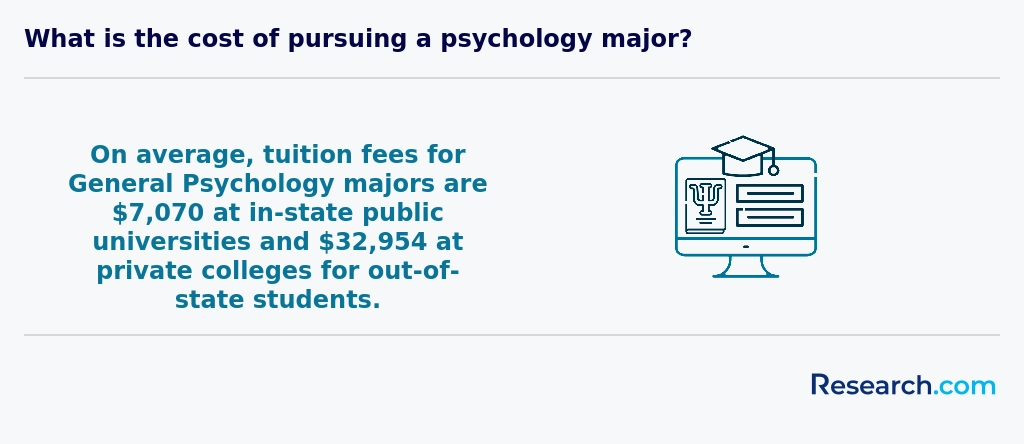
Most Affordable Psychology Schools in Mississippi: A Key Consideration for Prospective Students
When considering a psychology degree in Mississippi, one of the most critical factors for prospective students is the cost of tuition and the availability of financial aid. Given the significant investment required for higher education, understanding the financial implications is essential. For students seeking to minimize their educational expenses, exploring the most affordable psychology schools in Mississippi can be a strategic move. By choosing an affordable institution, students can reduce their financial burden, allowing them to focus more on their studies and less on the accumulating debt. This decision can also open up more opportunities for post-graduate pursuits, whether that be further education or entering the workforce. Institutions such as the University of Southern Mississippi and Mississippi State University offer not only competitive pricing but also high-quality programs that are accredited and well-regarded in the field of psychology. Moreover, these institutions often provide a range of financial aid options, including scholarships, grants, and work-study programs, further reducing the cost for students. In the long run, attending an affordable psychology school in Mississippi can be a wise decision, leading to a valuable degree without the excessive financial strain, thereby enhancing the overall educational experience and post-graduation opportunities.
What courses are typically in psychology degree programs in Mississippi?
Diving into a psychology degree in Mississippi means embarking on a journey through fascinating courses that unravel the mysteries of the mind. At well-known universities and colleges here, students often find themselves captivated by core classes like Introduction to Psychology, where they get a broad glimpse of how human thoughts and behaviors shape our world. Imagine a graduate recalling their excitement when learning about brain chemistry in Biological Psychology-suddenly, everyday feelings and actions start to make scientific sense.
Research Methods in Psychology is another cornerstone, equipping students to design experiments and analyze data, skills a senior once described as "empowering" when conducting their own thesis project at a Mississippi public university. Beyond these, Cognitive Psychology sparks curiosity with its investigation into memory and decision-making, topics students eagerly discuss in campus study groups.
Specialized classes-like Developmental and Social Psychology-bring real-life contexts to the forefront, enabling learners to connect course material to stories from community internships and hands-on practicum experiences common in Mississippi programs.
What types of specializations are available in psychology degree programs in Mississippi?
Diving into a psychology degree in Mississippi opens incredible doors through diverse specializations tailored to fit your passion. Many students from institutions like the University of Mississippi or Mississippi State University find excitement in clinical psychology, where they learn hands-on techniques to support those facing mental health challenges. Imagine working closely with patients in a hospital setting, applying assessment methods and therapy skills you've mastered.
Exploring psychology degree specializations in Mississippi also leads many to counseling psychology, a path filled with rewarding moments helping people cope with life's stresses. Graduates often recall the joy of seeing tangible progress in clients through compassionate guidance. Developmental psychology, favored by others, immerses students in the fascinating journey of human growth, perfect for those eager to work with children or elder care populations.
A few adventurous students embrace industrial-organizational psychology, intrigued by how workplace behavior shapes success and employee wellness in vibrant business environments. Others dive into experimental psychology's world of research and cognitive mysteries, nurturing a love for discovery and data-driven insights. For added variety, some programs include forensic or health psychology concentrations.
Mississippi psychology program focus areas offer such rich options that many graduates shape their careers in unique, powerful ways. Those who crave flexibility often advance their studies through a masters in psychology online accredited, blending convenience with quality education. This broad spectrum welcomes every curious mind ready to explore human behavior from fields that resonate deeply with their personal calling.
How do you choose the best psychology degree in Mississippi?
Choosing the best psychology degree in Mississippi means diving into a world of exciting options, from bachelor's programs that spark curiosity to advanced degrees that open doors to clinical roles. Imagine yourself walking the halls of a well-accredited university, where graduates recall how the solid curriculum and expert faculty at places like the University of Southern Mississippi shaped their journey. They often highlight how internships at local clinics transformed theory into real-life impact.
Cost plays a role too-public universities here offer affordable psychology degrees Mississippi students find manageable, often balancing work and study through flexible online or hybrid courses. Graduates cherish how these options let them explore their passion without giving up a paycheck.
When hunting for your path, seek programs offering specializations that resonate with your dreams, whether forensic psychology or counseling. And if budget's a concern, check out the least expensive psyd programs that provide quality without compromise.

What career paths are available for psychology degree students in Mississippi?
Graduates with a psychology degree from popular universities in Mississippi find themselves on a fascinating journey of career exploration. Many dive into the world of licensed mental health professionals, where roles like clinical or counseling psychologists offer fulfilling opportunities to support individuals in deeply personal ways. This path often requires further study, but the vibrant communities around schools such as the University of Mississippi provide the perfect launchpad for these ambitions.
Others embrace the role of school psychologists, working within Mississippi's educational systems to directly impact students' lives through counseling and behavioral support. These positions are highly valued, ensuring strong job prospects with psychology degree Mississippi. Graduates often describe the rewarding feeling of helping young minds flourish as a driving force behind their career choice.
For those drawn to research or organizational roles, Mississippi graduates channel their curiosity into universities or businesses. They explore human behavior in real-world settings, employing their insights in areas from marketing to human resources. If you're seeking a practical, yet adventurous start, check out the Affordable Psychology Degree Programs Ranking in Wichita, KS for inspiration on balancing education costs and career dreams.
What is the job market for psychology degree in Mississippi?
The job market for psychology degree holders in Mississippi invites exploration with its blend of steady growth and practical opportunities. Graduates from universities such as the University of Mississippi and Jackson State often discover roles in mental health clinics or school counseling, where their skills directly impact community wellbeing. The job outlook for psychology graduates in Mississippi shows promise, especially as local schools and healthcare providers increasingly seek passionate professionals to meet rising demands.
Imagine starting your career in Jackson or Gulfport, where specialized positions offer competitive salaries that reflect your advanced skills and education. Despite lower entry-level wages compared to national figures, the cost of living and affordable in-state tuition around $7,000 to $10,000 makes Mississippi a compelling launchpad. Many graduates appreciate how expanding mental health services create new doors, and they often consider additional credentials like certifications that pay well without a degree to boost their prospects.
Psychology career opportunities in Mississippi depend largely on advanced training and licensure, yet starting locally can be rewarding as you gain experience helping tackle substance abuse or support school systems. The sense of meaning and connection in these roles often motivates students to pursue their dreams right here in the Magnolia State.
Frequently Asked Questions About psychology
Psychology degree students in Mississippi can maximize their learning experience by actively engaging in both academic and practical opportunities. Many universities offer internships or research assistant positions, which provide hands-on experience essential for understanding real-world psychological concepts. According to the Mississippi Institutions of Higher Learning, students who participate in internships report higher employment rates post-graduation.
Students should also utilize campus resources, including tutoring centers and psychology clubs, to deepen their understanding. Attending seminars and conferences hosted by organizations like the Mississippi Psychological Association helps students stay current with emerging research and network with professionals.
Furthermore, Mississippi's licensing requirements emphasize supervised fieldwork, making early involvement in practicums beneficial for career readiness.
The psychology field is evolving, with new and specialized areas gaining attention. In Mississippi, emerging niches include neuropsychology, which studies how brain injuries affect behavior, and health psychology, focusing on how mental health impacts physical wellness. Another growing area is forensic psychology, serving legal and correctional systems in the state.
Additionally, industrial-organizational psychology is expanding due to Mississippi's growing business sectors, helping improve workplace productivity and employee well-being. According to the Mississippi Department of Employment Security, demand for psychologists is expected to grow by 10% through 2030, reflecting national trends reported by the U.S. Bureau of Labor Statistics. Students pursuing degrees in these niches can expect strong career opportunities.
To prepare for the job market after completing a psychology degree in Mississippi, students should first pursue relevant internships and practicum experiences. These opportunities provide practical skills employers seek. According to the Mississippi Department of Employment Security, healthcare and social assistance sectors, including mental health services, are projected to grow by over 12% from 2022 to 2032, increasing demand for psychology graduates.
Networking with professionals through organizations such as the Mississippi Psychological Association can enhance job prospects. Additionally, obtaining certifications, like those in behavioral analysis or counseling, may offer a competitive edge. Graduates should also consider continuing education or graduate programs to expand career options within the state's evolving job market.
Employers in Mississippi highly value psychology graduates who demonstrate strong communication skills, enabling them to effectively interact with clients and colleagues. Critical thinking and analytical abilities are essential for interpreting research data and applying psychological theories in practical settings. According to the U.S. Bureau of Labor Statistics, these skills improve job prospects in Mississippi's growing behavioral health sector.
Additionally, proficiency in research methods and statistical analysis is crucial, as many employers expect graduates to contribute to evidence-based practices. Cultural competence is increasingly important due to Mississippi's diverse populations, allowing psychologists to provide inclusive and sensitive care. Time management and ethical decision-making also rank among the top desired traits for entry-level positions.
Finding internships in Mississippi relevant to a psychology degree involves exploring multiple local and regional resources. Many universities in Mississippi, such as the University of Mississippi and Mississippi State University, offer internship placement support through their psychology departments. Students should also consult the Mississippi Psychological Association, which provides networking opportunities and lists internship openings at clinics, hospitals, and community health centers.
Additionally, the Mississippi Department of Mental Health operates various programs where psychology students can intern and gain practical experience. National databases like the American Psychological Association's internship directory also include Mississippi options. Beginning early, connecting with faculty advisors, and attending local psychology events greatly improve internship prospects.
A psychology degree in Mississippi can significantly enhance career mobility and advancement opportunities within the state's evolving job market. According to the U.S. Bureau of Labor Statistics, Mississippi's demand for psychologists and related social science professionals is expected to grow steadily through 2031, driven by increased mental health awareness.
Graduates with a bachelor's or advanced degree in psychology qualify for roles in counseling, social work, education, and human resources. In Mississippi, employers often prefer candidates with specialized knowledge, such as clinical or school psychology, linked to higher wages and leadership positions.
Additionally, earning a psychology degree can lead to licensure as a professional counselor or psychologist, which expands job potential across healthcare settings and educational institutions. This credentialing is crucial for advancing into supervisory or private practice roles.
Studying for a psychology degree in Mississippi equips students with skills applicable across various fields such as healthcare, education, and social services. Programs emphasize foundational knowledge in behavior, cognition, and research methods, preparing graduates to collaborate with professionals in medicine, social work, and business. Mississippi universities often integrate interdisciplinary coursework, encouraging understanding of diverse perspectives. According to the Mississippi Institutions of Higher Learning, many psychology programs include practical experiences that promote teamwork and communication.
Additionally, the growing demand for mental health professionals in Mississippi highlights the need for flexible skills. Graduates frequently enter roles combining psychology with public health or criminal justice, demonstrating the degree's broad applicability. This interdisciplinary preparation enhances career opportunities statewide.
When choosing between a thesis and a non-thesis psychology degree program in Mississippi, consider your career goals first. Thesis programs emphasize research and prepare students for doctoral studies or research-intensive roles. Non-thesis programs focus more on coursework and practical skills for immediate entry into the workforce.
In Mississippi, universities like the University of Mississippi offer both options, often with similar credit requirements but different project commitments. According to the National Center for Education Statistics, around 40% of psychology graduate students nationwide prefer thesis tracks, valuing the research experience for future academic roles.
Financially, thesis programs may take longer, affecting tuition costs. Non-thesis programs often appeal to professionals aiming for clinical or counseling positions requiring licensure rather than research. Review each school's curriculum carefully and consider how the choice aligns with your professional ambitions.
Students based in Mississippi interested in studying psychology abroad have several pathways through U.S. higher education programs offering international study options. Many Mississippi universities with psychology degrees participate in exchange programs or partnerships with institutions in countries like the United Kingdom, Canada, and Australia. These opportunities allow students to earn credits abroad while remaining enrolled at their home institution.
According to data from the Institute of International Education, approximately 1.7% of U.S. psychology students engage in study abroad each year, with common destinations including Europe and Oceania. Although Mississippi's participation rates are slightly below the national average, local universities such as the University of Mississippi encourage study abroad through scholarships and specialized summer programs.
Students can also pursue dual degree programs or research internships internationally, providing valuable global perspectives in psychological research. Consulting academic advisors early ensures proper credit transfer and alignment with degree requirements, which is essential for timely graduation in Mississippi's accredited psychology programs.
In Mississippi, part-time job opportunities that complement psychology degree education often focus on roles that provide practical experience with human behavior and mental health. Many students find positions as mental health aides or behavioral assistants within local clinics or community health centers. These roles enhance understanding of client interaction and therapeutic techniques.
Additionally, research assistant positions at universities or nonprofit organizations offer valuable exposure to psychological research methods and data analysis. According to the Mississippi Department of Employment Security, healthcare support occupations are growing, which benefits psychology students seeking relevant work.
Some students also work as crisis hotline responders or peer counselors, gaining firsthand experience in communication and support skills essential for psychology careers.
Psychology students in Mississippi have access to several valuable networking opportunities that can support their academic and professional growth. Universities such as the University of Mississippi and Mississippi State University host psychology clubs and honor societies, offering students chances to connect with peers and faculty. Students can also engage with the Mississippi Psychological Association, which provides conferences, workshops, and local events focused on professional development.
Additionally, internships and practicum placements approved by their programs often connect students with local mental health clinics and research facilities. These experiences help students build relationships with practicing psychologists and potential employers in the state.
Alumni networks play a significant role in supporting psychology degree students in Mississippi. These networks connect graduates with current students, facilitating mentorship opportunities and career guidance. Students benefit from insights shared by alumni who have successfully navigated the local job market, particularly in Mississippi's growing mental health sector.
Membership in an alumni network can also increase access to internships and job openings, especially in a state where personalized connections often impact hiring decisions. According to the Mississippi Department of Employment Security, psychology-related fields have shown steady growth, emphasizing the value of strong professional networks.
Additionally, alumni often provide networking events and workshops, helping students build essential skills beyond the classroom. This support enhances students' chances of securing positions in educational, clinical, and research settings statewide.
Customizing a psychology degree in Mississippi starts with selecting the right specialization that matches your career goals. Many universities in the state offer concentrations such as clinical psychology, counseling, or industrial-organizational psychology. Choosing electives and internships related to your focus area allows practical skill development.
Several Mississippi institutions, like the University of Mississippi and Mississippi State University, provide flexible course options and research opportunities. Students can tailor their programs by participating in local mental health clinics or research projects, gaining hands-on experience.
Accredited programs also support personalized advising, which guides course selection to align with licensure requirements or advanced study plans. According to the Mississippi Institutions of Higher Learning, around 30% of psychology students pursue applied fields, making customization essential to meet market demand.
Psychology students in Mississippi often encounter several notable challenges during their studies. One primary issue is limited access to diverse clinical internship opportunities, which are essential for gaining practical experience. Mississippi's rural landscape means students may have to travel long distances for quality placements, impacting time and expenses.
Another challenge involves competitive graduate programs, as many students vie for limited slots in accredited psychology master's and doctoral tracks. This competition can be stressful and requires strong academic performance.
Financial constraints also pose difficulties, with Mississippi ranking below the national average in education funding per student, according to the National Center for Education Statistics (NCES). Students frequently balance part-time work alongside demanding coursework.
With a psychology degree in Mississippi, you can pursue several professional certifications that enhance your career opportunities. Common certifications include becoming a Licensed Professional Counselor (LPC), which requires a master's degree and supervised clinical hours. The Mississippi Board of Examiners for Licensed Professional Counselors oversees this licensure.
Another certification is the Certified Alcohol and Drug Counselor (CADC), which prepares professionals to work in substance abuse treatment. This is regulated by the Mississippi Substance Abuse Certification Board.
For those with an advanced degree, becoming a Licensed Psychologist demands a doctorate and passing the Examination for Professional Practice in Psychology (EPPP). According to Mississippi's Division of Professional Licensure, these certifications are critical for practicing legally and advancing in the mental health field.
Applying to psychology programs in Mississippi requires careful preparation to stand out. Start with a clear, concise personal statement that highlights your passion for psychology and relates your experiences to your academic goals. Admissions committees in Mississippi often look for candidates who demonstrate both strong academic records and practical understanding of mental health issues, especially those relevant to the local community.
Include relevant volunteer work or internships, as Mississippi schools value applicants with hands-on experience. Many institutions, such as the University of Mississippi and Mississippi State University, emphasize research involvement, so mentioning any research projects can strengthen your application.
Be sure to provide strong letters of recommendation from professors familiar with your skills in psychology. Finally, check each program's specific requirements, as some may request GRE scores, while others do not. According to the Mississippi Institutions of Higher Learning, competitive applicants often have GPAs above 3.5 in psychology-related courses.
Psychology careers in Mississippi reflect broader global trends emphasizing mental health awareness and evidence-based practice. According to the U.S. Bureau of Labor Statistics, the demand for psychologists in the United States is projected to grow 8% from 2021 to 2031, faster than the average for all occupations. Globally, psychology professionals contribute to diverse fields such as clinical practice, research, education, and organizational development. In Mississippi, universities offer degrees aligned with APA accreditation standards, providing graduates with skills valued worldwide. Understanding cultural contexts and ethical standards is critical for psychologists to work effectively across different regions and populations.
Gaining practical experience while studying psychology in Mississippi is crucial for developing skills and enhancing your resume. Many universities in the state, such as the University of Mississippi and Mississippi State University, offer internship programs aligned with local mental health clinics, schools, and hospitals. These internships provide hands-on experience working with diverse populations under professional supervision.
Additionally, students can participate in research assistant positions within university psychology departments. According to the Mississippi Department of Employment Security, healthcare and social assistance roles are projected to grow by 14% through 2030, indicating increasing opportunities for psychology students.
Volunteering with organizations like the Mississippi Department of Mental Health also helps students apply classroom knowledge in real-world settings. This practical involvement is essential for licensure preparation and future job prospects.
When choosing a concentration within a psychology degree program in Mississippi, it is important to consider your career goals and interests. Popular concentrations in the state include clinical psychology, counseling, and industrial-organizational psychology. For example, counseling psychology is in demand in Mississippi's growing mental health sector, according to the Mississippi Department of Employment Security.
Research the curriculum offered by local institutions and whether they provide hands-on experiences such as internships or practicums. Accreditation and faculty expertise also matter because they impact the quality of education and licensure eligibility.
Additionally, examine job market trends in Mississippi. The Bureau of Labor Statistics projects steady growth in psychology-related fields statewide through 2030, especially in clinical and school psychology.
Talking to current students and alumni can give real-world insights, helping align your concentration choice with regional employment opportunities and personal strengths.
Related Psychology Rankings for Nearby States
- 2027 Most Valuable Psychology Degree Programs Ranking in Missouri
- 2027 Most Valuable Psychology Degree Programs Ranking in Kentucky
- 2027 Most Valuable Psychology Degree Programs Ranking in Illinois
- 2027 Most Valuable Psychology Degree Programs Ranking in Oklahoma
- 2027 Most Valuable Psychology Degree Programs Ranking in Ohio
- 2027 Most Valuable Psychology Degree Programs Ranking in Kansas
- 2027 Most Valuable Psychology Degree Programs Ranking in Nebraska
- 2027 Most Valuable Psychology Degree Programs Ranking in Michigan
- 2027 Most Valuable Psychology Degree Programs Ranking in Pennsylvania
- 2027 Most Valuable Psychology Degree Programs Ranking in North Dakota
Top Trending Psychology Rankings
See What Experts Have To Say About Studying Psychology
Read our interview with Psychology experts

Elizabeth L. Jeglic Ph.D.
Psychology Expert
Professor of Psychology
City University of New York

Catherine Caldwell-Harris, Ph.D.
Psychology Expert
Associate Professor of Psychology
Boston University

Robin M. Kowalski. Ph.D.
Psychology Expert
Professor of Psychology
Clemson University

References
- Call for papers https://www.hogrefe.com/us/journal/international-perspectives-in-psychology-research-practice-consultation
- Professional Networking For Psychologists | Psychology.org https://www.psychology.org/resources/professional-networking/
- Inactive Programs https://www.msfinancialaid.org/programs/inactive-programs/
- Alumni Perspectives - Meet Our FPN Alumni https://www.aanmelder.nl/alumni-perspectives-june-2023
- Know more about thesis vs non- thesis: what is the difference? https://studyfans.com/en/blogs/816
- Psychology Placement Opportunities for Year 12 Students https://studymind.co.uk/ucas-guide/year-12-guide-to-gaining-psychology-work-experience/
- Study Psychology Abroad https://astarfuture.co.uk/study_psychology_abroad.html
- Study Psychology Abroad | Go Overseas https://www.gooverseas.com/study-abroad/psychology
- Sample letters in psychology https://www.mystudies.com/en-in/human-and-social-sciences/psychology/letter-model/
- Psychology - SWPS University https://english.swps.pl/academics/warsaw/ba-programs/psychology


