
2027 Best Public Health Degree Programs Ranking in Kansas

Co-Founder and Chief Data Scientist
Choosing the right public health degree program is an important step for students in Kansas who want to make a real difference in their communities. This article presents the 2027 Best Public Health Degree Programs Ranking in Kansas, created by the Research.com team of data scientists to help you explore top programs with confidence.
By reading this guide, you'll discover valuable insights to support your educational journey and career goals. Pursuing a public health degree opens doors to meaningful work that promotes wellness and protects lives. Let this ranking be your helpful companion as you plan for a bright future.
Key benefits of getting public health degree in Kansas
- Graduates with a public health degree in Kansas can earn competitive salaries, such as Environmental Health Specialists making around $86,710 annually and Health Educators earning about $69,790 per year, offering financial stability and growth.
- Career paths are wide-ranging, from Community Health Workers and Medical Assistants to Occupational Health and Safety Specialists, allowing you to find a role that fits your passion and strengths in the Kansas healthcare landscape.
- Online public health degrees offer flexibility and convenience, enabling students to balance work and study, as seen with graduates from programs like the University of Kansas's online offerings, making education more accessible without sacrificing quality.
- Key benefits of getting public health degree in Kansas
- What can I expect from public health degree in Kansas?
- Where can I work with public health degree in Kansas?
- How much can I make with public health degree in Kansas?
- 2027 Best Public Health Degree Programs Ranking in Kansas
- Key Findings
- How long does it take to complete public health degree in Kansas?
- What's the difference between online and on-campus public health degree?
- Public Health Certifications and Continuing Education in Kansas
- What is the average cost of public health degree in Kansas?
- Return on Investment for Public Health Degrees in Kansas
- What financial aid is available to public health degree students in Kansas?
- What are the prerequisites for enrolling in public health degree program in Kansas?
- Campus Life and Student Success Resources
- What courses are typically in public health degree programs in Kansas?
- What types of specializations are available in public health degree programs in Kansas?
- How do you choose the best public health degree in Kansas?
- What career paths are available for public health degree students in Kansas?
- What is the job market for public health degree in Kansas?
- Related Public Health Rankings for Nearby States
- Top Trending Public Health Rankings
What can I expect from public health degree in Kansas?
The average cost of obtaining a public health degree in Kansas varies, but many students attending institutions like the University of Kansas or Washburn University often report manageable tuition rates, especially compared to out-of-state options. Graduates frequently mention that these programs balance affordability with quality, allowing them to pursue impactful careers without excessive financial burden. For example, undergraduates can expect tuition fees that align with state university averages, while graduate programs like the Master of Public Health may come at a higher cost but often include opportunities for assistantships or community partnerships that help offset expenses.
Many students find value in investing in programs that emphasize real-world experience through practicum placements with local health departments. They express satisfaction in gaining hands-on skills while maintaining a sensible budget, fostering a strong sense of readiness to tackle Kansas-specific health challenges. This combination of practical learning and relatively accessible tuition encourages a positive outlook toward their future roles in public health.
Looking ahead, evolving partnerships between Kansas universities and health organizations may further reduce costs or provide scholarships, making public health education even more attainable and appealing to prospective students committed to serving their communities.
Where can I work with public health degree in Kansas?
Graduates from public health programs at universities like the University of Kansas often find themselves working in dynamic roles across Kansas's state and local health departments. Many are drawn to positions where they can directly impact community well-being, such as epidemiology or health education, contributing to initiatives that tackle chronic diseases or maternal health. These roles offer a rewarding sense of purpose, especially when working alongside experienced professionals in counties throughout the state.
Others discover career paths within healthcare systems like Via Christi Health, managing patient education and community outreach, which feels like being on the front lines of preventive care. Graduates from Kansas State University also report excitement working with nonprofit organizations that focus on substance abuse prevention and nutrition, where their efforts help shape healthier futures for communities.
Looking ahead, many are gravitating toward rural health organizations or federally qualified health centers, driven by the growing need to address health disparities in less urban areas. This work offers a fulfilling challenge and a chance to grow alongside expanding networks of public health professionals dedicated to Kansas's diverse populations.
Educational institutions, too, offer pathways for those passionate about research and teaching, allowing graduates to inspire the next wave of public health advocates right here in Kansas.
How much can I make with public health degree in Kansas?
Graduates from public health programs at institutions like the University of Kansas or Wichita State often find their starting salaries in Kansas around $43,350 to $52,610 annually, reflecting roles such as medical assistants or community health workers. Many feel encouraged by these figures, as entry-level positions provide a strong foundation in community-focused health initiatives with competitive wages. Those advancing into health educator roles can anticipate salaries averaging near $69,790, which supports growing career ambitions and reflects increasing demand within Kansas' healthcare landscape.
Graduates pursuing specialized paths as environmental health specialists or occupational health and safety specialists enjoy higher earning potential, with median salaries ranging from $85,570 to $86,710. Alumni often describe the satisfaction of contributing to safer workplaces and healthier environments, while financially benefiting from their expertise.
Looking ahead, as Kansas pushes to reduce rural health disparities and expand preventive care, salaries could rise further. Public health graduates with advanced training and skills in data analysis or healthcare administration might surpass $90,000, especially within large healthcare systems or research institutions. These prospects generate excitement and confidence among current students envisioning impactful, well-compensated careers in their home state.
2027 Best Public Health Degree Programs Ranking in Kansas
How do we rank schools?
Investing in your education is a significant decision that can shape your future, and the Research.com team understands the importance of making informed choices. To assist prospective students in Kansas, we have meticulously crafted the "2027 Best Public Health Degree Programs Ranking in Kansas." Our commitment to quality, credibility, and accuracy is reflected in the extensive research and analysis conducted to compile this ranking.
We utilized the following reputable data sources to ensure a comprehensive evaluation of public health programs:
By exploring this ranking, readers will gain valuable insights into the best public health degree programs available in Kansas, empowering them to make well-informed decisions about their educational journeys. For more information about our rigorous approach, please visit our Research.com methodology page.


Key Findings
- In-state tuition for public health programs in Kansas ranges from approximately $8,000 to $12,000 per year.
- Entry-level public health professionals in Kansas earn between $45,000 and $55,000 annually, with experienced workers making over $70,000.
- Employment in public health fields like health education and epidemiology is expected to grow by about 10% over the next decade.
- Many Kansas public health programs are accredited by the Council on Education for Public Health (CEPH), ensuring national educational standards.
- Programs emphasize internships with local health departments to improve practical skills and job opportunities.
- Scholarships and financial aid are available specifically for Kansas residents studying in health-related fields.
How long does it take to complete public health degree in Kansas?
Completing a public health degree in Kansas typically takes about four years for a Bachelor of Science in Public Health, with graduates from universities like the University of Kansas often sharing how the comprehensive coursework energized their passion for community health.
For those pursuing a Master of Public Health, many find that a two-year full-time plan offers both in-depth knowledge and practical experience, while some have embraced the University of Kansas's accelerated MPH, finishing in as little as 12 to 18 months and feeling motivated by the program's intensity and focus.
Graduate students aiming higher with Doctor of Public Health or PhD degrees usually invest three to five years beyond their master's, as seen in experiences shared by college alumni who cherish the research challenges and leadership growth during this time.
As online and hybrid formats expand across Kansas institutions, future students might enjoy even more flexible timelines. This flexibility helps balance studies with work or life commitments, inspiring many to envision completing their degrees faster without sacrificing quality or connection to the public health community.
What's the difference between online and on-campus public health degree?
Students pursuing public health degrees in Kansas often find the online and on-campus paths offer distinct experiences that shape their journeys differently. Online programs provide flexibility, allowing a busy professional or a parent in Wichita to study epidemiology late at night or between shifts, creating a personalized learning rhythm. Graduates from these programs appreciate the freedom to balance career and family while earning their degree from institutions like the University of Kansas remotely.
Conversely, those attending on-campus at places such as Wichita State University often value the energy of interacting face-to-face with professors and classmates, forming strong local networks that lead to internships with Kansas public health agencies. Feeling the pulse of campus life, these students find hands-on opportunities enriching, from collaborative projects to lab work that is harder to replicate online.
Looking ahead, hybrid models might blend these strengths, allowing Kansas public health students to enjoy the immediacy of in-person mentorship alongside the adaptability of digital coursework-meeting diverse needs and ambitions in a rapidly evolving field.
Public Health Certifications and Continuing Education in Kansas
Beyond earning a degree, professional certifications can significantly boost your credentials and career prospects in Kansas. The Certified in Public Health (CPH) credential, offered by the National Board of Public Health Examiners (NBPHE), validates your mastery of core public health competencies. To qualify, you must hold a bachelor’s or graduate degree from a CEPH-accredited program and pass a comprehensive exam covering epidemiology, biostatistics, health policy, and more. Similarly, the Certified Health Education Specialist (CHES) credential from the National Commission for Health Education Credentialing (NCHEC) demonstrates expertise in designing, implementing, and evaluating health education programs; CHES applicants need a degree in public health or a related field plus relevant coursework. In Kansas, maintaining these certifications requires ongoing continuing education: CPH holders must earn 50 credits every two years, while CHES professionals need 75 contact hours across five competency areas. Local chapters like the Kansas Public Health Association (KPHA) and regional conferences hosted by the American Public Health Association (APHA) offer workshops and webinars to fulfill these requirements. Online platforms also provide flexible CE options; for students seeking cost-effective pathways, consider exploring our Cheapest Online Public Health Degree Programs Ranking in the South, which highlights affordable programs that support both your degree and continuing education goals.
What is the average cost of public health degree in Kansas?
The average cost of a public health degree in Kansas currently sits around $11,661 for in-state students, reflecting a balance between quality education and affordability. Graduates from popular public universities such as the University of Kansas often recall their experience as a worthy investment, considering the robust curriculum and the practical opportunities that come with studying public health locally. Many students anticipate the financial aspect carefully, knowing that in-state tuition makes public health education accessible while also preparing them for rewarding careers.
Looking ahead, students interested in public health degree expenses Kansas 2027 might see shifts as universities explore innovative online and hybrid learning models. These changes could influence tuition fees, possibly offering more flexible and cost-effective options, especially for working professionals. Some graduates note that combining scholarships with assistantships substantially lowers the financial barrier, encouraging a positive outlook on managing education costs without sacrificing quality.
Out-of-state tuition remains a significant consideration, often more than triple the in-state rates, leading many Kansas residents to prioritize staying in-state. Additional costs, including textbooks, certification fees, and living expenses, also play a role in overall budgeting. Those exploring the cheapest public health schools in kansas appreciate how these factors align with their long-term career aspirations, making public health a feasible and inspiring field to pursue.

Return on Investment for Public Health Degrees in Kansas
Investing in a Public Health degree in Kansas can yield substantial long-term benefits when you weigh tuition costs against projected earnings. On average, in‐state MPH students invest roughly $20,000 per year in tuition and fees, while out‐of‐state students may see costs climb to $40,000 annually. Considering median starting salaries-$49,900 for Community Health Workers, $66,710 for Health Educators, and $83,820 for Environmental Health Specialists-graduates can expect to recoup their educational expenses within 3–5 years of full-time employment. Key factors influencing ROI:
- Debt Management: Leveraging scholarships, assistantships, and federal grants can reduce borrowing. To minimize loan burdens, consider our list of affordable online public health degrees, which highlights programs with lower tuition and strong financial aid.
- Career Trajectory: Graduates who advance into management or policy roles often see salary increases of 20–30% within five years, accelerating their break-even timeline.
- Job Placement Rates: Programs reporting over 90% employment within six months of graduation, such as those at the University of Kansas, enhance ROI by ensuring swift entry into the workforce.
- Accelerated Pathways: Some institutions offer accelerated or dual‐degree tracks (e.g., MPH/MSN), allowing students to complete credentials faster and enter the job market sooner. By strategically selecting accredited programs with robust career services and financial support, Kansas public health students can maximize their return on investment, achieve financial stability, and make a meaningful impact on community health.
What financial aid is available to public health degree students in Kansas?
Financial aid for public health students in Kansas often starts with federal support like Pell Grants and Direct Loans, which many graduates recall as lifelines during tough semesters. Completing the FAFSA early opens doors to these funds, reducing the stress of balancing work and study. At the University of Kansas and Kansas State University, students frequently tap into merit-based scholarships that reward dedication, whether in academics or community projects, making the hefty tuition feel more manageable.
State grants such as the Kansas Comprehensive Grant further brighten the financial outlook, offering several thousand dollars annually to those enrolled in public health programs at public universities. Graduates often reflect on how these combined aids enabled them to focus fully on their studies and internships without constant financial worry.
For working professionals, employer tuition assistance programs present a promising trend, encouraging continued education through partial or full reimbursement-one that countless graduate students from Kansas healthcare agencies appreciate. Additionally, fellowships and assistantships at Kansas institutions not only ease costs but also build valuable career skills, creating a win-win scenario for ambitious public health students.
What are the prerequisites for enrolling in public health degree program in Kansas?
To enroll in a public health degree program in Kansas, candidates typically start with a high school diploma or equivalent, often accompanied by foundational coursework in biology, chemistry, and math. Graduates from universities like the University of Kansas recall how their strong high school science background made challenging subjects like epidemiology feel approachable. Test scores such as the ACT or SAT might still be part of the package, although many Kansas institutions have embraced test-optional policies, easing the pathway for diverse applicants.
For those eyeing graduate public health degrees, a bachelor's degree-usually in health sciences or related fields-is essential. Many recall volunteering or working in healthcare settings, which not only enriched their applications but also deepened their passion for public health strategies specific to Kansas communities. Coursework in statistics and social sciences often plays a crucial role, helping students grasp data-driven health solutions.
As the field evolves, Kansas universities may further integrate flexible prerequisites and experiential learning, welcoming students from varied academic backgrounds who bring fresh perspectives to public health challenges.
Campus Life and Student Success Resources
Kansas public health programs not only offer top-tier academic experiences but also provide a vibrant campus culture that supports student success both inside and outside the classroom. Students benefit from dynamic campus organizations, wellness programs, and mentorship initiatives that foster collaboration and personal growth. Many institutions host networking events with local health professionals, community service opportunities, and research seminars that help students apply their learning in real-world settings. Additionally, campuses often provide comprehensive career counseling and academic support services designed to guide students from enrollment through graduation. For those seeking a cost-effective option that still delivers exceptional support, check out the cheapest public health schools in kansas, which emphasize both affordability and robust student resources. These enriching campus environments not only enhance educational outcomes but also build lifelong connections in the public health community.
What courses are typically in public health degree programs in Kansas?
Typical public health degree programs in Kansas include courses that blend foundational theory with real-world application. Graduates from universities like the University of Kansas often describe how classes in epidemiology and biostatistics prepared them to analyze community health trends and design effective interventions. Imagine studying environmental health while exploring the effects of rural Kansas air and water quality-this hands-on approach brings learning to life.
Health policy and management courses, common in these programs, introduce students to the complexities of organizing health services across diverse Kansas communities. Graduates frequently recall how projects in health communication helped them develop strategies to spread crucial health information during emergencies, such as local flu outbreaks.
Social and behavioral sciences classes deepen understanding of how culture and behavior influence health outcomes, connecting classroom lessons to the daily lives of Kansans. With practicum opportunities embedded in their curriculum, students eagerly apply these lessons at nearby health departments, experiencing firsthand the rewarding challenge of addressing chronic disease prevention in both urban and rural settings.
What types of specializations are available in public health degree programs in Kansas?
Public health degree specializations in Kansas are evolving to meet both regional and global challenges, offering students diverse pathways to impact communities. Graduates from popular universities and colleges in Kansas share how focusing on Epidemiology allowed them to engage in outbreak investigations that directly benefited rural populations, making their studies feel immediately relevant and empowering. Others found their passion in Health Behavior and Health Promotion, designing programs that address chronic diseases like diabetes and heart disease that are widespread in the state. These real-life applications create a strong emotional connection to their work and motivate them to continue advancing public health locally.
Looking ahead, Kansas public health career focus options increasingly emphasize Environmental Health due to the state's agricultural backdrop, where safeguarding air and water quality is vital. Graduates pursuing Public Health Administration describe how their leadership training prepares them for managing evolving healthcare systems. Some programs also weave in Global and Community Health perspectives, fostering adaptable skills for emerging trends. Students interested in affordable pathways can explore the list of affordable online public health degrees to align career goals with accessible education options.
How do you choose the best public health degree in Kansas?
Choosing the best public health degree in Kansas means looking ahead to programs that blend innovation with local relevance. Graduates from universities like the University of Kansas often speak of how CEPH-accredited programs prepared them for urgent healthcare challenges right in their communities. Embracing specializations tied to the state's unique health landscape-such as rural health or Native American health-can provide a meaningful edge in both understanding and improving local outcomes. This personalized approach helps students feel deeply connected to their work and their future careers.
Affordability remains a real concern. Many find that the affordable public health degrees Kansas offers balance cost and quality well, especially when exploring scholarship opportunities or comparing in-state and out-of-state tuition. Flexible formats, including online or hybrid models, increasingly appeal to those balancing work and study. A growing number of students recommend programs that integrate practical internships with Kansas public health agencies, enhancing both skills and job prospects.
For those curious about cost-effective options, the Cheapest Online Public Health Degree Programs Ranking in the South provides helpful insights on affordability without sacrificing quality or flexibility.

What career paths are available for public health degree students in Kansas?
Graduates holding a public health degree in Kansas find themselves at the forefront of evolving career paths shaped by state-specific health challenges and growth in regional healthcare sectors. Those from universities known for strong public health programs, such as the University of Kansas or Wichita State University, often describe their transition into roles like epidemiologists tracking disease patterns or health promotion specialists working in busy hospitals with excitement and a sense of purpose. Exploring jobs for public health graduates Kansas reveals expanding opportunities in government agencies like KDHE, nonprofit health advocacy, and data-driven roles supporting community wellness.
Many graduates envision futures as policy advisors creating innovative strategies to tackle social determinants of health or as program coordinators in nonprofit organizations, energizing underserved communities. This optimism is fueled by Kansas's growing demand for skilled professionals and its focus on practical experience during studies. Students benefit from affordable tuition and pathways leading toward careers that align with the state's evolving public health needs, encouraging exploration of the most employable college majors to ensure a dynamic, resilient career trajectory.
What is the job market for public health degree in Kansas?
The public health career opportunities in Kansas are steadily growing, driven by increasing demand for specialists in disease prevention, health education, and emergency preparedness. Graduates from notable programs at universities in Kansas often find themselves engaging with state and local health departments, non-profit organizations, and healthcare providers, making meaningful community impacts. Many recent graduates from these programs share positive experiences about finding fulfilling roles in agencies like the Kansas Department of Health and Environment, where they contribute to managing chronic illness prevention and public health promotion.
Kansas public health job outlook 2027 looks promising, particularly for positions such as epidemiologists and health educators, with steady salary ranges aligned with national averages. The relatively affordable tuition at public universities in Kansas allows students to pursue their degrees with less financial strain, encouraging more people to enter this rewarding field. Some recent graduates also explore online certification courses that pay well to further specialize and enhance their job prospects within the public health sector.
Frequently Asked Questions About public health
Public health degree students in Kansas can maximize their learning experience by engaging actively with local community health initiatives. Kansas has diverse public health challenges, including rural healthcare access and chronic disease management, making hands-on internships with agencies like the Kansas Department of Health and Environment (KDHE) highly valuable. These practical experiences complement theoretical knowledge and improve job readiness.
Students should also consider joining professional organizations such as the Kansas Public Health Association to network with experts and attend workshops. Additionally, leveraging research opportunities on state-specific health data, available through KDHE and the CDC, enhances understanding of regional health trends.
The public health field in Kansas is evolving to include several emerging niches driven by local and national health challenges. One significant area is health informatics, which integrates data science and technology to improve population health outcomes. Kansas institutions like the University of Kansas emphasize this specialization to address rural health disparities more efficiently.
Environmental health is another growing focus due to concerns over agricultural pollution and water quality in the state. Professionals trained in this niche work on preventing disease through better regulation and education, backed by data from the Kansas Department of Health and Environment.
Additionally, chronic disease epidemiology is gaining importance, targeting conditions like diabetes and heart disease that disproportionately affect Kansas residents. Programs increasingly incorporate research and community engagement to reduce these rates locally.
To prepare for the job market after completing a public health degree in Kansas, students should focus on gaining practical experience through internships and volunteer work. Kansas offers various opportunities in local health departments and nonprofit organizations, which are essential for building professional skills.
Networking is also crucial. Joining groups like the Kansas Public Health Association can connect graduates with employers and mentors. According to the Bureau of Labor Statistics, employment for health educators and community health workers in Kansas is projected to grow by 11% through 2030, highlighting the demand in this field.
Obtaining relevant certifications, such as Certified Health Education Specialist (CHES), can improve job prospects. Additionally, staying updated on state-specific public health challenges, like rural health issues documented by the Kansas Health Institute, will make candidates more competitive.
Employers in Kansas highly value public health graduates who demonstrate strong analytical skills. The ability to interpret and apply health data is critical for tackling local community health issues. According to the Kansas Department of Health and Environment, data-driven decision-making improves outcomes in areas like chronic disease prevention.
Communication skills are another essential asset. Graduates must effectively convey complex health information to diverse populations, including underserved groups. Public health professionals often collaborate with state agencies and nonprofit organizations, so teamwork and cultural competence are also key.
Problem-solving abilities are in demand, especially for developing practical solutions in rural Kansas, where access to healthcare can be limited. Employers prioritize candidates who show adaptability and proficiency in using public health technologies.
Finding internships in Kansas relevant to a public health degree involves strategic research and networking. Many universities with public health programs, like the University of Kansas and Wichita State University, offer dedicated career services and internship portals to help students connect with opportunities.
Local public health departments, such as the Kansas Department of Health and Environment (KDHE), provide internship programs that offer hands-on experience in epidemiology, community health, and health policy. KDHE's 2023 report highlights over 150 internships statewide, reflecting strong demand.
Additionally, nonprofits and hospitals in Kansas often seek public health interns. Using resources like the Kansas Public Health Association website and statewide job boards enhances search efforts. Building relationships through faculty recommendations and attending public health conferences in Kansas can also lead to valuable internship opportunities.
A public health degree in Kansas significantly enhances career mobility and advancement opportunities. Graduates gain skills applicable to a wide range of roles in government agencies, healthcare organizations, and nonprofit sectors. According to the Kansas Department of Health and Environment, the demand for public health professionals is expected to grow by 13% through 2030, outpacing many other fields.
Having a degree can open doors to leadership positions, policy development roles, and specialized fields like epidemiology or health education. Employers in Kansas prioritize candidates with formal education due to the technical knowledge and regulatory understanding required by state health programs.
Additionally, public health graduates benefit from access to Kansas's professional networks, such as the Kansas Public Health Association, which support career growth and continuing education.
Studying for a public health degree in Kansas equips students with skills relevant to many fields, emphasizing interdisciplinary collaboration. Kansas public health programs often integrate coursework in epidemiology, health policy, environmental health, and community engagement. This broad curriculum prepares graduates to work with professionals from medicine, social work, education, and government sectors. According to the Kansas Department of Health and Environment, addressing the state's rural health challenges requires expertise across multiple disciplines.
Students also benefit from partnerships with local health departments and agencies, gaining real-world experience in diverse teams. These experiences develop adaptability and communication essential for interdisciplinary roles within public health systems.
Choosing between a thesis and a non-thesis public health degree program in Kansas depends largely on your career goals and learning preferences. A thesis track involves conducting original research and writing a detailed paper, which is ideal if you plan to pursue a PhD or a research-focused career.
Non-thesis options usually emphasize coursework and practical experience, suiting students aiming for direct entry into public health practice or administration. Kansas universities offering public health degrees, such as the University of Kansas, provide both tracks, allowing flexibility.
According to the Kansas Department of Health and Environment, public health roles requiring advanced research skills are growing at 5% annually. This data can guide your decision based on job market trends.
Students based in Kansas interested in studying public health abroad have several academic pathways through partnerships and exchange programs offered by local universities. For example, the University of Kansas and Kansas State University provide opportunities for public health students to participate in study abroad experiences in countries with diverse public health challenges.
These programs often include placements in global health research or internships in collaboration with international organizations, enabling students to gain practical experience. According to the American Public Health Association, exposure to global public health issues enhances students' understanding of epidemiology and health policy, complementing Kansas's focus on rural health equity.
Additionally, students can utilize credit transfer agreements and apply for funding, including scholarships specific to global public health studies. Such options help them engage with international health systems, which is increasingly valuable given Kansas's growing interest in global health initiatives.
Students pursuing public health degrees in Kansas can find valuable part-time job opportunities that enhance their education and professional skills. Working as health educators or community outreach assistants allows students to engage directly with local populations, promoting wellness and disease prevention. Kansas, with its rural and urban mix, offers roles in clinics and nonprofit organizations focused on public health initiatives.
Internships or positions within the Kansas Department of Health and Environment provide hands-on experience in epidemiology and health policy. Additionally, roles in research labs at universities enable students to contribute to ongoing public health studies. These experiences align with skills needed for careers in health promotion, policy analysis, and data management.
Public health students in Kansas benefit from several networking opportunities that connect them with professionals and organizations in the field. Universities such as the University of Kansas and Kansas State University host events and career fairs focused on public health careers. These institutions often partner with local health departments and nonprofits, providing students with chances to meet practitioners and potential mentors.
The Kansas Public Health Association (KPHA) organizes annual conferences attracting hundreds of public health professionals statewide. These events are key for students to build relationships and learn about current public health challenges and initiatives in Kansas. According to KPHA reports, student membership has grown steadily, highlighting increased engagement.
Additionally, internships and practicum placements within Kansas health agencies offer valuable in-person networking. Such experiences frequently lead to job offers or referrals in local health sectors. These structured settings are essential for skill development and expanding professional connections tailored to Kansas's public health landscape.
Alumni networks play a significant role in supporting public health degree students in Kansas by offering professional connections that can lead to internships and job opportunities. Many Kansas schools, such as the University of Kansas and Kansas State University, boast active alumni groups that help students connect with public health professionals across the state.
These networks often share job postings and host events where students can learn about local public health challenges and workforce needs. According to the Kansas Department of Health and Environment, networking is crucial in a state with growing public health roles driven by rural healthcare expansion and chronic disease prevention programs.
Furthermore, alumni mentors provide guidance on career paths and continuing education, helping students navigate the evolving public health landscape in Kansas. This support system enhances students' confidence and professional readiness.
Students pursuing public health degrees in Kansas can tailor their education to match specific career goals by choosing from diverse specializations such as epidemiology, health policy, environmental health, or community health education. Many Kansas universities offer elective courses and practicum opportunities, allowing students to gain practical experience in areas like local health departments or nonprofit organizations.
Additionally, students may pursue combined degrees or certificates that complement their public health studies, including healthcare administration or data analytics. Customizing coursework helps align skills with regional public health needs, where issues like rural healthcare access and chronic disease prevention are priorities, according to the Kansas Department of Health and Environment.
Public health students in Kansas often face several challenges, including limited local internship opportunities. Many programs emphasize practical experience, but rural areas can have fewer public health organizations to gain hands-on skills. According to the Kansas Department of Health and Environment, about 38% of the state's population lives in rural locations, which limits access to diverse public health settings.
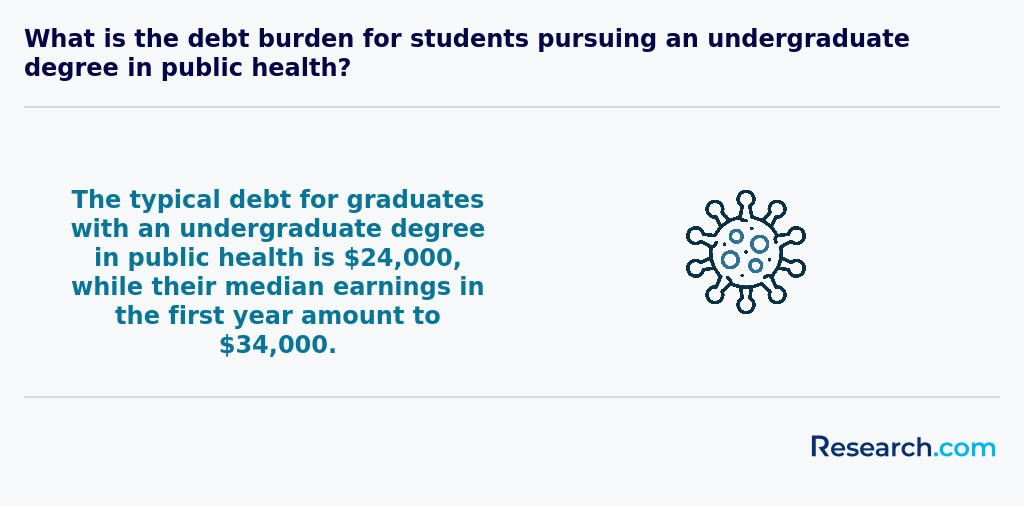
Another challenge is funding. Graduate public health programs can be costly, and while scholarships exist, many students report financial strain. The national average student debt for public health graduates exceeds $30,000, affecting Kansas students similarly, based on data from the National Center for Education Statistics.
Additionally, balancing coursework with family or work responsibilities is commonly cited. Many adult learners in Kansas pursue public health degrees part-time, extending their study period. This can affect timely graduation and entry into the workforce.
With a public health degree in Kansas, graduates can pursue several respected professional certifications to boost their career. The most common is the Certified Health Education Specialist (CHES), awarded by the National Commission for Health Education Credentialing. It validates expertise in health promotion and education. Another valuable option is the Certified Public Health (CPH) credential from the National Board of Public Health Examiners, recognized nationwide.
For those focusing on epidemiology or biostatistics, the Registered Environmental Health Specialist (REHS) certification can be relevant in Kansas. According to the Kansas Department of Health and Environment, certified professionals often see better job prospects and higher salaries in the state's growing public health sector.
Writing a winning application for a public health program in Kansas requires clear focus and preparation. Start by researching the specific program requirements at Kansas universities, such as the University of Kansas or Wichita State University, which offer accredited public health degrees.
Highlight your academic achievements, relevant experience, and commitment to improving community health. Kansas faces particular challenges like rural health disparities, so demonstrating knowledge of local public health issues can strengthen your application.
Submit a well-crafted personal statement explaining your motivation and goals clearly. Include any volunteer or work experience related to public health to showcase your dedication.
Lastly, ensure your letters of recommendation come from professionals familiar with your skills and potential in public health.
Public health careers in Kansas reflect a growing global trend recognizing the importance of disease prevention, health promotion, and emergency preparedness. Globally, public health professionals play crucial roles in managing pandemics, improving access to healthcare, and addressing social determinants of health.
In the US, including Kansas, degrees in public health prepare students to work internationally or domestically. According to the Bureau of Labor Statistics, employment for health educators and community health workers, common public health roles, is projected to grow 17% nationally through 2031, faster than average.
Kansas offers opportunities to engage with global health issues locally through programs focused on rural health disparities and epidemic response. This local-global connection is vital for students aiming for careers with international organizations or aid agencies.
Gaining practical experience while studying for a public health degree in Kansas is vital for career readiness. Many universities offer internship programs connected to local health departments, hospitals, and community organizations. For example, the Kansas Health Institute highlights partnerships that provide hands-on work experience in epidemiology and health policy.
Students can also participate in research projects focused on rural health challenges, which are significant in Kansas due to its large rural population. The Kansas Department of Health and Environment often collaborates with academic institutions to involve students in public health data collection and community outreach.
Volunteering for public health campaigns or joining student public health associations are additional ways to build practical skills and professional networks within the state.
When choosing a concentration within a public health degree program in Kansas, start by evaluating your career goals and interests. Common tracks include epidemiology, health policy, environmental health, and community health education. Each offers distinct pathways and job opportunities.
Consider local public health priorities. For instance, Kansas faces challenges in rural healthcare access and chronic disease management, making rural health and health promotion concentrations relevant.
Look for programs accredited by the Council on Education for Public Health (CEPH) to ensure quality education. Kansas universities like the University of Kansas provide data on graduate employment rates, helpful for informed decisions.
Finally, review faculty expertise and research opportunities aligned with state health issues to gain practical experience.
Related Public Health Rankings for Nearby States
- 2027 Best Public Health Degree Programs Ranking in Minnesota
- 2027 Best Public Health Degree Programs Ranking in Louisiana
- 2027 Best Public Health Degree Programs Ranking in Mississippi
- 2027 Best Public Health Degree Programs Ranking in Alabama
- 2027 Best Public Health Degree Programs Ranking in Michigan
- 2027 Best Public Health Degree Programs Ranking in Indiana
- 2027 Best Public Health Degree Programs Ranking in Florida
- 2027 Best Public Health Degree Programs Ranking in Idaho
- 2027 Best Public Health Degree Programs Ranking in Maryland
- 2027 Best Public Health Degree Programs Ranking in Connecticut
Top Trending Public Health Rankings
References
- Medical University of GdaÅsk https://publichealth.mug.edu.pl/
- Finding Fulfillment in Your Public Health Career Journey | PH SPOT https://phspot.org/finding-fulfillment-in-your-public-health-career-journey/
- Areas in Public Health https://www.publichealthcareers.org/areas-in-public-health.html
- Dive deeper into public health topics. https://www.apha.org/topics-and-issues
- Foundations of Public Health https://kphcollaborative.org/foundations-of-public-health/
- Kansas https://www.publichealthdegrees.org/st/kansas/
- Admissions Overview https://www.kumc.edu/school-of-medicine/academics/departments/population-health/academics/master-of-public-health/admissions.html
- Public Health | Washburn University https://www.washburn.edu/academics/college-schools/applied-studies/departments/allied-health/bhs/public-health.html
- AAS - Public Health https://www.donnelly.edu/academics/assoc-applied-science/public-health
- What do you learn in a bachelor's in public health? | edX https://www.edx.org/resources/what-do-you-learn-in-a-bachelors-in-public-health


