
2027 Fastest Online Public Health Degree Programs Ranking in Ohio

Co-Founder and Chief Data Scientist
Choosing the right online public health degree program can feel overwhelming, especially with so many options available in Ohio. This article introduces the 2027 Fastest Online Public Health Degree Programs Ranking in Ohio, developed by the Research.com team of data scientists to guide you in making an informed decision.
By exploring this ranking, you'll discover programs that combine quality, speed, and flexibility, helping you achieve your career goals faster.
Investing in a public health degree can open doors to rewarding opportunities that make a real difference in communities. Let's explore the best paths together.
Key benefits of getting online public health degree in Ohio
- Graduates with a public health degree in Ohio can earn competitive salaries, such as $52,610 annually for Community Health Workers and up to $86,710 for Environmental Health Specialists, reflecting strong financial potential in this growing field.
- Career paths are diverse, including roles like Health Educator or Occupational Health and Safety Specialist, offering graduates from Ohio universities many opportunities to make a real difference in community wellbeing.
- Online public health degrees from Ohio institutions provide flexibility for working students, allowing them to balance education and life while gaining skills that employers value, often leading to successful career advancement.
- Key benefits of getting online public health degree in Ohio
- What can I expect from online public health degree in Ohio?
- Where can I work with online public health degree in Ohio?
- How much can I make with online public health degree in Ohio?
- 2027 Fastest Online Public Health Degree Programs Ranking in Ohio
- Key Findings
- How long does it take to complete online public health degree in Ohio?
- Accelerated Pathways and Credit Transfer
- What's the difference between online and on-campus public health degree?
- Strategies to Accelerate Your Online Public Health Degree
- What is the average cost of online public health degree in Ohio?
- How to Apply to Online Public Health Programs in Ohio
- What financial aid is available to online public health degree students in Ohio?
- Internships and Field Experience: Bridging Theory and Practice
- What are the prerequisites for enrolling in online public health degree program in Ohio?
- Future Trends in Public Health Education
- What courses are typically in online public health degree programs in Ohio?
- What types of specializations are available in online public health degree programs in Ohio?
- How do you choose the best online public health degree in Ohio?
- What career paths are available for online public health degree students in Ohio?
- What is the job market for online public health degree in Ohio?
- Related Public Health Rankings for Nearby States
- Top Trending Public Health Rankings
What can I expect from online public health degree in Ohio?
Students diving into online public health degrees in Ohio often find the average cost varies widely, typically ranging from $10,000 to $35,000 for a full program, depending on the school and degree level. For example, graduates from well-known institutions like Ohio State University often share how their investment felt worthwhile given the program's robust curriculum and strong ties with local health departments.
Many learners appreciate the flexible pacing offered by these programs, allowing them to work while studying. The affordability combined with accredited coursework ensures that students gain valuable, hands-on experience without an overwhelming financial burden. One graduate recalled balancing family life while taking asynchronous classes, noting how this personalized approach boosted both confidence and skill.
Ohio's focus on real-world applications, such as addressing substance use or rural health disparities, helps students see their tuition turning into impactful career steps. This dynamic blend of cost, quality, and community connection makes pursuing an Ohio-based online public health degree an exciting and accessible journey.
Where can I work with online public health degree in Ohio?
Imagine stepping into a vibrant career where your online public health degree from Ohio State or Case Western Reserve University propels you directly into action. Graduates often find themselves energizing local government agencies, like the Ohio Department of Health, crafting disease prevention programs that touch entire communities. Picture working alongside passionate teams in hospital networks such as OhioHealth, coordinating programs that improve real patients' lives every day.
Others dive into Ohio's nonprofit realm, managing health advocacy initiatives with organizations focused on community impact. There's also the thrill of exploring workplace safety in manufacturing hubs, where graduates collaborate with the Ohio Bureau of Workers' Compensation to protect employee health and prevent injuries.
For those drawn to research, academic roles at Ohio's top universities offer chances to analyze data, lead epidemiology studies, and manage innovative grants. This wide spectrum of opportunities sparks a genuine sense of purpose, inviting you to carve out a meaningful public health career right here in Ohio.
How much can I make with online public health degree in Ohio?
Graduates with an online public health degree from well-known Ohio institutions, like Ohio State University or Kent State, often find themselves stepping into roles where paychecks reflect their valuable expertise. Imagine starting out as a community health worker earning around $52,610 a year-enough to feel proud while making a real difference in local neighborhoods.
Or picture yourself as a health educator, guiding communities with a salary near $69,790 annually, a rewarding step up fueled by your specialized knowledge. Ohio's environmental health specialists stand out too, earning about $86,710-perfect for those drawn to protecting public spaces and advancing safety standards.
Some graduates explore roles like occupational health and safety specialists, pulling in close to $85,570 yearly as they champion safer workplaces. These figures capture the exciting journey of turning your online public health education into a meaningful, well-paid career right here in Ohio's vibrant cities and communities.
2027 Fastest Online Public Health Degree Programs Ranking in Ohio
How do we rank schools?
Investing in your education is a significant decision that can shape your future, and the Research.com team understands the importance of making informed choices. To assist prospective students in Ohio, we have meticulously crafted the "2027 Fastest Online Public Health Degree Programs Ranking in Ohio." Our commitment to quality, credibility, and accuracy is reflected in the extensive research and analysis conducted to compile this ranking.
We utilized the following reputable data sources to ensure a comprehensive evaluation of public health programs:
By exploring this ranking, readers will gain valuable insights into the fastest online public health programs available in Ohio, helping them make informed decisions about their educational paths. For more details on our methodology, please visit our Research.com methodology page.



Key Findings
- Tuition for online public health degrees in Ohio typically ranges from $400 to $600 per credit hour, with bachelor's degrees costing between $12,000 and $24,000 in total.
- Graduate programs like the Master of Public Health (MPH) usually cost between $20,000 and $40,000 in total tuition.
- Many students qualify for scholarships, grants, or employer tuition assistance, and some community health grants and loan repayment programs target those working in underserved Ohio communities.
- Public health jobs in Ohio are growing faster than average, especially roles such as health educators, community health workers, and epidemiologists.
- Entry-level salaries range from $45,000 to $55,000 annually, while experienced professionals can earn $70,000 to $90,000 or more.
- Online public health programs in Ohio often have accreditation from the Council on Education for Public Health (CEPH), which is important for quality and employer acceptance.
How long does it take to complete online public health degree in Ohio?
Accelerated Pathways and Credit Transfer
Accelerate your online public health degree in Ohio by leveraging credit options and flexible scheduling:
- Transfer up to 90 credits from regionally accredited colleges to reduce required coursework
- Earn credit through CLEP exams or Advanced Placement to bypass introductory classes
- Apply Prior Learning Assessments for military, professional, or volunteer experience
- Choose 8-week accelerated terms or summer sessions to complete more courses each year
- Maintain continuous enrollment to avoid breaks and graduate sooner
For a short-term healthcare credential that complements your public health track, explore the low-cost medical coding and billing online program.
What's the difference between online and on-campus public health degree?
Exploring a public health degree in Ohio reveals intriguing differences between online and on-campus formats. Many graduates from Ohio State University celebrate the freedom online programs bring, allowing them to juggle work in city clinics with coursework at any hour. This asynchronous style fits perfectly for those balancing family life or living beyond Columbus and Cleveland's busy hubs.
Meanwhile, at Wright State University, traditional on-campus students thrive on face-to-face moments-engaging directly with professors, joining study groups, and diving into hands-on internships that feel like real-world adventures. Imagine walking into a lively lab or community health center, where immediate feedback sparks new ideas and connections.
Cost plays a role, too: some online learners enjoy slight tuition savings plus cutting expenses on commuting or housing. Yet, both paths share solid CEPH accreditation, ensuring you gain essential skills whether clicking through virtual projects or shaking hands on campus.
Choosing your journey means embracing what fuels your passion-whether it's flexible freedom or vibrant campus energy in Ohio's public health scene.
Strategies to Accelerate Your Online Public Health Degree
To complete your program in less time, consider these proven approaches:
- Evaluate transfer credit policies at each institution and submit transcripts early.
- Enroll in summer, winter or intersession courses to minimize breaks between terms.
- Choose programs offering competency-based or accelerated term formats for faster progression.
- Plan a balanced, full-time course load that aligns prerequisites and core classes strategically.
- Supplement your skill set with cost-effective credentials such as the cheapest medical coding certification online.
What is the average cost of online public health degree in Ohio?
When exploring the average cost of an online public health degree Ohio students typically find that the median total cost hovers around $42,276. Many graduates from popular institutions such as Ohio State University and Kent State University share how investing in their education felt like embarking on a transformative journey. These schools, known for flexible online programs, make it possible to balance work and study without breaking the bank.
Ohio's public universities usually offer in-state residents more affordable tuition, often ranging between $300 and $600 per credit hour. This means if you're pursuing a bachelor's in public health, your total tuition could land close to the median in-state total of $41,179. The financial relief and sense of achievement that comes with manageable tuition fees can motivate many students to stay committed and thrive in their programs.
Private institutions, although offering perhaps more specialized resources and scheduling freedom, may ask for $600 to $1,200 per credit hour, pushing total costs upward of $100,000 for a full degree. Still, countless online learners find their unique paths by leveraging scholarships, employer tuition assistance, and university partnerships with regional health organizations. These options help ease the burden, making the dream of earning a public health degree more accessible.
For those curious about targeted affordability, you can explore affordable public health programs in ohio that align with both your budget and career goals. Understanding Ohio online public health degree tuition fees early on can transform your educational adventure into a clear, attainable plan filled with promise and purpose.
How to Apply to Online Public Health Programs in Ohio
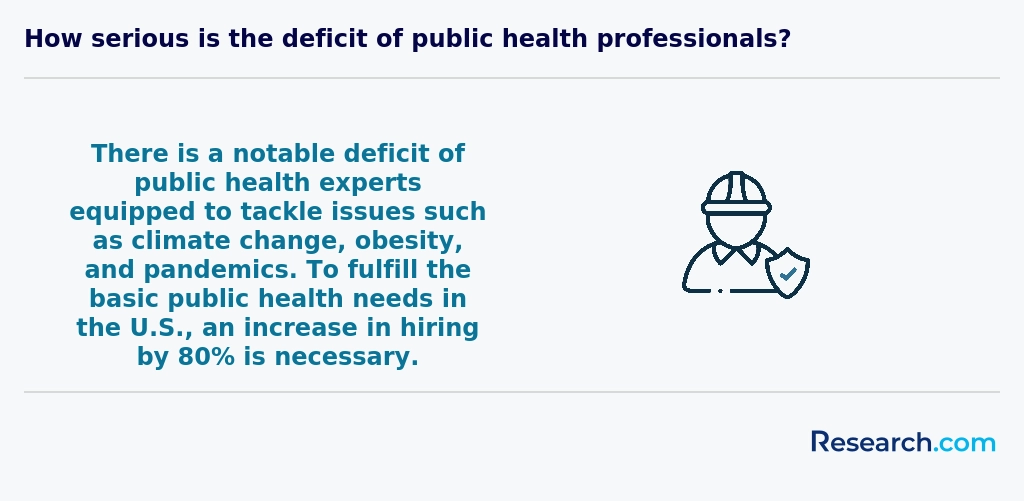
Navigating the application process for an online Public Health degree in Ohio involves a series of clear, strategic steps to ensure you submit a competitive and complete package. 1. Research and Select Programs • Review program details, accreditation (CEPH), curriculum, and specialization options. • Compare tuition and fees-if cost is a priority, you may also explore our Cheapest Public Health Degree Programs Ranking in California for additional context on affordability. 2. Check Admissions Requirements and Deadlines • Confirm prerequisites such as a minimum GPA, required coursework (biology, statistics, social sciences), and any standardized test scores. • Note application deadlines-many Ohio institutions offer rolling admissions, but some programs have fixed deadlines in fall (typically August) and spring (January). 3. Prepare Application Materials • Official transcripts from all post-secondary institutions. • Updated resume or CV highlighting relevant work, volunteer, or internship experiences in health-related fields. • Personal statement or statement of purpose that articulates your career goals, how the program aligns with them, and examples of leadership or community impact. • Two to three letters of recommendation-ideally from academic mentors, supervisors, or public health professionals familiar with your abilities. 4. Complete the Online Application • Create an account on the university’s application portal and upload all required documents. • Pay any application fees or submit a fee waiver request if eligible. 5. Submit Financial Aid Forms • Complete the FAFSA early (by March 1 for priority consideration) to access federal grants, loans, and work-study options. • Research institution-specific scholarships and apply separately as needed. 6. Monitor Application Status and Follow Up • Regularly check your application portal for updates or requests for additional information. • Reach out to admissions advisors with any questions to demonstrate engagement and ensure your file is complete. By following these steps and staying organized, you can streamline your application process and improve your chances of admission to a top online Public Health program in Ohio.
What financial aid is available to online public health degree students in Ohio?
Exploring public health degrees online from Ohio's well-known institutions like Ohio State University or Kent State University unveils a treasure trove of financial aid options. Imagine a graduate who balanced work and study, relieved by the Pell Grant that covered up to $7,395 annually, turning financial stress into focused learning. Many found state-level aid, like the Ohio College Opportunity Grant, offering an additional safety net of up to $2,750 each year, making those $300-$400 per credit hour tuition fees feel more manageable.
Scholarships specifically for public health students add another layer of support. Merit and need-based awards from universities and organizations such as the American Public Health Association opened doors to pursue passions without being overwhelmed by debt. Some working professionals shared how employer tuition reimbursement, especially from healthcare employers or government roles, transformed their education journey-covering costs while gaining invaluable experience.
The combination of federal grants, state programs, university scholarships, and employer assistance creates a financial ecosystem that empowers Ohio students to pursue public health dreams with confidence and excitement.
Internships and Field Experience: Bridging Theory and Practice
Online Public Health degree programs in Ohio place significant emphasis on hands-on learning through structured internships and practicum experiences. Most CEPH-accredited programs require 200–400 practicum hours, allowing students to collaborate with local health departments, non-profits, and hospital systems. These placements typically involve activities such as community needs assessments, epidemiological data collection, health education workshops, and policy analysis-ensuring that theoretical coursework comes to life in real-world settings. Students often partner with county and municipal health agencies, where they assist with outbreak investigations, design public health campaigns, and contribute to grant writing. This experiential learning not only sharpens critical competencies-such as data interpretation and stakeholder communication-but also expands professional networks. Graduates report that feedback from preceptors and interdisciplinary teams accelerates their readiness for roles in epidemiology, community outreach, and program management. Choosing the right placement involves assessing agency focus areas, geographic reach, and mentorship structures. Successful candidates often secure opportunities at institutions like the Ohio Department of Health or regional nonprofit organizations, gaining exposure to diverse populations and pressing public health issues. To maximize the practicum’s value, students should set clear learning objectives, maintain reflective journals, and request regular performance reviews. Upon completion, many alumni leverage their field experience to transition into full-time positions, with some rising to leadership roles. For example, after completing a practicum at a local health department, graduates frequently advance to management positions and even executive posts-benchmarks that can be informed by research on health department director salary. By integrating rigorous fieldwork into online curricula, Ohio’s programs ensure that future public health professionals are both academically prepared and practice-ready.
What are the prerequisites for enrolling in online public health degree program in Ohio?
Stepping into graduate programs like the MPH, the adventure deepens with a bachelor's degree in hand - sometimes from any field, but those with backgrounds in health or social sciences often feel especially well-prepared. Many Ohio schools ask for GRE scores, yet others are embracing fresh admissions reforms that can waive this hurdle. The thrill of real-world impact shines through with work or volunteer experience in healthcare or community service, turning theory into action.
- A completed application with transcripts from all postsecondary institutions attended
- Letters of recommendation, often two or three, from academic or professional contacts
- A statement of purpose outlining career goals and reasons for choosing public health
Future Trends in Public Health Education
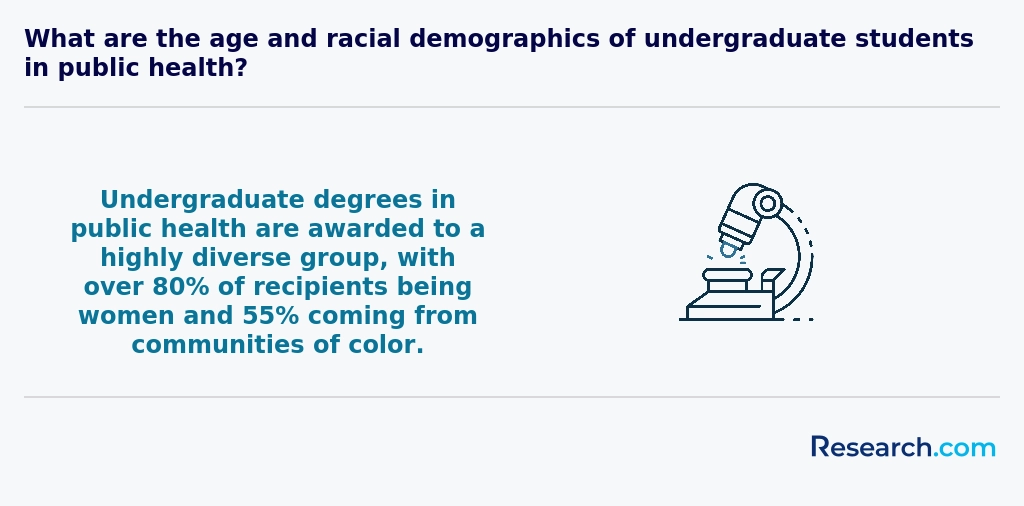
As the field of public health evolves, gaining insight into emerging trends and innovations can help prospective students position themselves for long-term success. Today’s online programs are integrating cutting-edge digital tools, telehealth platforms, and data analytics to adapt curricula to real-world challenges. Experts predict that advancements in artificial intelligence and big data will further personalize learning experiences, promoting targeted skill development and enhancing career readiness. Moreover, institutions continue to foster industry partnerships that not only enrich academic learning but also expand professional networking opportunities and alumni support. Students are encouraged to monitor sector-specific research and policy updates to remain competitive in a rapidly changing environment. For those seeking both quality education and cost-effectiveness, numerous options exist among affordable public health programs in ohio that balance innovative teaching with financial accessibility. Staying informed of these trends can empower future public health professionals to drive impactful change in communities nationwide.
What courses are typically in online public health degree programs in Ohio?
Diving into an online public health degree in Ohio, you'll find yourself exploring courses that build a strong foundation while opening doors to real-world impact. A favorite among graduates from institutions like Ohio State University and Kent State University is Introduction to Public Health, where you unravel the history and core purposes of protecting community health-imagine understanding how policies once helped control outbreaks in cities like Columbus.
Epidemiology feels like detective work, teaching you how to track disease patterns, much like those who studied the opioid crisis affecting Ohio's rural towns. Meanwhile, Biostatistics turns data into powerful stories-graduates often recall their excitement applying stats to actual health surveys.
Courses on Health Policy and Management bring inside views of decision-making processes that influence Ohio hospitals and clinics. Learning about Environmental Health hits close to home, especially when considering how local industry impacts air and water quality.
Finally, Social and Behavioral Sciences invites students to craft strategies encouraging healthier habits, reflecting experiences of those who led community wellness programs across the state. These courses combine adventure with practical skills, making Ohio's diverse settings a living classroom.
What types of specializations are available in online public health degree programs in Ohio?
Diving into online public health specializations Ohio offers a thrilling variety for curious minds ready to make a difference. Imagine crafting community health programs that empower neighborhoods or unraveling disease patterns in epidemiology to stop outbreaks before they spread. Graduates from beloved institutions like Ohio State University and Kent State often share how specializing in Environmental Health deepened their commitment to tackling pollution and workplace safety, blending science with real-world impact.
Others find excitement in Health Policy and Management, navigating complex systems to improve healthcare access. The option to pursue dual tracks lets students customize their journey, blending global health perspectives with local public health challenges, preparing graduates for diverse career paths. Many alumni reflect on this freedom as a defining part of their education, turning theoretical knowledge into practical, on-the-ground solutions.
With so many routes, Ohio's public health degree concentration options Ohio spark enthusiasm that matches the dynamic needs of the state. Plus, the chance to explore a range of topics shows why this field feels so rewarding-especially when students connect their studies to opportunities like understanding the health department director salary and career paths.
How do you choose the best online public health degree in Ohio?
Choosing the best online public health programs Ohio has to offer means diving into a world of exciting possibilities tailored specifically to your ambitions. Imagine studying at a university known for vibrant community engagement, where graduates often share how flexible, asynchronous courses allowed them to balance family life while gaining expertise in epidemiology or health policy. One graduate from a well-regarded Ohio college recalls how focusing on environmental health specialization opened doors to local internship opportunities that transformed their career.
Cost shouldn't dampen your enthusiasm-many find that in-state programs offer affordable public health degrees Ohio students appreciate, giving them a solid foundation without overwhelming debt. Others discover value in exploring resources like the Cheapest Public Health Degree Programs Ranking in California to compare tuition and fees creatively. Selecting a program with CEPH accreditation ensures your efforts meet national standards, boosting both confidence and career prospects.

What career paths are available for online public health degree students in Ohio?
Exploring online public health career options Ohio offers an exciting variety of paths. Graduates from colleges like Ohio State University or the University of Cincinnati often find themselves stepping into roles as epidemiologists, health educators, or community health workers, where they get to make real impact by analyzing health data or leading wellness programs. Imagine working with the Ohio Department of Health to coordinate vaccination drives or improve emergency preparedness-these are the kinds of adventures that bring daily satisfaction and purpose.
Other graduates discover rewarding challenges in healthcare administration, managing programs that enhance patient outcomes while containing costs. Some even dive into research, collaborating with universities to innovate public health strategies. Starting such careers after earning a degree online in Ohio is made easier by affordable tuition and the flexibility to balance work and study.
For those eager to accelerate their journey, checking out the top 6 month associate programs online can open doors to swift entry into this vibrant field.
What is the job market for online public health degree in Ohio?
Ohio's job market for online public health degree graduates sparkles with opportunity. Picture yourself joining the ranks of health educators and community health workers serving bustling cities like Columbus or Cleveland, where demand grows rapidly. Graduates from respected Ohio institutions often share how their online public health jobs Ohio unlocked doors at government agencies, hospitals, and nonprofits, fueling rewarding careers filled with real-world impact.
Imagine coordinating public health programs in a county office or analyzing policy to improve community health outcomes. The Ohio Department of Job and Family Services notes a median wage around $56,000, which motivates many to pursue these paths. Plus, the state's healthcare industry offers abundant internships reaching beyond the classroom, perfect for building connections and confidence.
For those weighing costs, studying public health in Ohio is accessible; many public universities keep tuition affordable. If you want to explore your options further, especially online, consider checking out the easiest master degrees available, which can ease your educational journey while positioning you for this growing field.
Frequently Asked Questions About public health
Online public health degree students in Ohio can maximize their learning by actively engaging with virtual class discussions and utilizing university-provided resources such as tutoring and career counseling. Ohio hosts some of the highest public health workforce shortages in the Midwest, so staying updated on state-specific health issues through local health department reports can deepen practical understanding. According to the Ohio Department of Health, topics like opioid addiction and chronic disease management are critical areas for study. Joining professional organizations, such as the Ohio Public Health Association, provides networking and internship opportunities that enhance real-world experience while studying remotely.
Emerging niches in the public health field reflect evolving challenges and technologies, making Ohio an exciting place for online degree seekers. One growing area is epidemiology focused on infectious disease control, intensified by recent public health crises. Ohio's public health workforce saw a 15% increase in demand for professionals skilled in disease surveillance in 2023, according to the Ohio Department of Health.
Another niche is health informatics, combining data analysis with public health strategies to improve community outcomes. This specialty is critical as Ohio invests in digital health records and telehealth, expanding remote care access. Environmental health, addressing pollution and sustainability, also gains traction as Ohio battles industrial pollution effects.
These niches highlight the dynamic career pathways available through online public health programs in Ohio.
After completing an online public health degree in Ohio, preparing for the job market involves several strategic steps. Ohio's public health sector is growing, with employment for health educators and community health workers expected to increase by 12% through 2030, according to the U.S. Bureau of Labor Statistics.
Graduates should start by gaining relevant experience through internships or volunteer work with organizations like the Ohio Department of Health. Networking through professional associations such as the Ohio Public Health Association also enhances job prospects.
Additionally, obtaining certifications like the Certified Health Education Specialist (CHES) can improve employability. Staying informed about local public health issues and policies increases your value to employers in Ohio's diverse communities.
Employers in Ohio seeking public health graduates prioritize strong analytical and communication skills. Graduates must demonstrate the ability to interpret health data accurately to support evidence-based decisions. According to the Ohio Department of Health, data analysis proficiency is critical for addressing local health challenges such as chronic disease management.
Additionally, skills in program planning and evaluation are highly valued. Public health roles often require designing effective health interventions and assessing their impact on communities. Collaboration and cultural competency are equally important, given Ohio's diverse population and the need for inclusive public health initiatives.
Familiarity with public health policy and ethical considerations also ranks among key employer expectations. Overall, Ohio employers seek well-rounded candidates who combine technical expertise with strong interpersonal abilities.
Finding internships in Ohio related to public health starts with exploring state-specific resources. The Ohio Department of Health offers internship opportunities and partnerships with local health agencies that provide real-world experience. Many universities in Ohio, such as Ohio State University and the University of Cincinnati, maintain networks and job boards that list internships in public health settings.
Additionally, national platforms like the Council on Education for Public Health (CEPH) often highlight programs accredited in Ohio with internship components. Public health internships may be available in areas like epidemiology, health promotion, or environmental health, which are critical given Ohio's ongoing public health challenges reported by the CDC.
Contacting local health departments directly can be effective, as many have seasonal internship openings. Finally, professional groups such as the Ohio Public Health Association provide valuable connections and resources for students seeking internship placements.
Obtaining an online public health degree in Ohio can significantly enhance career mobility and advancement within the state. Ohio's growing healthcare sector, which employed over 680,000 people as of 2023 (Ohio Department of Job and Family Services), offers numerous opportunities for public health professionals.
Graduates with an accredited online degree often qualify for roles in epidemiology, health education, and program management. Such credentials are recognized by employers across public agencies and private organizations, providing flexibility to transition between different positions or sectors.
Moreover, the Ohio Board of Public Health supports certification and licensure pathways that align with online degree curricula, facilitating quicker progression into supervisory or specialized roles. Data from the Bureau of Labor Statistics predicts a 10% growth for health educators in Ohio by 2030, underscoring increasing demand and advancement potential.
Studying for a public health degree in Ohio equips students with skills to work across multiple disciplines, such as medicine, policy, and social sciences. Ohio's public health programs emphasize collaboration, preparing graduates to address complex health issues like opioid addiction and chronic diseases that affect diverse populations.
Ohio ranks among states heavily impacted by public health challenges, making interdisciplinary knowledge crucial for effective interventions. The Ohio Department of Health reports that integrating epidemiology, health education, and data analysis is key for public health professionals.
Online programs often include coursework in communication, ethics, and management, fostering versatile problem-solvers able to work with healthcare providers, government agencies, and community organizations statewide.
When choosing between a thesis and a non-thesis online public health degree program in Ohio, consider your career goals first. A thesis option typically suits those interested in research roles or pursuing a doctoral degree. It involves conducting original research and writing a formal thesis, which may take additional time but develops strong analytical skills.
In contrast, non-thesis programs focus more on practical skills through coursework and internships, aligning well with public health professionals aiming for leadership roles in Ohio's local health departments or community organizations.
According to the Ohio Department of Health, Ohio faces ongoing public health challenges requiring skilled practitioners, making both paths valuable depending on one's focus.
Students based in Ohio seeking to study public health abroad have several options through Ohio's universities that offer international learning experiences. Many Ohio schools with online public health programs, such as Ohio State University, provide study abroad partnerships or global research opportunities, allowing students to gain international perspectives without leaving the U.S. The COVID-19 pandemic led to increased virtual exchange programs, offering remote collaboration with institutions worldwide.
Ohio ranks 7th nationally in public health workforce size, making global exposure valuable for competitive careers. According to the Ohio Department of Health, connections to global health systems enhance student preparedness. However, fully enrolling in foreign public health degrees usually requires relocating, which may not suit online learners.
Thus, Ohio-based students interested in abroad study often combine online coursework with targeted short-term travel or virtual global collaborations to broaden their public health training.
Ohio offers several part-time job opportunities that complement online public health degree education. Positions such as community health workers and health educators are in demand, supporting local health departments and nonprofit organizations. According to the Ohio Department of Health, these roles play a key part in disease prevention and health promotion statewide.
Additionally, part-time internships at hospitals or public health agencies can provide practical experience. Jobs in data collection or public health outreach help students apply classroom knowledge in real-world settings.
Ohio's growing focus on rural and urban health equity increases opportunities in those sectors, making part-time work both valuable and relevant for public health students.
Online public health students in Ohio benefit from various networking opportunities designed to connect them with professionals and peers statewide. Many Ohio universities offer virtual events, such as webinars and career fairs, that focus on local public health issues and workforce needs. These events often feature speakers from organizations like the Ohio Department of Health and the Ohio Public Health Association, providing valuable insights and contacts.
Additionally, students can join local chapters of national groups like the American Public Health Association, which hosts regular meetings and conferences supporting Ohio-based public health initiatives. Alumni networks from Ohio institutions further support job placement and mentorship opportunities across the state's public health sector.
Alumni networks play a crucial role in supporting online public health degree students in Ohio. These networks connect current students with graduates working across Ohio's diverse health sectors, including government agencies, hospitals, and nonprofit organizations. According to Ohio Department of Health reports, over 60% of public health jobs in the state are filled through professional connections.
Active alumni communities offer mentorship, career advice, and job leads, which can be especially valuable for remote students seeking local opportunities. They also organize events and webinars that enhance professional development and networking skills.
For students in Ohio, access to such networks improves job placement rates and helps build long-term career growth within the state's public health workforce.
Ohio offers diverse online public health degree programs that allow students to tailor their education to specific career goals. Many universities provide elective courses and specializations in areas such as epidemiology, health policy, and environmental health.
Students can often choose practicum placements aligned with Ohio's public health priorities, gaining practical experience in local health departments or nonprofit organizations. According to the Ohio Department of Health, emerging focus areas include chronic disease prevention and opioid crisis management, which reflect statewide health challenges.
Flexible course scheduling and accelerated tracks enable working professionals to balance education with employment. This adaptability helps Ohio students align learning outcomes with personal career trajectories in government, healthcare, or community health sectors.
Online public health students in Ohio commonly face challenges balancing coursework with work and family responsibilities. Many students juggle full-time jobs while managing online classes, leading to time management difficulties. Limited in-person interaction can reduce networking opportunities and access to campus resources, affecting student engagement. Technical issues, such as unreliable internet or unfamiliarity with online platforms, also pose barriers.
Ohio's public health workforce demand is growing, but students sometimes find it difficult to secure local practicum placements crucial for hands-on experience, as reported by the Ohio Department of Health. Financial strain is another concern, with tuition and fees varying widely across institutions. These challenges require strong self-discipline and proactive planning for successful degree completion.
With an online public health degree in Ohio, you can pursue several respected professional certifications that enhance your career opportunities. The Certified in Public Health (CPH) credential, offered by the National Board of Public Health Examiners, is widely recognized and demonstrates your competence in core public health knowledge.
Many graduates also seek credentials such as Certified Health Education Specialist (CHES) or Certified in Infection Control (CIC). These certifications support roles in community health education and infection prevention, respectively.
Ohio's public health workforce benefits from these certifications, as noted by the Ohio Department of Health, which encourages ongoing professional development in these areas. Certified professionals often earn higher salaries and have better job stability in public health sectors statewide.
Writing a winning application for an online public health program in Ohio begins with understanding the state's growing demand for public health professionals. Ohio's public health workforce is projected to grow by 9% through 2030, according to the Bureau of Labor Statistics. This makes your application competitive but essential.
Start by highlighting relevant experience in healthcare, community service, or research. Demonstrate your commitment to improving health outcomes in Ohio's diverse populations, using clear examples. Ohio schools often value applicants familiar with state health challenges, like chronic disease management and opioid crisis mitigation.
Strong letters of recommendation and a well-crafted personal statement explaining your goals and fit with the program are crucial. Also, ensure you meet all technical requirements for online learning. Check deadlines carefully for institutions such as Ohio State University and University of Cincinnati, known for strong online public health programs.
The career outlook for public health professionals extends far beyond Ohio, reflecting growing global health concerns. The World Health Organization highlights the need for skilled workers worldwide to address pandemics, chronic diseases, and environmental health. In the US, including Ohio, the Bureau of Labor Statistics projects a 17% growth in public health jobs from 2022 to 2032, faster than average.
Ohio's public health workforce supports international efforts through agencies like the CDC, headquartered nearby in Atlanta, emphasizing collaboration. Graduates from Ohio's online public health programs gain skills applicable globally, from data analysis to health policy.
Gaining practical experience while earning an online public health degree in Ohio is achievable through several avenues. Many Ohio universities encourage students to participate in internships with local health departments, hospitals, or non-profit organizations. These placements often align with online coursework, providing valuable hands-on learning.
Ohio's public health landscape includes prominent agencies like the Ohio Department of Health, which offers internship and volunteer opportunities. According to recent state employment data, public health roles in Ohio are growing by 5% annually, enhancing practical training prospects.
Students can also engage in community-based research projects or service-learning programs coordinated by their institutions, which bridge theory and real-world skills.
Choosing the right concentration within an online public health degree program in Ohio involves aligning your career goals with regional health concerns and job market demands. Ohio faces significant public health challenges such as opioid addiction, chronic diseases, and infectious disease control, making concentrations in epidemiology, community health, or health policy particularly relevant. According to the Ohio Department of Health, positions in health education and disease prevention are growing faster than average in the state. Additionally, consider the support services and accreditation status of the online program, as well as how flexible the curriculum is to fit your personal needs and professional schedule.
Related Public Health Rankings for Nearby States
- 2027 Fastest Online Public Health Degree Programs Ranking in Pennsylvania
- 2027 Fastest Online Public Health Degree Programs Ranking in Michigan
- 2027 Fastest Online Public Health Degree Programs Ranking in Illinois
- 2027 Fastest Online Public Health Degree Programs Ranking in Virginia
- 2027 Fastest Online Public Health Degree Programs Ranking in North Carolina
- 2027 Fastest Online Public Health Degree Programs Ranking in Missouri
- 2027 Fastest Online Public Health Degree Programs Ranking in Maryland
- 2027 Fastest Online Public Health Degree Programs Ranking in South Carolina
- 2027 Fastest Online Public Health Degree Programs Ranking in New York
- 2027 Fastest Online Public Health Degree Programs Ranking in Wisconsin
Top Trending Public Health Rankings
References
- Public Health Education Degree at Otterbein University https://www.otterbein.edu/programs/bachelor-of-arts-public-health-education/
- Comparing Online Public Health Degrees with Financial Aid https://www.edumed.org/online-schools/public-health-degrees/financial-aid/
- Public Health Career Options and Salary Overview | 2026 https://www.publichealthdegrees.org/careers/
- Highest Paying Jobs in Public Health and their Salaries https://www.mphonline.org/highest-paying-jobs-public-health/
- Public Health - Graduate Programs https://www.utoledo.edu/programs/grad/public-health
- Public Health https://www.neomed.edu/graduatestudies/academics/mph/
- Financial Aid Guide https://www.publichealth.org/resources/financial-aid/
- Engaging students through service-learning opportunities ... https://sneb.org/engaging-students-through-service-learning-opportunities-in-public-health/
- What is the Salary Outlook with MPH Degree? https://mphprogramslist.com/what-is-the-salary-outlook-for-mph-program-grads/
- Public Health Careers.org: Home https://www.publichealthcareers.org/


