
2027 Most Valuable Public Health Degree Programs Ranking in Washington

Co-Founder and Chief Data Scientist
Choosing the right public health degree program in Washington can be overwhelming. To help, the Research.com team of data scientists has created the 2027 Most Valuable Public Health Degree Programs Ranking in Washington. This guide highlights programs that offer strong career prospects and valuable skills.
Reading this article will give you clear insights to make confident decisions about your education. Pursuing a public health degree is a meaningful step toward making a positive impact on your community and beyond.
Discover which programs align best with your goals and start your journey today.
Key benefits of getting public health degree in Washington
- Graduates with a public health degree in Washington can enjoy strong salaries, such as $86,710 for Environmental Health Specialists and $69,790 for Health Educators, providing financial stability and rewarding work.
- Career paths include roles like Community Health Worker or Occupational Health and Safety Specialist, with opportunities in government agencies, nonprofits, and healthcare facilities across Washington.
- Obtaining a public health degree online from universities in Washington offers flexibility and convenience, allowing students to balance work and study while accessing quality education from anywhere.
- Key benefits of getting public health degree in Washington
- What can I expect from public health degree in Washington?
- Where can I work with public health degree in Washington?
- How much can I make with public health degree in Washington?
- 2027 Most Valuable Public Health Degree Programs Ranking in Washington
- Key Findings
- How long does it take to complete public health degree in Washington?
- Student Life and Campus Experience in Washington, DC
- What's the difference between online and on-campus public health degree?
- Accreditation and Quality Assurance
- What is the average cost of public health degree in Washington?
- What financial aid is available to public health degree students in Washington?
- What are the prerequisites for enrolling in public health degree program in Washington?
- Projected Career Outlook and Salary Prospects for MPH Graduates
- What courses are typically in public health degree programs in Washington?
- What types of specializations are available in public health degree programs in Washington?
- How do you choose the best public health degree in Washington?
- What career paths are available for public health degree students in Washington?
- What is the job market for public health degree in Washington?
- Top Trending Public Health Rankings
What can I expect from public health degree in Washington?
The average cost of earning a public health degree in Washington varies considerably depending on whether you attend a public or private institution. For example, graduates from the University of Washington, known for its nationally recognized School of Public Health, often remark on the value of lower in-state tuition rates compared to private colleges, which can significantly affect overall expenses. Many public health students experience a financial balance where tuition fees are offset by internships and practicums that provide hands-on experience and sometimes stipends.
Some graduates share that despite the challenges of tuition costs, the availability of online and hybrid program formats has helped them manage expenses by allowing part-time work alongside studies. However, it's important to consider that private institutions may offer more specialized tracks but at a higher price point, which can influence one's educational budget.
Financial aid, scholarships, and in-state tuition advantages are common aspects that Washington public health students rely on, yet those benefits require careful planning. Thus, the cost can range broadly, offering opportunities for affordable education while demanding strategic financial decisions.
Where can I work with public health degree in Washington?
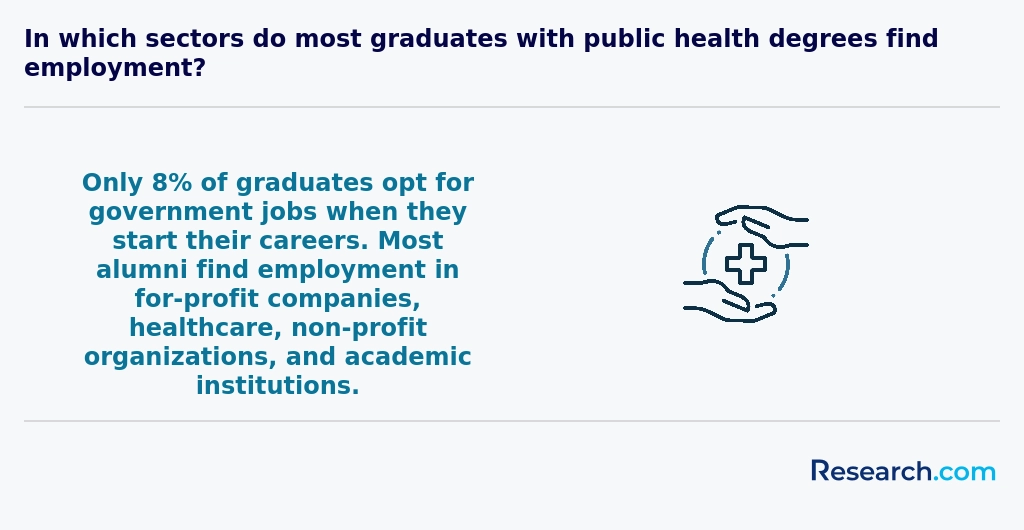
Graduates with a public health degree in Washington often find diverse career opportunities across government, healthcare, nonprofits, federal agencies, and academia. Many who studied at the University of Washington share how state and local public health departments offer crucial roles in disease prevention and health education, directly impacting community wellness. Working at agencies like the Washington State Department of Health allows graduates to engage in meaningful epidemiology and policy work, combating issues from infectious diseases to environmental hazards.
Others describe rewarding experiences in healthcare systems such as UW Medicine, where public health knowledge supports community outreach and patient education efforts. This integration between clinical care and public health creates dynamic career paths for graduates eager to apply data analysis and health promotion in real-world settings.
Nonprofit organizations in Washington also attract graduates passionate about health equity and advocacy, working with vulnerable groups across urban and rural communities. Federal offices like the CDC provide additional avenues focused on regulation and infectious disease control.
Finally, academic research roles at Washington universities offer opportunities to influence public health policy through evidence-based studies, appealing to graduates drawn to data-driven impact.
How much can I make with public health degree in Washington?
Graduates with a public health degree from universities like the University of Washington often find their earnings tied closely to their specific roles and experience levels. For example, community health workers in Washington earn a mean annual wage of about $52,610, reflecting entry to mid-level responsibilities in local health programs. Health educators, a common role for those with bachelor's degrees, have a higher mean salary near $69,790, showing how further specialization pays off.
Others pursuing more technical or supervisory positions, such as environmental health specialists, report mean salaries around $86,710 annually, demonstrating the value of combining public health knowledge with environmental science expertise. Occupational health and safety specialists also earn competitive wages near $85,570 per year, especially in industrial or corporate settings.
Graduates often share how studying in urban centers like Seattle increases exposure to diverse job opportunities that can boost salary potential. While some entry-level public health assistants may start near $43,350, career progressions into management or research roles raise earnings significantly. Certification and real-world experience frequently make a notable difference, opening doors to six-figure leadership positions in Washington's growing public health sector.
2027 Most Valuable Public Health Degree Programs Ranking in Washington
How do we rank schools?
Investing in your education is a significant decision that requires careful consideration, and the Research.com team is committed to helping you make the best choice. To support prospective students in Washington, we have carefully developed the "2027 Most Valuable Public Health Degree Programs Ranking." Our dedication to quality, credibility, and accuracy is demonstrated through thorough research and analysis to present reliable results. We utilized the following reputable data sources to provide a comprehensive evaluation of public health programs:
By exploring this ranking, readers will gain valuable insights into the most valuable public health degree programs in Washington, empowering them to make informed decisions about their educational and career aspirations. For more information on how this ranking was created, please visit our Research.com methodology page.


Key Findings
- In-state tuition and fees for public health programs at public universities in Washington range from $9,000 to $12,000 per year.
- Out-of-state students usually pay between $25,000 and $35,000 annually, while private institutions may charge over $40,000 per year.
- Employment for public health-related jobs in Washington is projected to grow by about 15% from 2022 to 2032, faster than the national average.
- Entry-level public health professionals earn between $50,000 and $60,000, with experienced workers making $80,000 to $90,000 on average.
- Specialized roles in epidemiology, health policy, and environmental health often offer higher salaries.
- Accredited programs in Washington provide practical experience through internships and local health agency partnerships.
How long does it take to complete public health degree in Washington?
Completing a public health degree in Washington varies widely depending on the program level and format. For example, graduates from community colleges offering Associate of Science degrees typically finish in about two years, which provides a solid foundation without long-term commitment. At universities like the University of Washington, a bachelor's degree usually spans four years, mirroring the traditional full-time pathway with structured coursework that students often find both challenging and rewarding.
Many master's students at the University of Washington or Eastern Washington University share that the typical two-year Master of Public Health (MPH) can extend to three years or more if pursued part-time or online, accommodating those juggling work and study. Doctoral candidates describe their journey as significantly longer-often three to five years beyond a master's-blending rigorous research with dissertation demands, which they say, while intense, deeply enriches their expertise.
These variable timelines reflect real-life choices students make to balance education with personal and professional responsibilities, emphasizing flexibility in Washington's public health education landscape.
Student Life and Campus Experience in Washington, DC
Students embarking on their Public Health journey in Washington, DC, not only benefit from rigorous academic programs but also from a vibrant campus culture and comprehensive student support services. The blend of historical landmarks, active community engagement, and modern facilities creates an environment where academic theories are complemented with real-world experiences. Campus life in DC often offers dynamic networking events, career fairs, and opportunities to collaborate with local public health organizations, enhancing both professional and personal growth. Many institutions provide resources such as mentorship programs, study groups, and wellness centers that focus on mental and physical well-being, ensuring that students feel supported and motivated throughout their educational journey. Engaging with peers from diverse backgrounds enriches the learning experience, fostering critical thinking and cultural sensitivity-an essential aspect in the field of public health. For prospective students looking to explore comprehensive academic insights, exploring valuable public health programs in district of columbia can offer an in-depth look at how top institutions integrate academic excellence with a thriving campus environment. This holistic approach to education, combined with experiential learning and professional opportunities, lays a strong foundation for a successful career in public health.
What's the difference between online and on-campus public health degree?
Online and on-campus public health degrees in Washington cater to different lifestyles and priorities. Graduates from the University of Washington recall how the on-campus experience fostered close connections with professors and peers, as well as hands-on opportunities through local health department internships. These face-to-face interactions often feel rewarding and help build professional networks essential for early career growth.
Conversely, graduates from online programs appreciate the flexibility to balance studies with full-time work or family, especially important in a busy city like Seattle. The digital format allows them to attend lectures and collaborate virtually without relocating or commuting, which many find reduces stress and financial strain.
Tuition typically reflects these differences-on-campus programs generally cost more due to facility use and in-person resources, while online programs can save students 10-25% in expenses. Despite these contrasts, both pathways emphasize CEPH accreditation, ensuring the quality and credibility of the degree regardless of format.
Accreditation and Quality Assurance
Choosing a CEPH-accredited and regionally recognized institution safeguards your investment and opens doors for financial aid, licensure and graduate study.
- Council on Education for Public Health (CEPH) accreditation: national benchmark for curriculum quality and ongoing program evaluation
- Regional accreditation: ensures credit transferability and eligibility for federal financial aid
- State authorization: confirms legal approval to offer on-campus and online programs in Washington
- Faculty credentials and student-faculty ratio: indicators of personalized guidance and learning support
Prospective students interested in enriched career pathways may also consider a medical coding school to complement public health expertise.
What is the average cost of public health degree in Washington?
The average total cost of a public health degree in Washington typically centers around $63,240 for in-state students, while out-of-state learners often face costs near $79,107. These figures reflect a comprehensive estimate that includes tuition, fees, and other mandatory expenses over the entire course of study. For prospective students evaluating public health degree tuition fees in Washington, this offers a realistic framework to plan finances and explore funding options accordingly.
Graduates from universities such as the University of Washington frequently express appreciation for the balance between cost and quality, noting that in-state tuition rates-roughly $11,745 annually for undergraduates and $19,287 for graduate programs-make pursuing a public health degree more accessible. While private institutions in the region may have higher tuition, sometimes reaching total costs around $45,000, students often highlight the smaller class sizes and personalized attention as worthwhile investments in their education.
Importantly, students must consider that additional costs like health services, technology fees, and living expenses can substantially affect their budget. Many find that financial aid, scholarships, and assistantships ease the burden, making the journey toward a degree in public health feel achievable. Washington's pricing remains competitive compared to national averages, offering a reasonable pathway for local students.
Understanding the average public health degree cost Washington residents face is crucial when weighing educational opportunities. Students should also explore how programs differ in format and support, often finding value in institutions recognized for offering valuable public health programs in district of columbia, which helps to frame expectations about quality and costs beyond local options.
What financial aid is available to public health degree students in Washington?
Students pursuing public health degrees in Washington often find federal aid through FAFSA to be essential. A graduate from a Seattle-based university recalled how the Pell Grant helped cover a significant portion of their tuition, easing financial stress during their studies. While Pell Grants offer up to $7,395, loans from the Federal Direct Loan program-with reasonable interest rates-also provide flexible repayment options, though they require careful consideration to avoid excessive debt.
State-specific programs like the Washington College Grant greatly benefit local students, especially those attending the University of Washington or Washington State University. One graduate shared how this grant reduced their tuition from over $10,000 to nearly zero, enabling them to focus more on academics than finances.
Institutional scholarships and fellowships from public health schools, which can cover partial or full tuition, were pivotal for many students. For example, scholarships funded by private donors at UW's School of Public Health gave graduates a sense of community support and motivation.
Professional organizations such as APHA and SOPHE offer scholarships ranging from $500 to $5,000, rewarding dedication to underserved communities-a meaningful boost recognized by numerous students. Additionally, work-study and graduate assistantship opportunities provide both income and valuable hands-on experience in research or teaching roles at these universities.
What are the prerequisites for enrolling in public health degree program in Washington?
Enrolling in a public health degree program in Washington typically involves meeting clear prerequisites that align with the level of study. For bachelor's degrees, graduates from popular institutions like the University of Washington recall the importance of a strong foundation in science and math during high school, especially courses like biology and chemistry, which eased the transition into demanding coursework. Many undergraduates found that standardized tests were less emphasized recently due to test-optional policies, making academic records and passion for public health even more critical.
At the graduate level, such as Master of Public Health programs offered at schools like Seattle University, applicants usually need a bachelor's degree and a GPA of around 3.0 to 3.5. Graduates often share how highlighting practical experience through volunteering or internships in community health settings strengthened their applications, making the process feel both challenging and rewarding.
Doctoral candidates frequently require a master's degree paired with demonstrated research skills and recommendations, reflecting a deep commitment to advancing public health knowledge. This pathway, though demanding, encourages a strong sense of purpose among candidates who thrive in Washington's dynamic academic environments.
Projected Career Outlook and Salary Prospects for MPH Graduates
Graduates holding a Master of Public Health (MPH) can expect robust growth across a variety of sectors, driven by increasing emphasis on preventive care, health data analytics, and policy development. According to the U.S. Bureau of Labor Statistics, healthcare occupations are projected to grow by 13% through 2031, outpacing many industries. This surge translates into expanding opportunities for epidemiologists, biostatisticians, health policy analysts, and community health managers in both public and private sectors. Epidemiologists, for example, play a critical role in disease surveillance and outbreak response, with median salaries around $81,000. Biostatisticians, who apply advanced statistical methods to interpret health trends, enjoy median compensation exceeding $100,000. Health policy analysts-tasked with shaping effective regulations-command competitive wages that can surpass $80,000, particularly within government agencies and think tanks. Beyond traditional roles, MPH holders are increasingly in demand for positions in digital health startups, global health NGOs, and corporate wellness programs. Skills in GIS mapping, machine learning for health data, and program evaluation enhance employability. Networking with alumni associations and attending local conferences in Washington, DC, can further accelerate career progression. For a more detailed look at salary expectations and long-term growth, explore our mph degree career path resource.
What courses are typically in public health degree programs in Washington?
Public health degree programs in Washington commonly include courses such as Introduction to Public Health, Epidemiology, Biostatistics, Environmental Health, Health Policy and Management, and Social and Behavioral Sciences. These classes form the backbone of many curricula at well-known institutions like the University of Washington and Seattle University, offering students practical insights into real-world challenges.
Graduates often recall how Epidemiology classes illuminated the spread of diseases during internships with local health departments, making abstract concepts tangible. Similarly, Biostatistics equips students with skills to analyze data crucial for addressing community health issues, creating a sense of accomplishment when statistical models predict meaningful outcomes.
In Environmental Health courses, students explore how Washington's diverse ecosystems affect public wellness, fostering awareness of regional health risks. The inclusion of Health Policy and Management helps learners understand the complexities of healthcare systems, particularly relevant in managing services aimed at underserved urban and Indigenous populations.
While these courses offer comprehensive knowledge, students also appreciate opportunities for electives in areas like health equity and global health, reflecting diverse interests and the evolving nature of public health challenges in the state.
What types of specializations are available in public health degree programs in Washington?
Students enrolled in public health degree specializations in Washington often navigate a diverse field shaped by local health priorities and broad career pathways. Graduates from well-known institutions such as the University of Washington frequently highlight Epidemiology for its relevance in studying disease trends, which is especially critical given the state's proactive approach to infectious disease control and chronic illness management. Environmental Health attracts those passionate about addressing pollution and occupational hazards specific to Washington's ecosystems, reflecting the state's commitment to sustainability.
Programs at colleges with strong public health departments also offer specializations in Health Policy and Management, where students learn to tackle complex healthcare challenges unique to Washington, such as healthcare disparities in rural areas. Public Health Nutrition and Global Health are other common tracks, with graduates noting their connection to real-world issues like obesity and international health initiatives centered in Seattle.
When choosing a path, students frequently consider how these options align with Washington public health career pathways and their personal goals. Some have found it beneficial to explore how their choices relate to future opportunities and salaries, often consulting resources such as the mph degree career path data to guide decisions.
How do you choose the best public health degree in Washington?
Choosing the best public health degree in Washington involves weighing various factors beyond rankings alone. Graduates from well-known institutions like the University of Washington often highlight the value of programs that blend rigorous academics with hands-on experience in local public health agencies. This real-world exposure is crucial and often varies widely between schools. Exploring curriculum specializations is also essential, as public health spans many fields such as epidemiology and environmental health, which can align differently with your passions and career goals.
Affordability plays a significant role, especially for in-state students comparing tuition costs at public universities versus pricier private options. Considering financial aid options at each school can impact your decision significantly. Many Washington students find that programs with CEPH accreditation not only assure quality education but also enhance employment prospects post-graduation. Seeking programs recognized for affordable public health degrees Washington state offers might lead you to opportunities that fit your budget without compromising on quality.
Some students also choose to balance speed and flexibility by exploring options such as a fast-track associate degree online, which can serve as a practical stepping stone toward advanced degrees. Ultimately, it's about parsing program features including cost, accreditation, specialization, and practical connections to craft the best fit for your public health ambitions.

What career paths are available for public health degree students in Washington?
Graduates of public health programs in Washington encounter diverse career paths shaped by the state's unique health priorities. Many find roles as epidemiologists, collaborating with the Washington State Department of Health to analyze data during public health emergencies. Others become community health workers or educators, developing outreach programs responsive to local populations' needs. Graduates from prominent institutions like the University of Washington often share how hands-on internships influence their readiness for these roles, highlighting the state's commitment to practical experience.
However, it is important to consider that not all positions offer equal demand or compensation, which can vary widely depending on location and employer type within Washington. Careers in health policy or administration may appeal to those interested in shaping healthcare accessibility, yet these can require advanced leadership skills obtained through further study. These nuanced public health career opportunities in Washington reflect both promise and challenges as graduates navigate a complex professional landscape, balancing passion with pragmatism.
For students deliberating their educational investments, exploring options like the easiest master degrees in the area can provide alternative pathways with less financial strain, though the depth of training may differ.
What is the job market for public health degree in Washington?
The public health job outlook Washington offers is promising yet nuanced. Graduates from popular institutions like the University of Washington and Seattle University often find rewarding roles in government agencies or nonprofit organizations, where their work directly impacts community health. These positions, including epidemiologist and health educator roles, allow graduates to engage with real-world challenges such as disease prevention and emergency preparedness, fostering both professional growth and personal fulfillment.
While many graduates report satisfaction with job placement, the market also varies depending on specialization and experience. Employment opportunities for public health graduates in Washington tend to be stronger in urban centers with substantial public health infrastructure. Wages typically range from $55,000 to over $90,000 annually, reflecting the spectrum from entry-level to more advanced roles.
Students at these universities often balance concerns about tuition costs against encouraging salary prospects. Washington's in-state tuition rates, combined with scholarships targeting health programs, help mitigate financial strain. Choosing a college major that makes the most money can be part of a strategic approach to maximizing return on education investment.
Frequently Asked Questions About public health
Public health degree students in Washington can maximize their learning experience by engaging deeply with local health initiatives. Washington State is known for progressive public health policies, making it an ideal environment for hands-on learning through internships with organizations like the Washington State Department of Health.
Students should take advantage of community-based projects targeting pressing issues such as infectious disease control and health equity, which align with state priorities reported by the Centers for Disease Control and Prevention.
Networking at regional conferences and workshops offers exposure to professionals shaping public health at the local level. Washington's focus on environmental health also provides unique research opportunities related to air and water quality.
Finally, students benefit from leveraging data from statewide health surveys to inform policy-oriented work, strengthening both analytical and practical skills.
Emerging niches within the public health field in Washington reflect evolving community needs and technological advances. One growing area is health informatics, which combines data analysis with public health to improve decision-making and disease tracking. The Washington State Department of Health emphasizes the importance of this skill set in managing COVID-19 and future outbreaks.
Another promising niche is environmental health, focusing on how factors like pollution and climate change impact populations. Washington's diverse ecosystems create a strong demand for specialists who understand these relationships.
Additionally, health equity and community advocacy are gaining attention. Public health professionals in Washington increasingly work to address disparities affecting underserved groups, supported by initiatives from local health agencies.
After completing a public health degree in Washington, preparing for the job market begins with gaining practical experience. Internships and volunteer opportunities with local health departments or organizations like the Washington State Department of Health provide valuable real-world skills. Networking is crucial; attending state public health conferences and joining professional groups such as the Washington Public Health Association can connect graduates with potential employers.
Additionally, many jobs require certification. The Certified Health Education Specialist (CHES) credential is nationally recognized and enhances employment prospects. Recent data from the U.S. Bureau of Labor Statistics shows that Washington's public health job market is growing faster than the national average, with a 12% projected increase through 2030.
Employers in Washington seeking public health degree graduates prioritize a mix of technical knowledge and practical skills. Critical abilities include data analysis, epidemiology, and health policy understanding, essential for addressing state-specific health challenges like infectious disease control and chronic illness management. Communication skills are crucial, as professionals frequently engage with diverse communities and stakeholders.
Adaptability and cultural competence are increasingly important in Washington's multicultural environment. Proficiency in software like SAS or R for statistical analysis also enhances a candidate's appeal. According to the Washington State Department of Health, graduates who demonstrate these skills have higher employment rates in public health roles.
Finding internships in Washington related to a public health degree involves leveraging several resources. Many students start by exploring opportunities through Washington's top universities, such as the University of Washington, which offers connections to local health departments and nonprofit agencies.
State agencies like Washington State Department of Health often provide internships or fellowships focused on epidemiology, health promotion, and disease prevention. These experiences can be critical for gaining practical skills.
National organizations and local nonprofits, including the Washington Public Health Association, also post internship openings. Networking through industry events or university career centers increases chances of placement.
According to the U.S. Bureau of Labor Statistics, internships in public health grow alongside the state's increasing focus on community health improvements, making these placements valuable for career development.
A public health degree in Washington significantly enhances career mobility and advancement opportunities. According to the Bureau of Labor Statistics (BLS), the Seattle metropolitan area, a hub for healthcare and tech companies, offers strong employment growth for health educators and community health workers, roles commonly pursued by public health graduates.
Graduates with public health credentials often access positions in government agencies, nonprofits, and private sectors, benefiting from Washington's emphasis on preventive care and health policy innovation. The Washington State Department of Health highlights that professionals holding advanced degrees tend to earn salaries 20-30% higher than those without.
Furthermore, the state's active public health network supports ongoing professional development, aiding career advancement. These factors make a public health degree a strategic investment for long-term career growth in Washington.
Studying for a public health degree in Washington equips students with skills to address complex health challenges through interdisciplinary approaches. Programs emphasize collaboration across fields such as epidemiology, healthcare management, environmental science, and social sciences. This prepares graduates to work in diverse roles involving policy analysis, community health, and biostatistics.
Washington's public health programs often partner with local agencies and organizations, providing practical experience. According to the Washington State Department of Health, these connections enhance students' understanding of real-world public health needs and solutions.
Additionally, curricula commonly include data analysis and communication training, key for interdisciplinary teamwork. With Washington's focus on addressing health disparities among diverse populations, students gain cultural competence alongside technical expertise, essential for leadership in public health.
Choosing between a thesis and a non-thesis public health degree in Washington depends on your career goals and learning preferences. A thesis option involves conducting original research and writing a detailed paper, which benefits students planning to pursue doctoral studies or research-focused careers. The non-thesis path typically requires more coursework and may include a practical project or comprehensive exam, appealing to those aiming for immediate public health practice or management roles.
In Washington, universities like the University of Washington offer both options, reflecting national trends where 40% of public health students choose thesis tracks, according to the Council on Education for Public Health (CEPH). Understanding your long-term objectives helps align your choice with these program structures.
Students in Washington interested in studying public health abroad have several options through exchange programs and partnerships facilitated by their home institutions. Universities such as the University of Washington often offer global health tracks that include study opportunities in countries with active public health projects. These programs enable students to gain hands-on experience while earning credits towards their degree.
Washington's strong focus on global health issues is reflected in its institutions' collaborations with universities worldwide, particularly in regions addressing infectious diseases and health policy development.
Financial aid and scholarships are frequently available for international study, helping to offset the costs associated with these programs. Students should consult their school's study abroad office for up-to-date opportunities and eligibility requirements.
Washington offers diverse part-time job opportunities that can enhance public health education. Many students find roles as community health workers, assisting in outreach and education in underserved areas. According to the Washington State Department of Health, these positions are in demand and provide valuable experience in public health communication and intervention.
Working as a research assistant at local universities or public health organizations is common, granting exposure to data analysis and program evaluation. Hospitals and clinics in Seattle and Spokane also offer positions such as patient advocates, where students learn healthcare systems and patient support.
These roles help develop practical skills relevant to public health careers and can often align with academic schedules.
Public health students in Washington benefit from numerous networking opportunities that connect them with professionals and organizations across the state. Universities such as the University of Washington offer access to student groups, research projects, and internship programs that link learners to local health departments and nonprofits. According to the Washington State Department of Health, these connections enhance real-world experience and career prospects.
Additionally, statewide conferences and events hosted by organizations like the Washington Public Health Association provide platforms for students to meet industry leaders and expand their professional networks. These opportunities help students build relationships that are crucial for career growth in public health sectors.
Alumni networks offer significant benefits to public health degree students in Washington by providing valuable professional connections. These networks connect current students with graduates working across the state's diverse public health sectors, including government agencies, non-profits, and healthcare organizations. According to the Washington State Department of Health, strong networks can increase job placement rates by up to 25% for recent public health graduates.
In addition, alumni often share mentorship, internship opportunities, and advice on regional public health challenges like infectious disease control and health equity. This real-world insight helps students prepare for careers tailored to Washington's unique community health needs.
Networking events, often supported by universities and public health associations, further strengthen these ties, enhancing both career prospects and professional development.
In Washington, public health degree programs offer flexibility to match diverse career goals. Students can tailor their studies by choosing concentrations such as epidemiology, environmental health, global health, or health policy. Many universities provide elective courses, internships, and research opportunities aligned with local priorities like infectious disease control or health equity.
Washington's public health workforce is growing, with a 12% projected job increase between 2020 and 2030, according to the Bureau of Labor Statistics. Customized programs often include practicum experiences with state agencies or nonprofit organizations, allowing students to build skills directly related to their desired roles.
Additionally, some programs offer dual degrees or certificate options that enhance expertise in areas like biostatistics or health communication. Students are encouraged to consult academic advisors to create a balanced curriculum that reflects both academic interests and market demands in Washington's public health sector.
Public health students in Washington frequently face challenges related to balancing rigorous academic demands with practical fieldwork requirements. Programs typically combine coursework with internships or community-based projects, which can be difficult to manage alongside part-time jobs or family commitments.
Another common issue is navigating funding opportunities. While Washington offers scholarships and grants for public health studies, competition for these resources remains high. According to the Washington State Board for Community and Technical Colleges, over 40% of public health students report financial stress during their studies.
Additionally, students must adapt to the state's diverse public health landscape, which includes urban and rural health disparities. This requires an understanding of varied community needs and cultural competencies, often posing a learning curve for many.
With a public health degree in Washington, graduates can pursue several respected professional certifications to enhance their careers. One prominent credential is the Certified in Public Health (CPH) offered by the National Board of Public Health Examiners. This certification demonstrates competency in key public health areas and is recognized nationwide.
Another valuable option is becoming a Registered Environmental Health Specialist (REHS), important for roles focusing on environmental health and safety, especially in Washington state's diverse ecosystems. Additionally, certifications in Health Education, such as the Certified Health Education Specialist (CHES), are widely pursued by public health graduates.
Washington's growing public health sector, supported by data from the Washington State Department of Health, shows increasing demand for professionals with these credentials, improving job prospects and salary potential.
Writing a winning application for a public health program in Washington starts with understanding the state's educational standards and public health priorities. Washington is home to leading institutions like the University of Washington, ranked among the top public health schools nationwide by U.S. News & World Report.
Applicants should highlight relevant experience, such as internships or work with local health departments, noting Washington's focus on infectious disease control and community health initiatives. Including clear career goals aligned with regional health challenges strengthens the application.
Strong letters of recommendation from professionals familiar with your commitment to public health add credibility. Also, ensure your personal statement reflects knowledge of current Washington public health data, such as the state's efforts to reduce health disparities documented by the Washington State Department of Health.
Public health careers are increasingly valued worldwide, and the United States offers a robust framework for this field. Graduates from Washington public health programs often contribute to global health initiatives, thanks to strong international partnerships held by many institutions in the state. According to the Washington State Department of Health, public health professionals here play a critical role in addressing challenges like infectious diseases and health disparities, which are also global concerns.
Many U.S. public health degrees, including those in Washington, emphasize global health perspectives, preparing students to work in diverse environments. The Council on Education for Public Health (CEPH) accredits several Washington programs, ensuring they meet high standards aligned with global public health competencies. This connection benefits students aiming for careers addressing worldwide health issues.
Students pursuing a public health degree in Washington can gain practical experience through several opportunities. Many universities in Washington collaborate with local health departments, such as the Seattle & King County Public Health Department, offering internships that allow students to work on real community health projects. These placements provide hands-on exposure to public health issues affecting a population of over 2 million people.
Additionally, Washington universities often facilitate service-learning courses and practicum experiences, enabling students to engage directly in health promotion and disease prevention activities. Volunteering with organizations like Washington State Department of Health also supplements classroom knowledge with applied skills.
Research opportunities in epidemiology and health policy are present at institutions like the University of Washington, a leader in public health research. According to the latest reports, practical experiences positively impact employment outcomes for graduates in this field.
Choosing the right concentration within a public health degree program in Washington depends largely on your career goals and local health needs. Washington State faces unique challenges like rural health disparities and environmental health concerns that may influence your decision.
Consider concentrations such as Epidemiology, Environmental Health, or Health Policy & Management, which align with state priorities. For example, the Washington State Department of Health emphasizes programs targeting chronic disease prevention and emergency preparedness.
Review job market data from the U.S. Bureau of Labor Statistics, which shows strong growth in roles like health educators and community health workers in Washington. Also, explore faculty expertise and research opportunities at local universities to find programs emphasizing your areas of interest.
Related Public Health Rankings for Nearby Cities
- 2027 Most Valuable Public Health Degree Programs Ranking in College Park
- 2027 Most Valuable Public Health Degree Programs Ranking in Baltimore
- 2027 Most Valuable Public Health Degree Programs Ranking in Philadelphia
- 2027 Most Valuable Public Health Degree Programs Ranking in New Brunswick
- 2027 Most Valuable Public Health Degree Programs Ranking in New York
- 2027 Most Valuable Public Health Degree Programs Ranking in Bronx
- 2027 Most Valuable Public Health Degree Programs Ranking in Chapel Hill
- 2027 Most Valuable Public Health Degree Programs Ranking in Ithaca
- 2027 Most Valuable Public Health Degree Programs Ranking in Greensboro
- 2027 Most Valuable Public Health Degree Programs Ranking in New Haven
Top Trending Public Health Rankings
References
- Careers https://www.publichealthdegrees.org/careers/
- Yes, the Public Health Job Market is Tough, But You’re Tougher! | PH SPOT https://phspot.org/yes-the-public-health-job-market-is-tough-but-youre-tougher/
- Top 15 Places to Look For M.P.H. Jobs - Benedictine University Online https://online.ben.edu/programs/public-health/mph/resources/top-places-to-find-mph-jobs/
- Degree Programs https://waportal.org/health-initiatives/public-health-academic-learning-collaborative-wa-phalco/degree-programs
- Public Health https://disabroad.org/program/public-health/
- Public Health Degrees & Careers | How To Work In Public Health https://www.learnhowtobecome.org/medical-health-careers/public-health/
- Public Health Challenges – IPA SDG Dashboard https://sdg.internationalpublishers.org/sdgaction/public-health-challenges/
- For Academic Public Health https://globalnetworkpublichealth.org/
- GWU BS Public Health Program Guide 2026: Curriculum,... https://www.libertify.com/universities/gwu-bs-public-health-program-2/
- Why Public Health is the Ideal Career Path for Gen Z - Reach Out https://we-reachout.org/why-public-health-is-the-ideal-career-path-for-gen-z/


