
2027 Most Valuable Public Health Degree Programs Ranking in Wisconsin

Co-Founder and Chief Data Scientist
Choosing the right public health degree program is a big decision, especially for students in Wisconsin looking to make a real impact in their communities. This article introduces the 2027 Most Valuable Public Health Degree Programs Ranking in Wisconsin created by the Research.com team of data scientists.
Designed to help you identify programs that offer strong career prospects and quality education, this ranking simplifies your search.
Reading this guide will empower you to choose a path that aligns with your goals and passion for improving public health, making your educational journey both rewarding and meaningful.
Key benefits of getting public health degree in Wisconsin
- Public health graduates in Wisconsin can earn competitive salaries, such as $52,610 for Community Health Workers and up to $86,710 for Environmental Health Specialists, reflecting strong financial prospects.
- Graduates from the University of Wisconsin-Madison, for example, pursue diverse careers including health education, safety specialist roles, and environmental health, offering exciting opportunities to impact community wellness.
- Online public health degrees from institutions like UW Extended Campus offer flexible learning that fits busy lifestyles, allowing students to gain valuable skills without pausing their careers.
- Key benefits of getting public health degree in Wisconsin
- What can I expect from public health degree in Wisconsin?
- Where can I work with public health degree in Wisconsin?
- How much can I make with public health degree in Wisconsin?
- 2027 Most Valuable Public Health Degree Programs Ranking in Wisconsin
- Key Findings
- How long does it take to complete public health degree in Wisconsin?
- What's the difference between online and on-campus public health degree?
- Return on Investment of Public Health Degrees in Wisconsin
- What is the average cost of public health degree in Wisconsin?
- Related Programs: Exploring Healthcare Administration
- What financial aid is available to public health degree students in Wisconsin?
- Return on Investment for Public Health Degrees in Wisconsin
- What are the prerequisites for enrolling in public health degree program in Wisconsin?
- Emerging Trends in Public Health Education in Wisconsin
- What courses are typically in public health degree programs in Wisconsin?
- What types of specializations are available in public health degree programs in Wisconsin?
- How do you choose the best public health degree in Wisconsin?
- What career paths are available for public health degree students in Wisconsin?
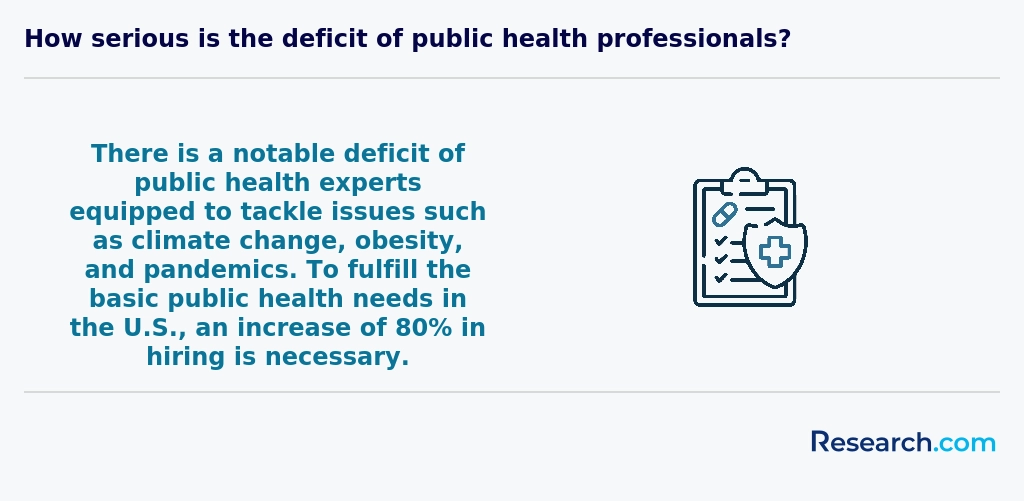
- What is the job market for public health degree in Wisconsin?
- Related Public Health Rankings for Nearby States
- Top Trending Public Health Rankings
What can I expect from public health degree in Wisconsin?
The average cost of pursuing a public health degree in Wisconsin varies depending on the institution and degree level. At the University of Wisconsin-Madison, in-state undergraduate tuition typically ranges around $10,000 to $12,000 per year, while out-of-state students may pay closer to $35,000 annually. Graduate programs generally cost more, with Master's and Doctoral degrees averaging between $12,000 and $25,000 per year for resident students. These costs often reflect comprehensive access to resources such as research opportunities and community partnerships.
Graduates from Wisconsin public health programs frequently highlight the value of hands-on internships provided through collaborations with local health departments and nonprofits. Such experiences enrich classroom learning, making the investment feel worthwhile. Personal stories from alumni at UW-Madison emphasize strong support networks and access to esteemed faculty, which contribute positively to their educational journey despite the financial commitment.
Many students leverage state-backed financial aid, grants, or work-study options to help offset costs. The tangible benefits of training on critical public health issues, like rural health disparities and opioid addiction, make Wisconsin's public health degrees a meaningful investment for residents passionate about community impact.
Where can I work with public health degree in Wisconsin?
Graduates with a public health degree in Wisconsin frequently secure roles within government agencies such as the Wisconsin Department of Health Services, where they contribute to disease prevention, health promotion, and policy development. Many alumni from institutions like the University of Wisconsin-Madison find rewarding careers in epidemiology and program coordination, addressing urgent community health challenges.
Health systems, including University of Wisconsin Hospital and Clinics and Aurora Health Care, actively recruit public health graduates for positions in health administration and patient education. These roles often involve managing care quality and rural health initiatives, reflecting Wisconsin's ongoing efforts to reduce health disparities.
Nonprofit organizations specializing in maternal health, mental health, or substance use regularly employ graduates skilled in grant writing and community engagement. Experience gained during studies at popular Wisconsin colleges can translate directly into impactful work with groups like the Wisconsin Public Health Association.
The private sector and academia also offer dynamic career paths. Graduates often leverage data analytics and policy expertise in health insurance companies or as research staff at universities renowned for public health research, fueling their enthusiasm by contributing to meaningful wellness programs and innovative studies.
How much can I make with public health degree in Wisconsin?
Graduates with public health degrees in Wisconsin can anticipate competitive salaries that reflect their expertise and local industry demands. Entry-level roles such as community health workers earn an average annual salary of approximately $52,610, providing recent graduates, including those from the University of Wisconsin-Madison, a solid foundation as they begin their careers.
Health educators in the state typically earn higher wages, averaging $69,790 annually. This level of compensation often corresponds with the additional skills and certifications gained during graduate studies or practical experience.
Specialized positions like environmental health specialists and occupational health and safety specialists command salaries around $86,710 and $85,570 respectively. Graduates pursuing these paths from prominent Wisconsin institutions frequently find rewarding opportunities within government agencies and research centers located in Madison and Milwaukee, where the demand for public health expertise is robust.
These salary prospects underline not only the financial viability of public health careers in Wisconsin but also the rewarding impact graduates can make within their communities and health systems.
2027 Most Valuable Public Health Degree Programs Ranking in Wisconsin
How do we rank schools?
Investing in your education is a significant decision that can shape your future, and the Research.com team understands the importance of making informed choices. To assist prospective students in Wisconsin, we have meticulously crafted the "2027 Most Valuable Public Health Degree Programs Ranking in Wisconsin." Our commitment to quality, credibility, and accuracy is reflected in the extensive research and analysis conducted to compile this ranking.
We utilized the following reputable data sources to ensure a comprehensive evaluation of public health programs:
By exploring this ranking, readers will gain valuable insights into the best public health degree programs available in Wisconsin, empowering them to make confident and well-informed decisions about their educational journey. For more details on our methodology, please visit our Research.com methodology page.


# 9 position
Medical College of Wisconsin
Master of Public Health


Key Findings
- Public health degrees in Wisconsin are offered by both public and private universities, with programs ranging from bachelor's to master's levels.
- In-state tuition for undergraduate public health programs generally costs between $10,000 and $15,000 per year at public universities.
- Graduate programs like the Master of Public Health (MPH) typically range from $15,000 to $25,000 annually for in-state students, while private institutions can charge over $30,000.
- Wisconsin expects a 12% job growth for health educators and community health workers in the next decade.
- Starting salaries for public health graduates average about $45,000 per year, rising to around $70,000 with experience and advanced qualifications.
- Accredited programs receive state funding and support, offering valuable internships and strong connections to regional public health agencies.
How long does it take to complete public health degree in Wisconsin?
Completing a public health degree in Wisconsin typically requires four years of full-time study for an undergraduate Bachelor of Science in Public Health, as offered by institutions like the University of Wisconsin-Madison. Many graduates describe their undergraduate experience as a fulfilling journey that balances rigorous coursework with engaging community health projects, making the time investment worthwhile. For those pursuing a Master of Public Health (MPH), programs at popular schools such as the Medical College of Wisconsin generally take about two years of full-time study. Graduates often appreciate the program's flexibility, which allows them to apply new skills directly to their jobs swiftly, creating a sense of accomplishment and professional growth.
Doctoral programs, including DrPH or PhD options, require an additional three to five years beyond the master's degree. These extended timelines reflect the depth of research and specialization students pursue, often balancing academic challenges with real-world health initiatives in Wisconsin communities. Hybrid and online formats offered by some colleges add further adaptability, enabling students to complete their degrees while managing personal and professional responsibilities effectively.
What's the difference between online and on-campus public health degree?
On-campus public health degrees in Wisconsin, such as those offered by the University of Wisconsin-Madison and Marquette University, provide students with direct, in-person interaction with faculty and peers. Graduates often highlight the value of participating in lively group discussions, utilizing campus laboratories, and engaging in local internships within Wisconsin's public health departments. This immersive experience fosters strong professional connections and a supportive learning environment.
By contrast, online programs offer flexibility for students balancing work or family commitments, especially those residing outside urban centers of Wisconsin. These programs use video lectures and virtual group projects, allowing learners to study at their own pace while still covering essential public health competencies accredited by CEPH. Graduates appreciate the convenience of managing coursework remotely without sacrificing academic quality.
Both formats equip students to meet Wisconsin's growing public health workforce needs, but choices hinge on personal learning preferences and lifestyle. The on-campus path provides structure and networking opportunities, while online degrees cater to those seeking adaptability without geographic constraints.
Return on Investment of Public Health Degrees in Wisconsin
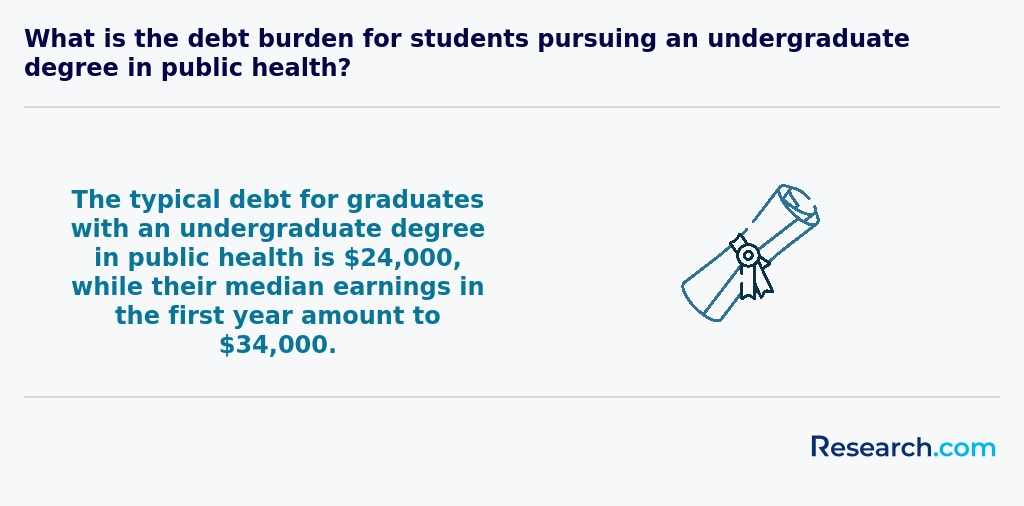
Investing in a public health degree is a significant financial and time commitment, and understanding the return on investment (ROI) can help prospective students choose the programs that deliver the greatest long-term value. On average, Wisconsin graduates complete their MPH with a median debt of $28,000 and enter the workforce earning between $55,000 and $85,000 annually, depending on specialization. By comparing these figures, students can anticipate a payback period of approximately 3–5 years, after which salaries in fields like epidemiology, health policy, or community health education continue to grow. Programs with strong career services and internship components often accelerate ROI by securing higher starting salaries. For example, graduates from the University of Wisconsin-Madison report average starting salaries of $72,000 in public health administration-about 15% above the statewide average. Meanwhile, alumni specializing in environmental health at UW-Eau Claire achieve starting salaries near $68,000 while carrying 20% less debt through in-state tuition discounts and scholarships. To benchmark your earning potential against local roles, it’s helpful to review related salary trends. Understanding positions such as patient care coordinators can provide context for projected earnings: see the latest patient coordinator salary data to gauge how your skills translate to adjacent healthcare roles. Ultimately, by selecting a program with demonstrable placement rates, robust alumni networks, and manageable debt loads, Wisconsin students can maximize the value of their public health education and secure a rapid ROI.
What is the average cost of public health degree in Wisconsin?
The average cost of obtaining a public health degree in Wisconsin varies significantly depending on residency and institution type. For in-state students attending public universities, the median total cost is approximately $10,398. This affordability allows many Wisconsin residents to confidently pursue their degrees without the burden of excessive debt. Graduates from public institutions frequently express satisfaction in balancing quality education with manageable expenses, enabling them to focus on gaining practical skills in community health and epidemiology.
Out-of-state students, however, face a considerably higher median total cost around $34,882. Despite this difference, many appreciate the opportunity to study at renowned Wisconsin colleges known for their comprehensive public health programs. These students often find that financial aid and assistantships play a critical role in relieving the financial strain while immersing themselves in diverse, engaging academic environments.
Understanding the average public health degree cost Wisconsin helps prospective students craft realistic financial plans. Those considering popular universities report that, beyond tuition, additional expenses such as housing, books, and health insurance should be factored into their budgets.
Prospective students looking for affordable public health schools in Wisconsin will find options that combine strong academic curricula with reasonable tuition rates, allowing them to pursue their goals with confidence and enthusiasm.

Related Programs: Exploring Healthcare Administration
Healthcare administration and public health both aim to improve community well-being but differ in scope and skills. Public health focuses on population health, disease prevention and policy, while healthcare administration emphasizes managing facilities, resources and personnel.
- Focus areas: public health covers epidemiology, health promotion and policy; healthcare administration covers finance, operations and leadership
- Typical courses: public health includes biostatistics, environmental health and community assessment; administration includes organizational behavior, health informatics and strategic planning
- Career paths: public health graduates work as epidemiologists or health educators; administrators become hospital managers or clinic directors
Students seeking operational leadership roles may explore a healthcare administration online degree for flexibility in advancing healthcare systems alongside public health initiatives.
What financial aid is available to public health degree students in Wisconsin?
Students pursuing public health degrees in Wisconsin can access a variety of financial aid options tailored to their needs. Many graduate students take advantage of federal aid by completing the FAFSA, which opens eligibility for Federal Direct Unsubsidized Loans and Graduate PLUS Loans, offering manageable repayment plans. Wisconsin residents benefit from in-state tuition discounts, making state-sponsored aid from the Wisconsin Higher Educational Aids Board (HEAB) particularly valuable, as some scholarships extend to public health candidates.
At institutions such as the University of Wisconsin-Madison, graduate teaching and research assistantships provide not only tuition remission but also stipends, enabling students to gain practical experience while easing financial burdens. Alumni often recall how these assistantships allowed them to focus on their studies without overwhelming financial stress.
Professional associations like the American Public Health Association and the Wisconsin Public Health Association frequently offer scholarships, helping students cover tuition and related costs. Additionally, employers in healthcare and government sectors sometimes sponsor continuing education, while programs like Public Service Loan Forgiveness provide hope for manageable debt repayment following graduation.
Return on Investment for Public Health Degrees in Wisconsin
Investing in a Public Health degree in Wisconsin often yields a strong return on investment (ROI), driven by competitive starting salaries and manageable debt-to-income ratios. On average, graduates incur $30,000–$40,000 in student loan debt, while entry-level Community Health Workers begin at approximately $49,900 per year. Health Educators and Environmental Health Specialists report mean salaries of $66,710 and $83,820 respectively, translating to an estimated 4–7 year payback period for degree-related costs. When comparing program costs, prospective students may consider lower-tuition alternatives to accelerate ROI. For an in-depth look at affordable online options, explore our Low Cost Online Bachelor's in Public Health Degree Programs Ranking in the South. Beyond tuition and earnings, scholarships and assistantships can further improve ROI: the average graduate reduces out-of-pocket expenses by 20% through merit-based aid. Factoring in career growth-public health occupations are projected to expand 13% by 2031-graduates can expect continuous salary increases, strengthening long-term financial outcomes. Ultimately, Wisconsin’s public health graduates achieve robust ROI through strategic program selection, financial aid utilization, and upward career mobility.
What are the prerequisites for enrolling in public health degree program in Wisconsin?
Enrolling in a public health degree program in Wisconsin requires meeting distinct prerequisites tailored to the level of study. Undergraduates typically need a high school diploma with competitive GPA scores and completion of foundational courses in biology, chemistry, and math. For example, students entering programs at the University of Wisconsin-Madison often find that having coursework in social sciences and statistics greatly strengthens their applications, helping them feel confident and prepared from day one.
Graduate applicants pursuing a Master of Public Health (MPH) in Wisconsin must hold a bachelor's degree from an accredited institution. Many MPH candidates from popular schools like Marquette University highlight how a background in health sciences or social sciences offered a strong advantage. Key requirements include official transcripts, letters of recommendation, and a compelling personal statement. Some programs request GRE scores, while relevant work or volunteer experience in health fields enhances one's competitive edge.
International students report satisfaction when successfully demonstrating English proficiency through standardized exams, an essential step at schools statewide. These clear prerequisites provide clarity and reassurance for students eager to contribute meaningfully to Wisconsin's growing public health workforce.
Emerging Trends in Public Health Education in Wisconsin
The landscape of public health education is rapidly evolving to meet modern challenges, and Wisconsin is at the forefront of these innovations. Today’s programs are increasingly integrating digital health technologies, data analytics, and community-driven initiatives to better prepare graduates for future challenges. Institutions are embracing flexible curricula that blend in-person and virtual learning environments, ensuring that students remain agile and ready to tackle emerging public health issues. Key trends shaping the future include:
- The integration of telehealth and digital surveillance tools into coursework, providing hands-on experience with the latest healthcare technology.
- An emphasis on interdisciplinary collaboration, where courses combine public health with fields such as environmental science, data analytics, and social policy.
- Increased focus on community-based research and real-world application, allowing students to work directly with local organizations to address current health challenges.
- Robust partnerships with industry leaders and government agencies, which foster internships and mentorship programs to smooth the transition from classroom to career. Students considering their educational investment are encouraged to explore options that balance quality with cost efficiency. For example, many prospective learners have found that affordable public health schools in wisconsin offer innovative programs without compromising on academic excellence. This forward-thinking approach not only enhances the learning experience but also equips graduates with the skills needed to drive impactful change in public health policy and practice.
What courses are typically in public health degree programs in Wisconsin?
Public health degree programs in Wisconsin consistently include core courses essential for developing expertise in this field. Students at well-regarded institutions such as the University of Wisconsin-Madison and Marquette University regularly engage with epidemiology, learning to analyze disease patterns and understand community health risks firsthand. Graduates often recall applying these concepts during internships, investigating real outbreaks or health trends in local populations.
Biostatistics is another fundamental course, where learners master statistical tools critical for interpreting health data. Wisconsin public health students describe the satisfaction of converting complex numbers into strategies that improve community health outcomes.
Courses in environmental health resonate deeply for those studying in Wisconsin's diverse environments, addressing tangible topics like air quality in Milwaukee or agricultural safety in rural areas. The integration of health policy and management equips students to navigate and influence Wisconsin's healthcare systems effectively.
Social and behavioral sciences classes encourage students to design impactful health promotion programs, drawing excitement from seeing measurable changes during community projects. Many programs also offer specializations and practical internships, enriching student experiences through hands-on learning that graduates find both motivating and empowering.
What types of specializations are available in public health degree programs in Wisconsin?
Public health degree specializations Wisconsin students pursue often include Epidemiology, Environmental Health, Health Policy and Management, Biostatistics, and Community Health Education. Graduates from prominent institutions like the University of Wisconsin-Madison report that focusing on epidemiology enhances their ability to research disease patterns critical to managing outbreaks locally. Environmental Health specialists emphasize protecting Wisconsin's natural resources, a concern consistently highlighted by students passionate about community well-being.
Health Policy and Management attracts those aiming for leadership roles, where graduates design policies affecting state health systems. Biostatistics has become especially relevant as data-driven decision-making grows nationwide, equipping students to support public health initiatives with quantitative expertise. Community Health Education students value engaging directly with populations through outreach programs, creating meaningful change.
Those enrolled in a Wisconsin public health program concentrations appreciate the practical applications of their studies in real-world settings and recognize the positive impact reflected in competitive opportunities and fair patient coordinator salary trends statewide.
How do you choose the best public health degree in Wisconsin?
To choose the best public health degree in Wisconsin, prioritize programs accredited by the Council on Education for Public Health (CEPH), as graduates from these institutions report greater confidence entering the workforce. Universities such as the University of Wisconsin-Madison offer rigorous curricula that align well with diverse career paths, from epidemiology to health policy. Graduates often highlight how their hands-on internships and practicum experiences with local health departments enriched their learning and facilitated strong job placement.
Cost is a significant factor when selecting affordable public health degrees Wisconsin offers. Public institutions typically provide lower tuition for in-state students, usually around $9,000 annually, compared to much higher out-of-state fees. Wise students leverage scholarships, assistantships, and financial aid resources to manage expenses effectively.
The curriculum's focus and specialization options are equally important. Many students appreciate programs emphasizing environmental health or biostatistics, which are increasingly relevant to today's health challenges. Additionally, strong ties to community partners in Wisconsin boost networking and career opportunities. For those balancing work and study, consulting the Low Cost Online Bachelor's in Public Health Degree Programs Ranking in the South can reveal flexible, budget-friendly options available to residents.
What career paths are available for public health degree students in Wisconsin?
Graduates with a public health degree in Wisconsin have access to diverse career paths across government agencies, healthcare administration, nonprofit organizations, and academia. Many find fulfilling roles at the Wisconsin Department of Health Services, working on epidemiology, disease prevention, and health promotion, directly impacting community well-being. Those from institutions like the University of Wisconsin-Madison highlight the satisfaction of contributing to statewide health initiatives that make a real difference.
In healthcare settings such as hospitals and clinics, graduates manage public health programs and ensure regulatory compliance while improving patient services. Wisconsin's evolving healthcare landscape offers expanding opportunities for those passionate about administration and policy. Community-based nonprofits provide roles aimed at addressing social determinants of health, where graduates feel empowered advocating for underserved populations and implementing outreach programs.
Additionally, research and education positions at universities allow graduates to engage in meaningful public health studies or instruction. Many students pursuing their Wisconsin public health degree job prospects are encouraged by stories of peers advancing their careers through programs and stepping confidently into roles like health educator or environmental health specialist. For those considering alternatives, exploring best 6-month certificate programs that pay well online can also complement or accelerate career entry.
What is the job market for public health degree in Wisconsin?
The job market for public health degree holders in Wisconsin is robust and expanding, driven by rising demand for healthcare services and preventive initiatives. Graduates from universities and colleges known for their public health programs often find employment in state and local government health departments, hospitals, nonprofit organizations, and private companies focused on health data and policy. These roles provide diverse career pathways in addressing community wellness and managing public health campaigns.
Graduates frequently share positive experiences applying their academic training in dynamic environments such as Milwaukee or Madison, where public health challenges are met with innovative solutions. The Wisconsin public health career outlook is particularly encouraging for those holding Bachelor's or Master's degrees, with salaries typically ranging from entry-level positions starting around $45,000 to over $75,000 for seasoned epidemiologists and program managers.
Educational costs in Wisconsin remain competitive compared to national averages, making degree programs attractive to local students. Many find that the balance of affordable tuition and expanding job opportunities reinforces their decision to study in-state. Prospective students also explore options such as online easiest phd degree programs to further specialize while maintaining flexibility.
Frequently Asked Questions About public health
Public health degree students in Wisconsin can maximize their learning by engaging in hands-on experiences such as internships with local health departments or community organizations. The Wisconsin Department of Health Services offers internship opportunities that expose students to public health practice in real-world settings.
Additionally, students should take advantage of research projects focused on Wisconsin's specific health challenges, like opioid addiction and chronic disease management, which have been highlighted in state health reports.
Networking with professionals through events hosted by the Wisconsin Public Health Association also enhances practical knowledge and career prospects.
Lastly, students should utilize the state's extensive public health data repositories to develop strong analytical skills that employers value.
The public health field in Wisconsin is expanding into several promising niches. One emerging area is data analytics and health informatics, driven by the increasing use of electronic health records and the need for advanced data to improve health outcomes. According to the Wisconsin Department of Health Services, leveraging big data is critical for tackling local health disparities.
Another growth sector is environmental health, with a focus on addressing issues such as water quality and lead exposure in urban and rural communities. The Wisconsin Environmental Public Health Tracking Program highlights these as key concerns.
Additionally, there is rising demand for specialists in community health and behavioral sciences, emphasizing mental health and addiction services. This trend aligns with state efforts to combat the opioid crisis.
These niches offer diverse opportunities for students pursuing public health degrees in Wisconsin to engage with current and future health challenges.
Graduates with a public health degree in Wisconsin should focus on gaining practical experience to improve job prospects. Internships or practicum placements with local health departments, like the Wisconsin Department of Health Services, can provide valuable hands-on learning. Networking is also essential; joining state public health associations or attending regional conferences helps connect with employers.
Wisconsin's public health sector often seeks professionals skilled in data analysis, community outreach, and epidemiology. According to the U.S. Bureau of Labor Statistics, employment for health educators and community health workers in Wisconsin is projected to grow faster than average through 2030. Continuing education and obtaining certifications, such as Certified Health Education Specialist (CHES), may further boost competitive advantage.
Employers in Wisconsin value public health graduates who demonstrate strong analytical and communication skills. Graduates must be proficient in data collection and statistical analysis to address local health challenges effectively. According to the Wisconsin Department of Health Services, understanding epidemiology and health policy is crucial for designing programs targeting issues like chronic disease and substance abuse.
Additionally, employers look for cultural competence and community engagement abilities, as Wisconsin's diverse population requires tailored health solutions. Leadership and project management skills are also highly prized to coordinate public health initiatives successfully in both urban and rural areas.
Finding internships in Wisconsin relevant to a public health degree involves leveraging multiple resources. Many universities in Wisconsin, such as the University of Wisconsin-Madison, have established partnerships with local health departments, hospitals, and nonprofit organizations that offer public health internship opportunities.
The Wisconsin Department of Health Services provides listings for internships in areas like epidemiology and community health. Additionally, national platforms such as the Council on Education for Public Health (CEPH) maintain databases of accredited programs and affiliated internships, which often include Wisconsin placements.
Networking through professional organizations like the Wisconsin Public Health Association can also increase access to internships. Students should actively seek community-based projects and state-run public health initiatives, which are crucial in a state with nearly 6.9 million residents as reported in 2023 by the U.S. Census Bureau.
Applying early and preparing a tailored resume emphasizing relevant coursework enhances chances, given the competitive nature of these internships in the state's evolving health sector.
A public health degree in Wisconsin can significantly enhance career mobility and advancement. Graduates often find opportunities in diverse sectors such as government agencies, healthcare organizations, and nonprofit groups. According to the Wisconsin Department of Health Services, the state expects public health-related jobs to grow by over 12% through 2030, faster than many other fields.
Such a degree equips students with skills in epidemiology, health policy, and community health, which are highly valued by employers. Many roles in Wisconsin, especially in urban centers like Milwaukee and Madison, offer advancement potential for those with advanced public health education.
Furthermore, Wisconsin's emphasis on rural health initiatives increases demand for professionals equipped to address unique community health challenges, creating additional career pathways. Data from the Bureau of Labor Statistics highlights that median wage growth in public health roles in Wisconsin outpaces some neighboring states, supporting career advancement prospects.
Studying for a public health degree in Wisconsin equips students with skills to work across multiple fields such as epidemiology, health policy, and community outreach. Many programs emphasize collaboration with healthcare providers, government agencies, and nonprofit organizations. This approach reflects Wisconsin's focus on addressing complex health challenges, including rural health disparities and chronic disease prevention. According to the Wisconsin Department of Health Services, cross-sector collaboration is vital for improving public health outcomes statewide.
Students often engage in experiential learning through internships and research projects, fostering practical interdisciplinary skills. This prepares graduates to navigate diverse professional environments effectively.
Choosing between a thesis and a non-thesis public health degree program in Wisconsin depends largely on your career goals and academic interests. Thesis programs typically require original research and a written dissertation, which can prepare you for doctoral studies or research-focused roles. Non-thesis options often emphasize practical skills through internships or projects, suited for students aiming to enter public health practice directly.
According to the Association of Schools and Programs of Public Health, Wisconsin's public health workforce is growing by about 5% annually, with demand for both research and applied skills. If you prefer hands-on experience, a non-thesis path may be more suitable. Conversely, institutions like the University of Wisconsin offer thesis tracks geared toward developing analytical expertise.
Consider your readiness for intensive research and your long-term career plan before deciding. Contacting program advisors can provide specific guidance tailored to Wisconsin public health markets.
Students in Wisconsin pursuing public health degrees have several opportunities to study abroad through established exchange programs and partnerships. Many universities, including the University of Wisconsin-Madison, offer semester-long or summer study abroad options in collaboration with institutions in Europe, Asia, and Latin America. These programs allow students to gain global perspectives on public health challenges.
Wisconsin public health schools often incorporate international experiences to enhance research and practical skills. According to the Wisconsin Department of Health Services, understanding global health trends is vital for addressing state and national health concerns.
Students are encouraged to explore programs that offer internships or fieldwork abroad to complement classroom learning and build valuable networks.
Part-time job opportunities in Wisconsin that complement public health degree education often focus on community engagement and healthcare support. Students frequently find positions as health educators, where they assist with public awareness campaigns aimed at improving health outcomes in diverse Wisconsin populations.
Other common roles include working as research assistants in university public health departments, providing valuable data collection and analysis experience. According to the Wisconsin Department of Health Services, opportunities also exist in local health departments assisting with immunization programs and disease prevention efforts.
Additionally, roles in healthcare facilities, such as patient support or administrative positions, offer practical exposure to health systems, enhancing academic learning.
Public health students in Wisconsin benefit from numerous networking opportunities through universities, professional organizations, and community events. Institutions like the University of Wisconsin-Madison offer access to the Wisconsin Public Health Association (WPHA), which hosts conferences and workshops. These gatherings connect students with local health professionals and policymakers actively addressing Wisconsin's unique public health challenges.
Additionally, internships facilitated by academic programs often place students in Wisconsin Department of Health Services and local health departments. This practical experience enables meaningful professional connections. According to WPHA, these relationships are crucial since the state's public health workforce is expected to grow by over 10% by 2030.
Alumni networks play a crucial role in supporting public health degree students in Wisconsin by providing access to experienced professionals and local job opportunities. Graduates from programs at institutions such as the University of Wisconsin-Madison often mentor current students, offering guidance on internships and career paths. According to the Wisconsin Public Health Association, these connections help students navigate the state's health sector, which faces unique challenges like rural healthcare access. Networking also promotes information sharing about emerging public health trends and policies relevant to Wisconsin's communities. This collaborative environment enhances students' chances of successful employment after graduation.
Public health degree programs in Wisconsin often offer flexible options to help students tailor their education according to career goals. Many universities provide concentrations such as epidemiology, health promotion, or environmental health. By selecting specific electives or specializations, students can gain targeted skills aligned with local health priorities.
Internships and practicum placements with Wisconsin's Department of Health Services or local health organizations provide valuable hands-on experience. These opportunities enable students to work directly in communities affected by issues like substance abuse or chronic disease, which are prominent public health concerns in the state according to the Wisconsin Interactive Statistics on Health (WISH) database.
Some programs enable part-time study or online coursework, accommodating working professionals. Additionally, certificate programs or dual degrees can complement core public health studies, allowing for further customization to individual career paths.
Public health students in Wisconsin encounter several challenges during their studies. A primary difficulty is balancing rigorous coursework with fieldwork requirements, as many programs emphasize practical experience through internships or community projects. This is especially relevant given Wisconsin's diverse population and unique health concerns, such as rural healthcare access and opioid addiction.
Additionally, funding can be a constraint. While public health degrees often lead to important careers, students may face limited scholarships or financial aid options specific to their field in Wisconsin, increasing the burden of tuition and living expenses.
Access to up-to-date local data for research is another hurdle. Reliable statistics on regional health trends can be scarce or delayed, hindering students' ability to conduct timely analyses. According to the Wisconsin Department of Health Services, rural health disparities remain a key focus, but comprehensive data is still needed.
Finally, public health students must navigate an evolving job market impacted by public health crises like COVID-19. This creates high expectations but also uncertainty in career pathways, prompting students to develop adaptable skills.
With a public health degree in Wisconsin, graduates can pursue several recognized professional certifications to advance their careers. The Certified in Public Health (CPH) credential, offered by the National Board of Public Health Examiners, is highly valued nationwide, demonstrating expertise in core public health sciences.
Additionally, Wisconsin public health professionals often seek Certified Health Education Specialist (CHES) certification, which focuses on health promotion and education skills.
For those interested in epidemiology or data analysis, the Society for Public Health Epidemiology offers specialization certifications. Moreover, Wisconsin's Department of Health Services supports credentials in communicable disease investigation and public health preparedness, relevant due to the state's focus on community health initiatives.
These certifications typically require a combination of education, experience, and passing an examination, enhancing employability within Wisconsin's diverse public health sectors.
To write a winning application for a public health program in Wisconsin, start by thoroughly researching the schools you are interested in, such as the University of Wisconsin-Madison or Marquette University. Highlight relevant experience, including internships or volunteer work in community health settings. Wisconsin's public health sector focuses on issues like chronic disease prevention and rural health access, so align your goals with these priorities. Include clear, concise personal statements detailing your motivation and how you plan to contribute to Wisconsin's health needs. Strong letters of recommendation from professionals familiar with your skills will significantly enhance your application.
Emphasize academic achievements, especially in science and social science courses. Many programs require GRE scores, so prepare well in advance. According to the Wisconsin Department of Health Services, local public health challenges provide excellent topics for demonstrating your awareness in essays.
A public health career offers a global outlook, emphasizing the interconnectedness of health challenges worldwide. Professionals trained in Wisconsin benefit from U.S.-based education standards recognized internationally, preparing graduates to address issues like pandemics, health disparities, and environmental risks. According to the Wisconsin Department of Health Services, local expertise aligns with global priorities such as infectious disease control and chronic illness prevention.
Globally, public health workers collaborate through organizations like the World Health Organization, highlighting the demand for professionals skilled in epidemiology, health policy, and community health. Pursuing a degree in Wisconsin equips students with knowledge applicable to both local and international contexts, supporting careers in diverse environments.
Gaining practical experience while studying for a public health degree in Wisconsin is essential for career readiness. Many Wisconsin universities offer internships through partnerships with local health departments, hospitals, and nonprofit organizations. For example, the Wisconsin Department of Health Services collaborates with students to provide hands-on public health projects.
Students can also participate in service-learning programs or research initiatives supported by the University of Wisconsin System. These opportunities often focus on pressing state health issues like opioid addiction and chronic disease prevention, which Wisconsin public health data highlights as critical concerns.
Additionally, attending state conferences, such as the Wisconsin Public Health Association annual meeting, offers networking and practical insights into public health careers in the region.
Choosing the right concentration within a public health degree program in Wisconsin requires understanding both your career goals and the state's health landscape. Wisconsin faces specific challenges, such as rural health disparities and chronic disease management, which influence demand for expertise in areas like epidemiology or health policy. According to the Wisconsin Department of Health Services, fields focusing on community health promotion and healthcare management are seeing steady growth. Prospective students should review concentrations offered by accredited schools, considering options aligned with Wisconsin's workforce needs reported by the Bureau of Labor Statistics. Aligning your concentration with local health priorities and employment trends is key.
Related Public Health Rankings for Nearby States
- 2027 Most Valuable Public Health Degree Programs Ranking in Minnesota
- 2027 Most Valuable Public Health Degree Programs Ranking in Indiana
- 2027 Most Valuable Public Health Degree Programs Ranking in Arkansas
- 2027 Most Valuable Public Health Degree Programs Ranking in Alabama
- 2027 Most Valuable Public Health Degree Programs Ranking in Georgia
- 2027 Most Valuable Public Health Degree Programs Ranking in Florida
- 2027 Most Valuable Public Health Degree Programs Ranking in Connecticut
- 2027 Most Valuable Public Health Degree Programs Ranking in Idaho
- 2027 Most Valuable Public Health Degree Programs Ranking in Arizona
- 2027 Most Valuable Public Health Degree Programs Ranking in California
Top Trending Public Health Rankings
References
- Medical College of Wisconsin Public Health Graduate Programs https://www.mcw.edu/education/graduate-school/graduate-school-programs/public-health
- Master of Science (M.S.) Major in Public Health Education and Promotion (Non-thesis Option) https://mycatalog.txstate.edu/graduate/education/health-human-performance/public-healthed-promo-nonthesis-ms/
- Today’s Guide to Public Health Certifications https://www.publichealthdegrees.org/resources/public-health-certifications/
- How to carve a niche in your public health career | PH SPOT https://phspot.org/carvinganiche/
- Funding Your Public Health Career - WPHA https://www.wpha.org/page/FundingYourPHCareer/Funding-Your-Public-Health-Career.htm
- 5 Internships for a Master’s in Public Health Student - Healthcare Administration Degree Programs https://www.healthcare-administration-degree.net/lists/5-internships-for-a-masters-in-public-health-student/
- Dive deeper into public health topics. https://www.apha.org/topics-and-issues
- Careers in Public Health https://www.co.sauk.wi.us/publichealth/careers-public-health
- Graduate Programs in Public Health Tuition https://www.uwec.edu/graduate-programs-public-health-tuition
- Public Health Professional Cover Letter Examples - Templates & Writing Tips https://www.resume-now.com/cover-letter/examples/government/public-health-professional


