
2027 Best Social Work Degree Programs Ranking in Mississippi

Co-Founder and Chief Data Scientist
Are you considering a career in social work and searching for the best degree programs in Mississippi? This article introduces the 2027 Best Social Work Degree Programs Ranking in Mississippi, carefully developed by the Research.com team of data scientists. Their goal is to help you make an informed decision about which programs offer the most value and opportunities.
Exploring these programs can open the door to fulfilling, meaningful careers where you truly make a difference. Let this ranking guide your journey and inspire confidence in your educational choices.
Key benefits of getting social work degree in Mississippi
- Social work degree graduates in Mississippi can earn competitive salaries, with Social Workers making a mean annual wage of $68,800 and Community Organizers earning about $83,400 on average, offering financial stability in rewarding fields.
- Graduates from Mississippi universities often find diverse career paths, including roles as Child Welfare Specialists, Youth Workers, or Residential Counselors, allowing them to make a meaningful impact in various community settings.
- Online social work degrees from Mississippi colleges provide flexibility and convenience, enabling students to balance education with personal commitments while still gaining valuable skills and credentials for their careers.
- Key benefits of getting social work degree in Mississippi
- What can I expect from social work degree in Mississippi?
- Where can I work with social work degree in Mississippi?
- How much can I make with social work degree in Mississippi?
- 2027 Best Social Work Degree Programs Ranking in Mississippi
- Key Findings
- How long does it take to complete social work degree in Mississippi?
- Enhancing Your Professional Growth Through Networking and Career Development
- What's the difference between online and on-campus social work degree?
- Accreditation and Licensure Requirements
- What is the average cost of social work degree in Mississippi?
- Affordable Online Social Work Degrees: Cost Comparison and Value Analysis
- What financial aid is available to social work degree students in Mississippi?
- Licensure and Certification in Mississippi
- What are the prerequisites for enrolling in social work degree program in Mississippi?
- Affordability and Financial Considerations for Social Work Students in Mississippi
- What courses are typically in social work degree programs in Mississippi?
- What types of specializations are available in social work degree programs in Mississippi?
- How do you choose the best social work degree in Mississippi?
- What career paths are available for social work degree students in Mississippi?
- What is the job market for social work degree in Mississippi?
- Related Social Work Rankings for Nearby States
- Top Trending Social Work Rankings
- See What Experts Have To Say About Studying Social Work
What can I expect from social work degree in Mississippi?
When considering the cost of a social work degree in Mississippi, many students find public universities to be the most affordable option, especially if you qualify as an in-state resident. Typically, tuition for a Bachelor of Social Work (BSW) or Master of Social Work (MSW) at institutions like the University of Mississippi or Jackson State University may range from moderate to low compared to national averages. Graduates often share that the investment feels worthwhile, given the quality of hands-on fieldwork experiences and strong community focus these programs offer.
Financial aid and scholarships tailored specifically for social work students further ease the financial burden, allowing many to pursue their passion without overwhelming debt. For example, a graduate from a public university recalls how scholarship support made a real difference in affording their field placements in local healthcare clinics and social service agencies, which enriched their learning beyond textbooks.
The practical value of these degrees, combined with competitive tuition for in-state students, makes Mississippi a favorable place to launch a career dedicated to meaningful social change.
Where can I work with social work degree in Mississippi?
If you earn a social work degree in Mississippi, diverse and meaningful career paths await you. Graduates from universities like the University of Southern Mississippi or Jackson State University often find rewarding roles in public agencies such as the Mississippi Department of Human Services, where they help families navigate foster care or child welfare programs. Imagine being the steady support for a struggling family in your own community-that's the daily impact you can have.
Healthcare settings are another rich avenue. Social work grads frequently join hospitals and mental health centers, providing counseling and care coordination, especially in both bustling cities like Jackson and remote rural areas. Many find this work deeply fulfilling, acting as crucial bridges for patients facing chronic illness.
Schools across the state also eagerly hire social workers to assist students wrestling with emotional or academic challenges. Knowing you help children succeed in their education and life can be profoundly motivating.
Nonprofits and justice systems offer yet more opportunities, from combating homelessness to supporting offender rehabilitation. Just remember, roles that involve clinical practice will require licensure like LMSW or LCSW, ensuring you're fully prepared to serve your community independently.
How much can I make with social work degree in Mississippi?
Graduates from social work programs at universities like the University of Southern Mississippi or Jackson State University often find rewarding roles with competitive salaries in Mississippi's social services sector. For example, entry into positions such as Child Welfare Specialist or Residential Counselor offers mean annual wages around $59,190, providing a solid starting point to support your career and community.
Many graduates quickly realize their impact grows as their earnings do. Roles like Community Organizer or Youth Worker, both with average salaries near $83,400, demonstrate how advanced skills and experience pay off. Seeing a young person thrive because of your guidance is priceless, and it often comes with the financial rewards matching that responsibility.
Social workers overall earn about $68,800 per year on average in the state, highlighting the balance between meaningful work and a sustainable income. When I've mentored recent graduates, I've encouraged them to embrace licensure and specialization, which can open doors to higher wages and leadership positions in Mississippi's metropolitan areas, making their dedication truly worthwhile.
2027 Best Social Work Degree Programs Ranking in Mississippi
How do we rank schools?
Investing in your education is a significant decision that can shape your future, and the Research.com team understands the importance of making informed choices. To assist prospective students in Mississippi, we have meticulously crafted the "2027 Best Social Work Degree Programs Ranking in Mississippi." Our commitment to quality, credibility, and accuracy is reflected in the extensive research and analysis conducted to compile this ranking.
We utilized the following reputable data sources to ensure a comprehensive evaluation of social work programs:
By exploring this ranking, readers will gain valuable insights into the best social work degree programs available in Mississippi, helping them make informed decisions about their educational paths. For more details on our methodology, please visit our Research.com methodology page.


Key Findings
- Tuition for social work programs in Mississippi public universities ranges from about $7,000 to $10,000 per year for in-state students.
- Private schools may charge between $15,000 and $25,000 annually depending on the program and school.
- Most students earn a Bachelor of Social Work (BSW) or Master of Social Work (MSW) from CSWE-accredited programs required for licensure.
- Starting salaries for social work graduates average around $38,000 per year, with experienced professionals earning between $50,000 and $55,000 annually.
- Licensing requires supervised work experience and passing the ASWB exam, with two main levels: Licensed Master Social Worker (LMSW) and Licensed Clinical Social Worker (LCSW).
- The job market in Mississippi for social workers is steady and growing, with key employers including government agencies, non-profits, hospitals, and schools.
How long does it take to complete social work degree in Mississippi?
In Mississippi, earning a social work degree is a journey filled with growth and rewarding challenges. Typically, a Bachelor of Social Work (BSW) takes about four years of full-time study at universities like the University of Mississippi or Jackson State University. Many graduates share how this time not only built their knowledge but also deepened their passion for helping others through hands-on experience and dedicated coursework.
If you want to advance your career, a Master of Social Work (MSW) usually requires an additional two years full-time. Some students, especially those from Mississippi colleges with strong social work programs, choose part-time study, extending this to three years or more. For those coming in with a BSW, Advanced Standing programs can reduce MSW studies to just one year, accelerating the path forward while allowing you to balance life's commitments.
Remember, alongside classroom learning, supervised fieldwork-ranging between 400 and 900 hours-is essential. It's often these real-world moments, working directly in Mississippi communities, that inspire students the most and prepare them for a meaningful career in social work.
Enhancing Your Professional Growth Through Networking and Career Development
In addition to outstanding academic curricula, a key factor in selecting a Social Work degree program is the strength of its professional development and networking opportunities. Many top programs actively connect students with community partners, local agencies, alumni networks, and industry events, ensuring that graduates are not only well-versed in theory but also prepared for the practical challenges of their future careers. Students benefit from robust career centers that host job fairs, resume workshops, and networking sessions, which provide essential guidance on interviews and effective communication skills. These support systems also foster valuable alumni connections that can lead to mentorship relationships and career advancement after graduation. Furthermore, advanced learners interested in extending their expertise might explore additional qualifications, such as doctor of social work programs, which emphasize leadership and research skills crucial for driving change at both community and organizational levels. By prioritizing professional development resources and networking opportunities, students can significantly enhance their long-term career prospects and make a smoother transition into the competitive landscape of social work.
What's the difference between online and on-campus social work degree?
Choosing between an online and on-campus social work degree in Mississippi first comes down to your lifestyle and learning preferences. Imagine a graduate from the University of Southern Mississippi who juggled a full-time job and family by enrolling in an online Bachelor of Social Work program. The flexibility allowed them to study late at night while still completing crucial supervised field placements nearby.
Contrast that with a graduate from Jackson State University who thrived in the traditional classroom environment. They built strong networks through face-to-face interactions with professors and peers and easily accessed local agencies for internships, which directly helped them secure employment after graduation. These real connections are invaluable in social work careers.
Both routes require discipline and commitment, but on-campus study usually has a structured schedule that keeps students engaged in real time. Online programs often follow an asynchronous format, offering convenience for those in rural Mississippi or balancing other responsibilities.
Regardless of the path, Mississippi's affordable tuition - often under $7,000 for in-state students - makes pursuing your social work dream achievable no matter where you study.
Accreditation and Licensure Requirements
Choosing a CSWE-accredited program is essential to sit for licensure in Mississippi. After earning your degree, you’ll need to:
- Graduate from a CSWE-accredited BSW or MSW program
- Complete 3,000 hours of supervised post-MSW clinical experience under a licensed LCSW
- Pass the Association of Social Work Boards (ASWB) clinical exam
- Submit an application and fees to the Mississippi Board of Examiners for Social Workers and Marital and Family Therapists
- Renew your license every two years with required continuing education (typically 20 hours)
Consider accelerated pathways like 1 year msw programs online to fast-track accreditation and meet licensure prerequisites efficiently.
What is the average cost of social work degree in Mississippi?
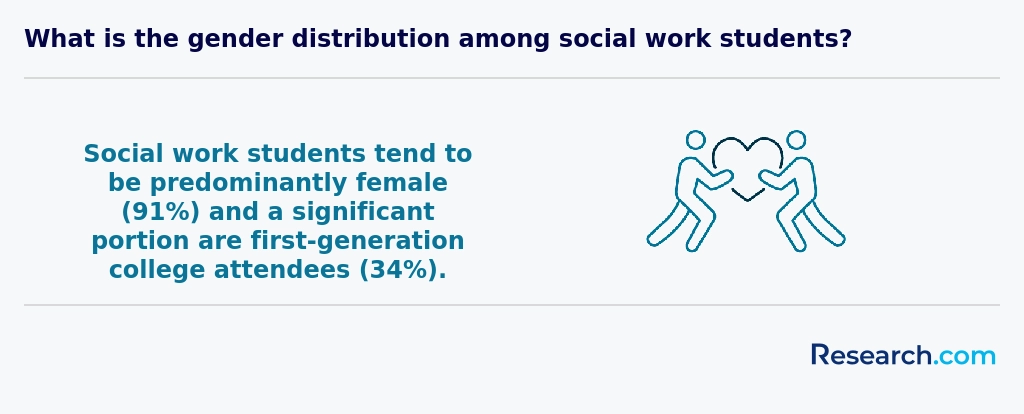
The average cost of earning a social work degree in Mississippi varies depending on several factors, including whether you are an in-state or out-of-state student and the type of institution you choose. In-state students at public universities often benefit from more affordable tuition, with median total costs around $9,772. Many graduates from schools like the University of Southern Mississippi and Jackson State University recall how manageable expenses enabled them to focus wholeheartedly on their studies and fieldwork.
Out-of-state students and those attending private institutions face higher costs, with median total expenses reaching approximately $25,439. Private universities, such as Belhaven University, typically have tuition fees starting near $18,000 annually. Students who have made this investment often describe the value they gained from robust networks and personalized instruction that supported their professional growth.
When evaluating the average cost of a social work degree Mississippi students often consider both tuition and additional expenses. Beyond tuition, costs like books, supplies, and living expenses can add several thousand dollars each year, so planning ahead is essential. The total expenses for social work program in Mississippi can be substantial but many students successfully offset these through scholarships, financial aid, and assistantships, which help make this fulfilling career path more attainable.
For those seeking options, it's wise to explore the cheapest social work schools in Mississippi to find a program that fits both your ambitions and budget.
Affordable Online Social Work Degrees: Cost Comparison and Value Analysis
Evaluating the true cost of a Social Work degree requires more than glancing at tuition rates; students should consider total program expenses-including fees, materials, and residency requirements-to make informed decisions about return on investment. Online formats often reduce ancillary costs like transportation and campus housing, but tuition per credit can vary widely across institutions. By comparing program costs on a per-credit and total-degree basis, prospective students can identify the most cost-effective option without sacrificing quality or accreditation. Several public and private universities in Mississippi and beyond offer competitively priced online Bachelor of Social Work programs. Institutions with lower per-credit rates frequently emerge as top contenders for budget-minded learners seeking accredited curricula and robust field practicum support. To explore a curated list of programs that balance affordability with academic rigor, visit where is the cheapest bachelors of social work online and compare cost structures, accreditation status, and student outcomes. Maximizing value also involves leveraging financial aid strategically. Prospective students should research institutional scholarships for online learners, apply for need-based grants such as the Federal Pell Grant, and explore state-level aid that may cover technology fees. Additionally, many employers offer tuition reimbursement for social work professionals-another pathway to reduce out-of-pocket expenses. By prioritizing both affordability and program quality, students can secure a strong educational foundation while minimizing long-term debt.
What financial aid is available to social work degree students in Mississippi?
Securing financial aid is a vital step on your journey to earning a social work degree in Mississippi. Many graduates from the University of Mississippi share how completing the FAFSA opened doors to federal Pell Grants, which can provide up to $7,395 annually-funds that truly made a difference when balancing tuition and daily expenses. Beyond federal help, Mississippi's own Eminent Scholars Grant rewards those who combine academic excellence with financial need, offering a powerful boost to your funding options.
For military-affiliated students stepping into social work, the Helping Heroes Grant is an encouraging support, easing financial pressure while you focus on your studies. Graduates from Jackson State University often highlight university-specific scholarships that recognize dedication to social work, making education more accessible and manageable.
Many find hope in national opportunities through the National Association of Social Workers scholarships, providing additional resources and motivation. Plus, for those committed to public service careers, the Public Service Loan Forgiveness program offers a path to reducing debt after years of dedicated work in Mississippi communities.
Licensure and Certification in Mississippi
Becoming a licensed social worker in Mississippi requires careful planning, adherence to state regulations, and ongoing professional development. Here’s what you need to know: – Educational Prerequisite: • Bachelor’s Degree in Social Work (BSW) from a CSWE-accredited program for entry-level licensure (Licensed Social Worker, LSW). • Master’s Degree in Social Work (MSW) from a CSWE-accredited institution for clinical licensure (Licensed Master Social Worker, LMSW, and Licensed Certified Social Worker, LCSW). • For flexible online MSW pathways, consider our Most Affordable Online Master's in Social Work Degree Programs Ranking in Texas. – Supervised Practice Hours: • LSW applicants must complete 2,000 hours of supervised practice under an LMSW or LCSW. • LCSW candidates need 3,000 total hours of postgraduate supervision, including at least 100 hours of direct clinical oversight. – Examination Requirements: • Submit an application and official transcripts to the Mississippi Board of Examiners for Social Workers and Marriage & Family Therapists. • Upon approval, register for the appropriate ASWB exam: ◦ Bachelor’s level exam for LSW. ◦ Master’s level exam for LMSW. ◦ Clinical level exam for LCSW. – Renewal and Continuing Education: • Licenses renew biennially. • LMSWs and LCSWs must earn 20 approved continuing education units (CEUs) every two years, including at least 6 hours in ethics. • Approved CE providers include NASW-Mississippi, universities, and recognized professional associations. – Professional Associations and Networking: • Join the National Association of Social Workers (NASW) Mississippi Chapter for advocacy, resources, and discounted CEUs. • Attend annual state conferences and local workshops to stay current on best practices in trauma-informed care, telehealth, and policy advocacy. By understanding and meeting these licensure milestones, social work graduates in Mississippi can confidently advance to independent practice, expand their clinical competencies, and contribute meaningfully to communities across the state.
What are the prerequisites for enrolling in social work degree program in Mississippi?
To step into a social work degree program in Mississippi, you'll need to have a clear foundation. For those aiming at a Bachelor of Social Work (BSW), holding a high school diploma or GED is essential. Graduates from popular schools like the University of Southern Mississippi often share how meeting these basics gave them the confidence to begin their journey. Admission typically requires meeting general university standards, such as maintaining a solid GPA and completing core English and math courses.
When moving toward a Master of Social Work (MSW), a bachelor's degree is non-negotiable. Many students at Jackson State University found that having coursework in social sciences or psychology strengthened their applications, alongside a competitive GPA-usually around 3.0 or higher. These MSW candidates often recall how submitting heartfelt personal statements and letters of recommendation allowed their passion for helping communities to shine through.
Fieldwork is where theory leaps into reality. Successful social work graduates describe practicum experiences at Mississippi universities as transformative, emphasizing that hands-on placements supervised under CSWE standards teach invaluable lessons far beyond textbooks.

Affordability and Financial Considerations for Social Work Students in Mississippi
For prospective social work students in Mississippi, understanding the financial aspects of pursuing a degree in this field is crucial. One of the key considerations is the cost of tuition, which can vary significantly depending on the institution and program. Students looking for affordable options may want to explore the cheapest social work schools in Mississippi, which can provide a quality education at a lower cost. Additionally, students should research available financial aid, scholarships, and assistantships that can help offset the costs of tuition, fees, and living expenses. By carefully planning and exploring these financial considerations, aspiring social workers can make informed decisions about their educational pathway and set themselves up for success in their future careers.
What courses are typically in social work degree programs in Mississippi?
Social work degrees in Mississippi typically include courses that build a deep understanding of human behavior and social environments, essential for anyone passionate about making a difference. For instance, classes like Human Behavior in the Social Environment help you grasp how individuals and communities grow and interact-knowledge that graduates from the University of Southern Mississippi often say changed how they approach client relationships with empathy and insight.
Understanding the local landscape is vital, so courses like Social Welfare Policy and Services focus on Mississippi's unique social systems, policies, and challenges. Many graduates from Jackson State University recall how this course gave them a real edge, preparing them for work with state agencies and nonprofits that serve vulnerable populations.
Hands-on learning also plays a huge role. Clinical practice and field internships allow you to apply these lessons directly in communities facing poverty, mental health issues, or child welfare concerns, building confidence and real-world skills before you even graduate.
Electives let you explore your passions further, from substance abuse to gerontology, tailoring your journey toward the career path that excites you most.
What types of specializations are available in social work degree programs in Mississippi?
When exploring social work degree concentrations in Mississippi, you'll find a variety of specializations tailored to meet the state's unique needs. Graduates from universities like the University of Mississippi and Jackson State often share how focusing on Child and Family Social Work prepared them to collaborate with agencies addressing child welfare challenges in Mississippi communities. Others have found their passion in Mental Health and Substance Abuse, responding to rural Mississippi's growing demand for counselors skilled in these fields.
Healthcare Social Work is another vibrant path, especially as hospitals and clinics around the state expand services. Students describe the fulfillment that comes from helping patients navigate complex medical systems. School Social Work also draws many, where graduates support students facing bullying or behavioral struggles, creating safer school environments.
For those inspired by elder care, Gerontological Social Work offers rewarding opportunities to assist Mississippi's aging population. Choosing a specialization aligned with local workforce needs not only deepens your impact but boosts employability. If you're looking to advance beyond a master's, consider doctor of social work programs that build on these foundational specializations.
How do you choose the best social work degree in Mississippi?
Choosing the best social work degree programs in Mississippi starts with focusing on CSWE accreditation, which ensures your degree will be recognized for licensure and employment. Graduates from universities like the University of Mississippi often share how their accredited programs provided them hands-on experiences through rich practicum placements in Mississippi's communities, sharpening their skills for real-world impact.
Affordability is another critical factor. Many social work students balance studies with family or work, so finding affordable social work degrees Mississippi can relieve financial stress. Public universities in the state typically charge between $8,000 and $10,000 annually for tuition, and there are scholarships designed to support social work learners. For those seeking flexibility, programs offering part-time or online options allow you to keep moving forward without pausing life's other commitments-you might want to explore where is the cheapest bachelors of social work online.
Look deeply into how a program aligns with Mississippi's licensure requirements, especially if clinical social work is your goal, as an MSW from a CSWE-accredited school is necessary. Graduates often recall how their studies at Jackson State University exposed them to Mississippi-specific social issues, enabling profound personal and professional growth while preparing for licensure and service.
What career paths are available for social work degree students in Mississippi?
Graduates with a social work degree in Mississippi find a wealth of opportunities that truly make a difference in communities. Whether it's working for the Mississippi Department of Human Services supporting at-risk children or becoming a healthcare social worker in hospitals and clinics, the impact is immediate and meaningful. Many social work students from popular universities like the University of Southern Mississippi share how their hands-on experiences in child welfare or school settings proved rewarding as they helped families and youth navigate difficult challenges. This is a great example of the social work career opportunities in Mississippi, where you can specialize in areas like child protection, healthcare coordination, or school social work-each vital to the state's needs.
For those drawn to aging populations or mental health, roles in nursing homes or substance abuse treatment centers offer fulfilling pathways. Graduates often talk about how their time at well-known colleges prepared them not just academically but emotionally, enabling them to advocate powerfully for justice and rehabilitation. To explore further options, aspirants can review the Most Affordable Online Master's in Social Work Degree Programs Ranking in Texas, which can provide additional flexibility in advancing their careers. Considering Mississippi social work degree job prospects, the blend of local demand and affordable education creates an inspiring landscape for future social workers.
What is the job market for social work degree in Mississippi?
The social work job outlook Mississippi offers is encouraging for graduates from well-known institutions like the University of Southern Mississippi and Jackson State University. These schools provide strong programs that prepare students for rewarding roles in healthcare, child welfare, and mental health sectors. Many graduates share how their hands-on experiences during field placements with community agencies helped them build confidence and secure positions quickly after earning their degree.
With a projected 10% growth in social work jobs through 2030, opportunities abound, especially in public agencies and healthcare facilities. Though salaries in Mississippi may run lower than national averages, the affordable tuition costs at state universities make pursuing a social work degree a smart investment. Licensing requirements further boost career prospects, offering a clear pathway for advancement.
For those balancing work and studies, exploring the quickest online programs for working adults within Mississippi's offerings can be a game changer to achieve your professional goals while managing daily responsibilities.
Mississippi social work career opportunities thrive in rural and urban settings alike, where your impact will truly matter to individuals and families in need.
Frequently Asked Questions About social work
Social work degree students in Mississippi can maximize their learning experience by actively engaging in field internships, a key component of accredited social work programs. These practical experiences connect classroom knowledge to real-world practice, often arranged through partnerships with local agencies. According to the Council on Social Work Education, field education hours are crucial for licensure preparation in Mississippi.
Students should also take advantage of networking opportunities offered by Mississippi's professional social work organizations, such as the Mississippi Chapter of the National Association of Social Workers. These connections provide mentorship, workshops, and career guidance.
Furthermore, choosing programs accredited by the CSWE ensures up-to-date curriculum aligned with state licensure requirements, enhancing graduate employability in Mississippi's growing social services sector.
Emerging niches within the social work field in Mississippi reflect growing community needs and national trends. One key area is rural social work, which addresses challenges like healthcare access and mental health services in less populated areas. Mississippi's largely rural population benefits from specialists trained to navigate these complexities.
Another expanding niche is gerontological social work, focusing on supporting the aging population. By 2030, nearly 20% of Mississippians will be over 65, increasing demand for professionals skilled in elderly care and related services (Mississippi State Data Center).
Finally, trauma-informed social work is growing, especially in response to rising rates of substance abuse and domestic violence. Programs emphasize understanding trauma's impact on behavior and recovery, which is vital throughout Mississippi's communities.
After completing a social work degree in Mississippi, preparing for the job market involves several strategic steps. Begin by obtaining licensure through the Mississippi Board of Examiners for Social Workers, which requires passing the Association of Social Work Boards (ASWB) exam. This credential is essential for many social work positions across the state.
Building hands-on experience through internships or volunteer work during your studies increases employability. Utilize job boards such as the Mississippi Department of Human Services website, which regularly posts social work openings. Networking with professionals via local chapters of the National Association of Social Workers (NASW) Mississippi Chapter also enhances job prospects.
Mississippi's growing demand for social workers in healthcare and child welfare sectors means staying updated on relevant certifications can provide an advantage. According to the U.S. Bureau of Labor Statistics, the state expects a 10% growth in social worker employment through 2031, reflecting sustained opportunities for qualified graduates.
Employers in Mississippi seek specific skills when hiring social work degree graduates. Strong communication abilities are essential, enabling social workers to effectively interact with clients, families, and multidisciplinary teams. Critical thinking and problem-solving skills help graduates address complex social issues and develop personalized care plans.
Knowledge of state and federal social welfare policies is also crucial, since Mississippi has unique regulations affecting service delivery. Cultural competence ranks highly due to Mississippi's diverse population, helping professionals work respectfully across different communities.
According to the Mississippi Board of Social Worker Licensure, practical experience through internships significantly boosts employability by providing hands-on skills in real settings.
Finding internships in Mississippi relevant to a social work degree involves strategic planning and research. Many universities with social work programs, such as the University of Southern Mississippi and Jackson State University, partner with local agencies to offer accredited field placements required by the Council on Social Work Education (CSWE). These arrangements provide students direct exposure to real-world social work settings.
Students should also explore opportunities through state resources like the Mississippi Department of Human Services, which offers internships focusing on child welfare and public assistance programs. The Mississippi chapter of the National Association of Social Workers (NASW) may provide additional networking and internship listings tailored to social work students.
Given Mississippi's ranking with over 2,000 employed social workers statewide, students can find diverse placements in healthcare, schools, and community organizations. Utilizing university career services and statewide job boards can help secure suitable internships that meet educational and professional goals.
A social work degree in Mississippi significantly enhances career mobility and opportunities for advancement. According to the U.S. Bureau of Labor Statistics, Mississippi's employment for social workers is expected to grow by 12% through 2031, faster than the average for all occupations. Holding a Bachelor of Social Work (BSW) or Master of Social Work (MSW) degree is often required for many clinical and supervisory roles.
Graduates with an MSW, in particular, have greater access to specialized jobs in healthcare, child welfare, and mental health services. Licensing through the Mississippi Board of Examiners for Social Workers also improves job prospects, enabling professionals to take on higher responsibility roles.
Studying for a social work degree in Mississippi offers students comprehensive training that emphasizes collaboration across various professional fields. Programs accredited by the Council on Social Work Education (CSWE) include coursework in psychology, healthcare, education, and criminal justice, preparing graduates to work effectively within interdisciplinary teams.
Mississippi's social work curricula often incorporate field placements in diverse settings, such as hospitals, schools, and community agencies, giving students real-world experience in interdisciplinary environments. According to the Mississippi Department of Employment Security, social workers frequently partner with healthcare providers and educators to address complex client needs.
This approach equips graduates with critical communication and coordination skills essential for roles that span multiple sectors, enhancing their employability throughout the state.
Choosing between a thesis and a non-thesis social work degree in Mississippi depends on your career goals and learning preferences. Thesis programs emphasize research skills, ideal for those considering doctoral studies or research roles. Non-thesis programs focus on practical skills and fieldwork, suited for students aiming for clinical or community practice.
In Mississippi, programs accredited by the Council on Social Work Education (CSWE) often offer both tracks. According to the Mississippi Institutions of Higher Learning, about 60% of social work graduates pursue non-thesis routes for quicker entry into the workforce. Consider your interest in research and time commitment when deciding.
Students in Mississippi interested in studying social work abroad have several pathways through their home institutions. Many Mississippi universities with accredited social work programs, such as the University of Southern Mississippi, offer study abroad opportunities or international field placements. These experiences allow students to gain global perspectives on social welfare policies and practices.
Additionally, students can participate in exchange programs or partnerships supported by the Council on Social Work Education (CSWE), which promotes global learning experiences.
While no Mississippi social work programs offer fully remote international degrees, combining a local degree with international internships or research opportunities is a common approach.
According to the Mississippi Institutions of Higher Learning, about 10% of social work students engage in some form of study or service abroad before graduation.
In Mississippi, part-time job opportunities that complement social work degree education often include roles in community outreach, case management, and mental health support. Many students find positions as social work aides or behavioral health technicians within local nonprofits or healthcare facilities. These roles provide practical experience and help develop skills in client interaction and resource coordination.
According to the Mississippi Department of Human Services, the state employs numerous social service assistants, reflecting a demand in areas such as child welfare and family support programs. Additionally, part-time roles in school counseling support and crisis intervention services allow students to apply their academic knowledge in real-world settings.
These opportunities not only enhance learning but also align well with licensure requirements and career advancement in social work across Mississippi.
Social work students in Mississippi have access to various networking opportunities designed to enhance their professional growth. Universities such as the University of Southern Mississippi and Mississippi State University host active student chapters of the National Association of Social Workers (NASW). These chapters provide events, workshops, and connections with licensed social workers.
The Mississippi NASW chapter also organizes statewide conferences and seminars annually, offering students chances to meet experienced practitioners and potential employers. Additionally, internships and field placements arranged through accredited programs enable students to build local professional relationships.
According to the Mississippi Board of Social Work Licensure, collaboration with local agencies often leads to networking possibilities during and after graduation. These combined resources contribute significantly to student engagement in the state's social work community.
Alumni networks offer significant benefits to social work degree students in Mississippi by providing essential connections for career development. Graduates can access mentorship from experienced professionals who understand the unique challenges within Mississippi's social services system. According to the National Association of Social Workers (NASW) Mississippi chapter, these connections often lead to internship opportunities and job placements in local agencies.
Additionally, alumni networks help students stay informed about regional policy changes and continuing education events, crucial for maintaining licensure in Mississippi. Networking also fosters peer support, which enhances professional growth in this demanding field.
Customizing a social work degree program in Mississippi allows students to tailor their education to match specific career goals. Many universities in the state offer concentrations such as clinical social work, child welfare, or community practice. By selecting relevant elective courses and field placements, students gain practical experience in their areas of interest. For example, the Mississippi Department of Human Services highlights a growing need for professionals skilled in mental health and child protective services.
Graduate programs often provide options for part-time, online, or evening classes, giving flexibility to working students. Additionally, accreditation by the Council on Social Work Education (CSWE) ensures programs maintain national standards, preparing graduates for licensure and employment across Mississippi.
Social work students in Mississippi often encounter several challenges throughout their education. One major issue is the limited availability of field placement opportunities, which are essential for hands-on experience. According to the Mississippi Department of Human Services, demand for qualified social workers is growing, but local agencies frequently face resource constraints, making placements competitive.
Another challenge is the financial burden. Tuition costs combined with living expenses can be significant, especially since Mississippi's average social work student debt remains above the national average, as reported by the National Center for Education Statistics in 2022.
Students also navigate coursework that requires understanding complex social issues specific to Mississippi's rural and underserved populations. This requires adaptability and cultural competence to effectively support diverse communities.
With a social work degree in Mississippi, graduates can pursue several professional certifications to advance their careers. The most common certification is the Licensed Master Social Worker (LMSW), which authorizes individuals to provide clinical services under supervision. To become an LMSW, candidates must pass the Association of Social Work Boards (ASWB) Master's exam and meet state education requirements.
For those seeking independent clinical practice, the Licensed Clinical Social Worker (LCSW) credential is available. This requires additional supervised experience, typically two years, and passing the ASWB Clinical exam. According to the Mississippi Board of Examiners for Social Workers, LCSWs can provide psychotherapy without oversight.
Other specialized certifications include school social work credentials and certifications in substance abuse counseling, which can enhance employment opportunities. These certifications ensure professionals meet state standards and comply with Mississippi's regulatory guidelines.
Writing a winning application for a social work program in Mississippi requires clear attention to detail and a strong personal statement. Applicants should highlight their motivation for pursuing social work, referencing Mississippi's growing need for qualified professionals, as reported by the Mississippi Department of Human Services. Emphasizing relevant volunteer or work experience demonstrates commitment and readiness for the field. Maintaining a competitive GPA, typically above 3.0, improves chances of acceptance at accredited programs in the state. Additionally, letters of recommendation from professionals familiar with the applicant's character and dedication add significant weight to the application.
Applicants must also meet all documentation requirements and deadlines set by each university. Mississippi's Council on Social Work Education provides a list of accredited programs, ensuring candidates apply to recognized schools. Preparing for any required entrance exams or interviews is equally important. Careful proofreading and adherence to specific guidelines can further distinguish one's application in this competitive field.
Social work is recognized globally as a vital profession that addresses social justice, human rights, and community well-being. In the United States, including Mississippi, social workers play critical roles in healthcare, child welfare, and mental health services. According to the U.S. Bureau of Labor Statistics, social work employment is expected to grow 12% nationally from 2022 to 2032, reflecting increasing demand worldwide.
Globally, social work careers emphasize cultural competence and ethical standards established by organizations like the International Federation of Social Workers. Mississippi's social work programs align with these principles, preparing students to work effectively in diverse settings.
Mississippi has specific workforce needs, with social workers serving vulnerable rural populations, often with limited resources. The state's universities incorporate these challenges into their curricula, broadening students' understanding of global and local issues.
Gaining practical experience while studying for a social work degree in Mississippi is vital for career readiness. Most accredited programs in the state include field placements or internships as part of their curriculum. These supervised experiences typically involve working with local agencies, hospitals, or schools, providing direct client services under professional guidance.
Mississippi's universities often partner with community organizations to ensure students engage in meaningful hands-on learning. The Council on Social Work Education (CSWE) requires a minimum number of internship hours, usually around 400, which helps students meet state licensure requirements.
Additionally, volunteering with Mississippi nonprofits focused on health or social services can complement academic training. The Mississippi Department of Mental Health offers resources for locating such opportunities, enhancing practical skills and professional networks.
Choosing the right concentration within a social work degree program in Mississippi depends on your career goals and interests. Common concentrations include clinical social work, school social work, and community practice. Mississippi's workforce needs often influence these choices, with a strong demand for mental health professionals and child welfare experts according to the Mississippi Department of Employment Security.
Consider whether you prefer working directly with individuals or focus on broader community issues. Accredited programs in Mississippi, such as those approved by the Council on Social Work Education (CSWE), often offer guidance and relevant practicum opportunities tailored to state needs.
Research and talk to advisors about course content, field placements, and licensure preparation to ensure alignment with your professional aspirations.
Related Social Work Rankings for Nearby States
- 2027 Best Social Work Degree Programs Ranking in Louisiana
- 2027 Best Social Work Degree Programs Ranking in Alabama
- 2027 Best Social Work Degree Programs Ranking in Arkansas
- 2027 Best Social Work Degree Programs Ranking in Florida
- 2027 Best Social Work Degree Programs Ranking in Missouri
- 2027 Best Social Work Degree Programs Ranking in Georgia
- 2027 Best Social Work Degree Programs Ranking in Kentucky
- 2027 Best Social Work Degree Programs Ranking in Indiana
- 2027 Best Social Work Degree Programs Ranking in Illinois
- 2027 Best Social Work Degree Programs Ranking in South Carolina
Top Trending Social Work Rankings
See What Experts Have To Say About Studying Social Work
Read our interview with Social Work experts

References
- Global Definition of Social Work https://www.ifsw.org/what-is-social-work/global-definition-of-social-work/
- Tripod Partners https://www.tripodpartners.com/career-advice/social-work/advancing-your-social-work-career-tips-for-promotion/
- Is an Online Master’s in Social Work (MSW) Degree Worth it? https://socialworklicensemap.com/social-work-degrees/online-msw-programs/is-an-online-masters-in-social-work-msw-degree-worth-it/
- Social Worker Salaries in Mississippi | CompTool https://comptool.com/salaries/mississippi/healthcare/social-worker-all/
- Grand Challenges for Social Work https://grandchallengesforsocialwork.org/
- Global Perspectives in Social Work https://www.gu.se/en/study-in-gothenburg/exchange-student/courses/sw1118
- Types of Social Workers: Exploring the Many Fields in Which They Serve https://www.umassglobal.edu/blog-news/types-of-social-workers
- Best programs to become a social worker, all other in Mississippi https://clema.ai/mississippi/occupations/social-workers
- How To Become A Social Worker | Psychology.org https://www.psychology.org/social-work/how-to-become/
- Top 10 Emerging Trends in Social Work for 2024 https://thesocialworkers.family.blog/2024/12/02/top-10-emerging-trends-in-social-work-for-2024/


