
2027 Most Valuable Online Social Work Degree Programs Ranking in the USA

Co-Founder and Chief Data Scientist
Choosing the right social work degree program can shape your future career and personal growth. This article introduces the 2027 Most Valuable Online Social Work Degree Programs Ranking in the USA, developed by the Research.com team of data scientists. It's designed to guide you through the best options available nationwide.
By exploring these top programs, you'll gain insight into quality education that fits your lifestyle and goals. Pursuing a social work degree opens doors to meaningful work and lasting impact in communities. Let this ranking support your journey toward a rewarding career.
Key benefits of getting online social work degree in America
- Graduates with a social work degree can earn competitive salaries, such as $68,800 annually for social workers and up to $83,400 for community organizers or youth workers, highlighting strong financial prospects.
- Career paths are diverse, ranging from child welfare specialists to residential counselors, offering fulfilling roles that directly impact communities and individuals' lives.
- Online social work degrees provide flexibility and convenience, allowing students to balance studies with personal commitments while gaining accredited credentials from respected institutions.
- Key benefits of getting online social work degree in America
- What can I expect from online social work degree in America?
- Where can I work with online social work degree in America?
- How much can I make with online social work degree in America?
- 2027 Most Valuable Online Social Work Degree Programs Ranking in the USA
- Key Findings
- How long does it take to complete online social work degree in America?
- Licensing and Certification Requirements
- What's the difference between online and on-campus social work degree?
- Most Affordable Options for Pursuing a Social Work Degree
- What is the average cost of online social work degree in America?
- Accreditation and Licensure Requirements
- What financial aid is available to online social work degree students in America?
- Licensure and Certification Requirements for Social Work Graduates
- What are the prerequisites for enrolling in online social work degree program in America?
- Earning Potential and Career Advancement Opportunities
- What courses are typically in online social work degree programs in America?
- What types of specializations are available in online social work degree programs in America?
- How do you choose the best online social work degree in America?
- What career paths are available for online social work degree students in America?
- What is the job market for online social work degree in America?
- Top Trending Social Work Rankings
- See What Experts Have To Say About Studying Social Work
What can I expect from online social work degree in America?
The average cost of an online social work degree in America typically ranges between $10,000 and $30,000 for a bachelor's program, while master's degrees can vary from $20,000 up to $50,000 depending on the university. Many graduates from reputable schools like the University of Southern California or the University of North Carolina share how the investment felt worthwhile, given the flexibility and quality of their programs. These institutions offer accredited online degrees that blend rigorous coursework with immersive field experiences, preparing students to thrive in real-world social work roles.
Imagine balancing your studies with family responsibilities or a full-time job, all while gaining the skills and confidence needed to make a difference in communities. Students often describe their journey as empowering, with interactive online lectures and collaborative projects that inspire growth. This blend of affordability, accreditation, and support equips graduates to pursue licensure and rewarding social work careers across the country.
Where can I work with online social work degree in America?
Graduates with an online social work degree in America find themselves welcomed into a variety of fulfilling career paths that truly make a difference. Many begin their journeys in health care settings such as hospitals and rehabilitation centers, where they support patients navigating emotional and practical challenges. Imagine a graduate from a respected university in California helping families cope with illness-this hands-on impact fuels their passion and purpose.
Others thrive in school environments, collaborating with educators to support children's emotional and educational growth. Alumni from leading institutions like the University of Washington often share stories about transforming school communities by addressing behavioral issues and fostering supportive spaces.
Government agencies offer rewarding roles managing community programs, while nonprofits provide chances to champion causes like homelessness and mental health. Graduates appreciate working in these areas, driven by a powerful sense of advocacy and community connection.
For those pursuing advanced clinical credentials, private practice opens doors to personalized psychotherapy and counseling careers. Social workers from top programs nationwide embrace this path, energized by the opportunity to guide individuals toward healing and growth.
How much can I make with online social work degree in America?
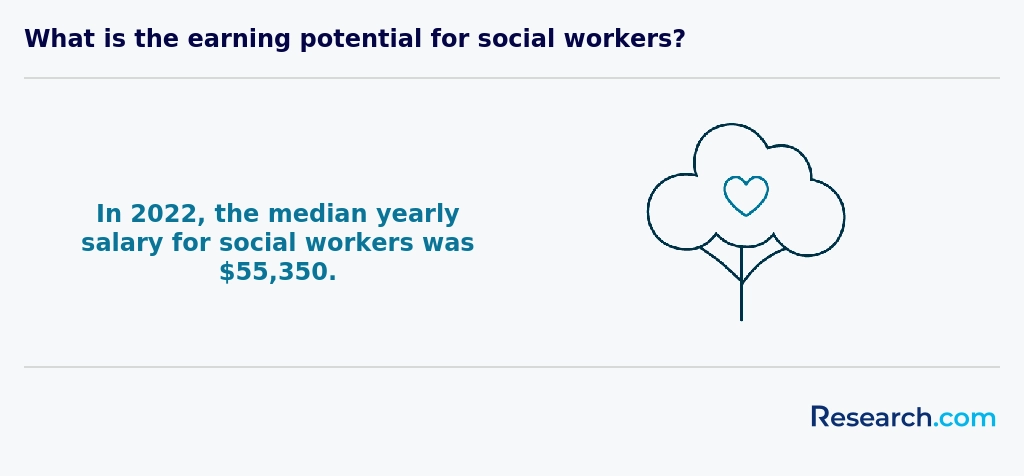
Graduates with an online social work degree in America have promising salary opportunities across diverse roles. For instance, many find rewarding positions as Child Welfare Specialists or Residential Counselors, with mean annual wages around $59,190. These roles allow graduates to make a real difference while earning a solid income early in their careers.
Others pursuing careers as Community Organizers or Youth Workers often experience higher earnings, averaging $83,400 annually. This reflects both the impact they have in empowering communities and the value placed on their skills. Graduates from top programs like the University of Michigan or Boston University share stories of thriving in these roles, feeling energized by the meaningful work and financial stability they enjoy.
Social Workers themselves, a common path for online MSW graduates from institutions such as USC or the University of Texas, receive mean annual earnings near $68,800. This range grows with experience and licensure, encouraging graduates to envision a bright future where passion and purpose meet rewarding compensation.
2027 Most Valuable Online Social Work Degree Programs Ranking in the USA
How do we rank schools?
Investing in your education is a significant decision that can shape your future, and the Research.com team understands the importance of making informed choices. To assist prospective students, we have meticulously crafted the "2027 Most Valuable Online Social Work Degree Programs Ranking in the USA." Our commitment to quality, credibility, and accuracy is reflected in the extensive research and thorough analysis conducted to compile this ranking.
We utilized the following reputable data sources to ensure a comprehensive evaluation of social work programs:
By exploring this ranking, readers will gain valuable insights into the best online social work degree programs in the USA, empowering them to make well-informed decisions about their educational and professional futures. For more details on our methodology, please visit our Research.com methodology page.





Key Findings
- Most accredited online social work programs follow CSWE guidelines, which are necessary for licensing as LSW or LCSW.
- The cost for online BSW degrees ranges from $20,000 to $40,000, while MSW degrees typically cost between $25,000 and $60,000.
- Social work jobs are projected to grow 12% from 2022 to 2032, faster than the average for all occupations.
- Starting salaries average $45,000 for BSW graduates and around $60,000 for MSW graduates, with experienced clinical social workers earning over $75,000.
- Online programs usually require a local practicum or internship for hands-on experience and licensing eligibility.
- Financial aid options include federal grants and employer tuition assistance for working students.
How long does it take to complete online social work degree in America?
Completing an online social work degree in America is an exciting journey that adapts beautifully to your lifestyle. Many students at well-regarded programs like those offered by the University of Southern California or the University of Texas find that a Bachelor of Social Work (BSW) takes about four years of full-time study, just like on campus, but with the flexibility to balance work and family commitments. Some brave learners even extend their studies part-time to five or six years, embracing a pace that feels right for them.
For graduates pursuing a Master of Social Work (MSW), the timeline can be as swift as 12 to 18 months through accelerated online pathways if they already hold a BSW or related degree. Others discover empowerment in part-time study, spreading their learning over three or more years at schools like Boston University or the University of Michigan, making room for life's many demands.
These varied timelines offer real freedom-letting you choose a path that celebrates your ambitions and unique story as you prepare to make a profound impact in the social work field.
Licensing and Certification Requirements
To practice as a professional social worker in the USA, online degree graduates must meet state licensure criteria. Key steps include:
- Earn a CSWE-accredited BSW or MSW-consider the cheapest online msw programs if budget is a priority
- Complete required supervised clinical hours (often 1,000–3,000 hours, depending on state and license level)
- Pass the appropriate ASWB exam (e.g., Bachelors, Masters or Clinical level)
- Submit your application, transcripts and exam scores to your state’s social work licensing board
- Uphold licensure through continuing education and renewal fees as mandated by your state board
Meeting these requirements ensures you’re qualified for roles ranging from school social work to clinical practice, while maintaining compliance and professional credibility.
What's the difference between online and on-campus social work degree?
Online and on-campus social work degrees in America each offer unique advantages that empower students to thrive in meaningful ways. Imagine a graduate from the University of Michigan who balances work and family while engaging in dynamic online classes filled with recorded lectures and live virtual discussions. This flexibility allows pursuing a Bachelor or Master of Social Work without relocating, opening doors to those with busy lives.
On the other hand, a graduate from the University of North Carolina experiences the vibrant campus atmosphere firsthand, building strong connections through in-person classes, study groups, and local agency visits. These face-to-face moments foster immediate feedback and lasting professional relationships.
Both paths ensure rich practicum experiences, whether placed in local communities near students' homes or through university-affiliated agencies, grounded in the same CSWE standards. Tuition varies but often online programs ease costs through savings on commuting and housing, making social work accessible and inspiring for those driven to create positive social change across America.
Most Affordable Options for Pursuing a Social Work Degree
When considering the pursuit of a social work degree, one crucial factor to keep in mind is the cost of tuition. While the benefits of a career in social work, including competitive salaries and diverse career paths, are undeniable, the financial investment required can be a barrier for many aspiring professionals. For those seeking to minimize their educational expenses without compromising on the quality of their education, exploring the most affordable social work schools can be a prudent first step. Many of these institutions offer comprehensive programs that balance theoretical knowledge with practical experience, ensuring that graduates are well-prepared to enter the workforce. By opting for an affordable social work program, individuals can mitigate the financial burden of their education, allowing them to focus on their studies and their future career without the undue stress of significant debt. This approach enables prospective social workers to embark on their professional journey with a solid foundation, both academically and financially, positioning them for success in a field that is as rewarding as it is challenging.
What is the average cost of online social work degree in America?
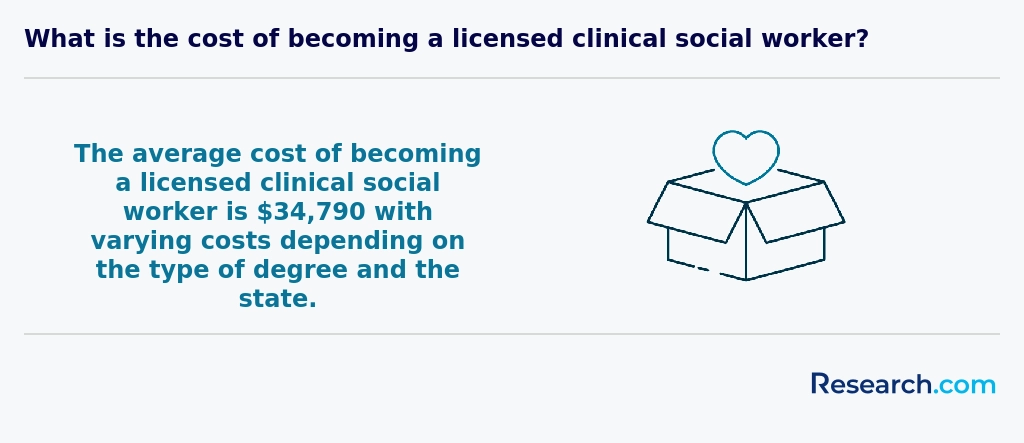
The average cost of an online social work degree in America typically centers around $38,400, balancing both in-state and out-of-state tuition fees. Many students pursuing this rewarding path share how investing in their education at well-known public universities or esteemed colleges has empowered them to pursue careers dedicated to positive community impact. With median in-state tuition near $29,000 and out-of-state closer to $36,000, the financial commitment reflects the value of comprehensive programs that prepare graduates for meaningful roles in social work.
Prospective students often highlight how programs from popular institutions combine rigorous coursework with flexible online formats, allowing them to manage studies alongside personal and professional responsibilities. For those weighing the average cost of online social work degree in USA options, exploring the most affordable social work schools is a practical step to find quality education within budget.
Graduates frequently express a deep sense of accomplishment when reflecting on their tuition investment, noting how scholarships and financial aid opportunities helped make their ambitions a reality. From technology fees to practicum expenses, understanding total tuition and fees for social work degree USA helps students plan confidently and stay motivated throughout their educational journey.
Accreditation and Licensure Requirements
Earning an online social work degree from a CSWE-accredited program is the first step toward professional licensure and credibility in the field. Accreditation by the Council on Social Work Education (CSWE) ensures your curriculum meets national standards for theory, ethics, and supervised field experience. Upon graduation, most states require: • Completion of a CSWE-accredited BSW or MSW program • 2,000–4,000 hours of supervised post-degree practice (varies by state) • Passing scores on the Association of Social Work Boards (ASWB) licensure exam (Bachelors, Masters or Clinical level) • Submission of official transcripts and application fees to your state board Licensed social workers must also fulfill continuing education requirements-typically 15–30 hours per renewal period-to maintain competence in areas such as ethics, cultural diversity, and evidence-based interventions. Reciprocity agreements between states can ease relocation, but it’s crucial to verify each board’s rules on supervised hours and exam eligibility. For students comparing costs without sacrificing quality, explore our Low Cost Social Work Degree Programs Ranking in Minnesota to find accredited, budget-friendly options that align with licensure pathways.
What financial aid is available to online social work degree students in America?
Many students pursuing online social work degrees in America find hope and support through various financial aid opportunities that make their dreams achievable. Graduates from renowned institutions like the University of Southern California and the University of Michigan often share how Pell Grants, which can cover up to $7,395 annually, relieved their financial worries during the toughest semesters.
Federal student loans, especially subsidized ones, offer flexibility and low-interest rates that empower students to focus on their studies without overwhelming debt. Imagine balancing work and school with peace of mind knowing the government is assisting you while you're enrolled at least half-time.
State scholarships, like those from California's Cal-SWEC, reward commitment to serving underserved communities, fueling a deeper sense of purpose. Many social work graduates also tap into private scholarships from professional groups and employer tuition reimbursement, turning their career ambitions into reality.
Institutions with dedicated online programs often provide exclusive scholarships or discounted tuition rates, making accessible education possible. These opportunities bring real relief and encouragement to students nationwide striving to make a positive impact through social work.
Licensure and Certification Requirements for Social Work Graduates
Earning an online social work degree is just the first step toward professional practice; securing licensure and certification ensures you can legally and effectively serve clients in your state. Most states require graduates of Council on Social Work Education (CSWE)–accredited programs to complete a set number of supervised practice hours-typically 3,000 for clinical licensure-before sitting for the Association of Social Work Boards (ASWB) exam. The ASWB offers multiple levels of exams (bachelor’s, master’s, advanced generalist, and clinical), each corresponding to different scopes of practice, from entry-level case management to advanced clinical therapy. To streamline this process, many online BSW and MSW programs incorporate exam preparation modules, guided field practicum placements, and partnerships with licensed supervisors. Before enrolling, verify that your chosen program tracks supervision hours and provides curriculum aligned with ASWB content outlines. Prospective students seeking accredited, budget-friendly pathways may find our curated list of low cost bsw online programs particularly helpful, as these options meet both affordability and accreditation standards essential for licensure eligibility. Once you pass the ASWB exam, you’ll apply for state licensure-titles vary from Licensed Master Social Worker (LMSW) to Licensed Clinical Social Worker (LCSW) depending on your level of education and exam passed. Keep in mind that continuing education requirements differ by jurisdiction, so plan ahead to maintain your license and stay current with evolving best practices in areas like trauma-informed care, substance abuse counseling, and digital ethics. By understanding these certification milestones and selecting programs that support each step, you’ll be well-equipped to transform your degree into a rewarding, legally recognized social work career.
What are the prerequisites for enrolling in online social work degree program in America?
To enroll in an online social work degree in America, you start with clear and achievable milestones that pave the way to a rewarding career. At the bachelor's level, many universities like the University of Southern California and Ohio State University welcome applicants with a high school diploma or GED, usually expecting a GPA around 2.5 to 3.0. Graduates often recall how submitting personal statements and letters of recommendation helped them express their passion for social change, making their applications stand out.
For those aiming higher, master's programs at places such as Columbia University or the University of Michigan require a completed bachelor's degree and a solid GPA, often 3.0 or above. Experience in volunteer work or professional social services energizes applications and deepens students' real-world understanding, a common theme among successful applicants.
Doctoral candidates bring advanced degrees and research dedication, building on strong foundations laid through their master's studies. Each step reflects a commitment to making a meaningful impact-an inspiring journey studied nationwide at CSWE-accredited programs.

Earning Potential and Career Advancement Opportunities
While the rankings clearly highlight program quality and immediate job prospects, an additional section on long-term career advancement can further empower prospective students. Many professionals find that ongoing education and strategic career planning significantly boost their income over time. Pursuing advanced certifications, engaging in professional development programs, and joining industry associations are proven ways to accelerate career growth. For example, if you’re curious about the financial benefits of further education, exploring an salary with online bachelors degree in social work can provide valuable insights into how credentials can enhance earning potential. Additionally, mentorship programs and networking opportunities continue to be vital resources, helping graduates navigate promotion ladders and transition into leadership roles. As the social work field evolves alongside new challenges and technological advancements, proactive career planning becomes essential not only for higher salaries but also for making a lasting impact on communities.
What courses are typically in online social work degree programs in America?
Online social work degree programs in America immerse students in courses that empower them to create real change. Graduates from top schools like the University of Southern California and Boston College often recall how Human Behavior and the Social Environment opened their eyes to the rich complexities behind every client's story. These lessons go beyond theory, helping students understand people in contexts that truly matter.
Many find Social Work Practice with Individuals and Families especially transformative, practicing counseling skills that build trust and healing within homes and communities. Through Field Practicum or Internship placements, students have described "life-changing" moments working directly alongside experienced social workers in agencies, gaining confidence and hands-on insight.
Courses like Diversity and Cultural Competence encourage students to celebrate and honor America's diverse populations, preparing them to serve with empathy and respect. Meanwhile, Social Welfare Policy and Services equips them to advocate passionately for systemic change that uplifts vulnerable groups across the nation.
These dynamic courses combine to shape compassionate professionals ready to support individuals and families every step of the way.
What types of specializations are available in online social work degree programs in America?
Students pursuing an online social work degree in America can choose from inspiring specializations that shape impactful careers. Clinical social work, for example, equips graduates from institutions like the University of Southern California with skills to support mental health recovery, helping individuals and families navigate life's toughest challenges. Child and family social work, popular at schools like the University of Michigan, empowers students to become advocates for children in foster care or those affected by trauma, fostering hope and healing within communities.
Health and hospital social work is another rewarding path, preparing graduates to assist patients through complex medical journeys at renowned colleges such as Boston University. Gerontological social work specialists focus on uplifting aging populations, addressing concerns like elder abuse and mental wellness in a compassionate way often found at schools like the University of Washington. Additionally, options like school social work or substance abuse social work provide versatile career routes aligned with unique passions. These diverse online social work degree specializations in the USA enable students to impact lives positively while pursuing their calling.
Many graduates also explore the financial advantage of these programs, balancing work and study with accessible tuition ranges. To learn more about how education relates to earning potential, check out the salary with online bachelors degree in social work.
How do you choose the best online social work degree in America?
Choosing the best online social work degree in America means seeking a program that balances quality, flexibility, and affordability. Graduates from popular universities often highlight the importance of accreditation by the Council on Social Work Education (CSWE), which ensures the degree holds weight for licensure and professional recognition. Many find that programs offering asynchronous classes allow them to juggle family, work, and studies effectively while gaining valuable practicum experience close to home. Those pursuing affordable social work degree programs America-wide appreciate institutions that support their journey with strong academic advising and career counseling, making the path smoother and more rewarding.
Students who have succeeded emphasize looking beyond tuition to the full cost structure; some turn to programs noted for being low cost bsw online options, which reduce financial strain. Imagine yourself connecting with local agencies through a practicum, driven by a curriculum shaped by passionate faculty at well-known colleges. This real-world engagement fuels motivation and confidence, making the degree feel not just attainable but truly transformational for your future in social work.
What career paths are available for online social work degree students in America?
Graduates with an online social work degree in America discover inspiring career paths that make a real difference every day. Many find rewarding roles in healthcare settings, offering emotional support to patients in hospitals and rehabilitation centers. Others pursue school social work, helping students overcome challenges and thrive academically, reflecting the deep impact graduates from popular programs at universities like the University of Southern California have experienced firsthand.
Career options also include child, family, and school social work, where graduates support foster care and adoption services, bringing hope to families across the country. Mental health and substance abuse counseling roles allow social workers to provide crucial therapy and connect clients with life-changing resources, a path many graduates from top colleges embrace with passion. Community organization and advocacy empower professionals to influence policy and promote social justice, a commitment echoed by those inspired by social work degree job opportunities America presents.
For students concerned about costs, exploring the Low Cost Social Work Degree Programs Ranking in Minnesota sheds light on affordable options tailored for ambitious learners eager to start fulfilling online social work careers in the USA.
What is the job market for online social work degree in America?
The job market for graduates holding an online social work degree in America is vibrant and full of opportunity. Graduates from well-known programs at universities like the University of Southern California or the University of Michigan often share how flexible online studies allowed them to balance family, work, and education while preparing for rewarding careers. These graduates step confidently into roles across healthcare, schools, and nonprofits, where demand is driven by a growing need for mental health support and community services.
Those pursuing a social work career in the USA find encouraging growth, especially as interdisciplinary teams increasingly value social workers. Employment projections highlight a promising outlook, with rising opportunities fueled by expanding social programs and healthcare needs. Prospective students can also explore affordable routes, such as the best 6 month certificate programs that pay well online, to accelerate their career path while maintaining financial flexibility.
In this thriving field, social work career opportunities in America make it possible for compassionate graduates to make a genuine impact while building a stable, fulfilling profession.
Frequently Asked Questions About social work
Online social work degree students in America can maximize their learning by actively engaging with course materials and instructors. Many programs, such as those accredited by the Council on Social Work Education (CSWE), offer interactive webinars and discussion boards that encourage participation. Research shows students who regularly contribute to online discussions are more likely to retain information and develop critical thinking skills (CSWE, 2023).
Another key strategy is gaining practical experience through required field placements. Most accredited online programs require internships in local agencies, allowing students to apply theory in real-world settings while fulfilling licensure requirements.
Students should also utilize academic support services offered by institutions, including tutoring and career counseling, to enhance academic success and professional growth.
The social work field in the United States is evolving with new niches emerging that address specific societal needs. One notable growth area is telehealth social work, which expanded rapidly during the COVID-19 pandemic and continues to provide remote counseling and support. According to the U.S. Bureau of Labor Statistics, demand for social workers with technology skills is rising sharply.
Another emerging niche is gerontological social work, focused on aging populations. The U.S. Census Bureau projects that by 2030, all baby boomers will be over 65, increasing demand for specialists in elder care. Additionally, social workers are playing key roles in trauma-informed care, responding to growing awareness of mental health and substance abuse issues nationwide.
After completing an online social work degree in America, preparing for the job market involves several key steps. First, obtaining licensure is essential. Most states require passing the Association of Social Work Boards (ASWB) exam for roles such as Licensed Social Worker (LSW) or Licensed Clinical Social Worker (LCSW). This certification opens doors to clinical and counseling positions.
Gaining practical experience through internships or volunteer work during or after your degree enhances job prospects. According to the Bureau of Labor Statistics, employment for social workers is projected to grow 12% from 2022 to 2032, emphasizing demand.
Networking with professionals via organizations like the National Association of Social Workers (NASW) can provide valuable job leads and career support.
Employers in America highly value social work degree graduates who combine practical skills with strong interpersonal abilities. The National Association of Social Workers (NASW) emphasizes communication, empathy, and critical thinking as essential competencies. Graduates must effectively engage diverse populations, demonstrating cultural sensitivity and ethical judgment.
Analytical skills are crucial for assessing client needs and developing intervention plans, often using data from standardized assessments. With growing demand in healthcare and mental health services, knowledge of evidence-based practices is increasingly sought.
Additionally, proficiency in technology, including electronic record-keeping and telehealth platforms, is becoming vital as digital tools reshape social work practice in the US. Adaptability and problem-solving remain top priorities for employers.
Finding internships relevant to a social work degree in America involves a combination of research, networking, and utilizing university resources. Many accredited online social work programs require internships as part of their curriculum, often partnering with local agencies to facilitate placements.
The Council on Social Work Education (CSWE) accredits programs and often provides guidelines for field education, which helps ensure internships meet professional standards. According to the U.S. Bureau of Labor Statistics, practical experience through internships is crucial for licensure and employment.
Students can also explore opportunities through state social work boards, local non-profits, government agencies, and hospitals. Websites like the National Association of Social Workers (NASW) list internship openings. Early outreach and clear communication about goals improve chances of securing quality placements.
Obtaining an online social work degree in America significantly enhances career mobility and advancement opportunities. Many employers in healthcare, education, and government sectors recognize accredited online degrees, allowing graduates to access the same job market as those with traditional degrees. According to the U.S. Bureau of Labor Statistics, social work employment is projected to grow 12% from 2022 to 2032, faster than the average for all occupations.
Online programs offer flexible schedules, enabling professionals to continue working while earning advanced credentials. This flexibility supports timely promotions and salary increases. Additionally, a Bachelor's or Master's degree obtained online from accredited institutions meets licensing requirements in most states, a critical step for career progression in social work.
Studying for a social work degree in America equips students with skills essential for interdisciplinary collaboration. Accredited online programs emphasize understanding diverse fields such as psychology, healthcare, and criminal justice, reflecting the multifaceted nature of social work practice. According to the Council on Social Work Education (CSWE), curricula include case management, ethical decision-making, and communication strategies that prepare graduates to work effectively alongside professionals in education, law enforcement, and medical settings.
Statistics from the U.S. Bureau of Labor Statistics highlight that social workers often participate in team-based environments, addressing complex social issues.
This interdisciplinary training helps graduates contribute to holistic solutions benefiting individuals and communities.
Choosing between a thesis and a non-thesis online social work degree in America depends on your career goals and time commitment. A thesis program focuses on original research, ideal for those pursuing doctoral studies or research roles. According to the Council on Social Work Education (CSWE), about 20% of social work master's students choose this route.
Non-thesis programs prioritize practical skills and fieldwork experience, suited for professionals aiming for clinical or administrative positions. These programs often require less time, typically around two years.
Consider your preferred learning style, future career plans, and licensing requirements in your state. Many online programs accredited by CSWE offer both options to accommodate diverse needs.
Students based in America who are interested in studying social work abroad while pursuing an online degree have several options. Many accredited U.S. universities offer study abroad programs or international field placements as part of their social work curriculum. These opportunities allow students to gain global experience without interrupting their online studies.
Programs often partner with international organizations, giving students access to diverse cultures and social work practices. The Council on Social Work Education (CSWE) encourages global competence, and nearly 800 accredited programs in the U.S. integrate cross-border learning experiences.
Additionally, virtual exchange programs are emerging as a cost-effective way to collaborate with peers worldwide. These options help U.S. students build valuable skills applicable in an increasingly interconnected social work field.
Part-time jobs can enhance the educational experience for students pursuing online social work degrees in America by providing practical skills and exposure to relevant environments. Common opportunities include working as mental health aides, case management assistants, or social services aides. These roles help develop communication, crisis intervention, and organizational skills essential for social work careers.
According to the U.S. Bureau of Labor Statistics, positions like social services assistant are expected to grow 12% from 2022 to 2032, providing meaningful part-time roles for students. Additionally, volunteering in community agencies offers hands-on experience while accommodating academic schedules.
Such work complements academic learning and can improve job prospects post-graduation.
Online social work students in America have access to various networking opportunities that can enhance their educational and professional growth. Many accredited online programs encourage participation in virtual student organizations connected to the National Association of Social Workers (NASW), which represents over 120,000 members nationwide. These groups offer webinars, discussion forums, and mentoring connections.
Internships and field placements arranged by universities also provide direct experience and networking in local communities. Additionally, students can join regional social work conferences and social media groups dedicated to social work professionals.
According to the Council on Social Work Education (CSWE), these experiences are vital for career advancement and licensure preparation.
Alumni networks play a crucial role for students pursuing online social work degrees in America by providing valuable career support and professional connections. These networks allow current students to engage with graduates who have firsthand experience in the field, offering insights into job markets and licensing requirements specific to social work in the U.S.
According to the National Association of Social Workers (NASW), the U.S. social work workforce is growing, with an expected 12% increase by 2031. Alumni networks help students navigate this expanding field by sharing job leads and internship opportunities. Networking through alumni also supports mentorship, which research shows improves graduate employment rates.
Furthermore, these connections can facilitate entry into specialized areas like clinical or school social work, helping students access state licensure exam tips and continuing education resources essential for professional advancement.
When pursuing an online social work degree in America, customization is a key benefit that helps align education with career goals. Many accredited programs offer flexible electives, allowing students to specialize in areas such as clinical social work, child welfare, or school social work. According to the Council on Social Work Education (CSWE), most online degrees include internships or practicum placements tailored to your local community, supporting practical experience that matches your interests.
Some programs let you adjust your course load or choose part-time options to fit work schedules. Additionally, advanced trainees can select courses focusing on policy, administration, or mental health, preparing for leadership roles within social services.
Online social work students in America face several common challenges that impact their academic success. One significant issue is balancing coursework with personal and professional responsibilities, particularly as many students are working adults. According to the Council on Social Work Education (CSWE), about 60% of social work students are employed while studying.
Technology barriers also present difficulties. Reliable internet access and familiarity with digital platforms are essential, yet not all students have equal resources. Additionally, online students often report feeling isolated, lacking the peer interaction and support found in traditional campuses.
Field placements pose another challenge, as securing a quality practicum site remotely can be complex due to geographic limitations and agency availability.
With an online social work degree, graduates can pursue several professional certifications recognized across the United States. A key credential is the Licensed Master Social Worker (LMSW), allowing practice under supervision in various settings. Following LMSW, many aim for the Licensed Clinical Social Worker (LCSW) certification, which requires additional supervised experience and enables independent clinical practice.
The Association of Social Work Boards (ASWB) offers standardized exams for these licenses, with passing rates reflecting rigorous standards. Other certifications include Certified Social Work Case Manager (C-SWCM) and certifications in specialized areas such as gerontology or school social work. These credentials enhance job opportunities and earning potential.
To write a winning application for an online social work program in America, start by carefully researching accredited programs, as accreditation by the Council on Social Work Education (CSWE) is essential for licensure and employment. Clearly highlight your commitment to social justice and community service, using specific examples from work or volunteer experience.
Strong academic performance matters; the average GPA for admitted students in top programs typically ranges from 3.0 to 3.5. Be sure to write a compelling personal statement that connects your career goals with the values of social work.
Letters of recommendation from professionals familiar with your skills can strengthen your application. Finally, address any relevant certifications or continuing education, showing your readiness for graduate-level work.
Social work is a globally recognized profession dedicated to improving individual and community well-being. In the United States, social work education emphasizes cultural competence and ethical practice aligned with standards from the Council on Social Work Education (CSWE). Worldwide, social workers address diverse challenges such as poverty, mental health, and human rights.
According to the U.S. Bureau of Labor Statistics, employment for social workers is projected to grow 12% from 2022 to 2032, reflecting a growing demand worldwide. Many American programs integrate global perspectives to prepare students for international issues within their local contexts.
Understanding social work globally helps U.S. students appreciate diverse social policies and practices, enriching their professional outlook and effectiveness.
Gaining practical experience while studying for an online social work degree in America is essential for meeting licensure requirements and developing real-world skills. Most accredited online programs include field placements or internships arranged through partnerships with local agencies. These placements offer hands-on work with diverse populations, supervised by licensed social workers.
Additionally, virtual simulations are increasingly used to provide scenario-based training. The Council on Social Work Education (CSWE) requires a minimum of 900 field hours for bachelor's and 900 to 1,200 for master's programs, emphasizing practical learning. Students may also volunteer with community organizations to supplement their experience.
Choosing the right concentration within an online social work degree program in America depends largely on your career goals and interests. Common concentrations include clinical social work, child and family welfare, gerontology, and community advocacy. According to the National Association of Social Workers, clinical social work is the fastest-growing field, with strong demand for licensed clinical social workers (LCSWs) in hospitals and mental health facilities.
Consider the populations you wish to serve and the work settings you prefer. Some programs offer specializations aligned with federal guidelines for licensure in various states, essential for clinical practice. Review curriculum details and practicum opportunities to ensure they match your objectives. Accreditation by the Council on Social Work Education (CSWE) is also critical for qualifying for licensure exams.
Top Trending Social Work Rankings
See What Experts Have To Say About Studying Social Work
Read our interview with Social Work experts

References
- Study Social Work Abroad | Go Overseas https://www.gooverseas.com/study-abroad/social-work
- Guide to Careers in Social Work https://www.onlinemswprograms.com/careers/
- Interdisciplinary Collaboration in Social Work and the ASWB Exam https://agentsofchangeprep.com/blog/interdisciplinary-collaboration-in-social-work-and-the-aswb-exam/
- Global Definition of Social Work https://www.ifsw.org/what-is-social-work/global-definition-of-social-work/
- How to Overcome the Top Challenges Social Workers Face https://www.pacificoaks.edu/voices/social-work/social-work-challenges/
- Top Skills Employers Look for in Qualified Social Workers Today - Vitalis https://www.vitalissocialcare.co.uk/career-development/top-skills-employers-look-for-in-social-workers-today/
- Social Work Career Pathways https://socialworklicensemap.com/social-work-careers/pathways/
- Social work certificates | edX https://www.edx.org/certificates/social-work-certificates
- Know more about thesis vs non- thesis: what is the difference? https://studyfans.com/en/blogs/816
- 585 Institutions offering Social Work Courses Abroad https://www.hotcoursesabroad.com/study/training-degrees/international/social-work-courses/cgory/l19-3/sin/ct/programs.html


